


.jpeg)


Familiar Bones Under Fresh Sheet Metal
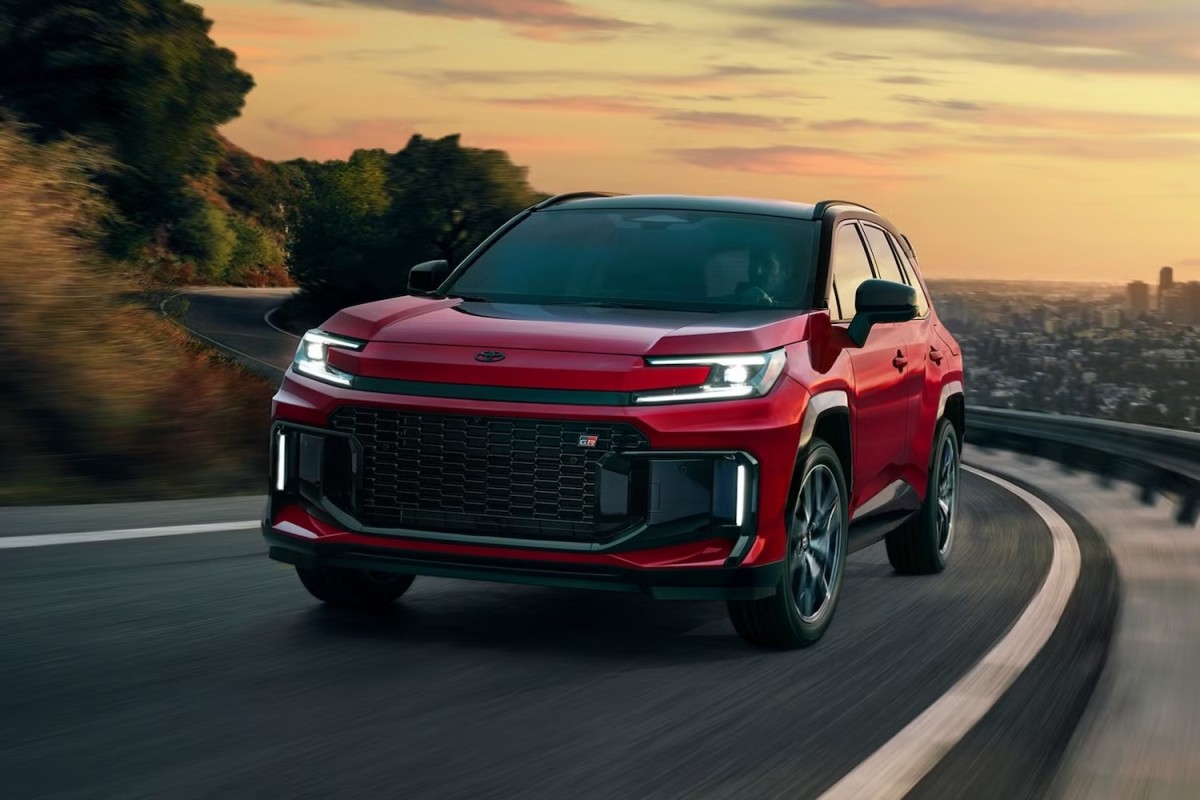
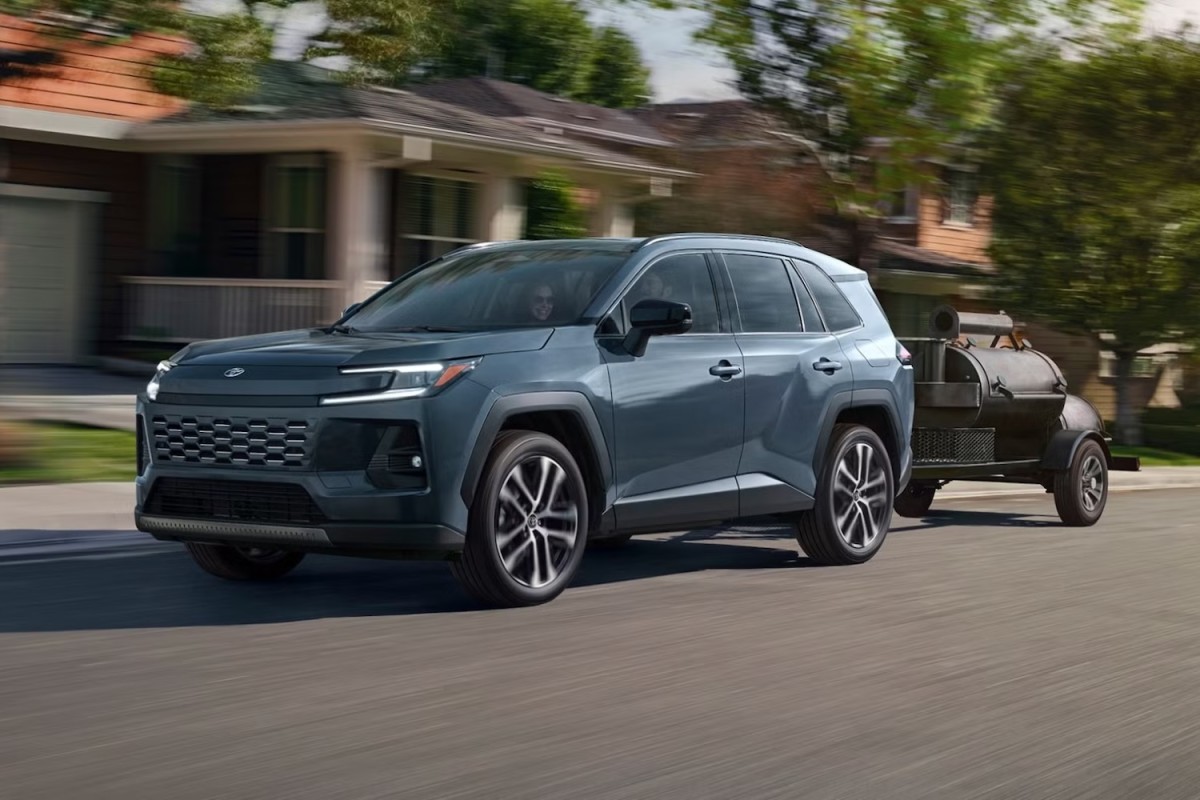
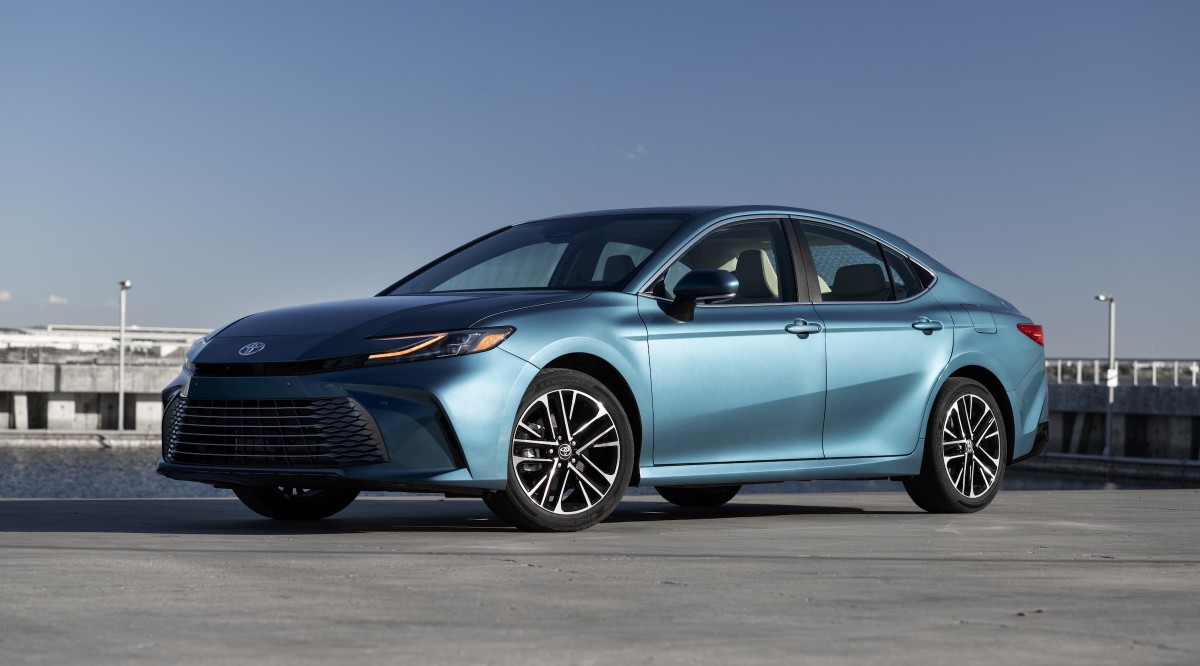
Toyota's next-generation Camry and the upcoming RAV4 showcase new styling and updated technology, including refined hybrid systems and enhanced safety features.
Yet beneath their fresh exteriors, both models ride on the same basic platforms as their predecessors. The ninth-generation Camry remains tied to its existing architecture, while the next RAV4, due to arrive in America soon, is expected to follow suit. It raises the question of whether these "all-new" cars are more evolutionary than revolutionary.
Toyota, however, is clear that this is not a corner-cutting exercise but a deliberate strategy.
Toyota
Here's Why, According to Toyota
According to Toyota Australia Sales and Marketing chief Sean Hanley, there is no pressing need to abandon proven underpinnings. "Platforms will move, but there's no need to move at this point – at all," he told Drive. "These platforms are working very well for us, we can achieve all the things we need to achieve globally with the platforms we've got."
Hanley stressed that customers will still see meaningful improvements in new-generation models. Enhancements to noise, vibration, and harshness (NVH), along with better suspension compliance and powertrain calibration, are part of every redesign. He added that reusing platforms delivers more than just cost savings. "Toyota is very much focused on quality, durability, reliability, and the current platforms deliver on all of those things – and that's important to us."
The company views its platforms as evolving assets rather than static structures. "Of course, platforms will move, always, but motor cars are complex machines now, and they're costly," Hanley said. "As technology evolves, as efficiency of build evolves, platforms will evolve." For Toyota, proven hardware remains a competitive foundation as long as it meets safety and performance benchmarks.
Toyota
A Wider Industry Trend
Toyota's approach is not unique. Nissan's latest Z sports car pairs new styling and technology with a heavily updated version of its predecessor's chassis. Other automakers have extended platform life cycles to balance investment with product freshness, particularly in segments where outright innovation yields limited customer benefits.
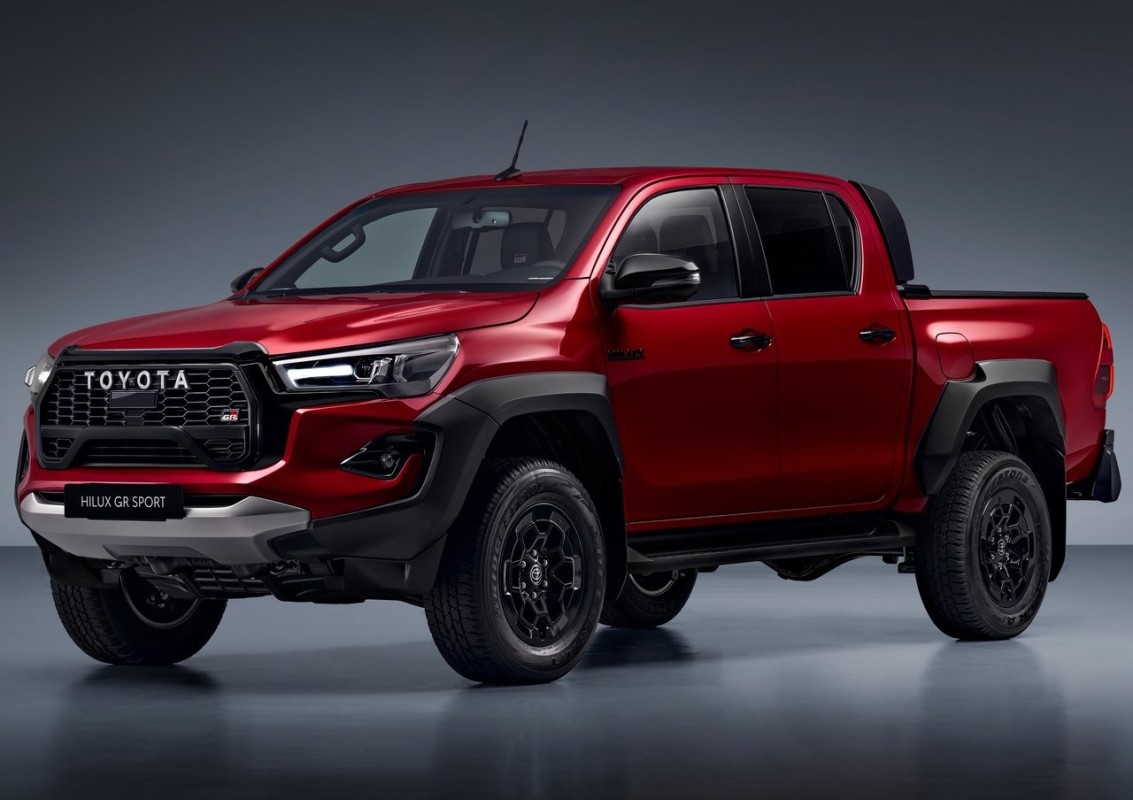
Toyota's own truck lineup illustrates the extent to which this can be taken. The next-generation Hilux, a global cousin to the Tacoma, is expected to make its debut next month and is strongly rumored to retain its ladder-frame IMV architecture, potentially extending its service life beyond two decades.
Toyota


0 comments:
Post a Comment