Post Icon

Aston Martin DBX S Smashes Bentley's Goodwood Hillclimb Record As Quickly As It Was Set


via Aston Martin DBX S Smashes Bentley's Goodwood Hillclimb Record As Quickly As It Was Set

Bentley Bentayga Speed Loses Record To DBX S

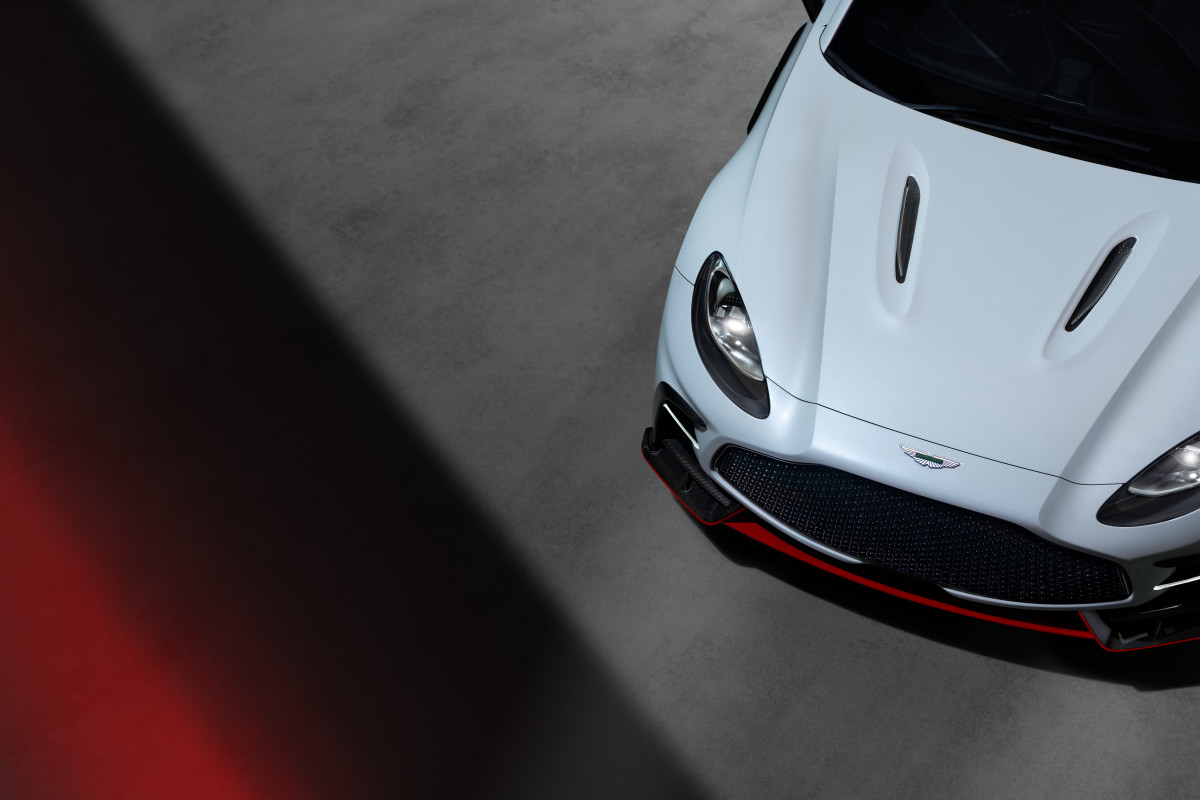
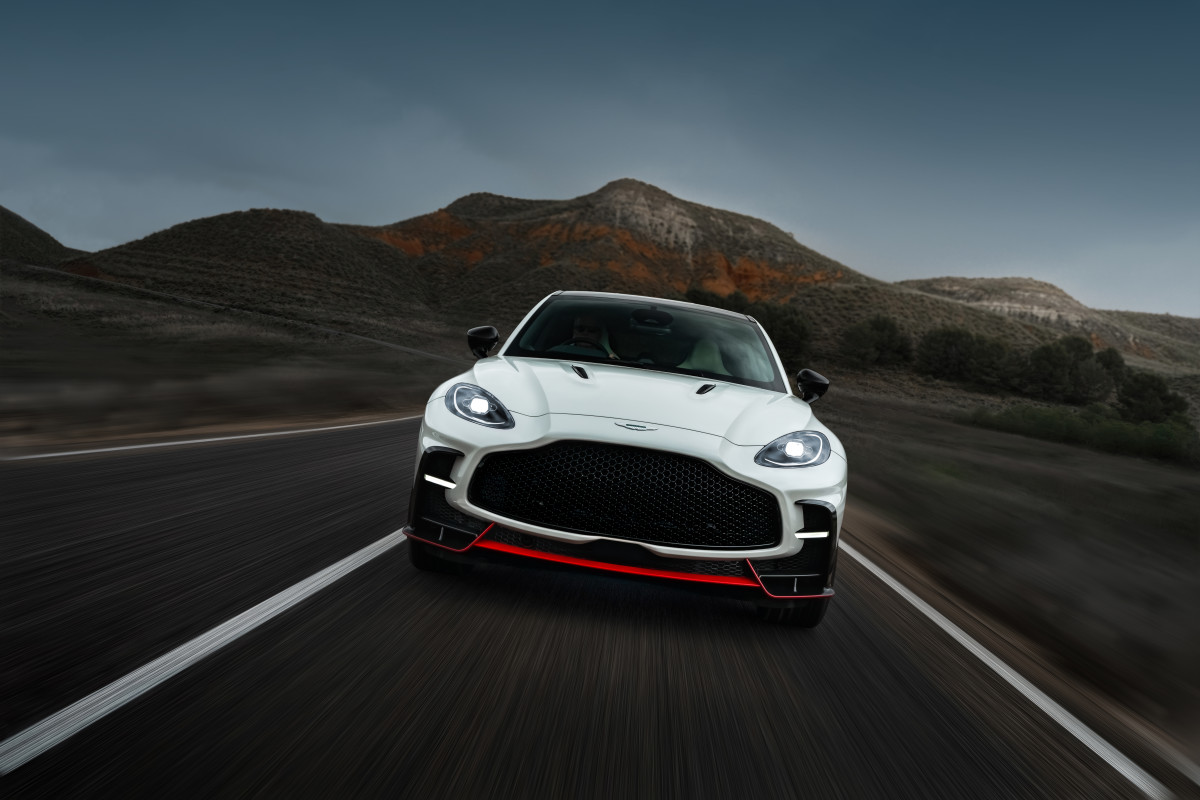
The annual Goodwood Festival of Speed is always one of the biggest highlights of the automotive calendar, and this year did not disappoint, with numerous reveals, dynamic debuts, and hillclimb runs. One of the most impressive ventures up Lord March's driveway during the timed shootout was that of the Bentley Bentayga Speed, which broke the old Bentayga W12's record to become the fastest internal combustion engine SUV ever to tackle the course. Unfortunately for Bentley's 641-horsepower SUV, the 717-hp Aston Martin DBX S was also in attendance, and it broke Bentley's record before the weekend was out. You can watch that record run from onboard at the bottom of this article.

Aston Leaves A Big Gap To The Bentley

Related: Listen To How Akrapovic Turns Bentley’s V8 Models Into Angry Brutes

The Bentayga Speed's expedition up the Goodwood Hillclimb was timed at 55.8 seconds, while the DBX S took just 53.12 seconds. A difference of over a second and a half is quite something for such a short course, and the onboard video suggests that there was still time to be made. The launch looked good, but the shift to second gear seemed a little delayed. At the first bend, Madgwick, there's some tire squeal, and as the DBX S goes onto the Fordwater "straight," some corrective steering is required. After clearing the right-hander before St. Mary's corner, the DBX S experiences some proper oversteer as the sharp left-hander tightens up before heading to the slowest part of the track, Lavant, before the kinked Lavant straight ahead of the finish line. It's not the cleanest lap it could have been, but that the Aston snatched the record anyway speaks to the potential of the super SUV.

Bentley May Have Something To Say
Aston Martin

View the 4 images of this gallery on the original article

We can't ignore the fact that the Bentayga Speed's run was set in damp conditions, so it's reasonable to assume that a quicker time could be achieved in the same weather experienced by the DBX S. However, a difference of more than 70 horsepower is tough to overcome. Bentley's Ultra Performance Hybrid powertrain, also with a 4.0-liter twin-turbo V8, generates 771 hp, but there has been no indication that this powertrain will be fitted to the SUV. If it is, perhaps the Bentayga will have a chance of reclaiming the record, but that extra power would also come with extra weight. Regardless, the next 12 months of gloating (at least) belong to Aston, and with more and more super SUVs going the hybrid route, the DBX S may own the ICE SUV record at Goodwood for all time.

  • Digg
  • Del.icio.us
  • StumbleUpon
  • Reddit
  • RSS
Post Icon

This U.S. State Could Make Every Mile You Drive Cost More Than Just Gas


via This U.S. State Could Make Every Mile You Drive Cost More Than Just Gas

Freedom To Move Act Aims To Reduce Car Use

Car buyers from across the U.S. are continually dealing with higher prices, regardless of what financial bracket they fall into. Cheap used cars are hard to come by, and the average new car price has continued to increase - thanks, in part, to new tariff policies. But for residents of one state, the cost of car ownership may be far greater than the mere purchase price. CBS News reports that Massachusetts may soon track how much you drive and charge accordingly if the new Freedom To Move Act is passed, and it's causing quite the controversy.

Supporters And Critics Of The Bill Weigh In

Nicolaus Czarnecki/MediaNews Group/Boston Herald via Getty Images

The bill is currently under discussion at the Massachusetts State House, where critics of the new law say it is about control and limiting transportation. Massachusetts Fiscal Alliance executive director Paul Craney says that the bill is trying to "put mechanisms in place to limit mobility," but Democrat Senate Majority Leader Cynthia Creem says otherwise: "This bill does not do that. This bill doesn't impose restrictions on how much Massachusetts residents can drive nor where they can drive. It doesn't include fines, penalties, taxes on personal vehicle use and it was never the intent of myself or any of the advocates to put a strain on a person's individual liberties." Instead, she says, the goal of the bill is to give more walking, cycling, or train options for those in areas that don't have them in an effort to get more cars and trucks off the road.

Creem says that "it's not about telling people what to do," and that this "is not big brother watching you," but Craney argues that this is just the beginning. "We can all kind of figure out where this is going," he said. The bill has not yet reached a committee and is likely to undergo several edits, so it will still be years before anything therein is enacted.

Why The Bill Was Proposed

Related: New Tennessee Law Hits Bullies Where It Hurts: Their Driver’s License

A dollar figure per mile has not yet been floated, but whatever it is, the extra cost to residents needs to be justified. In 2021, Massachusetts passed a law requiring the state to reach zero emissions by 2050, and as Craney concedes, "it's not a goal. It's not wishful thinking. It is actually a law." To meet that zero-emissions target will require radical change, and advocates of the new bill say that this is just one way the state can get there.

But the path will not be straight. Owners of businesses, especially smaller ones, may have to face higher transport costs that they simply cannot avoid, while others are concerned about their data being stored and what that might mean in terms of government overreach. As valid as those points are, the state needs to find a way to meet the requirements of its own law. Furthermore, it's worth pointing out that Massachusetts is home to the city where drivers are most likely to experience a collision, Boston, so perhaps quieter streets could have a positive impact on more than just air quality.

  • Digg
  • Del.icio.us
  • StumbleUpon
  • Reddit
  • RSS
Post Icon

Urban Automotive unveils customized Rolls-Royce Cullinan Series II at Goodwood


via Urban Automotive unveils customized Rolls-Royce Cullinan Series II at Goodwood

Urban Refines Rolls-Royce With Carbon

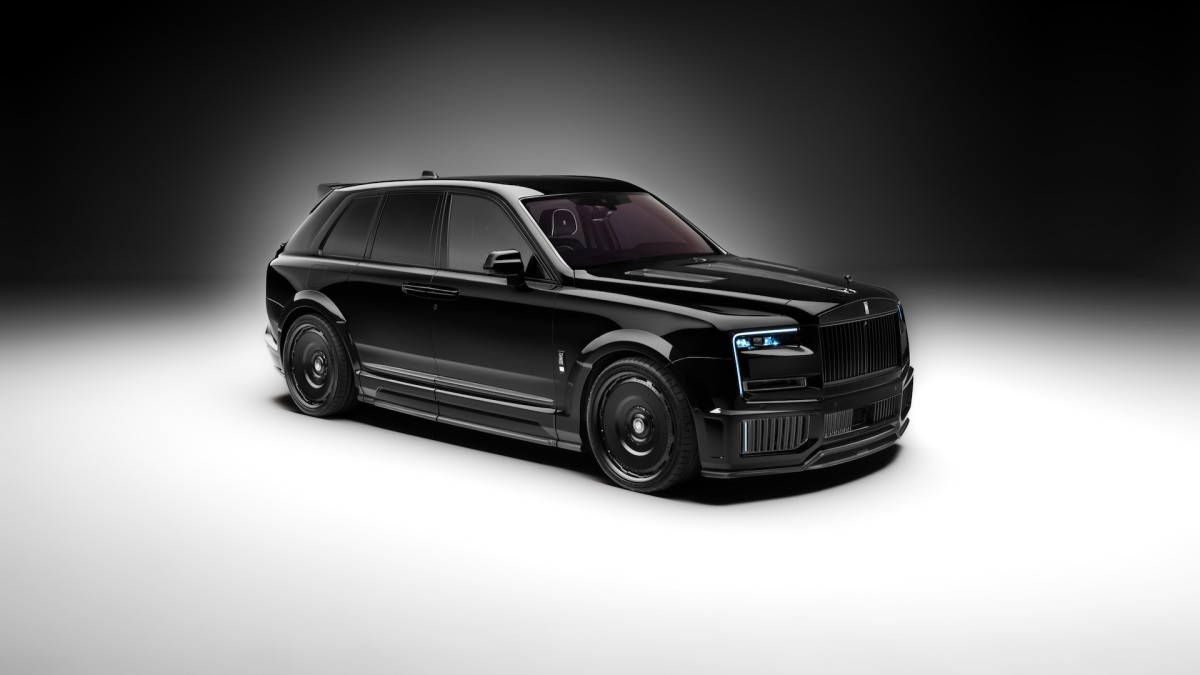
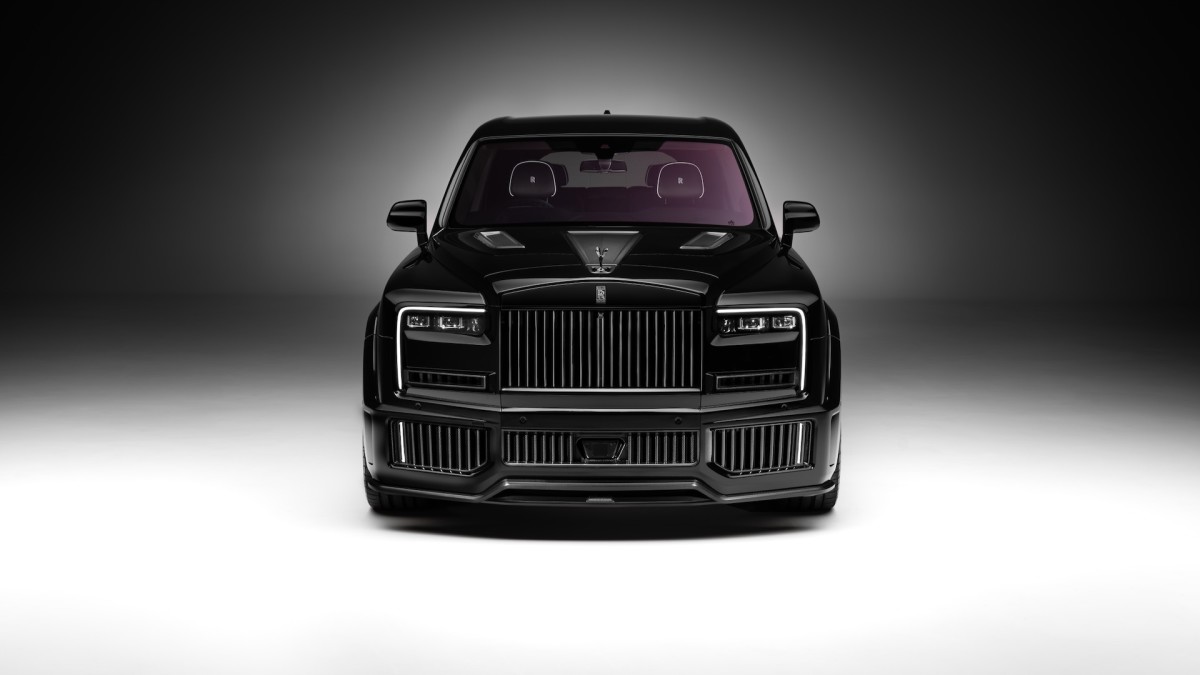
Urban Automotive, the British luxury car modifier known for its carbon-fiber body kits for high-end models, has put its spin on the refreshed Rolls-Royce Cullinan Series II. This updated version of Rolls' only SUV, marked by a new front fascia with prominent vertical LED daytime running lights, is already proving popular with tuners, but Urban Automotive aims to distinguish itself with what it calls "OEM+" standards of build quality.

The Cullinan Series II "Redefined by Urban" will initially be offered in the United Kingdom with a starting price of 449,995 British pounds ($609,842 at current exchange rates), and production at the company's facility in Milton Keynes (also home of the Red Bull Racing F1 team). But Urban's expansion into the U.S. with a dedicated facility means these modifications could soon be available to customers on this side of the Atlantic as well.

A More Aggressive Look

Urban Automotive

View the 4 images of this gallery on the original article

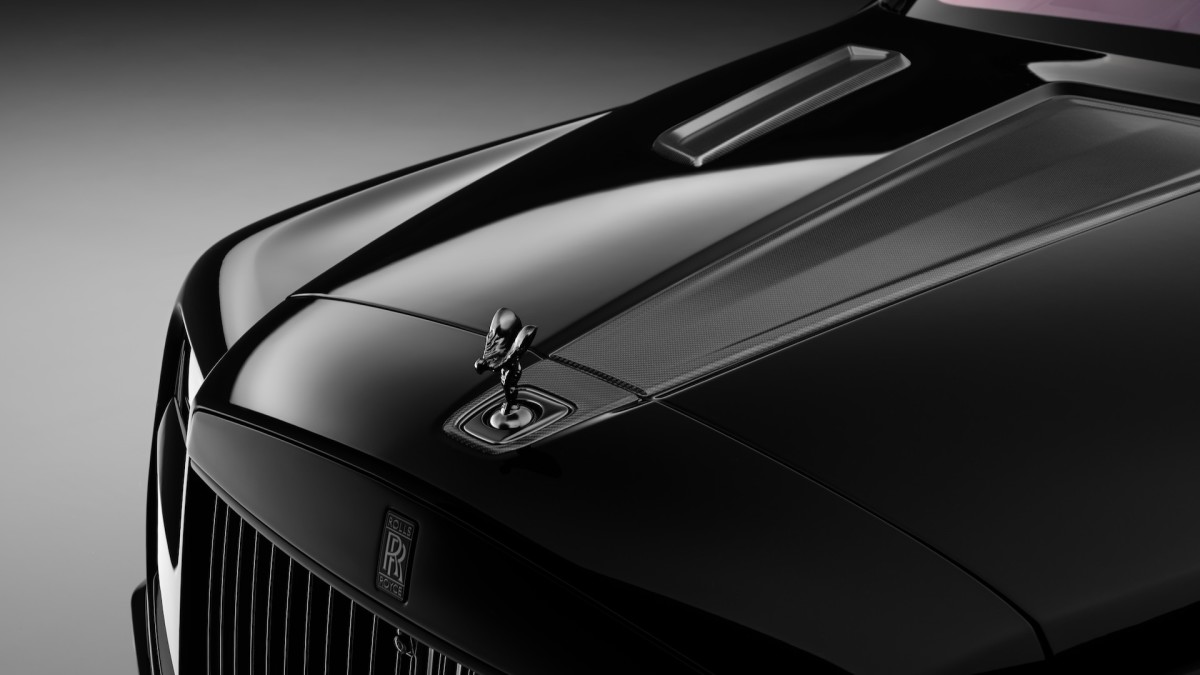
What customers get for that considerable chunk of change is a full carbon-fiber body kit, including a new front bumper, two-piece splitter, fender flares, sill extensions, a rear bumper with diffuser and anodized aluminum exhaust finishers, and a pair of spoilers. The package also includes 24-inch Urban-Vossen forged wheels.

"We felt the Series II model needed a more aggressive look and some Urban enhancements to its design," Urban Automotive founder Simon Dearn said in a statement. Dearn pointed out the DRLs, which extend down nearly to the bottom of the front bumper. That fits with Urban's "OEM+" ethos, as it largely follows the stock styling. So do the vertical bars in the front bumper's air intakes, which match the grille.

But the look is also indeed more aggressive than stock. It's unlikely that Rolls-Royce would produce anything with such prominent fender flares, and the quad exhaust tips and rear diffuser are markers of performance not normally associated with Rolls. Speaking of performance, Urban didn't discuss any modifications to the Cullinan's twin-turbocharged 6.7-liter V12, which makes up to 591 horsepower and 664 pound-feet of torque in Series II Black Badge models.

Urban Automotive's U.S. Expansion

Urban Automotive

View the 4 images of this gallery on the original article

Just last week, Urban Automotive announced the opening of a dedicated Americas division, anchored by a new warehouse and distribution facility in Phoenix, Arizona. The company previously relied on Tennessee-based Milltek Corp. for U.S. distribution. Urban has said that running its own facility is intended to reduce delivery times, improve customer service, and build more relationships with dealers and car builders in the U.S. Founded in 2014, Urban reported a 173% year-over-year increase in overseas sales in 2023, helping to justify its U.S. expansion.

  • Digg
  • Del.icio.us
  • StumbleUpon
  • Reddit
  • RSS
Post Icon

ZF’s Modular EV Range‑Extender Set to Launch in 2026


via ZF’s Modular EV Range‑Extender Set to Launch in 2026

As some automakers retreat from the “all-EV by 2030” battle plan, suppliers like ZF Friedrichshafen are quietly preparing smarter alternatives. Its new modular range-extender systems, dubbed eRE and eRE+, are due to enter production in 2026 — and they could help keep internal combustion alive in a way that actually makes sense.

Developed at ZF’s technical center in Shanghai and engineered for flexible, scalable integration, the eRE platforms aim to provide automakers with an easier path to longer-range electrification — especially in regions with sparse charging infrastructure or price-sensitive buyers.

ZF

How It Works

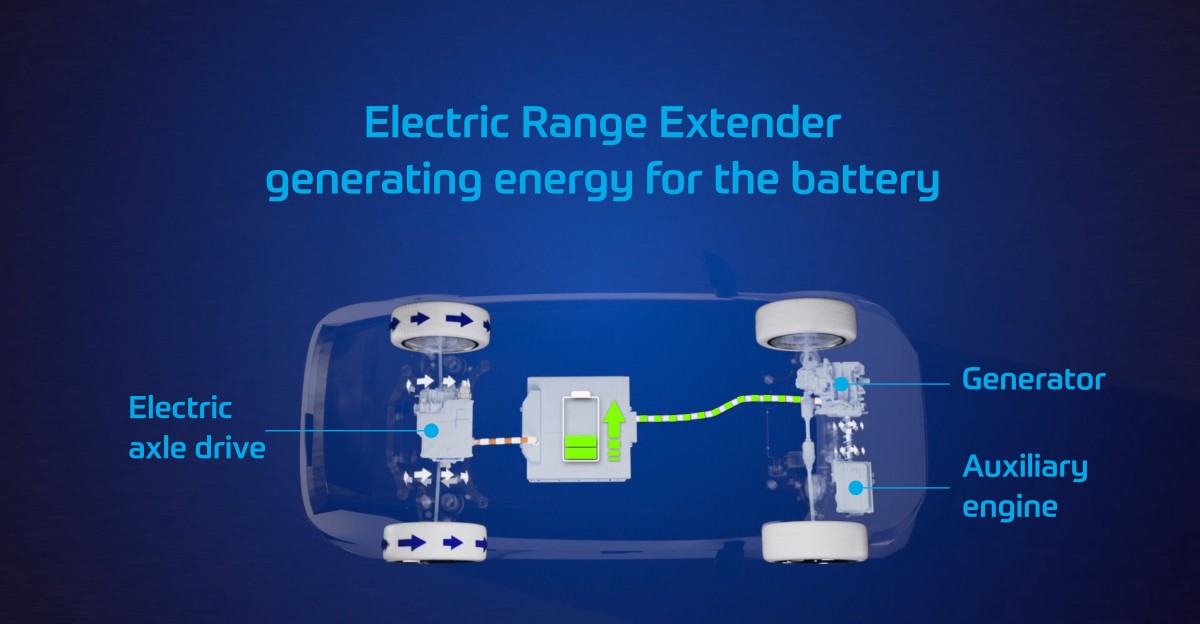
Unlike a conventional plug-in hybrid, ZF’s range-extenders never use the engine to drive the wheels. Instead, the gas engine powers a generator, which in turn charges the battery or powers an electric motor. The base eRE drives the rear wheels, while the eRE+ adds a planetary gearset, differential, and clutch to support front-wheel assist — or full four-wheel drive.

The result is a modular, software-defined drivetrain that works with either 400V or 800V vehicle architectures. The eRE produces between 94 and 148 horsepower, while the eRE+ scales to 201 hp. Carmakers supply their own engines and batteries — ZF handles the rest.

It’s a concept that echoes similar efforts across the industry. ZF’s own range-extender push has been framed as a way to extend EV range without resorting to larger, heavier batteries — a particularly useful idea in midsize crossovers, pickups, and vans where space and weight are major concerns.

Volkswagen

Others Are Thinking The Same Way

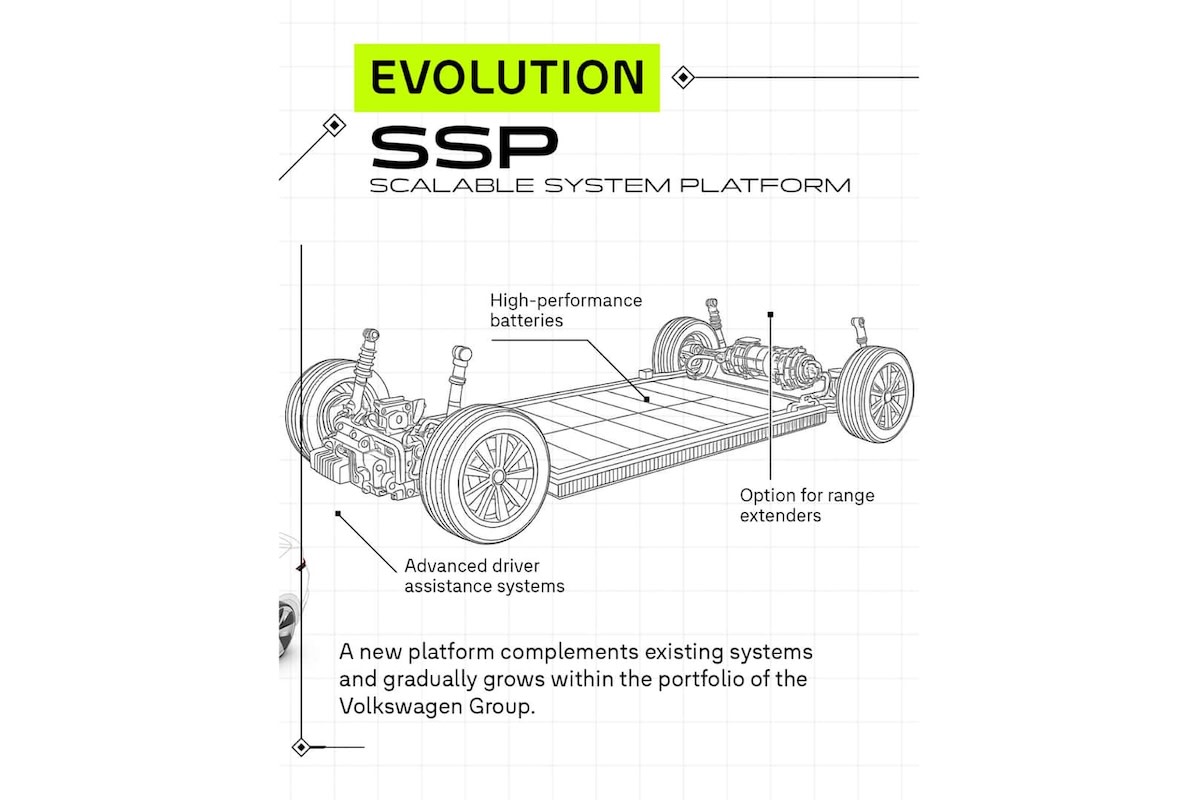
ZF isn’t alone in this line of thinking. Volkswagen recently revised its future EV platform — the Scalable Systems Platform (SSP) — to accommodate optional range extenders. While SSP was originally designed as a pure BEV solution, the company now views a generator-equipped fallback as a pragmatic “safety net” against softening EV demand. The SSP will remain electric-first, but the range-extender update shows just how much the industry’s tone has shifted.

Likewise, Scout Motors — the VW Group-owned electric off-road brand — is developing its own version of this concept. The upcoming Scout Traveler SUV and Terra pickup will be available with a “Harvester Range Extender” that promises to boost range to 500 miles. As with ZF’s eRE setup, the Harvester system uses a gasoline engine strictly as a generator, not as a means of direct propulsion.

What they all share in common is intent: extending range through smarter architecture, not just bigger batteries.

What’s Next?

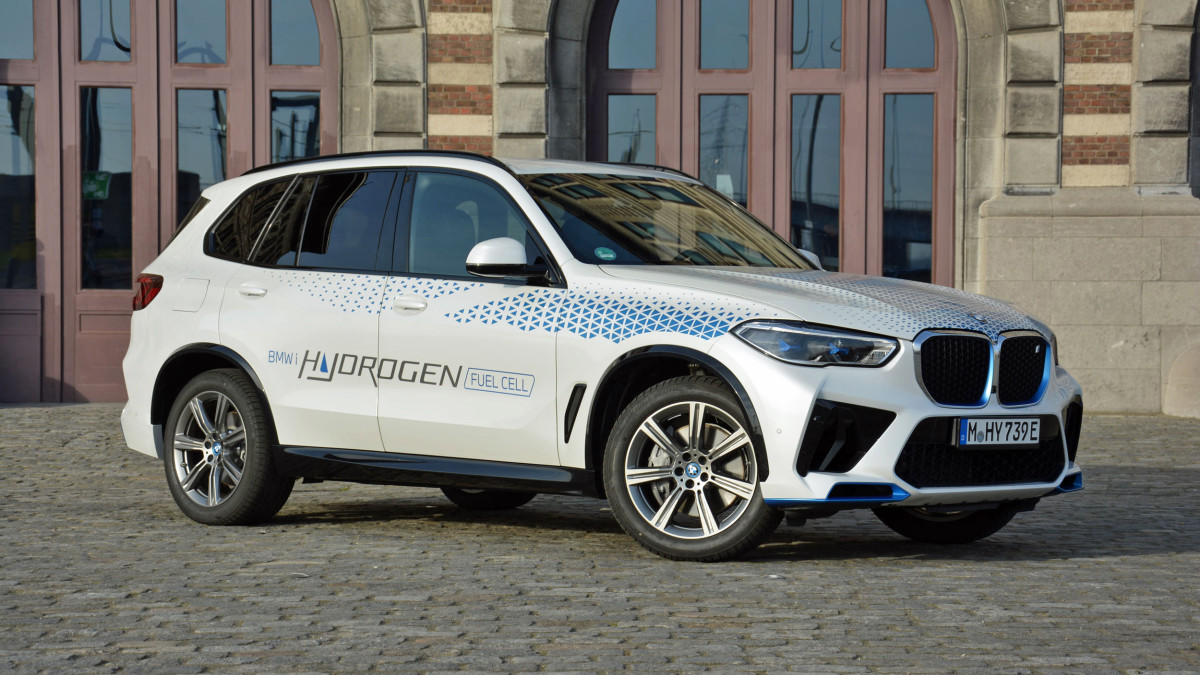
ZF’s system is ready for global adoption. Manufacturing begins in 2026, with the company targeting automakers across Europe, China, and North America. BMW is reportedly trialing range-extender concepts with its iX5 hydrogen test vehicles, while other brands — particularly those not developing ground-up EV platforms — are evaluating ZF’s solution as a retrofit-friendly option.

The company previously worked on range-extender setups for London black cabs and is now investing heavily in modular, powertrain-agnostic components that help manufacturers adapt without overhauling their entire production line.

For consumers, that could mean EVs that charge less often, cost less upfront, and offer better winter performance — all without forcing a compromise on driving feel or emissions targets.

Why It Actually Matters

The EV narrative isn’t collapsing, but it is correcting. Range anxiety hasn’t gone away, and infrastructure rollouts are lagging behind adoption rates. Rather than wait for the grid to catch up, companies like ZF are finding ways to meet drivers where they are — with practical, affordable tools that bridge the gap.

Range-extenders won’t replace pure EVs or hybrids entirely, but as part of a broader strategy, they may prove to be the missing link — a smart compromise in a world that’s still figuring out how to plug in.

  • Digg
  • Del.icio.us
  • StumbleUpon
  • Reddit
  • RSS
Post Icon

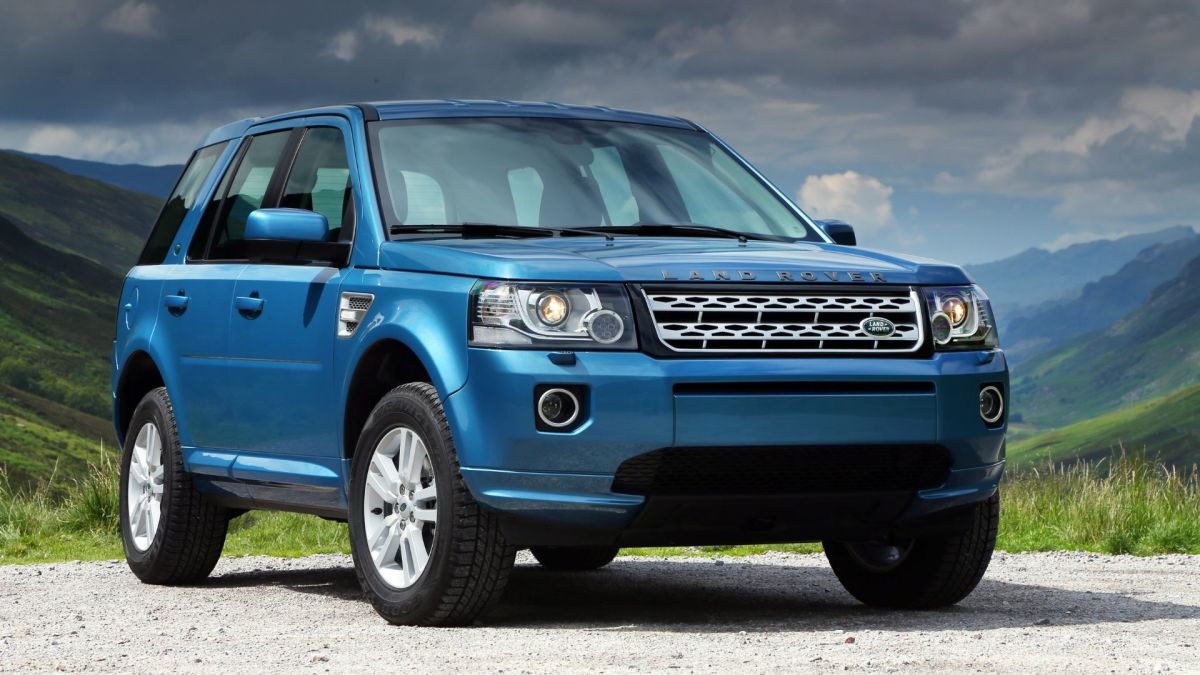
The Freelander Is Back, But Not Quite How You Remember It


via The Freelander Is Back, But Not Quite How You Remember It

The Freelander name is returning, but not as a Land Rover. Jaguar Land Rover (JLR) and its Chinese partner of 12 years, Chery, are reviving the badge as a standalone electric vehicle brand under their CJLR joint venture. The idea is to combine Chery's strength in the Chinese market with JLR's design expertise and iconic British heritage. Initially focused on China, the new Freelander brand is expected to go global in the years ahead.

Made In China, Designed By The British

Chery

The Freelander lineup will be made up of electric vehicles built on Chery’s existing EV architecture, with production taking place at CJLR’s facility in Changshu. In an interview with Autocar, JLR China boss Qing Pan explained that the first model will be built on a "flexible" in-house platform and styled by JLR’s design team. The debut model, set to arrive in late 2026, will be a midsize plug-in hybrid SUV with a coupe-like silhouette. It will use Chery’s T1X platform, the same one found in Omoda and Jaecoo models. JLR CEO Adrian Mardell called the move an "important strategic step” that reaffirms the company’s commitment to the Chinese market.

A New Brand For The Entire World

Jaguar Land Rover

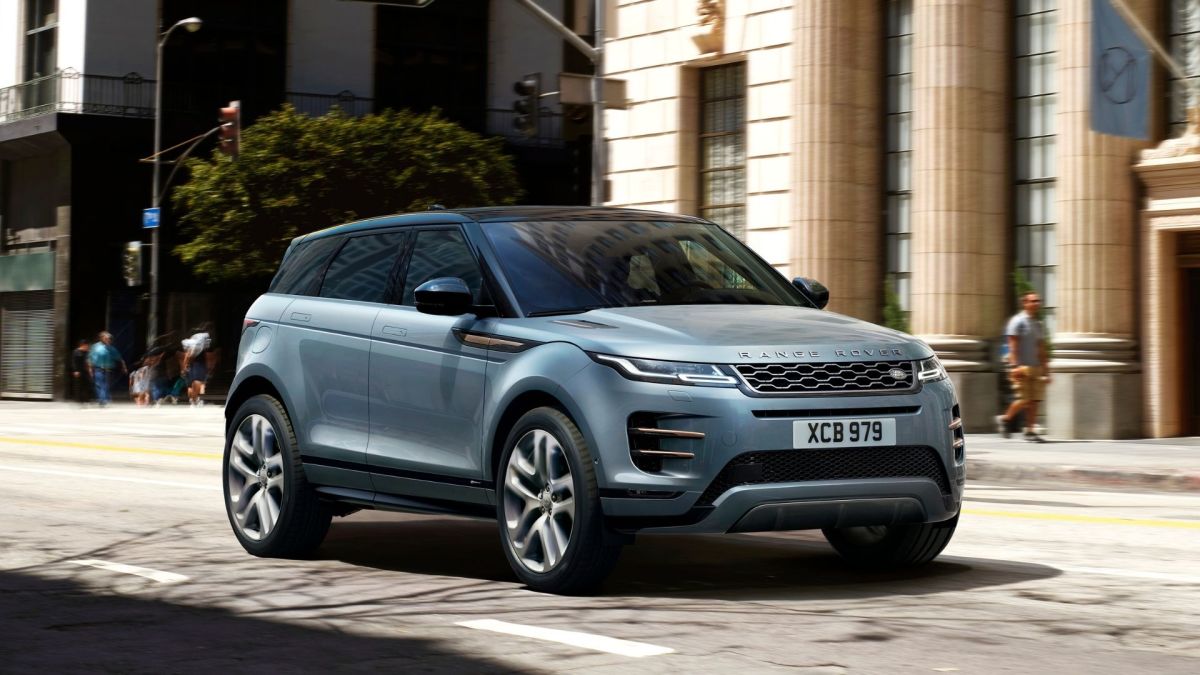
Freelander will operate independently from JLR and be sold by Chery-run dealerships. Though the launch is focused on China, the long-term goal includes global exports. If CJLR were to release Freelander across the globe from the get-go, it might steal too many sales from their upcoming luxury EVs like the electric successors to the Evoque. Chery Group Chairman Yin Tongyue described the partnership as "an innovative collaboration model that epitomizes our growth path for the future."

A Familiar Name With a Bold New Mission

Land Rover

The original Land Rover Freelander was a compact, somewhat off-road-capable luxury vehicle that emerged in the 1990s. Now, the name returns not as a model, but as a brand built from the ground up by two global players. The name returns with an entirely different ethos: building great bang-for-your-buck electrified SUVs for the entire world. Admittedly, it’s not the Freelander you remember, but let’s hope it avoids the same brand identity crisis that hit the Mustang Mach-E.

  • Digg
  • Del.icio.us
  • StumbleUpon
  • Reddit
  • RSS
Post Icon

Rare Praga Bohema Appears in Naked Carbon, Set for American Shores


via Rare Praga Bohema Appears in Naked Carbon, Set for American Shores

A Century-Old Czech Name Under British Spotlight

Praga may not be a household name today, but it was once a force in both the motoring and aviation industries. The company was founded in 1907 in what is now the Czech Republic, building everything from motorcycles to planes to race cars.

After years focusing on motorsport and engineering partnerships, Praga went back under the spotlight in 2022 with the unveiling of the Bohema – a road-legal, track-optimized hypercar. The car looks extreme, but it was designed to deliver GT3 car lap times with real-world usability.

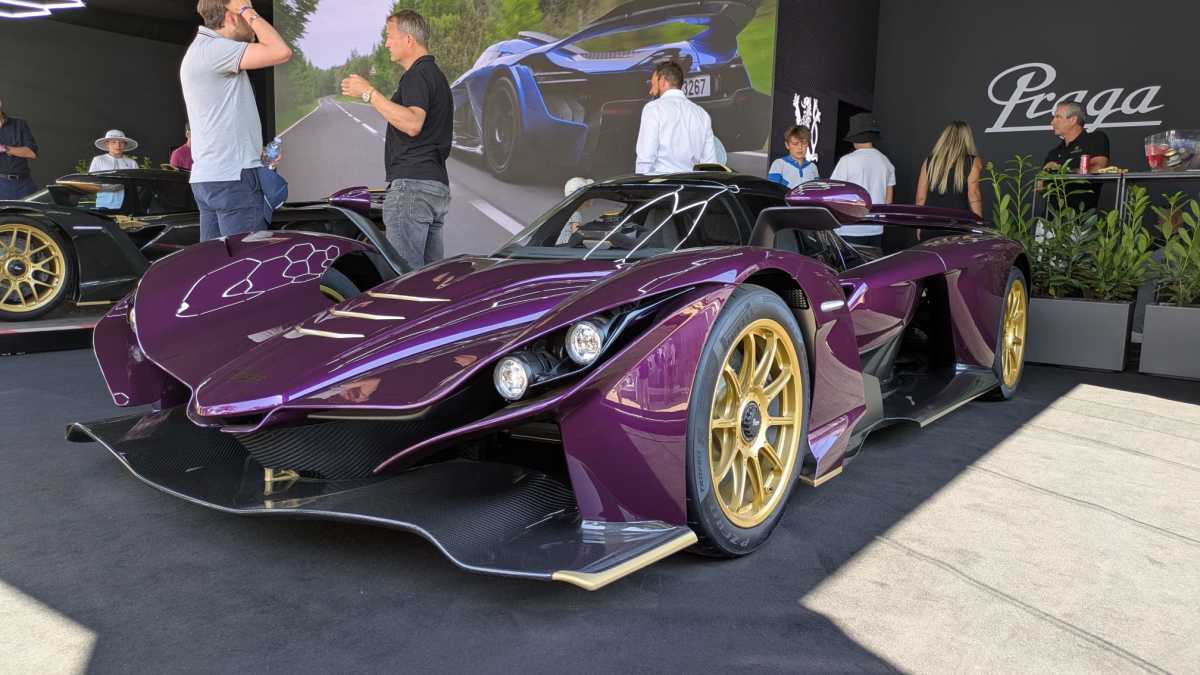
Despite the delay in production, the result appears worth the wait, with customers receiving their units in late 2024. At the 2025 Goodwood Festival of Speed, Praga showed off multiple Bohemas with a public dynamic debut, three of which are customer-owned.

Adam Lynton/Autoblog

View the 3 images of this gallery on the original article

Flying Off to America Under the "Show or Display" Rule

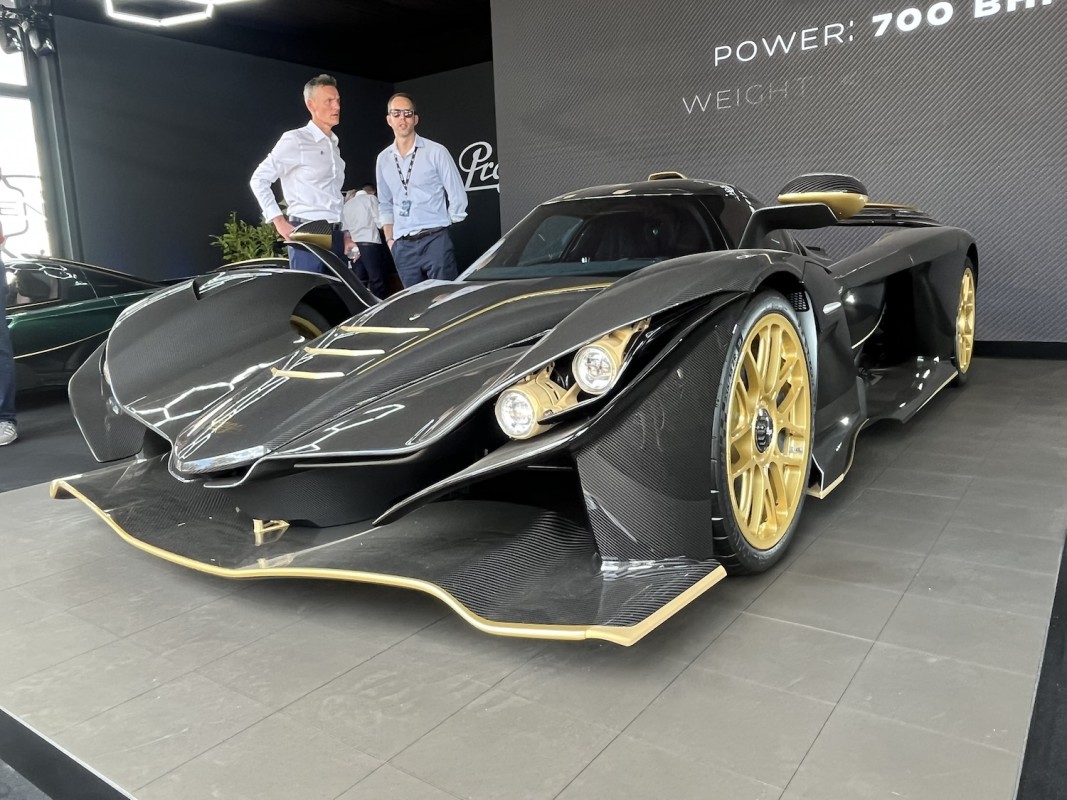
The standout was a jaw-dropping naked carbon example headed to the US, where the owner plans to bring it in under the Show or Display rule.

The naked carbon Bohema drew most of the attention, showcasing every sculpted surface and detail of the car's lightweight carbon fiber construction. With a dry weight of just 2,165 pounds, it's engineered for downforce over drama, though the looks certainly don't disappoint.

View the 2 images of this gallery on the original article

The purple example is bound for a UK customer, while the green model is headed to the Netherlands. All three optioned gold trim and wheels - this wasn't something that was planned but made for a wonderfully cohesive display on the Praga stand.

View the 6 images of this gallery on the original article

All Bohemas share the same beating heart: a 3.8-liter twin-turbo V6 from the Nissan GT-R, overhauled by Litchfield to produce 700 horsepower and 535 lb-ft of torque, sent through a six-speed sequential Hewland gearbox with a robotic clutch.

Praga claims 1,984 lbs of downforce at 155 mph – a figure so effective, the car's aerodynamics were validated in a Formula One team's wind tunnel, where engineers concluded the design was essentially aerodynamically perfect and couldn't be improved.

View the 5 images of this gallery on the original article

A Surprising Focus on Comfort

Despite its extreme duties as a track-ready hypercar, the Bohema's cabin isn't a stripped-out torture chamber. Praga prioritized comfort, claiming it may be the most livable hypercar of its type.

The car features adjustable seats, which are very rare in this segment, and even includes thoughtful touches like an elbow rest for the passenger, something you'd struggle to find in other hypercars. While infotainment is absent, essentials like Alcantara trim, clever ergonomics, and a digital steering wheel display round out the package.

Each Bohema starts at about $1.5 million, with just 89 examples planned worldwide through 2028.

View the 5 images of this gallery on the original article

  • Digg
  • Del.icio.us
  • StumbleUpon
  • Reddit
  • RSS
Post Icon

2026 Mini Countryman Holds Price Despite Tariffs And Rivals’ Hikes


via 2026 Mini Countryman Holds Price Despite Tariffs And Rivals’ Hikes

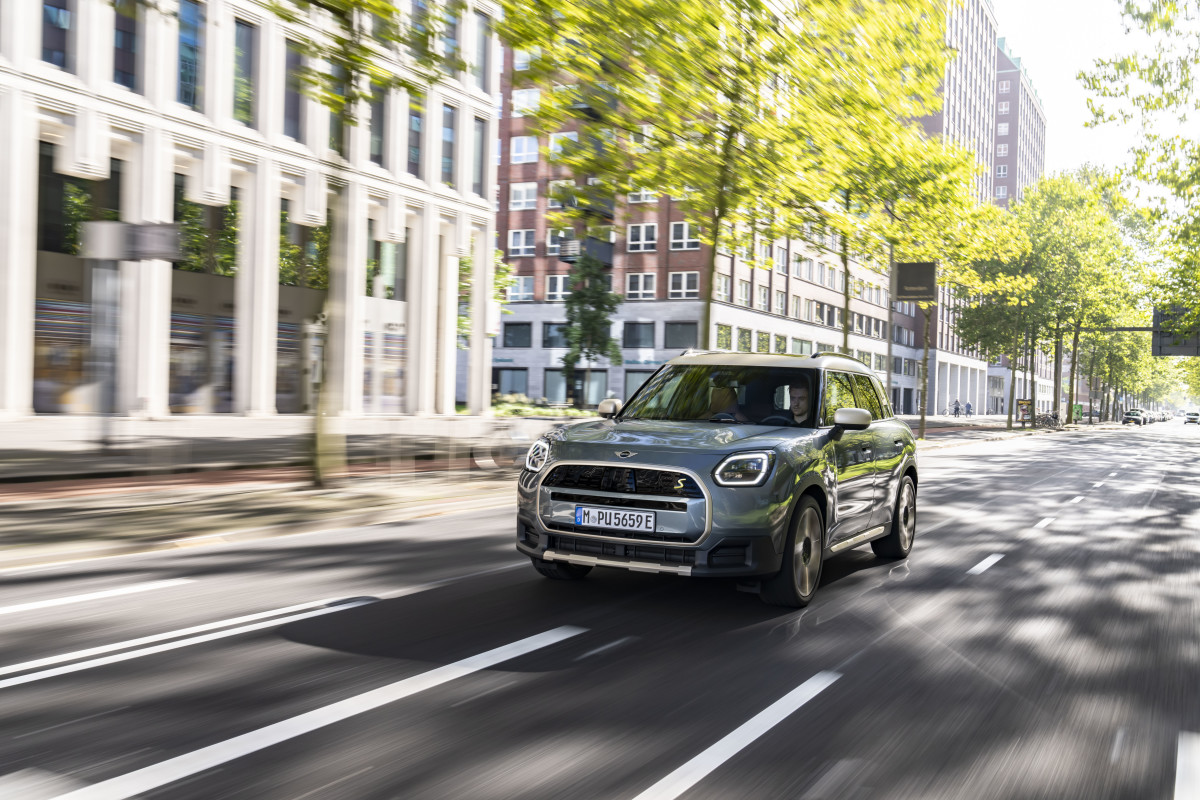
Mini’s largest SUV is keeping its cool — at least when it comes to pricing. Despite intensifying tariff pressure on European imports, the 2026 Mini Countryman will carry over its pricing from 2025, according to newly released order guide data.

The Countryman S ALL4 starts at $38,900, while the performance-oriented John Cooper Works version holds steady at $46,900. Those figures don’t include destination, but they do send a clear message: Mini isn’t passing on tariff pain. At least, not yet.

Bloomberg/Getty Images

No Hike, No Problem — For Now

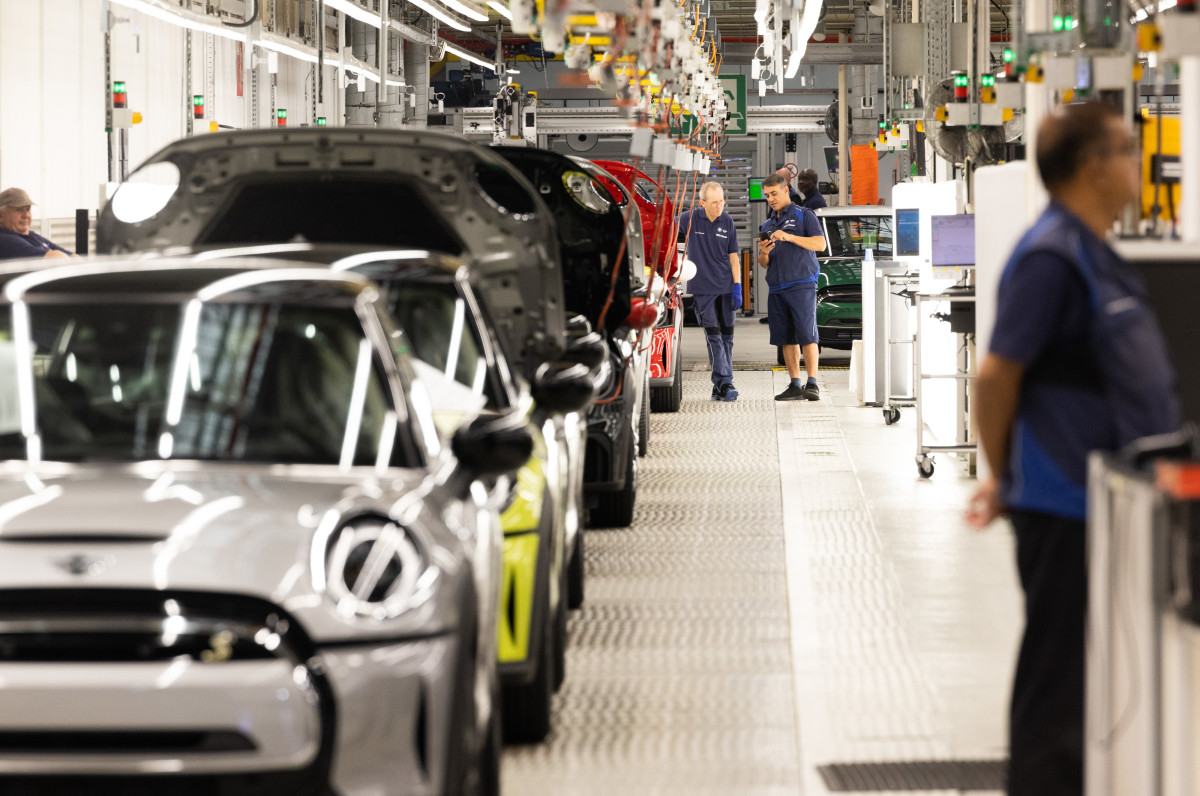
Mini assembles the Countryman in Leipzig, Germany, making it one of the European-built models potentially affected by the Trump administration’s 25% tariff hike on imported EVs and components. Analysts have warned that foreign-built cars, particularly from the EU, may see thousands tacked onto their MSRPs — depending on how automakers choose to respond.

BMW, for instance, is raising prices by up to $2,500 across several 2026 models starting this month. That makes Mini’s decision to hold the line on the Countryman’s pricing even more notable — and more competitive.

Gabriel Ionica

How Mini Pulled It Off

The answer likely lies in strategic price protections. According to early dealer reports, Mini USA secured a window of builds unaffected by the new tariffs — meaning customers who order their Countryman before summer’s end may avoid price increases altogether. It’s not clear how long this will last, though. Once the protected inventory runs dry, later-production models could be subject to the full cost burden.

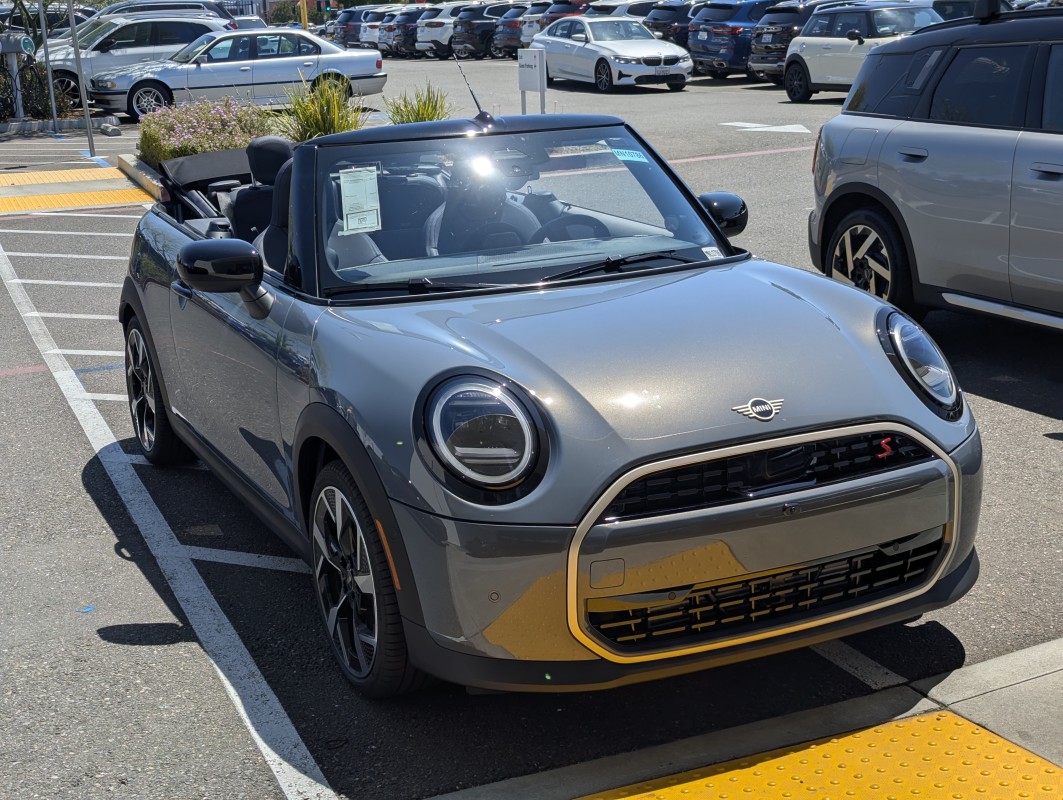
Elsewhere in Mini’s 2026 lineup, only one model now starts under $30,000, with most Coopers and convertibles climbing into the mid-$30Ks. The Countryman, already positioned as the brand’s largest and most versatile model, appears to be staying put — for now.

MINI

More Than Just A Sticker

The 2026 Countryman isn’t phoning it in, either. All trims come standard with a 9.4-inch circular OLED display, Apple CarPlay, Android Auto, navigation, wireless phone charging, and satellite radio. The S trim delivers 241 hp from a turbocharged four-cylinder, while the JCW jumps to 312 hp with all-wheel drive as standard.

Our recent review of the Countryman SE ALL4 praised Mini’s ability to blend fun, function, and refinement in a segment that’s becoming increasingly cookie-cutter. It’s not just about quirky design anymore — these are capable, well-rounded small SUVs.

The Tariff Storm Is Still Coming

It’s important to remember that Mini’s price stability isn’t permanent. With trade tensions still rising, particularly around European components and raw materials, future builds may not be immune. Trump’s most recent tariff proposals threaten to raise prices even further — with potential hikes on foreign copper and aluminum that would affect everything from wiring harnesses to wheels.

For buyers looking at a Mini, the current pricing may represent a rare window of value before things shift again. Order now, and you might skate by under the tariff radar.

  • Digg
  • Del.icio.us
  • StumbleUpon
  • Reddit
  • RSS