Top 10 cheapest new hybrids for 2025Looking for a cheap car that doesn't feel cheap yet has a cheaper cost of ownership than any other cheap car? The cheapest cheap car is a hybrid, and it should be no surprise it's a Toyota. With a Toyota Corolla Hybrid and its 50 mpg combined, the EPA estimates that you can save $3,250 in fuel costs over five years compared to a similarly-equipped...
New Chinese automakers have popped up like crazy over the last decade, largely thanks to subsidies from the Chinese government. Many of those new automakers fail to ever sell a vehicle, but that’s not the category that Xiaomi falls into. Known as one of China’s largest electronics manufacturers, Xiaomi entered the automotive field not long ago and crushed its annual sales goal. With momentum in hand, the Chinese automaker is setting its sights on a bigger target in 2025.
It wasn’t long ago that German marques were a sign of prestige in China, but those days are quickly fading. Consumers have shifted to domestic options in droves, which has largely led to Volkswagen’s recent financial troubles. While Xiaomi isn’t the leading Chinese automaker, the brand's first vehicle exceeded 50,000 units sold in less than half an hour of launching.
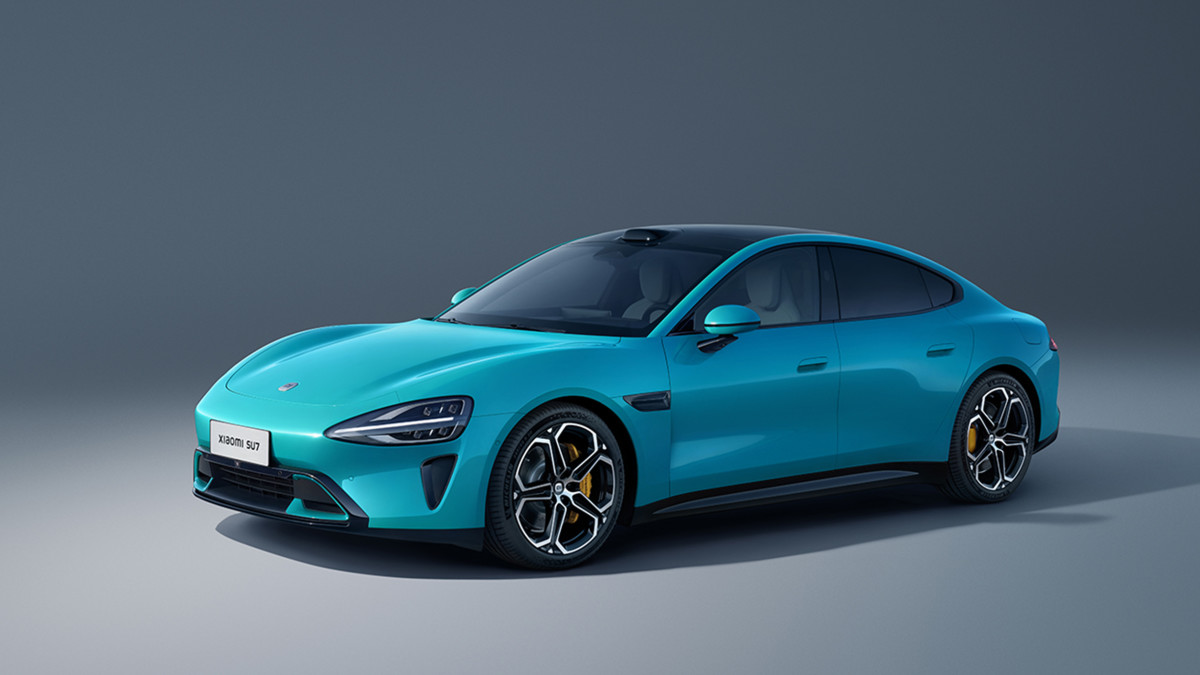
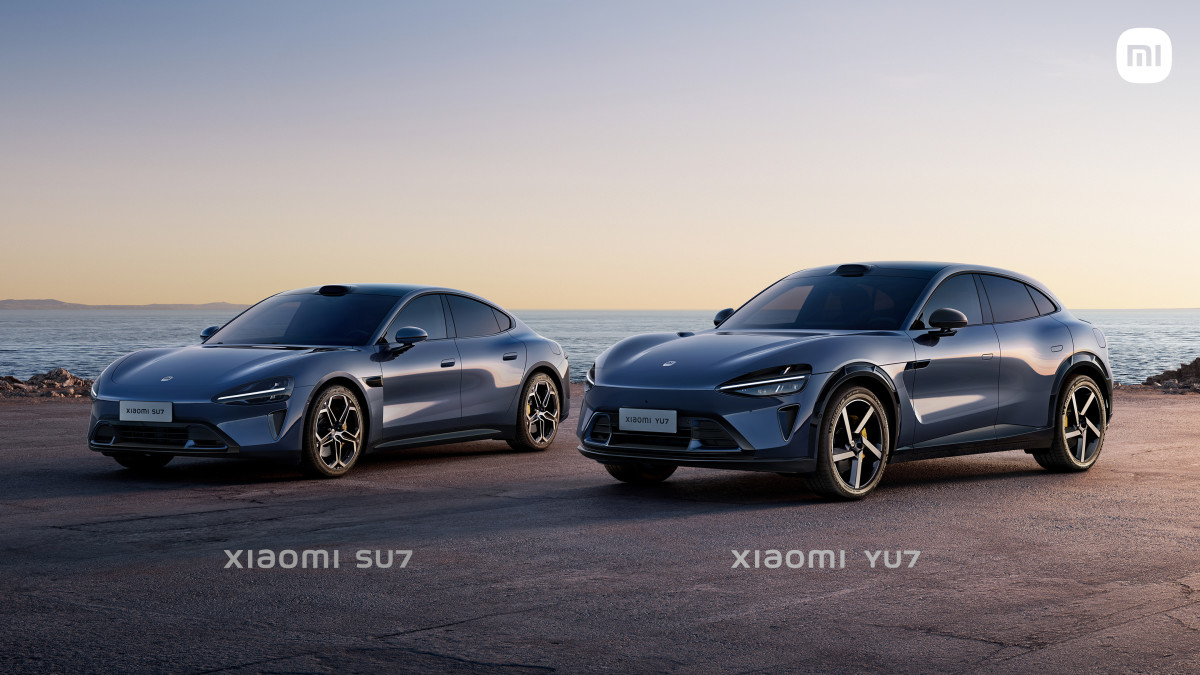
Xiaomi SU7
Xiaomi
The Xiaomi SU7 hit the market on 28 March 2024 and surpassed 10,000 units sold in under five minutes. The automaker’s sales continued to balloon, resulting in more than 130,000 SU7 models delivered in 2024 with just nine months on the market. On top of that, the company had more than 248,000 locked-in orders at the end of the year.
Going into 2025, Xiaomi is setting its sales goal at 350,000 EVs. If it achieves that goal, the Chinese automaker will exceed the combined 2024 EV sales of German automakers in China, including Volkswagen, BMW, and Mercedes-Benz.
The Chinese automaker’s momentum doesn’t seem to be waning, either. The SU7 EV continues to see sales in the five figures, with more than 20,000 examples sold in February. That marks the fifth consecutive month the SU7 has exceeded 20,000 units sold. While Xiaomi is focusing on its home market for now, the company is working on plans to sell vehicles in overseas markets. According to Xiaomi president Lu Weibing, the electronics and automotive manufacturer could begin sales in foreign markets as soon as 2027.
Xiaomi will have two EVs in its arsenal by EOY
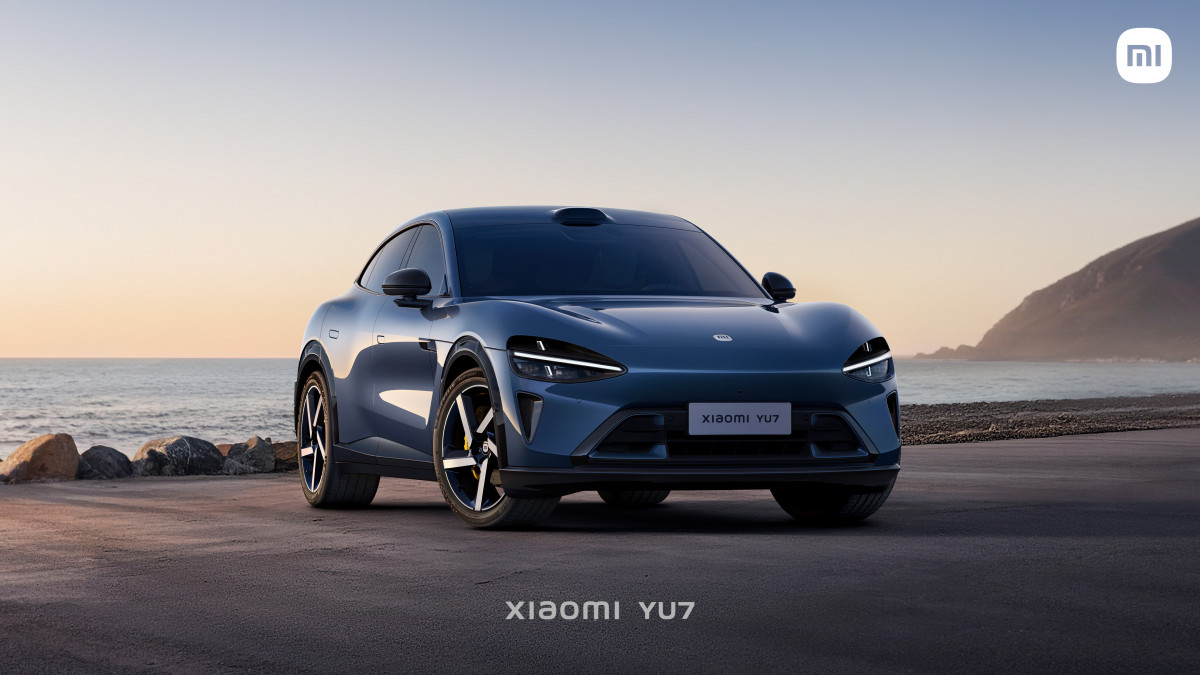
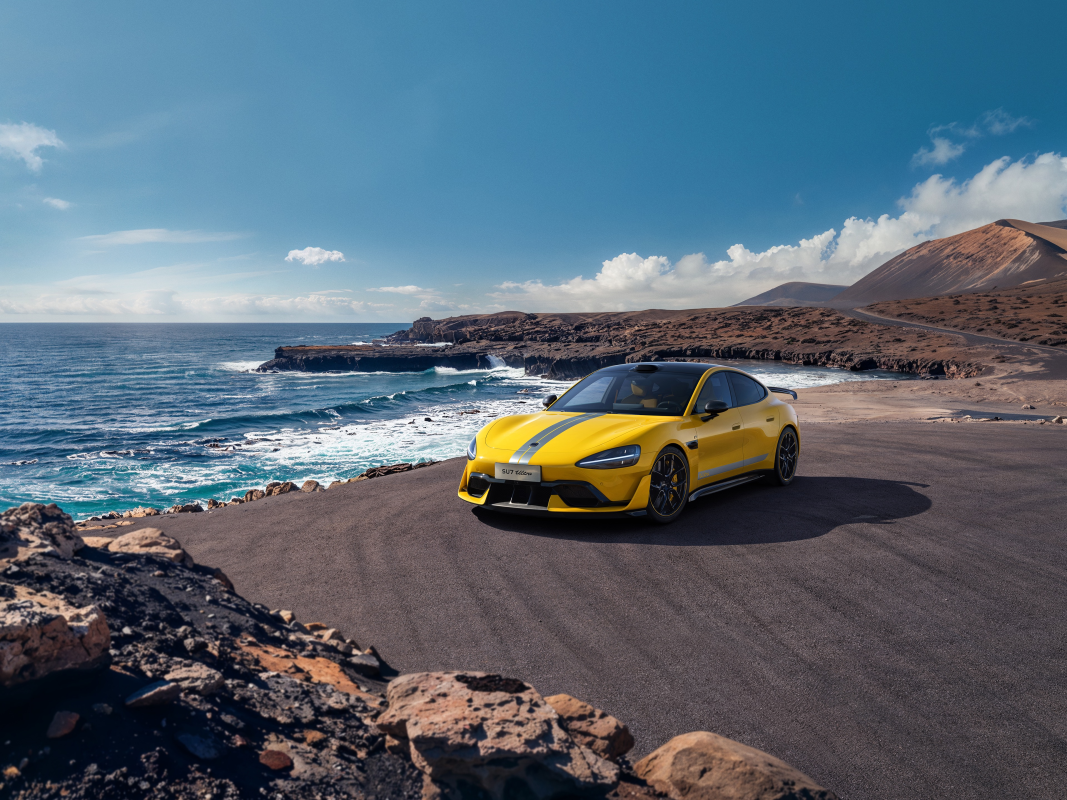
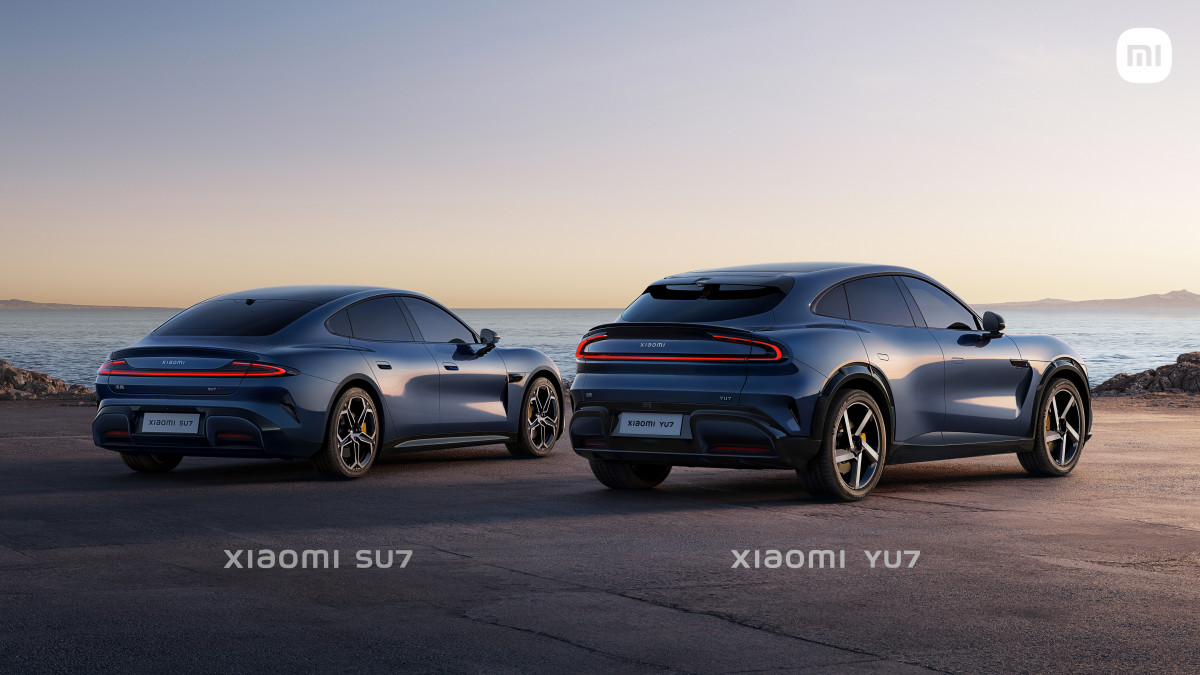
Currently, the Xiaomi SU7 is the only model in the Chinese automaker’s lineup. While the more performance-focused SU7 Ultra is also available, it’s still a sports sedan. This summer, however, Xiaomi expects to launch its second standalone vehicle. The YU7 will be an all-electric crossover designed to compete with models like the Tesla Model Y.
The Xiaomi YU7 will arrive in rear-wheel and all-wheel drive form with a starting price of around $34,500 in China and a driving range of up to 478 miles. In its dual-motor version, the YU7 is expected to put out 691 horsepower and have a top speed of 157 mph. The single-motor model comes in rear-wheel drive and has a lower top speed of 149 mph.
Dubbed as a “Model Y killer” in China, the YU7 puts consumer customization at the forefront with a long list of optional features. Most recently, per CarNewsChina, Xiaomi’s filings revealed that the electric crossover will arrive with 26 low-drag wheel options in 20 different colors. Not only that, but the YU7 will also arrive with other popular optional features, including a rear spoiler, ducktail spoiler, and carbon fiber accents.
Final thoughts
Xiaomi blew away its sales expectations last year, and they clearly have no intention of slowing down. With momentum on its side, the Chinese automaker is looking to continue taking the fight to German automakers. German marques won’t go down without a fight, though, and Volkswagen is already gearing up for a battle on Xiaomi’s home turf. Whether you consider Xiaomi a true underdog or not, there’s no denying the electronics-turned-automotive manufacturer has a prime opportunity to put the hurt on its German competitors.
via Tesla Insurance Rates Could Rise as Anti-Musk-Driven Vandalism Spreads
Anti-Musk sentiments are on the rise
For years, Tesla has been one of the most expensive car brands to insure, but a new trend may send rates soaring even higher. Increasing incidents of vandalism targeting Tesla vehicles have insurers bracing for a surge in claims, which could mean higher premiums or even outright blacklisting for Tesla owners.
Why are Teslas being targeted?
Vandalism against Tesla vehicles isn’t new. Since the brand's early days, owners have reported incidents of keying, tire slashing, and other damage, often documented by Tesla’s own Sentry Mode cameras. However, the situation has escalated dramatically in recent months.
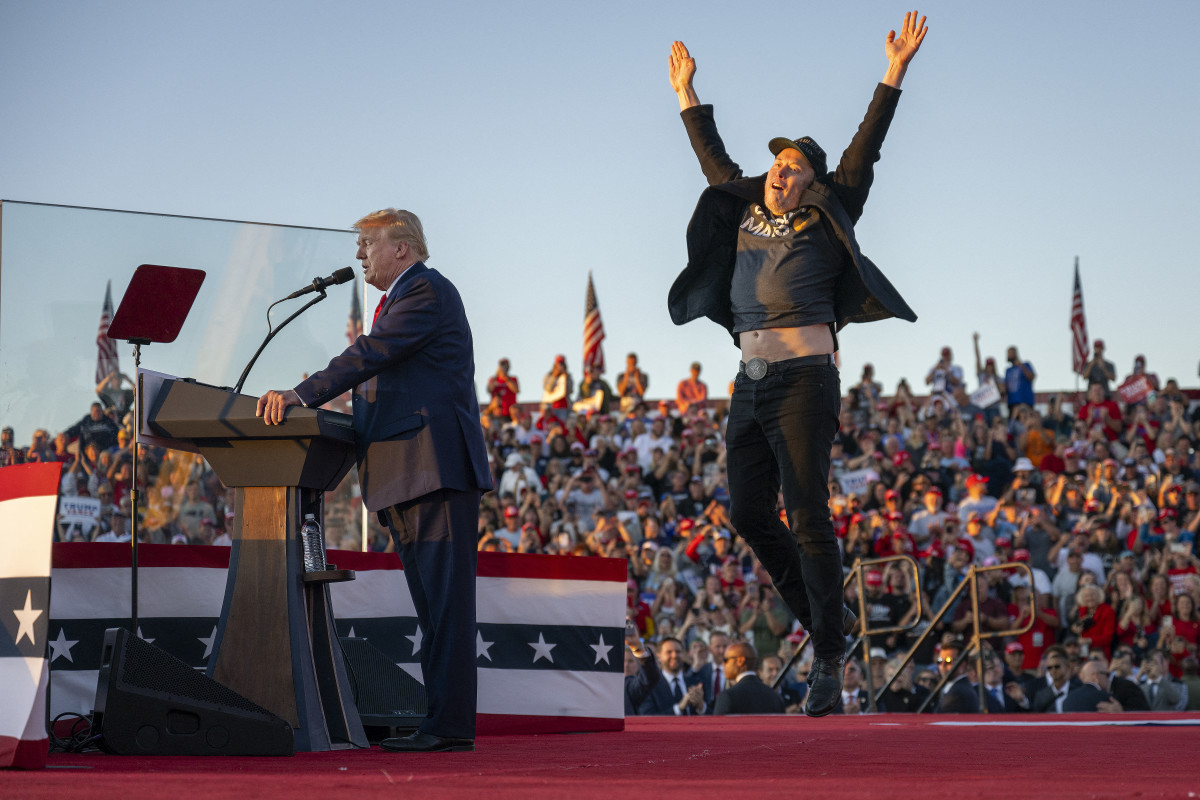
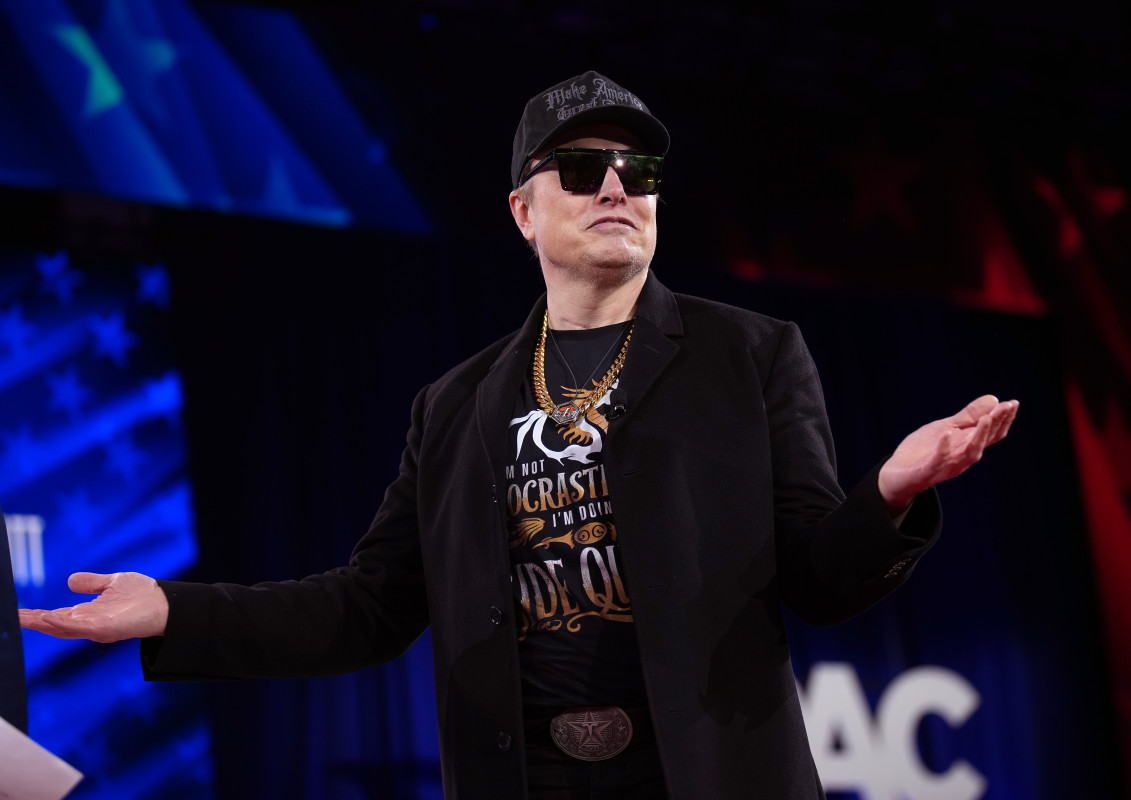
Tesla CEO Elon Musk jumps on stage as he joins President Donald Trump.
The root of the problem? CEO Elon Musk’s increasingly polarizing political activities. From controversial social media posts to drastic moves that have impacted thousands of government workers, Musk has become a lightning rod for criticism. Activists who oppose Musk’s actions aren’t just voicing their concerns online — they’re taking it out on his company’s cars. Reports from across the U.S. detail Teslas being spray-painted with political messages, having their windows shattered, and even being set on fire.
A social and political flashpoint
Tesla’s unique status as both a tech disruptor and a cultural symbol has made it a target for more than just car enthusiasts. Until recently, Tesla’s vehicles were often the target of criticism from conservatives who saw electric vehicles as an unnecessary and even artificially propped-up part of the automotive market. Now, as Musk cements himself as a key figure in President Donald Trump’s cabinet, frustration with Musk’s Department of Government Efficiency (DOGE) is being taken out on Teslas across the country.
Online forums and social media platforms have amplified this sentiment. Viral videos of Tesla vandalism incidents circulate widely, sometimes with individuals justifying their actions as a form of protest. Whether it’s defacing a Model Y at a protest site or damaging a Cybertruck in a parking lot, these acts are becoming more frequent and more destructive.
The insurance fallout
When a car is vandalized, owners typically file a comprehensive insurance claim to cover the damage. However, as the frequency and severity of Tesla-related vandalism incidents increase, insurers are reevaluating their risk calculations.
“If vandalism involving Tesla vehicles continues to rise and doesn’t go back down, we could see rates rise for comprehensive coverage in the future,” said Matt Brannon, a data journalist at Insurify, in a recent interview with Newsweek.
Insurance analyst Shannon Martin echoed this concern, explaining that while vandalism claims don’t raise rates as much as collision claims, they still contribute to the overall cost of insuring a vehicle. And for Tesla owners, those costs are already steep.
Tesla insurance costs are already high
Even before the recent wave of vandalism, Tesla owners were paying premiums comparable to ultra-luxury brands. According to Insurify, the average annual cost of full-coverage insurance for a Tesla Model 3 jumped 30% last year to $4,362 — about $800 more than a comparable Mercedes-Benz A-Class. The Tesla Cybertruck, still new to the market, has an estimated annual insurance cost of $3,813.
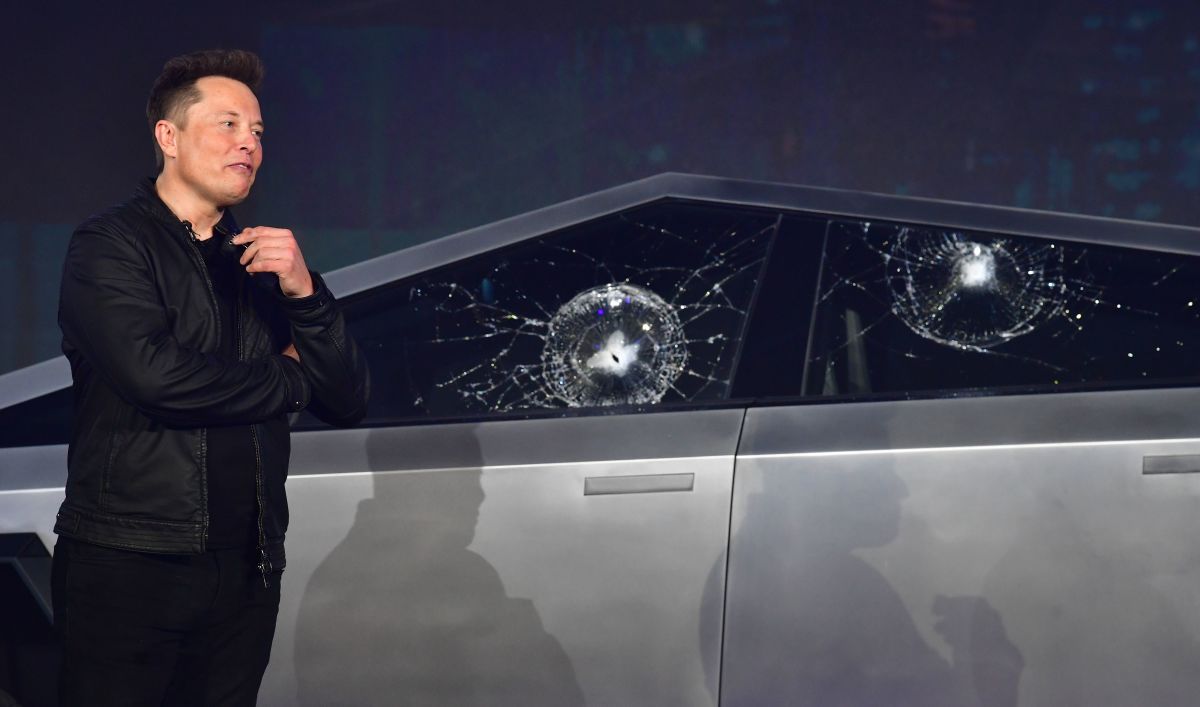
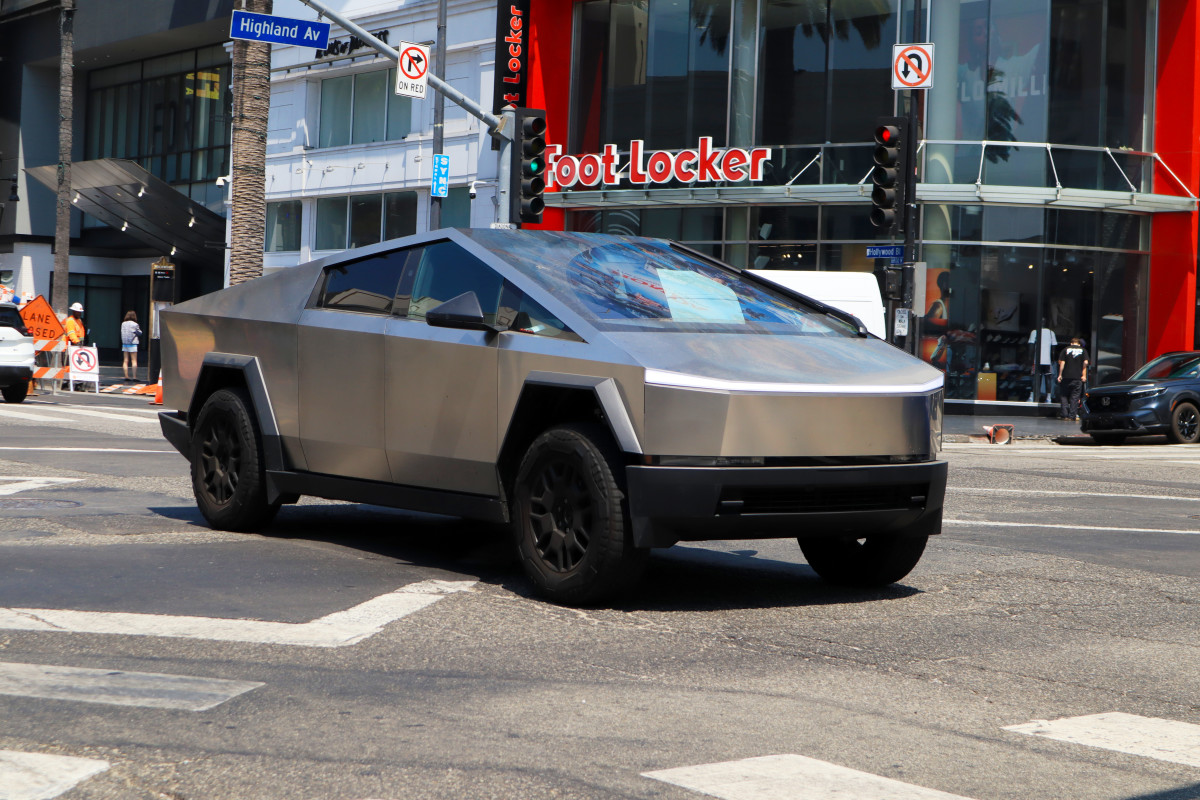
Tesla Cybertruck
Adobe Stock
For context, that means many Tesla owners are paying close to $400 a month just for insurance. That’s higher than the monthly payment on a 2025 Nissan Sentra financed over 72 months. If rates continue to climb, the cost of insuring a Tesla could become untenable for many drivers.
Additionally, Tesla’s proprietary repair process contributes to higher costs. Unlike traditional vehicles, Tesla repairs often require specialized technicians and official Tesla service centers, which can lead to expensive parts and labor costs. This adds another layer of financial burden, making insurance claims more expensive for providers and leading to higher premiums for owners.
Could Teslas be blacklisted by insurers?
While rising insurance costs are already a concern, there’s an even bigger risk looming: some insurers might stop offering coverage for Teslas altogether. “As we have learned from the 2023 TikTok theft trend targeting certain model Kias and Hyundais, if these types of losses continue, carriers could refuse to offer coverage for Tesla vehicles altogether,” warned Bankrate’s Shannon Martin.
This wouldn’t be unprecedented. In the wake of the Kia Boys theft saga, several major insurance companies, including Progressive and State Farm, temporarily refused to insure certain Hyundai and Kia models that lacked proper security features. If Tesla vandalism claims continue to surge, insurers may decide the risk isn’t worth it, leaving some owners scrambling for coverage. Tesla owners in states like California and New York, where vandalism rates are highest, may be particularly at risk of facing coverage restrictions.
What can Tesla owners do?
For Tesla owners worried about rising insurance costs, options are limited. Some may opt to downgrade their coverage, dropping comprehensive insurance in favor of collision-only policies. However, this strategy carries a significant risk — if a vandalized car isn’t covered, the owner will have to pay out-of-pocket for repairs. And for those still financing their vehicles, most lenders require comprehensive coverage as part of the loan agreement.
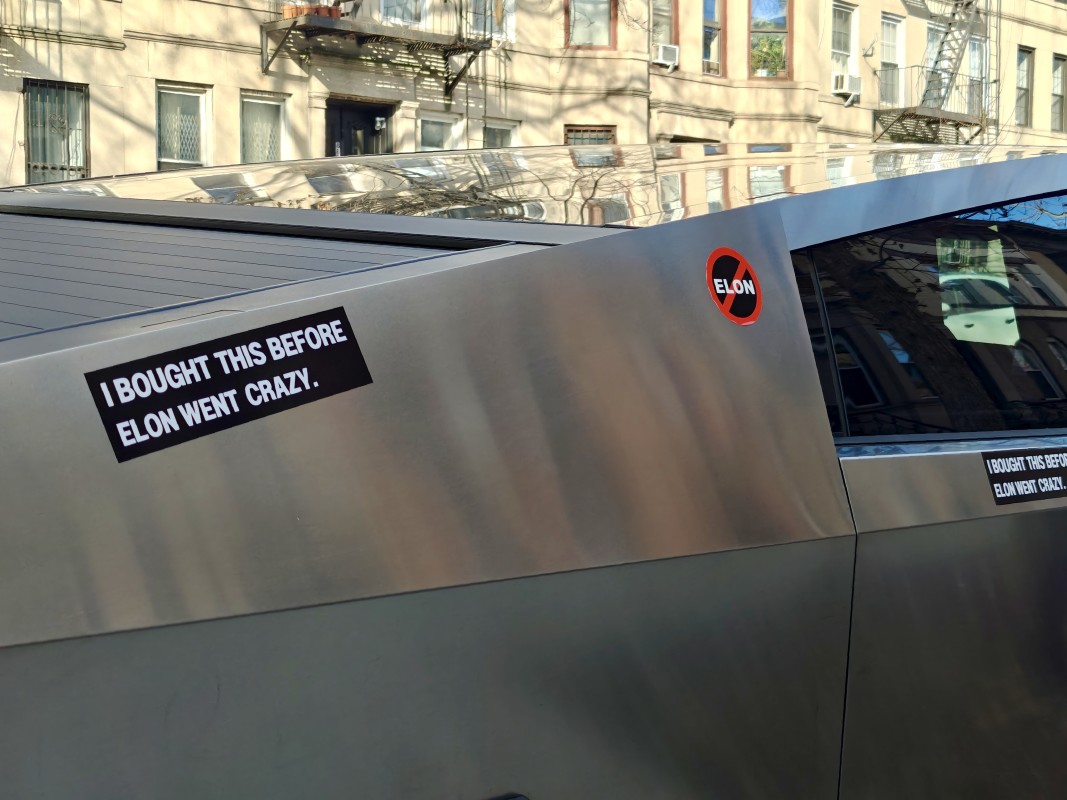
A Cybertruck parked on the street in Brooklyn, New York
Elijah Nicholson-Messmer
Another option is Tesla’s own in-house insurance program, available in select states. Tesla claims to offer competitive rates based on real-time driving data, but whether this program can shield owners from the fallout of increased vandalism claims remains to be seen.
Owners can also take preventive measures, such as installing additional security cameras in their garages, parking in well-lit areas, or even using aftermarket protective films to make their cars less vulnerable to keying and graffiti. A growing number of Telsa owners have resorted to plastering stickers over their vehicles, saying things like, “I Bought This Before We Knew Elon was Crazy!” While these measures won’t eliminate the risk, they could reduce the likelihood of severe damage and deter some would-be vandals.
Final thoughts
The situation Tesla owners find themselves in today is eerily similar to what happened with Hyundai and Kia owners just a couple of years ago. In both cases, vehicle owners are suffering the consequences of circumstances beyond their control — whether it’s a security oversight or a CEO’s divisive public persona. As long as Musk remains a controversial figure and activists continue to lash out at his brand, Tesla vandalism will likely persist. And as vandalism claims pile up, insurance rates will only climb higher. For Tesla owners, that means the true cost of ownership might be more than they ever anticipated.
via 94% of Germans Wouldn’t Consider Buying a Tesla, Survey Finds
Maybe not all press is good press
Tesla’s reputation in Germany has taken a serious hit, and it’s not just about the cars. A massive survey conducted by German publication T-Online found that 94% of respondents wouldn’t consider buying a Tesla. The reasons? Elon Musk’s increasing involvement in politics, both in the U.S. and Germany, has turned off potential buyers in one of Europe’s largest EV markets.
On Tuesday, Musk reposted a Tweet on X (formerly Twitter) that showed the survey now says “70% of people in Germany would buy a Tesla again.” This sudden shift in the poll's results raised suspicions. And sure enough, T Online has now reported that bots manipulated the survey, with 253,000 votes originating from just two U.S.-based IP addresses. Now, with sales plummeting, Tesla faces an uphill battle to regain consumer trust.
Political controversy and consumer sentiment
Musk’s political actions have raised eyebrows before, but his recent moves seem to be costing Tesla dearly. His presence at Donald Trump’s January inauguration, where a gesture he made was widely interpreted as a Nazi-like salute, sparked outrage across Germany. Adding fuel to the fire, Musk publicly backed Germany’s far-right Alternative for Germany (AfD) party before the country’s February elections, further alienating a market that once embraced Tesla’s innovation.
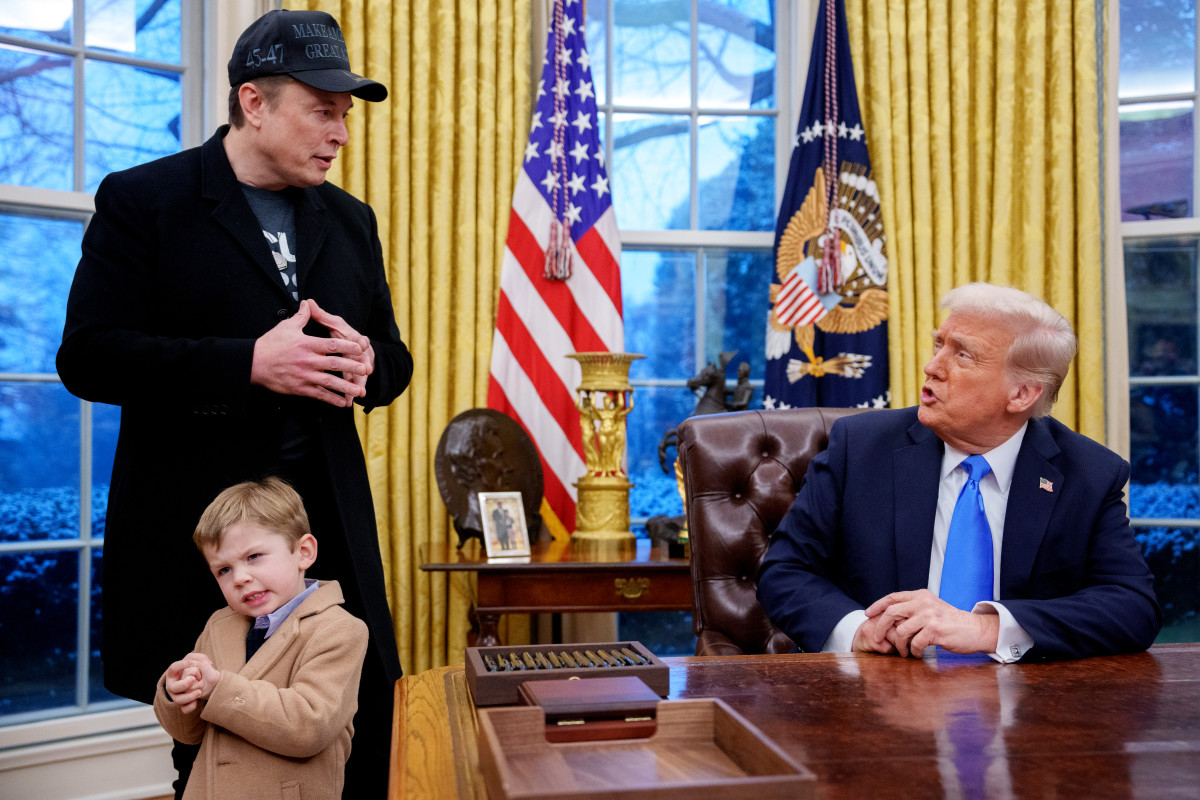
U.S. President Donald Trump is joined by Tesla and SpaceX CEO Elon Musk, and his son, X Musk, during an executive order signing in the Oval Office at the White House on February 11, 2025 in Washington, DC.
Beyond his political endorsements, Musk’s social media activity has continued to stir controversy. A recent repost on X suggested that historical atrocities committed by figures like Stalin, Mao, and Hitler were the work of "public sector workers," a take that drew sharp criticism internationally. In a country where history remains a sensitive subject, these statements have significantly damaged Tesla’s brand perception.
Sales collapse in a rebounding market
The backlash isn’t just theoretical — it’s reflected in Tesla’s bottom line. Tesla’s sales in Germany have plunged over 70% in the first two months of 2025, a stark contrast to the broader EV market, which has rebounded from a sluggish 2024. While some had predicted Tesla’s dominance would wane as legacy automakers ramped up their EV production, it’s actually newer Chinese brands like BYD that are taking advantage of Tesla’s missteps.
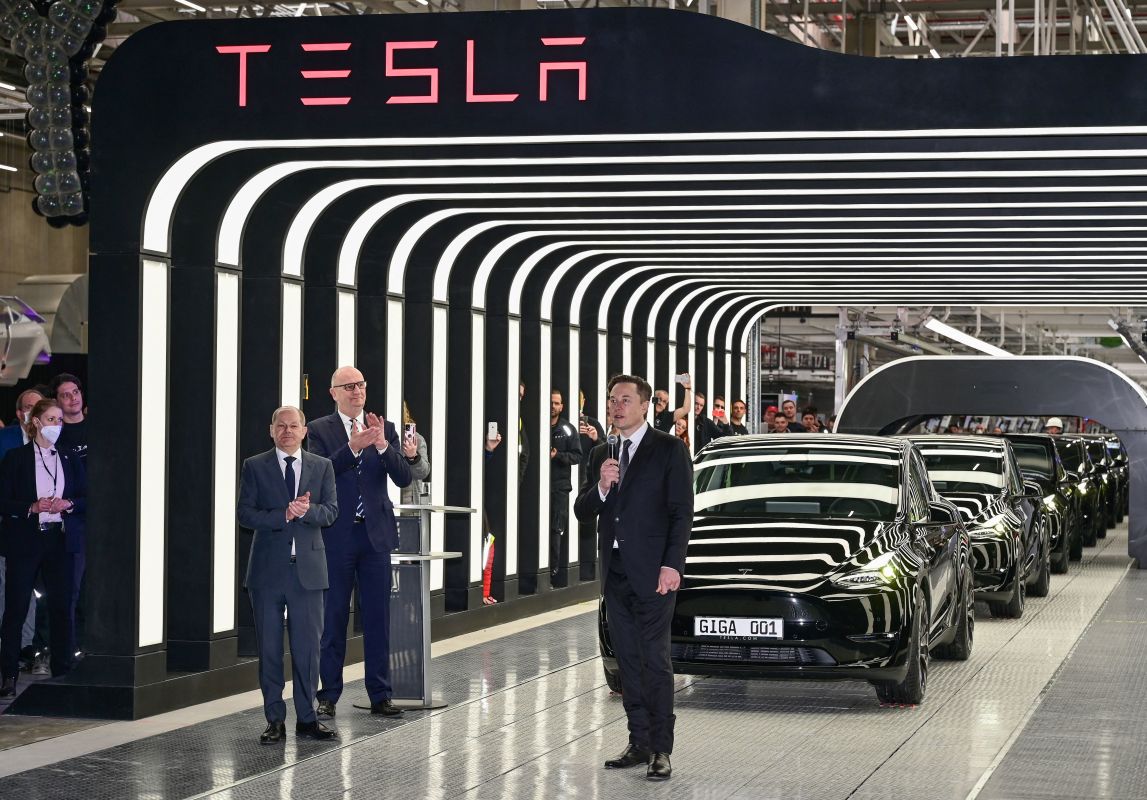
Tesla CEO Elon Musk (R), German Chancellor Olaf Scholz (L) and Brandenburg State Premier Dietmar Woidke applaud as they attend the start of the production at Tesla's "Gigafactory" on March 22, 2022 in Gruenheide, southeast of Berlin.
The sales drop is particularly alarming considering Germany’s historic role as a key player in Tesla’s European expansion. The country is home to Tesla’s Gigafactory Berlin, a crucial production hub for the company’s European operations. With local sentiment turning sour, the factory’s future success could be at risk. Additionally, consumer sentiment surveys suggest that German buyers are increasingly considering homegrown and Chinese alternatives, further reducing Tesla’s foothold in the market.
Final thoughts
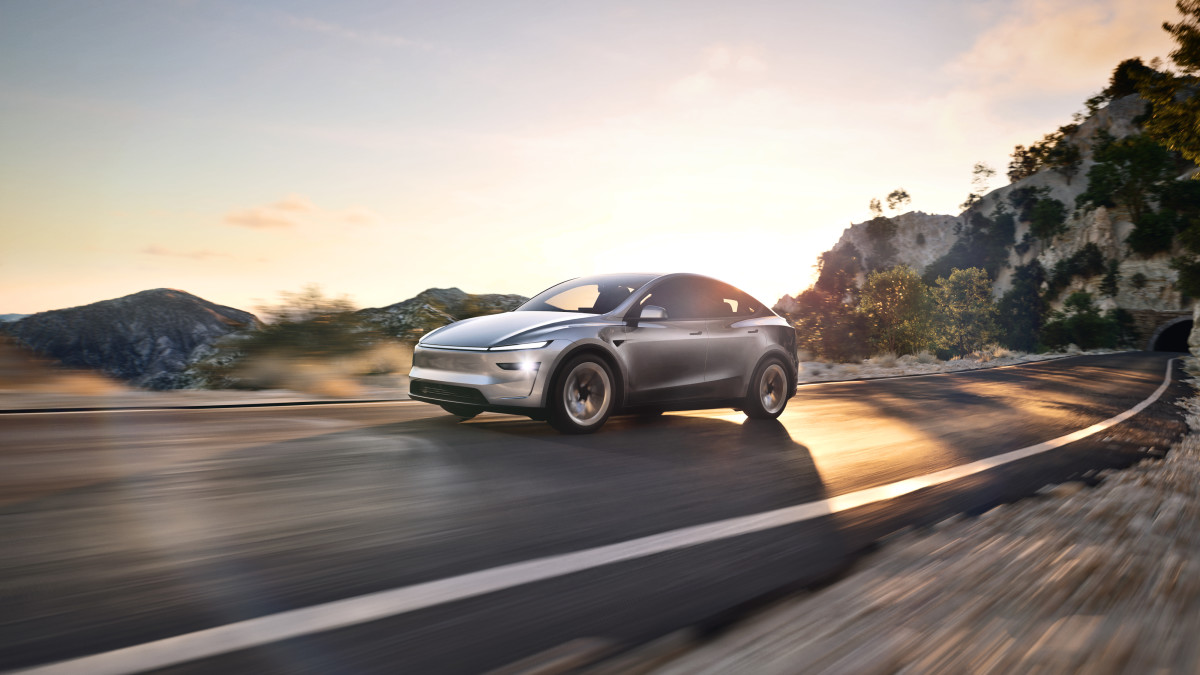
In an attempt to recover, Tesla is betting on its newly refreshed Model Y, which incorporates design elements from the Cybertruck and the upcoming Cybercab. The updated model boasts better efficiency, improved refinement, and a more futuristic design. On paper, it remains one of the most compelling EVs in its segment.
Tesla Model Y Juniper
Tesla
But even a great product might not be enough. Tesla’s success in Germany now hinges on whether consumers can separate Musk’s political controversies from the brand itself. With so much damage already done, the road to redemption looks steep. If Tesla can’t rebuild its reputation quickly, German buyers may continue flocking to alternative EV brands, leaving Tesla struggling to regain its footing in a market that was once a pillar of its European strategy.
via Toyota Could Bring a new EV to the United States Next Year
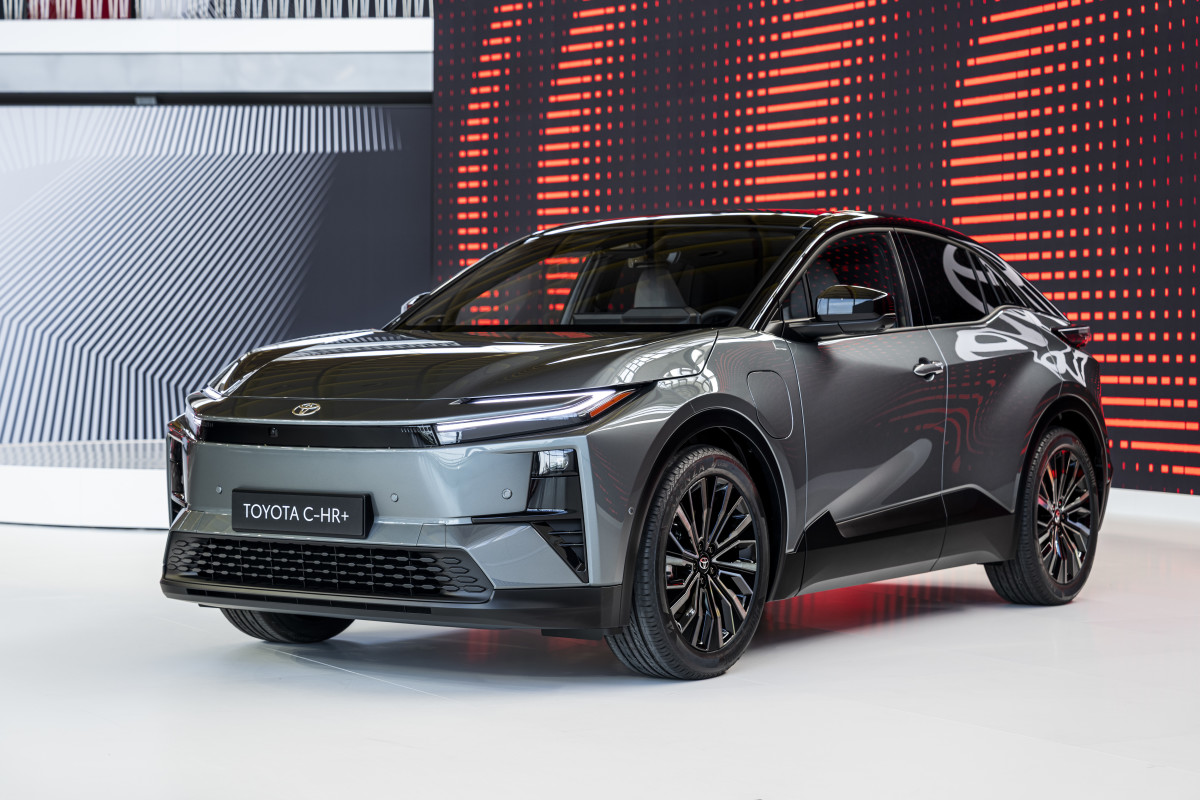
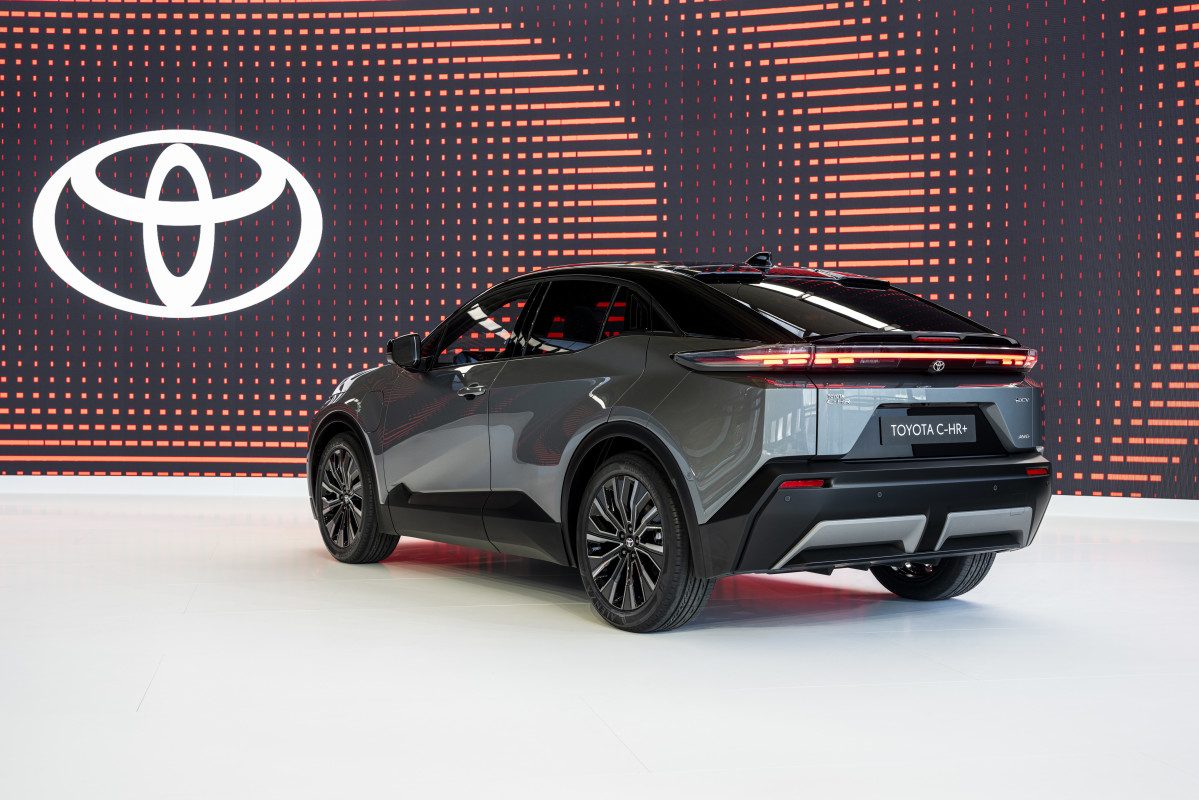
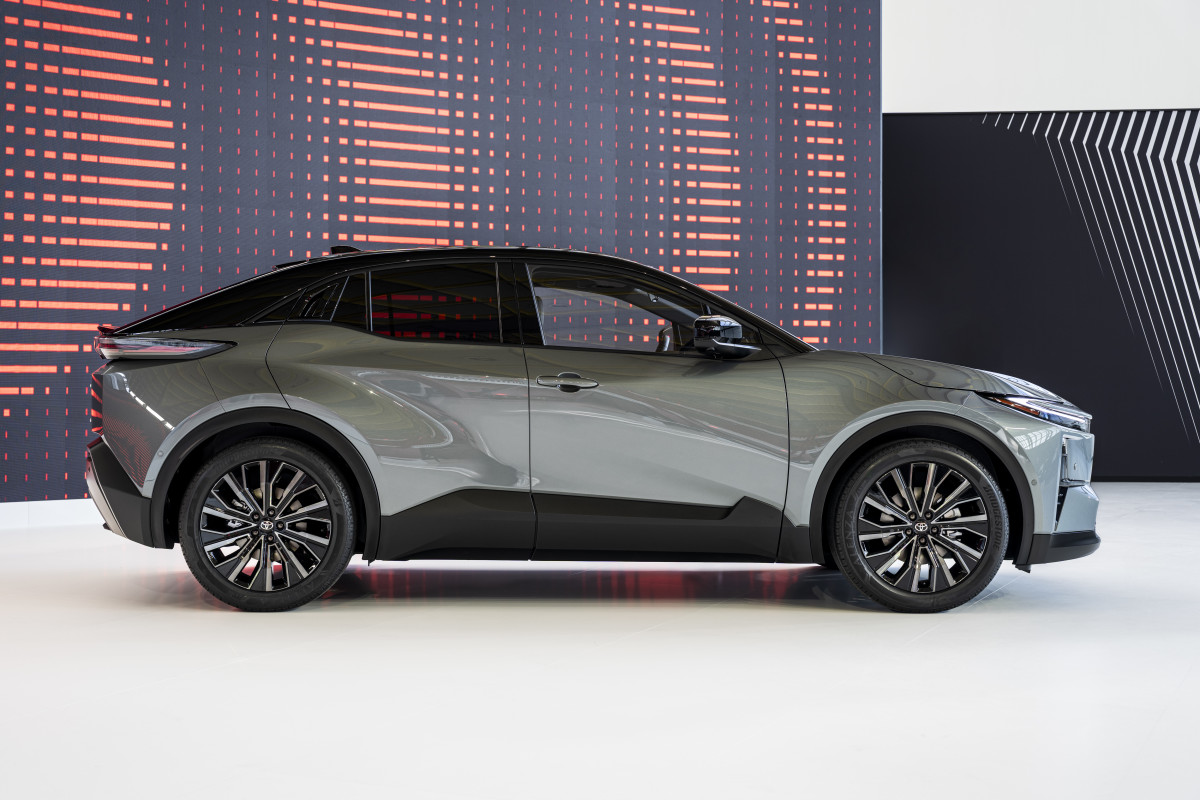
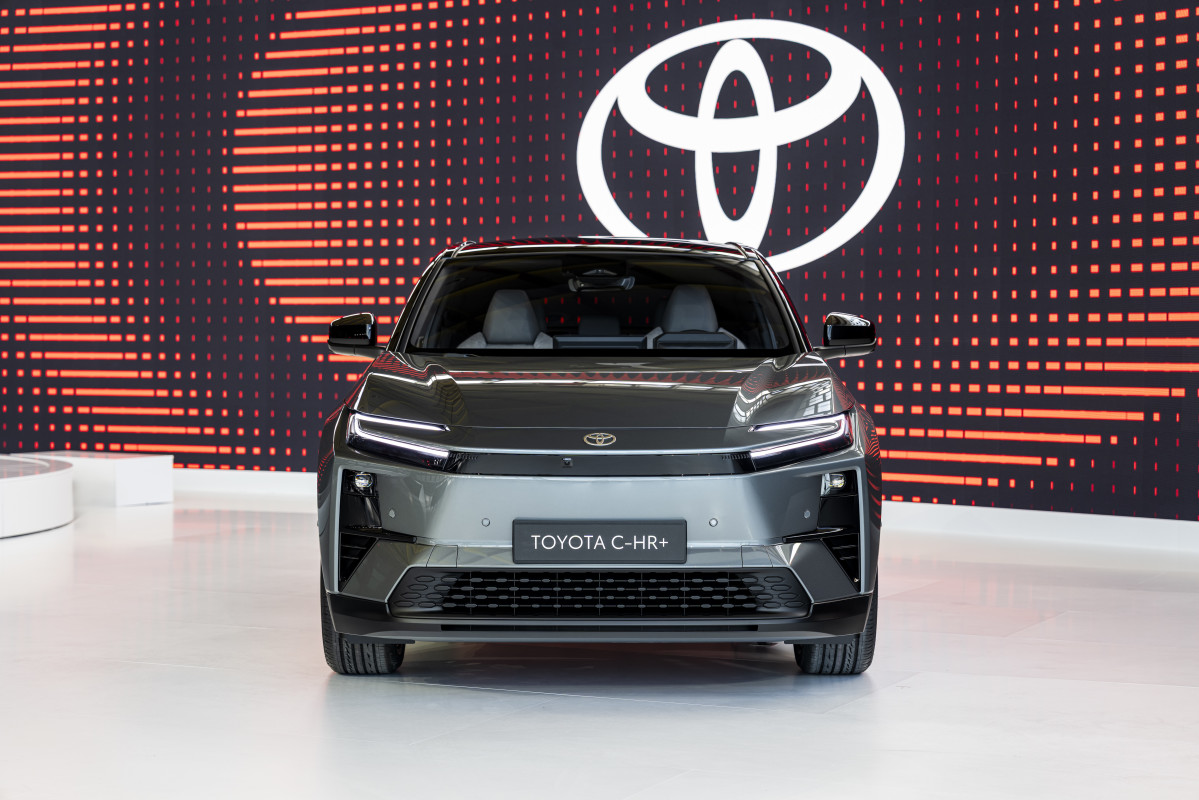
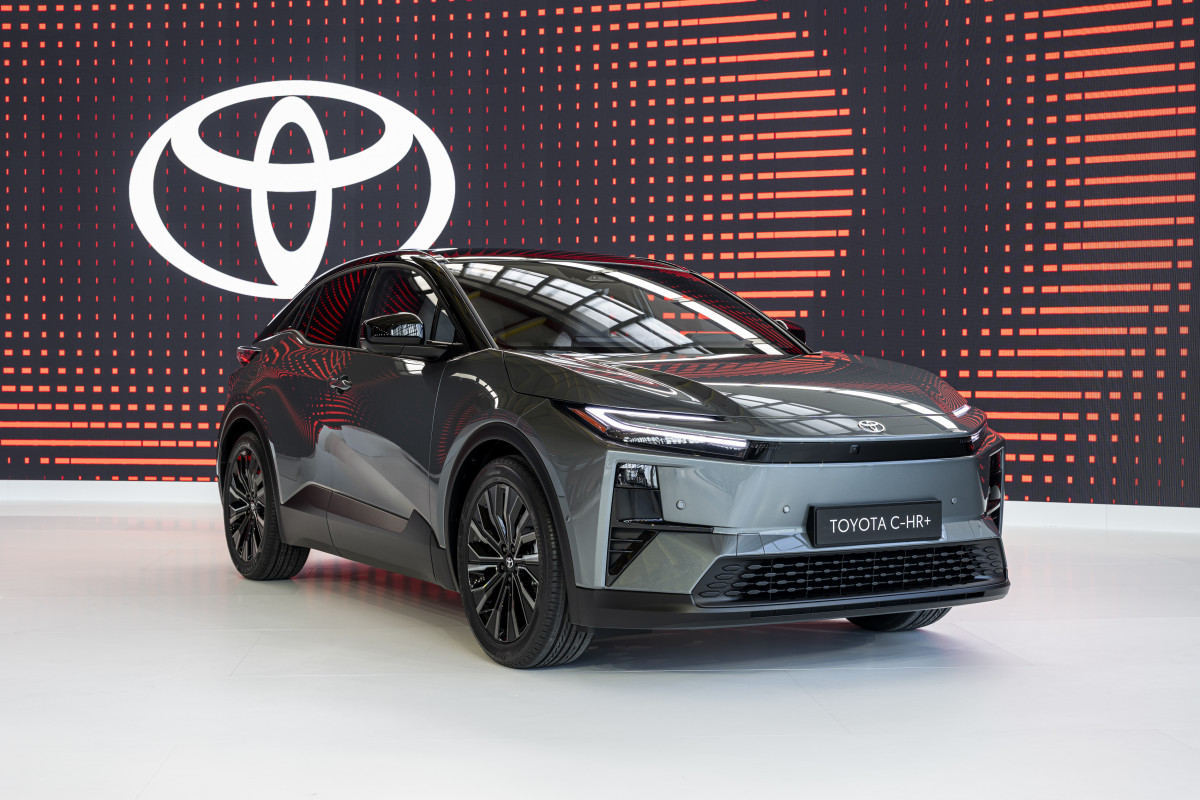
The 2026 Toyota C-HR+ will first arrive in Europe
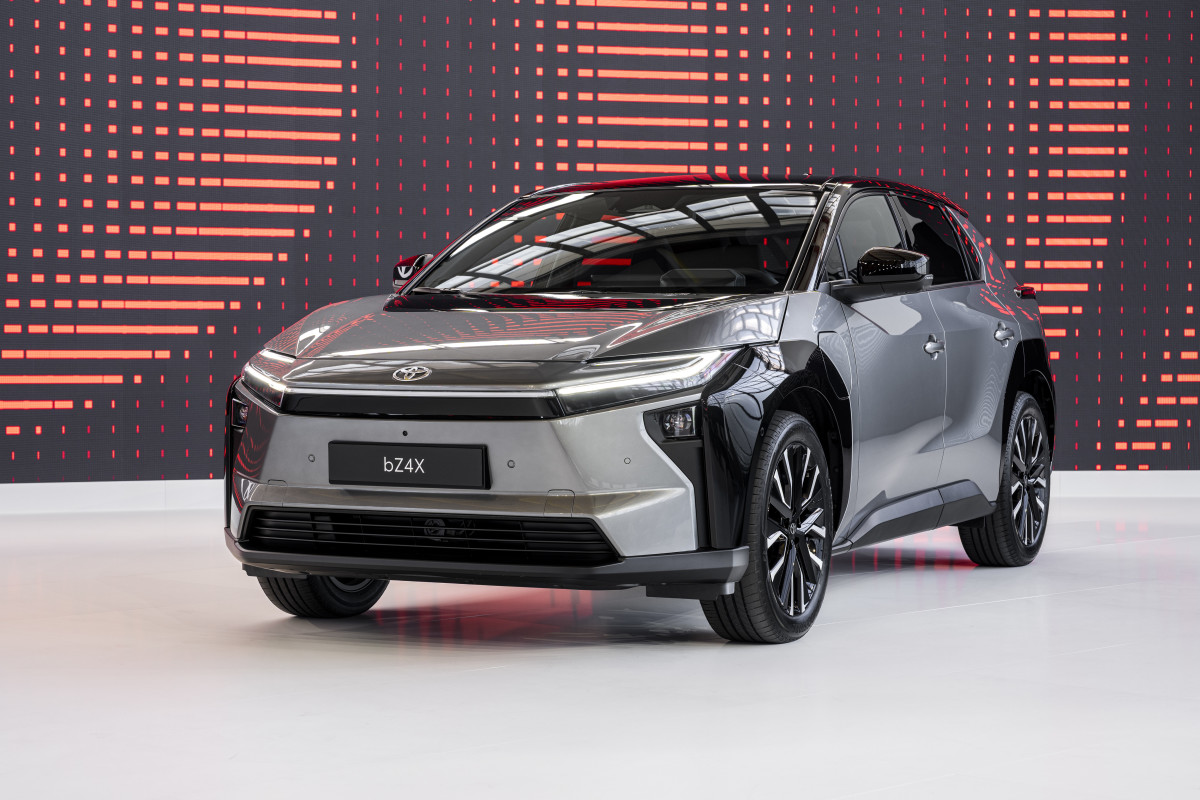
Toyota pulled the original C-HR crossover from the United States market in 2022, but now a similar nameplate could be arriving next year. The Japanese automaker unveiled two new EVs for the European market just recently, along with some major updates for the Toyota bZ4X. Given its placement in the automaker’s lineup, there’s a chance the Toyota C-HR+ could be heading to the United States for the 2026 model year.
The Toyota C-HR+ EV isn’t based on the existing C-HR
Despite having left the US market, the C-HR is still available in international markets, and things could get a little confusing since the Toyota C-HR+ EV isn’t based on the hybrid C-HR crossover. The two might look similar, but they’re far from identical. Instead, the C-HR+ rides on the same platform as the existing Toyota bZ4X.
So far, Toyota has only provided details and specs for the European version of the all-new C-HR+. It rides on a 108.2-inch wheelbase, a few inches shorter than the bZ4X. The two models also share powertrain options, and that’s where the updated Toyota bZ4X comes into play.
The 2026 Toyota bZ4X arrives with two new battery options that replace the sole 71.4 kWh battery in the 2025 model. Where the current bZ4X tops out at a 252-mile range, next year’s model features a smaller 57.7 kWh battery pack as the entry-level choice that it shares with the C-HR+. That entry-level 2026 bZ4X comes equipped with a more efficient single electric motor that generates 165 horsepower and offers up to 276 miles on a single charge despite the smaller battery capacity.
The electric motor in the base Toyota C-HR+ offers identical performance, but the range gets a slight bump to 283 miles. The Japanese automaker also confirmed a second C-HR+ model equipped with a larger 77 kWh battery pack and a more powerful electric motor that produces 221 horsepower and a range of up to 373 miles. An all-wheel-drive C-HR+ is also on the docket, with dual motors that boast 338 horsepower and a 326-mile range.
Toyota hasn’t confirmed the C-HR+ for two major markets
While Toyota has shown off its latest EVs in European spec, the Japanese automaker hasn’t confirmed the C-HR+ for the United States or Australia. There’s some speculation that the all-electric crossover will make its way to our shores, though, as Toyota needs to meet the Advanced Clean Car II sales regulations in at least six states for the 2026 model year, and the C-HR+ could help with that.
Toyota originally planned to bring three EVs to Australia by 2026 in addition to the bZ4X. The automaker hasn’t provided further information regarding the models yet, and the clock is ticking.
“Toyota Australia is committed to our multi-pathway approach to decarbonisation, and we are always looking for ways to expand our electrification line-up, however, we have nothing to announce today,” the automaker said in an official statement.
The 2026 Toyota bZ4X’s range will top 350 miles
The 2026 Toyota bZ4X shares its smaller battery with the upcoming C-HR+, but that’s not the only update the family-sized EV gets. Two other models, both equipped with a new 73.1 kWh battery, are also planned. The lower-spec model will come with a single electric motor that produces 221 horsepower and offers a 356-mile range.
The updated bZ4X comes in an all-wheel drive version as well. The dual electric motors produce 338 horsepower with an expected range of 323 miles. While Toyota crossovers aren’t exactly known for their performance, the most powerful 2026 Toyota bZ4X can hit 60 mph in 5.1 seconds. The Japanese automaker also increased the family EV’s towing capacity to 3,306 lbs.
Final thoughts
Toyota hasn’t confirmed the C-HR+, or even the all-new Urban Cruiser EV, for the United States. Given how the C-HR performed before leaving the market following the 2022 model year, I can’t say I blame them. At the same time, the United States has at least some interest in EVs, and we tend to prefer crossovers over cars. That could make the C-HR+ a competitive model, especially with its spec sheet, and that’s not even considering Toyota’s brand recognition and reputation.
Ford recalls bevy of trucks and SUVs over trailer brake issue, againFord is recalling 10,627 pickup trucks and SUVs a second time because a trailer-brake software issue may not have been corrected under a previous recall. The list of recalled models includes: 2021-2022 Ford F-150 full-size pickup truck 2022 Ford F-250 heavy-duty pickup truck 2022 Ford F-350 heavy-duty pickup truck 2022 Ford F-450 heavy-duty pickup...
via The Future of the GT-R May Not be so Uncertain
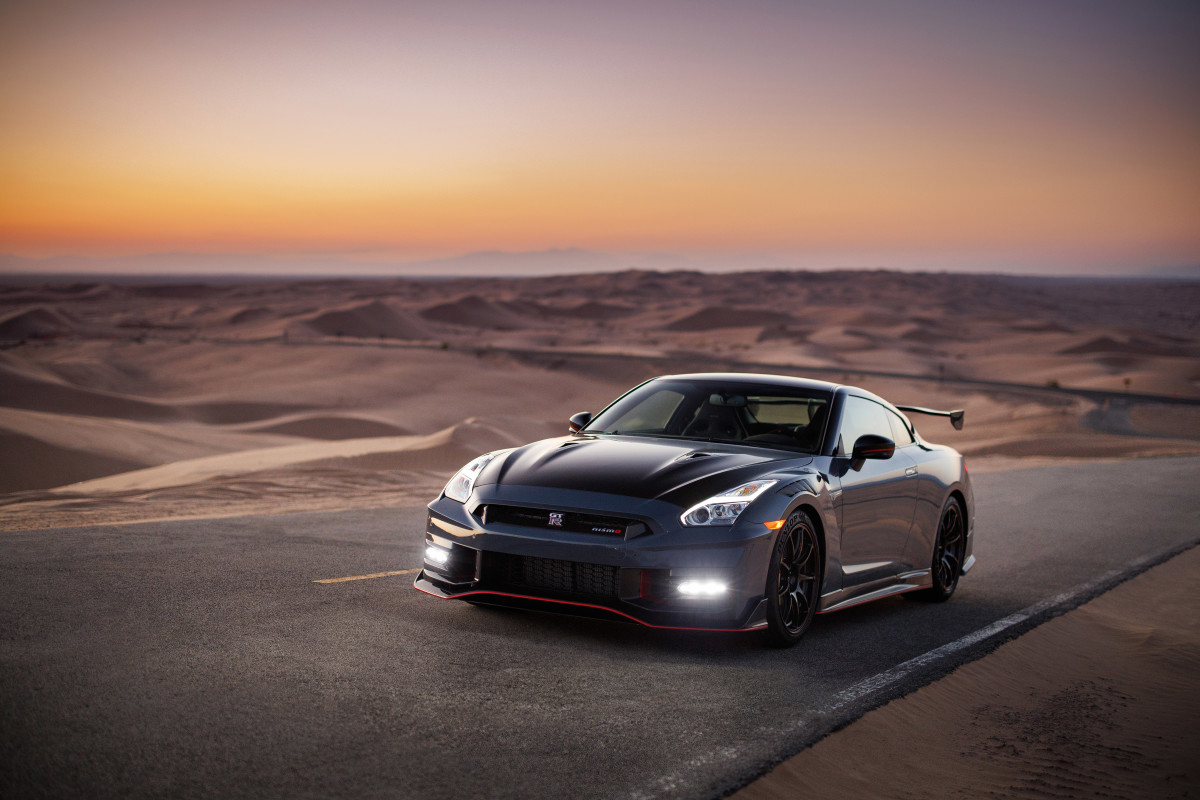
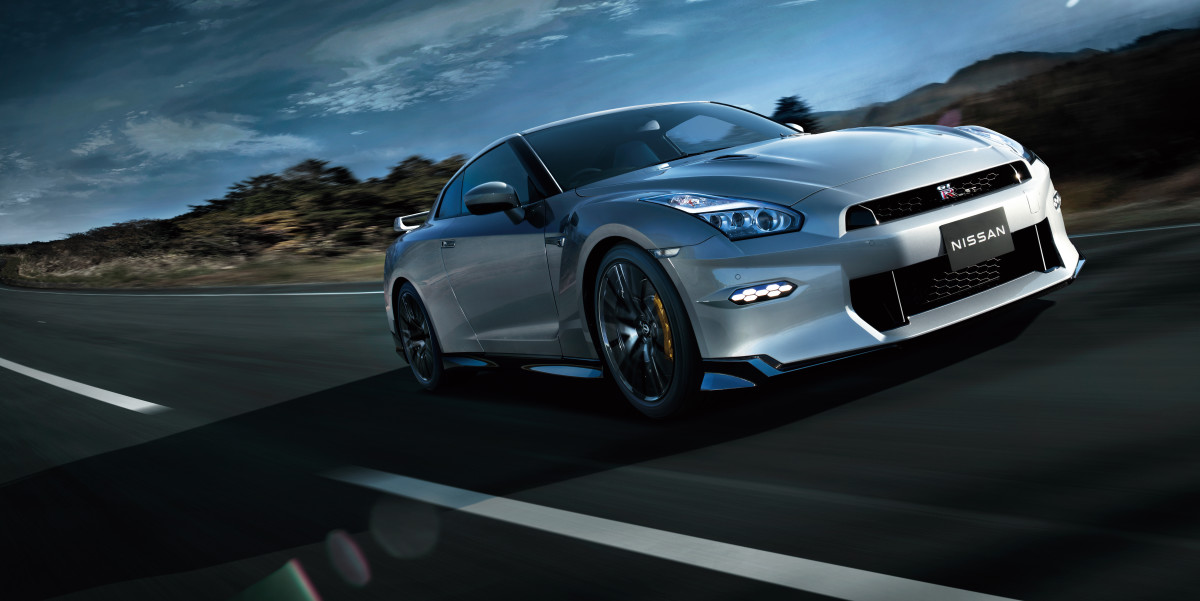
Production of the R35 has ended
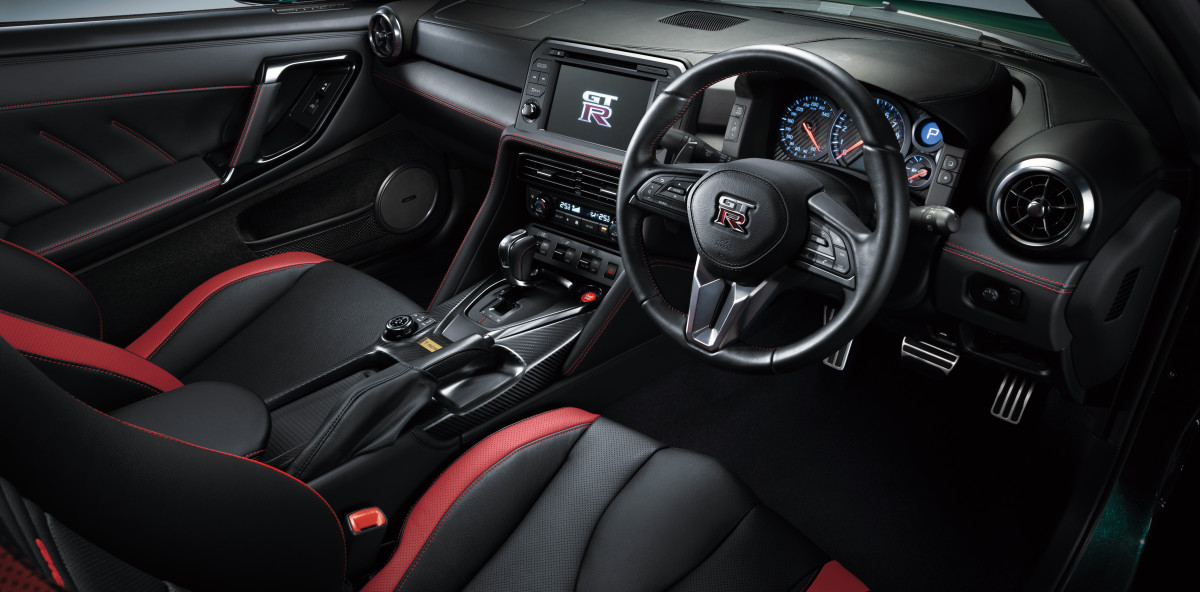
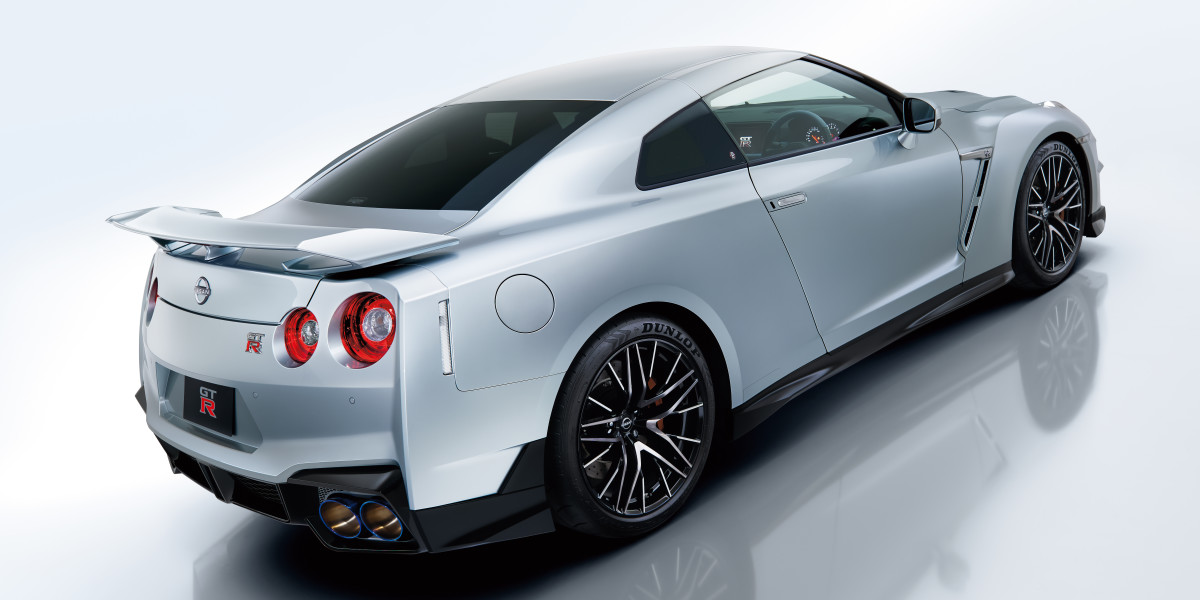
Nissan has closed the order book for its iconic R35-generation GT-R after 18 years of production. The automaker’s Japanese website noted it received all the orders it could handle through the model’s final production, putting a final nail in the legendary sports car's coffin. Despite closed orders, Nissan hasn’t officially announced a successor to the R35 GT-R. However, Senior Vice President and Chief Planning Officer for Nissan North America, Ponz Pandikuthira told Motor Authority at the 2024 New York International Auto Show that the GT-R nameplate won’t die.
Nissan hasn’t yet defined a powertrain for a next-generation GT-R, likely named the R36, with Pandikuthira noting that the automaker is waiting for technology to advance. Still, he promised that performance in near-race conditions won’t be compromised, even with a fully-electric powertrain, as Formula E will serve as a test environment. This won’t be the first time GT-R fans have had to wait patiently for a new generation. The Skyline Kenmeri GT-R ended production in 1973, and the succeeding R32-chassis GT-R didn’t hit the streets until 1989. While no GT-R variant was produced during this 16-year gap, the Skyline lineage continued with models like the C210, R30, and R31.
It’s worth noting that Nissan’s confirmation of next-generation GT-R development during last year’s New York International Auto Show occurred when the automaker’s finances weren’t as alarming. In the first nine months of 2024, Nissan’s profits decreased from 478.4 billion yen ($3.23 billion) during the same time the previous year to 64 billion yen ($435.2 million). A Nissan merger with Honda failed to come to fruition, but a deal could be back on the table after Nissan’s CEO stepped down this month.
The reason behind the R35 GT-R’s departure
Pierre Loing, Nissan’s head of global product, told Top Gear in September that regulations are the only reason the company is ending production of the R35 GT-R. Nissan was originally hoping to sell the R35 GT-R well into the next decade.
“It’s been on sale for 17 years and we’d love to make it another 17 years, but the regulator gives us some trouble!,” Loing said. In Europe, the R35 GT-R fails to meet noise and emissions regulations, while Australian regulators didn’t give it a passing crash safety grade. Stricter emissions in the US for 2025 compounded the R35 GT-R’s troubles.
Final thoughts
Nissan’s financial struggles may mean less money for R36 research and development, with more funds going toward sustaining mainline models, such as the Rogue and Altima. The automaker’s head of global product said that solid-state batteries could aid an all-electric R36 GT-R’s development, noting that the technology would remedy current issues plaguing electric sports cars, like battery weight and overheating hindering performance. Still, Nissan has clarified that they won’t have solid-state battery technology ready until 2028.
The Japanese automaker wrote the following farewell statement on its website regarding final R35 orders: “We have received many orders for the Nissan GT-R, and we have now finished accepting orders for the planned production quantity. We would like to express our sincere gratitude to our many customers for their patronage over the years since its release in 2007.”
.jpeg)