Post Icon

Stellantis expects first-half net loss of $2.7 billion as tariffs hit


via Stellantis expects first-half net loss of $2.7 billion as tariffs hit

New CEO Faces Huge Challenge

Stellantis on Monday said it expects a net loss of 2.3 billion euros (approximately $2.7 billion at current exchange rates) in the first half of the year as it begins to feel the impact of U.S. tariffs while attempting to reorganize itself for greater long-term profitability.

The report was unusual in that Stellantis released preliminary and unaudited financial information for the first half of the year, after suspending financial guidance for the full year April 30. The automaker said it took this action, considered extraordinary by financial experts, because of the divergence of analyst consensus forecast with its actual performance.

Stellantis' reported net revenue of 74.3 billion euros ($86.9 billion) in the first half contrasts with 85 billion euros ($99.4 billion) and a 5.6 billion euro ($6.5 billion) net profit for the same period in 2024. It underscores the challenges still faced by new CEO Antonio Filosa, who was appointed in May after leading Stellantis' Jeep brand.

Tariff Impact
Stellantis said four key factors impacted its financial performance in the first half of the year. One is the tariffs imposed by President Trump, which Stellantis estimates cost it 300 million euros ($351 million) due to lower shipments and production cuts. The automaker said its overall shipments fell to an estimated 1.4 million vehicles, down 6% from the same period in 2024.

In North America, Stellantis reported that vehicle shipments declined 25% year-over-year due to reduced manufacturing and lower shipments of imported vehicles as the tariffs took hold. Last year, Stellantis imported over 40% of the 1.2 million vehicles it sold in the United States, mostly from Canada and Mexico, according to Automotive News.

Other Factors
Fiat

Stellantis also listed higher industrial costs, changes in foreign exchange rates, and roughly 3.3 billion euros ($3.8 billion) in pre-tax net costs associated with a product strategy shift that included canceling a hydrogen fuel-cell powertrain project and recommitting to hybrids in Europe and conventional internal-combustion powertrains in the U.S.

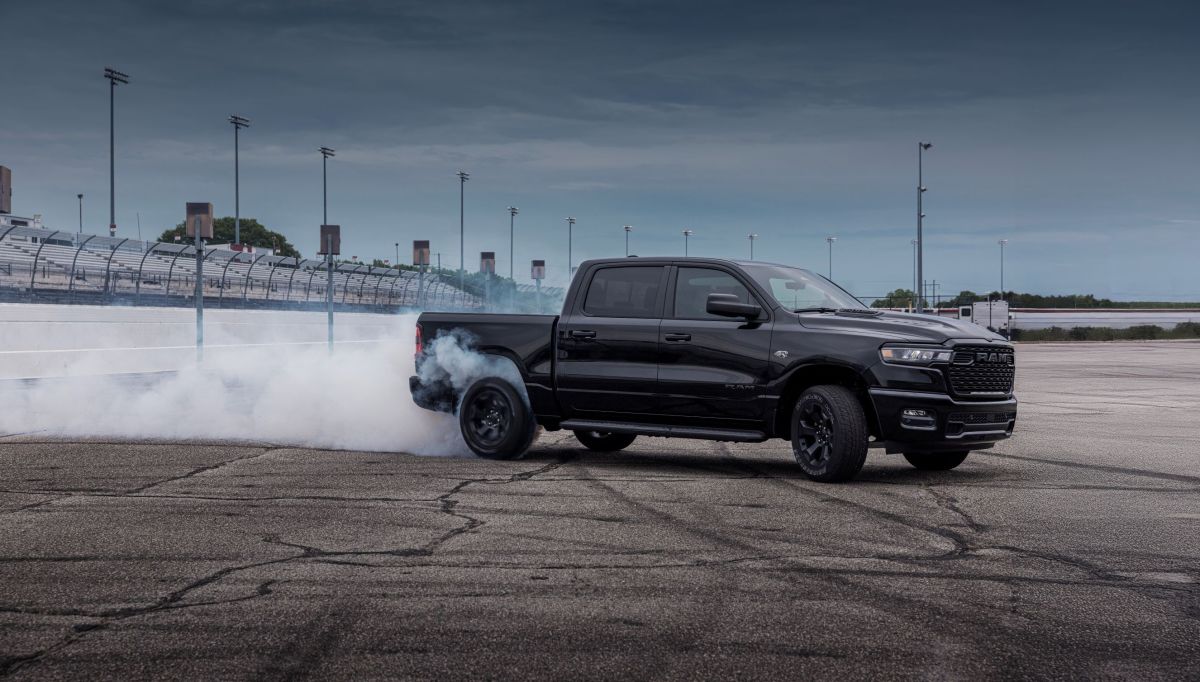
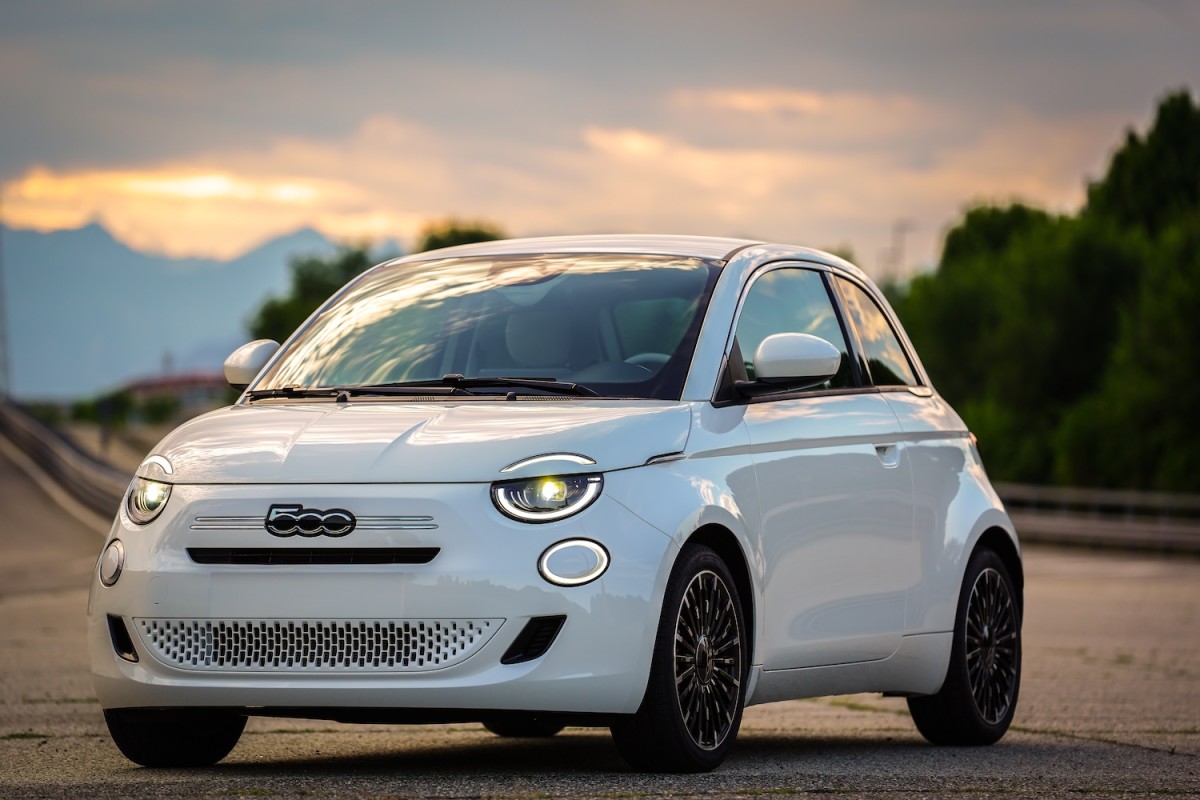
Earlier this month, the automaker launched a hybrid version of the Fiat 500 in Europe, and it's announced the return of the Hemi V8 engine to the Ram 1500 pickup truck in the U.S. That's one of several moves by returned Ram boss Tim Kuniskis, along with a return to NASCAR racing and a possible passenger van, aimed at reviving the flagging brand.

New CEO Filosa faces a similar task across the entire Stellantis constellation of brands. He replaces Carlos Tavares, who was ousted late last year amid poor financial performance. Stellantis' first-half 2025 net revenue was in fact up from the second half of 2024, but the results show the automaker still has a long way to go.

  • Digg
  • Del.icio.us
  • StumbleUpon
  • Reddit
  • RSS
Post Icon

The Cheapest Land Rover Defender 90 Now Costs Six Figures


via The Cheapest Land Rover Defender 90 Now Costs Six Figures

Small Engines No Longer Available In Small Defender

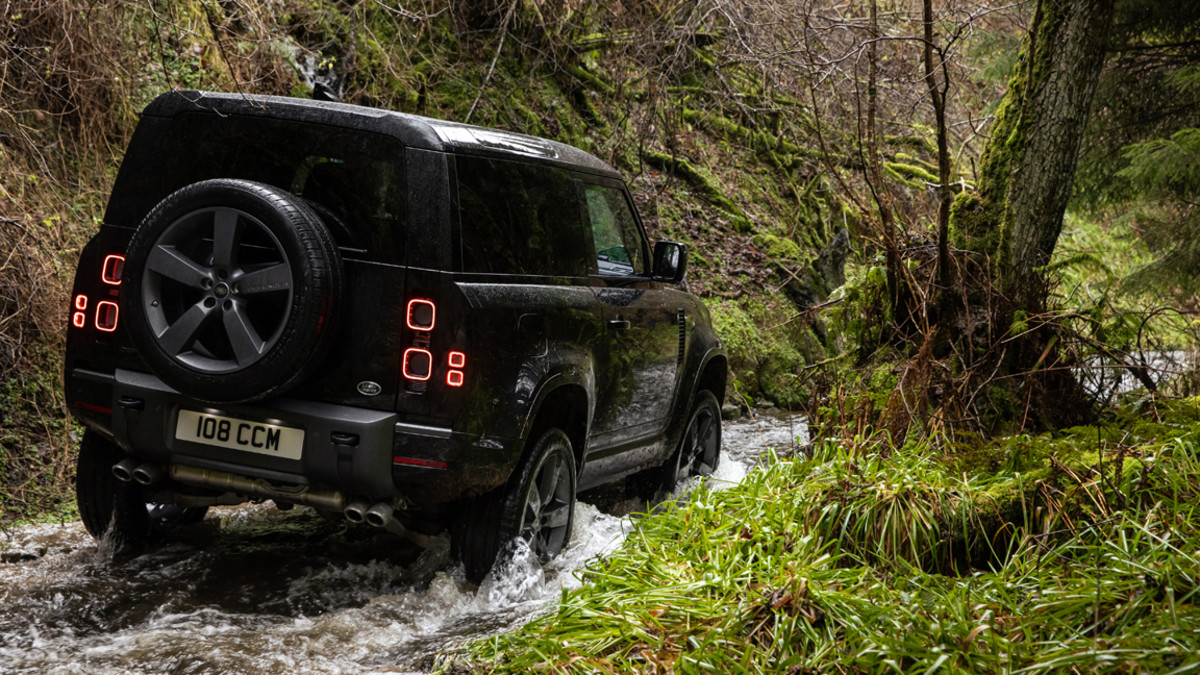
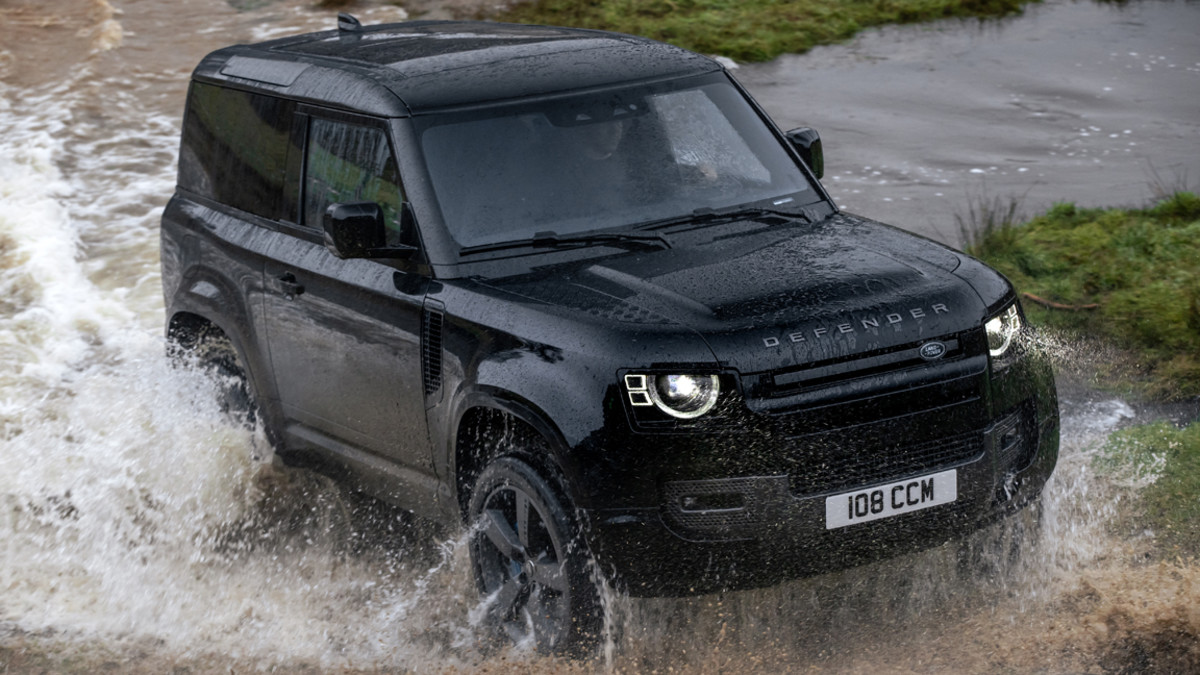
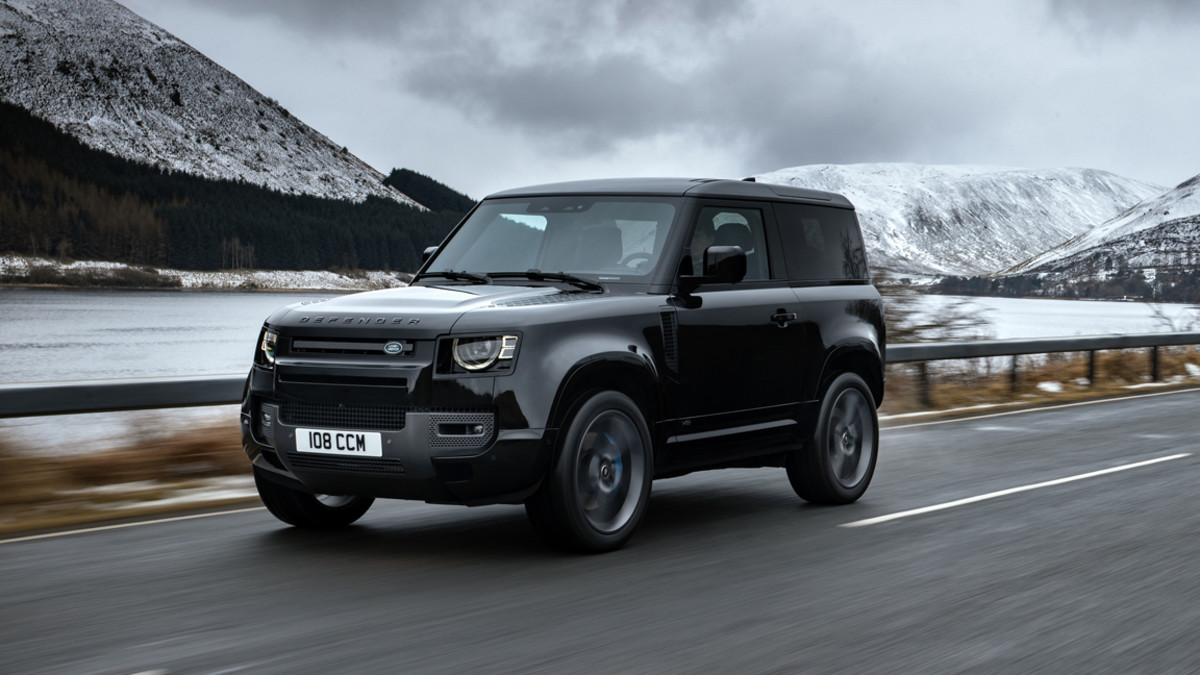
The Defender may be Land Rover's best-selling model, but JLR is slimming the lineup and minimizing choice. First reported by CarBuzz, JLR has quietly removed the $56,900 Defender 90 P300 S trim from its U.S. configurator, leaving only the supercharged V8 option available for the shortest-wheelbase Defender, which starts at $114,400 - almost double what the Defender 90 started at previously. As a result, the cheapest Defender you can buy is now the medium-length Defender 110, which is $2,700 pricier than it was for 2025. All pricing excludes a $1,850 destination charge.

Defender Price Structure Looks Very Different

Land Rover

As a reminder, the Defender 90 P300 S was powered by a 2.0-liter turbocharged four-cylinder delivering 296 horsepower, and that engine is still available in the 110, while the 130's base engine is a 3.0-liter six-cylinder producing the same peak figure, and the 5.0-liter supercharged V8 delivers 518 hp in any of the three Defenders.

Defender 90 V8

$114,400

Defender 100

$63,500

Defender 130

$73,000

Defender OCTA

$158,300

With six trims still available for the 110 and another four for the 130, plus the hardcore OCTA, it makes sense to slim the lineup. Although the four-cylinder Defender 90 was a handy off-roader in its own right, it's not practical for much else. Most buyers chose it for its style, while those with family requirements went for the larger models anyway. If looks and presence are all that matter, a two-door V8 fits the bill.

Preparation For An EV?

Land Rover

View the 2 images of this gallery on the original article

Specific sales for the V8 version of the Defender 90 are not released by JLR, but we suspect they were in the minority for the body style, especially with that six-figure starting price, and with JLR preparing several electric vehicles for the second half of the decade, one can't help but wonder if the Defender 90 may be phased out altogether. An all-electric "baby" Defender was confirmed in 2023 and is expected to be given the name Defender 'Sport,' which indicates that it may replace the Discovery Sport, itself a replacement for the Freelander.

Expected in 2027, this will do battle with a new "baby" G-Class, though the Mercedes is expected to offer combustion alongside an electric powertrain. But things may still change for JLR. A new report from the U.K.'s The Guardian says a trio of JLR EVs have been delayed as the company waits "for demand to pick up."

  • Digg
  • Del.icio.us
  • StumbleUpon
  • Reddit
  • RSS
Post Icon

State-by-State EV Savings: Slash Driving Costs by Up to 80%


via State-by-State EV Savings: Slash Driving Costs by Up to 80%

Electric vehicles can slash your driving “fuel” bill — but exactly how much you save depends on where you live, or rather where you charge. Here’s a state-by-state look at per-mile EV costs using the latest electricity rates and gas prices.

How Electricity Rates Shape EV Cost

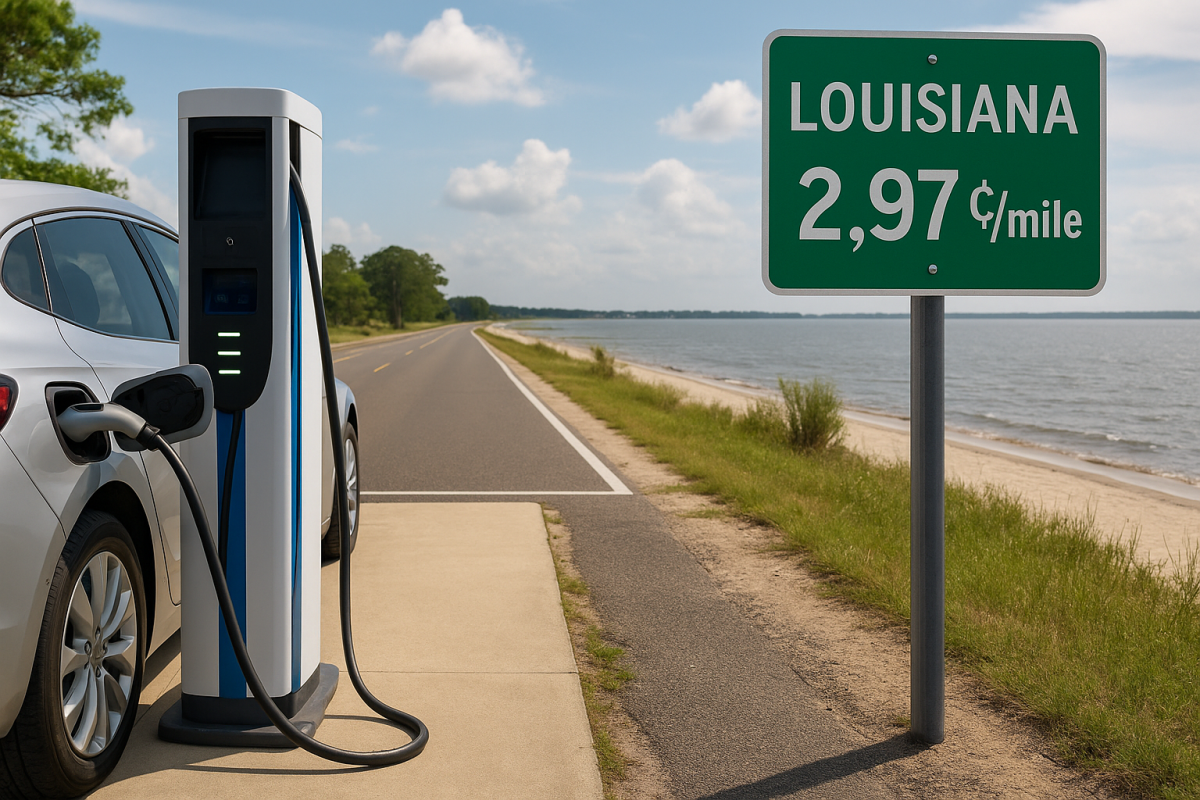
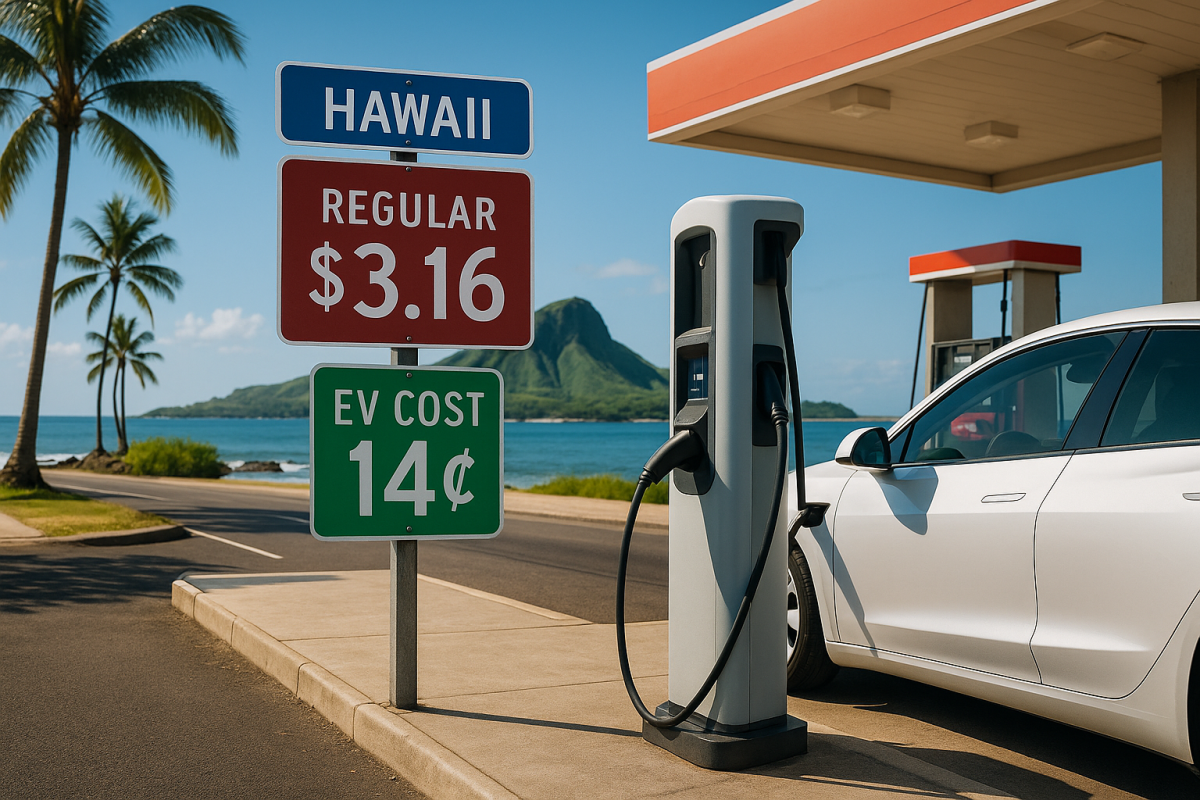
Your EV’s operating cost comes down to two numbers: your local residential electricity rate and your vehicle’s efficiency. According to the latest (2023) data from the U.S. Energy Information Administration, Louisiana averaged 13.46 ¢/kWh, Washington 13.03 ¢/kWh, Vermont 23.20 ¢/kWh, California 31.77 ¢/kWh, and Hawaii led the nation with 42.44 ¢/kWh (April 2025). Pairing these rates with an average EV efficiency of 3 mi/kWh yields per-mile “fuel” costs ranging from just 4.49 ¢ in Louisiana to 14.15 ¢ in Hawaii.

Meanwhile, AAA reports the national average for regular gasoline at $3.155/gal (July 18, 2025), which translates to about 10.52 ¢/mile at 30 mpg.

State

Rate (¢/kWh)

EV Cost/mi (¢ at 3 mi/kWh)

Gas Cost/mi (¢ at 30 mpg)

Louisiana

13.46

4.49

10.52

Washington

13.03

4.34

10.52

Idaho

11.89

3.96

10.52

Georgia

14.84

4.95

10.52

Illinois

18.32

6.11

10.52

Florida

15.27

5.09

10.52

Vermont

23.20

7.73

10.52

California

31.77

10.59

10.52

Hawaii

42.44

14.15

10.52

EV operating cost hinges on your local electricity rate and your car’s efficiency. With a representative 3 mi/kWh, charging in early 2025 cost roughly 4.49 ¢/mi in Louisiana (13.46 ¢/kWh), 4.34 ¢/mi in Washington (13.03 ¢/kWh), 7.73 ¢/mi in Vermont (23.20 ¢/kWh), 10.59 ¢/mi in California (31.77 ¢/kWh), and 14.15 ¢/mi in Hawaii (42.44 ¢/kWh) according to the U.S. Energy Information Administration. Meanwhile, at $3.16/gal for gas (≈ 10.5 ¢/mi at 30 mpg), fuel runs about 10.5 ¢/mi per AAA’s national average.

Beyond the Charger

California’s Clean Vehicle Rebate Project offers $2,000–4,500 rebates; Vermont provides up to $5,000 in state incentives plus utility rebates (e.g., Green Mountain Power’s $3,200 cap) but still charges 6% sales tax; Washington utilities’ off-peak TOU plans save about 20–30% on charging; and Entergy in Louisiana rebates $250–350 for home charger installs through its eTech Program.

Total Cost Comparison

  1. Check your rate on your electric bill.
  2. Know your EV’s efficiency (most average roughly 3 mi/kWh).
  3. Compute EV cost per mile: Rate ÷ Efficiency.
  4. Compare to gas: (Gas price ÷ Vehicle mpg).

In low-rate states, EV “fuel” runs 70–80% cheaper than gasoline. Even in California or Hawaii, incentives and off-peak plans keep EV costs on par, or slightly below, gas.

Verdict: Plug In and Pocket the Difference

Don’t settle for $0.10–$0.14 per mile at the pump when you could be paying as little as $0.03 per mile on electricity. Crunch your own numbers now at the DOE’s AFDC Vehicle Cost Calculator —enter your ZIP, your EV’s efficiency and annual mileage, and watch your projected savings stack up. Whether you live where power is cheap or costly, this quick tool shows exactly how much you’ll pocket by making the switch.

Charge smarter, drive farther, and keep hundreds more dollars in your wallet each year.

  • Digg
  • Del.icio.us
  • StumbleUpon
  • Reddit
  • RSS
Post Icon

Tesla’s Model 3+ Is the Range King We Didn’t Expect


via Tesla’s Model 3+ Is the Range King We Didn’t Expect

Tesla Has Improved the Model 3, But There's Room for Growth

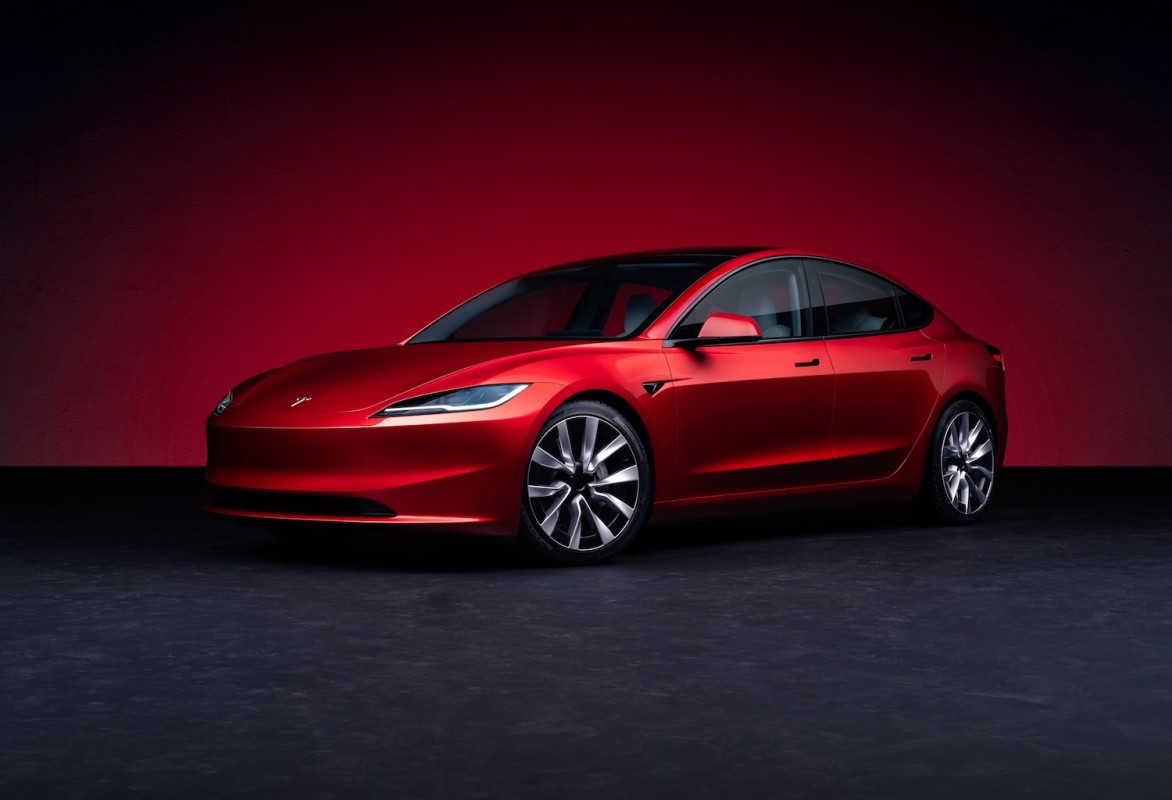
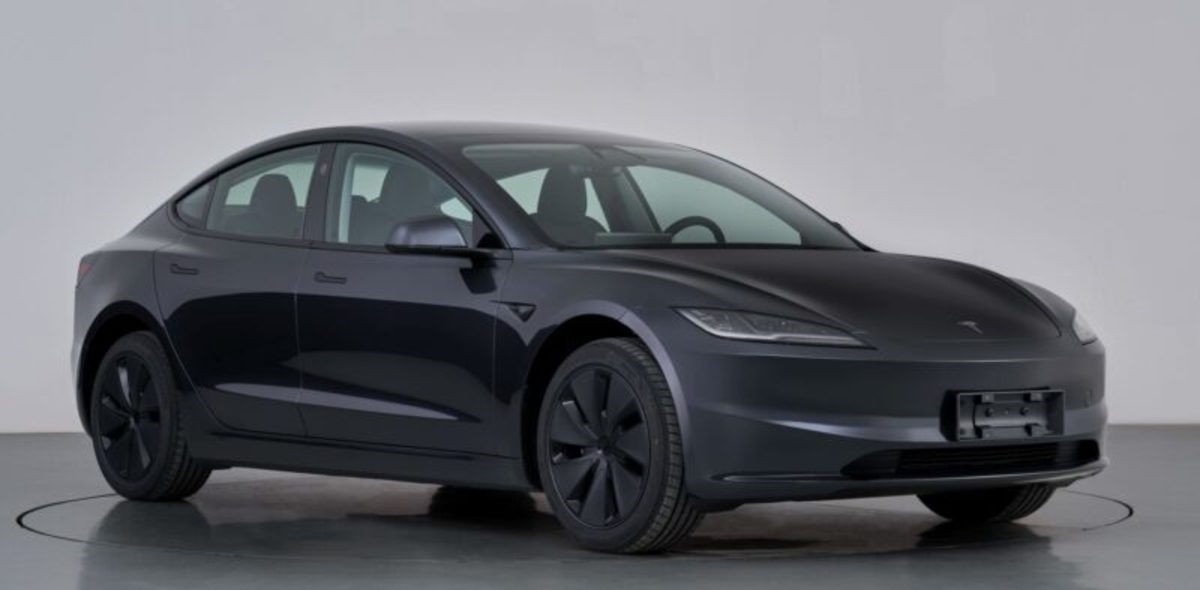
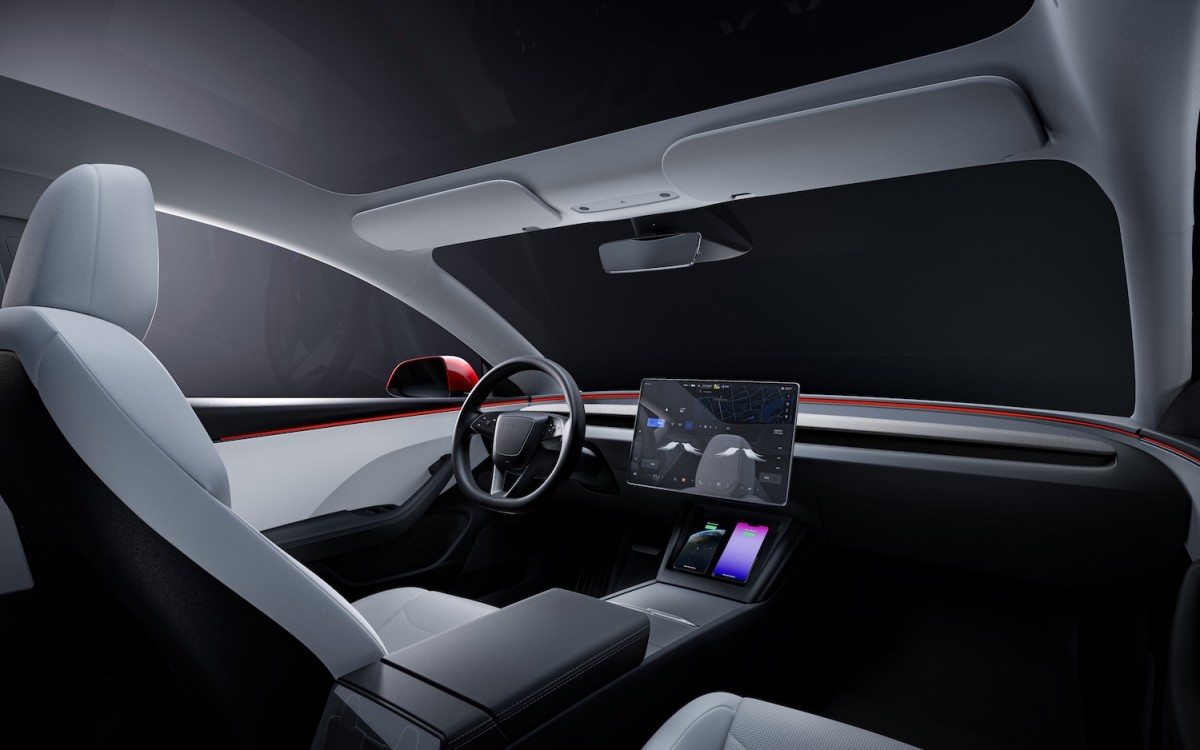
Last year, Tesla unveiled a major update for the Model 3, the first redesign since its launch. The update first appeared in China before a roll-out to North America, featuring aerodynamic improvements, sleek styling tweaks (such as revised taillights and smoother front fascia), and a quieter cabin thanks to acoustic laminated glass and refined wheel/tire combination.

The refreshed Model 3 Long Range RWD offers 363 miles under EPA, marking a 10% improvement in efficiency and range over previous versions. Despite these substantial upgrades, the Model 3's range still leaves room for growth, especially with newer rivals in the market.

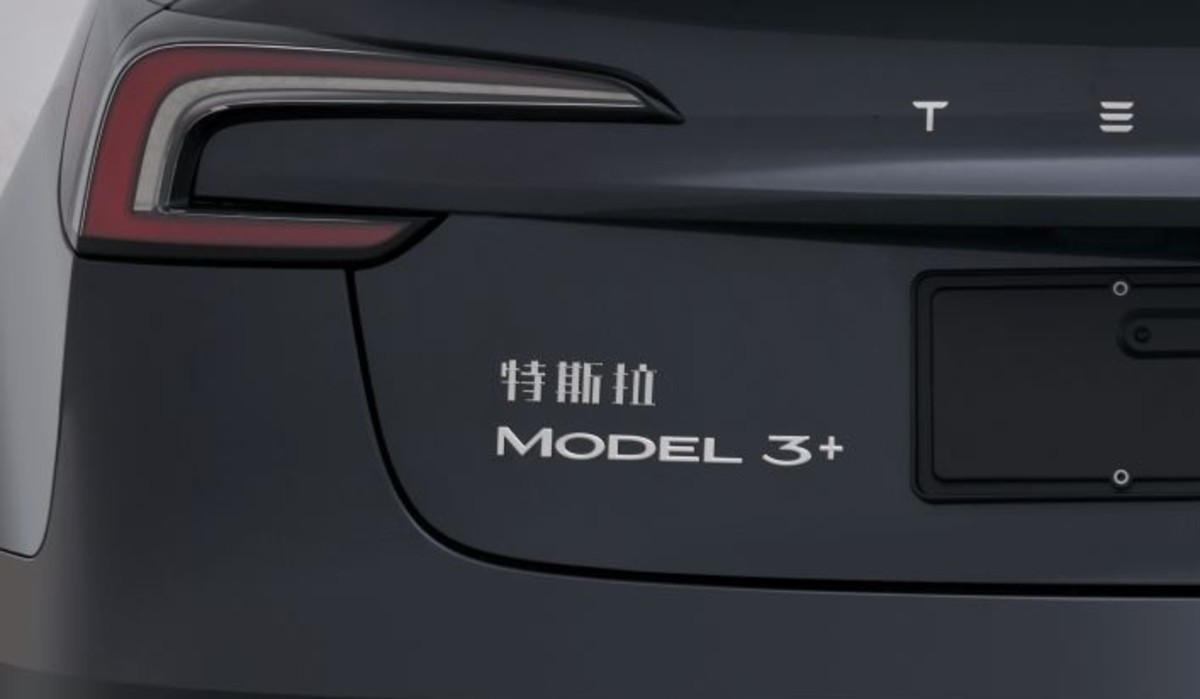
Tesla might be working on that, though, as a new "Model 3+" has emerged, spotted in China's regulatory filings by CarNewsChina.

Tesla

View the 2 images of this gallery on the original article

A Better Battery Comes the "+"

The Model 3+ is a single‑motor, rear‑wheel‑drive variant, combining the efficiency of an RWD drivetrain with the energy density of an LG‑supplied ternary NMC battery, previously reserved for AWD trims. The result is a setup that aims to deliver the longest range yet on a Model 3. The base RWD in China (62.5 kWh LFP) achieves 394 miles CLTC, while the Long Range AWD (78.4 kWh NMC) hits 468 miles.

By merging RWD efficiency with NMC's higher performance, analysts estimate the Model 3+ could stretch beyond 497 miles under CLTC. There's also a power bump: filings from China's MIIT indicate a 302-hp RWD motor, up from the 260-hp motor in the existing base RWD variant.

According to reports, Tesla plans to price it around 270,000 Chinese yuan, or around $37,600 at the current exchange rates, slotting it neatly between the base RWD and Long Range AWD trims, with a launch expected in early September.

Of note, the CLTC cycle here tends to be more forgiving than the EPA ratings in the US, so real‑world performance will likely fall short of the CLTC figures.

CIIT

View the 2 images of this gallery on the original article

The Battery Tech That Can Improve American Teslas

The emergence of the Model 3+ suggests a compelling opportunity for Tesla's American lineup. The automaker already offers a Long Range RWD with a 79.7 kWh NMC battery and 363 EPA‑mile range. Adopting the Model 3+'s battery‑plus‑RWD setup domestically could edge the EPA range closer to 400 miles, especially if further efficiency optimizations are applied.

Technical feasibility seems strong: the motor appears globally sourced (not China‑specific), and NMC packs are already built at Tesla's US plants. Key considerations will include cost, manufacturing complexity, and consumer appetite for another trim option. If the range boost is substantial – say, a 30–40‑mile gain over current Long Range models – it could become a high‑value, efficiency‑focused variant rather than just another price tier.

Tesla

  • Digg
  • Del.icio.us
  • StumbleUpon
  • Reddit
  • RSS
Post Icon

Hyundai Kills Problematic Dual-Clutch Autos For Two Models


via Hyundai Kills Problematic Dual-Clutch Autos For Two Models

Modern torque-converter automatics are replacing once-lauded DCTs

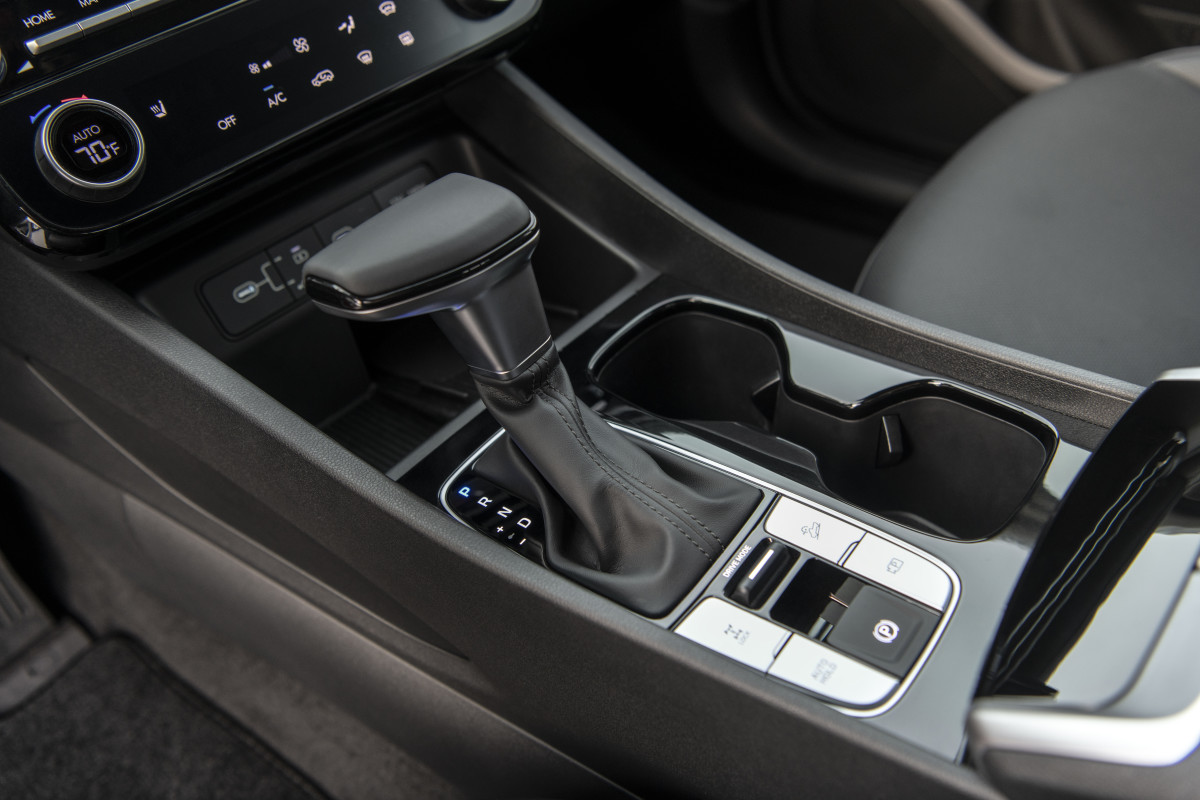
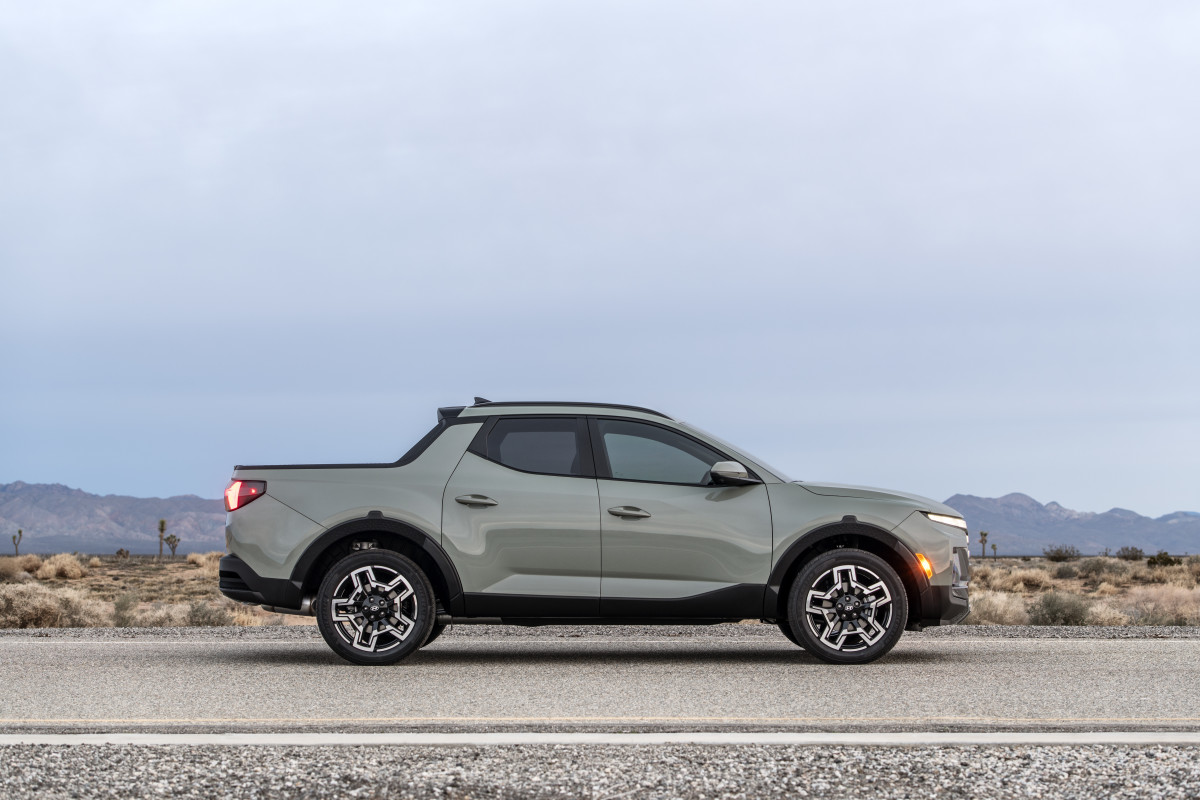
Hyundai just announced updates for its entire range, as most models begin the switch to the 2026 model year. While many of these changes involved a shuffling of trims and new features, one particular update jumped out at us. The Korean marque will be replacing the dual-clutch automatic transmission in variants of the Santa Fe and Santa Cruz equipped with it. In the DCT’s place will be a conventional torque converter automatic. This seems to be yet another case of DCTs losing favor, due to reliability concerns and a few undesirable drivability characteristics. Let’s take a closer look.

A Needlessly Complex Transmission For Everyday Family Cars

Hyundai

View the 3 images of this gallery on the original article

For turbocharged models (all non-hybrid Santa Fe and Santa Cruz derivatives), Hyundai has until now been using an eight-speed wet dual-clutch automatic. Naturally-aspirated Santa Cruz pickups stuck with a conventional eight-speed auto.

However, DCTs are more complicated than regular autos, featuring two separate clutches and associated components. This makes them more costly to produce and maintain, and less suitable for use in cheaper everyday cars. There are also reliability concerns, as Ford found out with its older PowerShift transmissions.

Hyundai has already had to recall Santa Fe models for DCT-related issues, despite the model still being relatively new. In these crossovers, the Transmission Control Unit software logic could mistakenly engage the clutches. These could damage the transmission, cause a rollaway, or result in a noise from the DCT.

A separate recall involving Santa Cruz and Santa Fe models with the DCT was filed, too. This one related to rough shifts, a lack of power, and hesitation, which could result in the transmission needing to be replaced.

Evidently, Hyundai decided that these transmissions are more trouble than they’re worth, which is why a normal eight-speeder is being used instead.

“For 2026, Santa Fe moves to a torque converter transmission. It became available in our development cycle, and we determined it provided ideal overall drivability for the Santa Fe driver moving forward," the spokesperson said to Car and Driver, seemingly not wanting to mention any of the DCT’s obvious defects.

In our own review of the Santa Fe, we found that the DCT was jerky when switching from first to second gear.

DCTs May Have Had Their Heyday

View the 4 images of this gallery on the original article

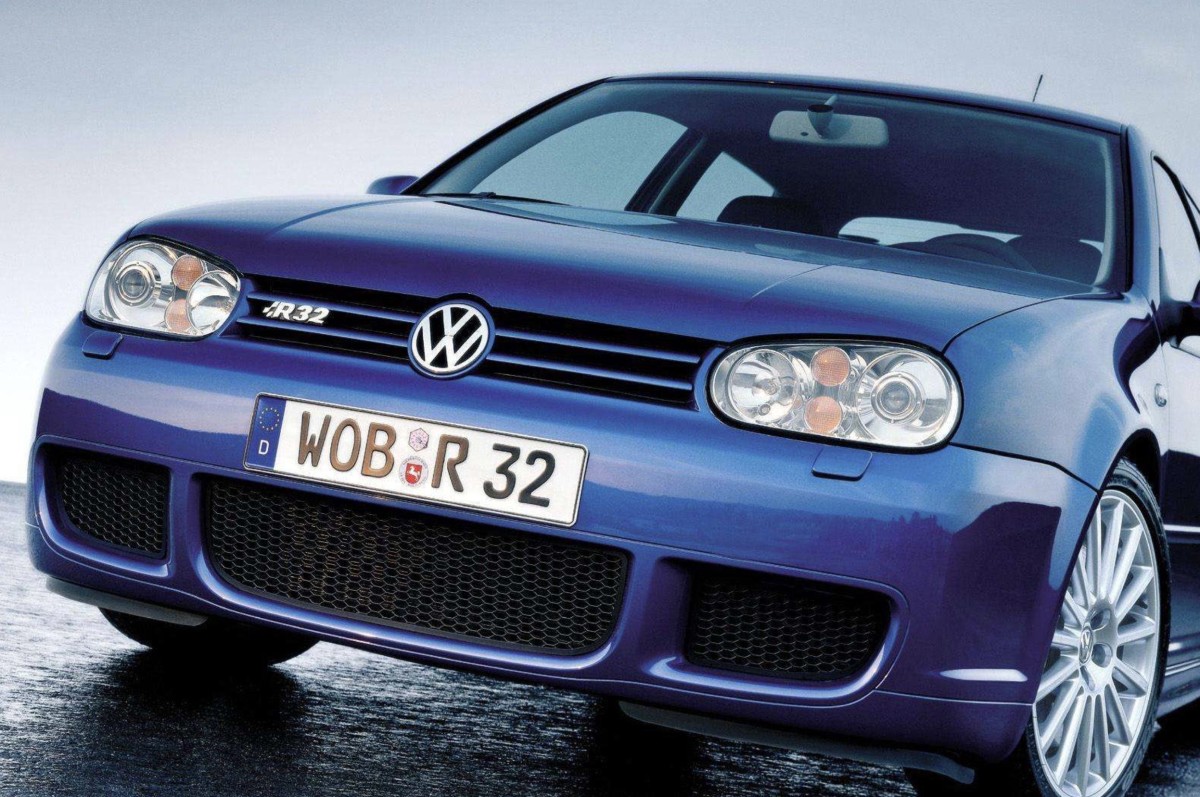
Since its use in the Volkswagen Golf R32 in the 2000s, the dual-clutch auto found its way into many performance cars. The transmission has often been praised for its ultra-fast shifts, which create a more engaging driving experience. They also improved fuel efficiency, especially at a time when torque-converter transmissions were not as refined or efficient as they are now.

This has changed, however. Since the Golf R32 launched, torque-converter automatics have improved dramatically. Eight-speed transmissions are now commonplace, as are designs with up to 10 speeds. But beyond the number of gears, these transmissions now shift a lot quicker than before, to the point where the main advantage of a DCT has been eroded.

Conventional automatics are also smoother, especially at low speeds or in stop-and-go traffic, when DCTs can be jerky.

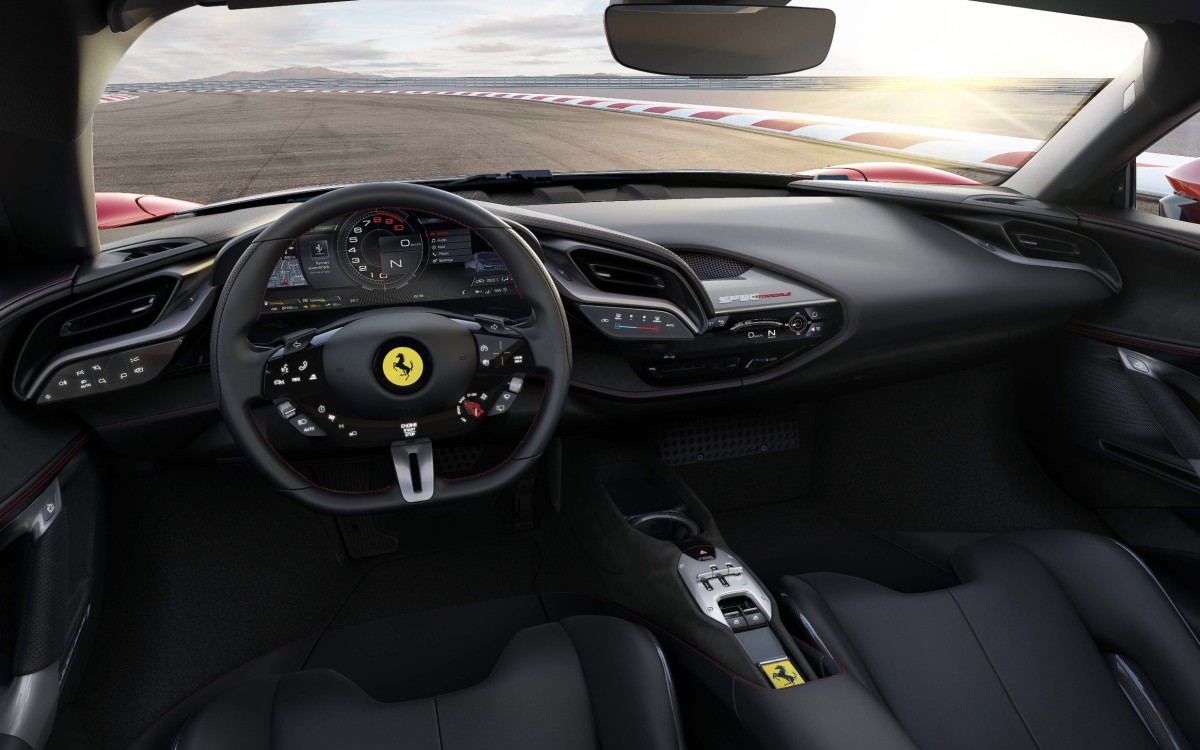
BMW, a brand that relied on DCTs for several M cars, has replaced them with its eight-speed torque converter, even in focused products like the M3. Reliable brands like Mazda and Toyota haven’t considered DCTs, even in performance models. Of course, many supercar manufacturers still use DCTs successfully, such as Ferrari with the SF90 Stradale.

While Ford persisted with its troublesome PowerShift for far too long, it’s good to see Hyundai has made this change early in the life cycles of the current Santa Fe and Santa Cruz.

  • Digg
  • Del.icio.us
  • StumbleUpon
  • Reddit
  • RSS
Post Icon

How Slate Plans to Build a $25,000 Electric Truck Without the Gimmicks


via How Slate Plans to Build a $25,000 Electric Truck Without the Gimmicks

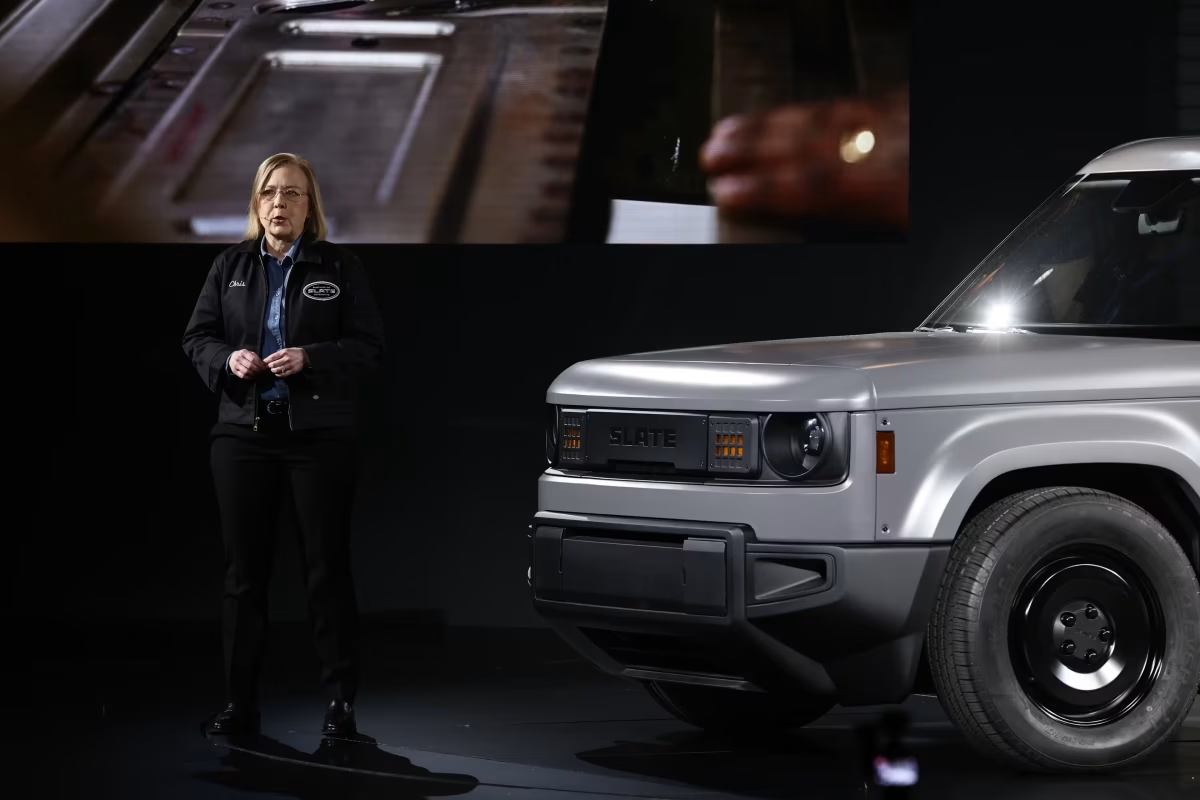
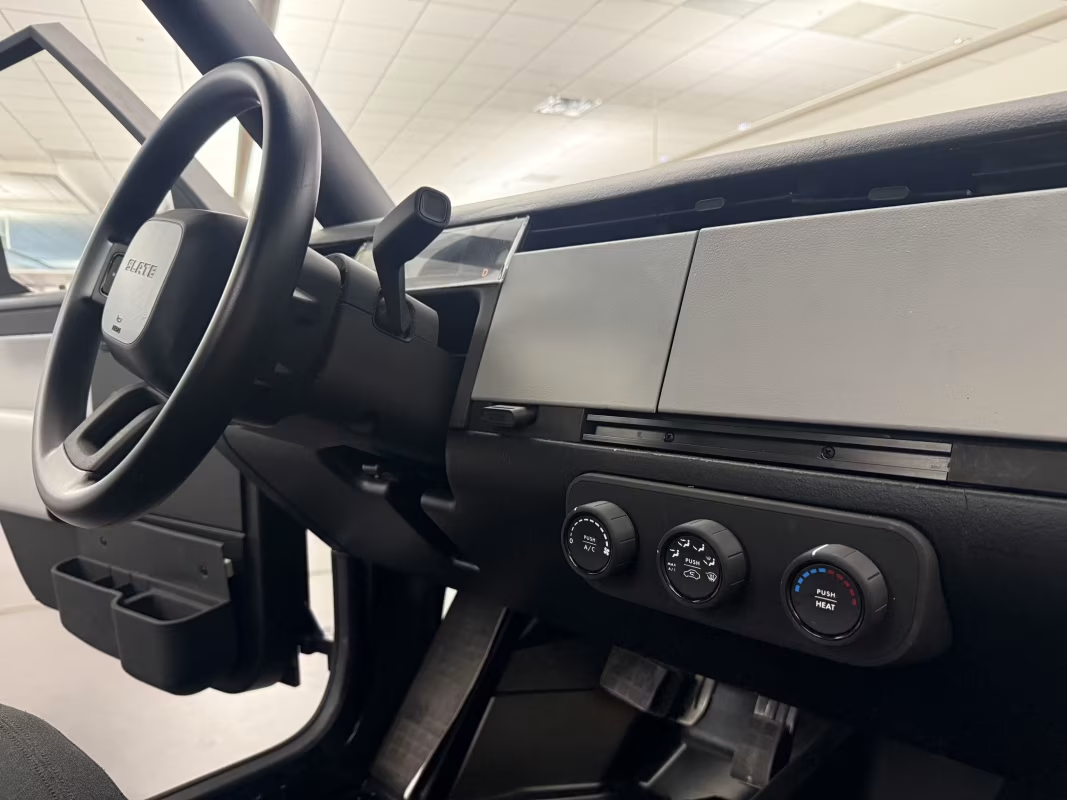
In an interview with Sherwood News, Slate Auto CEO Chris Barman explained exactly how her company plans to do what Tesla never could: deliver a brand-new electric truck for just $25,000 — no gimmicks, no tax credits, and no wild price hikes. It’s called the Blank Slate, and it’s as bare-bones as the name suggests.

Forget giant touchscreens, self-driving gimmicks, or luxury-baiting light shows. The Slate truck is a two-seat EV with manual windows, no stereo, and the kind of bolt-it-yourself attitude that would make IKEA blush. It’s designed to compete not with other new trucks, but with the used car market — and at a time when the average used car costs over $27,000, that target suddenly sounds pretty ambitious.

Rani Molla/Sherwood News

Building Backwards To Drive Forward

Slate’s strategy, according to Barman, was to reverse-engineer affordability. “What are the only essentials that need to go in a vehicle?” she asked. So they cut the touchscreen, replaced powered equipment with manual parts, and focused on making everything user-replaceable. There’s no paint — it’s composite plastic. No infotainment — just bring your phone. Even the key is deliberately simple, though they still added remote access for safety-conscious buyers.

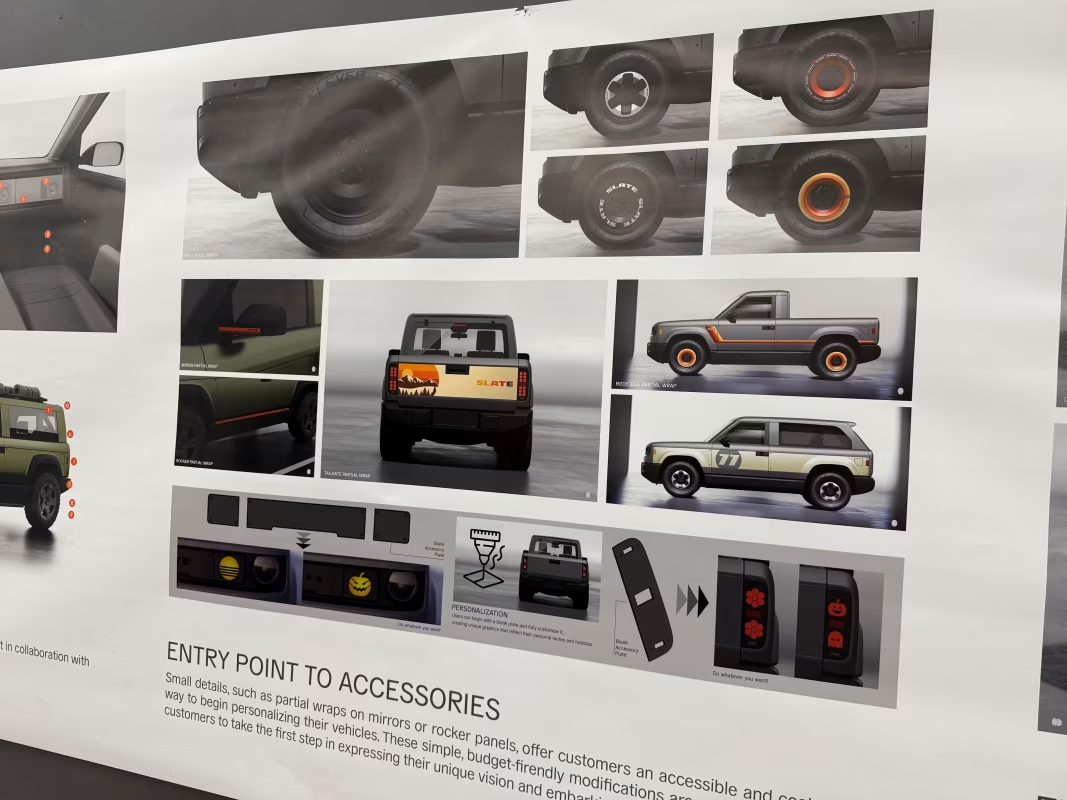
This isn’t some vaporware promise. Slate says the vehicle will meet top safety standards, offer a proper warranty, and still come in cheaper than most secondhand SUVs. You get air conditioning, a steel frame, and customisation options via accessories and wrap kits — including a hot pink one, if you’re into that sort of thing.

Barman claims they’ve pulled this off by slashing parts complexity — only 600 parts versus the industry norm of 2,500 — and by cutting out the expensive bits of traditional carmaking like paint shops and stamping equipment. All this lets them use smaller factories, fewer employees, and cheaper supplier tooling. It’s a totally different playbook from legacy brands or flashy EV startups.

Is $25k Still Possible?

Now, here’s the twist. Although Slate initially touted a sub-$20,000 figure with incentives, the actual price has crept up. According to the company’s website and recent reports, the Blank Slate is now expected to cost “in the mid-twenties”, without incentives — a roughly 20% hike attributed to the looming phase-out of federal EV tax credits under new policy shifts. The reality is that $25k is now the floor — not the post-incentive dream.

Still, for a brand-new electric truck, that’s remarkably cheap. Especially when the competition is focused on six-figure crossovers and mega-luxury statements. While everyone else is chasing Tesla’s performance and Cadillac’s opulence, Slate is doing something logical: making a car people can actually afford.

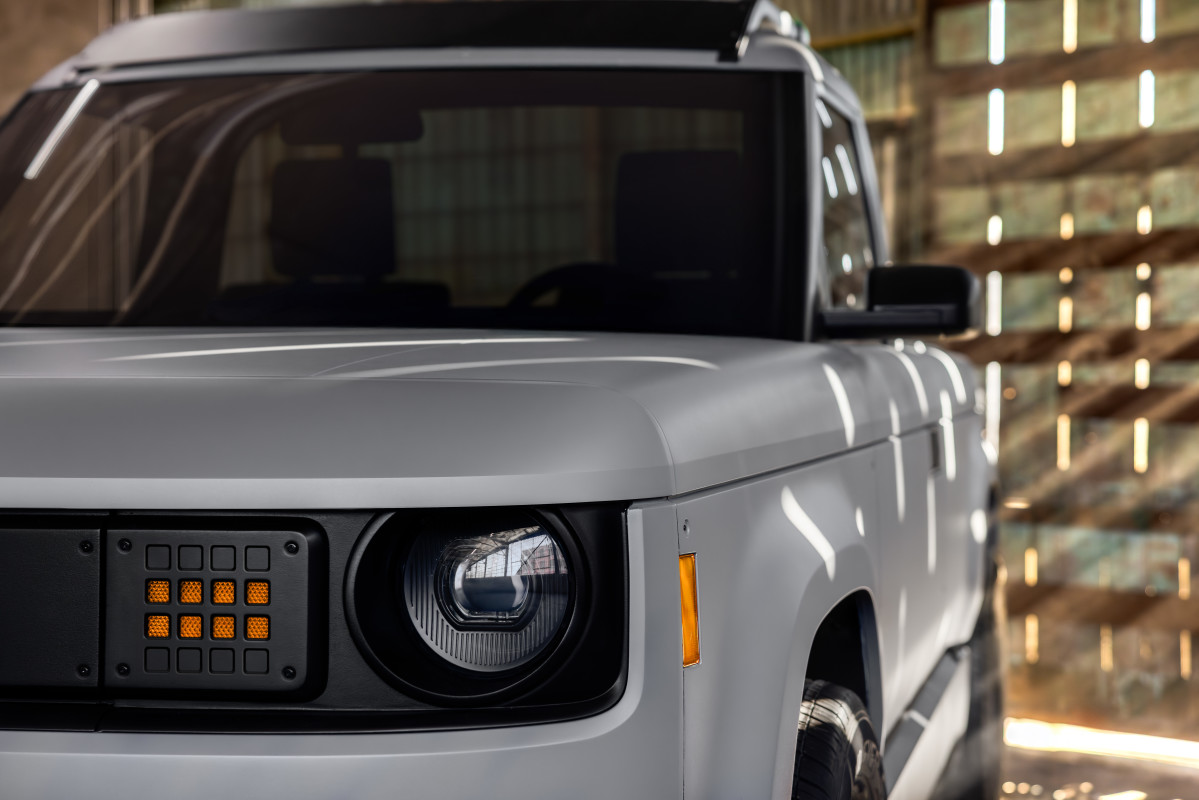
Slate SUV

Slate

The truck’s production will happen in a converted factory in Warsaw, Indiana, using battery modules from Georgia, with a total buildout cost far below what other carmakers would need. And yes — Slate says it’ll be profitable on every vehicle it sells, even the most basic spec.

That kind of fiscal restraint, combined with the sheer simplicity of the product, might just be Slate’s biggest advantage. Jeff Bezos is backing the company, and over 100,000 customers have already configured trucks using Slate’s online tool.

Not For Everyone, But Maybe That’s The Point

Who wants a truck like this? Barman says it’s everyone from young trade workers and budget-conscious families, to DIY fans and even retired seniors who find today’s EVs too complicated. It’s not going to compete with a Cybertruck, and it’s not supposed to. It’s the anti-Cybertruck: cheap, plain, and actually useful.

Slate isn’t promising full autonomy or top-speed records. It’s promising that you can change the colour of your truck for $500 and fix a dent with your own hands. If that sounds like a step backward, maybe it’s because everyone else has been sprinting in the wrong direction.

Whether it holds the $25,000 line remains to be seen. But for now, Slate’s pitch is clear: no screens, no fluff — just an EV people can actually buy.

  • Digg
  • Del.icio.us
  • StumbleUpon
  • Reddit
  • RSS
Post Icon

Rivian’s Impressive Infotainment Update Isn’t The One Drivers Really Want


via Rivian’s Impressive Infotainment Update Isn’t The One Drivers Really Want

Rivian makes getting to your destination as seamless as possible

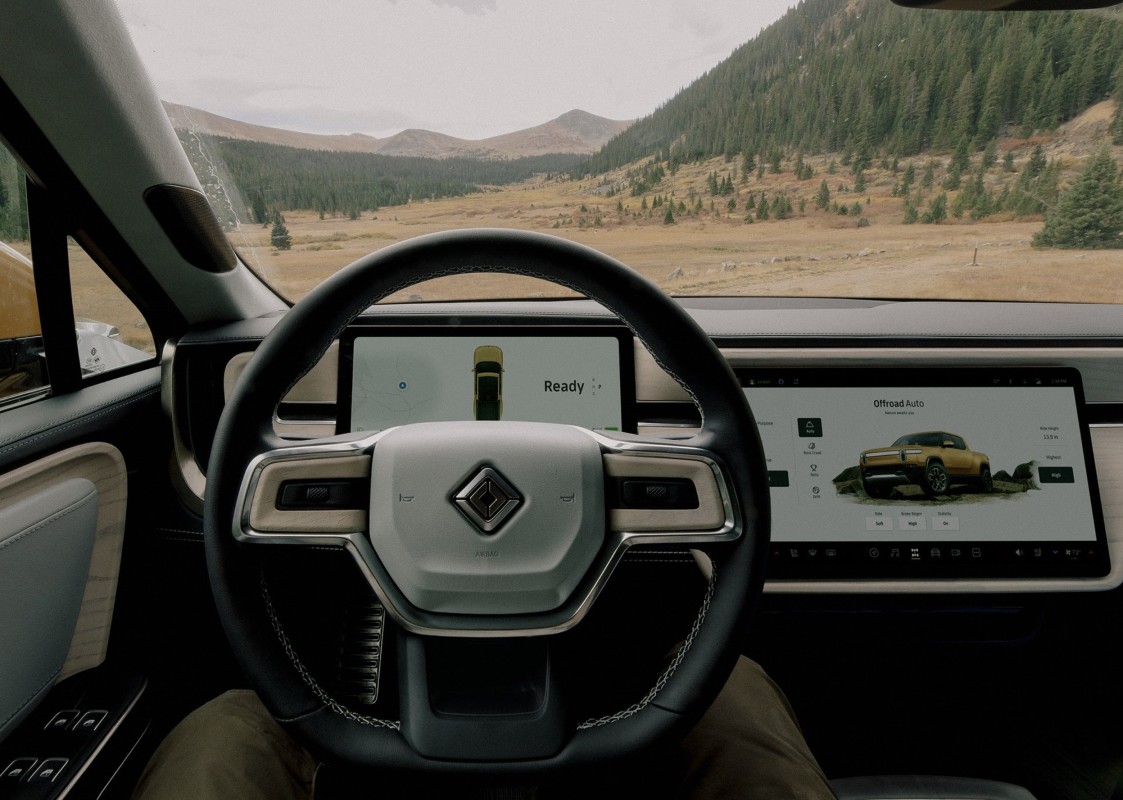
Rivian has introduced a new navigation system for its R1T pickup truck and R1S SUV. The latest system will rely on Google Maps instead of the older Mapbox-based maps setup. Integrated into the Rivian infotainment system, the new navigation will allow drivers to more seamlessly get to their next destination. The latest setup works a bit differently to Google’s other automotive integrations, such as Google Built-In and Android Auto. Rather, this change combines the best of Google Maps with Rivian’s own user experience.

A Bevy Of New Features

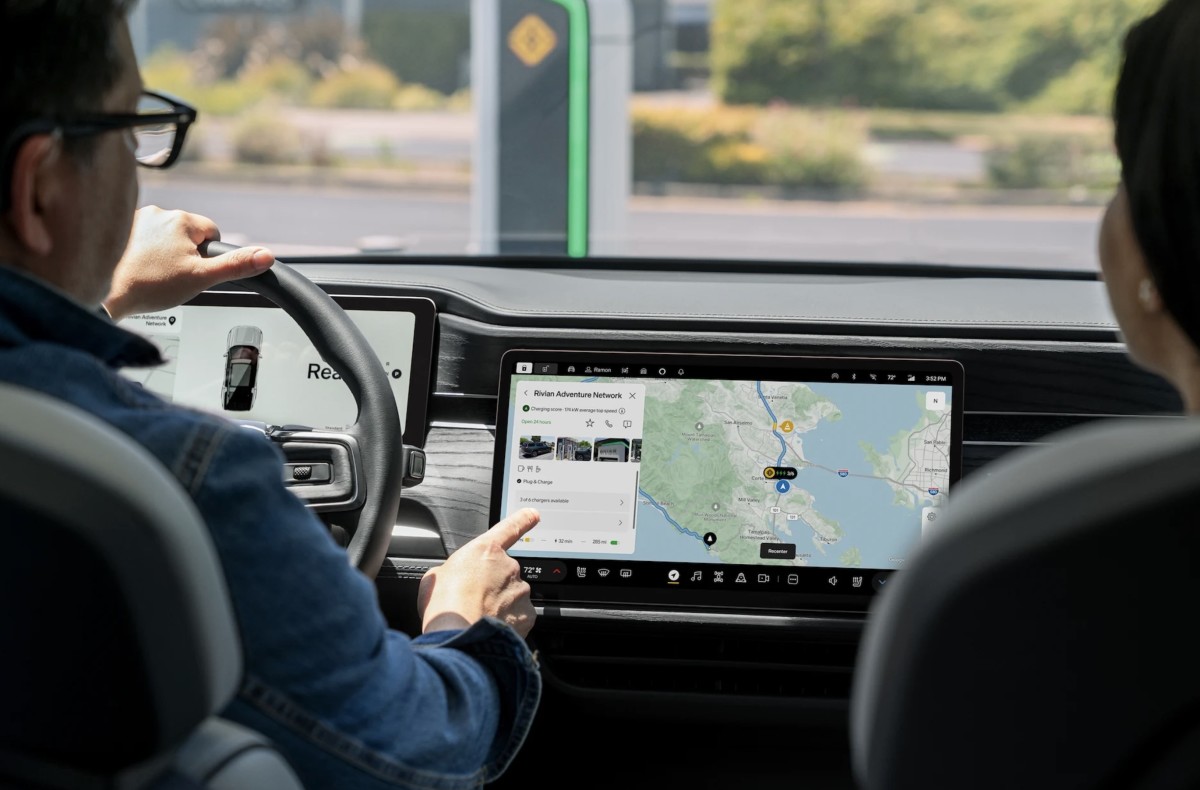
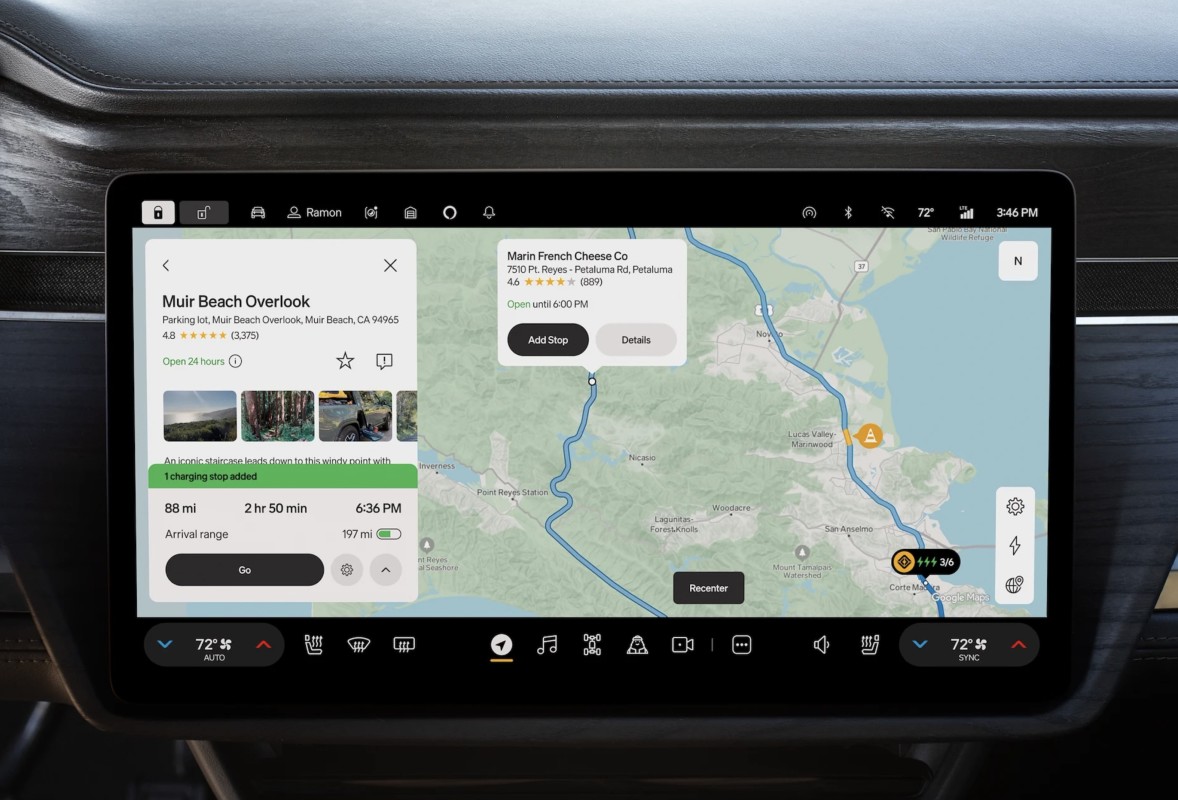
Using Rivian Navigation with Google Maps, drivers will be able to tap into top features like traffic updates, satellite imagery, estimated arrival times, and smart routing. Being an EV company, Rivian has made sure the latest system supports functionality that is specifically relevant to EV owners, from charger stop selection to range on arrival estimates and charging scores.

Fresh routes and traffic will not only help drivers find the fastest route, but by consistently surveying traffic patterns, it will reroute you if a better route becomes available. Another new function is the ability to tap on points of interest on the map, quickly learning more about specific places, such as operating hours and reviews.

Real-time information communicates any road disruptions, and satellite imagery provides a clear view of your position in a specific city or suburb.

Related: 2025 Rivian R1T and R1S First Drive: Under-the-skin changes reap rewards

EV-Friendly Features Accessible On App And In Vehicle

Rivian

Whether you’re using the Rivian Mobile app or are sitting in the driver’s seat interacting with the large display, several new or updated EV features are available.

The estimated range on arrival better allows you to plan journeys, and will even factor in the use of specialized accessories or trailers. EV drivers know that not all charging points or stations are reliable, so Rivian owners can now use a charging score to determine if a certain charging point has a high score, based on reliability. This can save you time, as the chances of stopping at a non-functional charging station are lower.

From green parks to deep blue lakes, the design language of the map has also been updated, making it more pleasant to use and look at.

“Rivian as a brand at its core, is meant to inspire customers to go explore the world and get to places they never thought they would,” said Wassym Bensaid, Chief Software Officer at Rivian. “The core enabler for that is a great navigation application.”

Better Maps, But Still No Apple CarPlay Or Android Auto

Rivian

View the 3 images of this gallery on the original article

As much as the new Google Maps collaboration is welcomed, Rivian still doesn’t offer full Apple CarPlay or Android Auto in its vehicles; it does offer access to Apple Music and now the maps feature is better, but the full functionality of the smartphone-mirroring technologies is still missing, even as Apple CarPlay evolves.

These features are now offered on the vast majority of new vehicles in the U.S. and are in high demand from the average car buyer, so it’s a pity they still aren’t available. A petition even exists for Rivian to introduce these smartphone-mirroring functions into new Rivians.

The automaker wants to maintain control over its software, which is part of the reason for the omission. A few tech gurus have found a workaround to get Apple CarPlay/Android Auto to work in Rivians, but it would be far more convenient if these features were installed from the factory.

At least Rivian owners are more likely to get to their next destination without any hiccups.

  • Digg
  • Del.icio.us
  • StumbleUpon
  • Reddit
  • RSS