Ford Ranger vs. Toyota Tacoma: Compare Pickup TrucksMidsize pickups appeal to buyers who don’t need the vast space or extreme capability of full-size trucks but still want a vehicle that can work when needed. They’re also easier to maneuver, less expensive, and they can be even better off-roaders. The bestselling midsize pickup is the 2025 Toyota Tacoma, which is offered in a variety of...
Chrysler Pacifica vs. Toyota Sienna: Compare MinivansDespite the unabated rise in popularity of SUVs, the minivan is the ultimate suburban utility vehicle. With seating for up to eight, cargo volume like a box van, incomparably easy sliding doors, and versatile seating arrangements, the minivan lacks only the powertrain options of SUVs. No longer. For years, if you wanted an all-wheel-drive minivan...
via When will Toyota build an EV with its simulated manual transmission?
Toyota has long been known for its innovative approach to automotive technology and its commitment to providing drivers with engaging and reliable vehicles. Yet, when it comes to electric vehicles, the automaker has been more cautious than some of its competitors, focusing heavily on hybrids and hydrogen fuel cells. Although it is famous for its line of trucks and SUVs, the brand has also worked hard to bring more engaging gas-powered vehicles into its lineup, including the GR86, GR Supra, and GR Corolla, all of which have manual transmissions.
Lexus UX 300e
Toyota
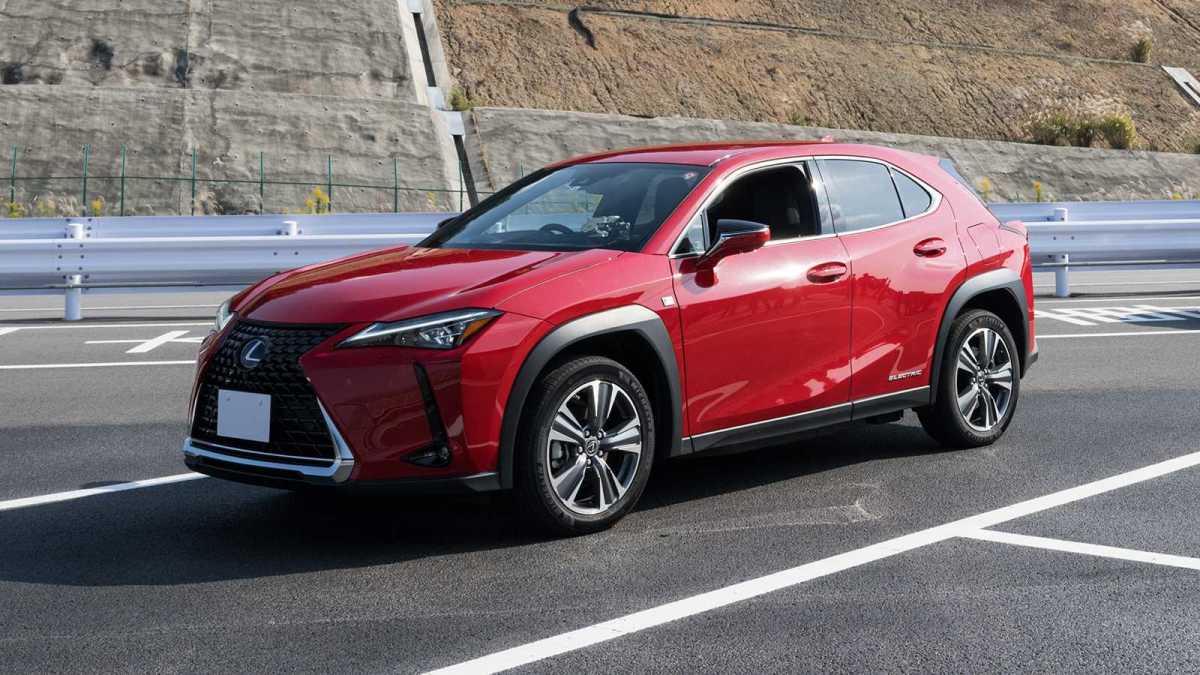
In 2023, Toyota developed a simulated manual transmission for electric vehicles that provides a driving experience similar to that of a gas-powered automobile. They even put the revolutionary system in a Lexus UX 300e, and it did exactly what it was intended to do. This kind of system would be a first for production EVs, offering a rare blend of electric efficiency and old-school driving involvement. But when will Toyota actually build an EV with this unique and potentially game-changing feature?
A manual “shifting” transmission for a single-speed electric setup?
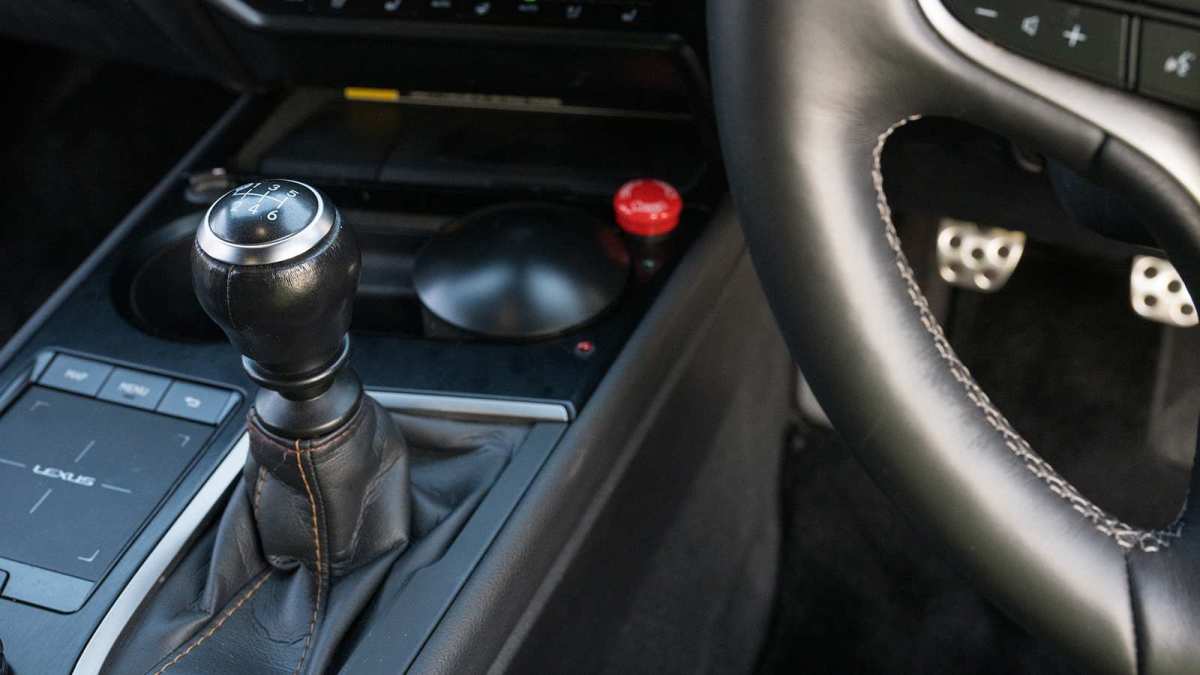
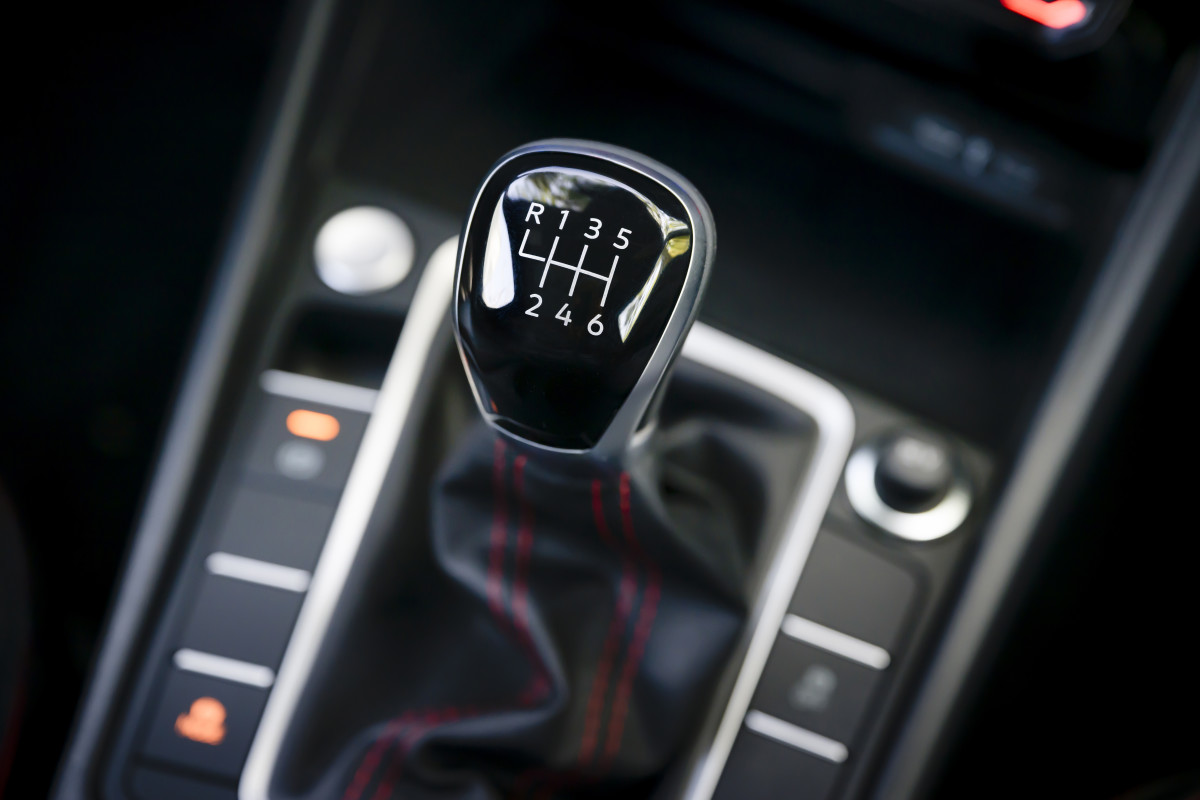
Toyota’s simulated manual transmission has a clutch pedal, a six-speed manual shifter, synthetic engine sounds, and even the ability to stall the engine. If you want convenience and comfort, you can even drive it in regular, boring EV mode. The simulated manual transmission Toyota developed for EVs isn’t just a novelty—it’s an effort to preserve the engaging driving experience that many enthusiasts associate with stick-shift cars.
Toyota EV shifter
Toyota
Traditional EVs are typically single-speed, using the instant torque of electric motors to deliver seamless acceleration without the need for gear changes. While this makes them efficient and smooth, it also removes the tactile, interactive element of shifting gears — something that many driving purists miss.
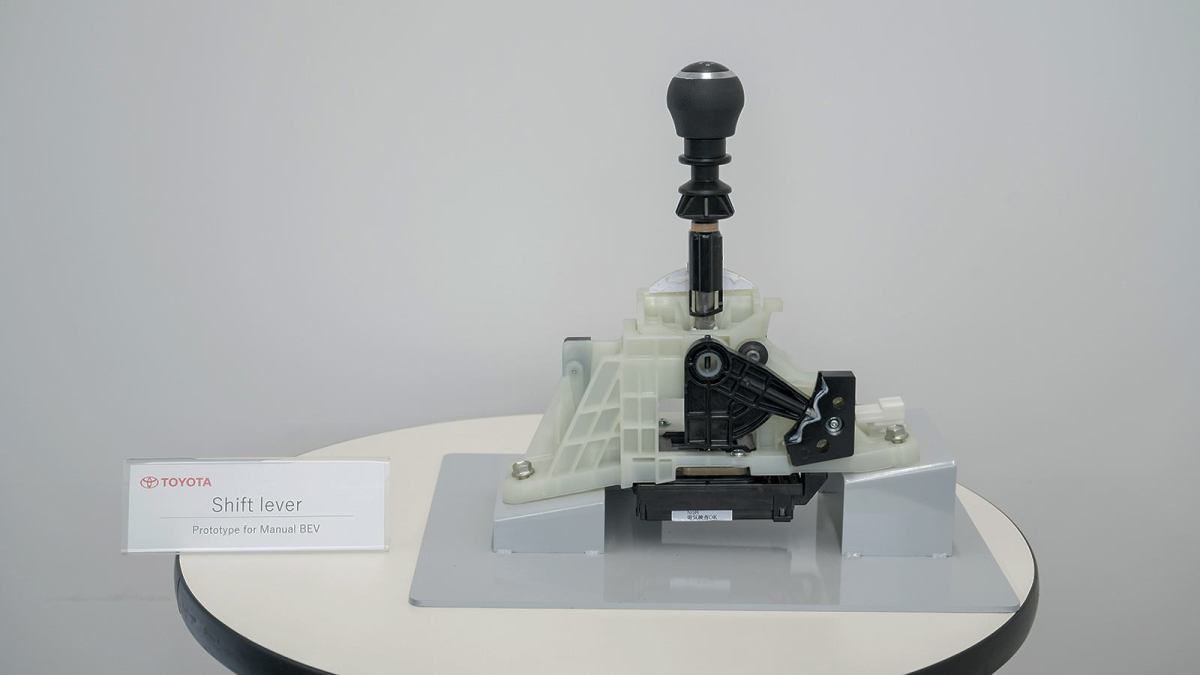
Toyota’s simulated manual works via software, which allows the car to shake if the driver fails to depress the accelerator enough, shift into the wrong gear, or mishandle the clutch pedal. The six-speed shift gear shift is embedded in an old-school H-gate with microswitches in each gear position but no physical connection to any shift rods, syncros, etc. The clutch pedal utilizes a return spring for feel. The gearshift lever and the clutch aren’t mechanically connected to anything. This is a brilliant and innovative system designed to make the driving experience as authentic as possible.
What is Toyota’s plan with the revolutionary transmission?
Toyota’s electric vehicle strategy has been deliberate and measured as evidenced by its single EV offering, the bZ4x. The company has invested heavily in hybrid technology and has been a strong proponent of hydrogen fuel-cell vehicles like the Mirai. That said, Toyota has been criticized for lagging behind in the all-electric space, especially as automakers like Tesla, Hyundai, and Ford push forward with ambitious EV lineups.
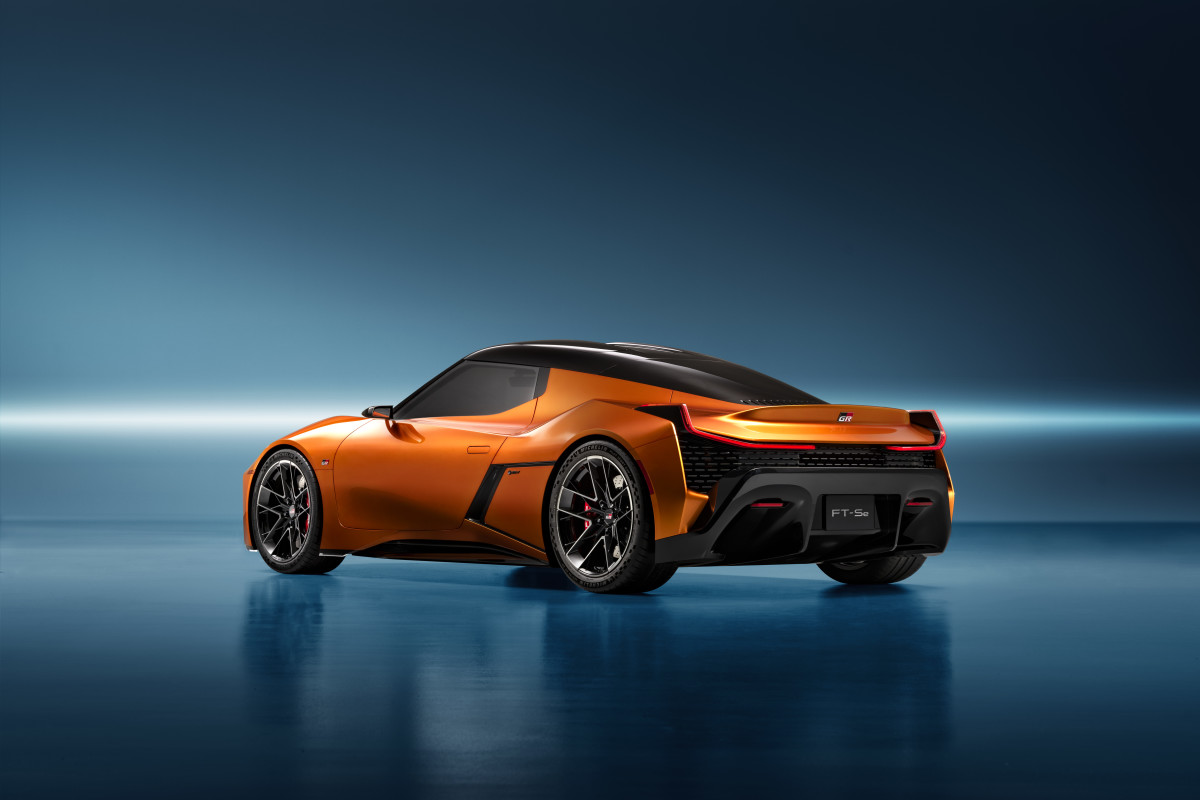
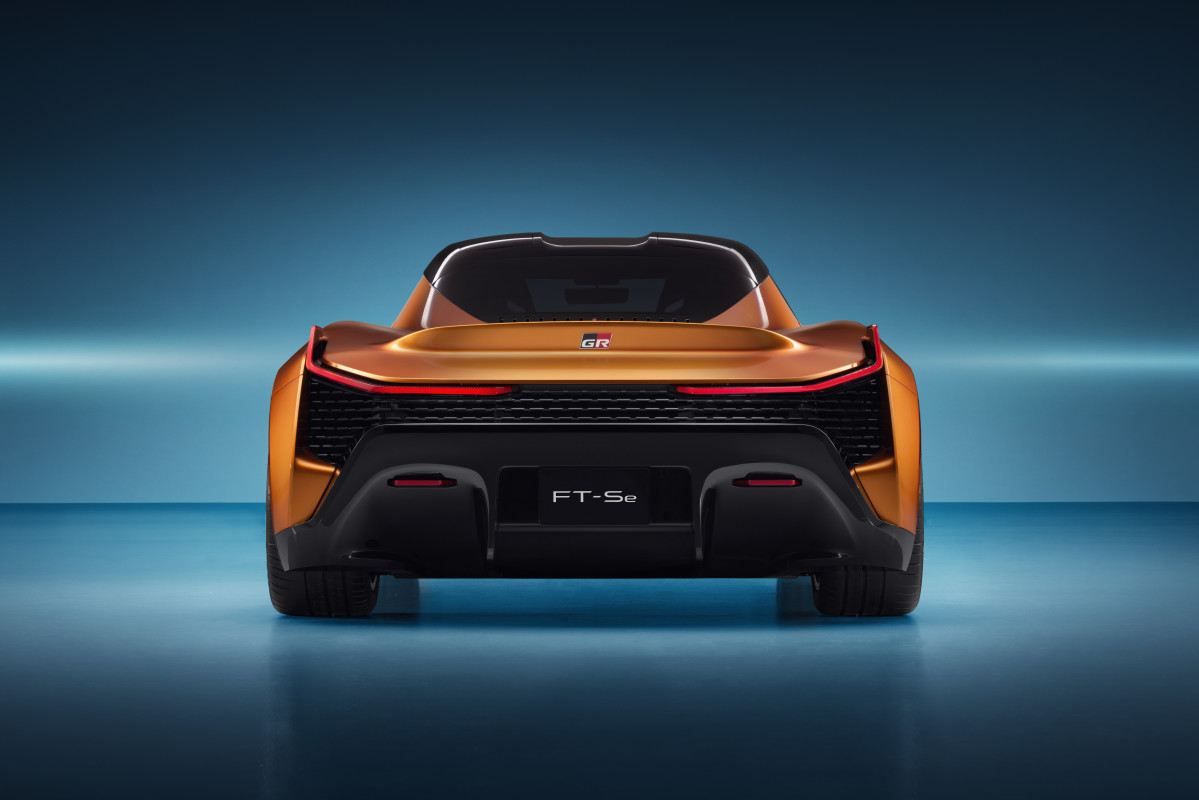
Toyota FT-Se
Toyota
In December 2021, Toyota announced plans to release 30 new EV models by 2030, with the aim of selling 3.5 million electric vehicles annually by the end of the decade. They have since scaled back their EV plans, and rightly so given the slowing demand for electric vehicles. Toyota now expects to produce around 1 million EVs by 2026, down from the previous 1.5 million target. But as for when the simulated manual transmission will debut, Toyota has been tight-lipped.
There was the possibility of integrating this new transmission into future electric sports cars, like a potential EV successor to the Toyota GR86 or Supra, but now it appears that both models’ successors will probably have gas engines with mild hybrid assist.
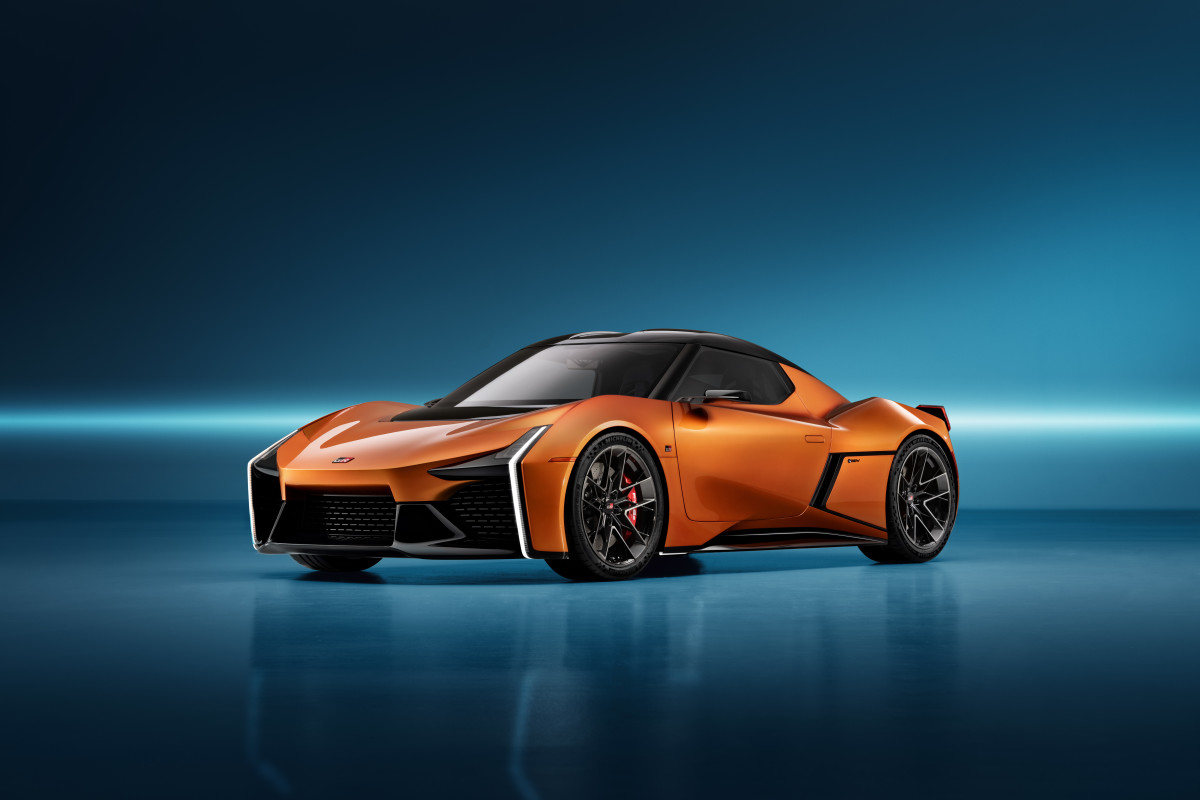
Reports from Toyota insiders suggest that the company could launch a prototype featuring the simulated manual transmission by 2026, and the most likely candidate is the sporty, all-wheel-drive FT-Se EV concept introduced in 2023. This timeline aligns with Toyota’s broader EV goals and its push to bring more diverse electric options to the market. The use of a driver-centric EV aligns nicely with the company’s increasing focus on sporty vehicles.
As Toyota continues to expand its EV lineup, the prospect of a driver-focused electric sports car with a simulated stick shift is exciting. While we may have to wait a few more years to see it in action, the mere possibility suggests that Toyota is serious about keeping driving fun, even in an electric future.
A simulated manual could differentiate Toyota’s EVs in an increasingly crowded market. As electric cars become more common, features that enhance driving experience — rather than just efficiency and range — will likely become key selling points.
Toyota will need to determine whether a simulated manual transmission in an EV is a niche offering or something that could attract a wider audience by providing a more connected driving experience. Then there’s the question of how well the final product will be executed. To draw enthusiasts, it would have to improve on its mechanical “feel” and how well it mimics a real manual gearbox. If the system feels artificial or gimmicky, it could struggle to win people over.
Love reading Autoblog? Sign up for our weekly newsletter to get exclusive articles, insider insights, and the latest updates delivered right to your inbox. Click here to sign up now!
via This Italian automaker just broke the record for fastest autonomous vehicle
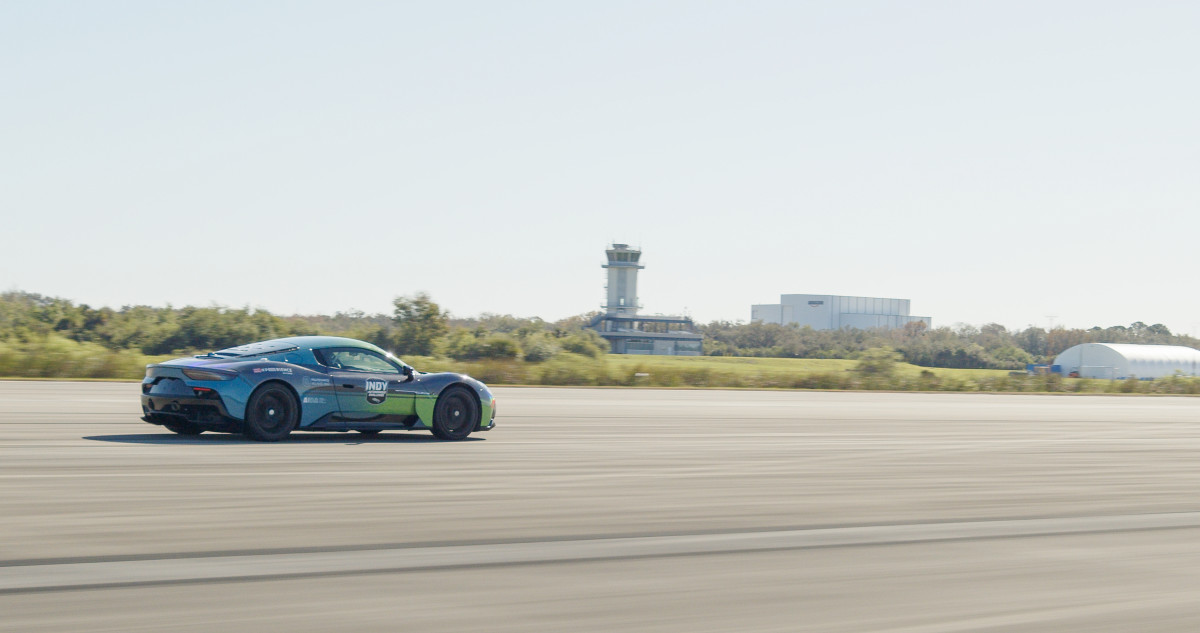
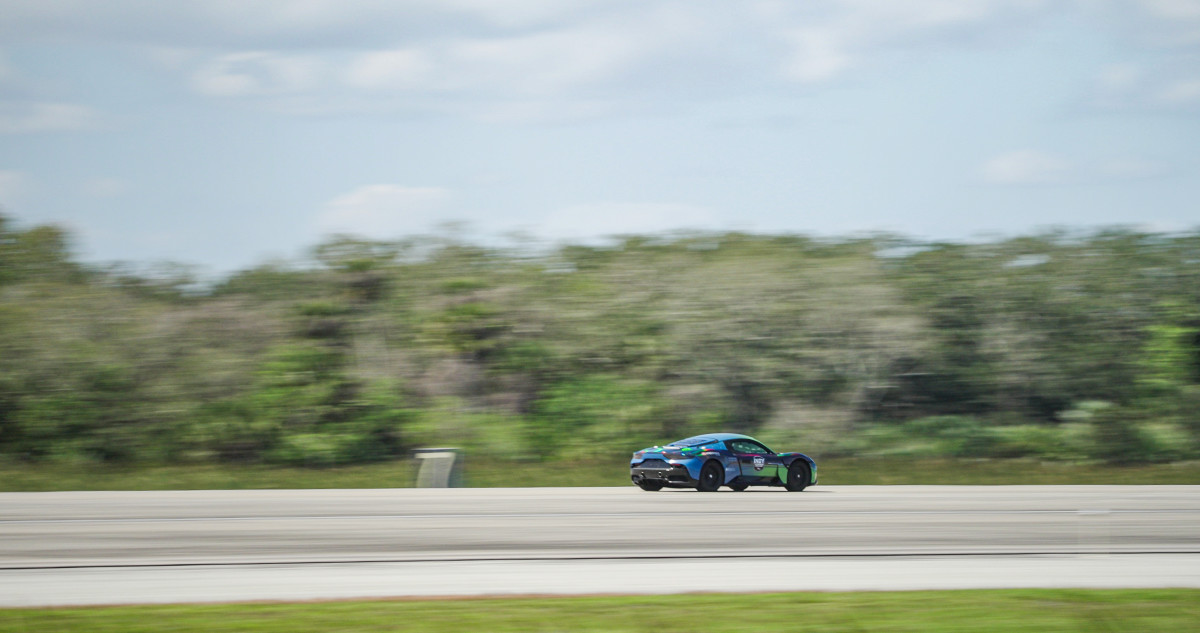
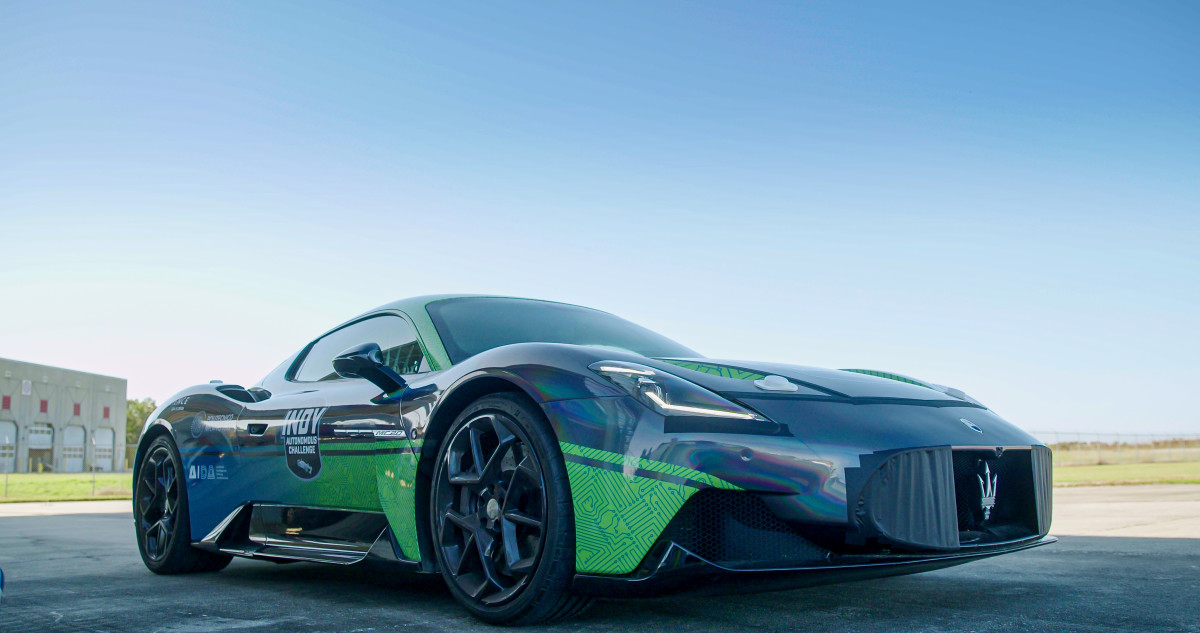
On top of making some sexy cars, Maserati is now dabbling in world records, as well. Their MC20 supercar just became the world's fastest autonomous vehicle, reaching a top speed of 197.7 mph without a human at the helm.
The previous record of 192.8 mph was set by the Indy Autonomous Challenge and PoliMOVE, a team from the performance division of Artificial Intelligence Driving Autonomous of Politecnico di Milano, at the same location in April 2022 with an IAC AV-21 racecar.
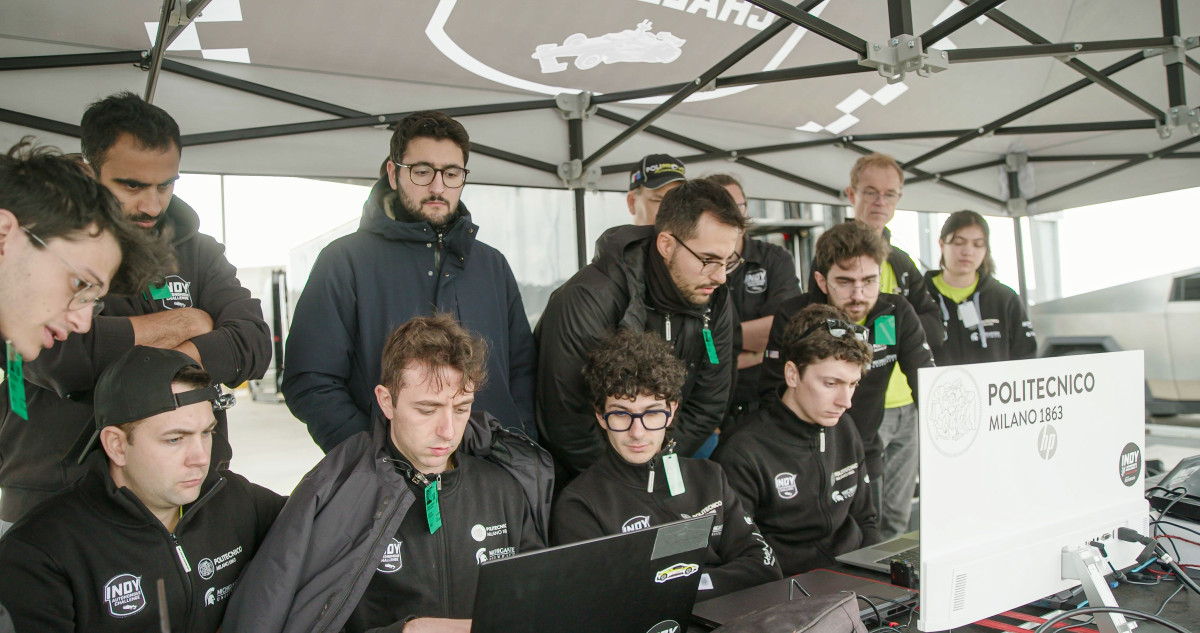
That same PoliMOVE team developed the AI driver software that piloted Maserati's record-breaking supercar.
For reference, the Maserati MC20 sports a twin-turbocharged 3.0-liter V6 that makes 621 horsepower and has a top speed of 202 mph.
Maserati chose the location of the Space Shuttle landings for the run
The run was done in collaboration with the Indy Autonomous Challenge, the Italian university Politecnico di Milano, as well as the newly established 1000 Miglia Experience Florida. The four partners took the MC20 to the fabled Space Florida Launch and Landing Facility at the Kennedy Space Center in Florida, a 2.8-mile-long runway that is an absolute godsend for any top speed runs.
“These world speed records are much more than just a showcase of future technology; we are pushing AI-driver software and robotics hardware to the absolute edge. Doing so with a streetcar is helping transition the learnings of autonomous racing to enable safe, secure, sustainable, high-speed autonomous mobility on highways”, said Paul Mitchell, CEO of Indy Autonomous Challenge and Aidoptation BV.
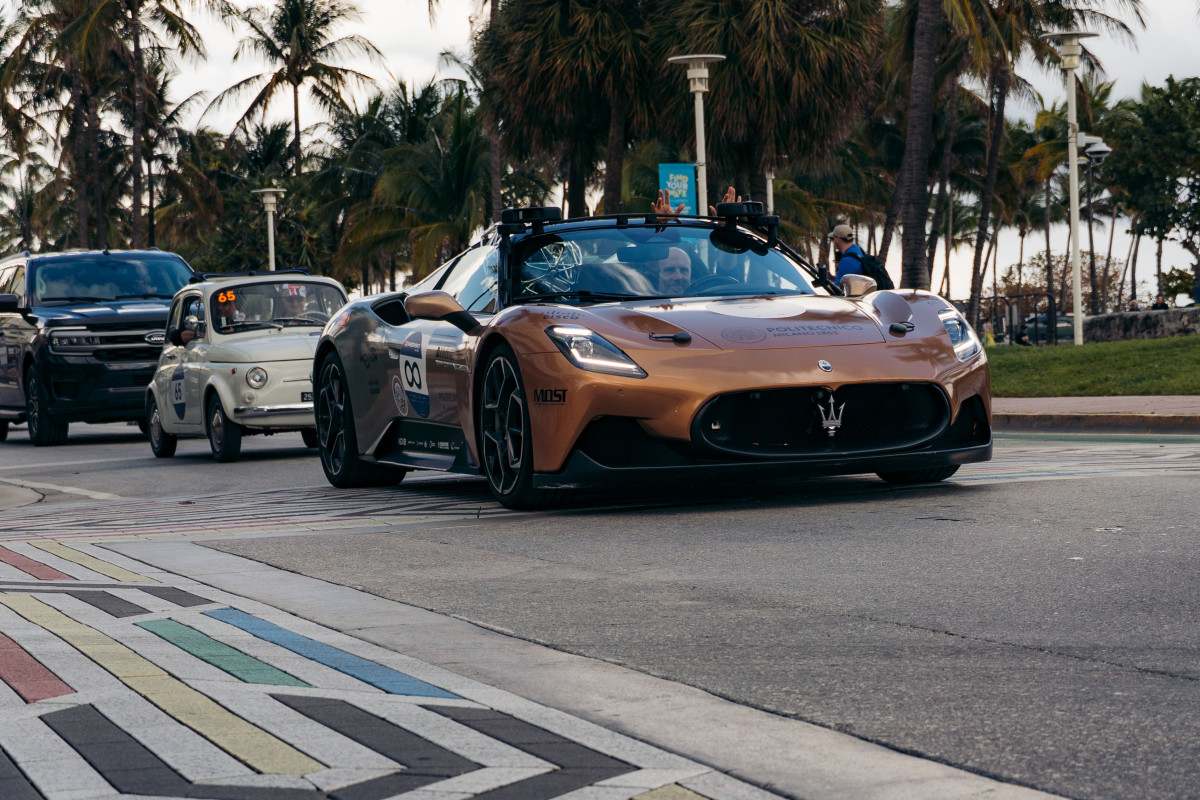
After the autonomous high-speed run, a Maserati MC20 Cielo went on to participate in the 1000 Miglia Experience Florida. This same MC20 Cielo was part of the Italian 1000 Miglia in 2023 where it drove approximately 60 kilometers (about 37 miles) in autonomous mode.
It may seem strange to test how fast a robot can drive a car, but as it turns out, there is a lot of thought behind the process.
The goal of high-speed tests is to evaluate the behavior of robo-drivers in extreme conditions. These AI systems have been tested in production vehicles at legal road speeds in the Indy Autonomous Challenge races since 2021," said Prof. Sergio Matteo Savaresi, the Scientific Director of the project and Director of the Department of Electronics, Information, and Bioengineering at the Politecnico di Milano.
"The AIDA team used this test to push the boundaries of autonomous driving, improving safety and reliability. Conducted in controlled environments without a human driver, the test assesses the AI's stability, robustness, and reaction time, ultimately enhancing safety for low-speed urban mobility situations.”
The frequent developments in self-driving technology are nothing short of astonishing. Perhaps, at this rate, full self-driving will actually become what its name claims to be.
That said, we really hope the autonomous driving trend doesn't fully extend to supercars. While we understand that using them as test beds to prove what your technology is capable of makes sense, part of the reason for owning a supercar is the joy of driving it. We imagine Maserati knows all about that, though.
Love reading Autoblog? Sign up for our weekly newsletter to get exclusive articles, insider insights, and the latest updates delivered right to your inbox. Click here to sign up now!
via Four reasons why it's better to drive a slow car fast than a fast car slow
There's a common saying in automotive enthusiast circles that it's more fun to drive a slow car fast than a fast car slow, but there seems to be more widespread interest in huge horsepower, 0-60 times, and top speeds.
In my years of driving experience, which have included V12 supercars and 3-cylinder econoboxes, I have found that there’s profound wisdom in this statement that extends beyond mere consolation for car owners who can't afford high-horsepower machines.
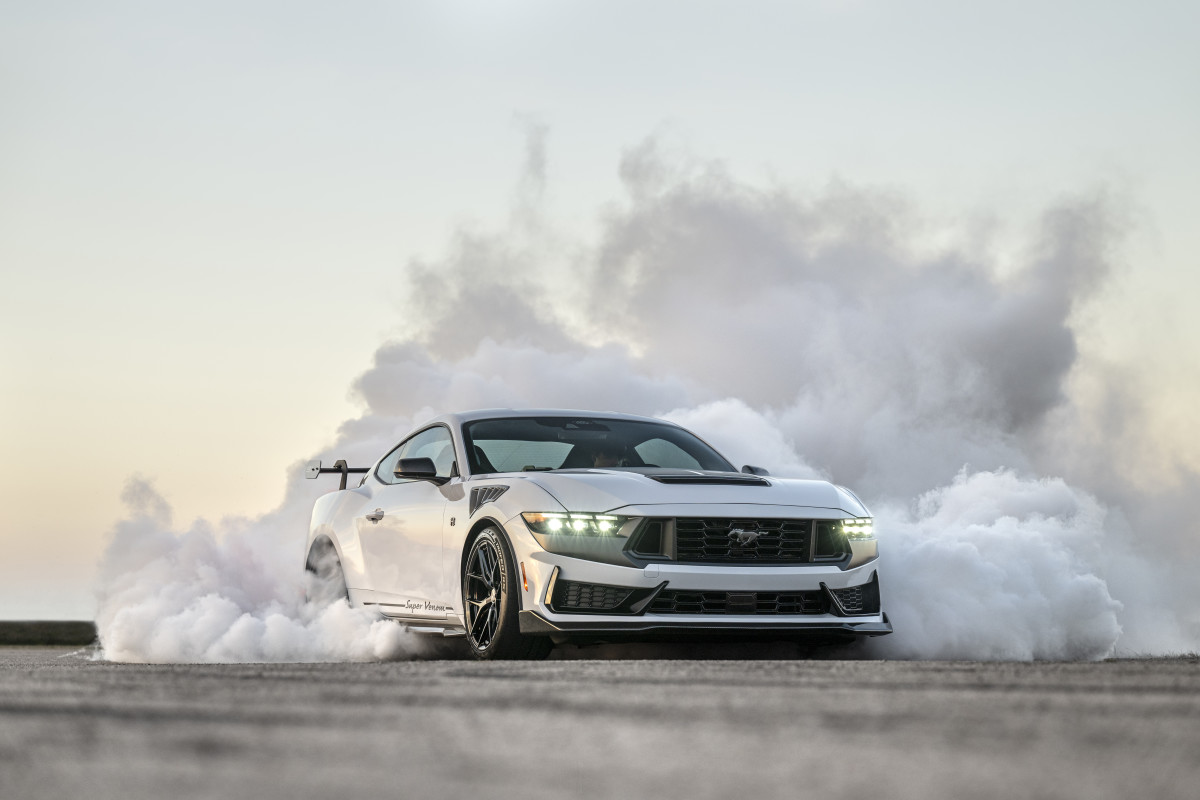
Hennessey SUPER VENOM Mustang
Hennessey
The truth is that squeezing out every bit of power from a modestly-powered vehicle often delivers a more rewarding experience than driving a pricey, high-performance car at a fraction of its capability. Here are four reasons why.
Contrary to social media videos of drag racing supercars and insane electric vehicles, you don’t have to have gobs of horsepower to enjoy the driving experience. It’s a truism that the fundamental joy of driving comes from engagement—the connection between driver, machine, and road.
When a car has over, say 250 horsepower, that connection becomes limited because of speed limits and traffic. You feel that your car is being held back, and you can never really enjoy yourself until you come to a stretch of highway that you know isn’t patrolled by law enforcement. Shy of a track, there probably isn’t even a roadway where you can exploit the handling capabilities.
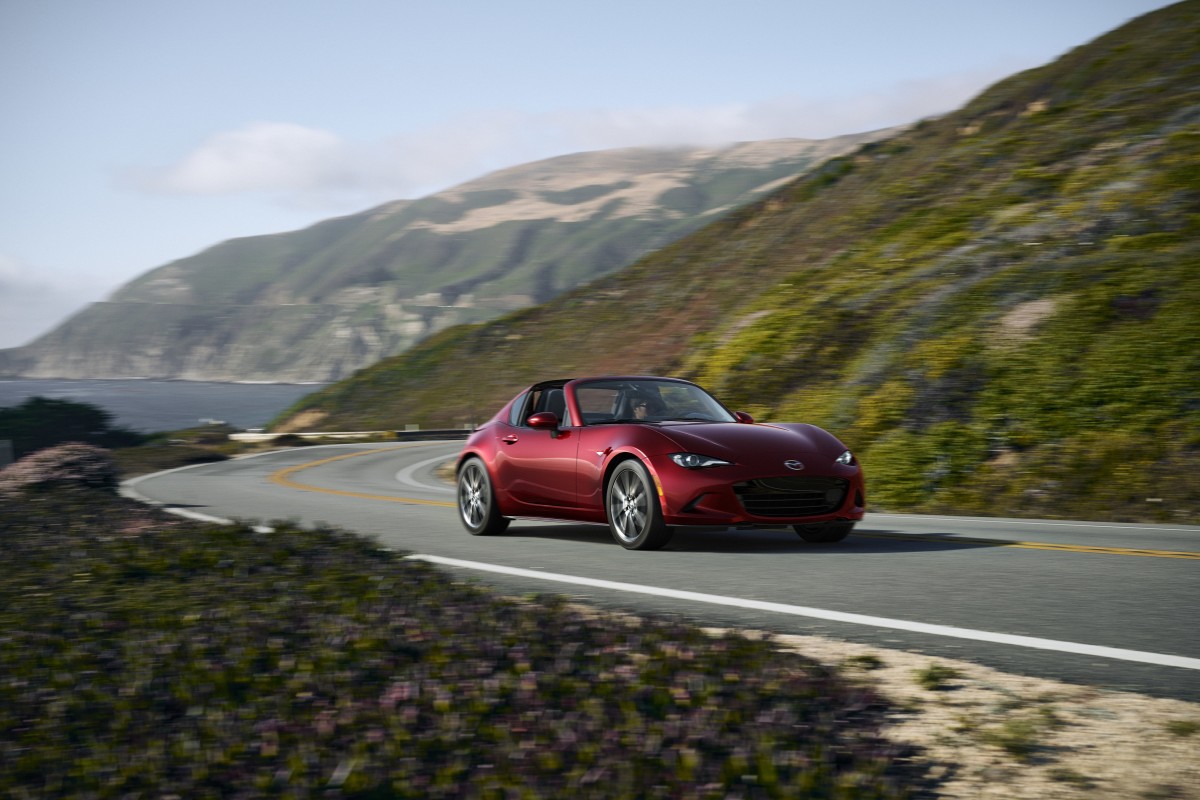
Consider the driver of a modern 600-horsepower performance car. On public roads, they might use perhaps 20-30 percent of their vehicle's capability during a spirited drive. Meanwhile, the driver of a 181-horsepower Mazda MX-5 Miata or a 221-horsepower Toyota GR86 can safely explore 80-90 percent of their car's performance envelope on those same roads. They can wind out gears, brake later, and carry more speed through corners—all while staying within reasonable safety margins and legal limits.
This accessibility of these lower-powered cars provides a thrilling driving experience in ordinary conditions. It alters your perception of fun, and that’s a good thing. In the slower car, every on-ramp becomes an occasion to wring out second and third gear.
If you have a manual transmission, that engagement quotient ramps up significantly, giving you more of a connection to the road and the car. The driving experience becomes active rather than passive, requiring skill and involvement rather than restraint and a dependence on power to equal fun.
2. Learning to drive a slow car fast develops skills
Just because you drive a slower car doesn’t mean you’re going to be good at driving it at the limits. That’s something that requires skill. Maybe not Ayrton Senna-like skill, but way more than high school driver’s ed skill levels.
Most high-powered vehicles these days rely on layers of electronic intervention rather than mechanical processes that contribute to driver engagement. Features like stability control, traction control, and torque vectoring help keep drivers out of the weeds. Cheaper, older cars have fewer driving nannies, and this opens up an opportunity for drivers to be more connected to the driving experience.
Driving a slower car at 80 percent of its capability requires greater skill than driving a high-powered car at 20 percent of its performance potential, providing the opportunity for you to become a better driver.
In a less powerful, more basic car, the direct connection between input and output creates a more transparent learning environment. Carrying speed in a lower-powered vehicle requires maintaining momentum through corners, precisely timing gear changes with a manual transmission, and developing a deeper understanding of how the car transfers its weight.
These skills become immediately apparent during driving, when the driver who brakes too late or downshifts roughly in a lightweight, lower-powered car will feel the consequences immediately.
This skill development creates a virtuous cycle of improvement and satisfaction. As drivers perfect their technique, they extract incrementally more performance from their vehicles, creating tangible rewards for their efforts. It’s a progression towards mastery, something that’s nearly impossible to create on legal roads with a 600-horsepower beast.
3. The economics of driving fun
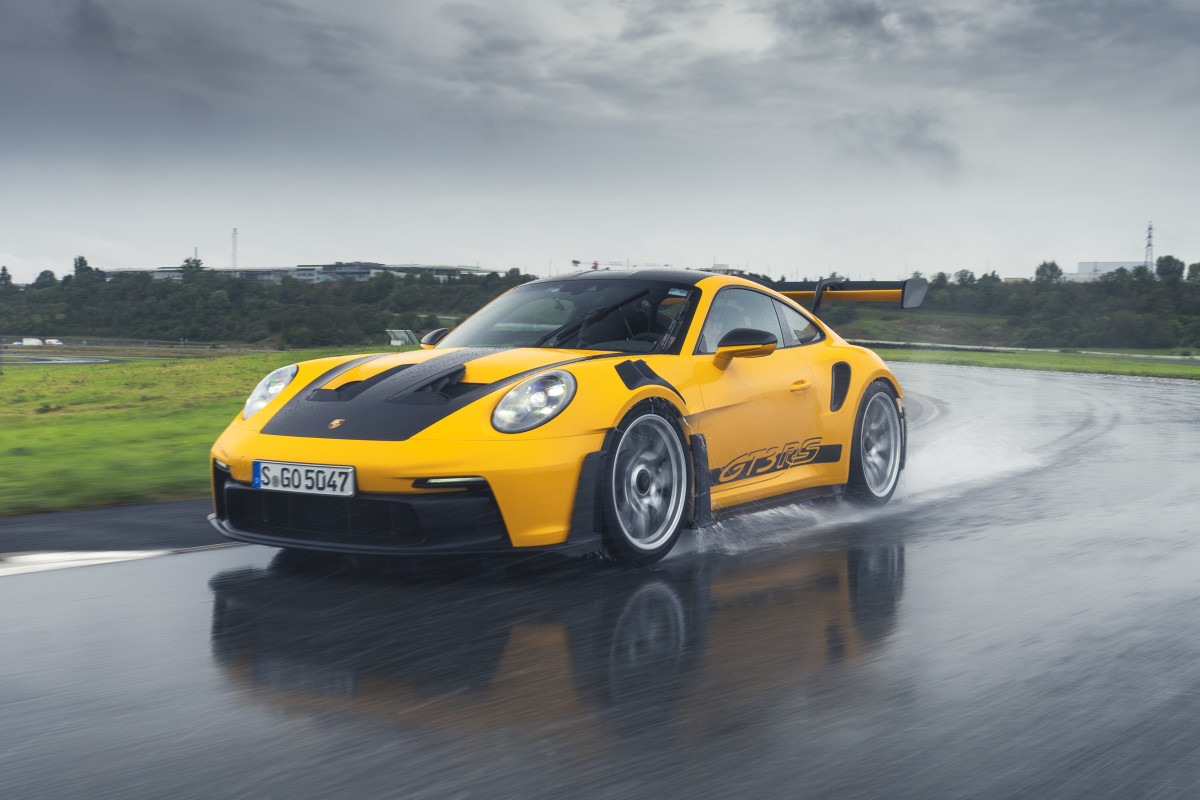
High-powered cars are not cheap. The 617-horsepower BMW X6 M Competition, for example, has a starting price of almost $119,000. Even a Toyota GR Supra will set you back over $56,000. You pay the price for power. A $250k Porsche 911 GT3 RS might cost nearly ten times more than a Mazda Miata, but it won’t deliver ten times the fun on legal roads.
2025 Porsche GT3 RS
Porsche
High-performance vehicles often come with high levels of worry: concerns about rock chips, door dings, and the significant financial consequences of even minor mishaps. These worries create a psychological barrier to full enjoyment. Meanwhile, the owner of a modest performance car can drive without the same levels of anxiety, knowing that replacement parts are affordable and scrapes won't require remortgaging their home.
Don’t forget that you’ll also probably save money by not getting as many speeding tickets. Not only is it harder to get into trouble, you’re also less noticeable by law enforcement. Just maybe don’t upgrade to a giant wing on your Subaru BRZ.
4. The rewarding challenge of limitations
When the sky is the limit, there is no challenge. A land-based rocketship, like a 621-horsepower Audi RS6 Avant driven by a septuagenarian with a heavy foot, can outgun almost anything on the road.
But if you’re driving a 10-year old sub-200-horsepower, manual transmission car, you’re faced with pushing it to the edge. Tantamount to cooking a delicious three-ingredient meal or sculpting a block of wood into art with just a hammer and chisel, driving a low-powered car hard is a challenge in and of itself. When achieved and repeated, there’s deep satisfaction.
I have enjoyed driving my 184-hp 2016 Mazda6 on suburban roads at 9/10ths more than I ever did helming a Mustang GT500 at 3/10ths. It forces you to plan how you’re going to hit an apex on an off-ramp, thread a needle in traffic, or downshift at just the right time to merge seamlessly at 60 mph. These limitations of power and performance create a more mentally engaging driving experience.
The driver of a modest-powered car also experiences the satisfaction of "giant-killing," otherwise known as keeping pace with or outperforming more powerful vehicles through superior driving technique. Few automotive pleasures are greater than maintaining contact with a much more powerful car on a winding road through better corner entry, exit, and overall momentum conservation. Just the other day, I managed to outpace a BMW M3 through highway traffic through careful planning, well-timed lane changes, and solid downshifts. It was incredibly satisfying.
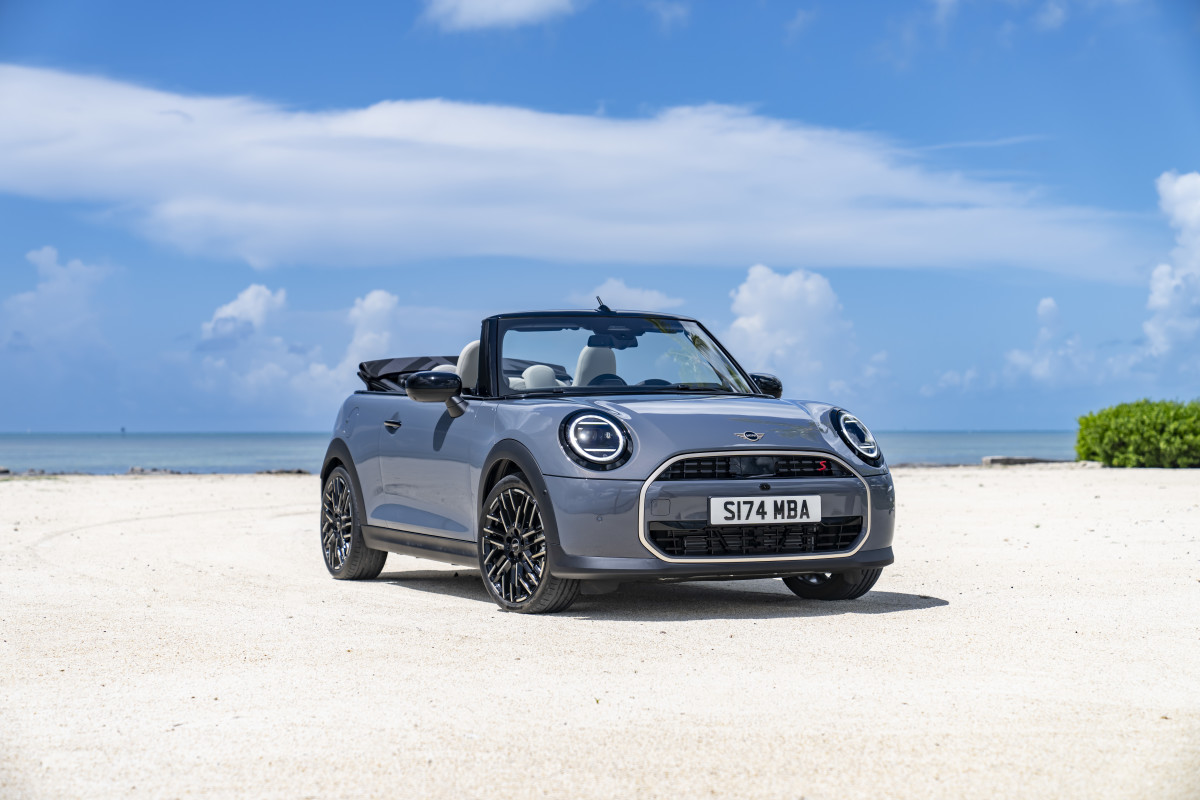
MINI Cooper Convertible S
MINI
Final thoughts
Don’t get me wrong. If someone handed me the keys to a Ferrari 812 Superfast, I would take them in a heartbeat. Nevertheless, the legal and safety constraints of driving high-powered cars often feel like a wet blanket in everyday circumstances. You just can’t wring out the car or even drive it at 50 percent of its potential.
A less-expensive, lower-powered car with excellent steering, chassis, and mechanicals delivers far more driving satisfaction because you can push the envelope in everyday driving. It’s an experience every driver should have at least once in his or her life, and then you’ll understand how truly gratifying it is.
Love reading Autoblog? Sign up for our weekly newsletter to get exclusive articles, insider insights, and the latest updates delivered right to your inbox. Click here to sign up now!
via Six cars from the past decade that never should've been made
For every 50 “Ten Best” cars list written, there should be at least one that captures automotive regrets of the worst kind. In 2025, it’s easy to find a good car from virtually every automaker, but there are some major fubars, too. Over the past decade, there have been some cars that have missed the mark so badly that they make us wonder how they ever made it to production.
The reasons are myriad. Whether due to poor performance, weird styling, or a complete misunderstanding of what buyers wanted, these six cars serve as reminders that not every idea should get past the bean counters and hit showroom floors. Let’s take a look at the vehicles that should never have been made.
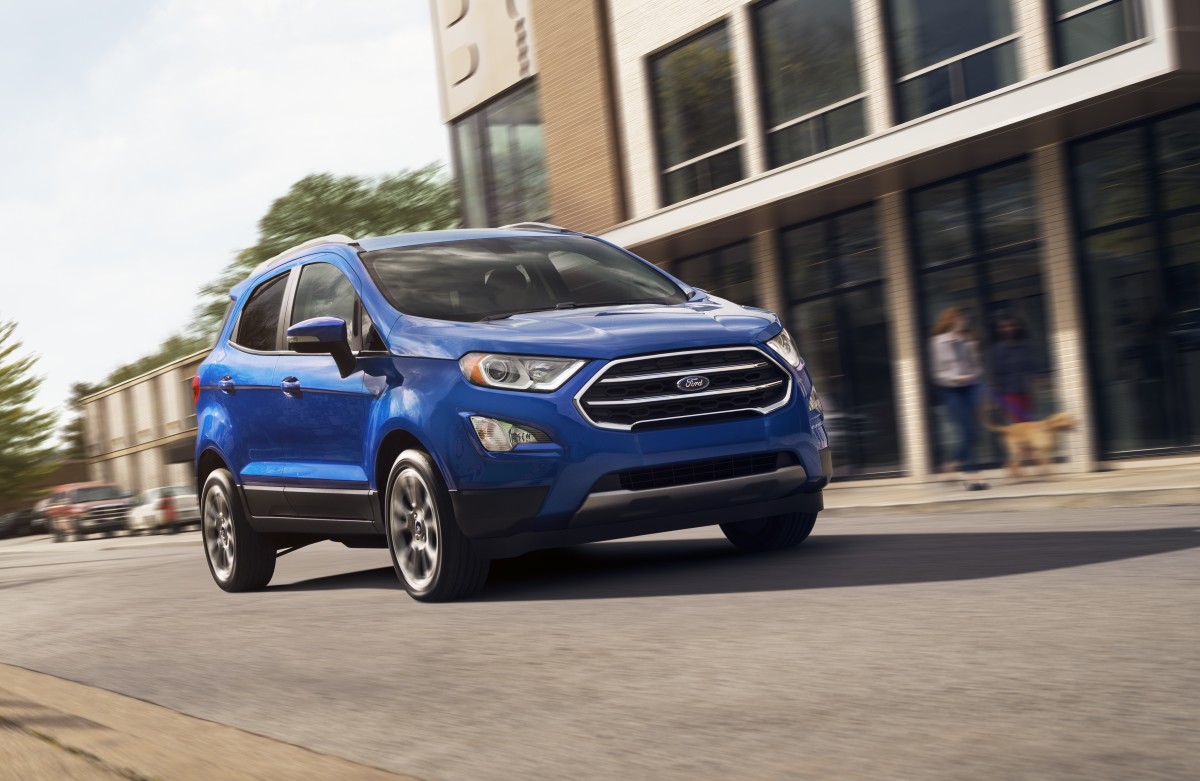
The Ford EcoSport looked so awkward that it came across as the kind of crossover your budget forced you to buy instead of one you wanted to buy. When it hit the U.S. market in 2018, it felt like an afterthought—because it kind of was.
Originally designed for international markets, the EcoSport arrived late to the subcompact SUV market. Not only was it dog slow with a wheezing three-cylinder engine, but the EcoSport looked cheaper than it was. The tiny wheels juxtaposed against overly thick fender trim were all wrong, and it looked more like a roller skate on wheels than a small crossover.
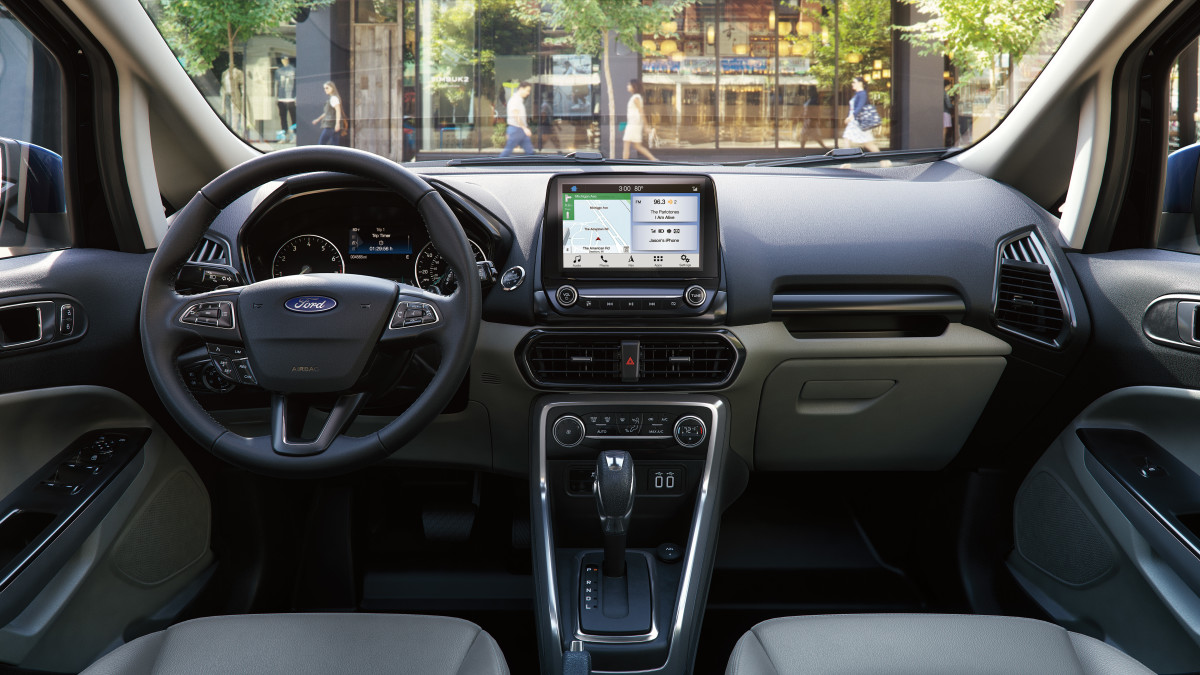
The interior was almost as bad as the exterior. Cheap plastics were abundant, and the overly thick dash belied the car’s diminutive stature. The weak-sauce 166-horsepower engine was only partially offset by the decent steering. Unfortunately, the ride was bumpy, the handling uninspired, and the 50 cubic feet of cargo space was quite a bit less than its competitors. Ford quietly killed it in 2022, and no one will miss it.
2. Buick Cascada (2016–2019)
2019 Buick Cascada
Buick
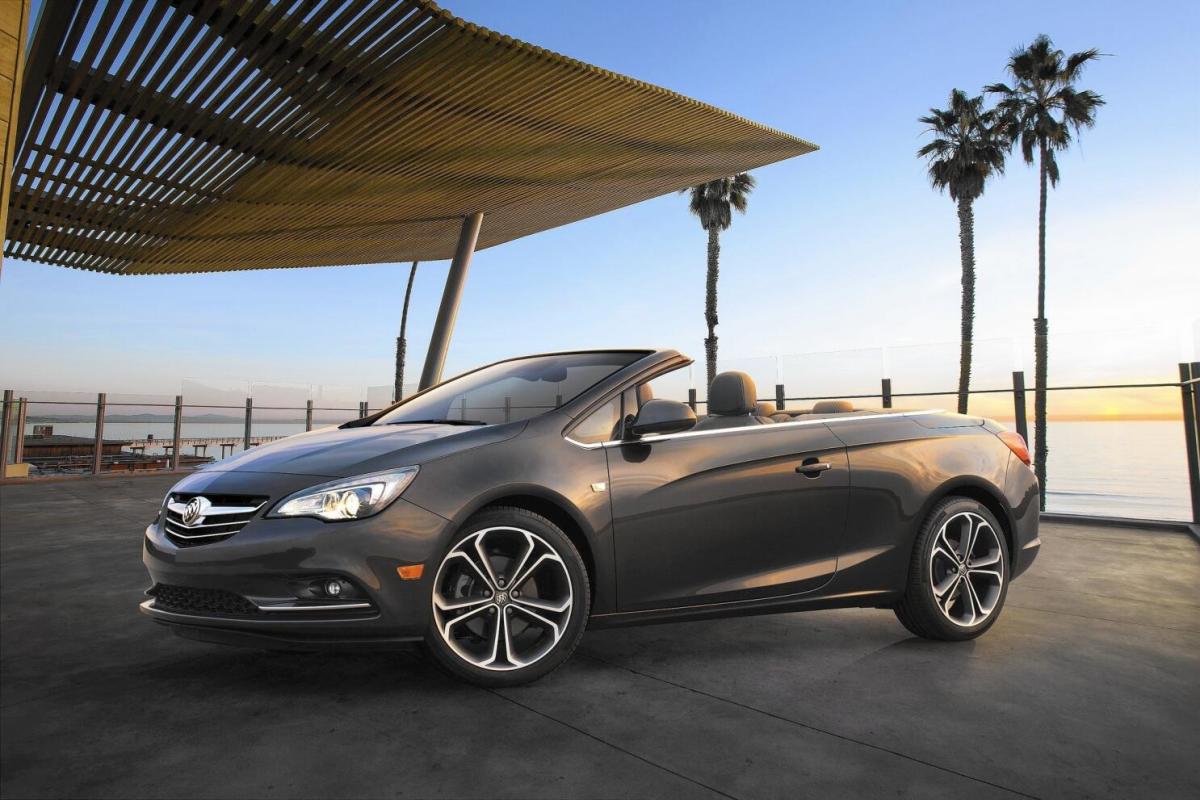
The first- and last-generation Cascada came at the time when Buick’s last decent sedan, the Regal, was on the way out. In the mid-2000s, Buick was struggling to build its near-premium image, and the Cascada was its short-lived path to creating more excitement. Unfortunately, the combination of boring styling, mediocre performance, and a cheap interior didn't make the Cascada remotely competitive in the near-luxury convertible space.
2019 Buick Cascada
Buick
The Cascada was powered by a 200-hp 1.6-liter turbocharged four-cylinder engine mated to a six-speed automatic that routed power to the front wheels only. Not only did it fail to provide any driving fun, but the ride was stiffer than any Buick had a right to be.
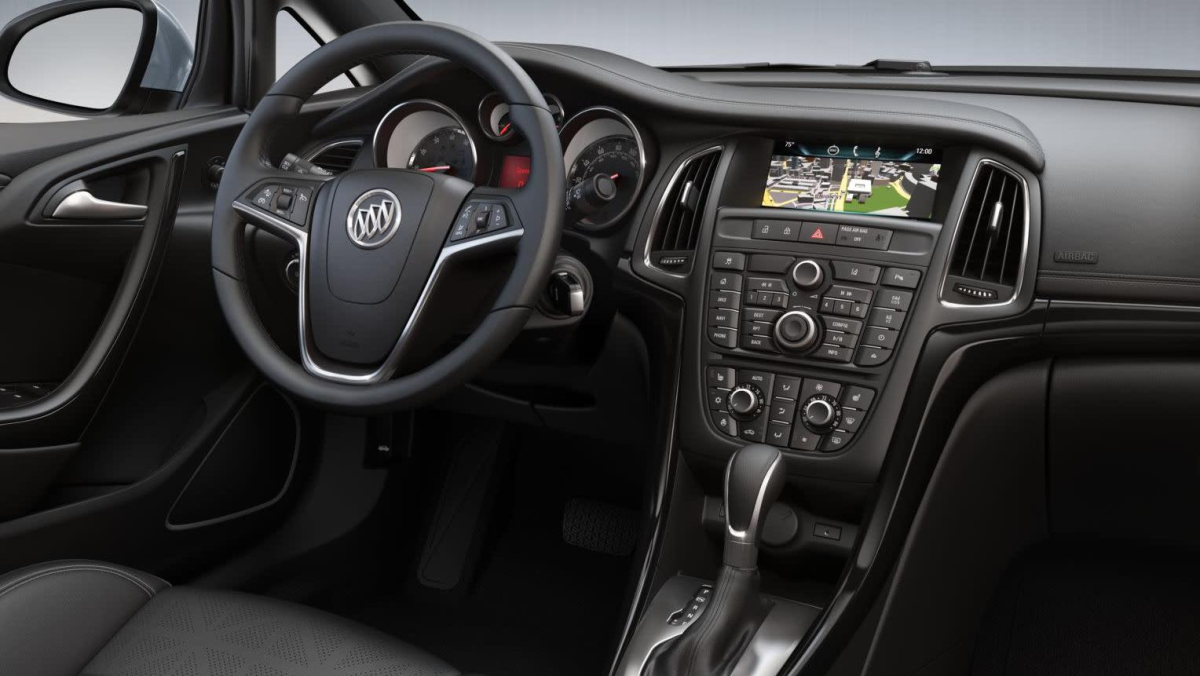
The Cascada’s plasticky interior and already dated infotainment system belied its premium intentions, and it failed to get a foothold in the door of car buyers who wanted something more upscale in a droptop. Buick killed off the Cascada in 2019, and we still cringe when we see an unwitting driver without a care in the world behind the wheel of one.
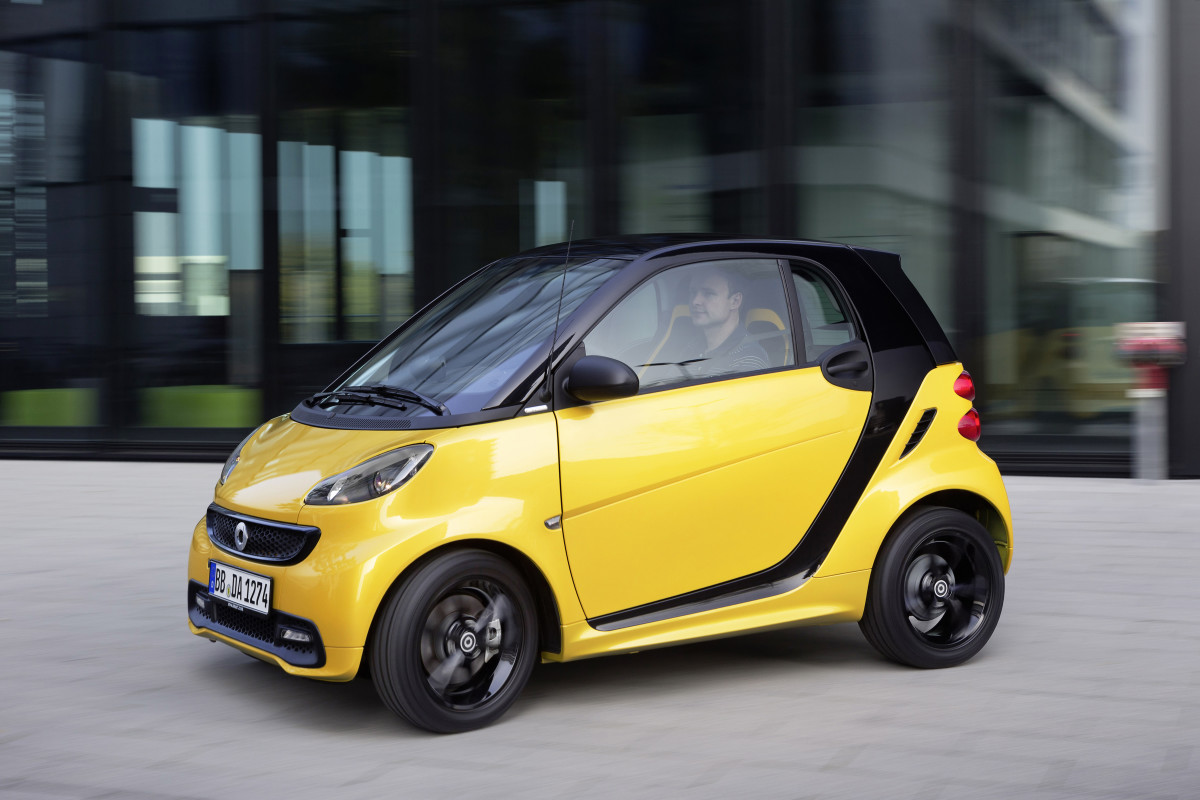
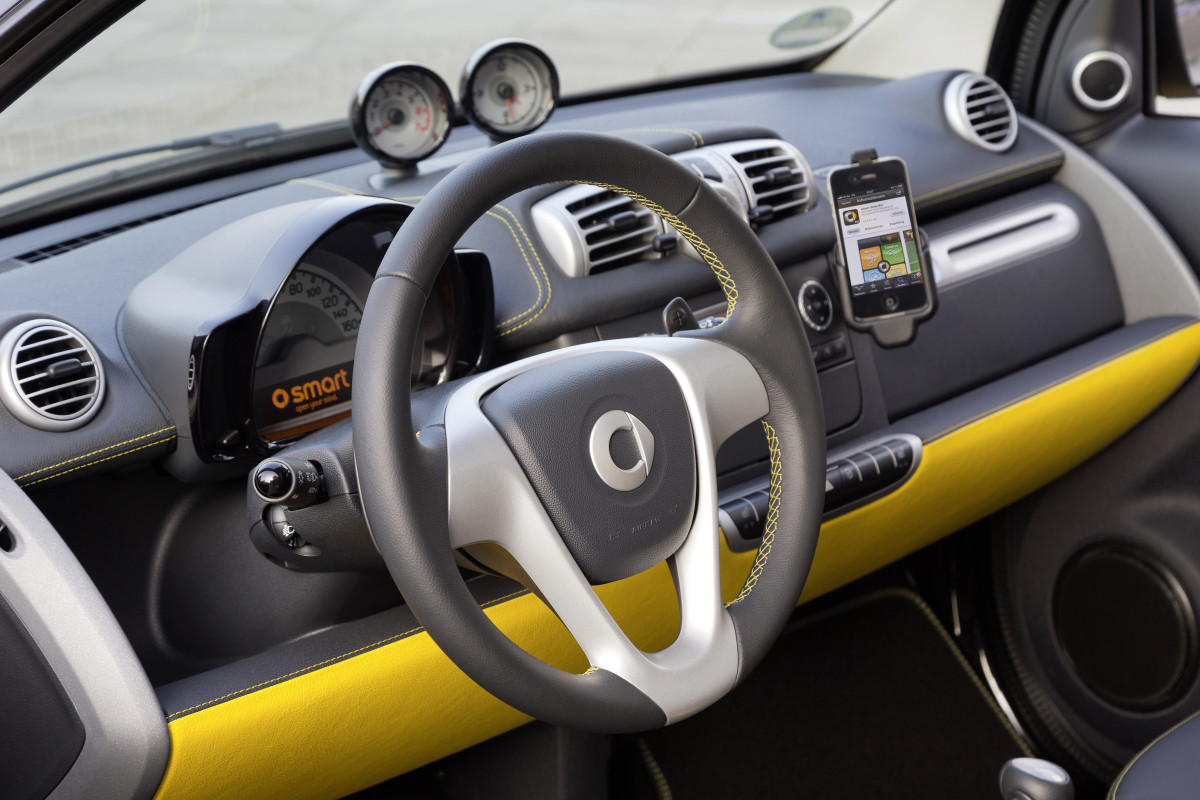
Mercedes hoped its Smart Fortwo would make waves in the U.S. automotive market, but it ended up being a misfire of the worst kind. Not only was it a failure to read American car buyers and their love of trucks and SUVs, but the Fortwo was the answer to a question nobody asked. It was a subcompact car novelty that wore off quickly. It was cute and nimble, but its lack of power and relatively high price were the Fortwo’s own worst enemies.
It was tiny and easy to park in crowded urban environments (perfect for its European roots), but that was about the only thing it had going for it. It looked more like a death trap, especially when it was surrounded by trucks and SUVs that dwarfed it. To add insult to injury, the car was powered by a 0.9-liter turbocharged three-cylinder engine good for a mere 89 horsepower.
The Fortwo's gas mileage (34 city/38 hwy) wasn't overly impressive for the engine’s limp output and shocking for a car this small. As fuel efficiency improved across larger, safer, more attractive, and more comfortable vehicles, the ForTwo’s reason for existence quickly faded. Even an all-electric Smart car couldn't save it. Mercedes finally yanked Smart cars from the U.S. market in 2019. Good riddance.
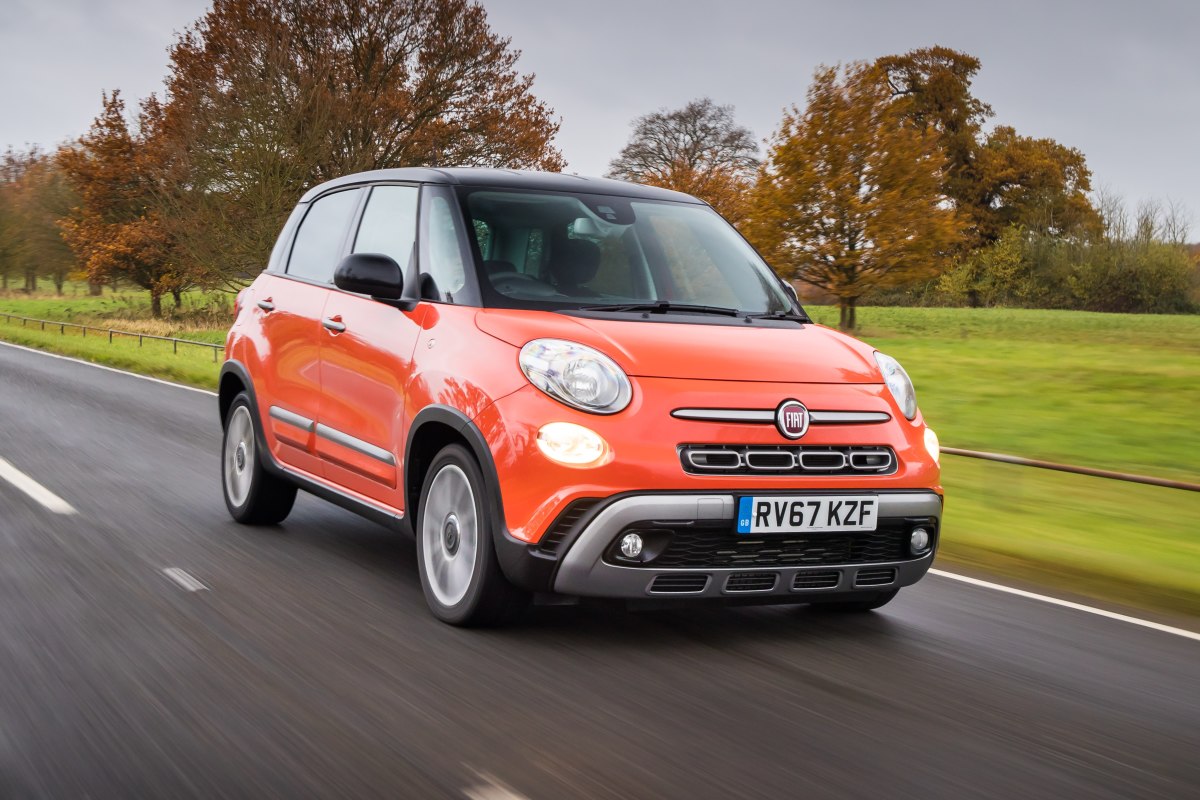
4. Fiat 500L (2014–2020)
2020 Fiat 500L
Fiat
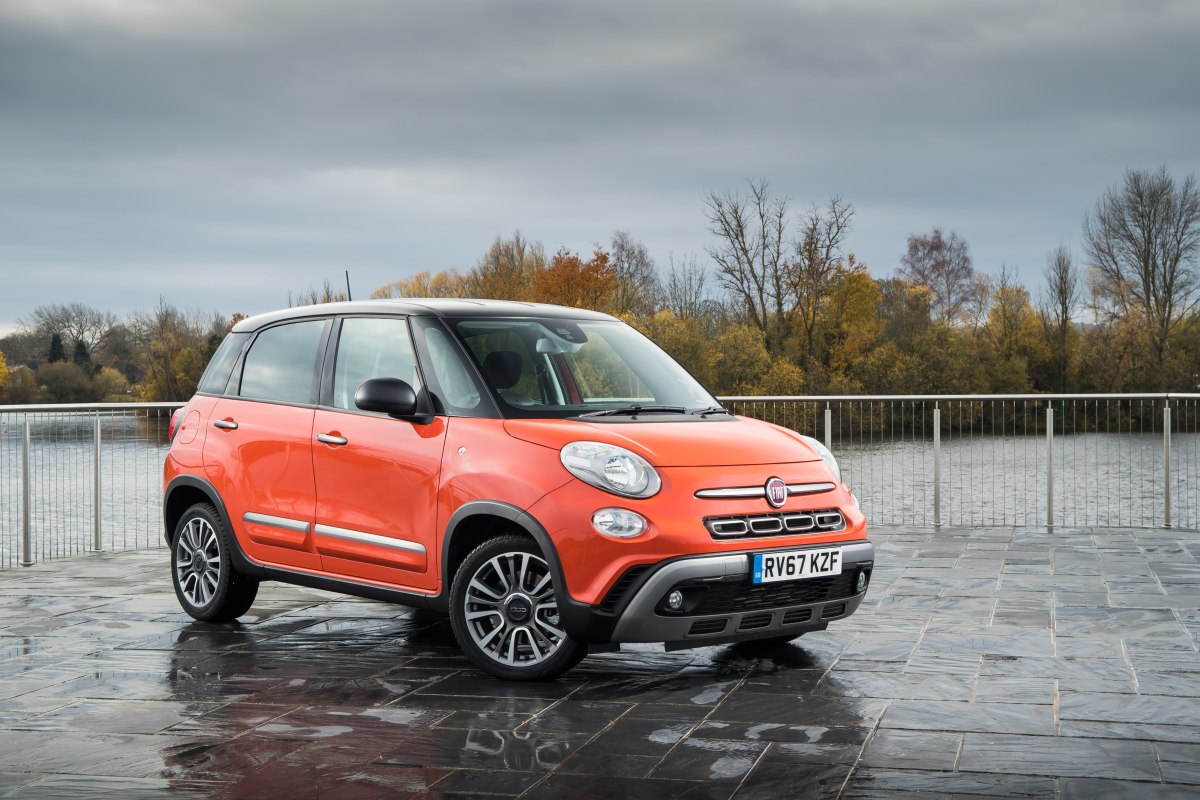
Looking like a tiny, short school bus on wheels, the Fiat 500L tried to capitalize on the charm of the smaller Fiat 500 hatchback but failed spectacularly. The combination of the strange length on what was originally a micro-car made it look like a ridiculous afterthought. This awkwardly proportioned compact MPV (multi-purpose vehicle) lacked the style and personality of its smaller sibling while offering none of the practicality buyers expected from a family-friendly car. It was the kind of car that made you want to wear a bag with eyeholes when you were driving.
2020 Fiat 500L
Fiat
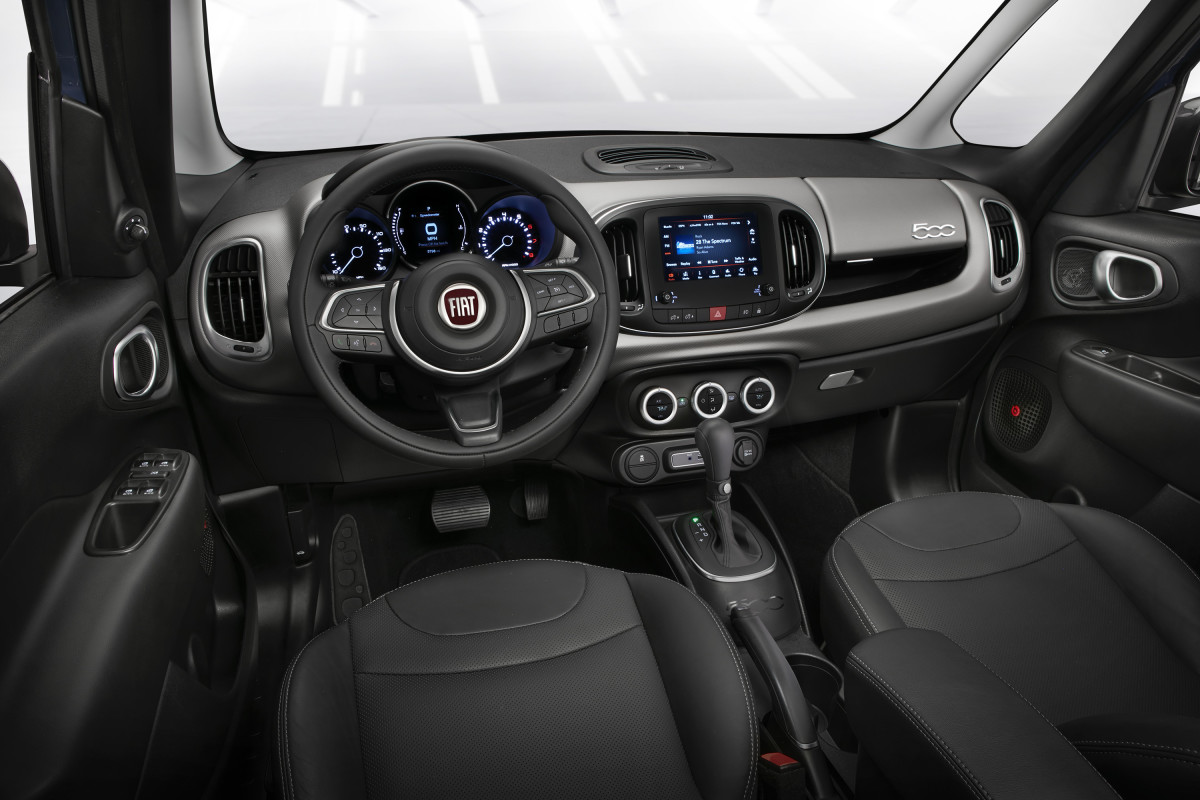
The 500L’s sluggish acceleration from the 1.4-liter turbocharged four-cylinder matched its dumpy looks. The cheap-feeling and super-plasticky interior, combined with its clumsy handling, turned off buyers and sent them to more practical, more stylish, and more reliable models. The 500L struggled in the U.S. market, and it never earned accolades. The model died a hushed death in 2020, and the world was better off for it.
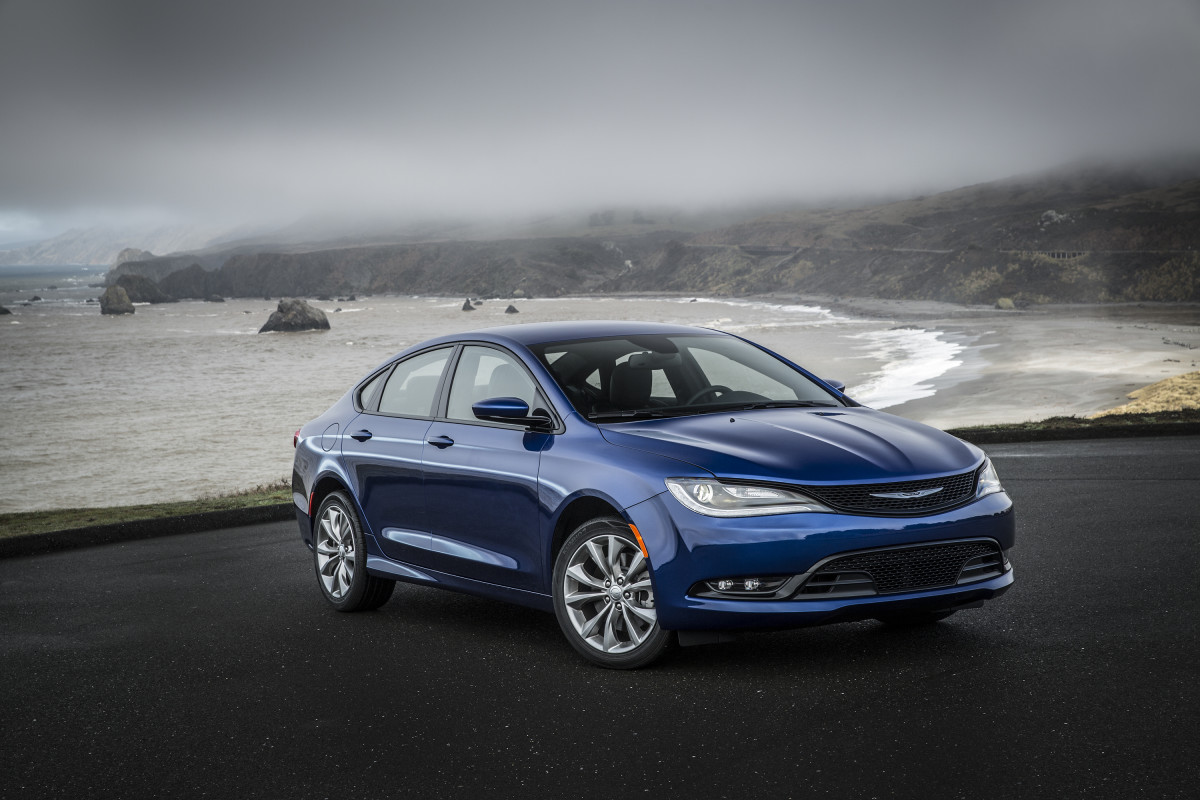
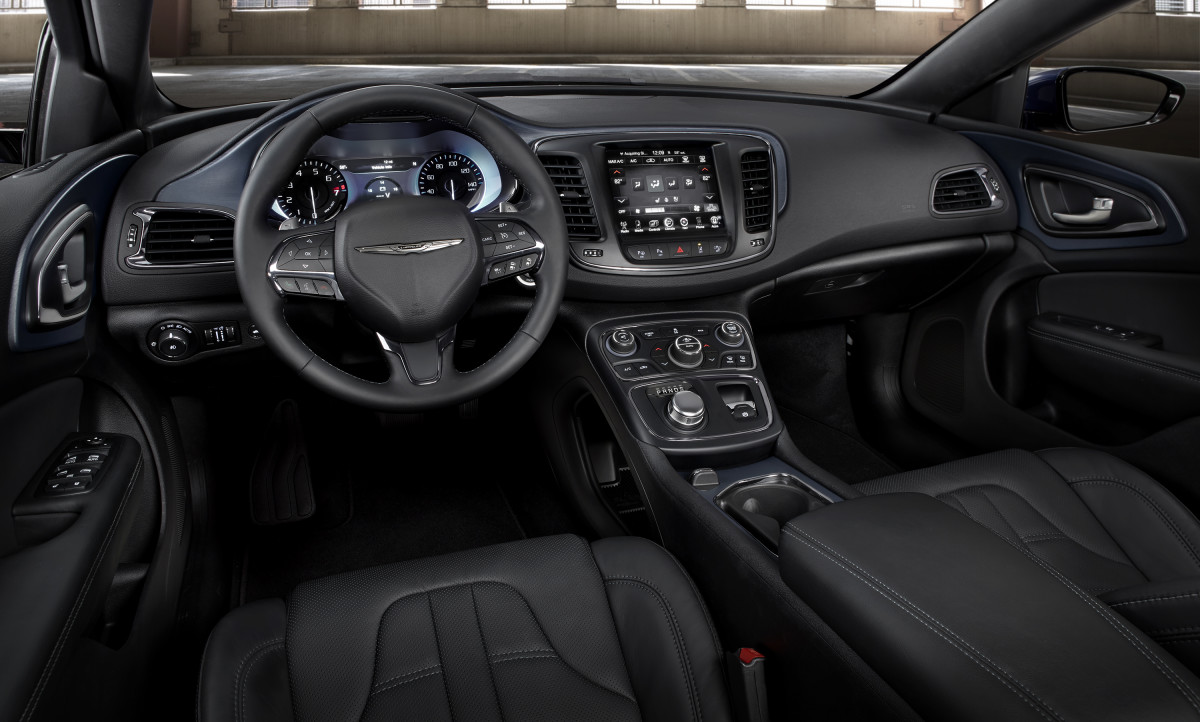
Chrysler is now but a shadow of its former self, but it once had a whopping three models in the mid-2010s, one of which was the poor-performing and horribly named Chrysler 200. The brand’s attempt at creating a competitive midsize family sedan resulted in a lame execution, which contributed to its painfully short lifespan.
The sleek but somewhat boring sheet metal wasn’t especially breathtaking. The 200 came standard with a 2.4-liter four-cylinder engine that makes 184 horsepower, while a 295-horsepower 3.6-liter V6 engine was available. Unfortunately, neither made the 200 especially fun to drive. The 9-speed automatic transmission was sluggish and unrefined, but at least the ride was compliant.
Its success was also hampered by its cramped back row and cheap interior. The dash was overly bulky, and the materials quality was nothing to brag about, with a preponderance of black plastic and disparate shapes. Against the likes of the Honda Accord, Toyota Camry, and the Chevy Malibu, the Chrysler 200 felt like an also-ran. Thankfully, Chrysler pulled the plug on the 200 in 2017, acknowledging that the company simply couldn’t profit from a car so few people wanted.
6. Dodge Dart (2013–2016)
2016 Dodge Dart
Dodge
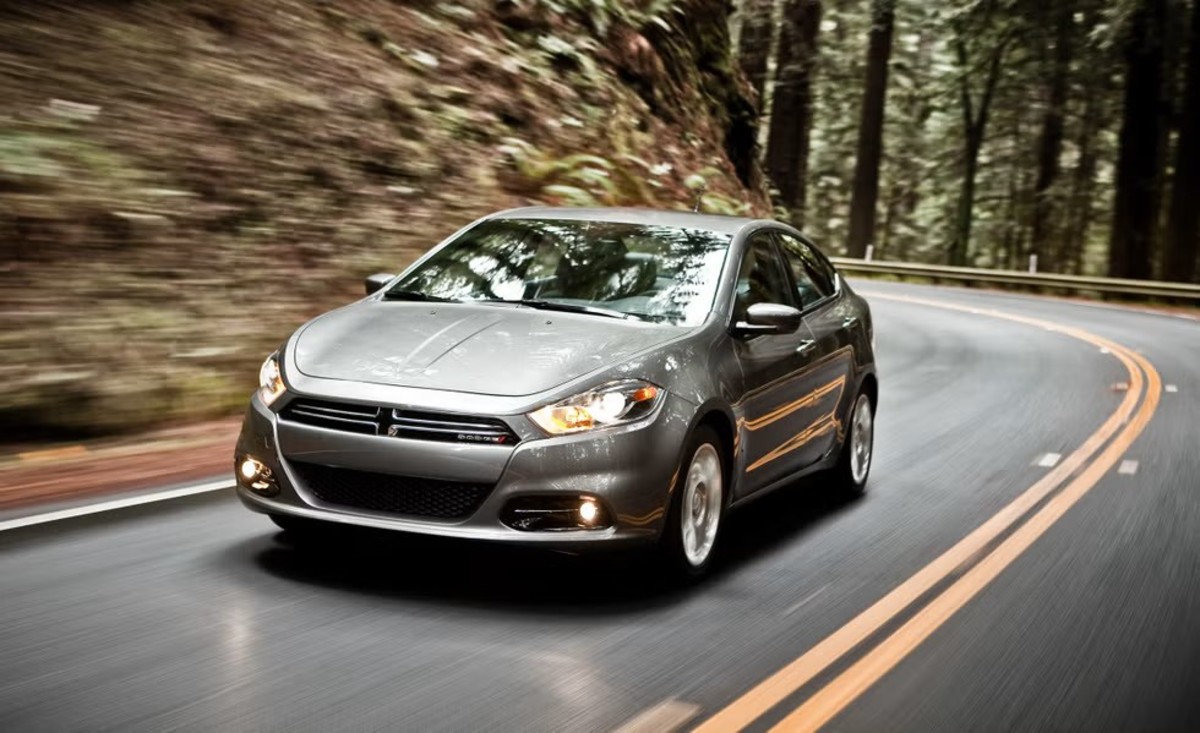
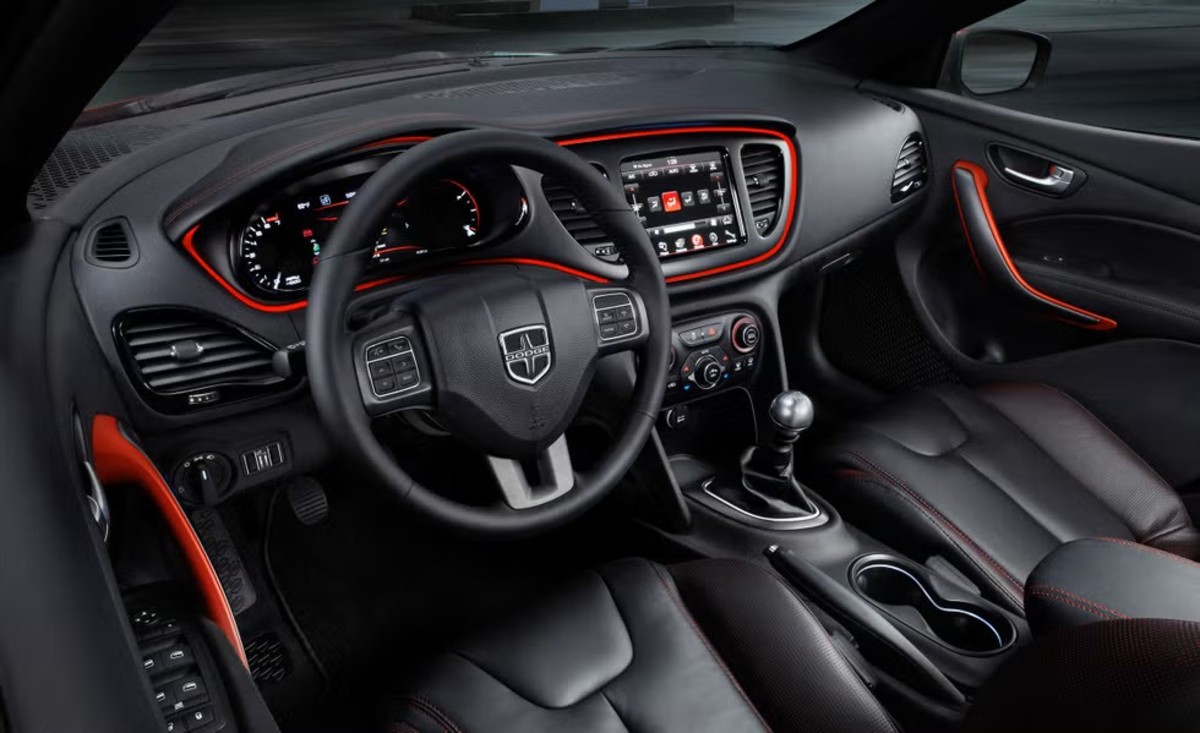
The Dart was a weird choice for Dodge. Although it resurrected a name from its own ‘60s muscle car, the 2010’s Dart was anything but muscular and ran counter to pretty much every other model the brand was selling at that time. The hope was that the compact sedan would be perceived as sporty and fun. While it did offer a decent 184-hp 2.4-liter four-cylinder engine, the base was a meager 160-hp 2.0-liter four-cylinder.
The downside was its underwhelming fuel economy of between 26 mpg city and 29 mpg highway, as well as its lack of standard safety features and Apple CarPlay or Android Auto, unlike so many of its competitors. The car’s ride and handling were passable, but competitors like the Honda Civic and Mazda3 outclassed it in every measurable way, including rear passenger room. Sales sputtered, and by 2016, the Dart was discontinued, ending Dodge’s brief and ill-fated attempt to break into the compact car market.
Final thoughts
Every car manufacturer has its missteps, but these six vehicles stand out as some of the most misguided efforts of the last decade. Even in an era of modern automotive design and technology, there will always be losers in the game. If it’s any indication of how poorly these cars were received, just try to find more than a glimpse of one on your local roads. None of them were hits during their brief lifespans, and they will go down in the hall of automotive shame for decades.
Love reading Autoblog? Sign up for our weekly newsletter to get exclusive articles, insider insights, and the latest updates delivered right to your inbox. Click here to sign up now!
Mercedes-Benz S-Class recalled for failing brakesMercedes-Benz is recalling 20,339 S-Class luxury sedans because of front brake hoses that could rupture and leak fluid, rendering the brakes less effective. Based on a disclosure Monday from the NHTSA, the recall includes the following versions of Mercedes' flagship sedan: 2021-2022 S 500 2021-2022 Maybach S 580 4Matic 2021-2023 S 580 4Matic 2022...
.jpeg)