Post Icon

Honda Prelude is Actually Quick—But You Have to Disable a Feature Developed With It


via Honda Prelude is Actually Quick—But You Have to Disable a Feature Developed With It

Prelude’s Slow Start

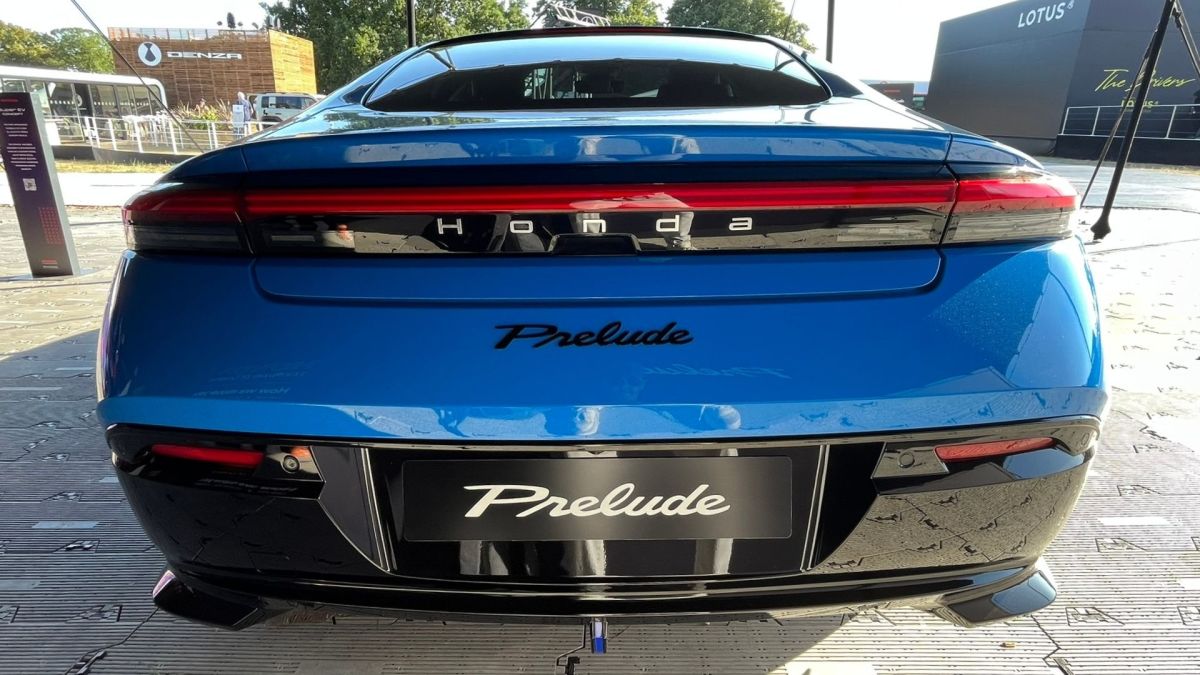
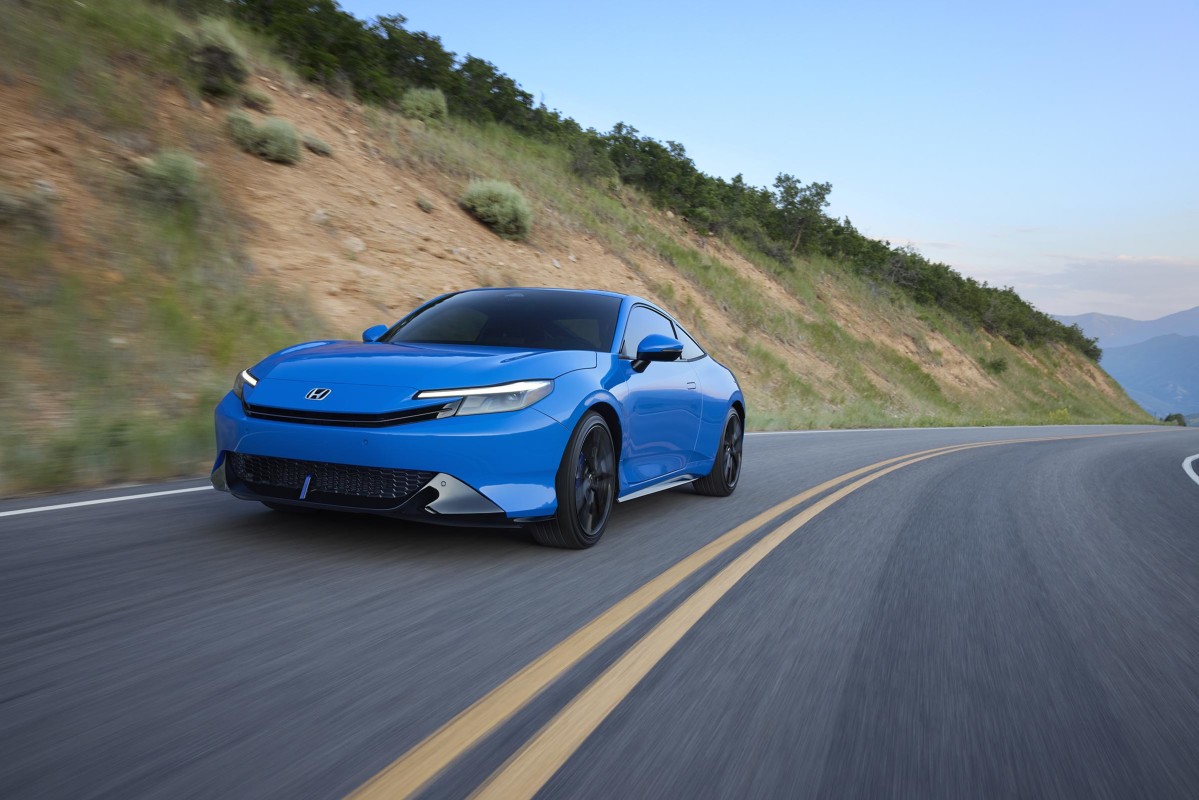
The new Honda Prelude has generated plenty of buzz, yet one of its first real-world outings raised an eyebrow among performance-minded readers. In Japan, an owner ran the car from 0-62 mph in about 9.2 seconds. That’s a lot slower than one might expect from a machine built around a hybrid powertrain similar to the Civic Hybrid.

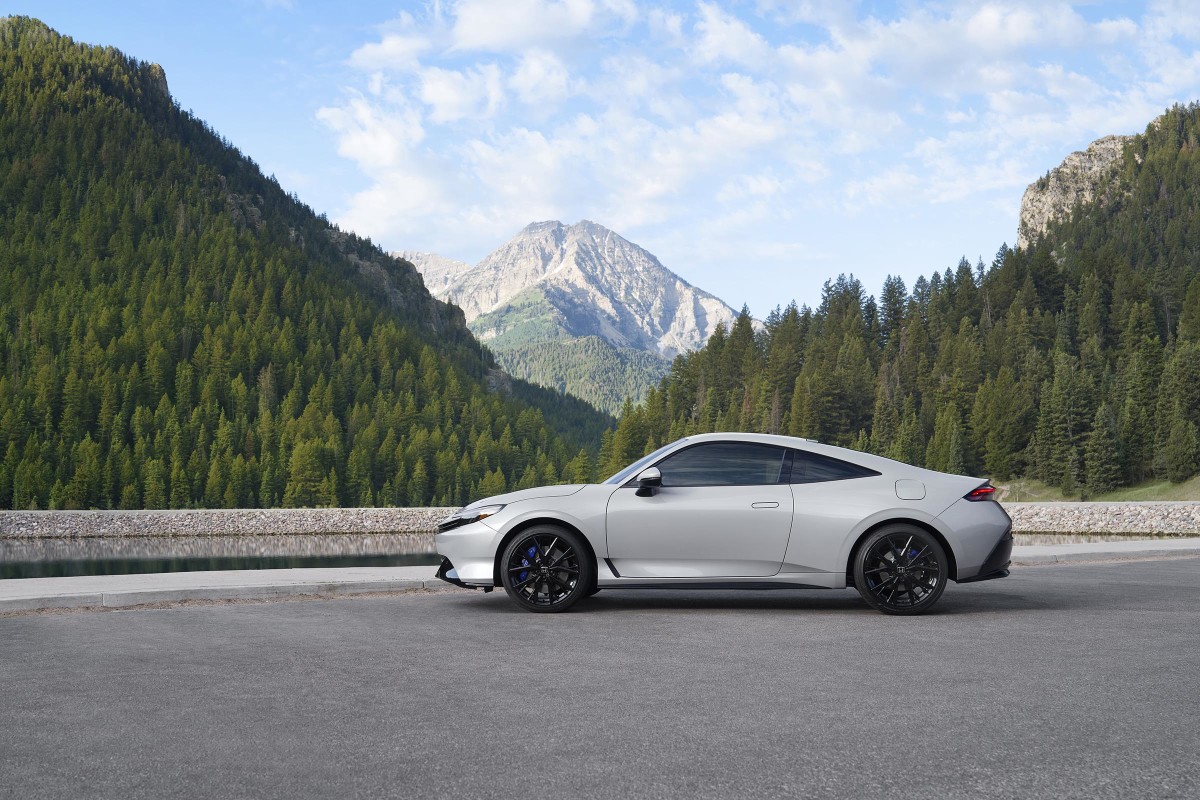
What makes this more puzzling is the tech behind the setup: a 2.0-litre engine paired with a two-motor hybrid system, producing around 200 hp, driving the front wheels, and weighing roughly 3,200 lbs. Under the skin, there’s also the front suspension borrowed from the Civic Type R. So on paper, the recipe looks better than the nine-second run suggested.

But here’s the kicker: Honda deliberately did not equip the Prelude with a dedicated launch control system. That means owners had to rely on pedal-coordination tricks previously seen in the Civic Hybrids to get off to the best start.

Actually Quicker Without S+ Shift

The story doesn’t end at the slow launch. The same Japanese owner returned with a follow-up test, this time applying the brake-and-throttle technique to mimic launch behaviour and disabling the S+ Shift in Sport mode. The result: a time of 7.2 seconds for a 0-62 mph sprint. The two-second improvement pointed to something deeper than raw power.

It turns out the difference may stem from the car’s new S+ Shift mode. Honda designed this to recreate a performance-driving feel in its hybrid architecture – paddle shifters, rev-matching, “gear” holds, down-shift blips, the lot.

Yet here’s the paradox: the system that’s meant to heighten engagement appears to hamper straight-line performance when left fully active. The owner’s method effectively disabled or sidestepped parts of that system, freeing the car to accelerate more aggressively.

In short, the Prelude can sprint quicker, but only if you override what was meant to enhance the experience.
View the 2 images of this gallery on the original article

Still Behind But Closing In

Even at 7.2 seconds to roughly 0-62 mph, the Prelude doesn’t yet match the sprint figure posted by the 2026 Civic Sport Touring Hybrid – recorded at 6.2 seconds to 60 mph by Car & Driver. Of note, this is owner-test territory, not Honda’s official claim, so there’s room for variability depending on surface, temperature, battery state, and driver skill.

From the perspective of performance purists, yes, the Prelude trails. But from a broader view, this test shows the margin is narrower than it first appeared – provided you know how to drive it.
View the 3 images of this gallery on the original article

  • Digg
  • Del.icio.us
  • StumbleUpon
  • Reddit
  • RSS
Post Icon

The Last Ford F-150 Lightning For Under $50k Is Dead


via The Last Ford F-150 Lightning For Under $50k Is Dead

Ford’s workhorse Lightning Pro is no longer priced like a workhorse

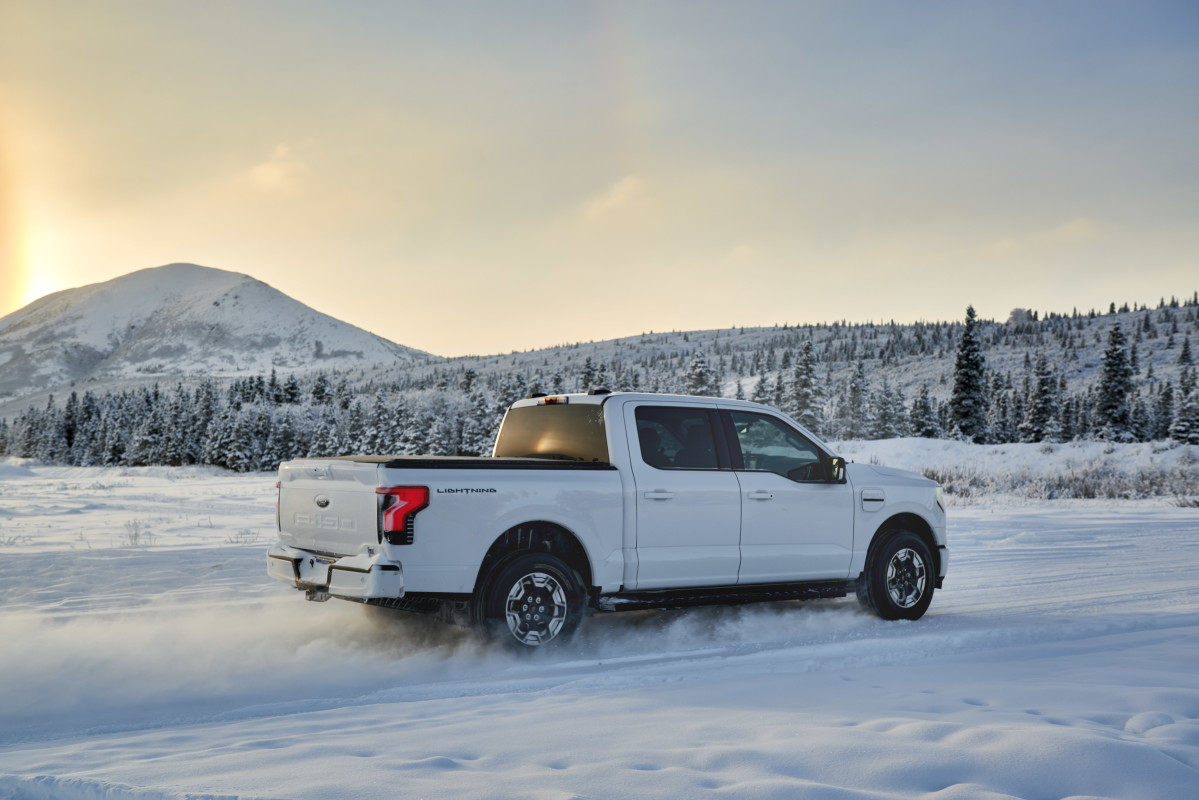
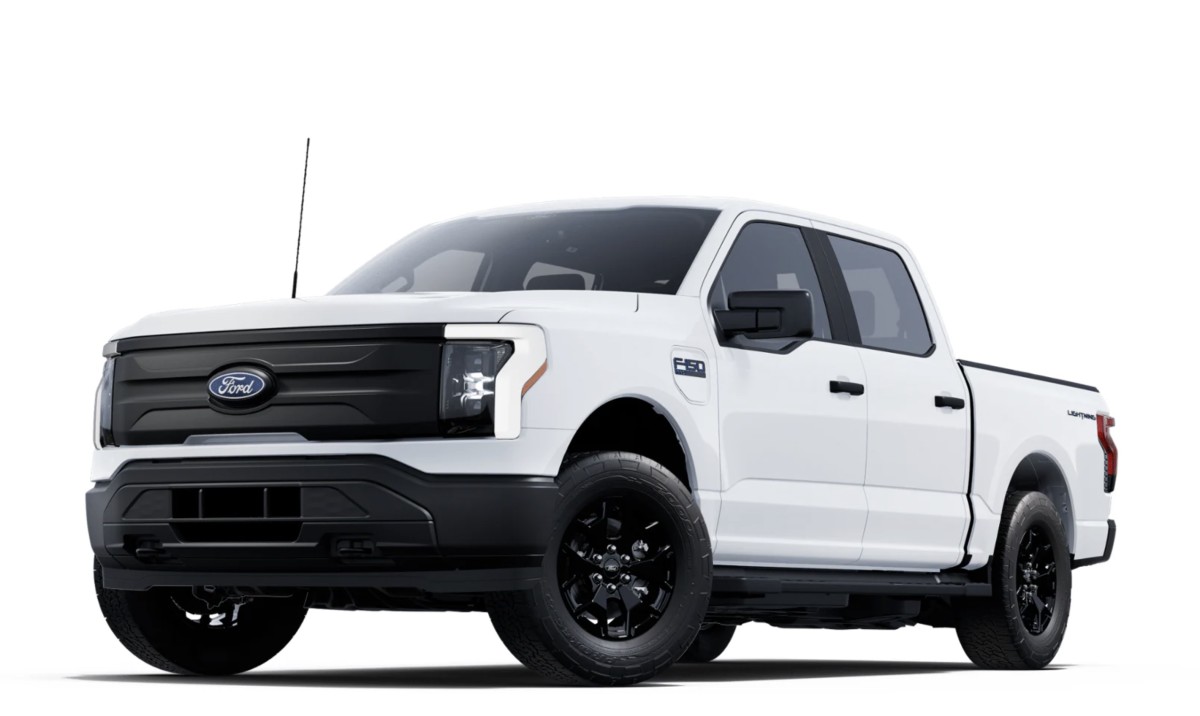
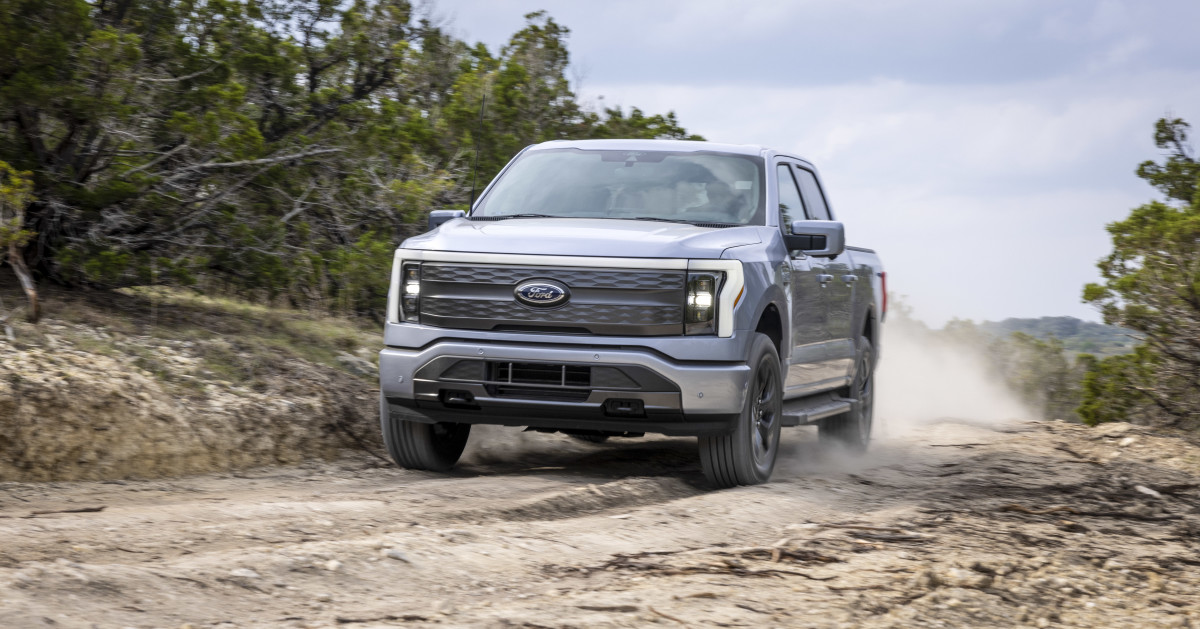
Following the scrapping of the EV tax credit at the end of September, there was some good news for the 2026 Ford F-150 Lightning. Its price will drop by up to $4,000 on certain trims when it becomes available. What was missing from that report was pricing for the Pro, the most affordable trim by far, and the news for this variant is a lot less rosy, as it’s expected to become $5,000 pricier. Cars Direct obtained an order guide for the 2026 F-150 Lightning, confirming the increase, which makes the base model close to 40% more expensive than it was when first launched. Thankfully, there’s a justifiable reason for the price hike for 2026.

Ford Discontinues Lightning's Smaller Battery

2025 Ford F-150 Lightning Pro

View the 3 images of this gallery on the original article

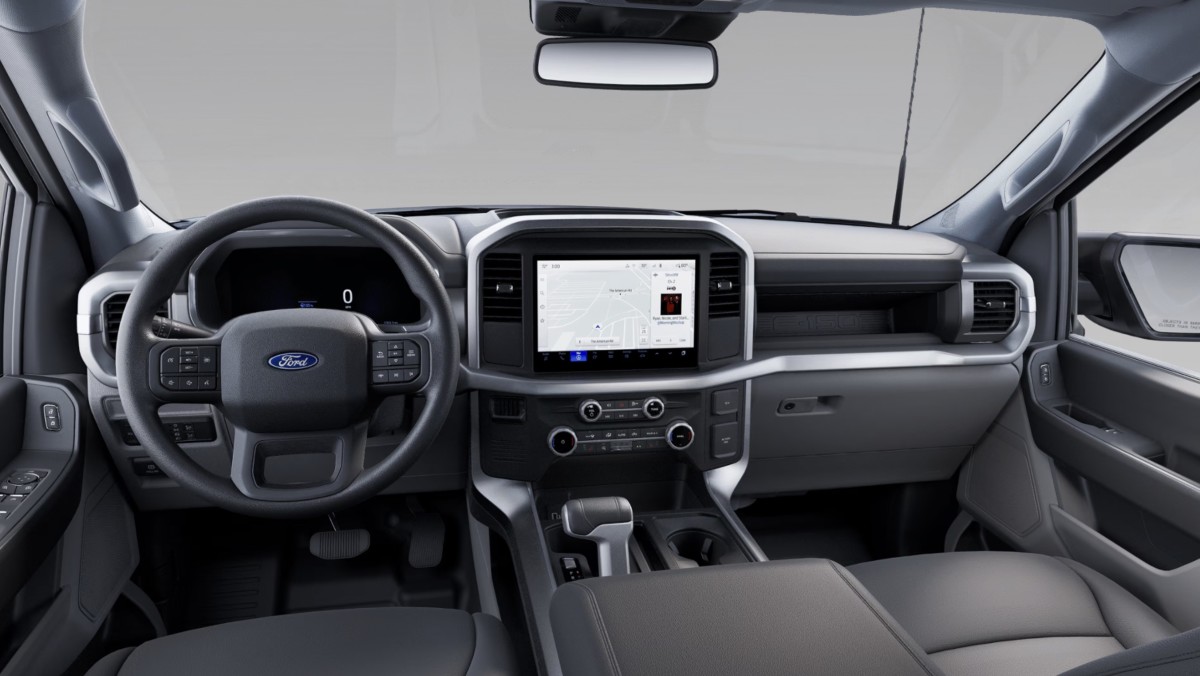
For 2025, the F-150 Lightning Pro comes with a 98-kWh Standard Range battery as standard, which delivers a 240-mile range on a full charge. The larger 123-kWh battery with a 300-mile range is an option, but this is now standard for 2026, which helps explain the price increase of $5,000. The Pro trim will now cost $54,780, which means you’ll no longer be able to get an F-150 Lightning for under $50k. The Standard Range battery has been discontinued across the entire lineup, so all models should be able to manage at least 300 miles on a full charge.

Besides the price bump, there’s some more bad news for the Lightning Pro. According to a Washington-based Ford dealer, this model is not available for retail purchase—only fleet orders will apply. You’ll have to cough up at least $63,345 for the STX, which replaces the XLT. That price excludes a delivery fee of $2,195.

Only the Flash ($65,995) and Lariat ($76,995) receive price cuts for 2026. The top Platinum grade will still cost $84,995.

What Else is New?

2025 Ford F-150 Lightning Pro

The scrapping of the Standard Range battery is the main change for 2026, but Ford will also be introducing three new colors for the F-150 Lightning: Argon Blue Metallic, Marsh Gray, and Ruby Red Metallic Tinted Clearcoat. Colors from 2025 that won’t carry over are Rapid Red, Space White, and Iconic Silver.

The Pro now gets Carbon Black running boards as standard, and there’s a one-year subscription to the Ford Connectivity Package for all trims. The Max Trailer Tow Package that increases the towing capacity from 7,700 lbs to 10,000 lbs is now standard on the Platinum and optional on other trims.

There’s no Such Thing as a Cheap Electric Pickup

2025 Ford F-150 Lightning Lariat

Ford

It seems like ages ago since the cheapest Ford F-150 Lightning cost just under $40k. Tesla once promised that the Cybertruck would arrive with a base price of around that point, but it never happened. The 2026 Chevy Silverado EV and GMC Sierra EV both cost way over $50,000, too. This tracks with the average transaction price for new EVs in September, which increased to a whopping $58,124.

Ford is planning a smaller, cheaper electric pickup, while Slate has even bigger ambitions for a $25k electric pickup with the bare minimum of features. Until these plans come to fruition, electric pickups remain too expensive for a large percentage of American consumers.

Related: Ranked: The 5 Best-Selling EVs Of The Year So Far

  • Digg
  • Del.icio.us
  • StumbleUpon
  • Reddit
  • RSS
Post Icon

Wireless EV Charging Inches Closer as Breakthroughs Emerge


via Wireless EV Charging Inches Closer as Breakthroughs Emerge

EVs Could Soon Juice Up Without Plugging In

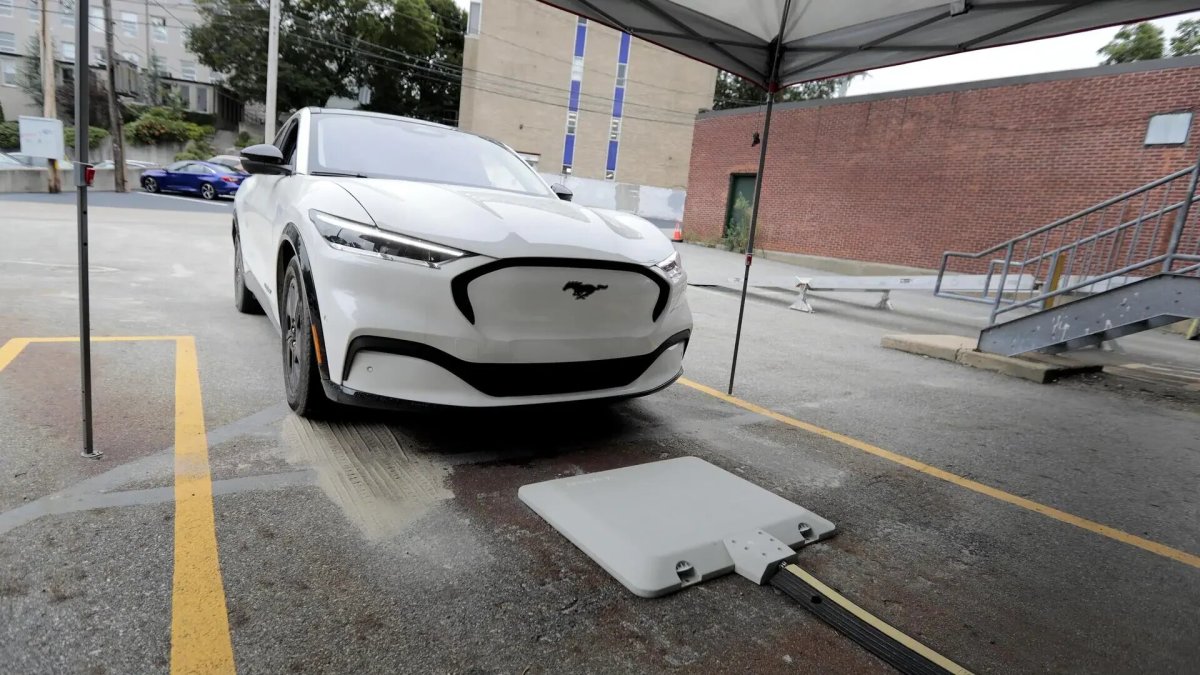
Companies are pouring resources extensively into what is possibly the future of EV charging. Analysts and industry experts are keeping tabs and seem increasingly interested in the progress some of these bright minds have achieved. For example, researchers at Oak Ridge National Laboratory managed to wirelessly charge a Hyundai Kona Electric with 100 kW of power at 96% efficiency. This wireless arrangement added 50% charge in 20 minutes, with a 5-inch clearance between the charging pad and the car.

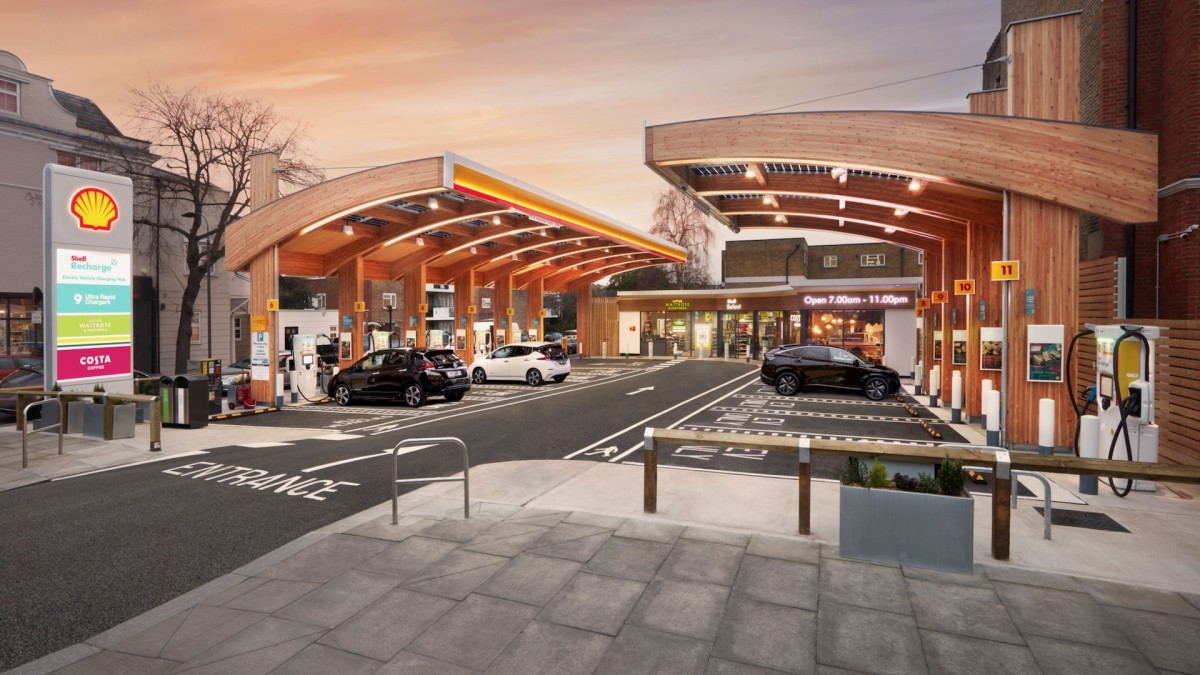
Shell

But that’s not all, in an earlier test, the team outdid themselves, achieving 97% efficiency while pushing 120 kW of power. Others have pulled off even mightier feats. Companies like WAVE and Momentum Dynamics are in the midst of developing systems with capacities of up to 500 kW for electric trucks and buses.

Interestingly, OEMs like Porsche, Toyota, BYD, and Mercedes are also in the mix. The 2026 Porsche Cayenne EV will be the brand's first all-electric utilitarian to feature an 11 kW wireless charging system. As for Mercedes-Benz, Astute Analytica claims the German marque is busy testing wireless charging on its experimental vehicle, the ELF. Additionally, Mercedes is also in the works to launch its first bi-directional V2G (vehicle-to-grid) charging service across several European markets in 2026.

Wireless EV Charging: Challenges Remain, but the Future Looks Bright

It’s not all smooth sailing, though. Achieving such efficiency figures in a test/research environment is one thing, but to replicate that in the real-world is a different ball game. However, if there’s anyone out there who can get it to work, it’s probably them.

Standardization is another important aspect for wider and faster adoption. SAE International has addressed that with the J2954 standard, ensuring seamless power transfer across different vehicles and chargers. The standard also mentions an alignment tool—DIPS, short for Differential Inductive Positioning System—that helps automatically position EVs over the charging pad for optimal energy transfer.

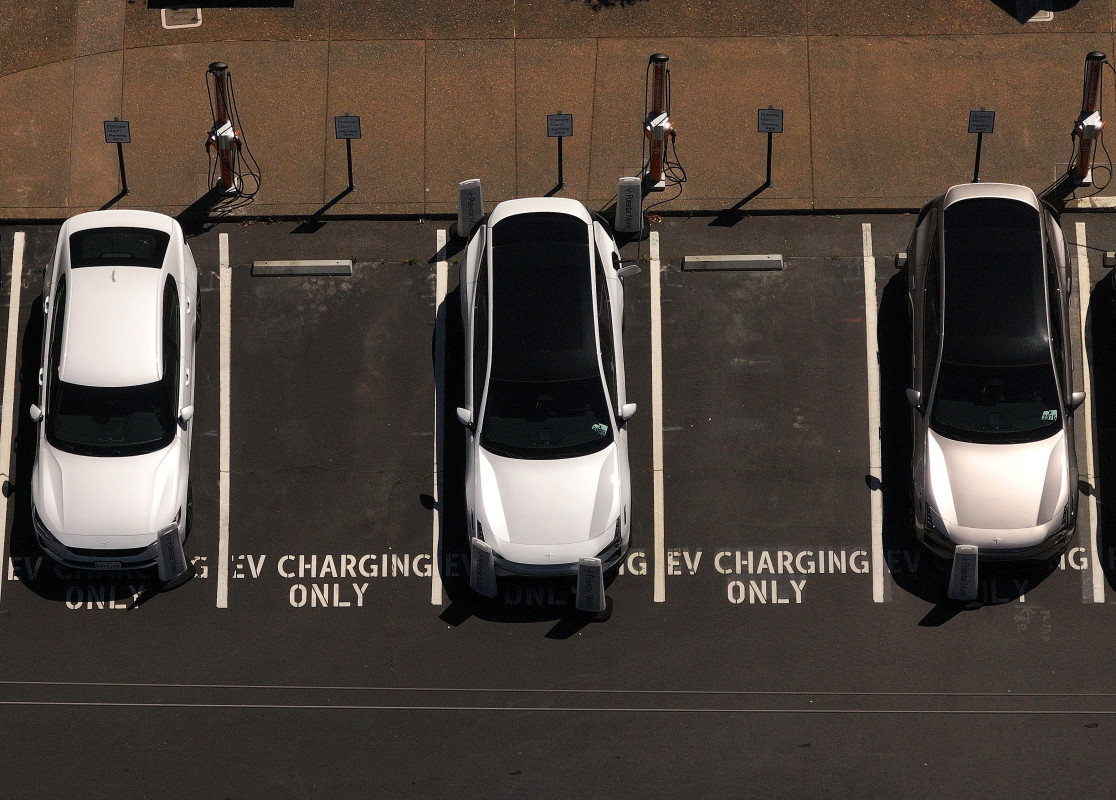
Getty

Government support in the form of incentives, grants, and tax credits help absorb some of the barriers to entry. But perhaps the most important factor is the cost of installation. For instance, setting up a residential Level 2 wireless charger can cost up to $2,500, with hardware costs in the $300 to $1,200 range.

What we discussed so far is static charging. Something more far-fetched or sci-fi-like is dynamic charging, where your EV charges as you drive along the road. The inductive charging bits are embedded into the road itself, eliminating range anxiety for good. Mind you, it’s not just a pipe dream. In late 2023, thanks to the company Electreon, a quarter-mile stretch in Detroit wirelessly charged a Ford E-Transit while driving at 9 mph. We are truly living in an age of wonder.

  • Digg
  • Del.icio.us
  • StumbleUpon
  • Reddit
  • RSS
Post Icon

Stop Babying Your EV: Hard Acceleration Actually Extends Battery Life by 195K Miles


via Stop Babying Your EV: Hard Acceleration Actually Extends Battery Life by 195K Miles

Real-World Driving Extends Battery Life—Not Shortens It

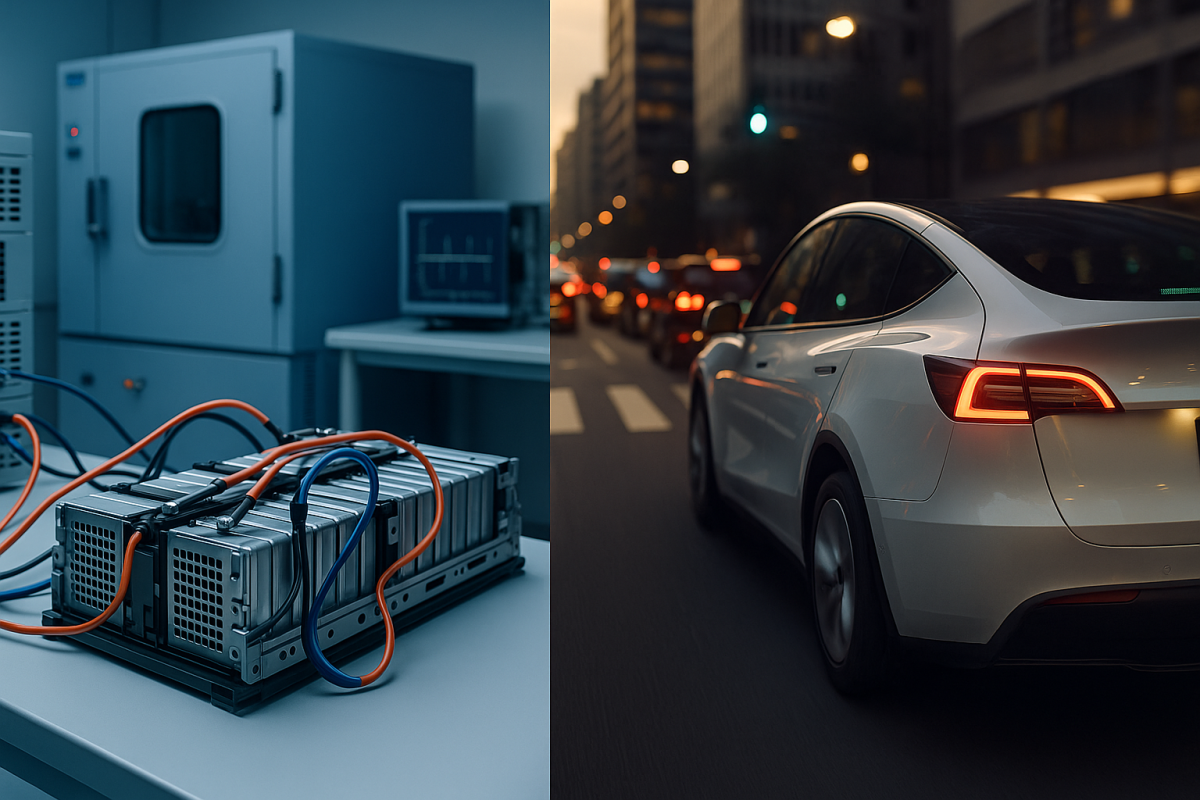
New peer-reviewed research led by Stanford and published in Nature Energy found that EV battery life improves when cells experience the power “pulses” you get in real traffic. Compared with the old lab routine of perfectly steady charge/discharge cycles, dynamic driving extended usable life by up to 38%. Translate that into the road and you’re looking at roughly 195,000 extra miles (about 300,000 km) before a pack hits its end-of-life threshold. That’s the kind of number that changes purchase math and peace of mind.

Pulses and Pauses Slow Chemical Degradation

Daily driving isn’t a metronome. You merge, coast, lift, brake, park, and repeat. Those short rests and shallow “micro-cycles” reduce stressors tied to battery degradation, including lithium plating and heat buildup. The study isolated the big movers: low-frequency current pulses and time-at-rest effects that, together, slow wear compared with constant loads. None of this green-lights abuse or heat soak, but it does puncture the myth that you must feather the throttle to protect the pack. Normal stop-and-go, with occasional hard acceleration, isn’t the villain many thought.

What This Means for Total Cost of Ownership

This changes the calculus for total cost of ownership and resale value. Major brands already back their packs for years. Tesla covers eight years with model-specific mileage caps and a 70% capacity floor, while Hyundai’s EV battery warranty runs ten years/100,000 miles with a similar minimum-capacity guarantee. If real-world cycling adds a 38% life bump, most drivers will age out of the warranty by time, not by capacity loss. The practical takeaway: keep driving like you live, and focus on the easy wins below.

Basic Battery Care Still Matters

Heat and extreme state-of-charge are the real enemies. Daily charging to about 80–90%, avoiding long sits at 100% or near empty, and letting the car manage pack temperature before and during DC fast charging will keep things happy. Plan road-trip fast charges so you roll soon after you hit your target. Between trips, parking at moderate charge is your friend.

What Cross-Shoppers Should Focus On

Cross-shoppers looking at a compact family EV—think Model Y Long Range versus Hyundai Ioniq 5—get packs with active thermal management and smart software. With dynamic cycling on their side, both age gracefully in daily use. The difference comes down to packaging, charge curve, and local pricing—not fear of the battery “dying young.”

  • Digg
  • Del.icio.us
  • StumbleUpon
  • Reddit
  • RSS
Post Icon

Facelifted Nissan Z Already Underway – Here's What You Can Expect


via Facelifted Nissan Z Already Underway – Here's What You Can Expect

The Nissan Z is Turning Four Next Year

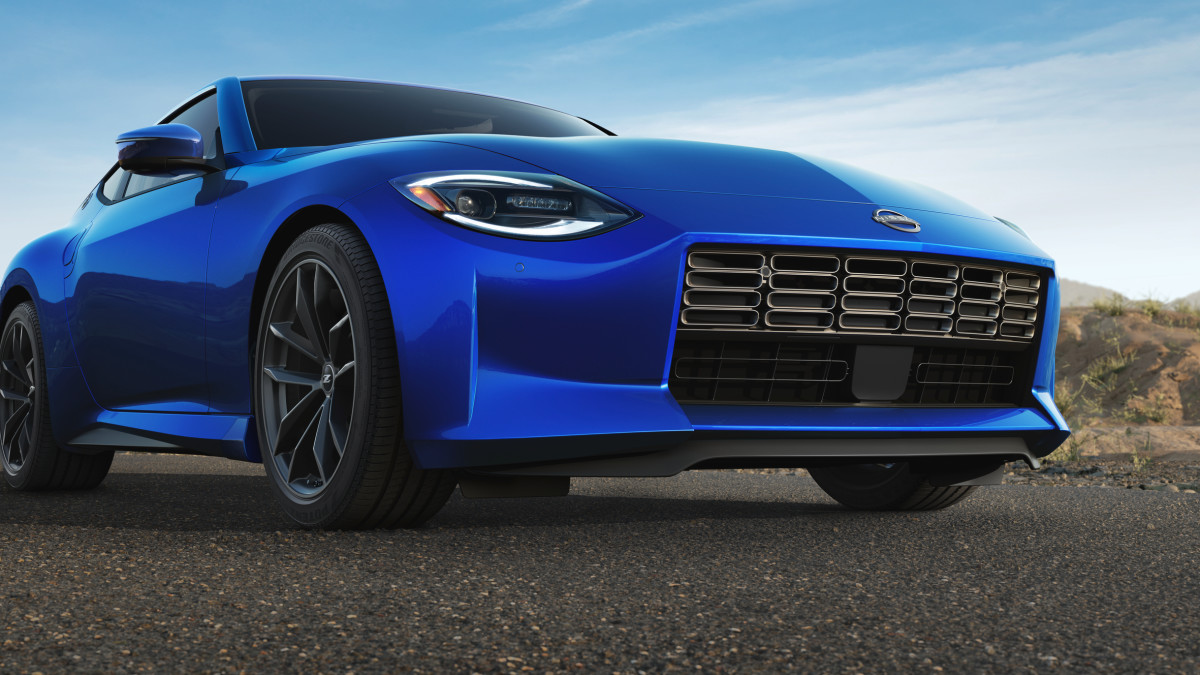
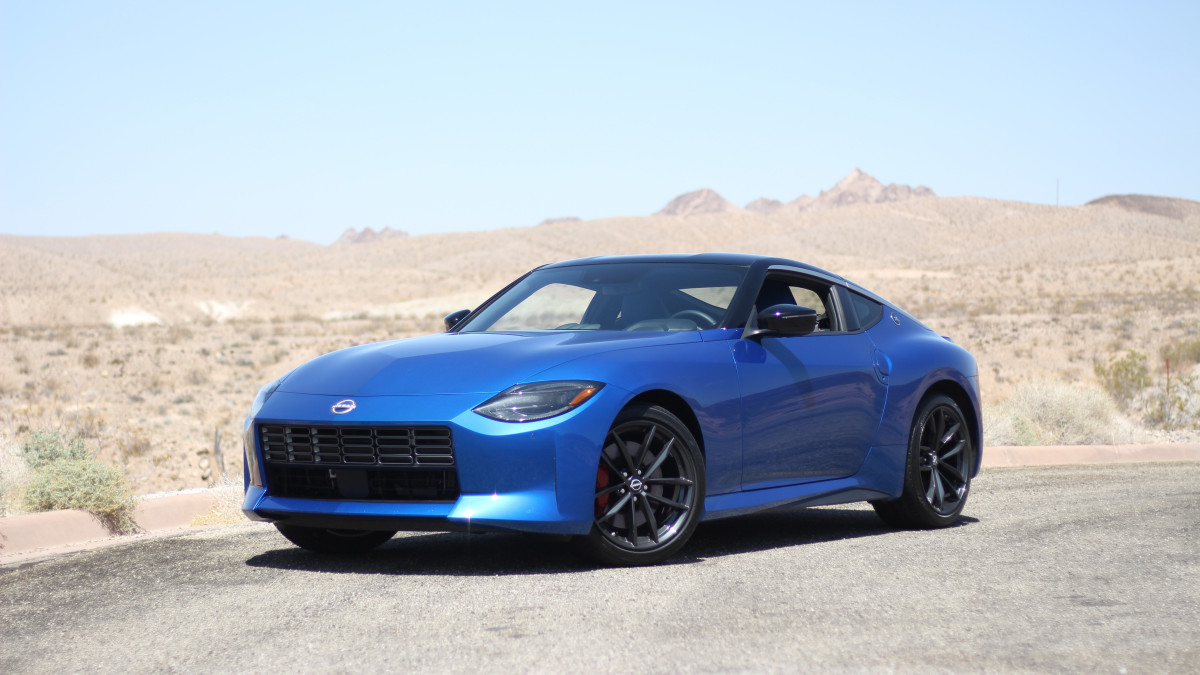
It's been about three years since Nissan reintroduced the Z, and while that isn't exactly a long run, a few updates won't hurt. The coupe has been performing well for the brand, proving there's still room for an analog sports car in a world shifting toward crossovers.

With sales holding steady, Nissan seems keen to keep the momentum going. The company is now preparing a mild facelift for the Z, and early details have already surfaced in Japan, suggesting that a slightly revised version of the car will arrive sooner rather than later.

According to leaked information from Creative Trend, the upcoming update will focus mainly on fine-tuning the design and improving compliance with new regulations. Nissan's changes aren't radical but seem geared toward keeping the Fairlady Z – its JDM name – fresh until a more significant overhaul arrives later in the decade.

Zac Palmer

View the 4 images of this gallery on the original article

Subtle Design Tweaks and a Nostalgic Touch

The biggest visual change lies in the shape of the front bumper, now sporting a more angular spoiler reminiscent of the Fairlady Z Nismo. Lighting elements remain untouched, while other updates include tweaks to electrical systems to meet evolving standards. The highlight, though, is the addition of a new Heritage Edition, which has already been confirmed for the US market.

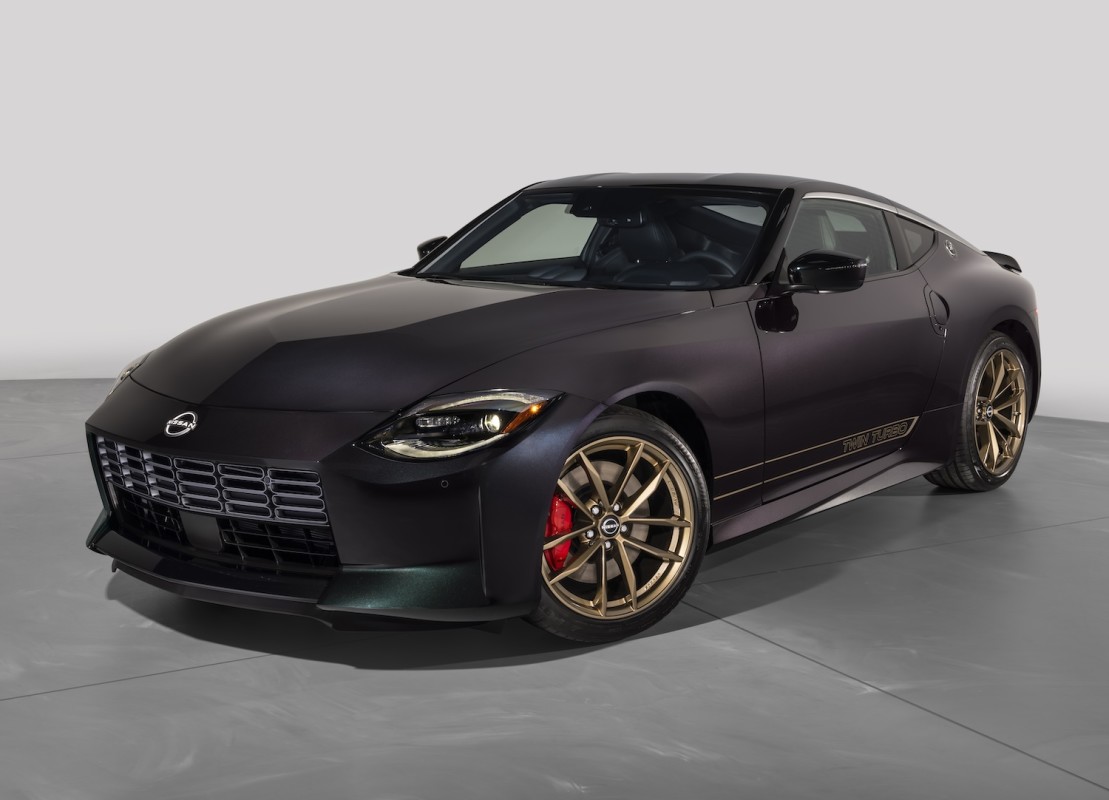
The Heritage Edition takes cues from the 1990s Z32-generation 300ZX, bringing a nostalgic touch without going overboard. It comes with a carbon-fiber rear spoiler, "Twin Turbo" badges, bronze side stripes, and matching 19-inch Rays wheels.

Inside, the upgrades are minimal – branded mats and illuminated Z door sills – but the overall package adds character. It's based on the Z Performance trim, complete with a limited-slip differential and the choice of a six-speed manual. Pricing in the US starts at $55,910 before destination, with production limited to around 500 units.

Nissan

View the 4 images of this gallery on the original article

Looking Ahead: Manual Nismo

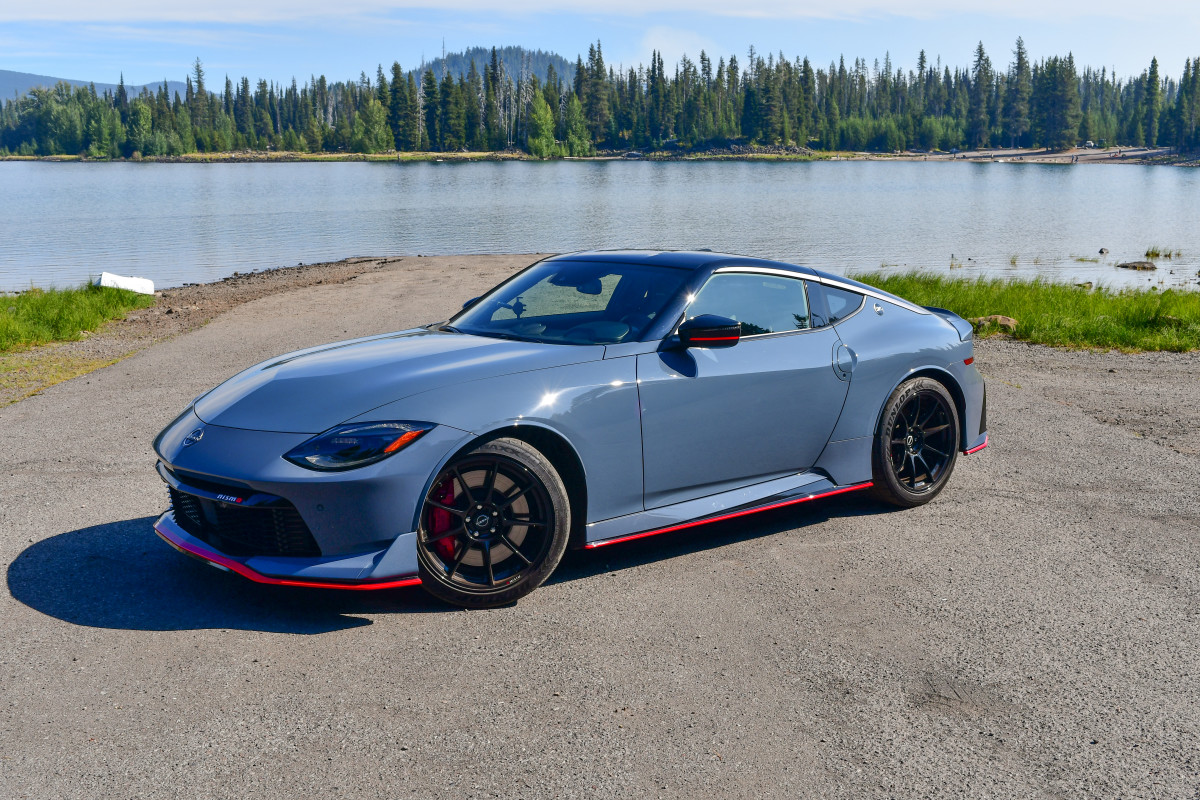
The facelifted Z is expected to reach Japan by spring 2026, which means the rest of the world could see it as part of the 2027 model year lineup. Around that time, enthusiasts can also look forward to another long-awaited addition: a manual-transmission Z Nismo. This new addition will also be part of the 2026 update of the Fairlady Z in Japan.

Nissan Americas chairman Christian Meunier has already confirmed that the manual Z Nismo is coming to the US. The current Nismo sticks to a 9-speed automatic, but the manual variant will give fans one more reason to stay loyal to the Z nameplate. For now, Nissan's sports coupe is the final representative of its performance heritage – at least until the next GT-R shows up.

Kristen Brown

View the 4 images of this gallery on the original article

  • Digg
  • Del.icio.us
  • StumbleUpon
  • Reddit
  • RSS