via This Lamborghini Dealership Is 1/18 Scale — And You Can Actually Afford The Cars
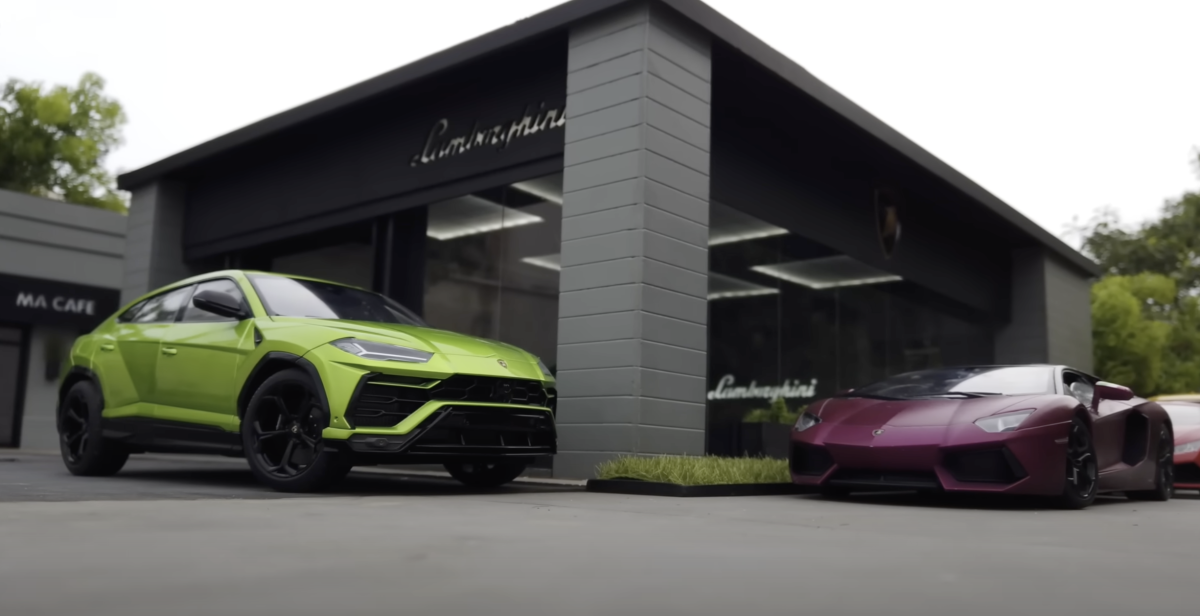
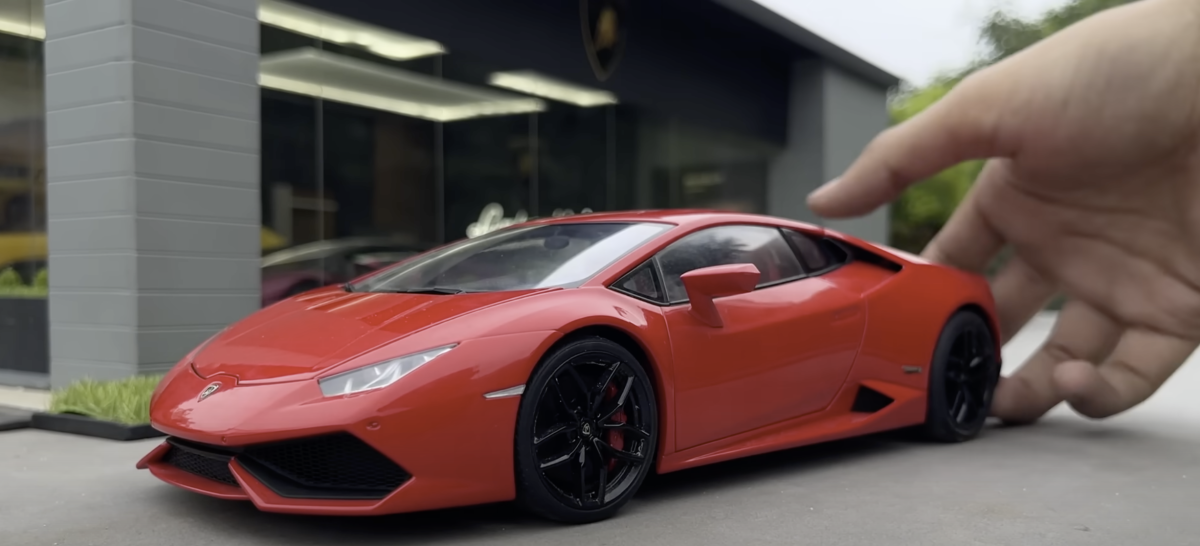
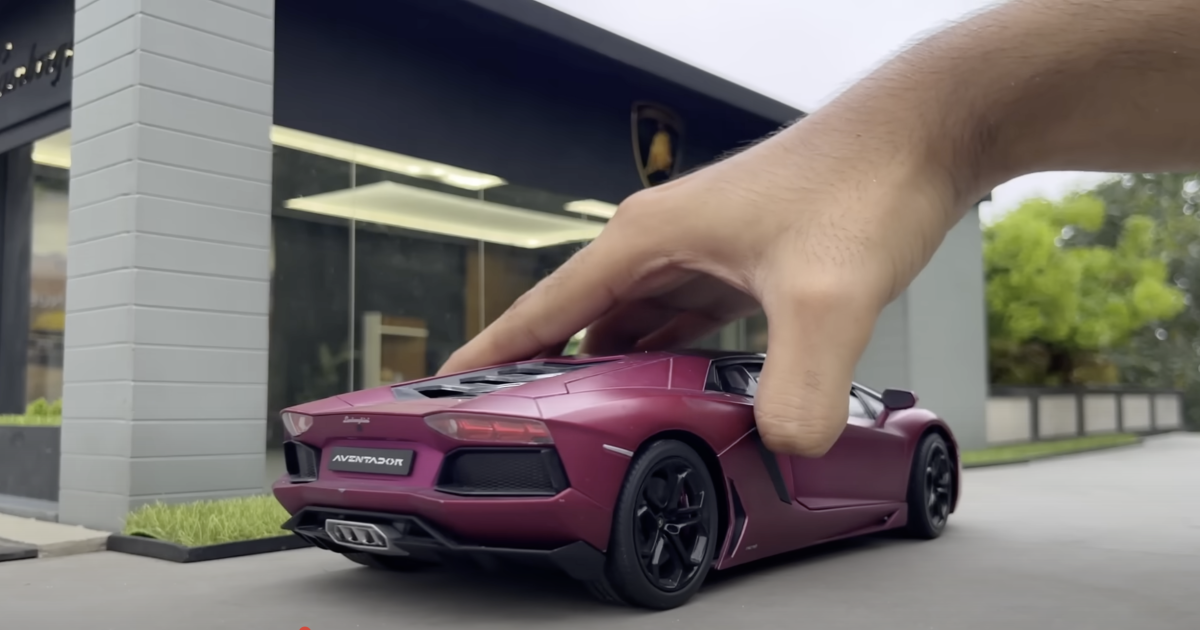
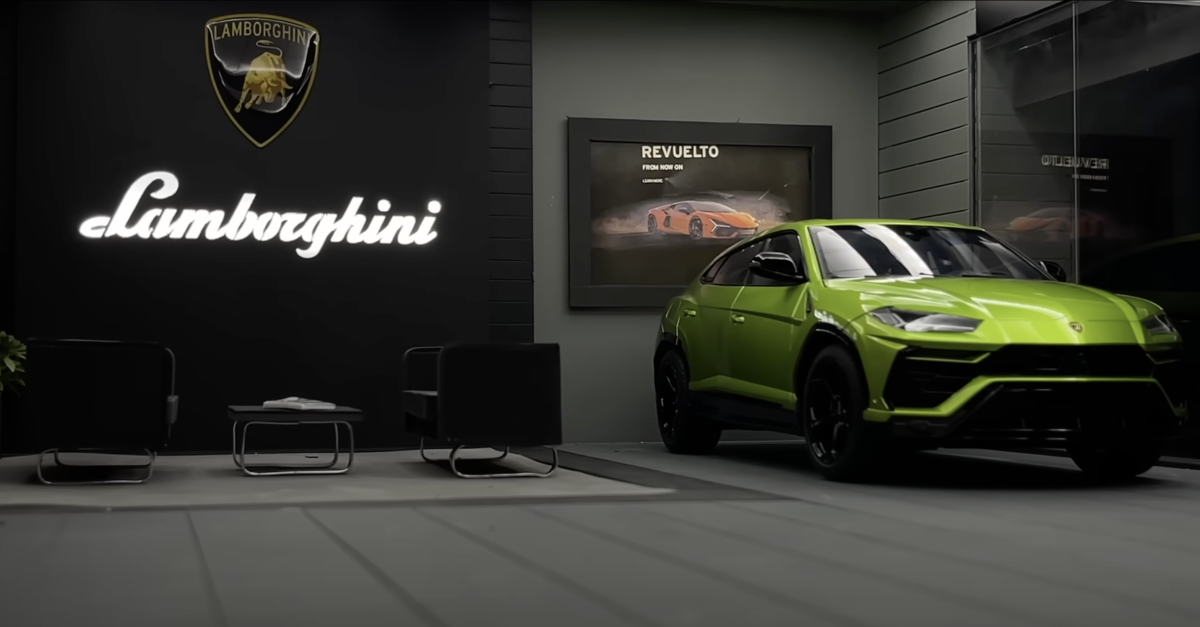
Forget glass showrooms in Dubai or Beverly Hills. The most jaw-dropping Lamborghini dealership you’ll see this year fits on a shelf. A YouTube collector has lined up dozens of 1/18 scale die-cast Lamborghinis in glass cases, creating a miniature dealership where Aventadors and Urus' shine under perfect lighting — and, for once, you don’t need a hedge fund to afford them.
The Miniature Showroom Effect
What makes the collection compelling is the way it’s presented. The cars aren’t stacked in dusty boxes. They’re arranged like a real dealer floor: nose-to-nose Aventadors Urus' and Huracáns are carefully displayed. It feels more curated than many actual dealerships.
For collectors, this is the thrill — you can park Lamborghinis from every era together in one space, something even Sant’Agata itself can’t offer. Want to place a radical Gallardo Concept S alongside a Urus Performante? Easy. Try doing that with the real cars, and you’d be waiting for a concours invitation.
Affordable Bulls — Sort Of
Of course, “affordable” is relative. Budget models from Maisto can be had for $30–$70, but high-end die-casts from AutoArt or Kyosho can push $200–$300 each. That’s still a fraction of what a real Lamborghini commands. For context, a 2023 Lamborghini Urus Performante currently listed with under 20,000 miles is asking well into six figures.
Scale collectors know they’ll never match the feeling of 641 hp and a twin-turbo V8, but they also know the shelf won’t demand insurance, servicing, or premium fuel. It’s ownership without the bankruptcy.
Why This Isn’t Just Toys
Die-cast collecting is often dismissed as kids playing with cars, but this kind of display proves it’s closer to curation. These models preserve Lamborghini history in miniature: the wedge-era Countach, the V12 Aventador, even limited-runs now cemented as part of the brand’s legacy. Lamborghini itself recognizes that history, recently donating the first Aventador delivered to the U.S. to the Petersen Museum.
For enthusiasts who can’t get near the Petersen, building a scaled-down dealership at home is the next best thing.
The Takeaway
A posh Lamborghini dealership where “affordable” isn’t a cruel joke does exist — in 1/18 scale. For the price of a set of tires on a Huracán, you can assemble a lineup that spans Sant’Agata’s greatest hits, without ever leaving your living room.
It’s proof that passion doesn’t always require millions. Sometimes it just requires patience, a steady hand with a microfiber cloth, and for some people, a bit too much money spent on the wrong type of car.
via The Last Big Audi RS Hangs On By The Skin Of Its Teeth
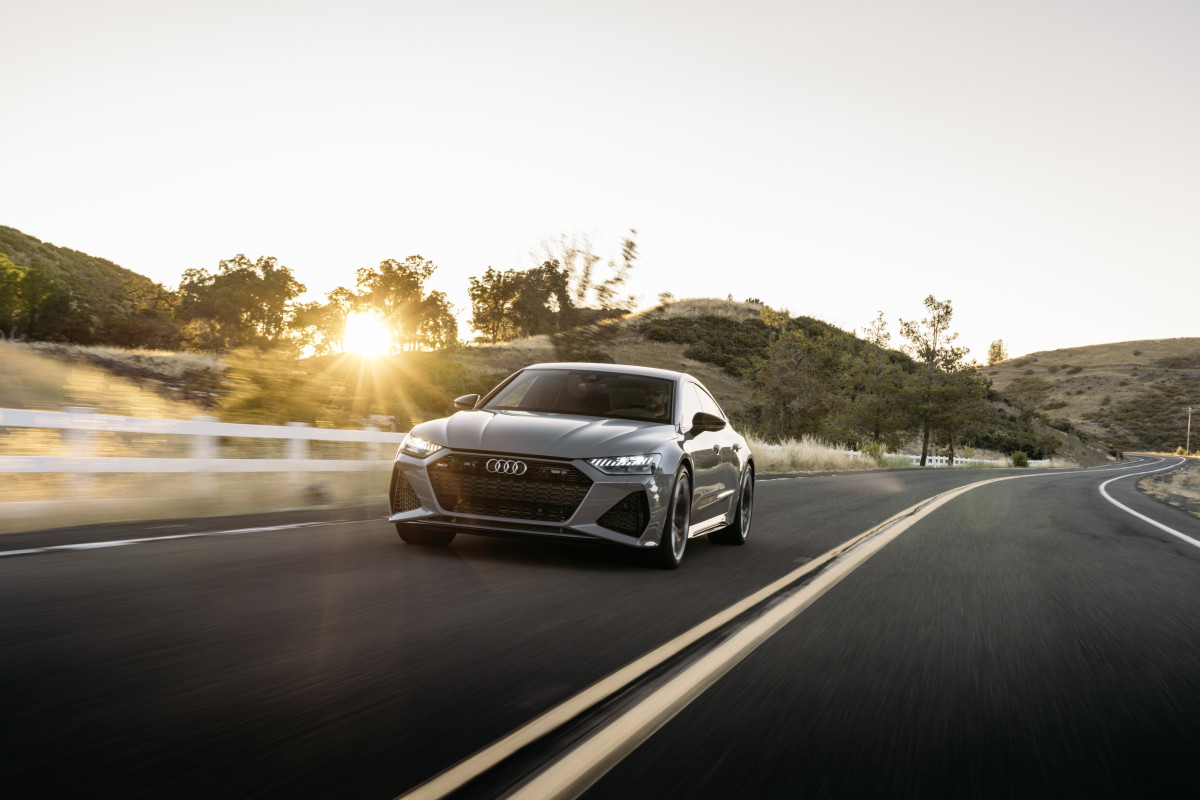
As Audi reinvents its nomenclature, the automaker is slimming down its lineup. The two most recent victims, the A7 and sportier S7, won't make it to 2026. However, the hi-po Audi RS7 manages to survive. According to an Audi spokesperson, the sedans will no longer be sold in the North American market.
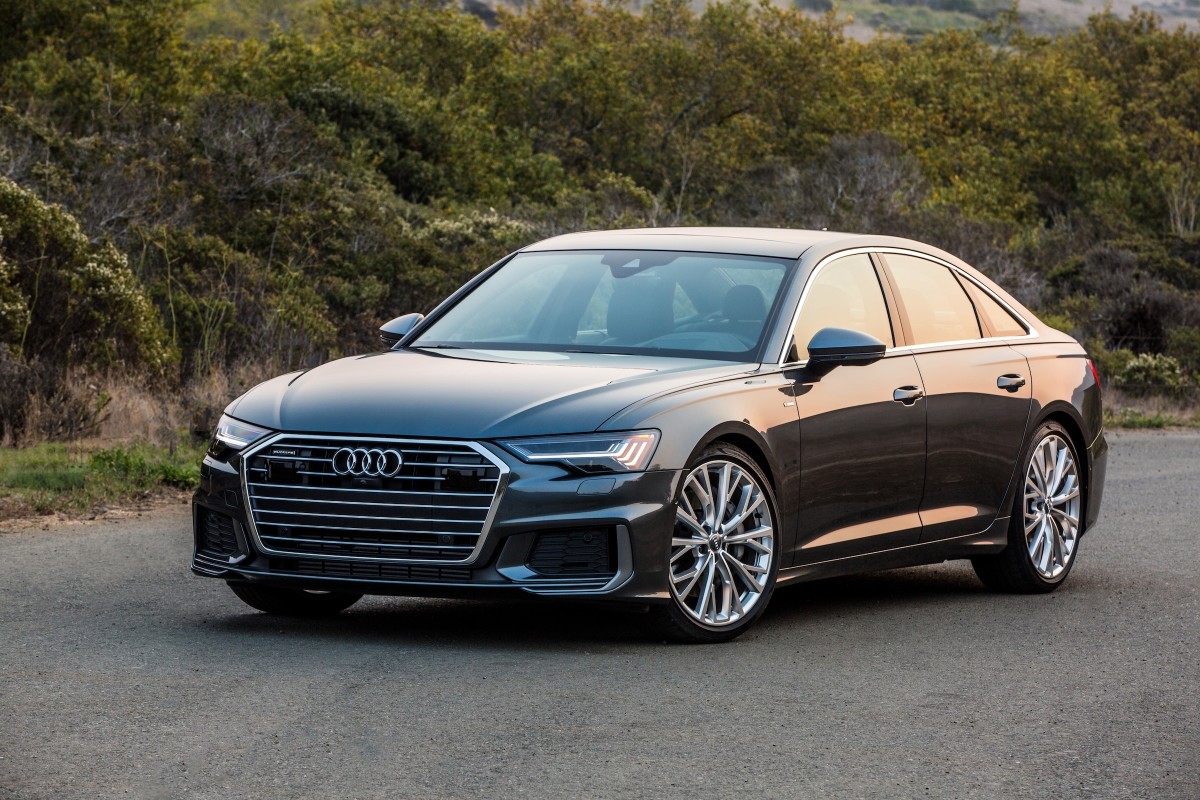
Audi confirmed to AutoBlog the models won't live to see 2026, and will instead be replaced by the A6 model line: "There are no 2026 Model Year A7 or S7 being offered as production shifts to the new A6 TFSI coming later this year. The RS 7 will continue for the 2026MY."
Audi will offer the A7 in two flavors: a gas-powered model and a battery-powered model. The former will be called the A6 TFSI (after the technology Audi employs in its engines) and the latter will use the brand's e-tron moniker. The e-tron will look similar to the outgoing A7 with its sportback design.
Somehow, The RS7 Survives
Audi RS 7 Sportback performance
Audi
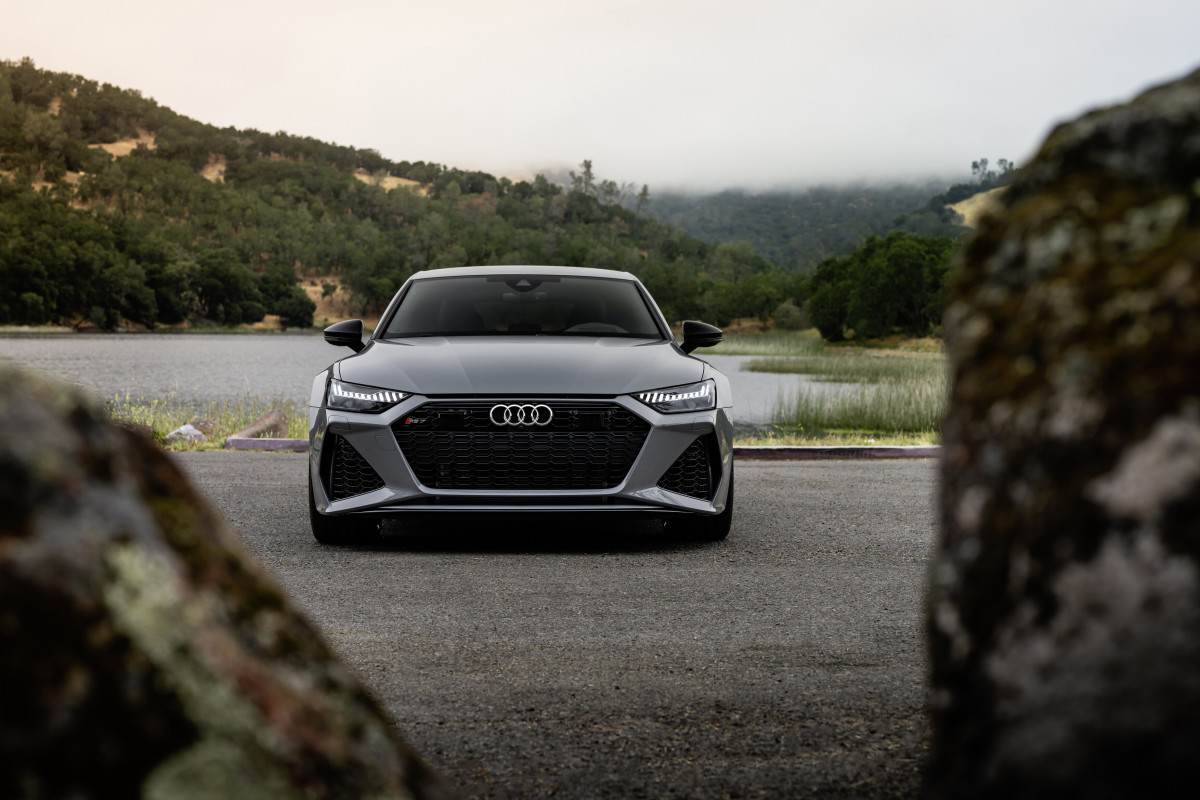
The Audi RS7 and its monstrous 621-horsepower twin-turbo V8 survive for at least one more year. Audi's RS7 is mechanically identical to the RS6 Avant it shares a platform with, and the latest models are arguably at their peak. A new Performance trim (the only way to have the RS7) means a power bump from 591 hp, as well as a retuned all-wheel drive system that helps the big luxury sports sedan feel a little more athletic.
There's no telling what'll happen to both the RS6 and RS7's V8. Audi is now relying on a multi-energy approach (read: "we're still selling cars with big engines after everyone stopped ordering EVs"), and that means the V8 could stick around. However, Audi is also restructuring things, and we wouldn't be surprised to see the RS6 and 7 become one, with a wagon variant sold Stateside. As for what'd be under the hood, we'll have to wait and see.
via Subaru’s More Capable Forester Wilderness Gets Hefty Price Bump Over Predecessor
The normal Forester range still starts at under $30k, thankfully
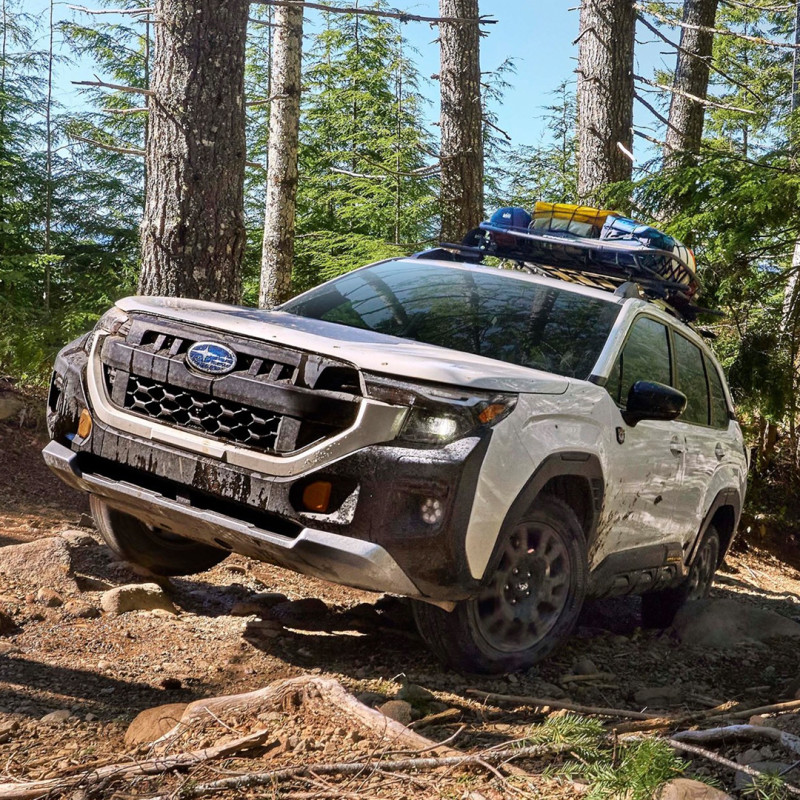
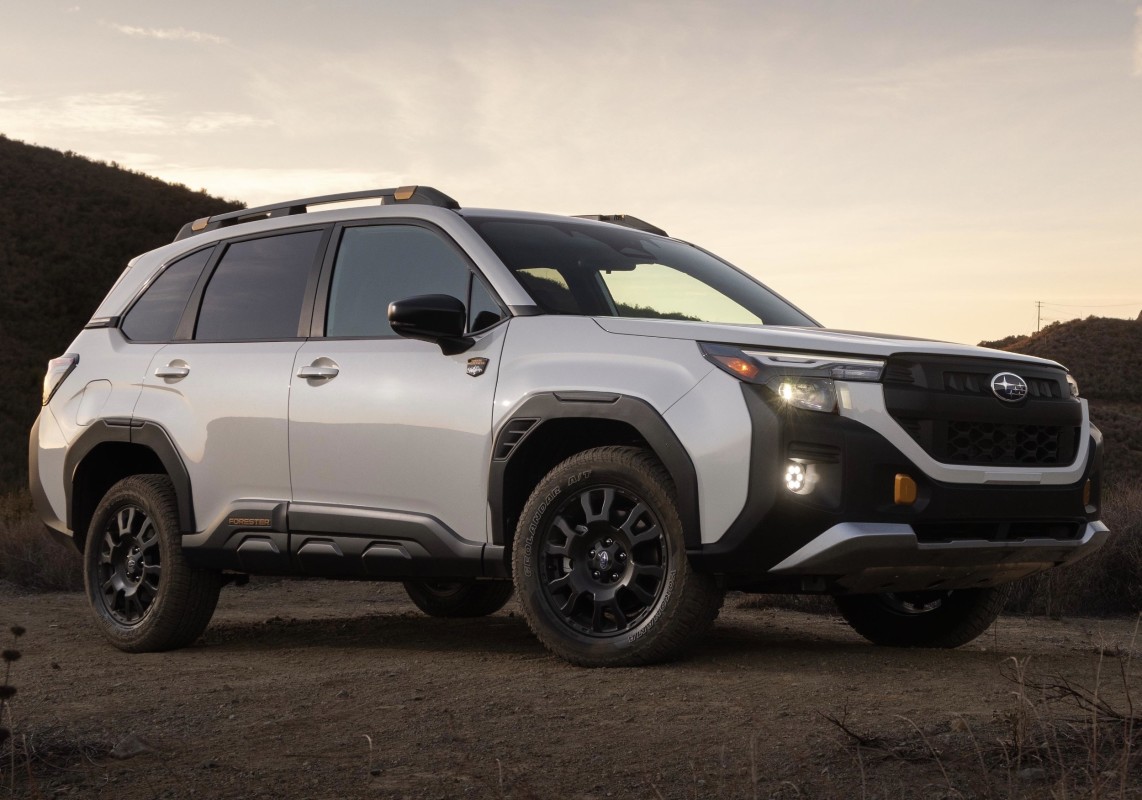
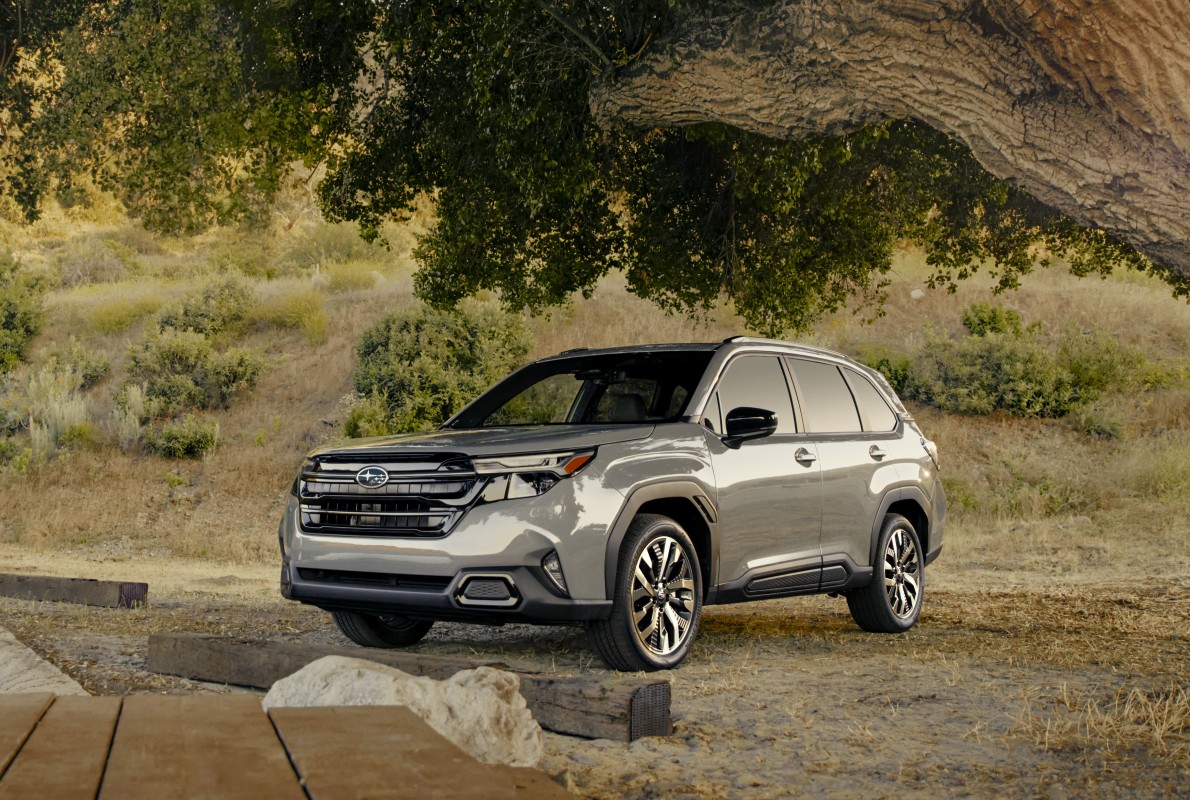
When Subaru launched the all-new Forester for the 2025 model year, it continued selling the previous-generation Wilderness variant at the same time. This is the most off-road capable version of the Forester, which competes against rivals like the Toyota RAV4 Woodland and Honda CR-V TrailSport. The new Forester Wilderness has now debuted for the 2026 model year, and while it packs in a lot more capability than other Forester trims, it has also been on the receiving end of a hefty price hike.
The 2026 Forester Wilderness starts at $38,385, or $39,835 when you include the destination charge. By comparison, the 2025 Forester Wilderness costs $36,285, which is $2,100 less. Honda charges $38,800 for its CR-V TrailSport, but that’s both more powerful and more efficient, thanks to its hybrid engine. For now, you can still get the outgoing RAV4 Woodland Edition for $35,820.
Much has improved for the new Forester Wilderness, though, and that goes beyond the more cohesive design for this generation of the crossover. The approach/breakover/departure angles for the Wilderness are 23.5/21/25.5 degrees respectively, up from 19/19.6/24.6 degrees on other Forester derivatives. It now has a healthy ground clearance of 9.3 inches, up marginally over the 9.2 of the older Wilderness.
Thanks to a new transmission cooler, the 2026 Forester Wilderness can tow up to 3,500 pounds. That’s much better than the Honda CR-V TrailSport, which can only tow 1,000 lbs as it’s limited to a hybrid powertrain. Like other Foresters, though, the Wilderness sticks with a 2.5-liter boxer four-cylinder engine that makes 180 horsepower and 178 lb-ft of torque, which is merely adequate. The Lineartronic CVT in the Wilderness has a shorter final drive ratio that boosts its performance in low-speed off-road conditions.
The X-Mode Dual Mode System in the Wilderness has Snow/Dirt and Deep Snow/Mud modes, which operate in tandem with standard all-wheel drive. Wider all-terrain tires further improve this Forester’s dirt-road capabilities.
While it edges its Toyota and Honda rivals with its off-roading figures, Subaru makes you pay for it.
If you don’t require the off-roading capabilities of the Wilderness, you can save a lot by opting for one of the cheaper Forester trims, which all have the same engine and standard AWD.
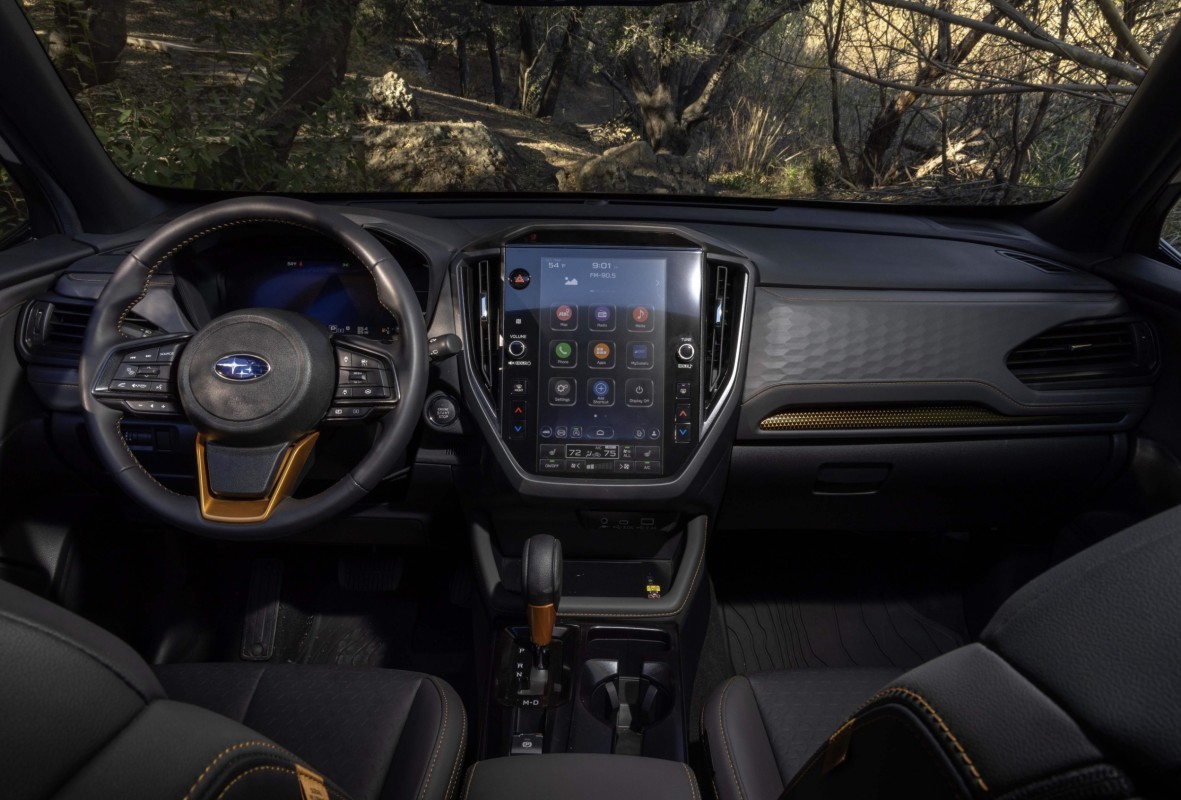
The base model costs $29,995, exactly the same as last year. From there, pricing increases to $33,385 for the Premium, $36,105 for the Sport, $37,695 for the Limited, and $41,595 for the top-spec Touring. The Limited is cheaper than the Wilderness but gets nice features like leather upholstery and a heated, leather-wrapped steering wheel.
Subaru has bolstered the lineup’s safety credentials, as emergency lane-keep assist is now available on all models that have blind-spot detection and rear cross-traffic alert.
Subaru has not released pricing for the Forester Hybrid range just yet, which currently starts at $36,595 for 2025. These models make 194 hp combined and can travel up to 581 miles on a full tank.
via Rivian Recalls Tiny Batch of R1S and R1T EVs Over Sudden Power Loss
Just 23 Vehicles Impacted
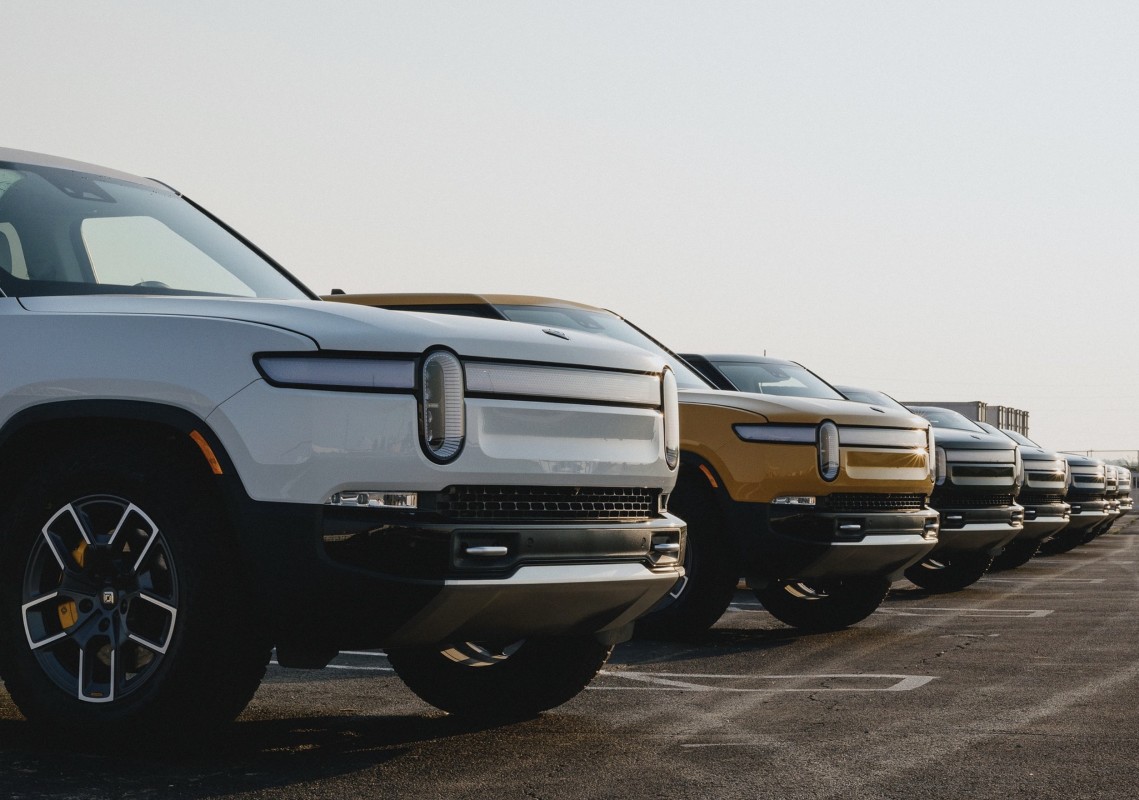
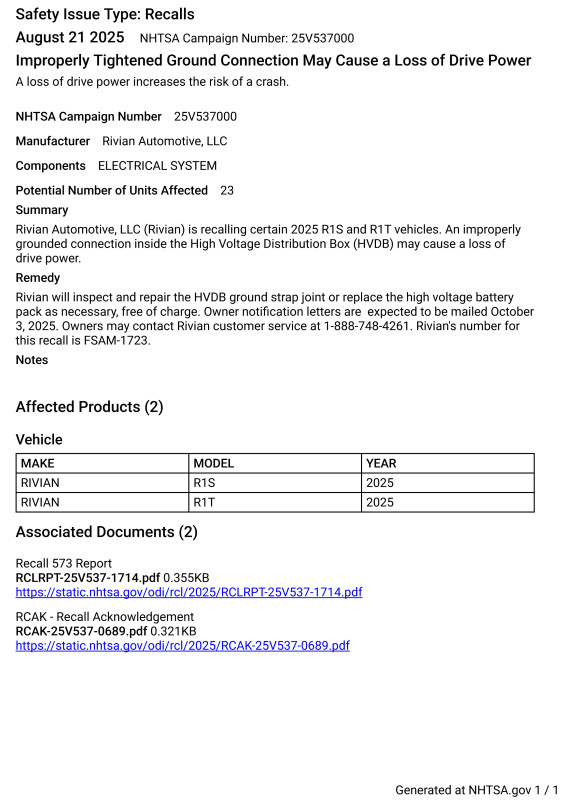
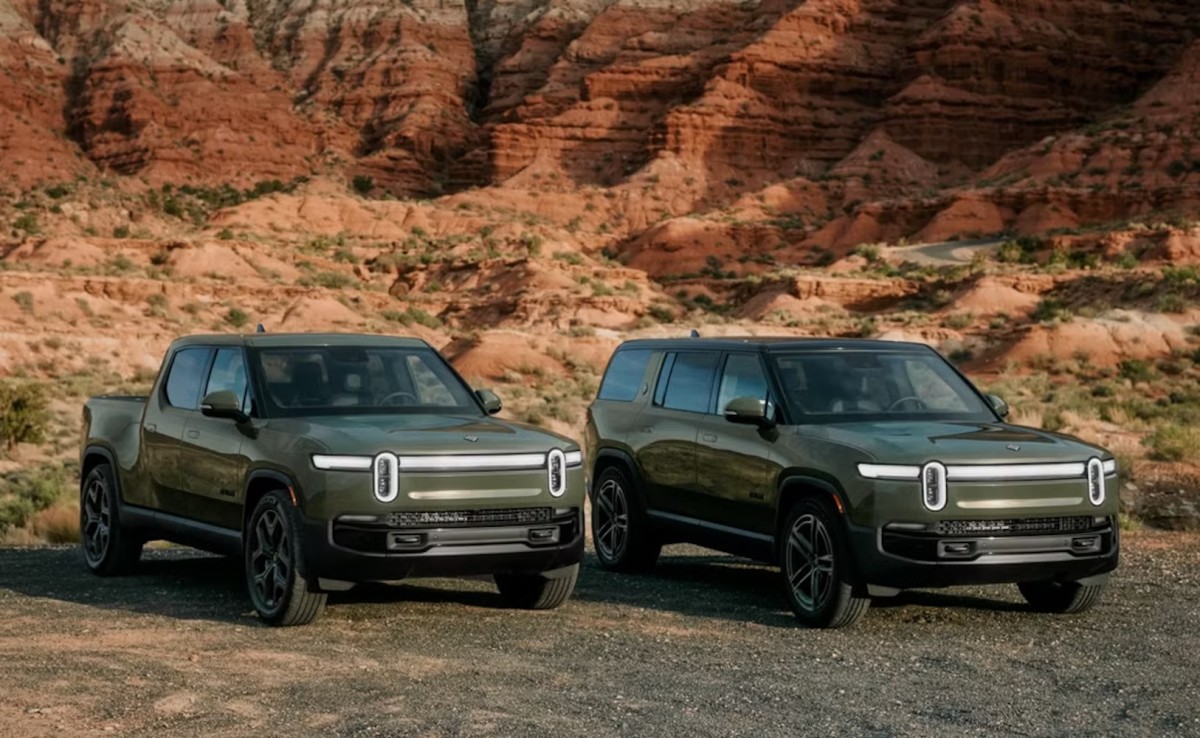
Rivian is recalling just 23 vehicles because of a potential electrical fault that could lead to a sudden loss of power. The affected vehicles—a mix of 2025 Rivian R1S SUVs and 2025 Rivian R1T pickup trucks—may have been assembled with an improperly grounded connection inside their High Voltage Distribution Boxes, Rivian told the National Highway Traffic Safety Administration (NHTSA).
The High Voltage Distribution Box regulates the flow of electricity from the vehicle's battery pack to the motors. If it's not properly grounded, that flow can be diverted, causing vehicles to lose drive power. A sudden loss of propulsion while driving is obviously a bad thing, and being a safety-critical function, it necessitates a recall under federal law.
Potential Manufacturing Error
Rivian
According to the recall documents, Rivian first became aware of the issue in March when a technician inspecting a battery pack that had been replaced under warranty discovered an improperly-grounded High Voltage Distribution Box connection. Rivian examined its manufacturing records and determined that some vehicles assembled between September 25, 2024, and February 19, 2025, could have improperly grounded connectors.
As the small size of the recall population indicates, some vehicles not included in the recall were built during this period with properly-grounded connectors. Even among the recalled vehicles, Rivian estimates that just 25% actually have the defect. And the automaker said it's unaware of any accidents or injuries related to this issue.
The remedy starts with inspection and, if necessary, replacement of the High Voltage Distribution Box ground-strap joint by Rivian service centers. Some vehicles may also need replacement battery packs, but customers won't have to pay for anything in either case. Rivian plans to mail owner notification letters October 3, but in the meantime owners can call the automaker's customer service department at 1-888-748-4261 with any questions. Rivian's reference number for this recall is FSAM-1723.
Rivian considers the 2025 R1S and R1T to be second-generation models because, while they may look mostly the same on the outside, numerous hardware and software changes have improved range and efficiency, while increasing power. Rivian rolled out these updated models with dual-motor and ti-motor powertrains, while an updated quad-motor powertrain delivering 1,025 horsepower and 1,198 pound-feet of torque rejoins the lineup for the 2026 model year.
However, things will get really interesting when the more-affordable $45,000 Rivian R2 arrives next year, followed by the rally-inspired Rivian R3. These new models have the potential to greatly expand Rivian's sales volumes beyond the 40,000 to 46,000 units the company expects to deliver in 2025. In the meantime, though, Rivian is forecasting losses of $1.7 billion to $1.9 billion as it continues development and production ramp-up work for the R2 amid an unfriendly economic climate.
via Why American SUVs Might Soon Be Sold in Europe—And Vice Versa
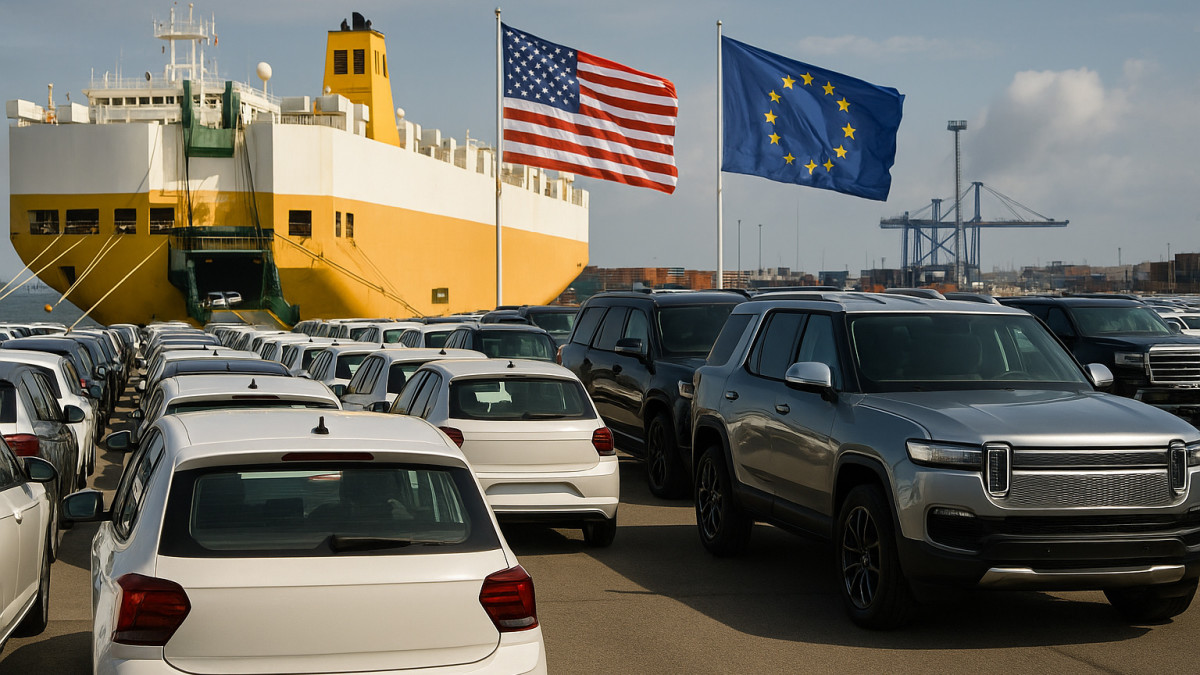
For decades, the Atlantic has been more than just an ocean separating American and European cars. It’s been a wall of different crash rules, emissions standards, and design quirks that force automakers to essentially build two versions of the same vehicle. That could soon change.
Automakers have long lobbied for this kind of deal. Right now, U.S. models often require structural changes for Europe’s stricter pedestrian safety tests or emissions tweaks to hit EU CO₂ limits. Likewise, European models coming stateside often get reshaped bumpers, thicker side beams, or emissions recalibration. Sharing standards could cut millions in compliance costs.
But the worry is that the two sides have fundamentally different philosophies. Europe focuses heavily on climate and pedestrian protection, while the U.S. tends to emphasize occupant safety. Aligning them could end up meaning one side waters down its approach. Critics already warn that large American SUVs could sneak into European showrooms with less stringent emissions oversight.
This becomes even more controversial against the backdrop of the Trump administration’s push to roll back tailpipe emissions rules, which the EPA initially claimed would save billions but now faces scrutiny for potentially driving up fuel costs. Mutual recognition, in that light, could mean weaker standards carried across the Atlantic.
The Environmental Catch
The alignment proposal also lands at a moment when U.S. environmental policy is fragmented. California, for example, is crafting its own rebuttal to federal deregulation, determined to stick with ambitious clean-air goals even if Washington relaxes requirements. Europe, meanwhile, has leaned heavily on reducing CO₂, forcing automakers to invest in electrification whether they like it or not.
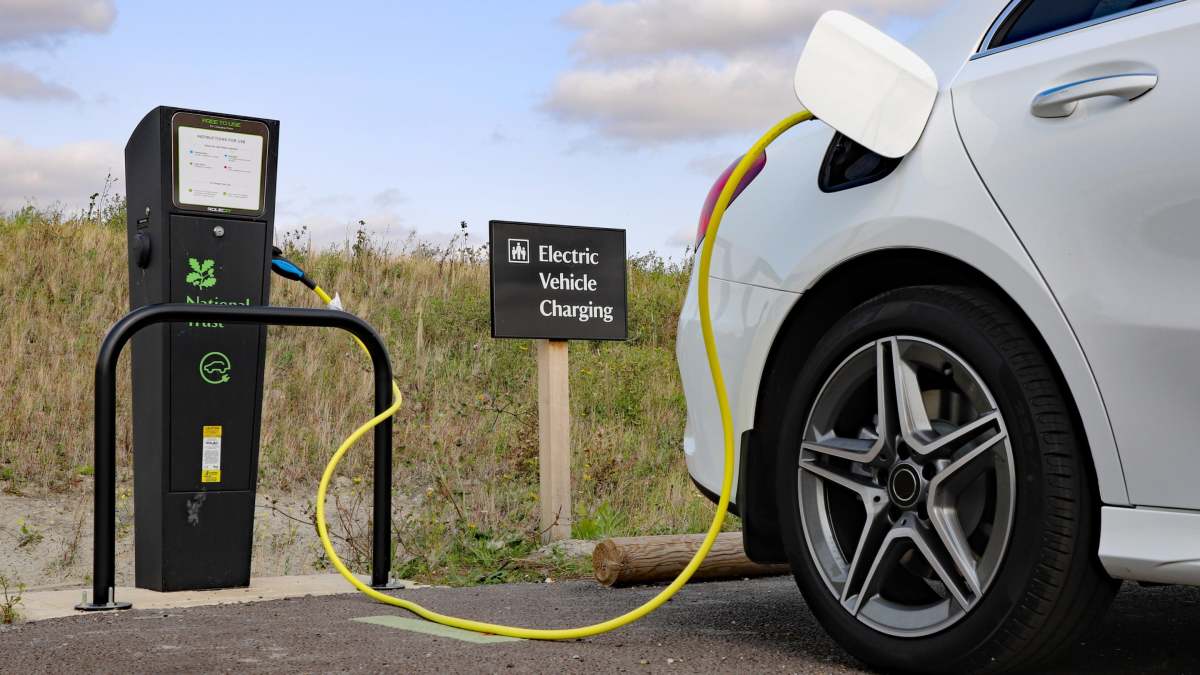
And if the public needed a reminder of why environmental standards matter, a recent UCLA study found some EV chargers actually pollute more than gas stations, thanks to cooling fans stirring up particulates. It was an odd headline, but also a reality check: how rules are written can make the difference between clean intentions and messy outcomes.
The harmonization push isn’t just about safety and emissions, but also about money. The EU wants U.S. tariffs on European cars cut from 27.5% to 15%, while America wants Europe to open its doors wider to U.S. products in return. The automotive clause is effectively leverage. But once written into law, it could reshape what cars look like — and how safe or clean they truly are.
For now, this is trade theory, not binding legislation. But it’s a debate that goes far beyond regulators and lobbyists. The cars on sale in 2030 could be defined not just by engineering, but by how much compromise politicians are willing to make.
My Takeaway
On paper, a shared U.S.–EU standard promises efficiency, lower costs, and more choice for consumers. In practice, it risks diluting protections in the name of convenience. When a 3-ton SUV from Texas can slip through Brussels or a lightweight Euro hatch gets rubber-stamped in Detroit, the question won’t be “is it cheaper?” but “is it better?”
The Atlantic wall is coming down. The real question is whether safety and environmental quality will go with it.
via Tesla Model Y L May Never Come To America—Here Are 3 Alternatives
Three-row EVs at an affordable price point are almost non-existent
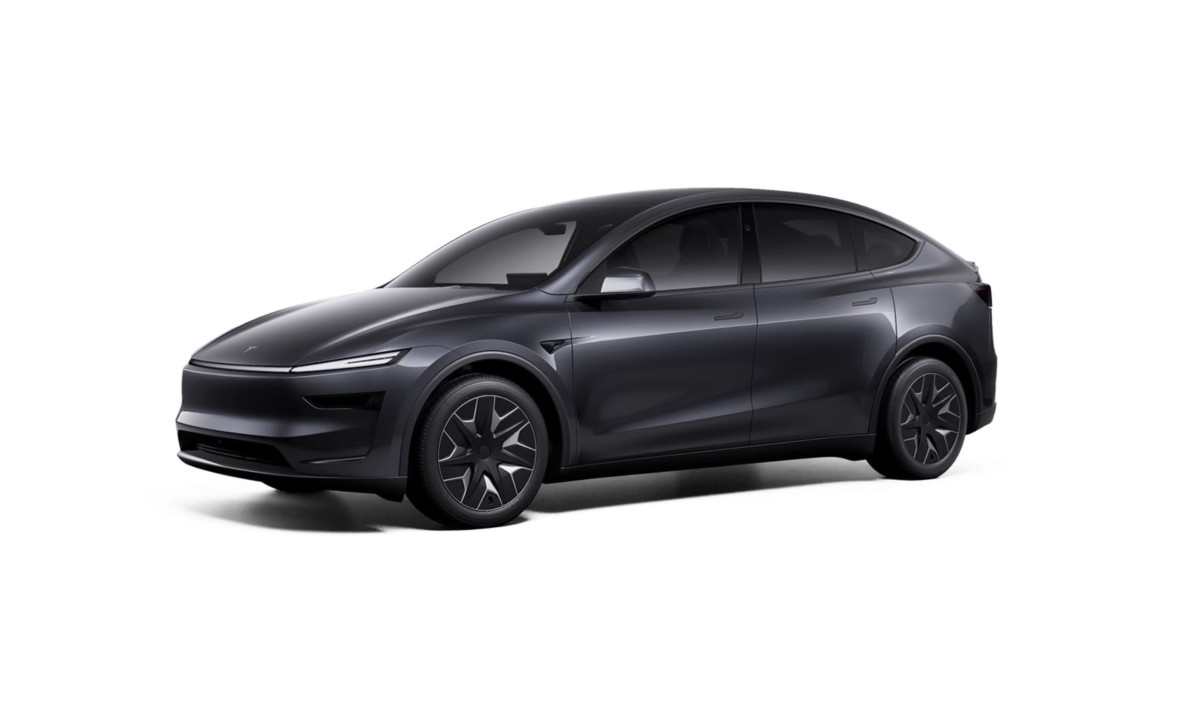
There’s a lot to like about the Tesla Model Y L that just launched in China. More than a stretched version of the standard Model Y, it also has many refinements and luxury-car features for passengers in all three rows. Unfortunately, Elon Musk said this week that the Model Y L may never reach America, bizarrely citing the progression of “self-driving” as the reason, reports Eletrek.
Assuming the Model Y L never reaches our shores, what other options are there if you need a reasonably practical three-row EV without an exorbitant price tag? Well, the choices are exceedingly scarce. Only two vehicles get close to the overall package of the Model Y L, while the other option isn’t even a full EV.
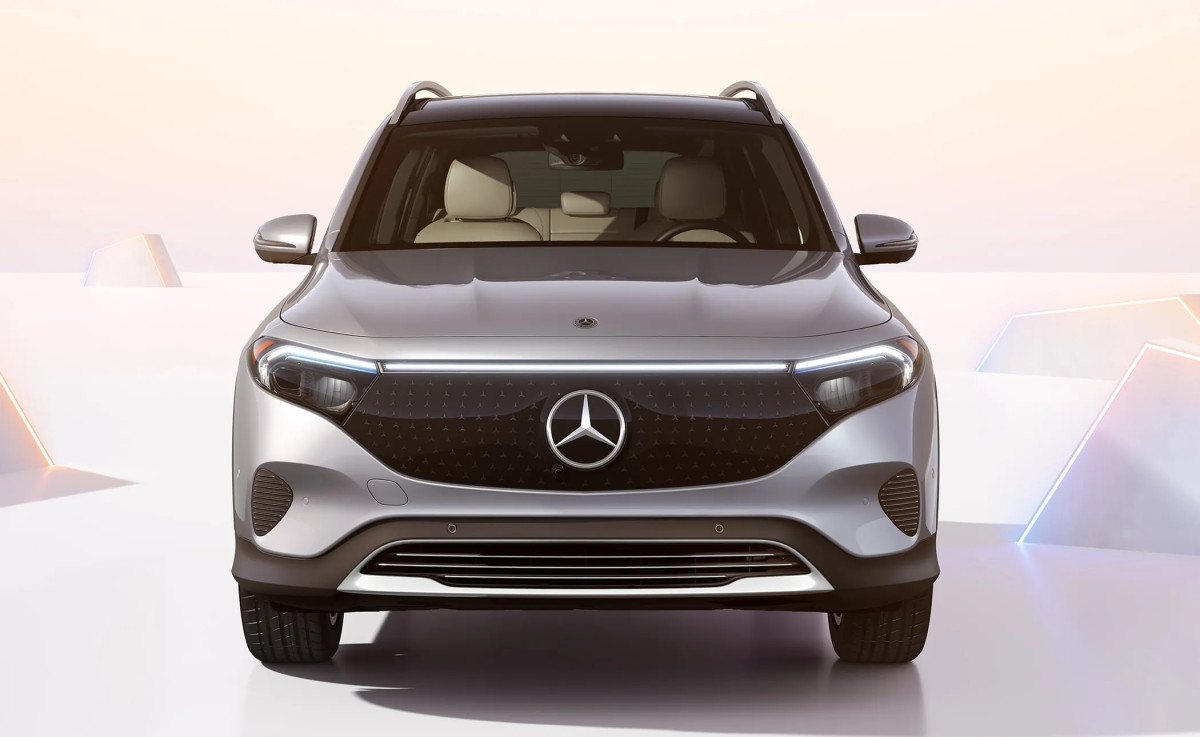
This is the only vehicle in America that’s somewhat close in concept to the Tesla Model Y L. It’s fully electric, combines three seating rows with a relatively compact footprint, and starts at well below $60,000. The Model Y L starts at around $47,000 in China, but it will likely start at $50,000 or so in America if it ever gets here.
The base EQB 250+ starts at $53,050 and has a front-mounted electric motor making 188 horsepower and 284 lb-ft of torque. Its 0-60 mph time is 8.5 seconds, far slower than the Model Y L, and the EQB’s maximum range of 251 miles isn’t at Tesla’s level, either.
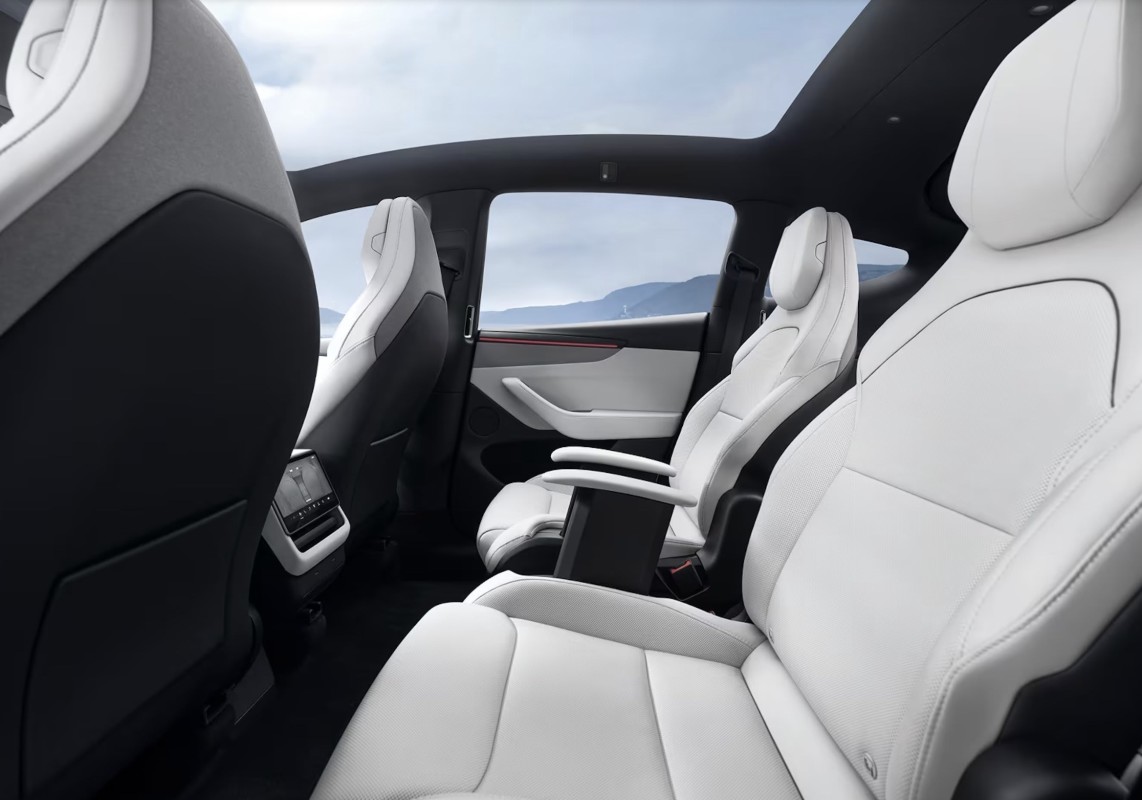
Inside, the EQB can be upgraded from a five-seater to a seven-seater for another $1,250. Legroom in that third row is just 29.1 inches, so it’s not a place an adult would want to spend a lot of time. While it lacks the Model Y L’s powered second-row armrests and heated seats in every row, the EQB does get synthetic leather, power front seats, and dual-zone climate control as standard.
Overall, the EQB shows the practicality and range limitations of trying to build a three-row EV at a lower price, let alone from a luxury brand. It’s a vehicle that’s simply trying to tick too many boxes at the same time.
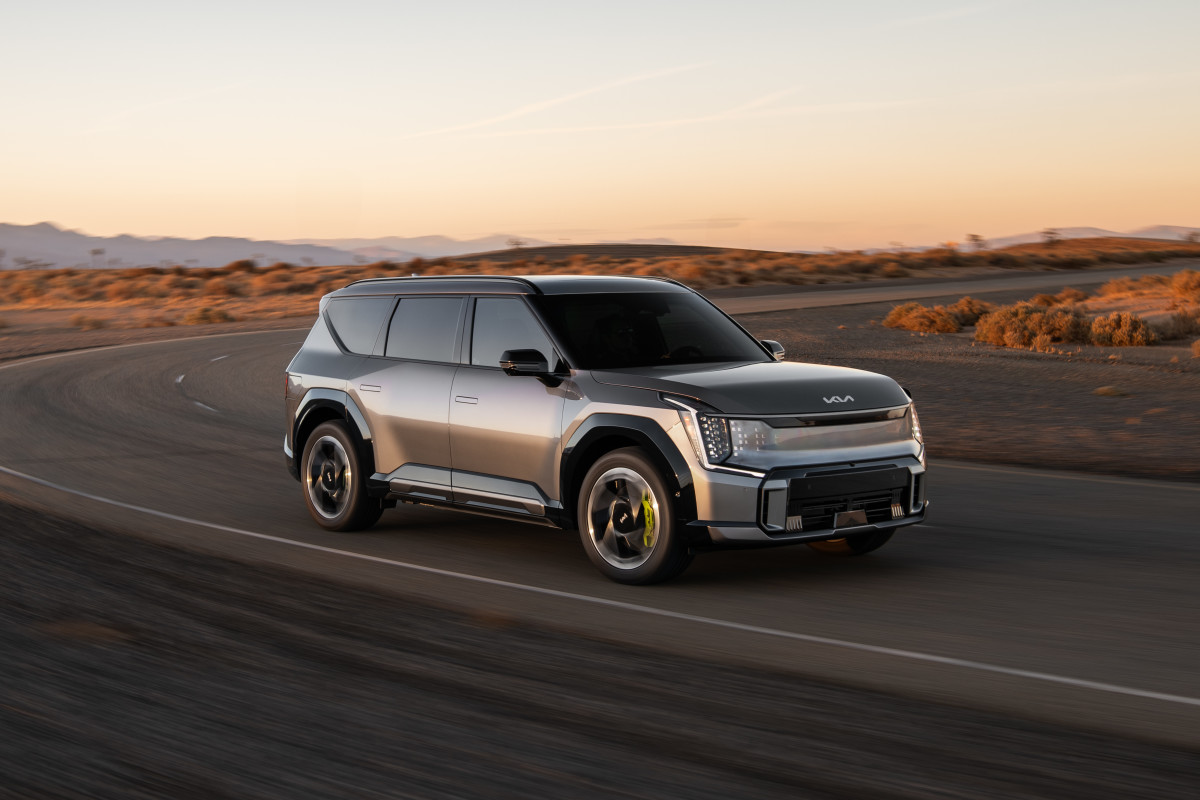
For not much more than the EQB, the base $54,900 Kia EV9 is a big step up from the EQB—quite literally. You simply won’t find another spacious three-row EV at this price point in the United States.
Legroom in the third row is 30.8 inches, or up to 32 inches on trims with second-row captain’s chairs. However, you can seat up to seven people, whereas the Model Y L can only seat six in a 2+2+2 configuration at present.
The base Kia EV9 has a single electric motor and rear-wheel drive. It makes 215 hp and 258 lb-ft, and will get to 60 in 7.7 seconds. That’s quicker than the EQB, but nothing to bother the Tesla. The range on a full charge is 230 miles for the base model, but the Light Long Range RWD gets a more competitive 305 miles—this variant costs $57,900.
Kia isn’t a luxury brand and the lower EV9 trims don’t have as many features as the Model Y L, but the airy and high-tech cabin makes a good first impression. Tri-zone climate control and power front seats with heating/ventilation are standard. The second-row seats can also be heated on upper trims.
This is a solid alternative to the Model Y L, and we’d argue that it looks better, too.
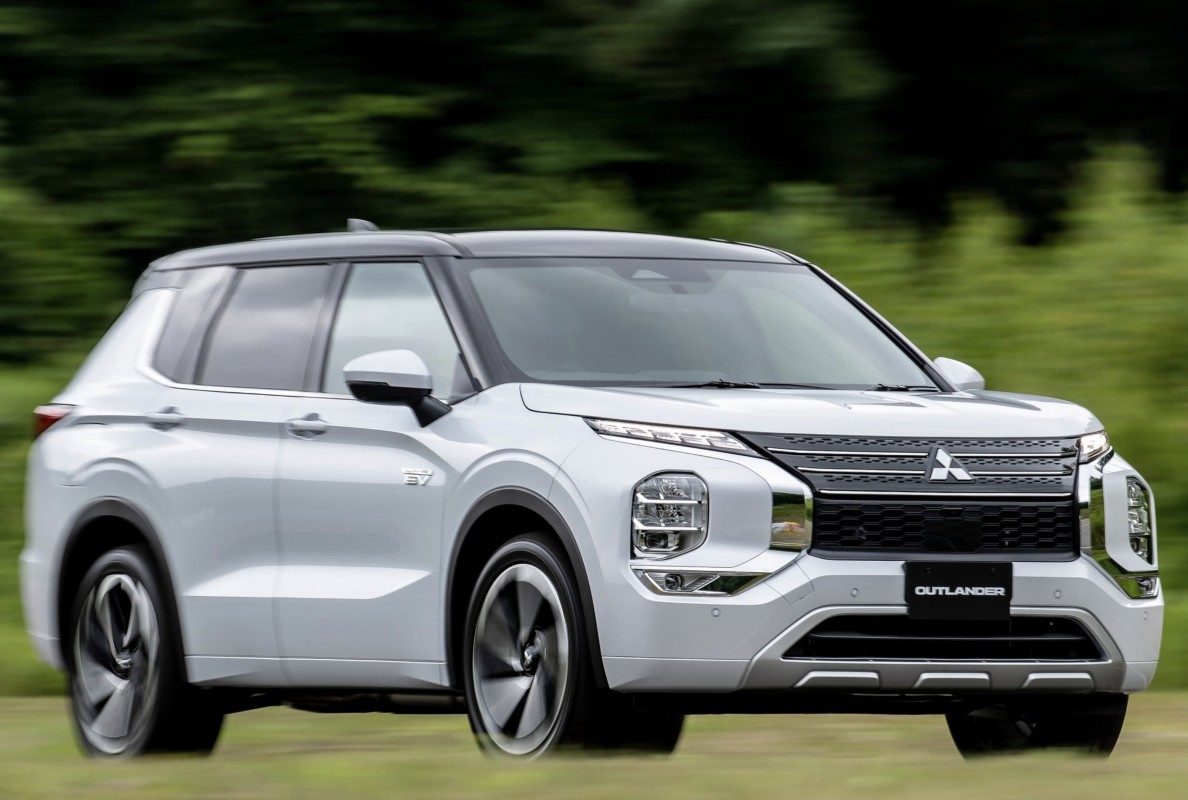
The only other affordable three-row crossover that can run on electric power alone is one of Mitsubishi's best models, but it’s a plug-in hybrid. Combining a 2.4-liter four-cylinder engine and two electric motors, it can be driven for 38 miles on electric power alone, which may be enough to cover your daily commute to the office. It starts at $40,445, so it would definitely be cheaper than the Model Y L, if the Tesla were sold here.
With 248 horsepower combined, the Outlander PHEV is much more responsive than the non-hybrid model, accelerating to 60 in under seven seconds. It’s quicker than the EQB and EV9, but still no match for any Tesla.
Seating for seven is standard, but the third row is hopelessly cramped for adults, and should only be used for emergencies or smaller children. That immediately makes it less practical than the Model Y L, which can actually accommodate adults in its third row.
In driver-assistance tech, performance, and electric range, the Mitsubishi is outclassed by the Tesla, but its inclusion here clearly illustrates the lack of direct rivals in this market for the Model Y L.
Final Thoughts
Besides the Cybertruck, Tesla hasn’t released an all-new vehicle in years, and its overall sales and declining market share indicate that updates to the existing lineup just won’t cut it anymore. The brand needs something fresh and new to attract first-time customers. The Model Y L, while not a completely new vehicle, is different enough to the standard Model Y to at least drum up some excitement.
Its exclusion from the U.S. market is also curious, given our appetite for practical three-row vehicles, something the smaller Model Y three-row never was.
For now, limiting the Model Y L to China looks like a missed opportunity, especially since there are so few genuine rivals for it here.
via Rolls-Royce Threw A Phantom In A Pool Because Keith Moon (Maybe) Did It First
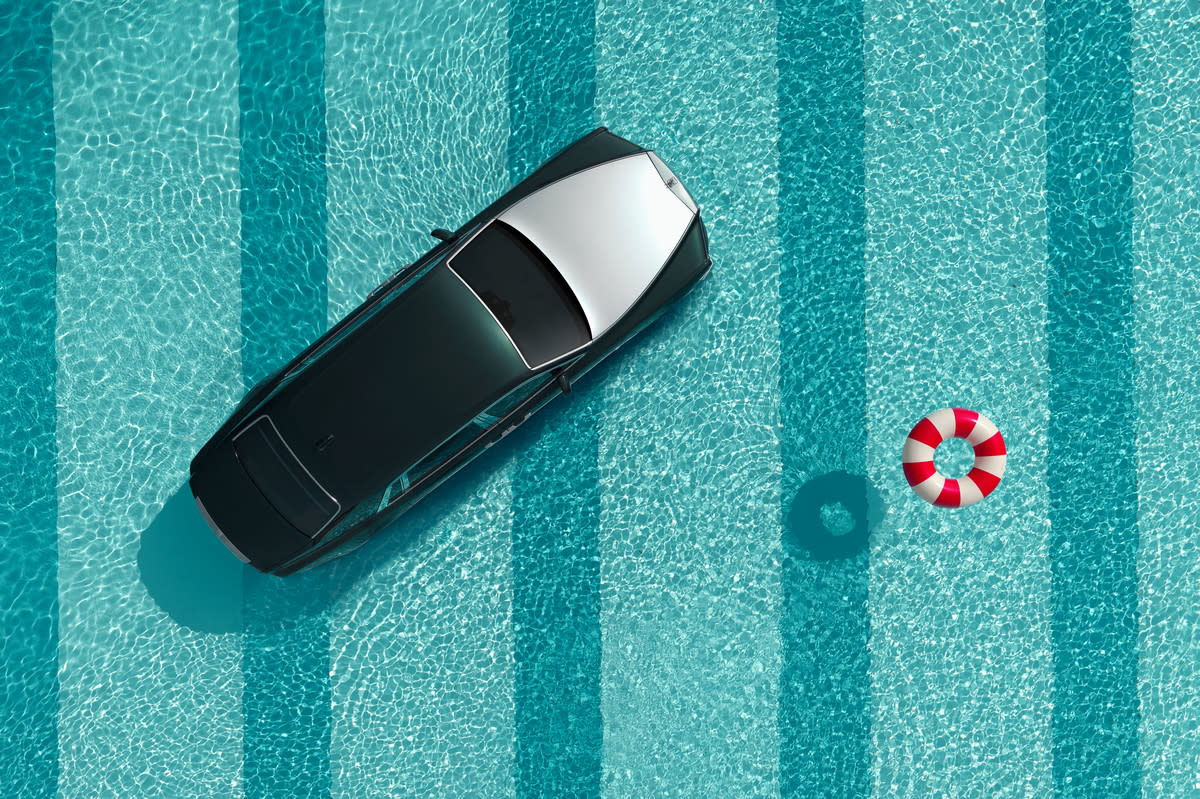
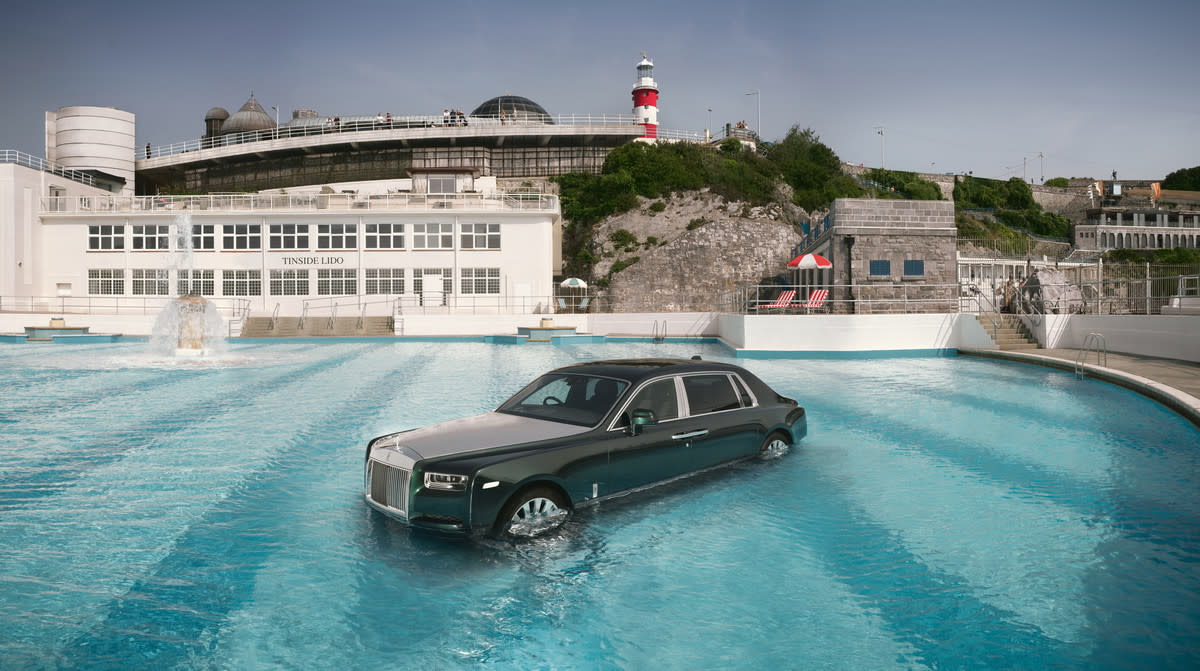
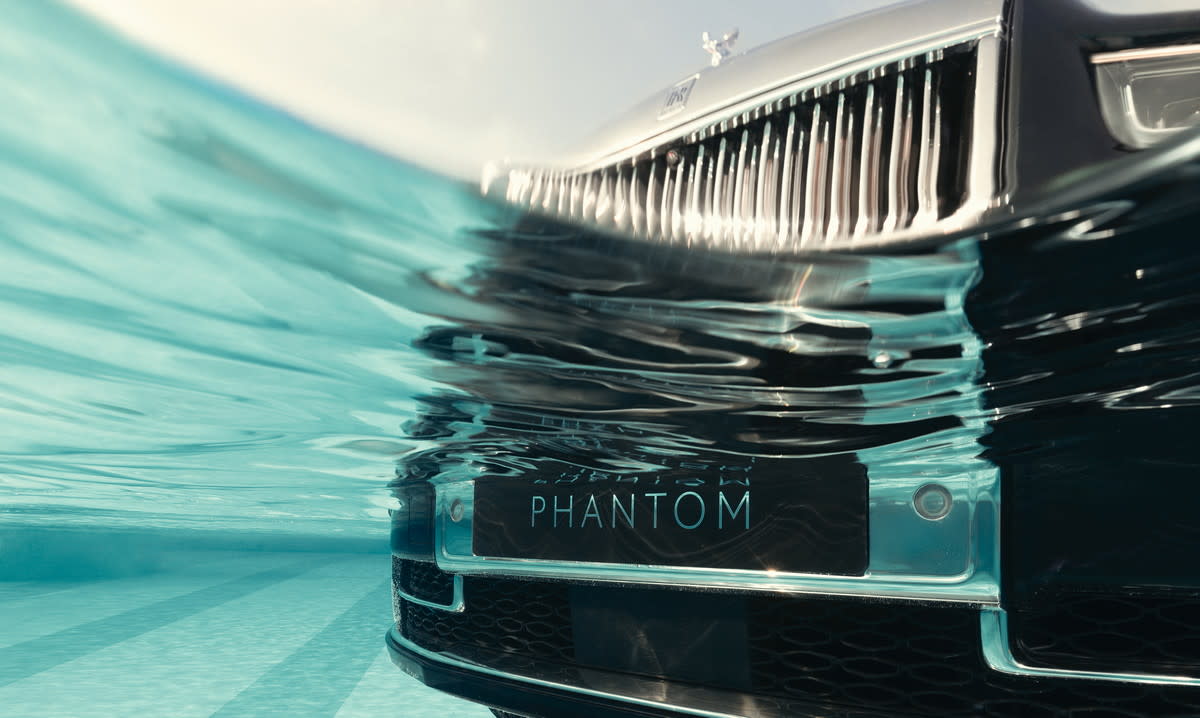
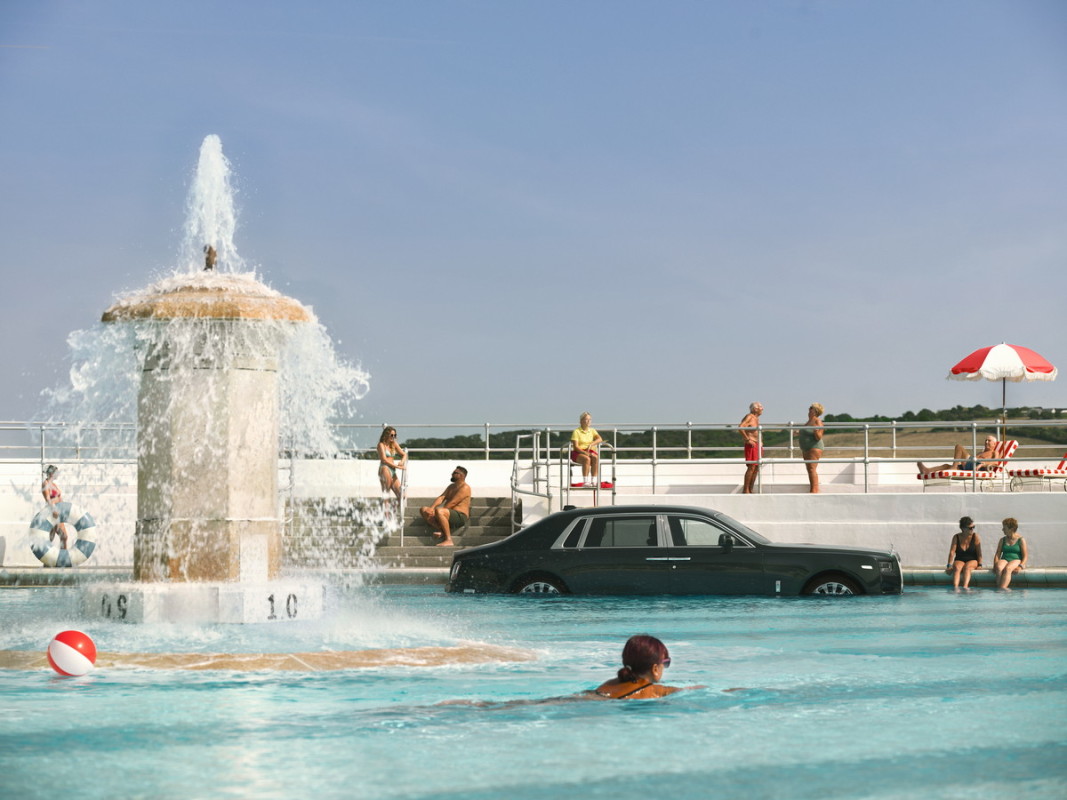
The Rolls-Royce Phantom is now a 100-year-old car. As a century-old piece of engineering and human history, the car has had its share of interesting owners. From 50 Cent to Elton John, a run of famous folks have all owned one. So, for the car's 100th birthday, Rolls-Royce set about recreating one of the more famous bits of lore surrounding the car.
Rolls-Royce
Did Keith Moon Really Dunk A Phantom?
If the photos hadn't given it away, Rolls-Royce did pull it off. More on that in a second. First, it's worth addressing a simple fact that even Rolls acknowledges: no one was ever able to figure out if Moon, drummer for The Who, ever took one for a swim, but the man himself says he never did. Moon owned one, but as the story (very much allegedly) goes, the suddenly amphibious luxury car was a Lincoln Continental. In a '76 interview with Rolling Stone, Moon said his attempt to flee a party-crashing sheriff at a Holiday Inn ended in a a submerged Lincoln.
"I ran out, jumped into the first car I came to, which was a brand new Lincoln Continental. It was parked on a slight hill and when I took the handbrake off, it started to roll and it smashed straight through this pool surround [fence] and the whole Lincoln Continental went into the ‘Oliday Inn swimming pool, with me in it."
Rolls-Royce
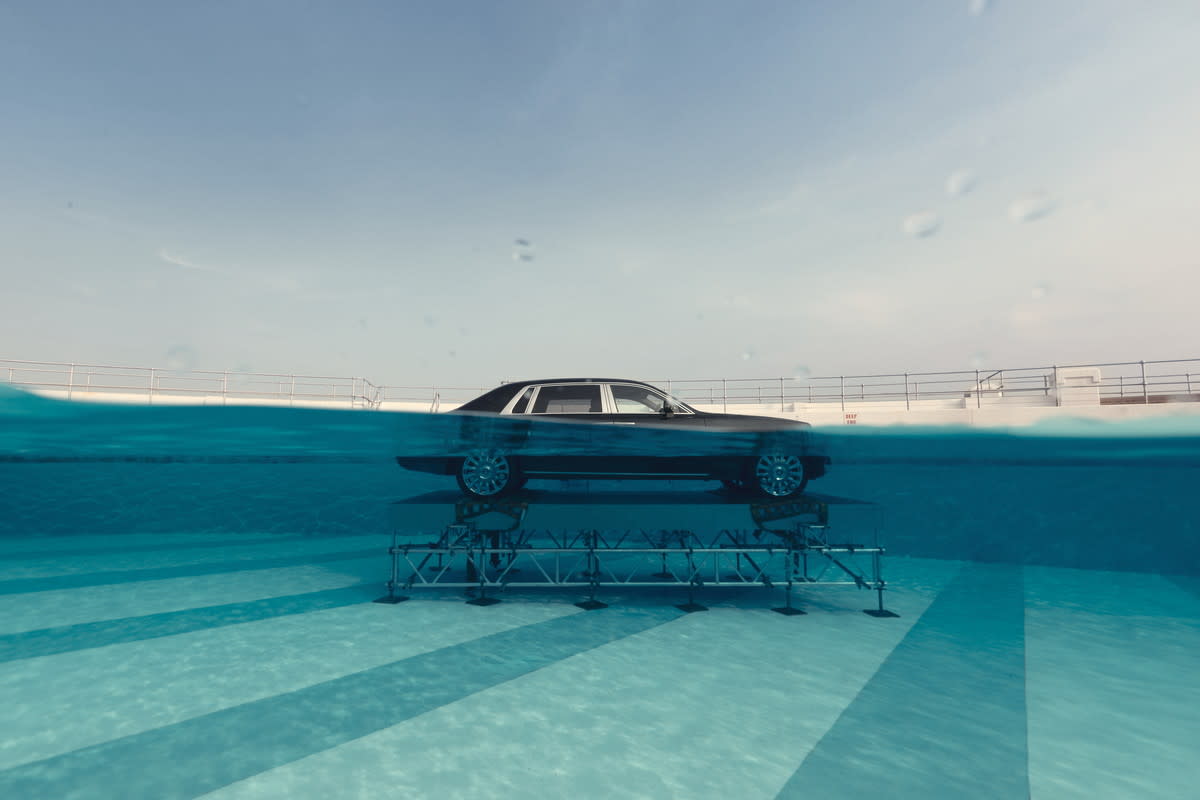
Rolls did it a bit differently, taking the retired body of a prototype destined for recycling and gently placing it on stilts in the pool of the Tinside Lido in Plymouth, England for some photos.
It all feels a little like Alex Krokus' "Life of a Meme" comic. Keith Moon allegedly did the whole pool thing first, and even if he did, it was probably a Lincoln, and no one ever corroborated the story. The whole bit was only just a little funny when Top Gear did it, and even that was so long ago it's now found on a YouTube channel called Top Gear Classic.
The multi-billion-dollar company? Kind of beating a dead horse that's already been dug up, beaten, and buried a few times over. Rolls could have sacrificed a real Phantom to whatever Poseidon of the Pool there may be and really, truly sunk the thing. Sticking it on stilts for a photo op just doesn't feel very sincere, or very "Rock n' Roll."
via Porsche 911 GTS T-Hybrid: 'Silicon Turbo' Battery Explained
For fast cars and daily drivers
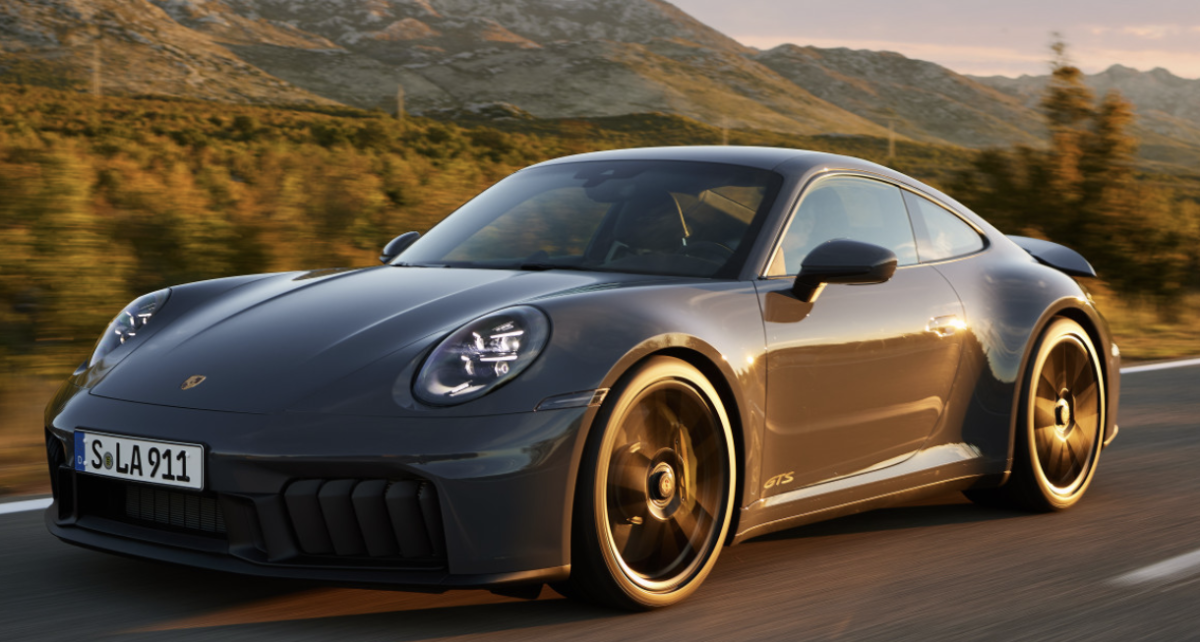
The Porsche 911 GTS T-Hybrid runs two kinds of power: gasoline for the long haul, electrons for the instant hit. A compact 400-volt, 1.9-kWh high-voltage battery up front feeds an electric exhaust turbocharger and a gearbox-mounted e-motor, giving near-instant boost that keeps coming. Porsche’s U.S. brief confirms the layout, the 0–60 mph in 2.9 seconds, and the $164,900 starting price for the GTS coupe.
Core Performance & Drivability—Plain English
Power is the punch; energy is how long the punch lasts. The GTS’s front pack works like a torque reservoir: it tops up fast, so the e-turbo and the 40-kW gearbox motor stay ready between corners and shifts. The e-turbo also generates up to 11 kW when driven by exhaust flow, sending that energy back to the battery, which is why the car feels alert lap after lap.
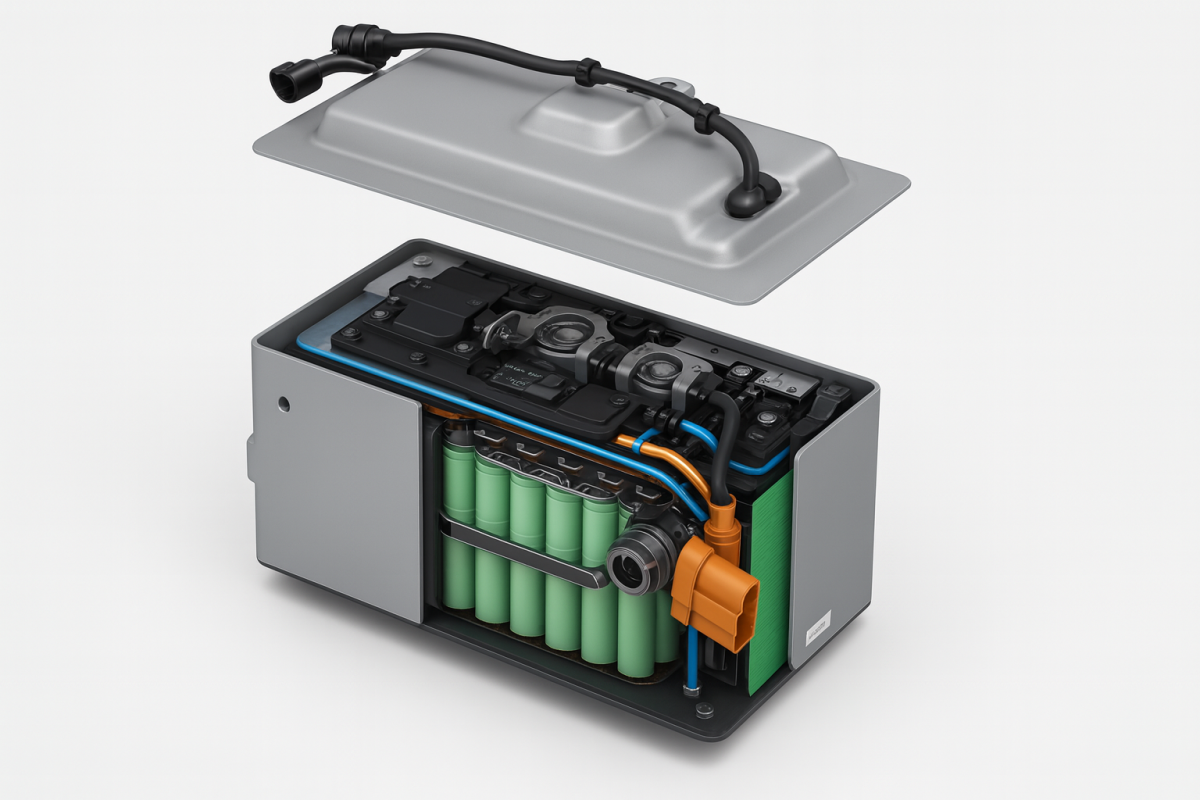
The cell tech is the quiet hero. Porsche’s battery arm V4Smart builds tabless cylindrical cells with silicon-carbon anodes (SCC55)from Group14. Its Generation 2 spec shows a power-optimised 21700 variant and a balanced high-energy/power 21700 variant aimed at rapid top-ups and cooler running. Independent coverage cites Batemo verification on like-for-like chemistry in 18650: ~277 Wh/kg energy density and 2.73 kW/kg power density—battery stamina with supercap-style shove.
Figure1: Front-mounted 400-V V4Smart booster pack from the 911 GTS T-Hybrid—water-cooled, tabless 21700 cells with silicon-carbon anodes that feed the e-turbo and 40-kW gearbox motor for repeatable, heat-resistant shove.
Real-World Usability
The high-voltage battery lives under the front bonnet and is about the size and weight of a 12-V AGM battery (approx. 27 kg), which helps weight distribution and keeps luggage space usable. The GTS also adds a 12.6-inch curved digital cluster and deeper Apple CarPlay® integration via the My Porsche app, with rear-axle steering standard and PDCC tied into the high-voltage system for quicker responses (Porsche product highlights).
For efficiency expectations, the US EPA label for the 2025 911 GTS T-Hybrid has not been posted on fueleconomy.gov. The EPA rates a 911 Carrera GTS at 19 mpg combined (17 city / 23 highway) So real-world efficiency should track close to the outgoing car pending the official sticker.
Context vs rivals: A Corvette E-Ray uses a similar-size pack for e-AWD traction and stealth running, while a Ferrari 296 GTB carries a larger PHEV battery for meaningful EV range. Porsche goes lean: a small, fast-charging booster pack that focuses on repeatable power rather than electric cruising.
My Verdict: Enthusiast-Grade Tech That Scales
The “silicon turbo” idea is simple and scalable: a compact, cool-running battery that behaves like a reliable torque bottle. Tabless construction trims resistance; silicon-rich anodes raise usable energy; the result is sharper response and fewer heat-fade moments. Porsche now controls the supply: after acquiring Varta’s V4Drive unit and renaming it V4Smart, the company states these booster cells are already in series production for the 911 GTS. Expect the concept to migrate: livelier performance hybrids now, smarter mainstream EVs next, and e-aviation where short take-off bursts matter more than lugging a giant battery through cruise.
via Jeep Cherokee Comeback Puts Hybrid Rivals on Notice
A Familiar Name with a New Playbook
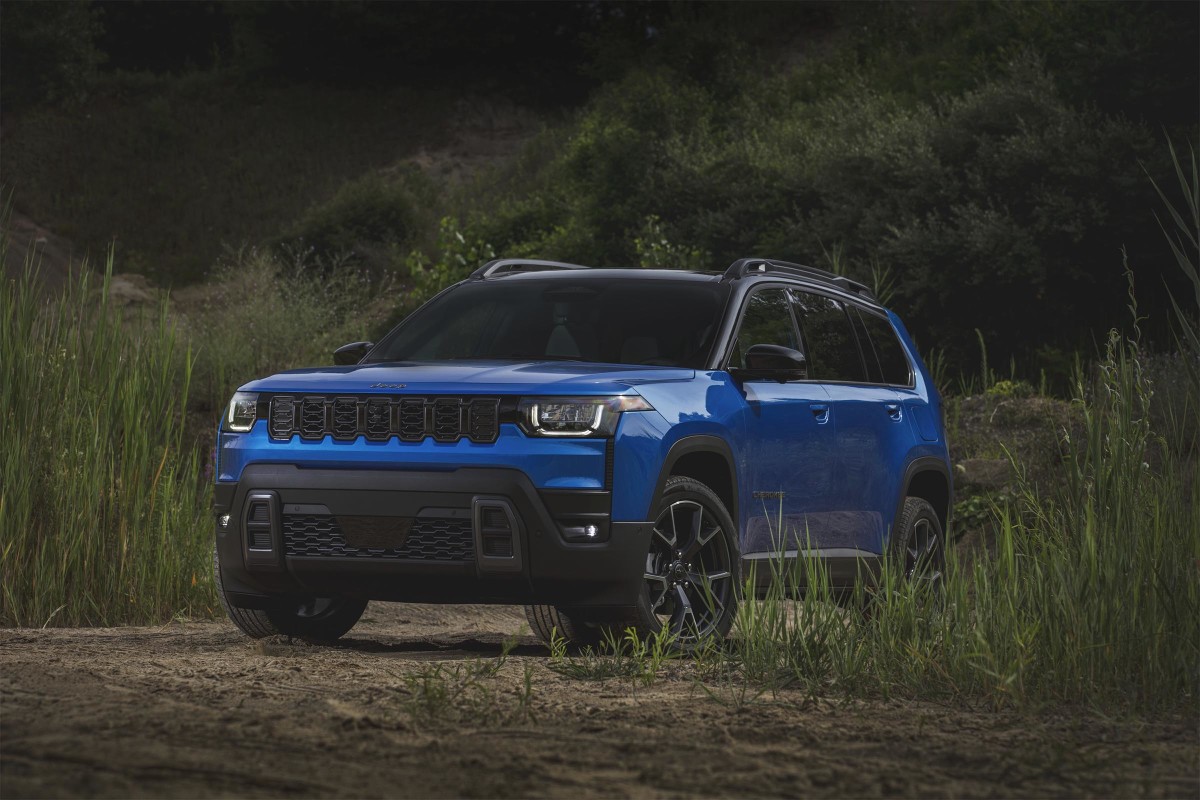
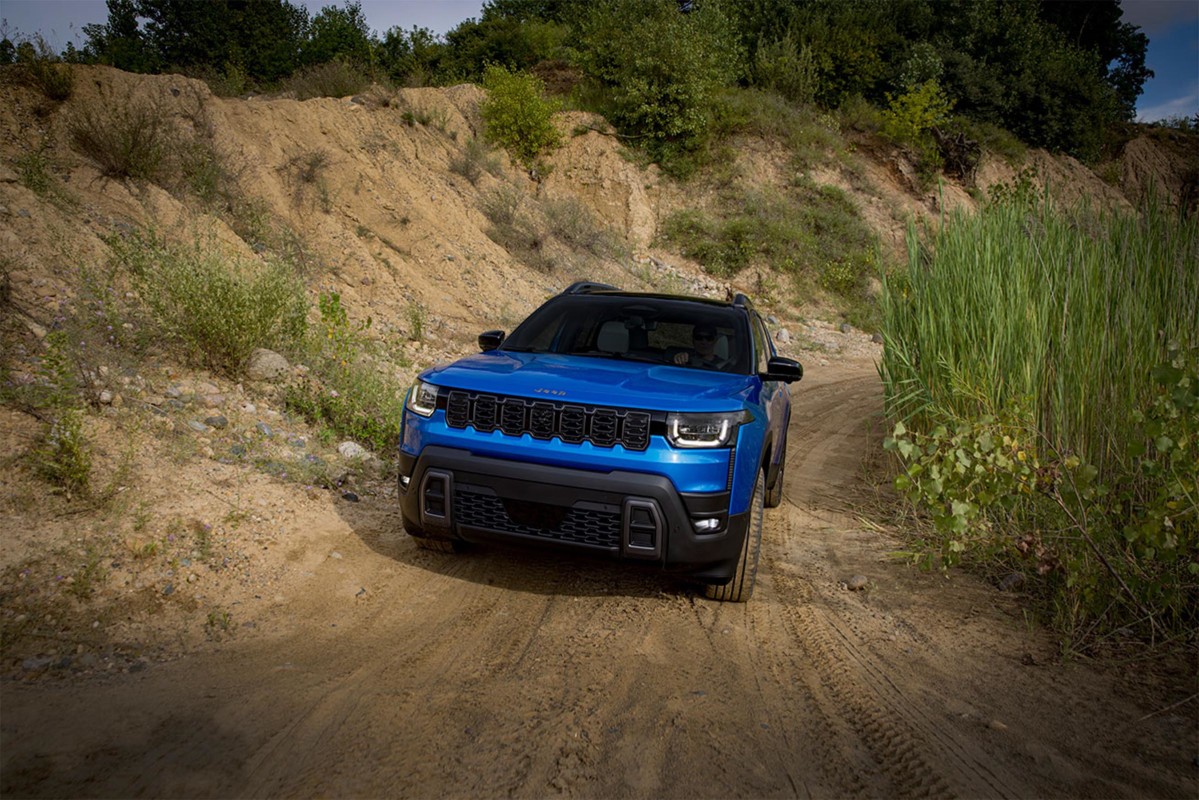
The Jeep Cherokee is back for 2026, but this time with an updated playbook. After leaving Jeep's lineup in 2023, the midsize SUV has returned purely as a hybrid model. This electrified strategy puts two of the most dominant players in the US compact SUV segment in the Cherokee's crosshairs: the Honda CR-V Hybrid and Toyota RAV4 Hybrid.
Both Japanese models have built a reputation for efficiency, practicality, and strong resale value, and the Cherokee will have to stand toe-to-toe with them to win back buyers.
The Cherokee’s new strategy is to blend efficiency with Jeep’s trademark off-road credibility. While the CR-V and RAV4 are widely seen as family-friendly and dependable, they are not as associated with adventure. Jeep is leaning on that distinction, but price remains an essential factor in this highly competitive space.
Honda and Toyota continue to make their hybrids accessible, even with destination fees included. The Cherokee, on the other hand, starts a little higher and stretches further at the top end, which makes for an interesting price spread.
Jeep Cherokee
Honda CR-V Hybrid
Toyota RAV4 Hybrid
Base – $36,995
Sport – $37,080
LE – $34,050
Laredo – $39,995
Sport-L – $40,175
XLE – $35,560
Limited – $42,495
TrailSport – $40,250
SE – $36,745
Overland – $45,995
Sport Touring – $43,700
Woodland Edition – $37,270
XLE Premium – $38,450
XSE – $39,710
Limited – $42,355
The numbers show that Toyota undercuts Jeep across most trims, while Honda prices closely mirror Jeep, especially in the middle of the range. However, with the next-generation 2026 RAV4 – also an all-hybrid lineup – set to debut, Toyota’s pricing is expected to rise, narrowing the gap, though the RAV4's current status as the best-selling nameplate in the world certainly helps its case.
That said, the return of the Cherokee provides an interesting alternative for buyers, especially for those who are willing to shop around and not stick with what’s popular.
The 2026 Cherokee introduces a 1.6-liter turbo-four hybrid engine producing 210 horsepower and 230 lb-ft of torque, paired with standard four-wheel drive and Selec-Terrain modes. Efficiency is a clear focus, with an estimated 37 mpg combined and more than 500 miles of range per tank, while production in Michigan highlights Stellantis’ North American push for hybrid technology.
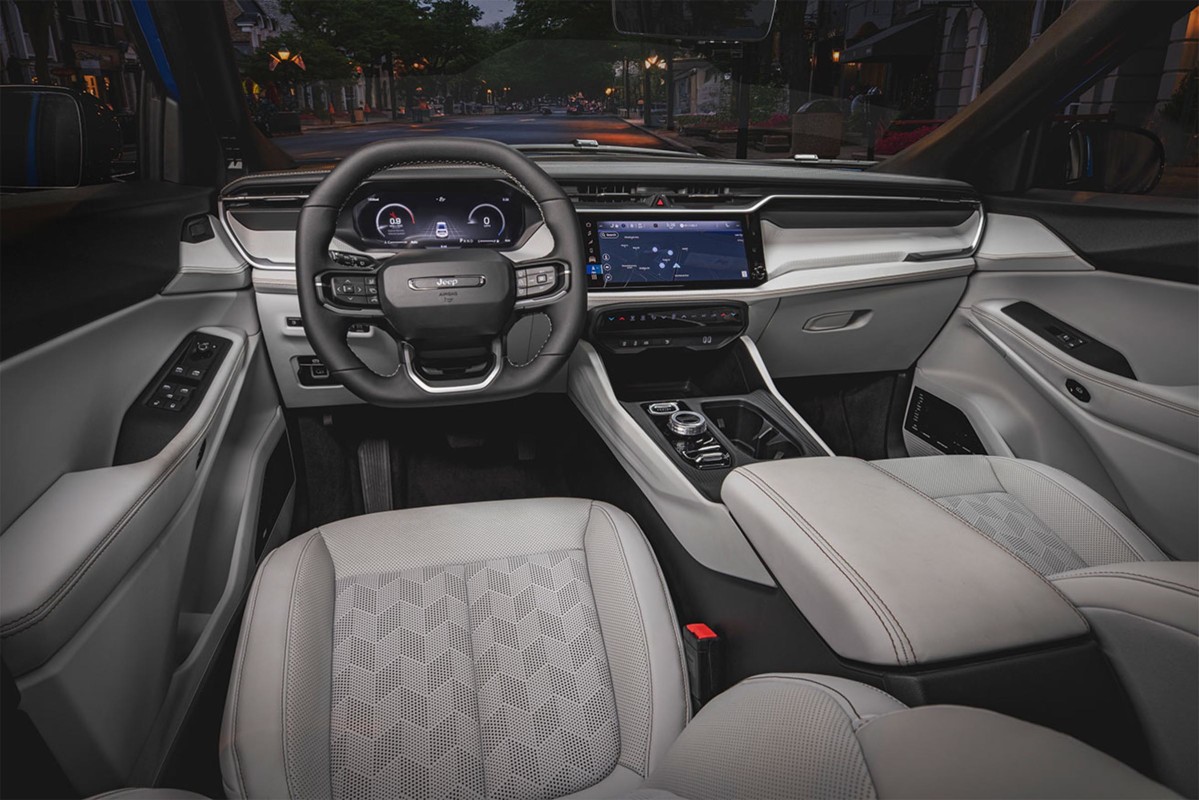
Jeep has also improved the Cherokee’s practicality with a 30 percent increase in cargo space, a rotary gear selector, and upgraded technology, including a 12.3-inch touchscreen with Uconnect 5, wireless smartphone integration, and a digital gauge cluster.
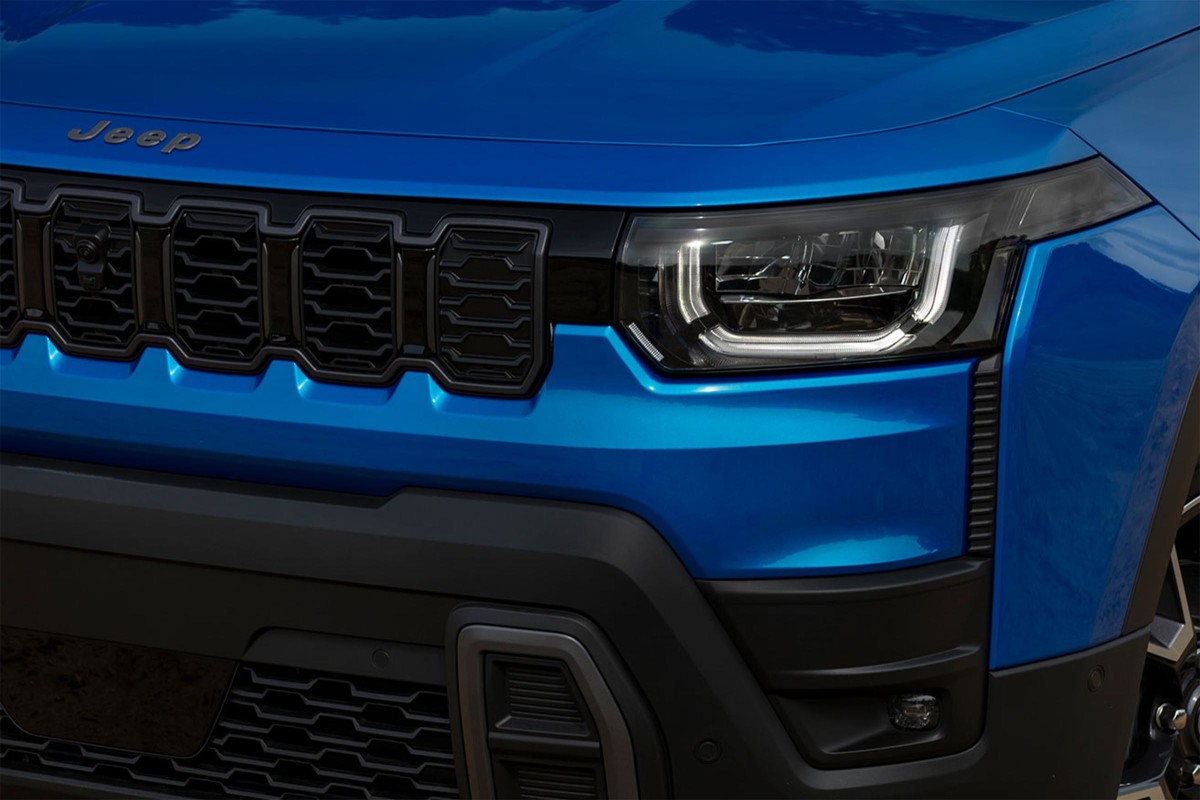
Design-wise, the Cherokee borrows cues from past generations, featuring an upright stance, squared LED headlights, and jerrican-inspired taillights. Safety has also been expanded with over 140 available features, such as Active Driving Assist and automatic emergency braking.
via Rivian Update Makes Infotainment Smooth At Last, But Bigger Battles Remain
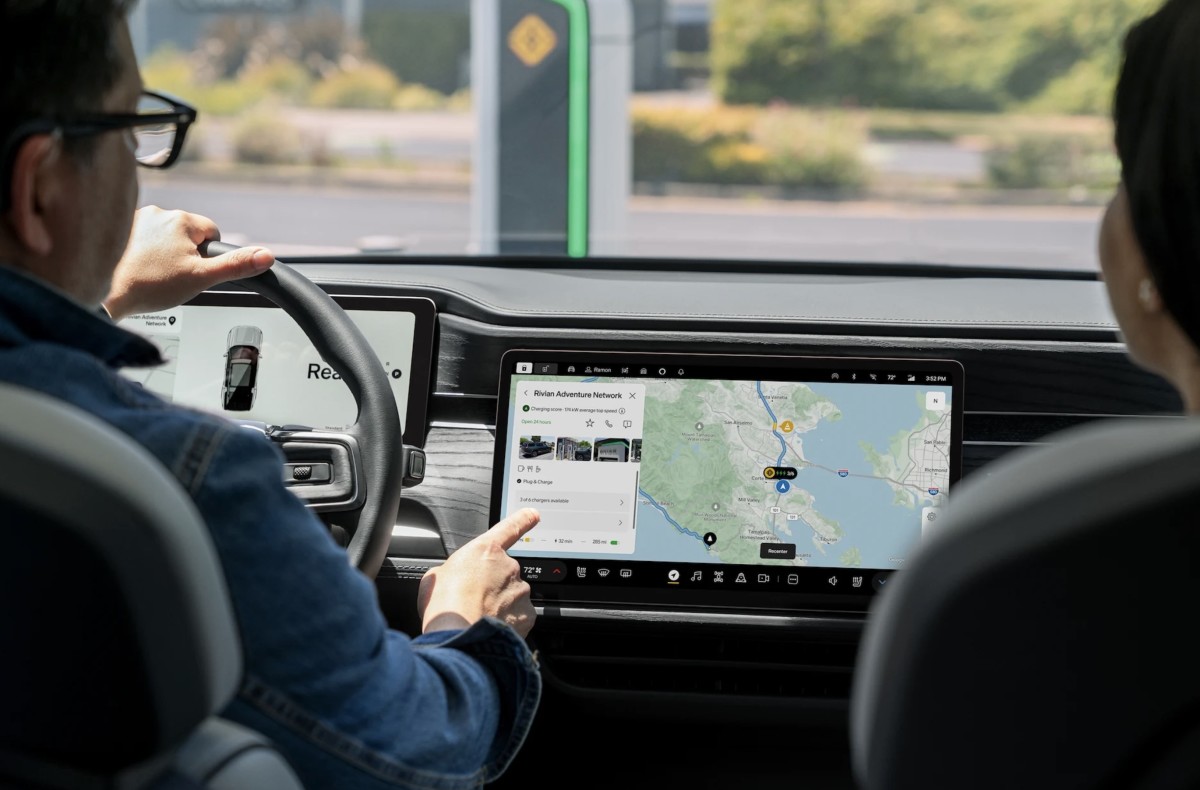
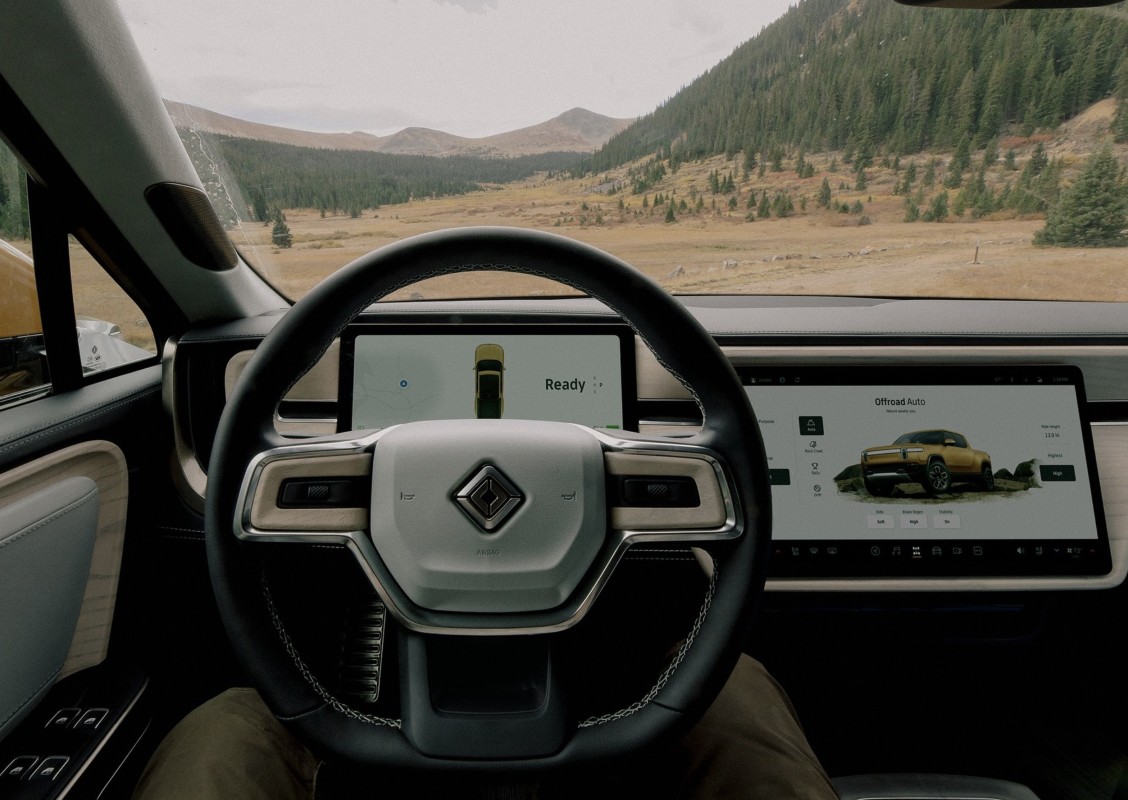
For years, Rivian owners have tolerated infotainment systems that looked slick but responded with the urgency of a hungover teenager. That’s changed with software build 2025.26, which is rolling out now. Owners report that every swipe, tap, and pinch is “buttery-smooth,” eliminating the lag that has long been a sore spot in an otherwise futuristic cabin.
Rivian
A Touchscreen That Finally Keeps Up
Videos from early adopters show what Rivian calls “performance optimizations,” but to drivers it just means the screen finally behaves like a high-end tablet. Menus load instantly, maps pan without stutter, and pinch-to-zoom doesn’t freeze halfway through. For a brand that prides itself on forward-thinking design, this is the kind of invisible upgrade that matters more than flashy new features.
It’s also a clever way to reassure customers that Rivian is still capable of delivering polish. After all, the company just posted a $1.1 billion quarterly loss while still betting big on volume growth. Fixing day-to-day frustrations is the sort of move that keeps existing owners happy while Rivian fights for profitability.
Rivian
More Than Just Pretty Animations
The update isn’t only about UI speed. Driver-assist perception has been sharpened for better visibility in poor weather, while Sport and Off-Road drive modes have been recalibrated for more consistent steering feel. Owners also spotted a hidden reboot option in the settings, meaning you can now restart the system without power-cycling the whole car.
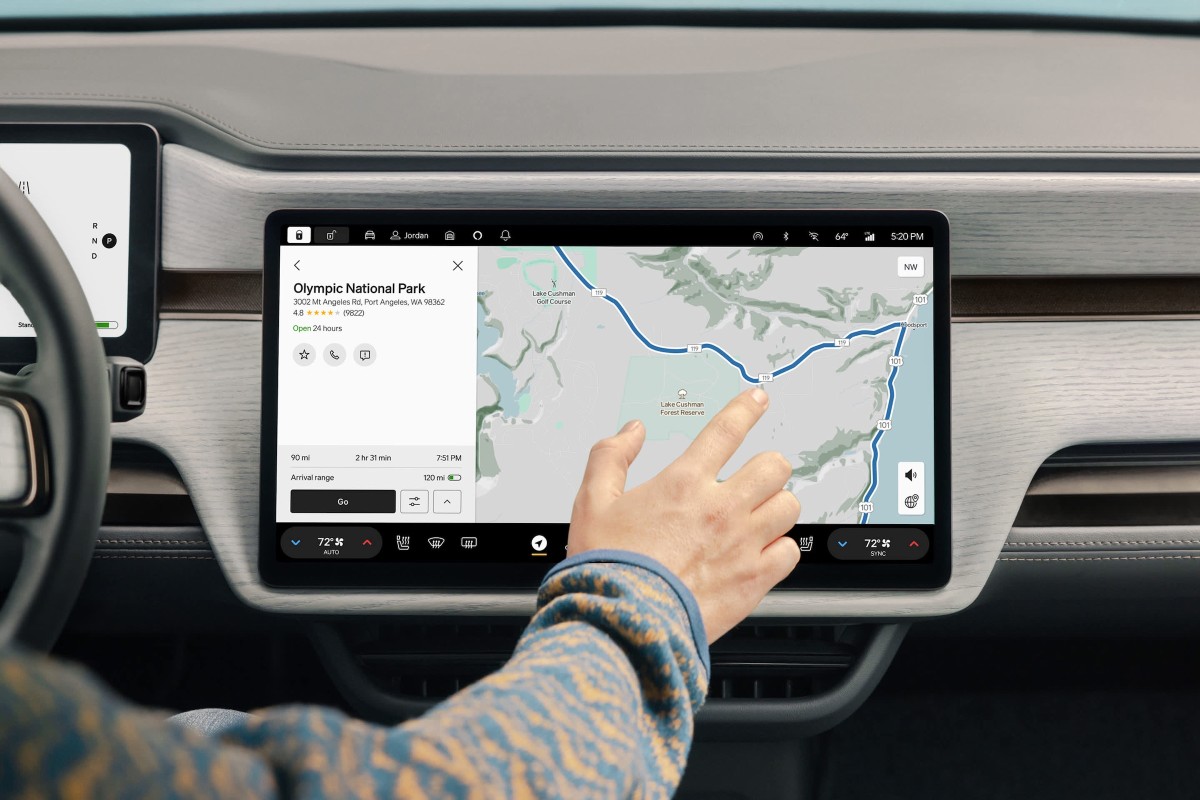
Still, the headline is the touchscreen. Rivian knows its refusal to add Apple CarPlay or Android Auto continues to irritate some buyers, with aftermarket workarounds springing up to fill the void. If Rivian insists on going its own way with native software, it has to make sure that experience is as fluid as the tech it’s trying to replace.
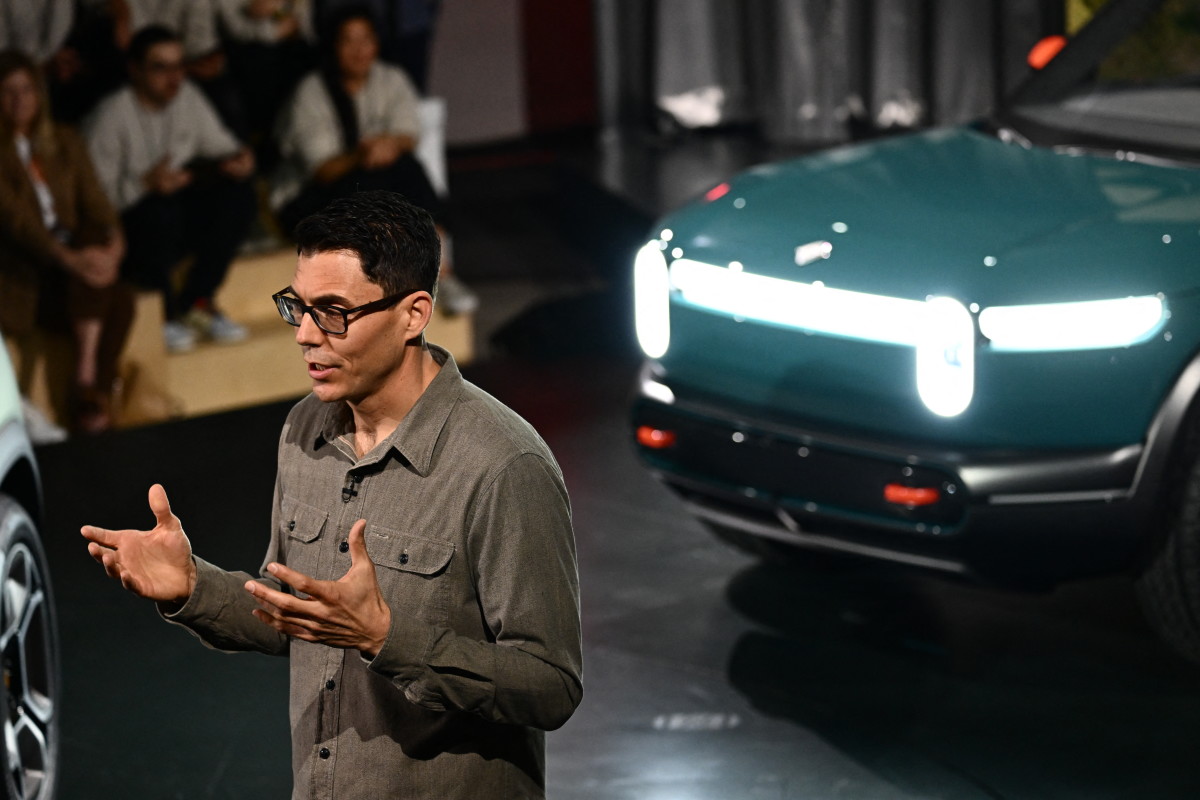
Software defines the EV experience more than horsepower or charging times, and Rivian knows it. The brand is already hinting at more affordable EVs in the pipeline, with CEO RJ Scaringe even joking about it on comedian Daniel Tosh’s podcast. But Rivian won’t win over mainstream buyers if its core software feels half-baked.
With this update, the brand has shown it can nail the basics — and that’s essential if it wants to move beyond early adopters and into garages where CarPlay is seen as non-negotiable.
The Takeaway
Rivian’s latest software patch may not look like a big deal on paper, but in practice it’s a turning point. For the first time, the infotainment system feels as good as the glossy press shots suggested back in 2021. In a market where perception and usability carry as much weight as raw specs, that smoothness might be worth more than any new feature Rivian could have added.
via Three-Quarters of EV Drivers Report Less Stress, But 39% of Brits Still Find Driving Stressful
A new study commissioned by DS Automobiles has revealed that three-quarters of electric vehicle drivers find their cars less stressful to operate than gasoline or diesel equivalents. Yet despite the calming benefits of EV ownership, nearly 39% of British motorists still cite driving as one of the biggest sources of daily anxiety. It’s an odd paradox: the technology makes the experience smoother, but the reality of congested, chaotic roads ensures the stress remains.
Electric cars may be marketed on zero-emissions bragging rights, but owners increasingly value them for something more personal: peace of mind. Silent cabins, smooth torque delivery, and fewer mechanical vibrations all help create a calmer environment. In fact, it’s this very driving experience that has helped EVs rival—and in some cases surpass—traditional gasoline cars, a factor that contributed to the record-breaking 9.1 million global EV sales in the first half of 2025.
For drivers making the switch, that sense of serenity can be as persuasive as fuel savings or tax incentives. Yet the DS survey shows that serenity has limits. Even with a quieter car, drivers are still surrounded by the unpredictability of everyone else on the road—and that’s where stress creeps back in.
The Road Is the Problem, Not the Powertrain
While 75% of EV drivers said they felt calmer, the survey highlighted the factors that make journeys stressful regardless of what’s under the bonnet. Tailgating (58%), poor lane discipline (53%), and traffic congestion (44%) topped the list of complaints. In other words, the car may be stress-free, but the people around it are not.
This isn’t unique to Britain. Across the Atlantic, cities such as Baltimore and Detroit are considered among the most dangerous places to drive in America, where on average motorists will experience a crash once every three years. EVs may reduce cabin stress, but they can’t reprogram human behavior—or clear a clogged motorway.
Kia
Safety, Comfort, and the EV Advantage
When asked what would help reduce stress further, UK drivers overwhelmingly pointed to better in-car comfort and smarter features: supportive seats, high-quality suspension setups, accurate navigation, and reliable in-car entertainment. These expectations align with the strengths of many EVs, which are often equipped with advanced driver-assistance systems, regenerative braking that reduces fatigue, and quieter ride quality.
Countries with stricter safety standards provide another clue to the equation. Canada, for instance, has seen steady declines in road fatalities thanks to stronger traffic laws and enforcement, while U.S. traffic deaths continue to rise despite higher overall EV adoption. That suggests EV adoption alone isn’t enough—roads and rules matter just as much as the cars themselves.
For automakers, the findings point to an opportunity. Stress reduction may not be the headline of a glossy marketing campaign, but it resonates with everyday drivers. And in a country where nearly 40% of people admit driving is a major stress trigger, EVs provide an antidote. They’re not only cheaper to run in many cases, but they also make commutes calmer and less exhausting.
That edge could help sway undecided buyers, particularly as traditional motivators like tax incentives and rebates shrink. As DS Automobiles and other brands highlight, the future of EVs isn’t just about climate goals or cost—it’s about whether the car you sit in every day makes your life better. And in 2025, with EVs proving they can deliver a calmer drive even in stressful conditions, the shift toward electric may start to feel less like a sacrifice and more like a lifestyle upgrade.
via Ferrari Daytona SP3 sells for record $26 million at auction
New Ferrari Outsells The Classics
Few nameplates are more established on the auction circuit than Ferrari, and classic sports and race cars from the Prancing Horse—like the 250 GTO—typically garner the biggest bids. But a much more recent Ferrari—a unique build from an already-limited series—bucked that trend at this past week's 2025 Monterey Car Week auctions.
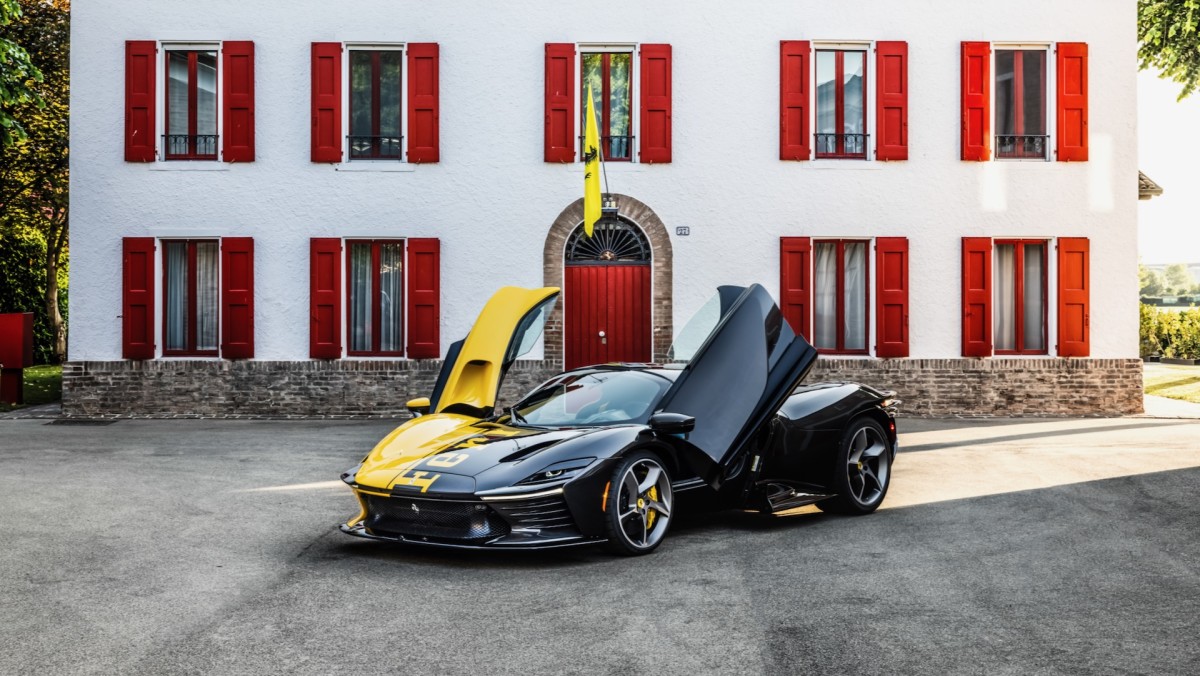
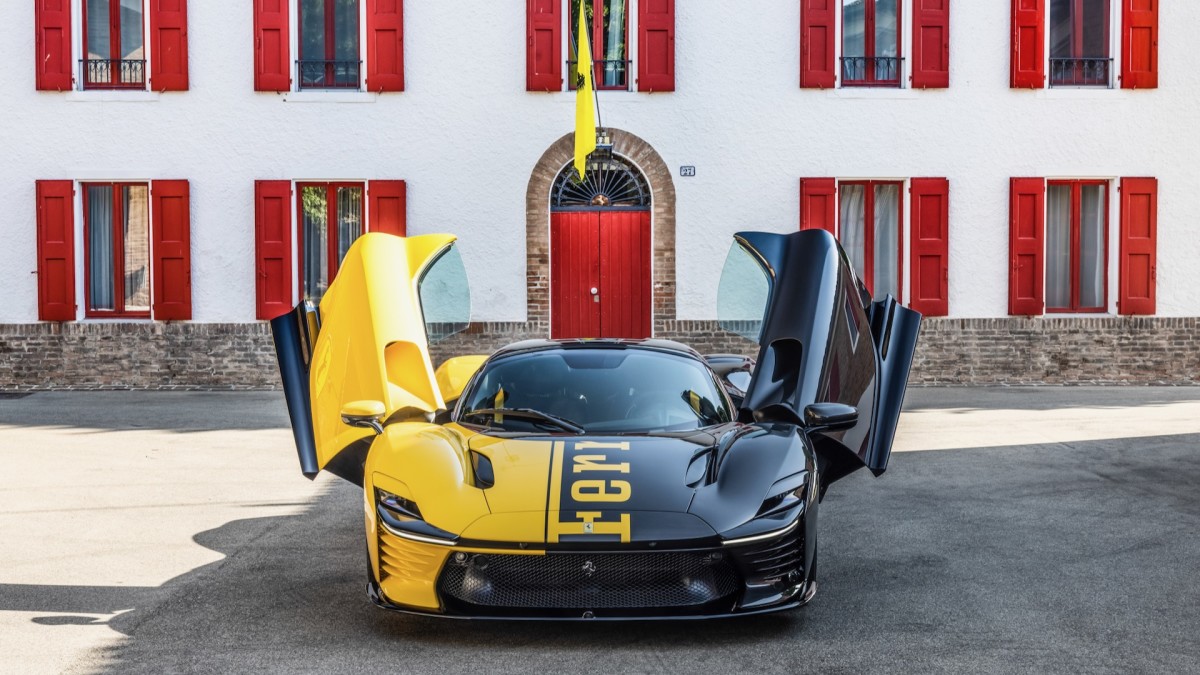
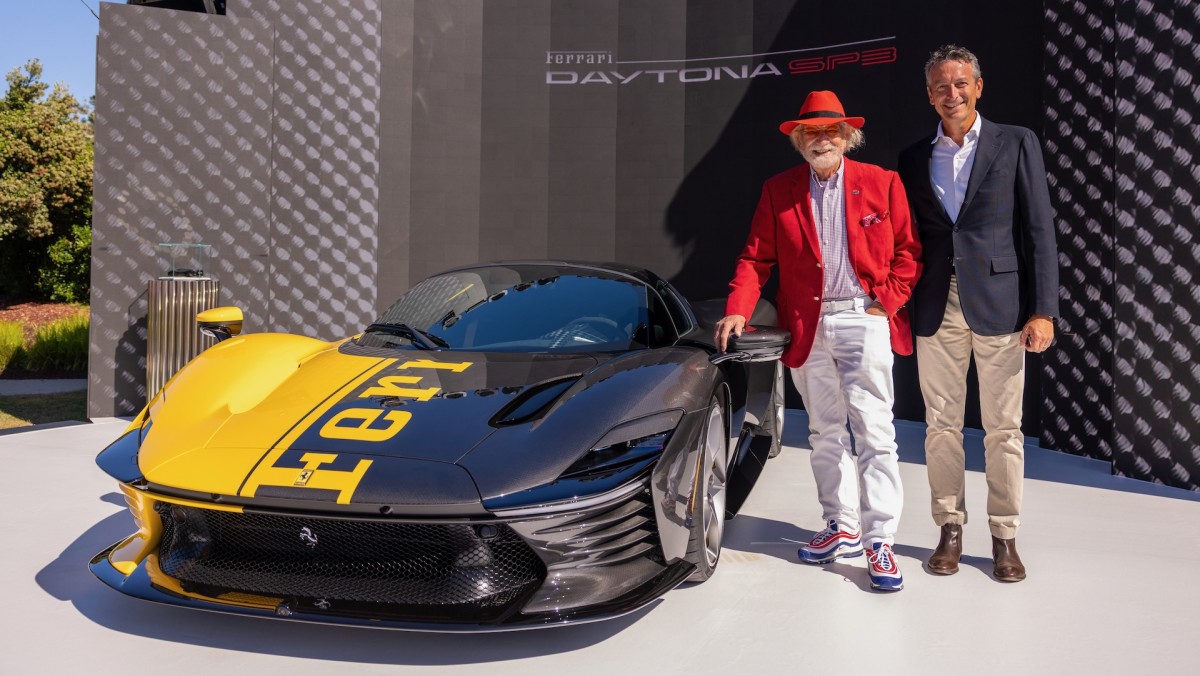
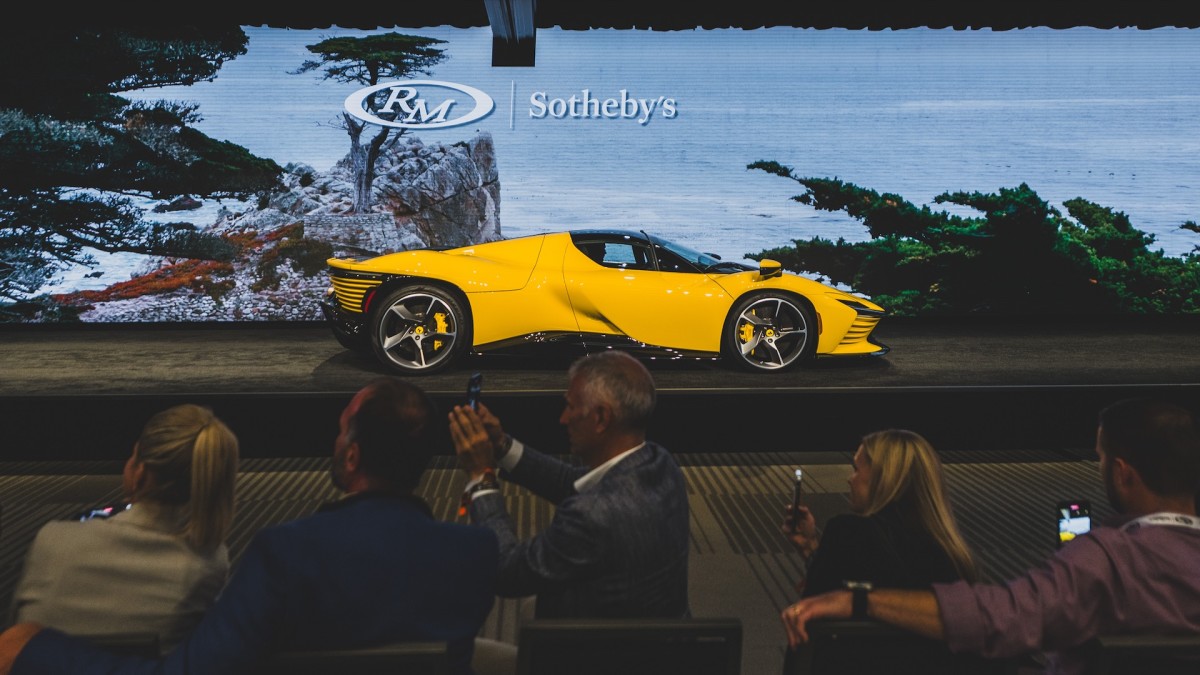
The 2025 Ferrari Daytona SP3 Tailor Made known as "599+1" sold for $26 million at RM Sotheby's Monterey auction, the highest sale price ever for a Ferrari at auction, according to the automaker. Proceeds from the sale will benefit the Ferrari Foundation, a charity that funds educational and community projects.
Revealed in 2021, the Daytona SP3 is part of Ferrari's Icona Series of limited-edition models, which itself started with the Monza SP1 and SP2 in 2018. They were modern tributes to Ferrari race cars of the 1950s, while the Daytona SP3 carried the theme forward, taking inspiration from 1960s Ferrari prototype racers like the 330 P3/4—the sleek racer that battled the Ford GT40 at the 24 Hours of Le Mans and delivered a 1-2-3 victory for Ferrari at the 1967 Daytona 24 Hours.
The SP3 is powered by a modified version of the 812 Superfast's 6.5-liter V12. With 828 horsepower and 514 pound-feet of torque, without assistance from a hybrid system or forced induction. A seven-speed dual-clutch transmission meters the flow of power to the rear wheels, getting the SP3 from zero to 62 mph in 2.8 seconds and to 124 mph in 7.4 seconds, according to Ferrari.
Ferrari initially planned a run of 599 cars, all of which were quickly claimed by customers. But as it's done in the past with the LaFerrari coupe and LaFerrari Aperta convertible, Ferrari decided to build one more example to be auctioned off for charity. That's why this car is called "599+1."
But instead of simply churning out one more car, Ferrari handed the unofficial 600th SP3 off to its Tailor Made personalization division, which gave it a bold asymmetric two-tone livery of Giallo Modena (yellow) paint and glossy exposed carbon fiber. A Ferrari logo graphic, stretching from front to back along the car's centerline, is the first of its kind on a Ferrari road car from the factory, according to the automaker.
Inside, 599+1 has Q-Cycle fabric upholstery made from recycled tires, with yellow seatbelts and Prancing Horse badges in the headrests repeating the exterior color scheme. The instrument cluster and steering column are clad in carbon fiber sourced from the Scuderia Ferrari F1 team, arranged in a checkered-flag pattern.
For A Good Cause
Ferrari
Proceeds from the record-breaking hammer price will go to the Ferrari Foundation charity which, among other recent projects, has been working with Save the Children to help rebuild the Aversion Charter School in Altadena, California, whose campus was destroyed by the Eaton Wildfire earlier this year.
via Porsche 911 GT3’s Sporty Throwback Livery Comes At A Cost
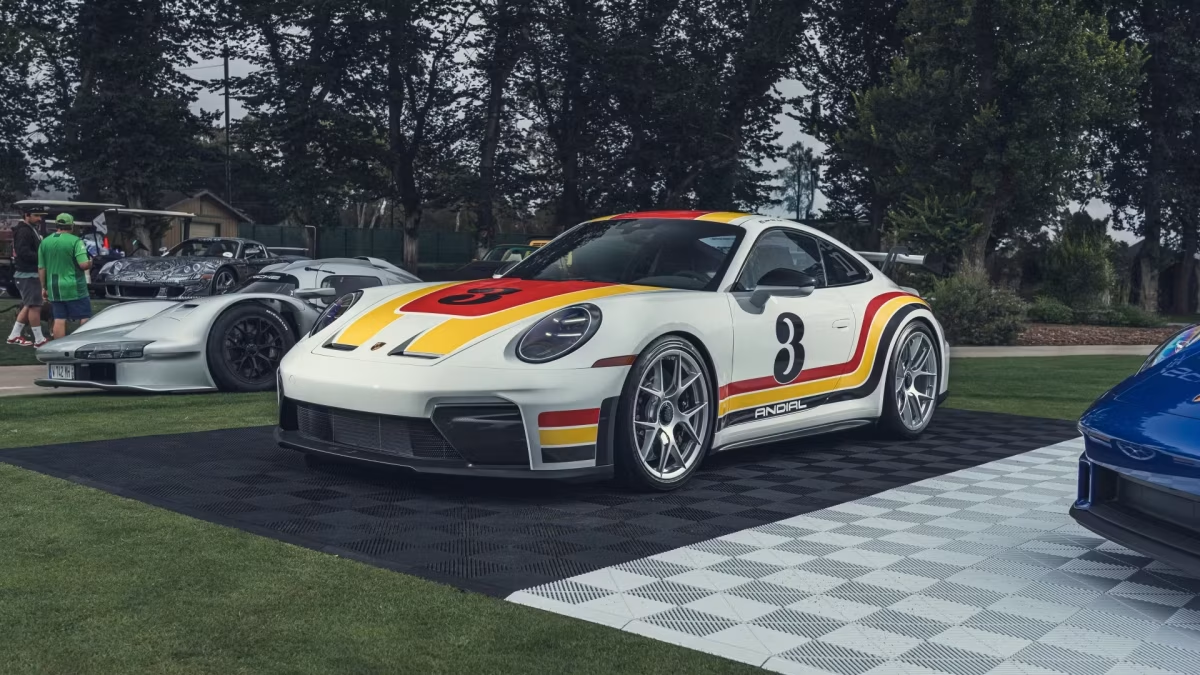
Porsche celebrates 50 years of Andial with new GT3 design pack
Formed in 1975, Andial was once a successful American motorsports and tuning company with its cars and engines achieving victories at almost every key racetrack in North America. One of Andial’s star cars was the Porsche 935-L, which competed in some of the most extreme endurance races of the period.
To celebrate 50 years of Andial, Porsche has unveiled a new livery package for the current 911 GT3, one of the 911 lineup’s most track-focused models. Like any optional package from Porsche, this one is going to cost you.
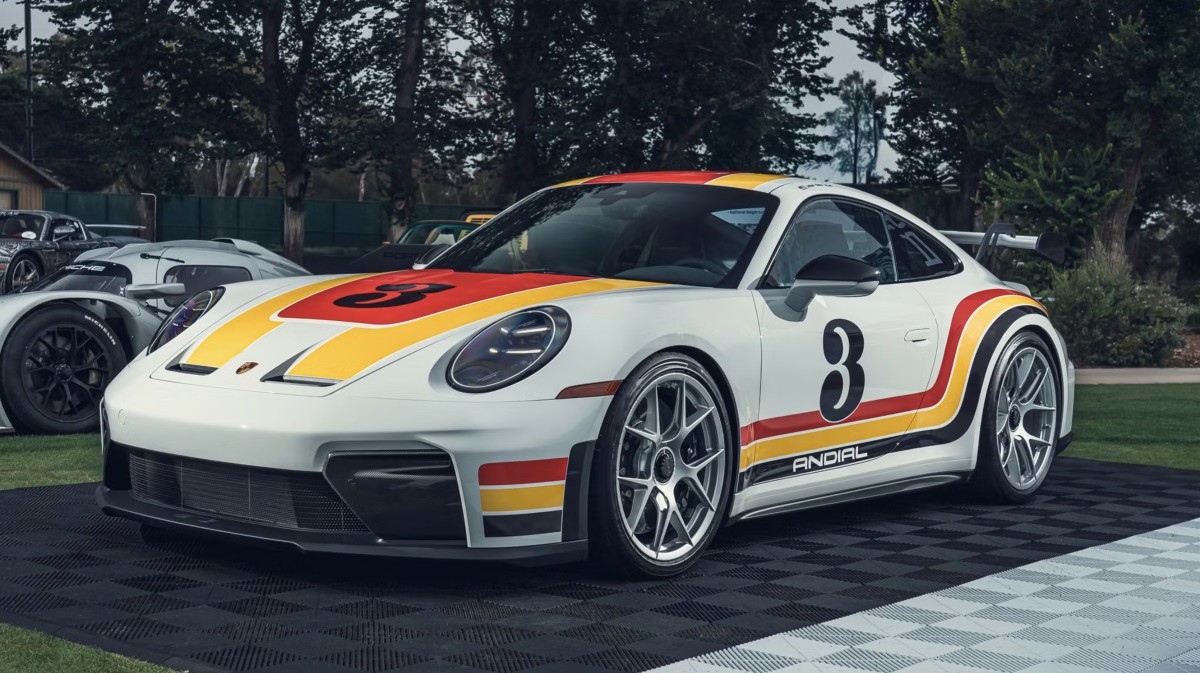
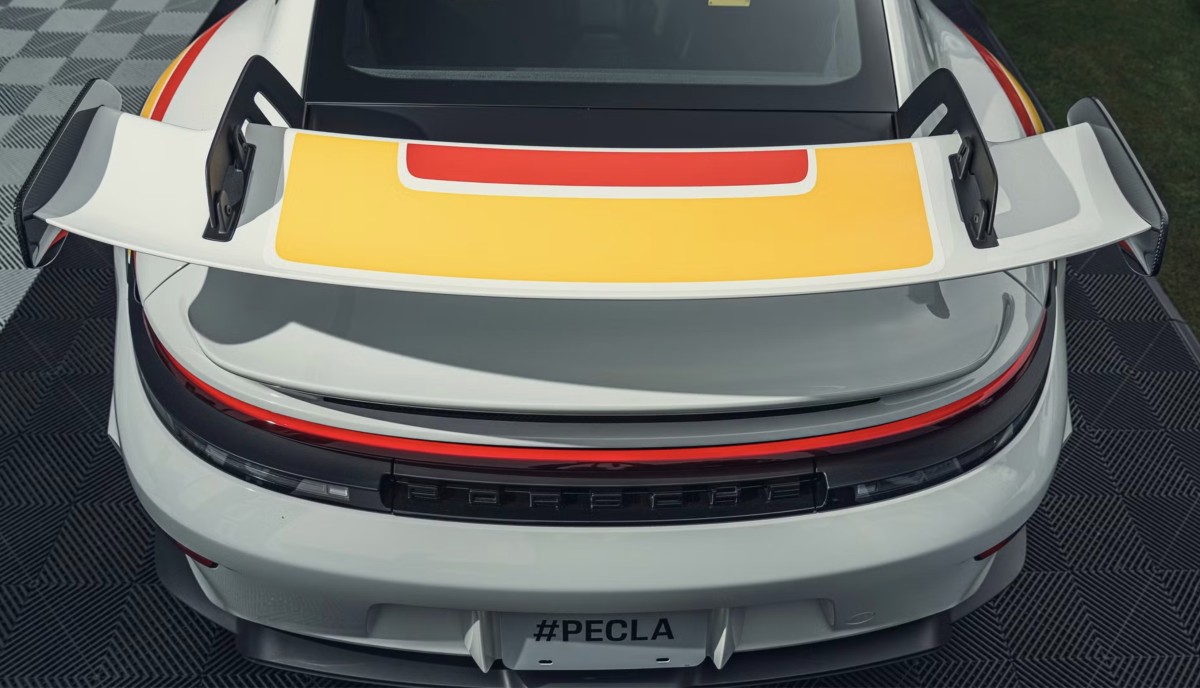
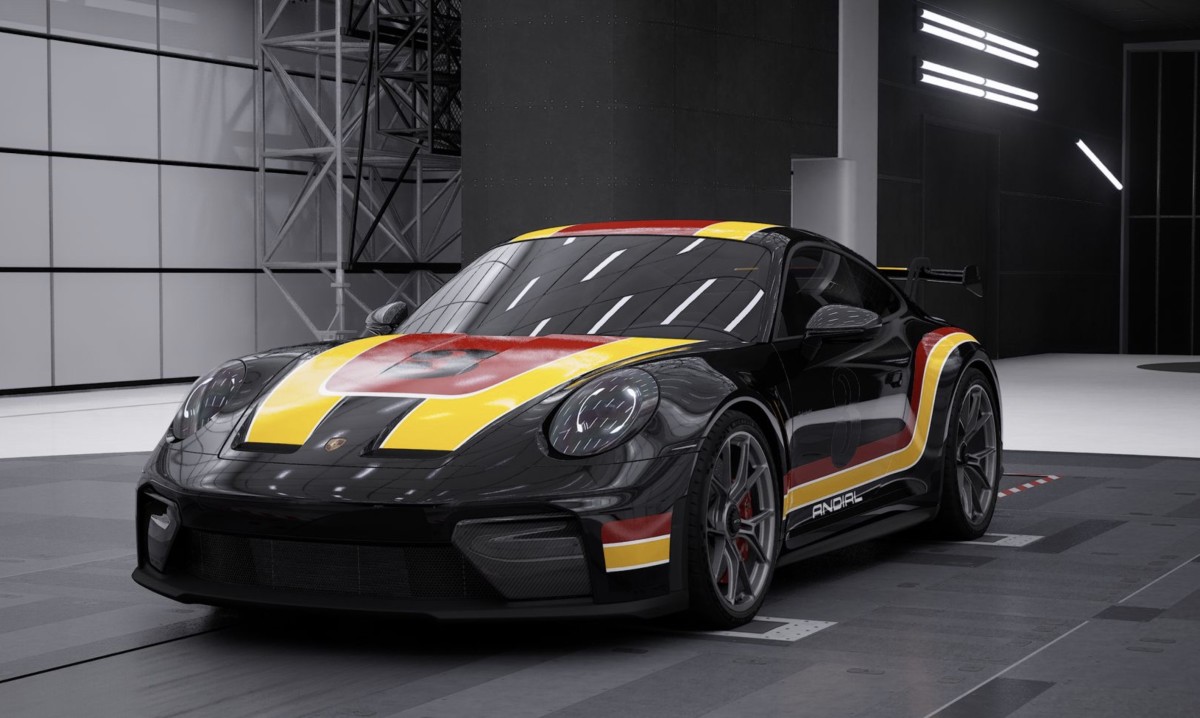
The new partial wrap for the GT3 features the same yellow and red colors seen on Andial’s 935-L, which contrasts especially well with white paint. However, we played around with Porsche’s configurator, and the livery can also be combined with several other Porsche colors.
The colors run along the sides, roof, hood, and across the rear wing. Applied by hand at the Porsche Exclusive Manufaktur center in Zuffenhausen, customers can optionally add a two digit starting number on the doors and hood. A country flag and driver name can also be added above each door.
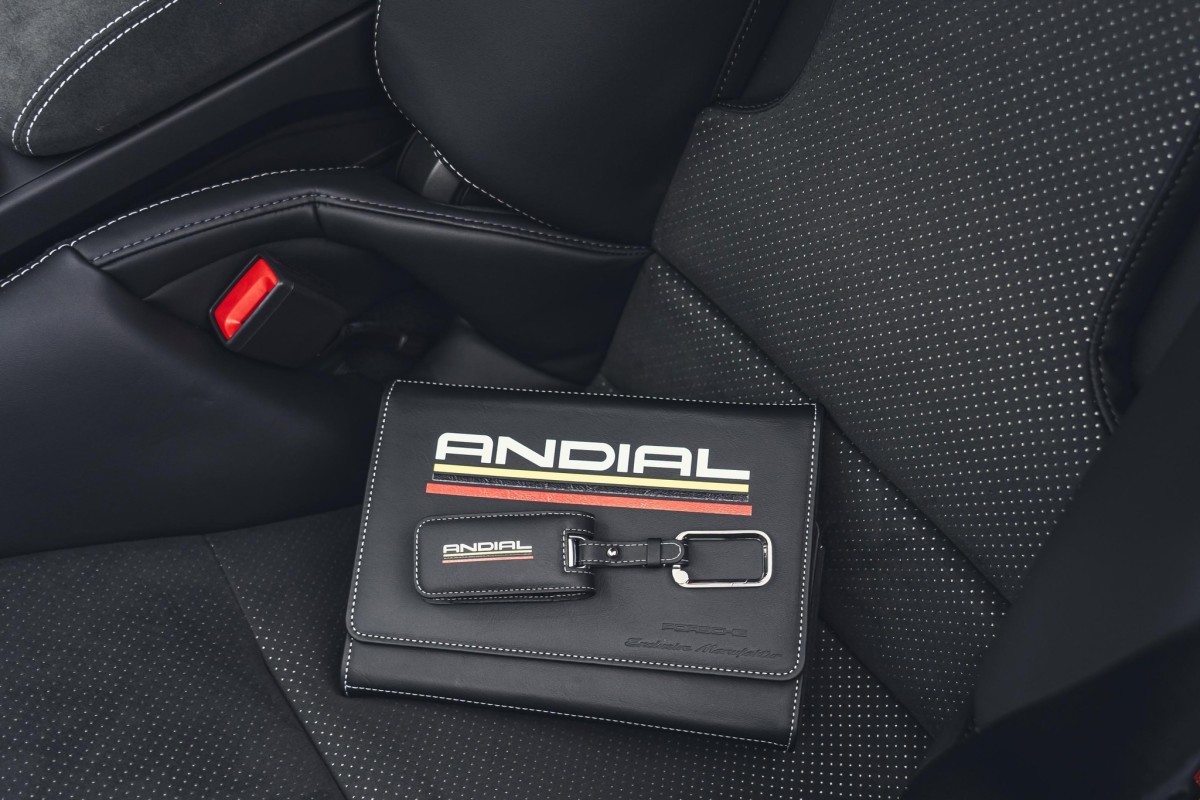
Inside, the Andial logo finds its way onto the floor mats and door-sill guards, and there are also unique design touches for the painted key, key pouch, and owner’s manual case.
The total cost of the Andial Design Wrap is $7,680, which is a lot, but perhaps not all that much for a car that already starts at $230,500—and that’s before a gas guzzler tax of $1,700 and a delivery, processing, and handling fee of $2,350.
Even if you aren’t purchasing a new Porsche 911 GT3, you can still retrofit the Andial wrap, although Porsche has not said exactly when this option will become available.
“The GT3 embodies the connection between Porsche motorsport technology and road cars in much the same way Andial applied motorsport expertise to cars on public roads and in racing,” Volker Holzmeyer, Chief Executive Officer of Porsche Motorsport North America said. “The story of Andial is one that continues to be an inspiration for many of us at Porsche and throughout our enthusiasts across the world, so it only makes sense to release this livery during their anniversary year.”
The Andial Design Wrap isn’t available if you go for the more low-key GT3 Touring, which does away with the normal GT3’s rear wing. You can, however, combine the Andial pack with the popular Weissach Package, a $20,020 option that includes a ton of carbon fiber components and lowers the GT3’s overall weight.
.jpeg)