Post Icon

Ford CEO Jim Farley Has a Clever Defense for Auto Tariffs


via Ford CEO Jim Farley Has a Clever Defense for Auto Tariffs

Ford’s CEO wants more talks on tariffs

At a June 27 appearance at the Aspen Ideas Festival moderated by author and biographer Walter Isaacson, Ford CEO Jim Farley defended that some limited, targeted import tariffs could help the Blue Oval and other Detroit automakers survive and create more industrial jobs. Still, Farley said there needs to be a balance between a “fair playing field” to promote U.S. manufacturing while keeping cars affordable, which unfortunately will require importing components from other countries like Mexico.

“What I like to say is, let’s create a fair playing field for the finished vehicle. For parts, let us import parts from around the world,” Farley said. “Let us keep Mexico stable, and other countries. That’s what we’re working with the administration on.”

Farley was previously critical of tariffs, but sees a silver lining

The Ford figurehead’s remarks at Aspen comes four months after he criticized President Trump’s tariff policies at the same time Ford announced its Q4 and FY 2024 financial results in February, where he noted that they would create “a lot of cost and a lot of chaos,” as duties on Mexican and Canadian imports “would blow a hole in the U.S. industry that we have never seen.”

However, he has slightly softened his position, noting that some protectionist measures could help promote American blue-collar industries, such as construction, manufacturing, agriculture, and skilled trades, to the next generation of skilled workforce instead of white-collar office work. 

He noted that the American workforce needs “to go back to the basics to trade schools” and that “we need to have a society that doesn't look down on people like that,” adding that its factory in Germany participates in an apprenticeship program where students are exposed to an industrial environment “starting in junior high school.”  
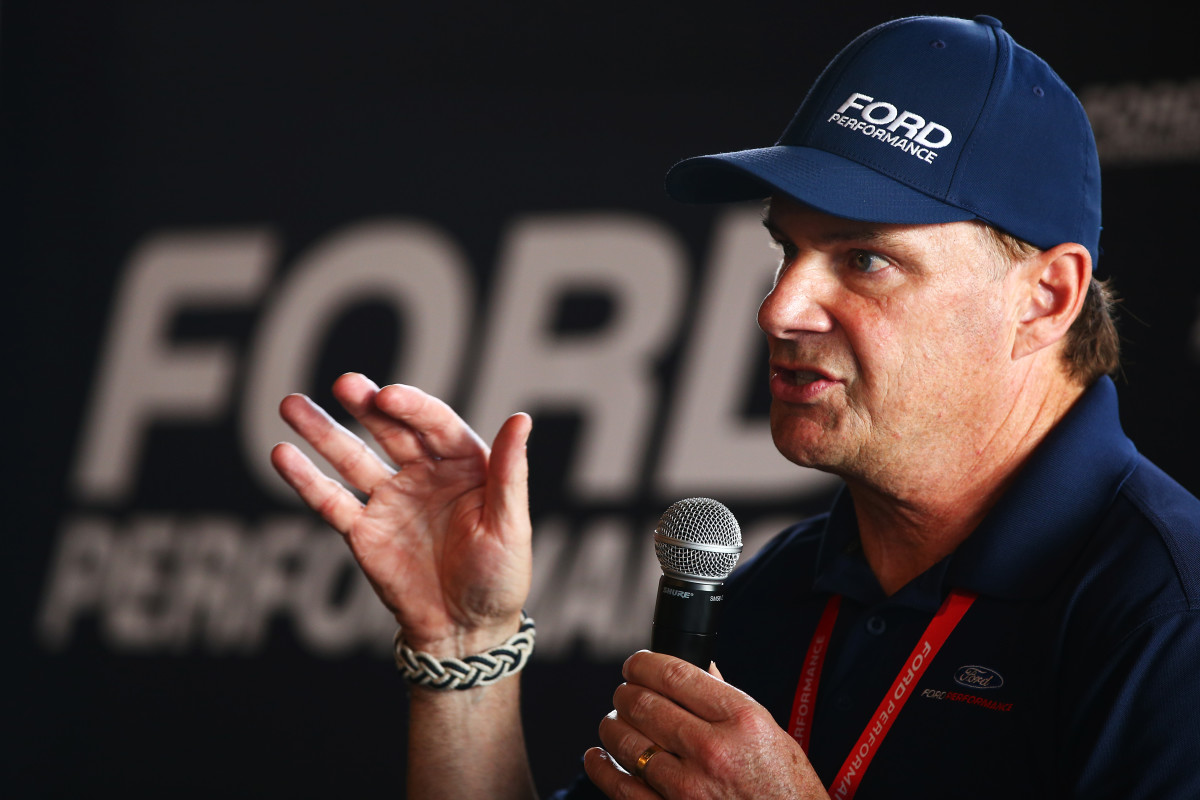
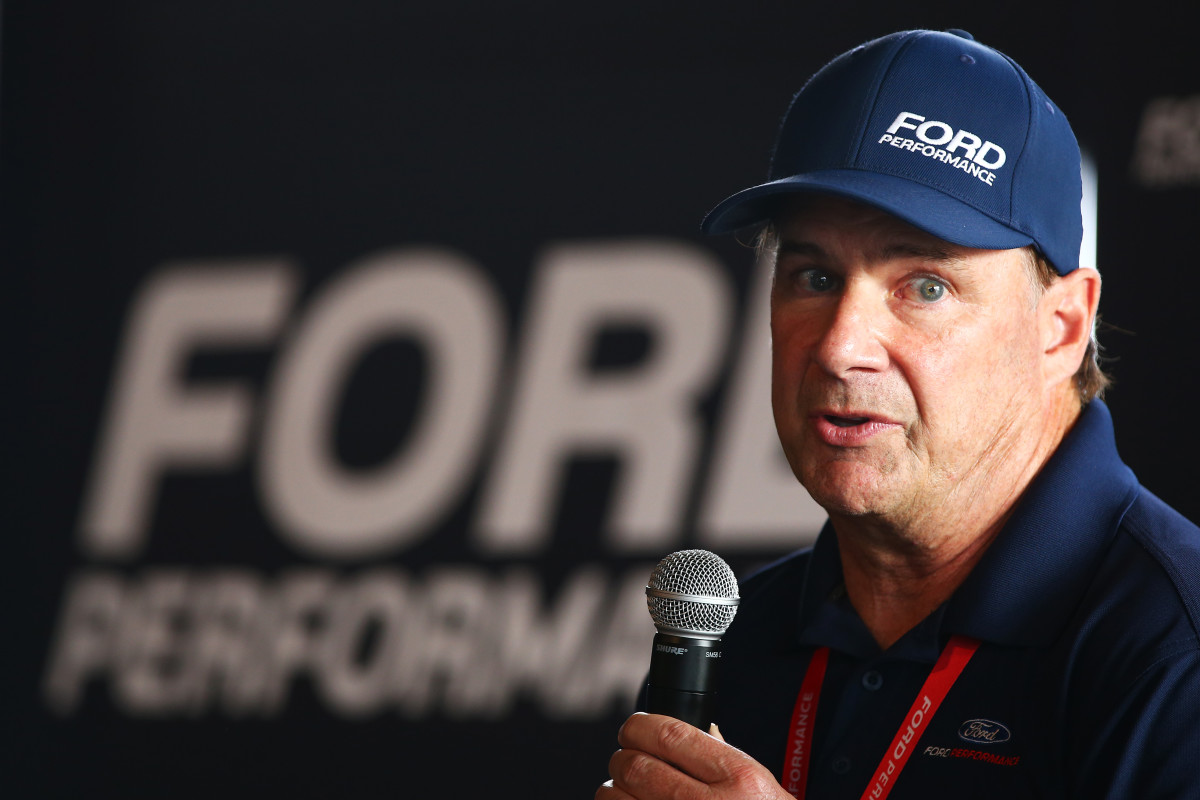
Ford President and CEO Jim Farley talks at a press conference at Circuit de la Sarthe

Getty Images

“What happens if you [the United States] have to defend yourself?” Farley told Issacson and the crowd at Aspen. “What, is Google going to make the tanks? We’ve talked a lot about energy independence, but we need to start talking about industrial independence. People do not realize how dependent we are as a country on making things in other countries.”

Farley pointed to the rare earth mineral crisis as an example. Over the last three weeks, Ford temporarily idled factories in the U.S. due to a shortage of magnets containing rare earth minerals, which are used in many different components.

“We cannot get any high-powered magnets without China,” Farley said. “We shut down plants for the last three weeks because we cannot get high-powered magnets. We can’t make that stuff.”

Final thoughts

As someone who graduated from a vocational high school, I see an inherent value in what Farley is saying. That's especially true as the topic of his conversation with the Steve Jobs and Elon Musk biographer turned to the Chinese EV market, where he mentioned that realizing the strength of the Chinese automotive industry was "the most humbling thing I have ever seen,” adding that “seventy percent of all EVs in the world, electric vehicles, are made in China.”

However, I don’t think that getting more people into the trades and into industrial environments is an end-all, be-all solution. As time evolves, technologies such as robotics and AI may have a larger role in industrial might; at least that is what Chinese companies like Xiaomi have been doing to scale up their car factories. Farley isn’t wrong for wanting to try at least; however, there is more than what meets the eye on a topic where there is no straight solution.

  • Digg
  • Del.icio.us
  • StumbleUpon
  • Reddit
  • RSS
Post Icon

Tuners Are Going To Love Toyota's Latest Overengineered Turbo Engine


via Tuners Are Going To Love Toyota's Latest Overengineered Turbo Engine

Toyota Is Making Combustion Cleaner

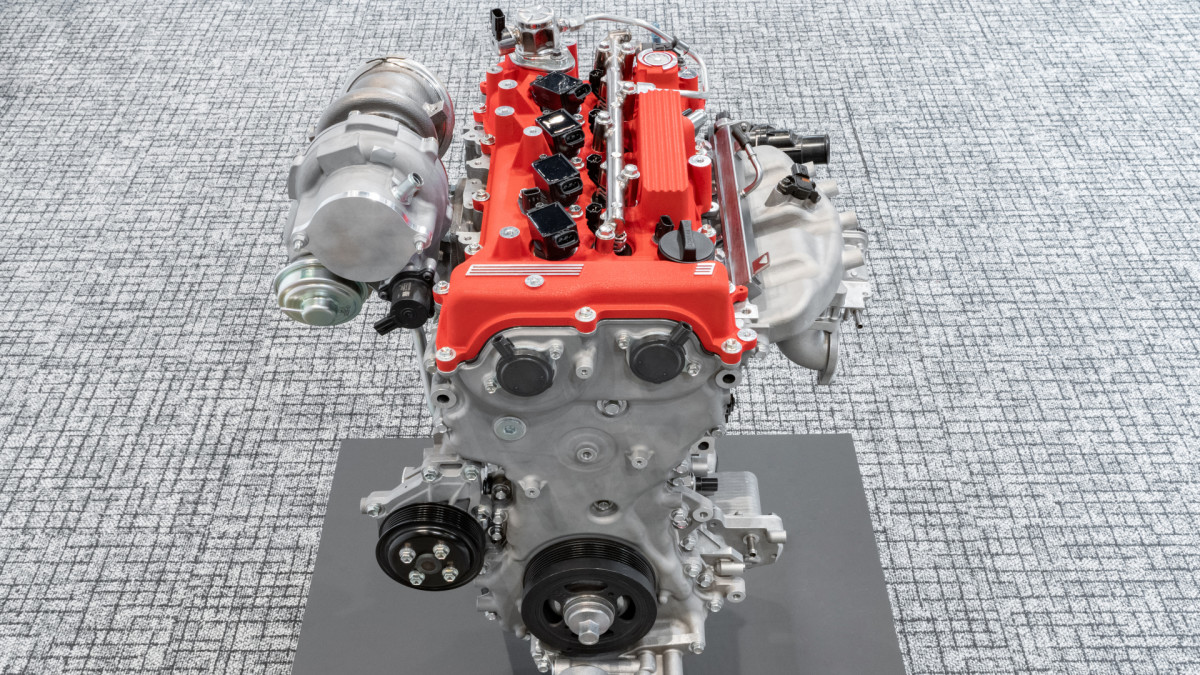
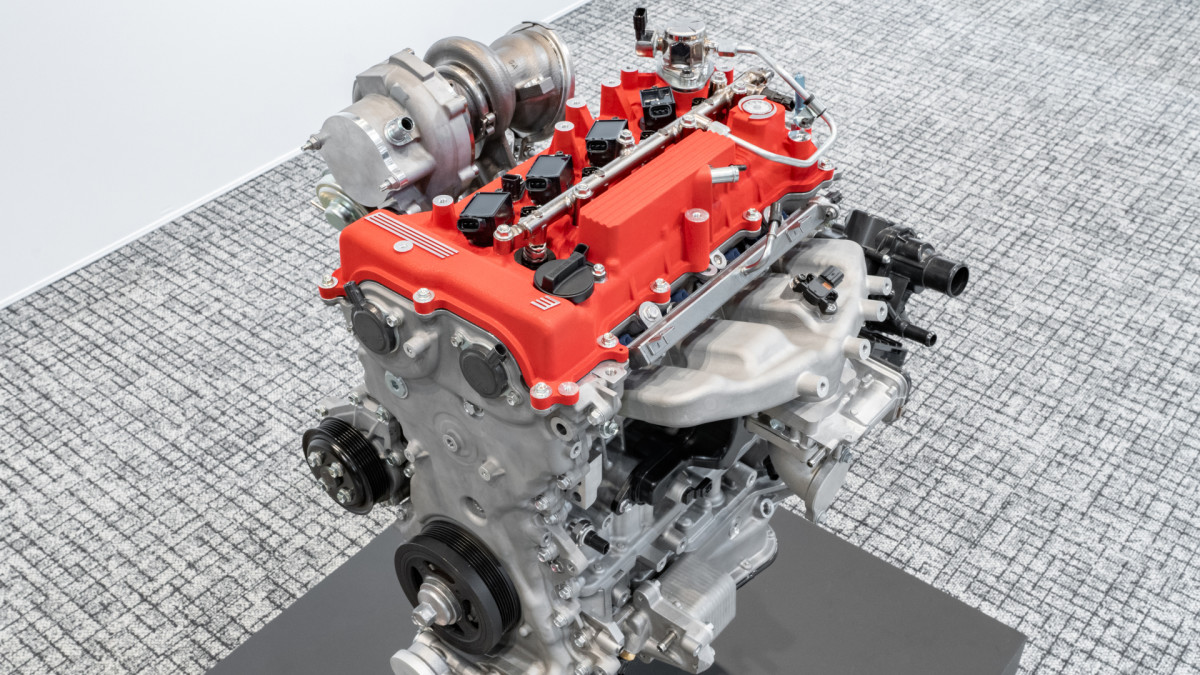
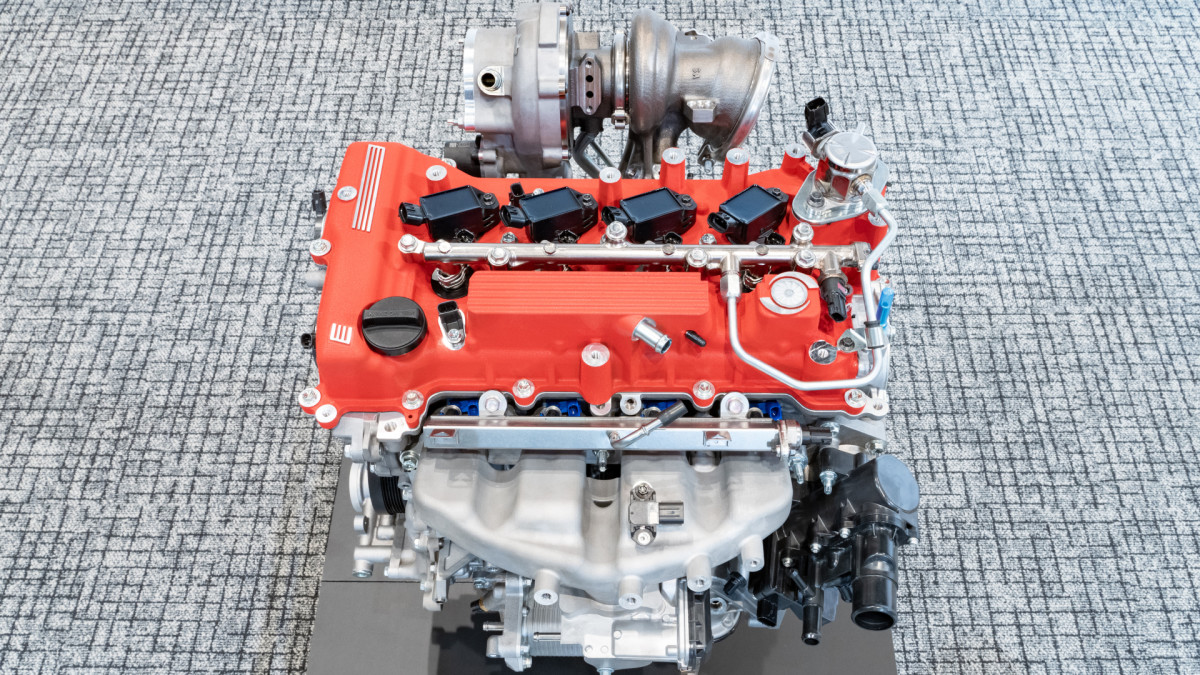
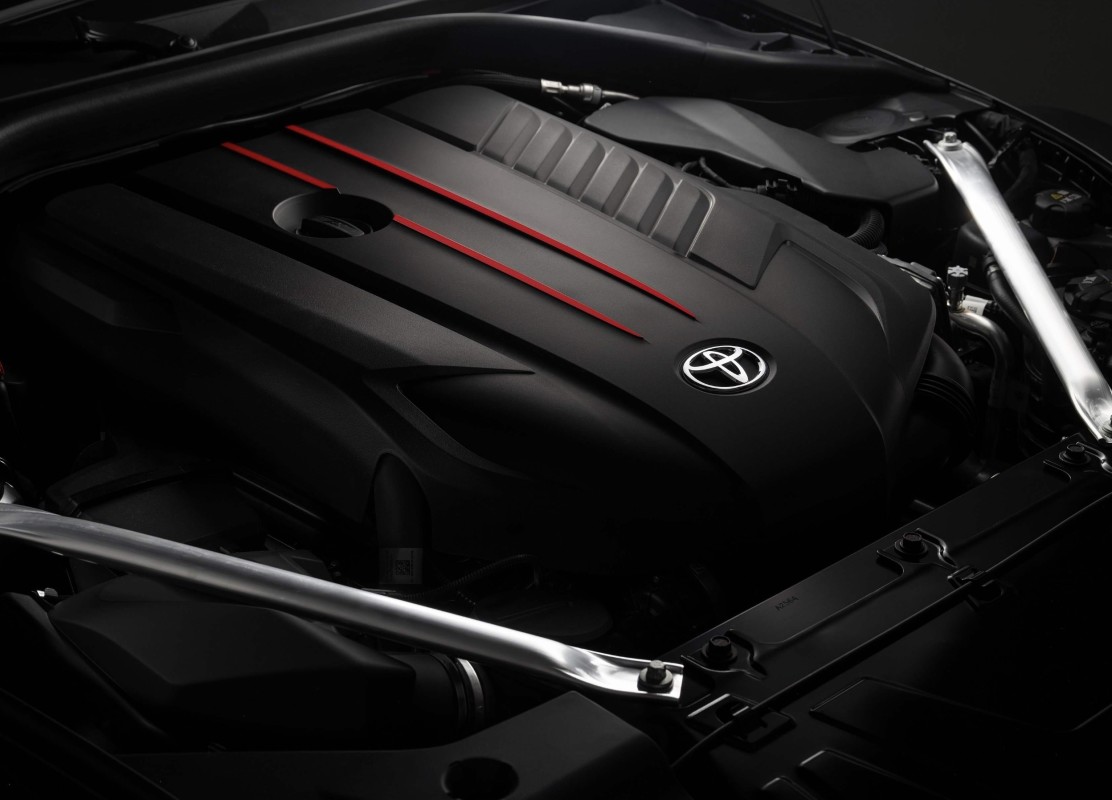
Toyota has long been claiming that there is no single path to carbon neutrality, arguing that cleaner combustion engines and hybrids need to bridge the gap to electric cars powered by renewable energy. With a back catalog of brilliant engines like the overengineered 2JZ, which is still revered 35 years after its 1JZ foundation was built, Toyota knows what it takes to beat the world's best, and its upcoming 1.5- (black top) and 2.0-liter (red top) four-cylinder engines appear poised to handle the weight of expectation with ease. According to Toyota engineers who spoke with German publication Auto Motor und Sport, the G20E (that's the 2.0-liter) is easily capable of exceeding the 400-450-horsepower figure of the mid-engine GR Yaris M concept: "With a larger turbocharger, more than 600 hp is easily possible."

Numerous Potentially Imminent Sporty Applications

Toyota

View the 4 images of this gallery on the original article

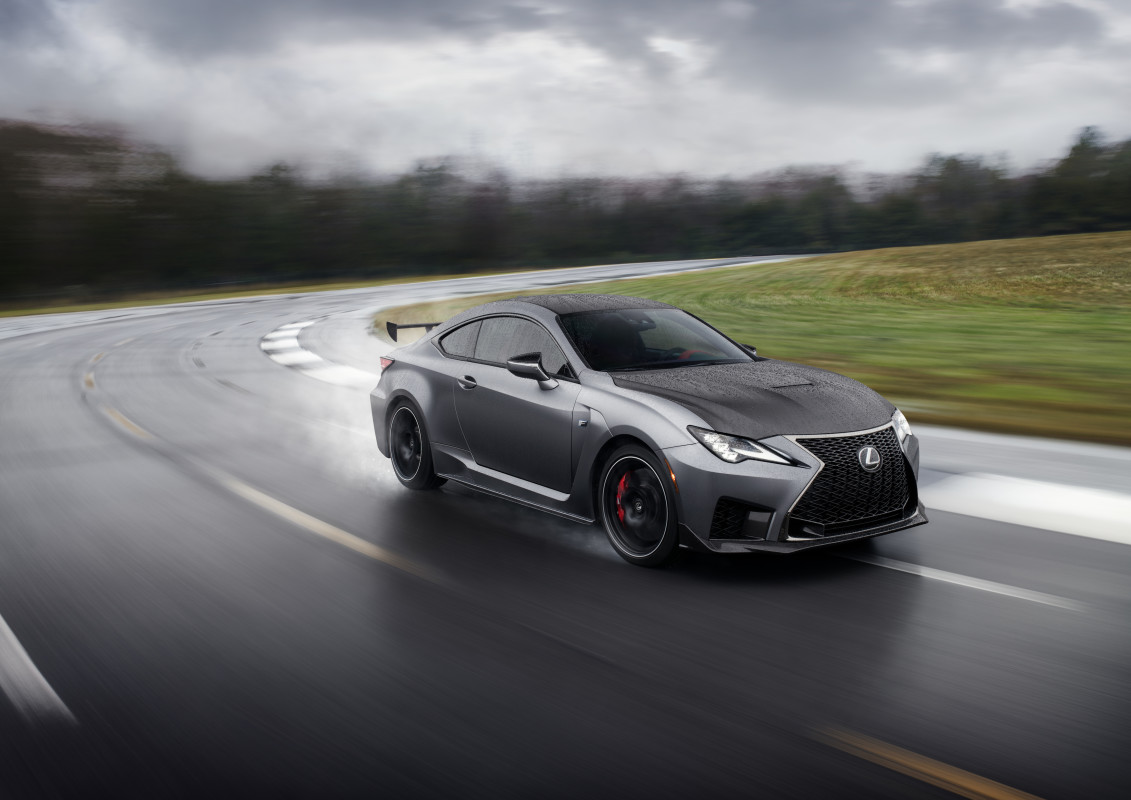
Toyota has recently indicated that its sports cars could go hybrid, and with an engine this small and powerful supporting any electrification, that could be quite an exciting proposition. The MR2 is rumored to return with hybrid power, and a mid-engine sports car with a 600-hp thermal motor being complemented by an electric motor of another couple hundred horsepower could be quite a tantalizing entree to the forthcoming Lexus supercar. Toyota has confirmed that a new Celica is on the way, too, so there are plenty of applications for both new engines. The G16E-GTS turbocharged three-cylinder found in the production GR Yaris and its GR Corolla big brother already delivers in excess of 300 hp, so a detuned G20E (or even its 1.5-liter sibling) could be an immensely reliable - and likely even more fuel-efficient - replacement for both cars. It's also safe to assume that Toyota is considering putting this in the next GR86, since many buyers have clamored for the torque of a turbocharged engine, and if Toyota strengthens it further, it may even have a future in a pickup.
Overengineered, Tuner-Friendly Engine Can Be Enlarged

Related: Toyota and Yamaha to develop a hydrogen-powered V8 engine

Toyota has reportedly been testing the engine in Lexus sedans, so it could be refined enough for a luxury application like the imminently departing IS. What really piques our interest, however, is a comment made by one of the engineers to the German publication: "We left enough space between the cylinders so that the engine can be bored out considerably." That's more good news for all the aftermarket tuners who will doubtless begin seeking to extract more power from the G20E the moment they get their grubby paws on it, but it also means that Toyota itself may well enlarge this four-cylinder to provide a smoother experience in cars that may otherwise have been powered by six-cylinder engines.

Not that there's any reason to worry in that regard - reports out of Japan claim that, if BMW's B58 is dropped, Mazda will provide the straight-six for the next Supra. Although unconfirmed, this news seems credible since the G20E and its 1.5-liter sibling were not announced in isolation; Mazda and Subaru also presented rotary and boxer prototype powertrains when the G20E was revealed as part of the triarchy's "Multipathway Approach," announced almost exactly one year ago. The rush to create evermore efficient combustion engines may well be less frenetic with a collaborative approach to innovation.
Toyota

View the 3 images of this gallery on the original article

  • Digg
  • Del.icio.us
  • StumbleUpon
  • Reddit
  • RSS
Post Icon

AMG Is About To Make Small EVs Hotter Than Ever


via AMG Is About To Make Small EVs Hotter Than Ever

AMG CLA EQ Starts Showing Off

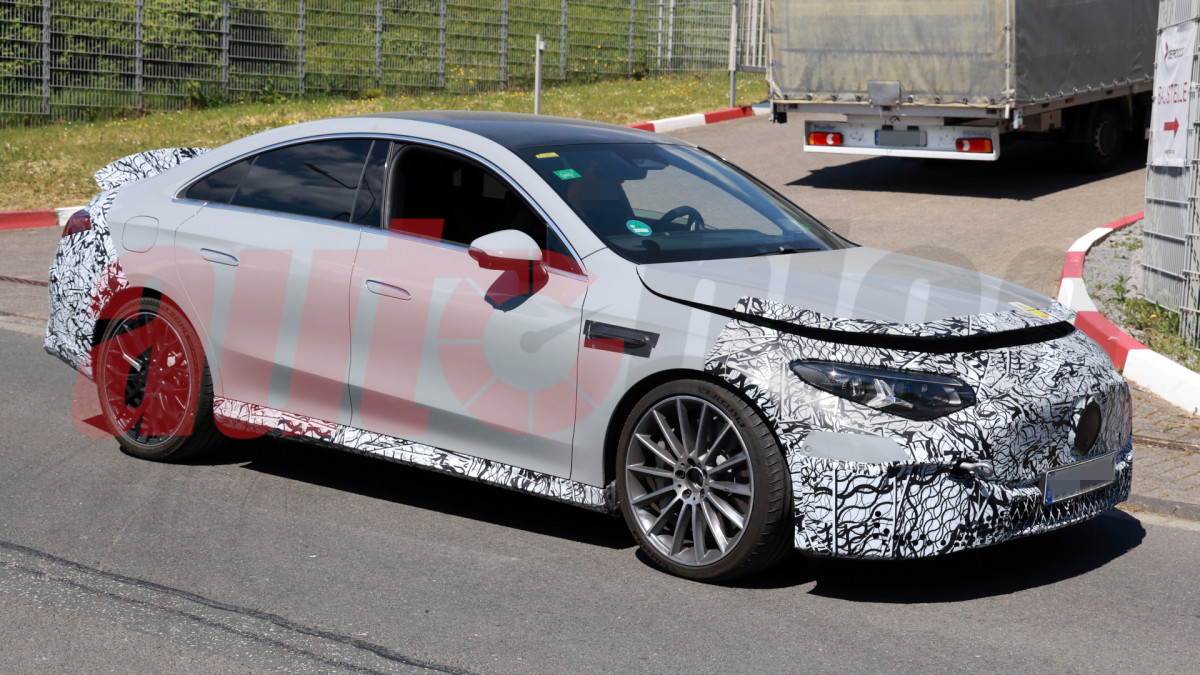
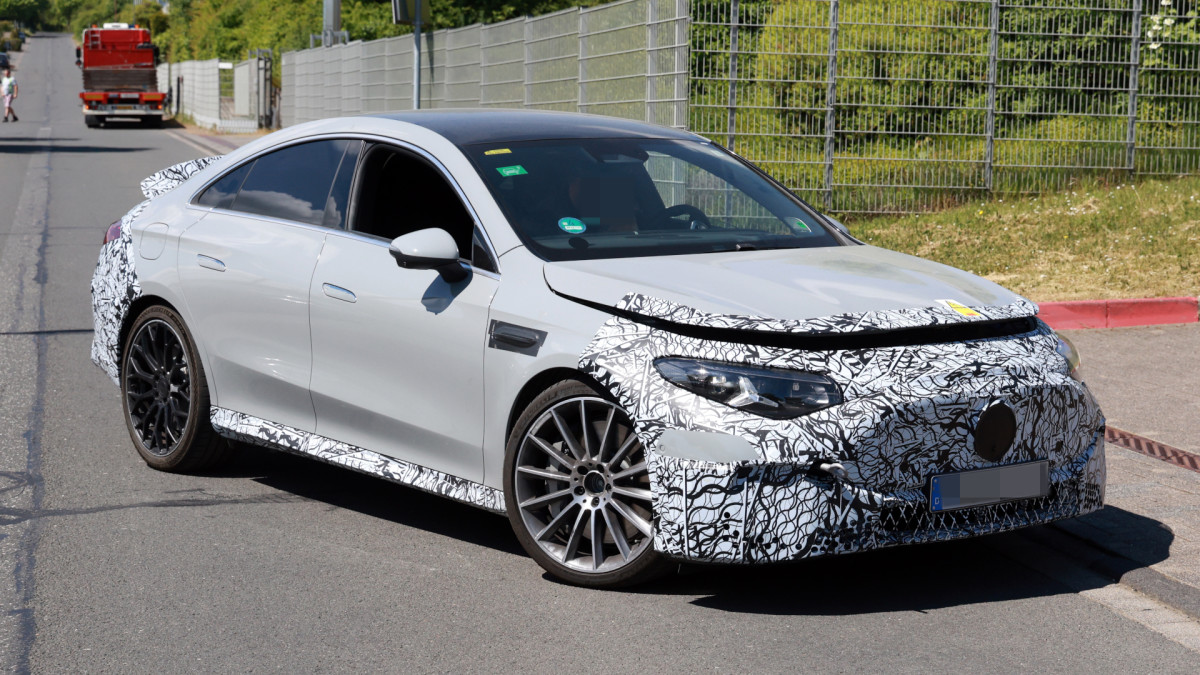
The Autoblog spy photographers have caught the high-performance version of the new Mercedes-Benz CLA sedan, and according to them, the smallest hot EV to come out of Affalterbach will be called the AMG CLA EQ. That's a far less awkward name than G 580 with EQ Technology, but most won't care as much about the name as they do about what it represents. And according to our sources, this hot subcompact will be a high-performance feast of technology. With these images showing a nearly-ready prototype with production bodywork, though, we have to address what we can see before discussing that which we can't.

CLA Becomes A Baby AMG GT 4-Door

SH Proshots/Autoblog

View the 3 images of this gallery on the original article

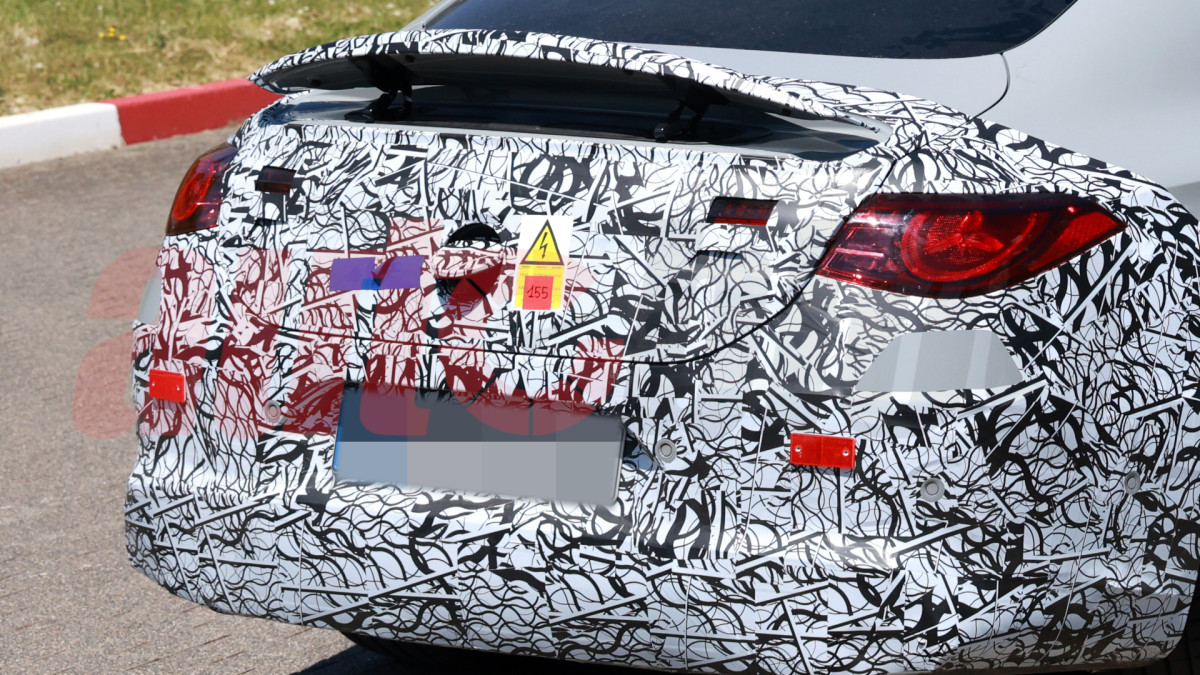
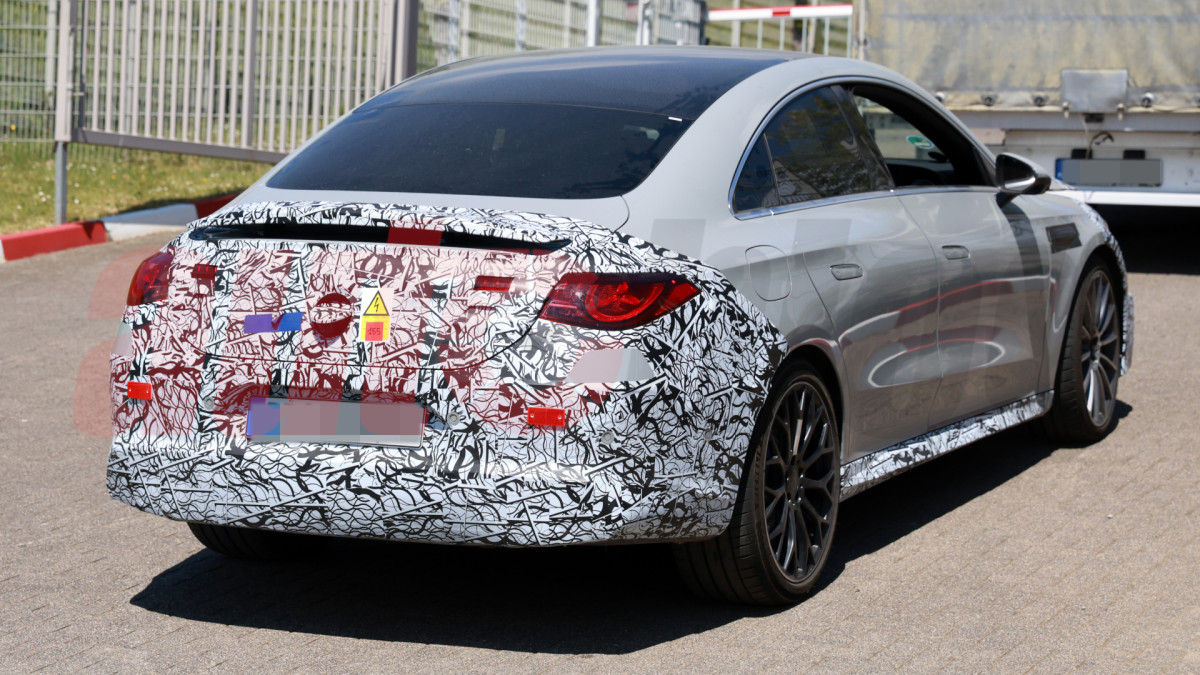
As was the case with the regular electric CLA, the AMG version will closely resemble its combustion-powered sibling. Obvious exceptions in the CLA EQ's styling are evident in that the front bumper has only a lower intake grille, and the area where the Three-pointed Star will sit is a blank plate, while the rear diffuser trim has no cutouts for the traditional quartet of exhaust tips typically used to indicate AMG power. Nevertheless, the front end will look aggressive, with large lower side intakes in an AMG-specific bumper, while the fenders will each gain a piece of trim that will doubtless be badged. From the front three-quarter angle, this looks like a downsized AMG GT 4-Door, rather than just a hotted-up CLA, so well done to the designers.

Related: Mercedes-AMG's 1,000-HP Super SUV Is Almost Ready To Hunt Lamborghini

Although mismatched, the wheels are also clearly from the AMG warehouse, though it's possible that new designs will be offered when this EQ arrives. At the rear, a deployable adaptive spoiler (that our spies say the driver deactivated using a button, indicating a possible manual override feature) will give all who follow no doubt as to the performance credentials of this pocket rocket. We're calling it now - this will be one of the best-looking performance EVs on the market.

Not Your Average Performance EV

SH Proshots/Autoblog

View the 3 images of this gallery on the original article

This vehicle was being unloaded at AMG's testing center at the Nürburgring, which means that it'll be taking to the track soon, if it hasn't already by the time this article reaches your eyes. However, the lack of perforations on the brake discs of this test mule suggests that this may be the warm AMG, not the hot one. A CLA EQ 35, if you will. For the cream of the crop, our spies say to expect a pair of electric motors - one per axle - to produce a combined 550 horsepower. Interestingly, the front motor is said to remain idle in most operating conditions to maximize range (which Mercedes reportedly expects to be around 700 kilometers, or 434 miles), but the hooligan in your head is likely already wondering how to use that system to perform ludicrous drifts. With this prototype very close to the finished product, we expect Mercedes to unleash the AMG CLA EQ before the end of the year, so it won't be a long wait.

SH Proshots/Autoblog

  • Digg
  • Del.icio.us
  • StumbleUpon
  • Reddit
  • RSS
Post Icon

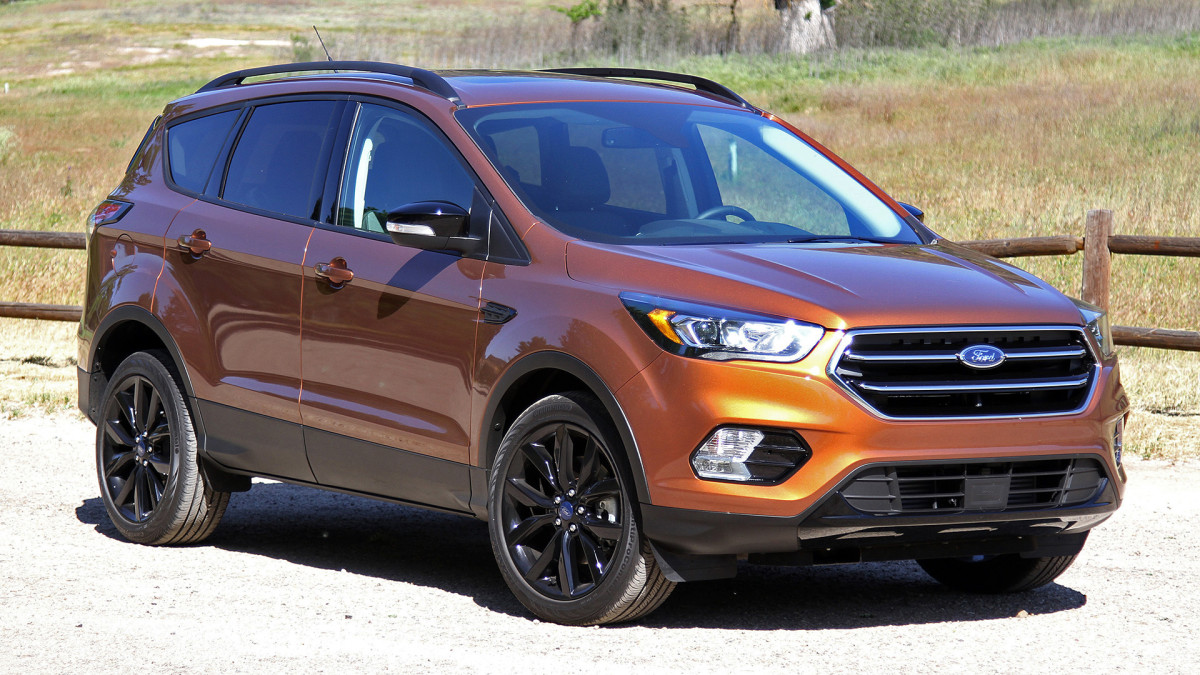
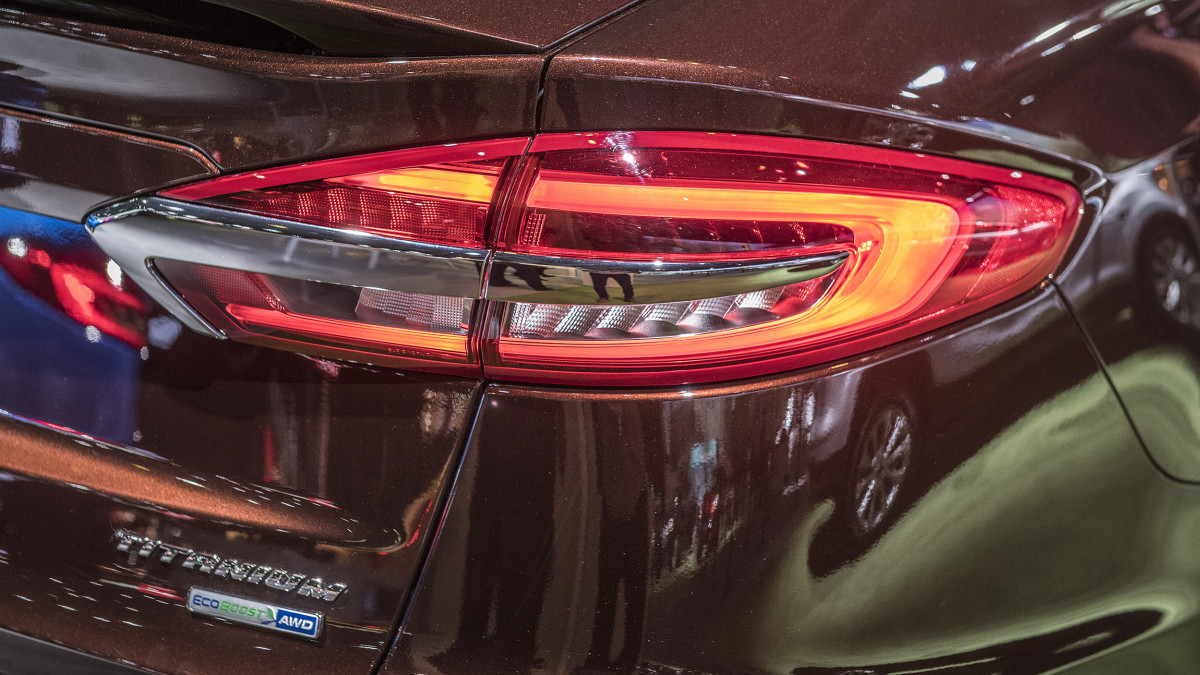
Faulty EcoBoost Engines Bring Ford To Court


via Faulty EcoBoost Engines Bring Ford To Court

Overheating Engines Have Owners Boiling

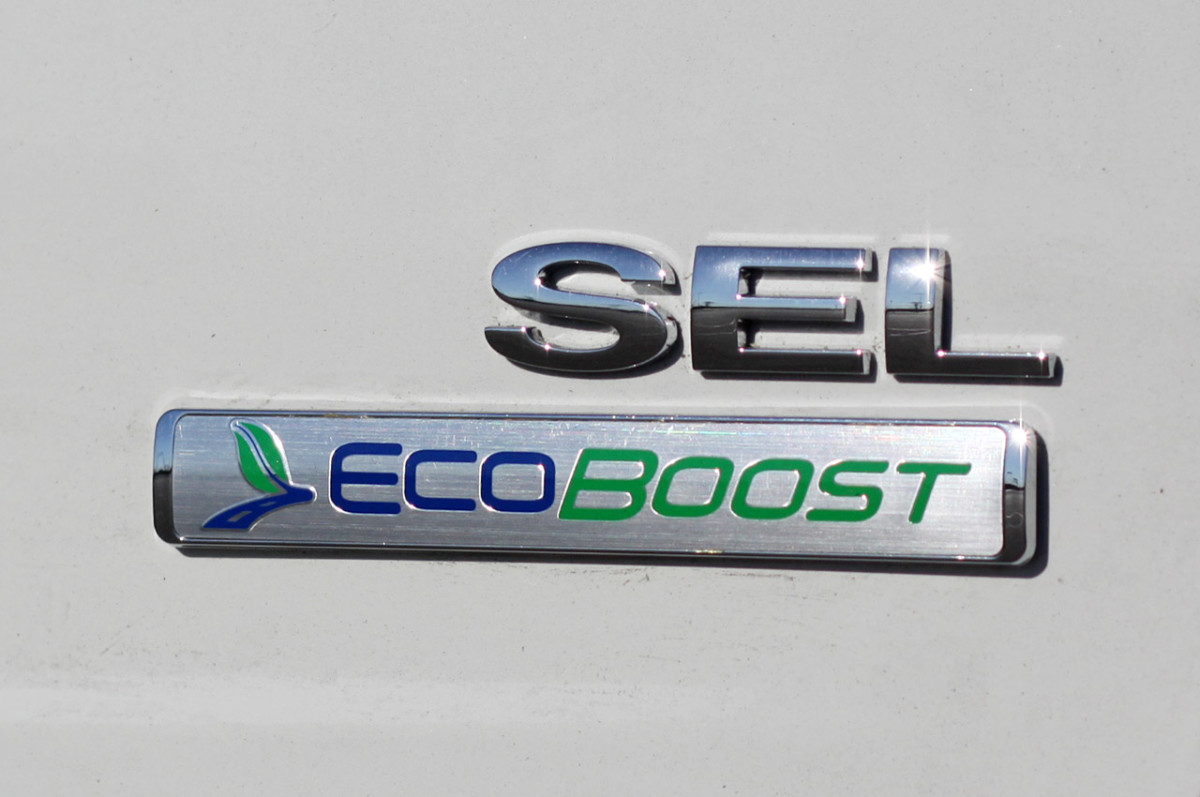
Ford already has enough bad press concerning reliability. In the past month, the automaker announced a recall for almost 1.1 million vehicles, another for 300,000 vehicles, and a Do Not Drive notice for a few thousand more, but the bad news isn't over. The Blue Oval is now facing litigation over what plaintiffs are calling a potentially dangerous fault in their engines, according to CarComplaints. The lawsuit claims that EcoBoost engines displacing 1.5 to 2.0 liters have a defect that allows coolant to leak into the cylinders and that Ford didn't inform owners of any potential dangers this may cause. Cylinder heads reportedly crack, too. Worse still, the lawsuit alleges that Ford's remedy was insufficient, failing to address the root of the problem.

Several Affected Vehicles Named In Ford Lawsuit

AOL

The lawsuit reportedly states the following: "Ford has not satisfactorily or effectively addressed the source of the defect for those consumers, including for those whose vehicles remain in warranty. Instead of replacing the engine block, Ford merely applies superficial stopgap, 'Band-Aid' remedies such as installing coolant level sensors." The vehicles named in the lawsuit are listed below:

  • 2013-2019 Ford Escape
  • 2013-2019 Ford Fusion
  • 2015-2018 Ford Edge
  • 2016-2019 Lincoln MKC
  • 2016-2019 Lincoln MKZ

Related: Ford CEO Farley tells retired engineers fixing quality will 'take several years'

In 2020, Ford issued a technical service bulletin (TSB) to replace the short block and head gasket on Ford Fusion and Escape vehicles over coolant loss issues, but the plaintiffs reportedly claim that this doesn't fix the issue because the replacement blocks have the same defect. For those whose vehicles are no longer covered by warranty, this is an even bigger concern. Even if they have the new coolant level sensor, the lawsuit alleges that coolant continues to leak into the cylinders even when low, and that can lead to corrosion, oil dilution, and contamination. According to CarComplaints, the lawsuit alleges that "engines can leak coolant and fail even when the vehicles don't have many miles on them
Some Say Other EcoBoosts May Be Affected

Drew Phillips/Autoblog

View the 3 images of this gallery on the original article

The FordTechMakuloco channel on YouTube has a video (embedded below) that appears to show the design flaw. Therein, it's alleged that the head gasket fails between the cylinders, and on a turbocharged motor running relatively high boost, one can see how a small leak can quickly turn to catastrophe. Notably, the abovementioned channel claims that the EcoBoost engine's thirst for coolant is evident, not just on 1.5-, 1.6-, and 2.0-liter motors, but also the 2.3-liter, as seen in the Ford Mustang, for example. A Reddit thread concerning a 2018 example of the pony car confirms it's not an isolated concern, as does the fact that this class-action lawsuit (naming some 28 customers) is the consolidation of three others: Reed v. Ford, Patricia Lund v. Ford, and Miller v. Ford.

  • Digg
  • Del.icio.us
  • StumbleUpon
  • Reddit
  • RSS
Post Icon

Next Toyota Supra And Lexus Twin Might Ditch BMW For Mazda Inline-Six


via Next Toyota Supra And Lexus Twin Might Ditch BMW For Mazda Inline-Six


Supra-based Lexus could replace RC and LC

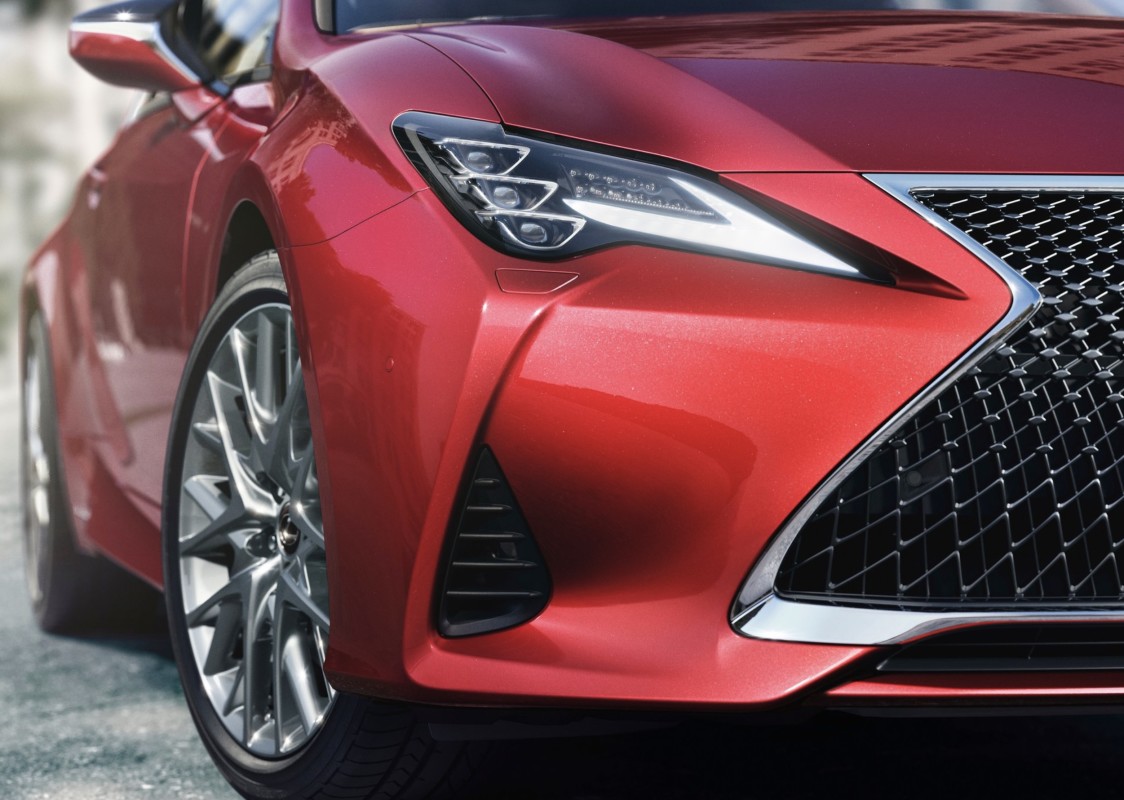
Production of the current Toyota GR Supra is set to come to an end next year, but we already know Toyota is working on a successor to this brilliant sports car. Now, rumors have surfaced regarding a Lexus sports car twin for the next GR Supra. Up until this point, the two performance coupes from Lexus - the RC and LC - have not had anything in common with the Supra. But this next generation of Toyota/Lexus sports cars will be different, with the two sports cars expected to share a powertrain - and not one from BMW.

Similar Powertrains, Different Seating Layouts

According to Best Car Web from Japan, the Lexus version of the next Supra will be known as the LC+RC Integrated Sports, although this is obviously not expected to be the official name. What we can tell from this name is that the new Lexus sports car could replace both the RC and LC, which have been around for some time.

The next Supra is expected to get a 2.0-liter turbocharged hybrid powertrain, with power still going to the rear wheels and either an eight- or 10-speed automatic. No mention was made of a manual gearbox option. The Japanese outlet also said that Toyota is investigating whether it can use Mazda’s smooth inline-six engine for the Supra, which the Lexus version would logically use, too. In the Mazda CX-90, this engine makes up to 340 horsepower, but we'd expect a more powerful version in these sports cars. Mazda and Toyota already share powertrains, with the CX-50 Hybrid and RAV4 Hybrid using the same four-cylinder hybrid.
Even if their powertrains are the same, one key difference will be the seating layout. Whereas the next Supra is expected to remain a dedicated two-seater model, the Lexus version will be a 2+2. A convertible is also possible.

Powertrain And Platform Sharing Can Still Yield Unique Models

Lexus

View the 2 images of this gallery on the original article

As we saw with the BMW Z4 and Toyota GR Supra relationship, two cars with the same underpinnings can still look and feel completely unique, with their own driving characteristics. For this reason, we don’t expect the new Supra to become an overly sanitized softie, simply because it will have a Lexus sibling.

The Supra will likely be sharper and more engaging, whereas the Lexus version will probably be more of a classic grand tourer. The two cars will definitely be uniquely styled, and the Lexus should have better amenities and higher-quality finishes to justify a higher price tag.

For now, further details are unknown, but the next-gen Supra is expected to be shown in 2026. If the rumors prove to be true, the Lexus version will show its face around the same time.

  • Digg
  • Del.icio.us
  • StumbleUpon
  • Reddit
  • RSS
Post Icon

Collector Car Market Crash: Why Vintage Values Are Falling


via Collector Car Market Crash: Why Vintage Values Are Falling

What’s Driving the Decline in Collector Car Values?

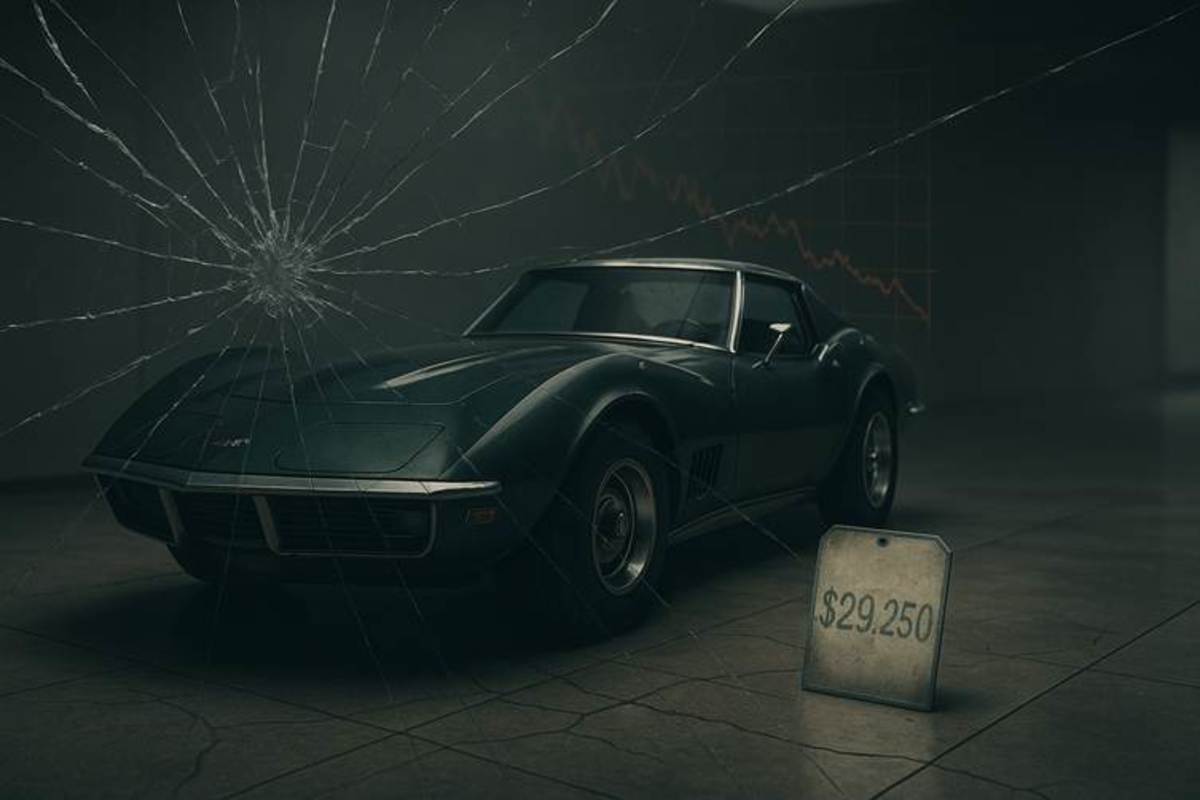
The collector-car market’s pandemic-fueled boom has eased, with median sale prices down about 20% from late 2022 highs to roughly $27,800 (Hagerty Market Index, May 2025). This signals that even cherished classics aren’t immune to shifting demand, rising costs, and regulatory uncertainty. For car buffs, this cooling phase offers chances to acquire, enjoy, and maintain vintage rides more affordably.

Several interrelated factors have contributed to the downward pressure on values:

Tighter Tax and Estate Scrutiny

Tighter tax and estate scrutiny means that high-value assets attract more attention from IRS and local tax authorities. Some owners choose to sell or simplify their holdings earlier than they might have in a looser tax environment, adding supply and pressuring prices.

Demand Surge Correction Post-Pandemic

The extraordinary surge in demand during 2020–22—fueled by extra savings, limited travel options, and heightened online auction activity—has naturally corrected as those conditions recede. As pandemic-era fervor fades, bidding intensity softens and buyers become more selective.

Rising Ownership and Maintenance Costs

Ownership costs continue to rise: storage fees have been climbing at roughly 6% per year, with climate-controlled barn space that might once have been $200–$300 per month now approaching $350–$400 monthly. Insurance premiums and maintenance budgets are also on an upward trajectory, which collectively pressures owners of multiple cars to reconsider or offload vehicles rather than expanding their collections.

Regulatory and Tariff Uncertainty

Regulatory and tariff risks weigh on market sentiment. While many classics dodge import duties until they reach 25 years old, potential policy shifts could impose tariffs on models that are only now becoming eligible—such as early ’90s Japanese sports cars. Moreover, tightening emissions or safety regulations in various jurisdictions can threaten road legality or increase compliance costs, prompting some owners to sell ahead of new rules.

Thinning Trading Volumes and Adjusted Expectations

Trading volumes have thinned: auction bidding has cooled noticeably. For example, 1967 Ford Mustang Fastbacks that fetched $80,000–$90,000 in 2022 now more commonly trade in the $65,000–$75,000 range. Similar softening of 10–15% appears in markets for 1972 Datsun 240Z and early BMW E30 M3 models. This reduced heat leads sellers to adjust expectations downward.

Shifting Enthusiast Priorities

Finally, enthusiast priorities are shifting. Many younger collectors emphasize hands-on enjoyment — participation in track events, hands-on restoration work, and regular driving — over pure “investment” purchases. This change tempers speculative bidding and encourages buying for use rather than as a store of value.

Real-World Examples

  • 1967 Ford Mustang Fastback: Values down ~15–20%; buyers can negotiate prep work (fuel-system refresh, brake rebuilds) into deals.
  • 1972 Datsun 240Z: After peaking near $60,000–$70,000, well-maintained examples now sell around $50,000–$55,000. Barn-find projects become more attractive.
  • Early BMW E30 M3: Entry-level, higher-mileage cars have softened ~10%, trading in the high $50,000s rather than beyond $65,000. Good-condition models are more negotiable.
  • Ferrari 360 Modena & Porsche 997 Carrera: Prices dipped 10–15% from 2021 peaks; buyers can factor maintenance (e.g., IMS bearing checks, service inclusion) into acquisitions.

Actionable Moves for Enthusiasts

Hunt Hidden Gems: Monitor barn finds, private sales, and marque-specific forums. Seek out cars with thorough documentation, matching numbers, and transparent histories.

Negotiate Condition & Extras: Use detailed inspections as leverage. Ask sellers to include recent fluid analyses, mechanical refreshes, or spare parts/work as part of the deal to offset anticipated maintenance.

Optimize Storage & Maintenance: Take advantage of eased demand to secure competitive storage rates and more flexible bookings at specialist shops. Schedule preventive services — such as timing-chain or coolant-system checks — while shops have capacity and costs are reasonable.

Leverage Networks: Participate in clubs and meetups to discover upcoming sales early, and consider group-buying parts or services to reduce per-unit costs.

Focus on Enjoyment: Drive more frequently — weekend cruises, rallies, and track days — since depreciation pressure is lower. Embrace restoration projects when shop availability is better than during peak-market periods.

Plan Exits Thoughtfully: When preparing to sell, aim for spring or summer listings, invest in professional detailing, quality photography, and video walkarounds to help your car stand out in a quieter market.

Macro Considerations & Risk Management

It remains important to stay educated on developments that could affect classic-car ownership. Follow marque-specific newsletters, attend workshops, and network with restorers to anticipate emerging technical or regulatory issues. Keep abreast of changes in emissions standards, import rules, and safety regulations that might alter a car’s legality or maintenance burden.

Parts availability can shift as suppliers adjust production; consider stocking up on consumables—such as seals or bushings—before certain items become scarcer or more expensive. Periodically review your insurance: update agreed-value coverage to reflect current market levels and adjust mileage or usage clauses if you plan to drive more often or store differently. Strive to balance your garage between higher-maintenance classics and more reliable models to smooth overall costs. Finally, maintain a reserve fund for unplanned repairs—whether a carburetor rebuild or an electronic - module fix — to avoid unwelcome surprises.

Bottom Line: Act Decisively

This market downturn represents an opportunity for car buffs: desired models are more accessible, service and parts deals can be negotiated more favorably, and driving becomes less daunting when steep depreciation is unlikely. Prioritize authenticity, usability, and personal enjoyment — acquire and use classics on your own terms. In this cooler market, true value lies in the journey: drive, tinker, and relish every mile of the vintage-car experience.

  • Digg
  • Del.icio.us
  • StumbleUpon
  • Reddit
  • RSS
Post Icon

Hundreds of Thousands of Acura and Honda Vehicles Have a Brake Problem


via Hundreds of Thousands of Acura and Honda Vehicles Have a Brake Problem

Some Of Honda's Most Popular Cars Are Faulty

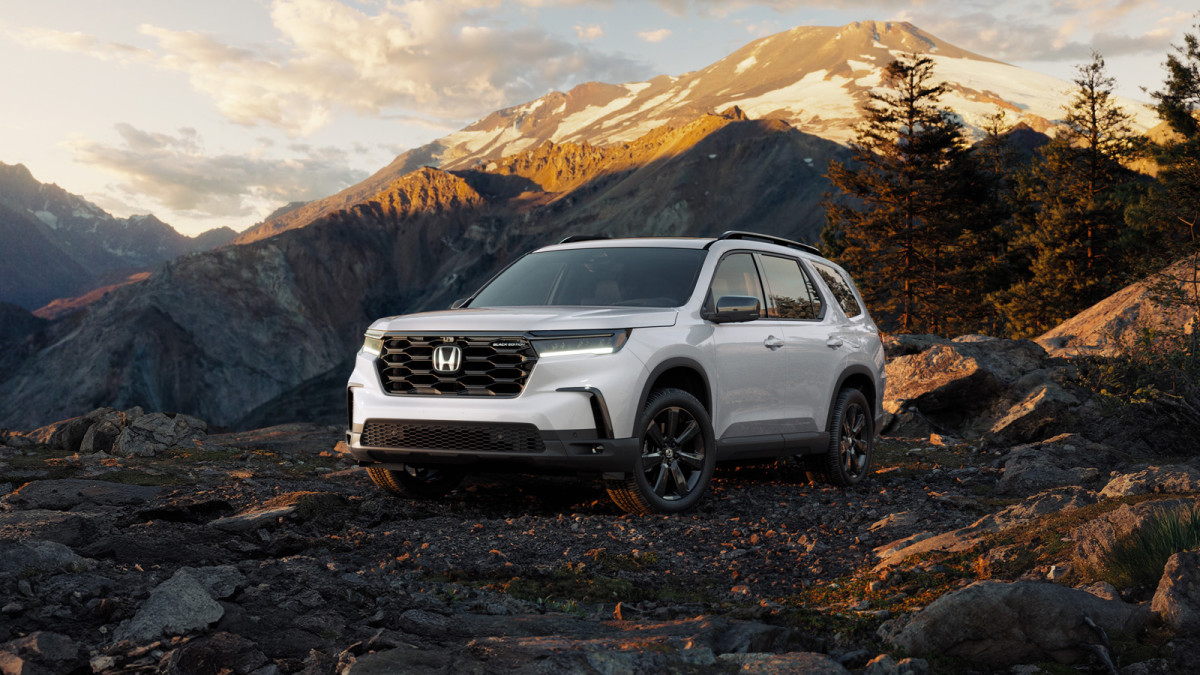
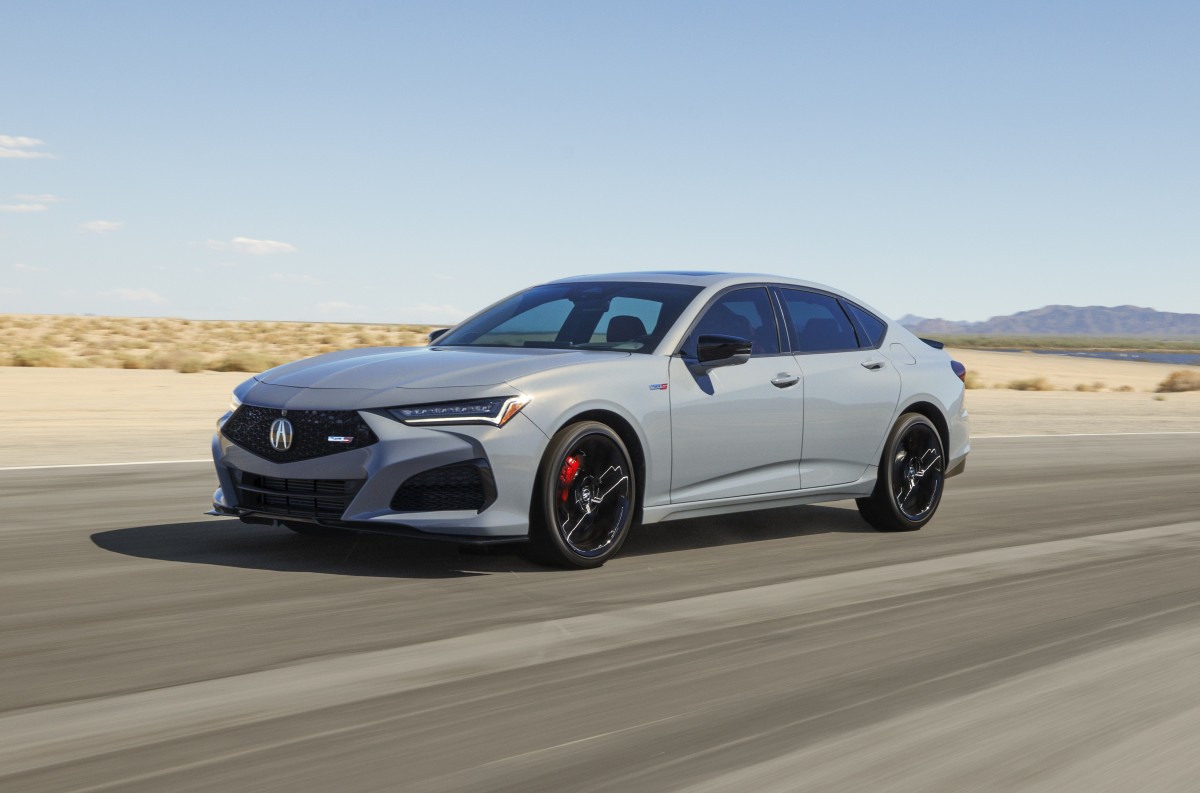
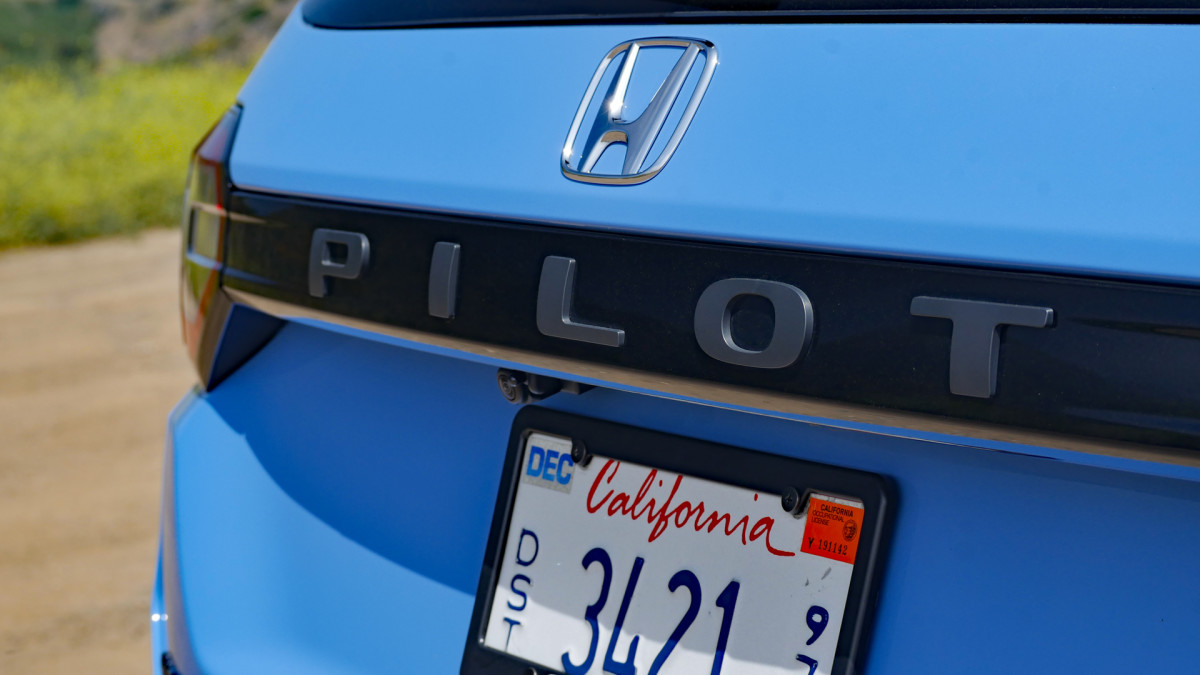
The National Highway Traffic Safety Administration has announced a new recall for some 259,033 vehicles that may have a dangerous flaw. According to the NHTSA recall documents, a pivot pin on the brake pedal of certain vehicles under both the Honda and Acura brands may not have been secured properly, which may cause the pedal to move out of position. As you can imagine, the worst-case scenario might see a driver press the brake only to find that the pedal may simultaneously engage the accelerator pedal (none of the affected cars come with a clutch pedal) or be otherwise prevented from being fully depressed. The recall affects the Honda Pilot and Acura MDX three-row mid-size SUVs, along with the TLX sedan.

Numerous Model Years Face The Recall

Acura

View the 3 images of this gallery on the original article

The recall impacts TLX model years 2021-2025, while owners of either SUV only need to worry if theirs is a 2023-2025 model. As a physical flaw, this won't be solved with a software update, and dealers will have to inspect and replace the brake pedal assembly as necessary. As a manufacturer flaw, this won't cost owners anything but time. Speaking of which, drivers will need to be cautious for a little while, as notification letters are only expected to be mailed on July 28. In the meantime, it can't hurt to physically inspect the pedals before each drive to ensure that neither foot pedal is interfering with the other.

Recalls Are Only One Concern For Honda

James Riswick/Autoblog

Every year, millions of cars are recalled over defects, but Honda has managed to maintain a reputation for reliability. Still, there are challenges it must face that are beyond its control. Honda says tariffs will erase some $4 billion from its profit margins, and it's going to spend a not-inconsiderable amount moving production of the popular Civic to avoid those tariffs. Hopefully, this major change and other cost-cutting measures do not negatively impact quality. Fortunately, the TLX won't be badly impacted as it's built in Marysville, Ohio. The MDX and Pilot benefit from being made in Lincoln, Alabama, too.

  • Digg
  • Del.icio.us
  • StumbleUpon
  • Reddit
  • RSS
Post Icon

First Neue Klasse Model: BMW iX3 Brings Bold EV Innovation


via First Neue Klasse Model: BMW iX3 Brings Bold EV Innovation

What To Expect From the First Production Neue Klasse Model

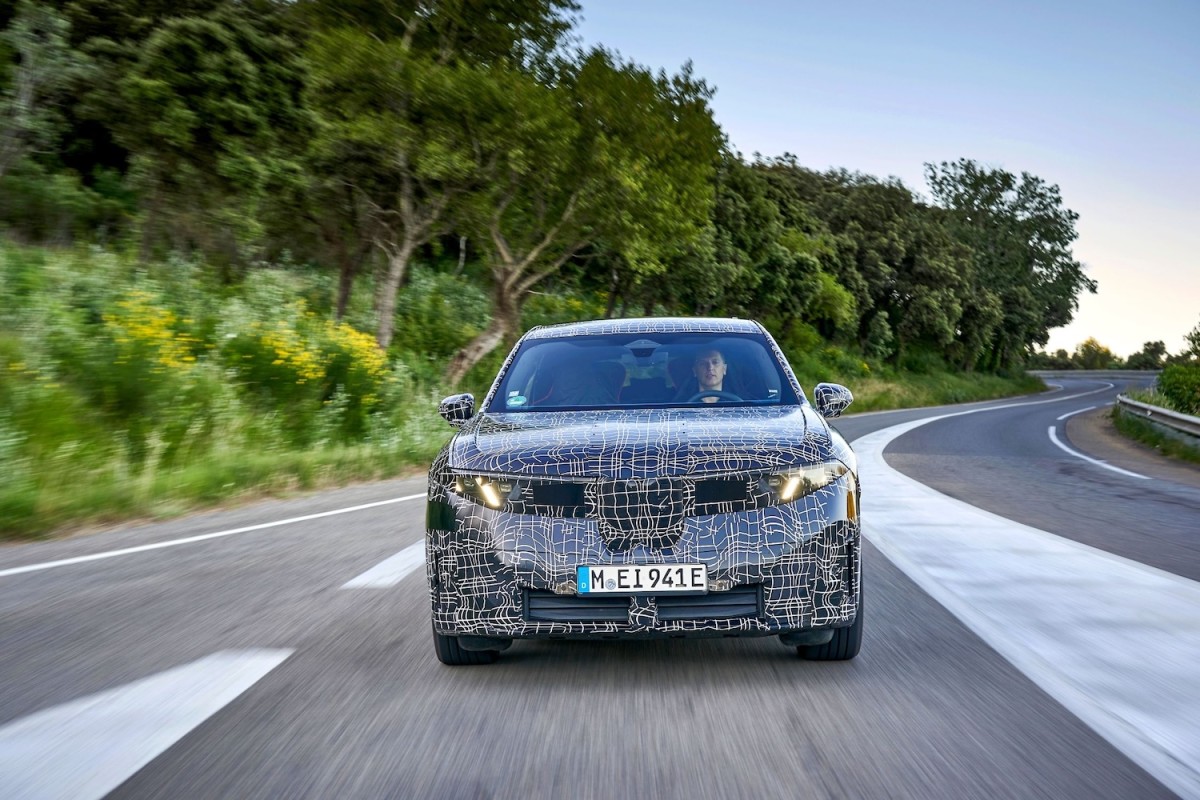
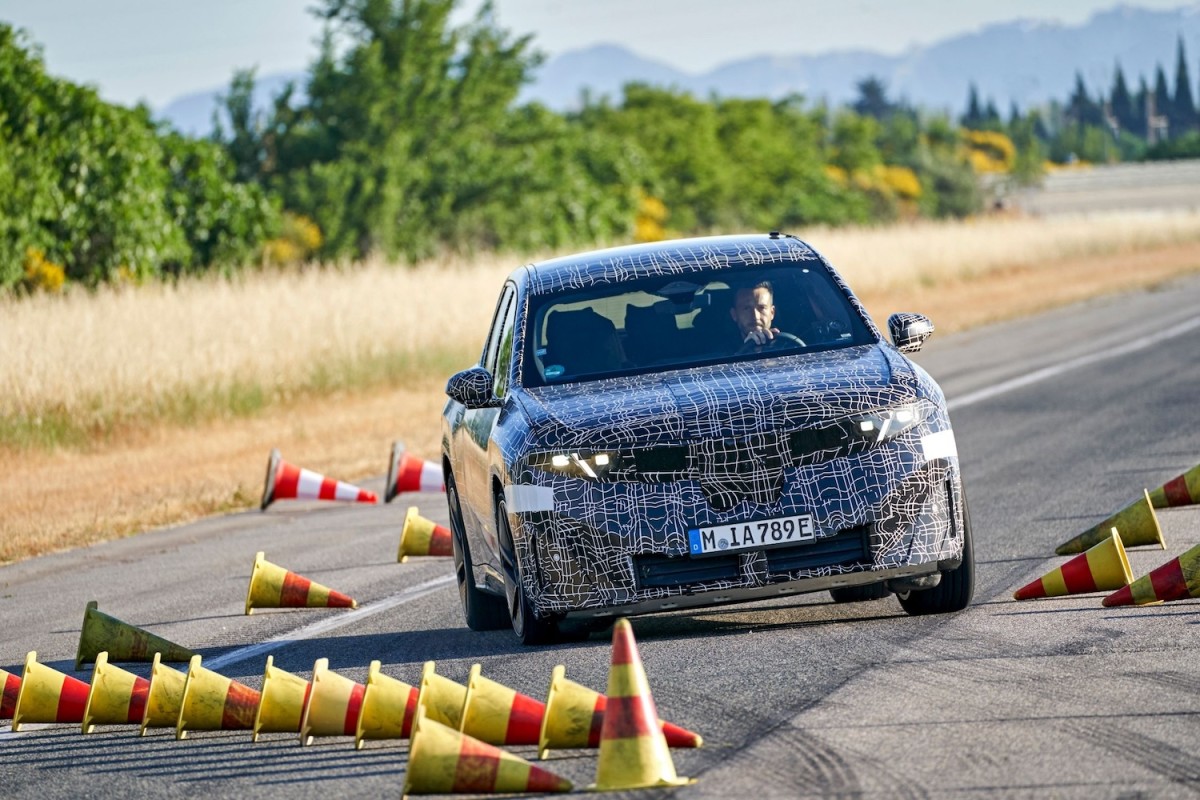
It has been a while since BMW unveiled the first Neue Klasse concept in 2023. The ground-up architecture, set to be the backbone of BMW's new generation of vehicles, is the automaker's biggest project to date, encompassing the marque's leap in terms of vehicle platform, design, and technology.

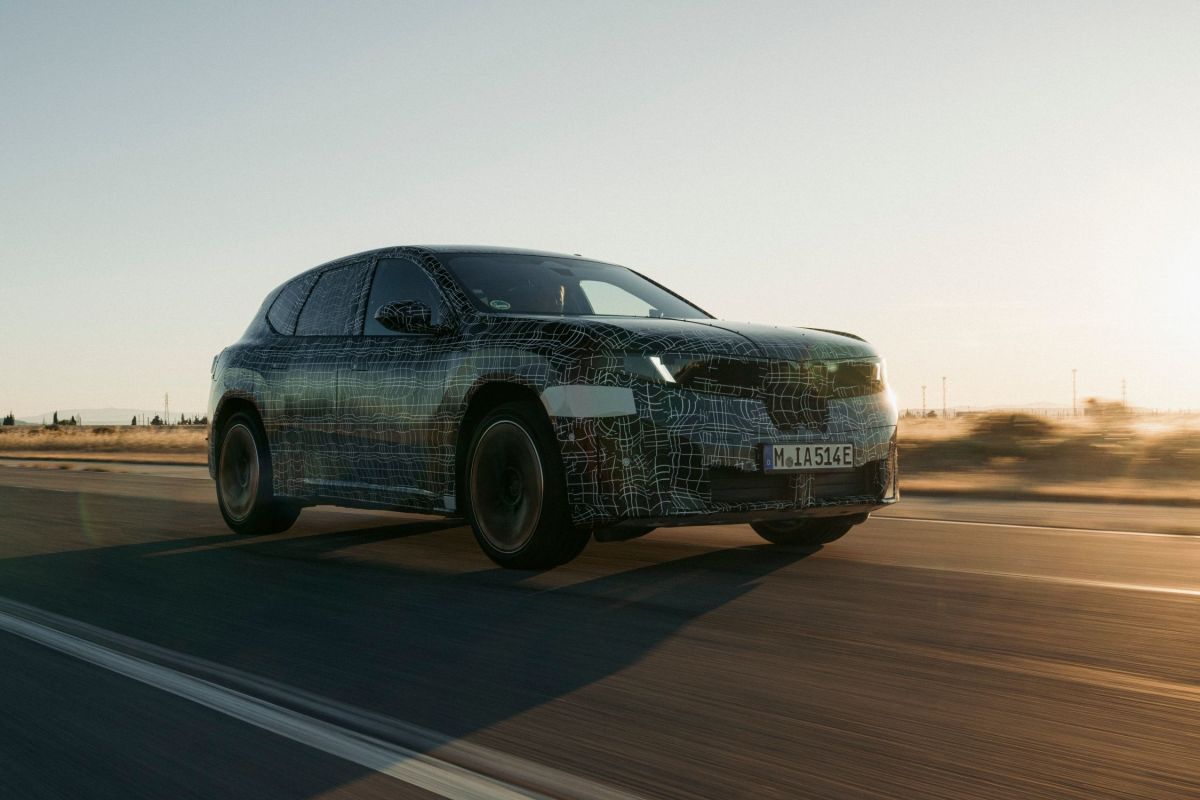
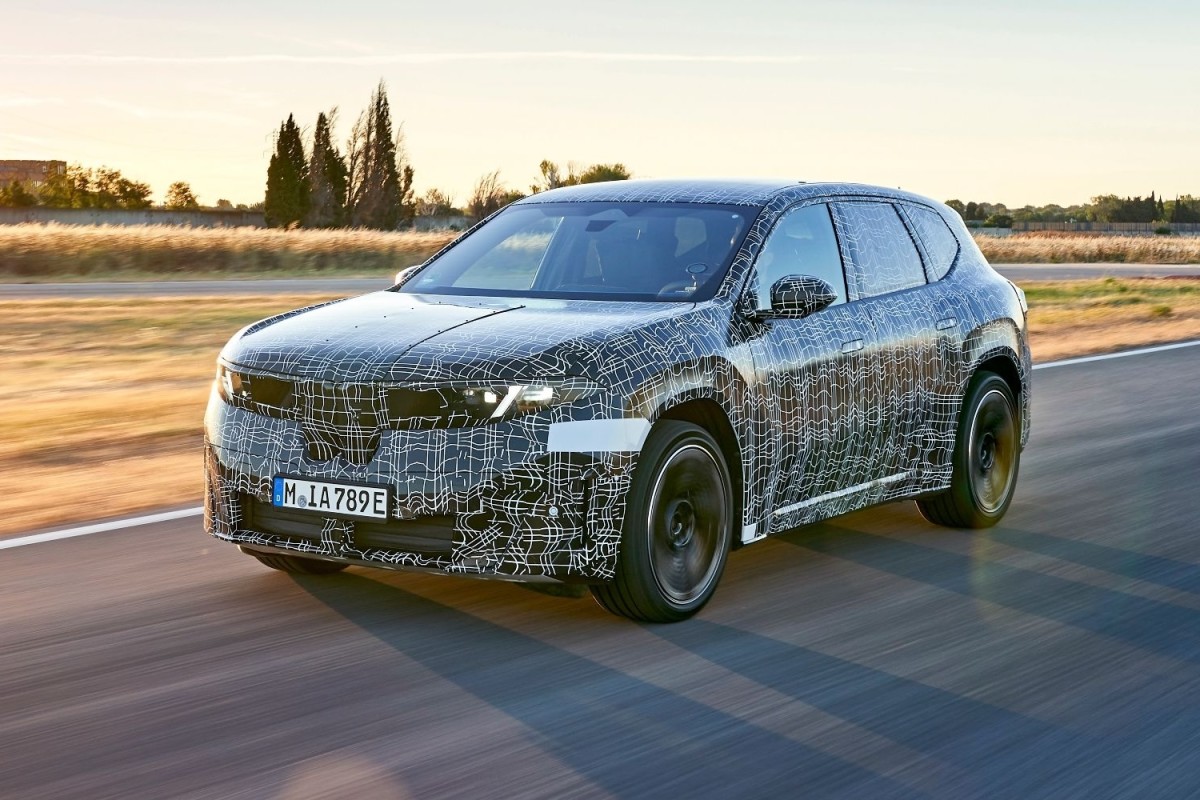
While the first modern Neue Klasse concept revealed was a low-slung sedan, the first production model from the new BMW family will be a crossover. Specifically, the new BMW iX3, which is based on the BMW Vision Neue Klasse X Concept.

BMW has revealed details about the upcoming iX3, set to debut in Germany this fall. Here's a breakdown of what we can expect from the new breed of Bimmers.

BMW

View the 2 images of this gallery on the original article

Advanced Tech for New Breed of EVs

According to BMW, the iX3 will use an 800V architecture compatible with 400V DC charging stations. Batteries will be in a new cylindrical cell format, said to have 20% higher energy density than previous prismatic types.

The new batteries touts up to 497 miles of range on a single charge based on WLTP standards. In America, this goes down to 400 miles based on the standards of the EPA. With the advanced EV architecture, the iX3 will be able to support up 400 kW of charging, enabling the addition of over 217 miles of range in just 10 minutes.

With the new battery also comes a fresh Gen6 powertrain, promising improved performance and efficiency across all drive and vehicle segments. The iX3 will also feature the "Heart of Joy" control computer, which can process data ten times faster than previous systems. It harmonizes powertrain, braking, and steering for better dynamics and recuperation.

BMW

View the 2 images of this gallery on the original article

Next-Level User Experience and Driver Aids

While the supporting images don't include the cabin, BMW revealed what owners can expect inside the iX3. Front occupants will experience a combination of Panoramic Vision, a windshield-wide projected information, and 3D Head-Up Display, which shows navigation and driving data in the driver’s direct field of vision.

A central matrix-backlit screen will also reside near the steering wheel, while the multi-function steering wheel will have haptic and illuminated shy-tech controls.

Apart from the tech-filled cabin, BMW also announced advanced driver-assist systems for the iX3, powered by a processor that's 20x faster than before and utilizes AI systems. These features include lane change warning, road priority alerts, safe exit, and assisted driving views. There's also a so-called Motorway & City Assistant, which supports hands-free driving, automatic braking at red lights, and roundabout assistance.

BMW

View the 2 images of this gallery on the original article

Launch Happening in Munich This Fall

BMW also introduces bidirectional charging with the iX3, with up to 3.7kW output for powering devices via its Vehicle-to-Load (V2L) feature. It also supports Vehicle-to-Home (V2H) and Vehicle-to-Grid (V2G), turning the car into energy storage to reduce costs and support the grid. A new wallbox will also be introduced, with up to 19.2kW DC charge/discharge capacity, and includes adapters for V2L use.

BMW says that the iX3 will make its full, global debut in September at the 2025 IAA Mobility show in Munich, Germany. Production starts at the end of 2025 in Debrecen, Hungary.

  • Digg
  • Del.icio.us
  • StumbleUpon
  • Reddit
  • RSS
Post Icon

IIHS Crash Tests: The Toyota Prius Is Officially Safer Than The Ford Bronco


via IIHS Crash Tests: The Toyota Prius Is Officially Safer Than The Ford Bronco

The Ford Bronco And Bronco Sport Both Missed Top Safety Awards

The Insurance Institute for Highway Safety (IIHS) has released the results of its latest crash tests, and while most models achieved the organization’s 2025 Top Safety Pick+ award - indicating the highest possible safety standards - Ford won’t be pleased with the outcomes for two of its best SUVs.

The Bronco and Bronco Sport SUVs both missed out on a Top Safety Pick+ award following new ratings, while at least three much smaller cars achieved better safety scores. While this does not mean that the SUVs are unsafe, they each failed to protect occupants according to the agency’s highest standards. Here, we’ll look at exactly where the Bronco and Bronco Sport fell short.

Firstly, What Are The Requirements For A Top Safety Pick+ Award?

To qualify for the Top Safety Pick award, a vehicle has to achieve the following in IIHS crash tests:

  • Good ratings for the small overlap front and update side tests
  • Acceptable or Good ratings in the pedestrian front crash prevention test
  • Acceptable or Good ratings for headlights, applicable to all trims
  • Acceptable rating for the updated moderate overlap front test

Furthermore, the Top Safety Pick+ award is only achievable if a Good rating for the updated moderate overlap front test is received.

The IIHS regularly updates its testing procedures with tougher tests, so a vehicle that qualified for a Top Safety Pick+ award a few years ago may not get one now.

Ford Bronco

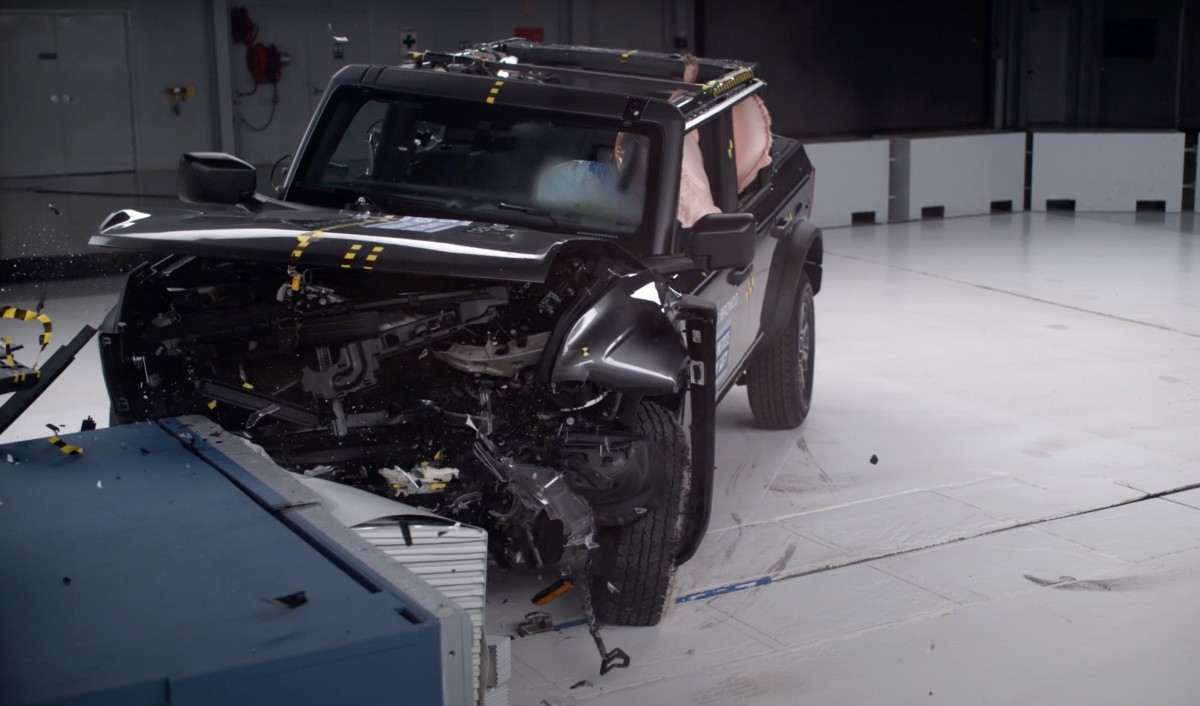
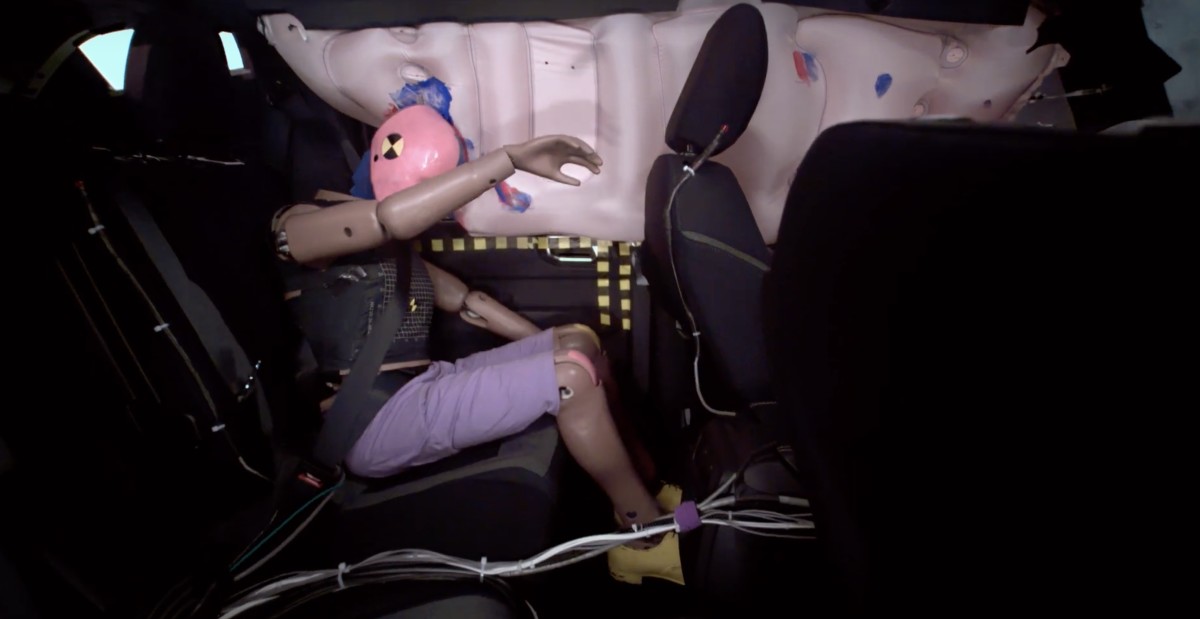
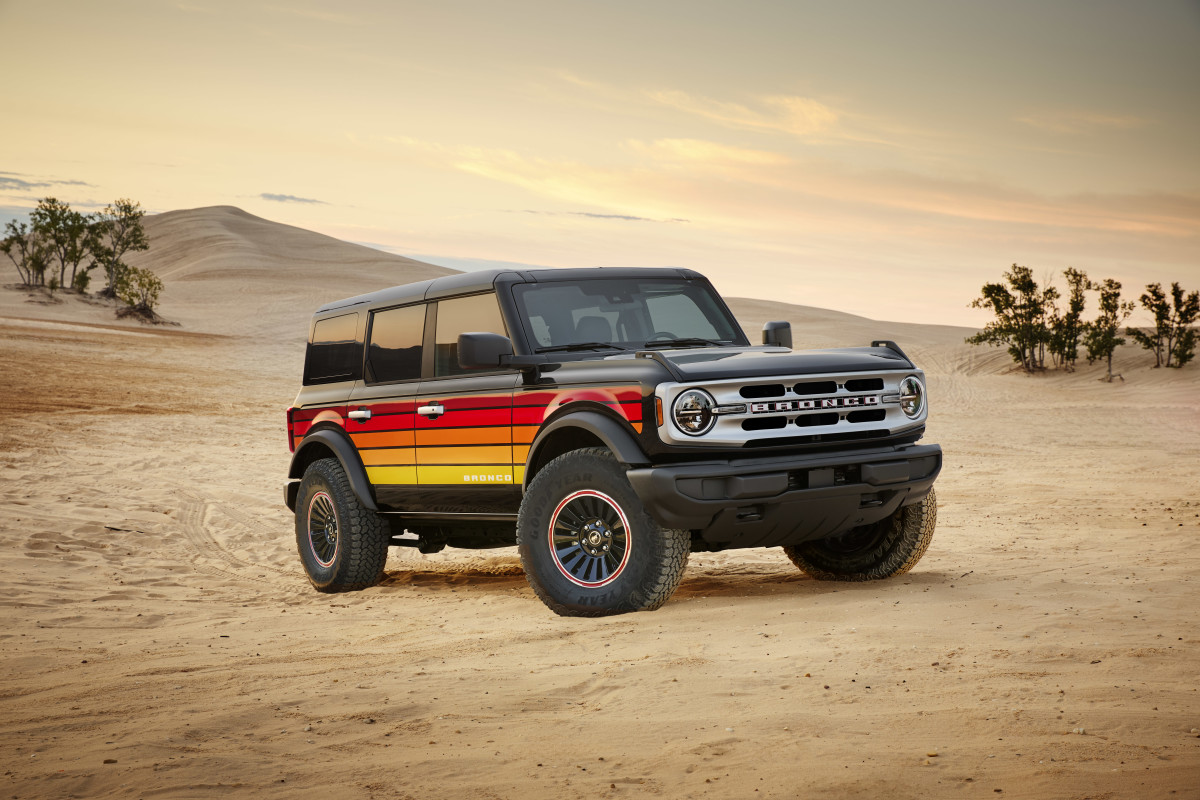
The Bronco may look like a safe place to be in a crash, given its tall stance and beefy bodywork, but it didn’t do enough to ace its crash tests. Marginal ratings for the moderate overlap, pedestrian front crash prevention, and headlight tests held the SUV back. For the moderate overlap test, the IIHS noted a higher risk of chest injuries when the rear crash dummy was assessed. Then again, even minivans were found to do an inadequate job of protecting second-row passengers, and those are dedicated family movers.

The Bronco still received Good ratings for the small overlap front, updated side, and seat belt reminder tests, though. Its vehicle-to-vehicle crash prevention system got an Acceptable score, as did the ease of using the LATCH system. It must be noted that the LATCH system, seat belt reminder, and vehicle-to-vehicle crash prevention scores are not factored into the award criteria.

Overall, the Bronco could be improved, but previous tests show it's still safer than its Jeep Wrangler rival.

Ford Bronco Sport

Thanks to LED projector headlights instead of the Bronco’s LED reflector headlights, the Bronco Sport gets off to a better start than its bigger sibling, with a Good rating for its headlights. The Bronco Sport’s pedestrian crash prevention system also performed better, with a Good rating. 

In the updated moderate overlap front test, the Bronco Sport got the same Marginal score as the Bronco. The post-crash analysis showed that the rear dummy’s lap belt slid up onto its abdomen, which poses a higher risk of internal injuries. This is in addition to elevated chest, neck, and head injuries for rear-seat passengers. The Acceptable rating in the side test was due to a risk of injury to the driver’s pelvis.

Final Thoughts

Ford

View the 2 images of this gallery on the original article

Interestingly, smaller cars like the Toyota Prius, Hyundai Elantra, and Kia K4 achieved better ratings than the Ford SUVs, proving that vehicle size has nothing to do with occupant protection. Take the Prius, for example. Besides an Acceptable rating for its headlights, it received a Good score in every crash test.

However, since no two accidents are exactly the same, the Bronco and Bronco Sport still have every chance of adequately protecting occupants in a crash. Both come with a decent roster of passive and active safety features. These IIHS tests do, however, show that there is some room for improvement in this area for the Ford twins.

  • Digg
  • Del.icio.us
  • StumbleUpon
  • Reddit
  • RSS
Post Icon

Japan's Sub-$10K EV Seats One But Turns Heads


via Japan's Sub-$10K EV Seats One But Turns Heads

A small “mobility robot” could change the way Japan gets around

Pricing is one of many reasons EV market penetration worldwide is slow. But in Japan, a country historically not as dependent on the automobile as places like the United States, the electric vehicle segment is growing at a particularly modest pace. With just 3.5 percent of the market share in Japan as of 2023, compared to a global percentage nearer to 20 percent, EVs are far from the popular choice. But a company called KG Motors, based near Hiroshima, is hoping that will change with their idea of the perfect city car: the MiBot.

The MiBot is small and perfect for getting downtown

KG Motors MiBot

KG Motors

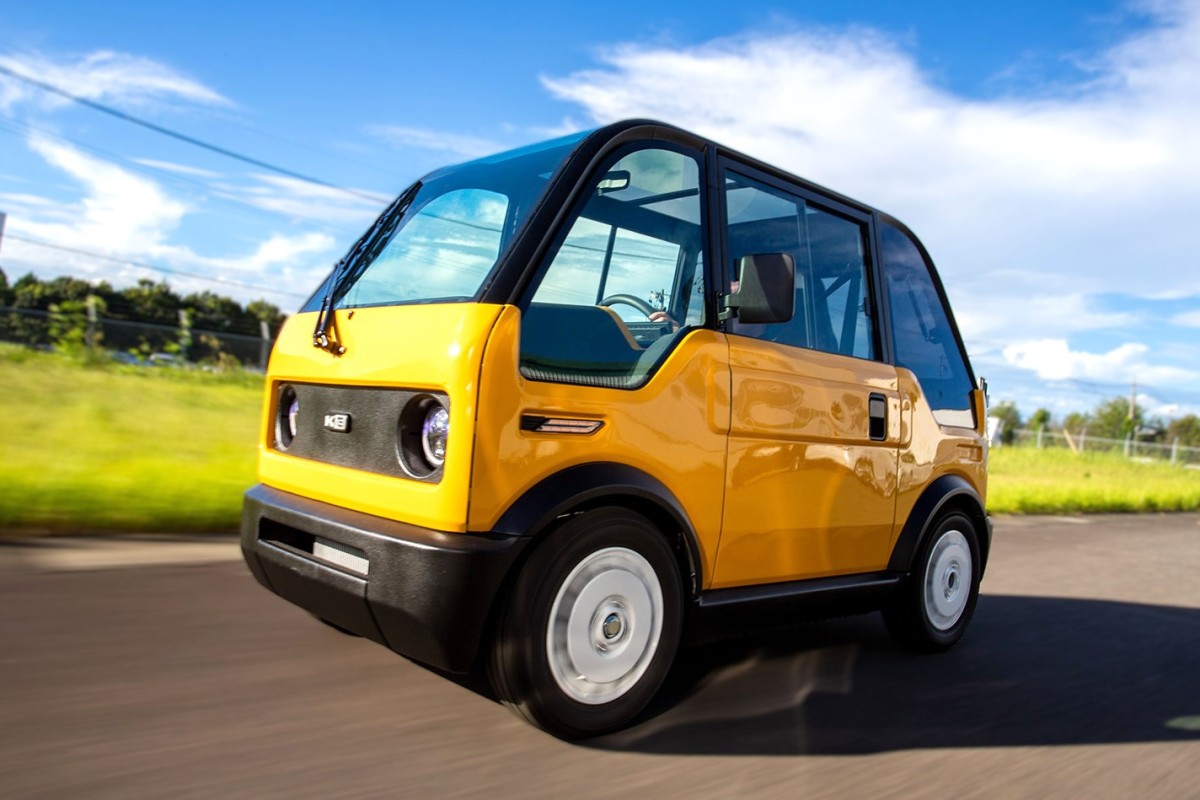
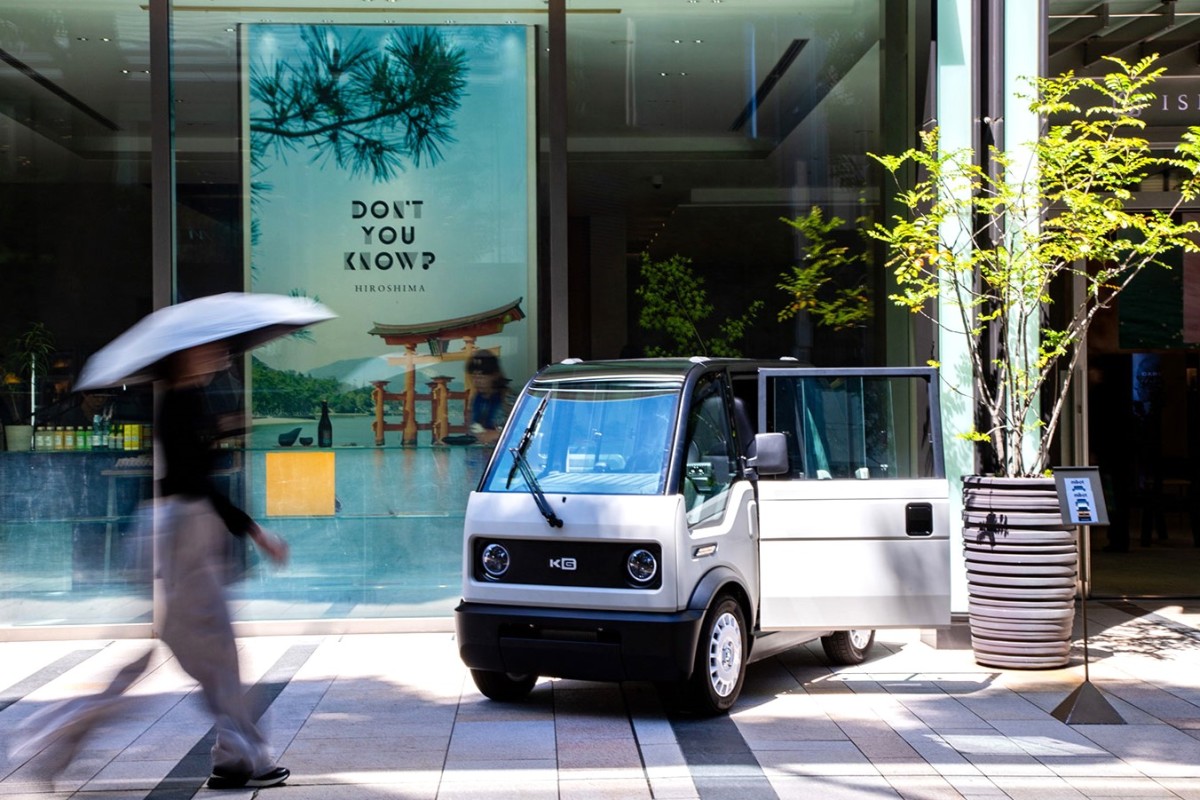
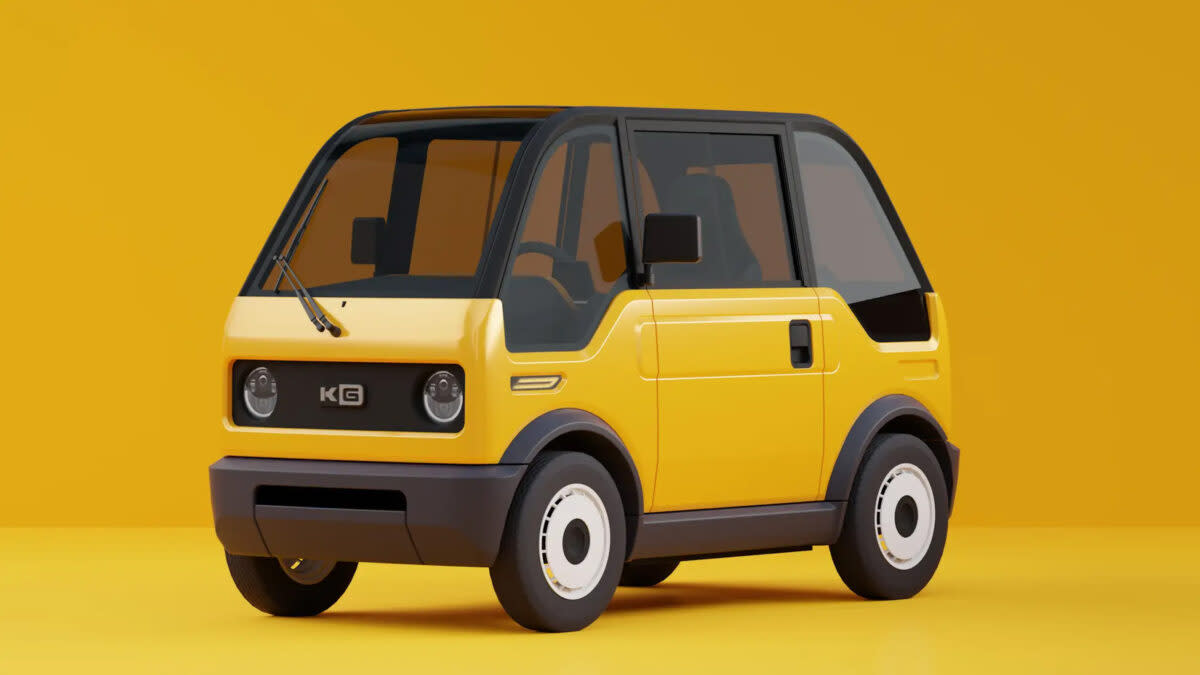
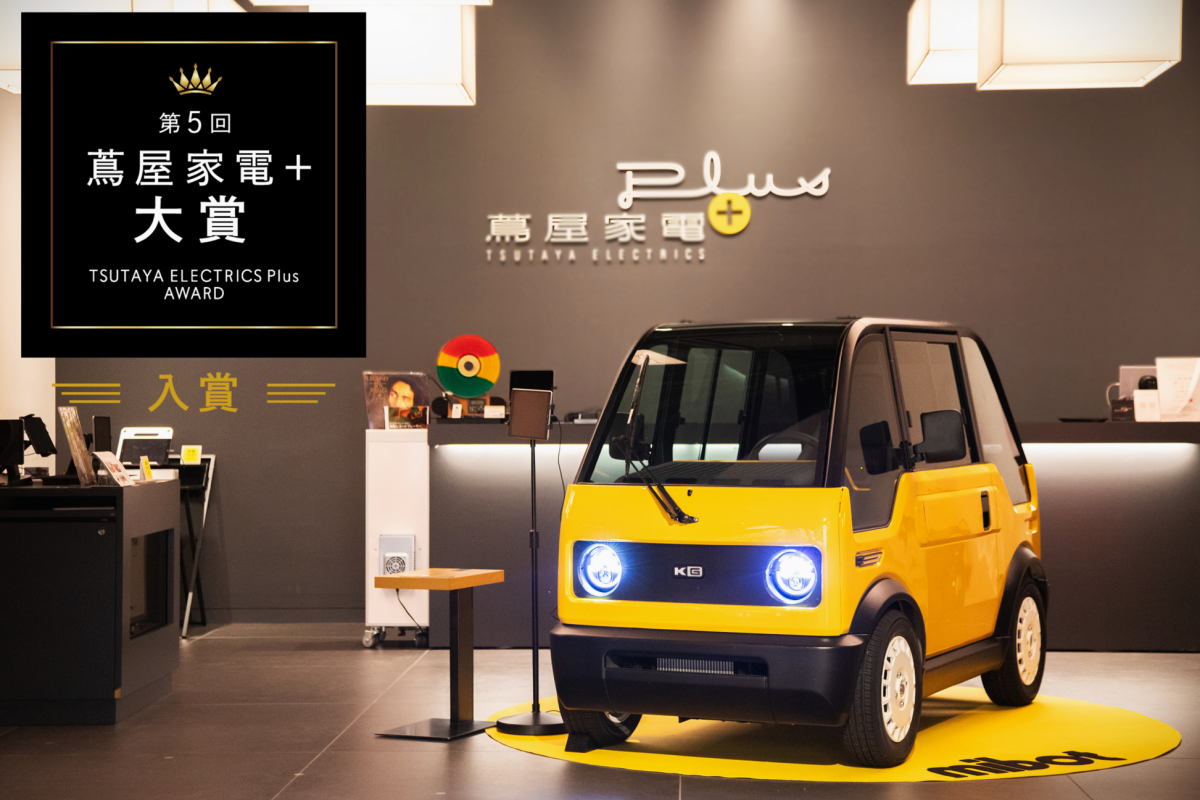
Really, there’s only one way to say it: the KG Motors MiBot is tiny. The single seater measures 98 inches long, 44 inches wide, and stands just 57 inches tall, making it more or less the size of a golf cart.  Under the admittedly adorable exterior beats an electric heart that offers up to 62 miles of range at up to 37 mph. A 7.68 kWh LFP battery pack charges in around five hours on a 100-volt outlet, which is Japan’s standard. Despite a spartan interior — KG Motors proudly touts “doors and air conditioners are standard” — the company says it’s looking into “autonomous driving functions.” Reservations opened up last August, and KG Motors has already secured over 2,000 pre-orders.

Now, small cars and electrification aren’t a new pairing in Japan. The Nissan Sakura, arguably the most popular EV in Japan, is in fact a kei car. But the KG Motors MiBot differs in a few key ways. Funny enough, the most important difference is that it’s smaller, conforming to regulations in Japan defining a “microcar.” That’s distinct from even the small kei car. Microcars benefit from lower insurance rates, no required inspections, and freedom from some other local regulations. The second most important part is pricing. Priced at roughly the equivalent of $7,650, the MiBot is less than half the price of the Sakura.

KG Motors MiBot

KG Motors

MiBot, like Slate Auto, is filling a gap that legacy automakers seem to be content to ignore

We won’t be so bold as to suggest the MiBot would be a pragmatic choice, or at all successful, Stateside. We also recognize that there isn’t anything quite analogous to a microcar that exists in the US. However, with KG Motors seeing a positive response in a country that otherwise eschews electrification in favor of gas — or nothing at all — it seems that pricing is perhaps a bigger factor than legacy automakers realize. Slate Auto is seeing a hugely successful reservation period, and the two share a common approach: few frills, and a price that undercuts everyone else, especially legacy automakers.

KG Motors MiBot

KG Motors

Final thoughts

In an interview with Bloomberg, KG Motors said the “first batch” of MiBots will allow the company to “break even,” financially speaking. Following reservation fulfillments, the MiBot makers will start churning these little guys out at a rate of 10,000 units per year. It's important to remember that Toyota, the world’s largest automaker, sold around 2,000 EVs total in Japan last year. Price isn’t everything, but we have a feeling keeping it low is a big boost for little cars like the MiBot in Japan, and value-packed offerings from companies like Slate in the US.

  • Digg
  • Del.icio.us
  • StumbleUpon
  • Reddit
  • RSS
Post Icon

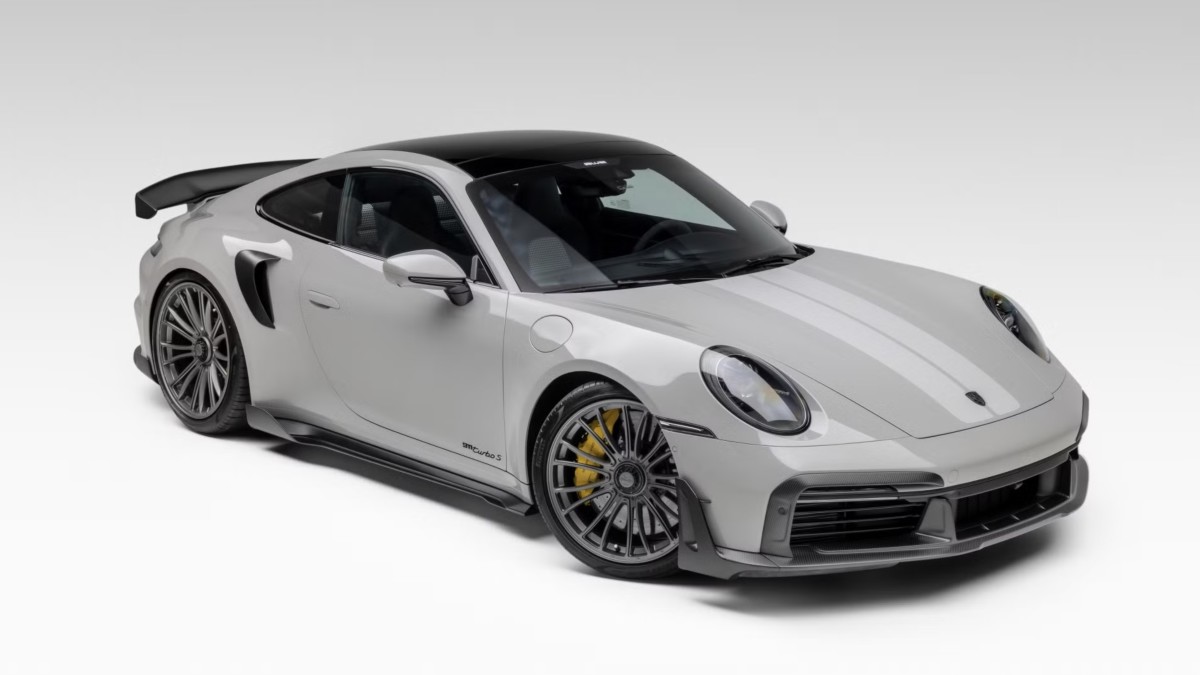
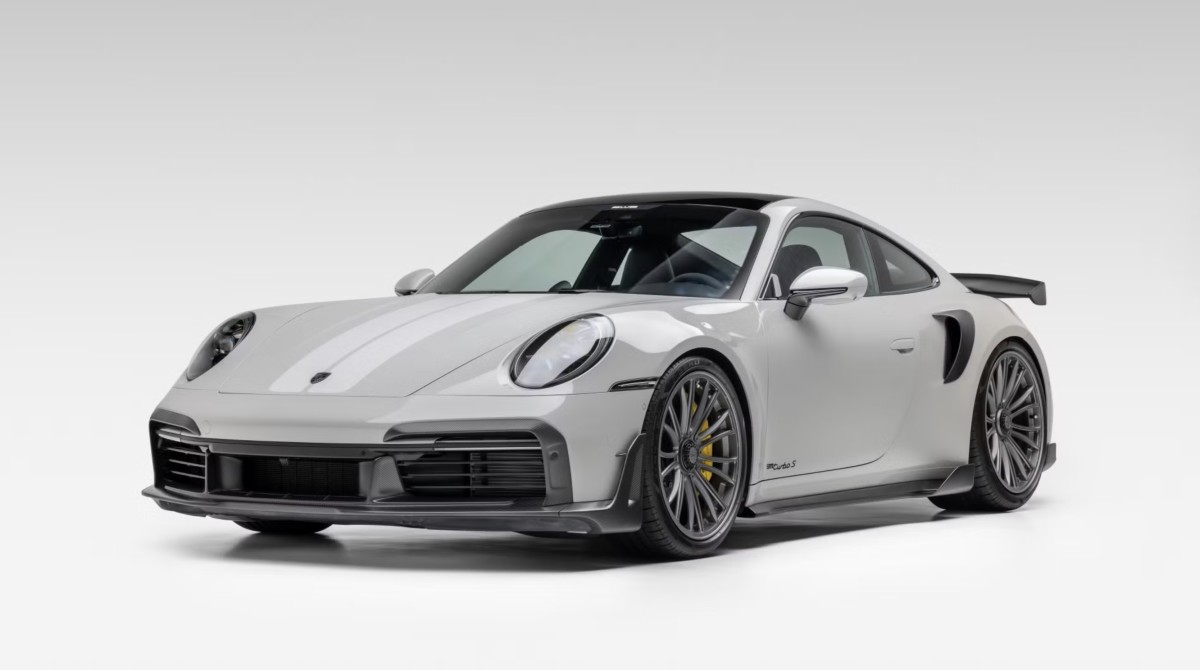
GW9 By Gunther Werks Unveils $68K Aero Package For Porsche 911 Turbo S


via GW9 By Gunther Werks Unveils $68K Aero Package For Porsche 911 Turbo S

911 Turbo Aero Package Costs As Much As A New Cayman S

There’s a Porsche 911 for every occasion, and if you want to get from point A to point B as quickly as possible, the Turbo S is the one for the job. It’s not the most hardcore 911 track toy, but every inch of the 911 Turbo S has been optimized for unrivaled speed. 

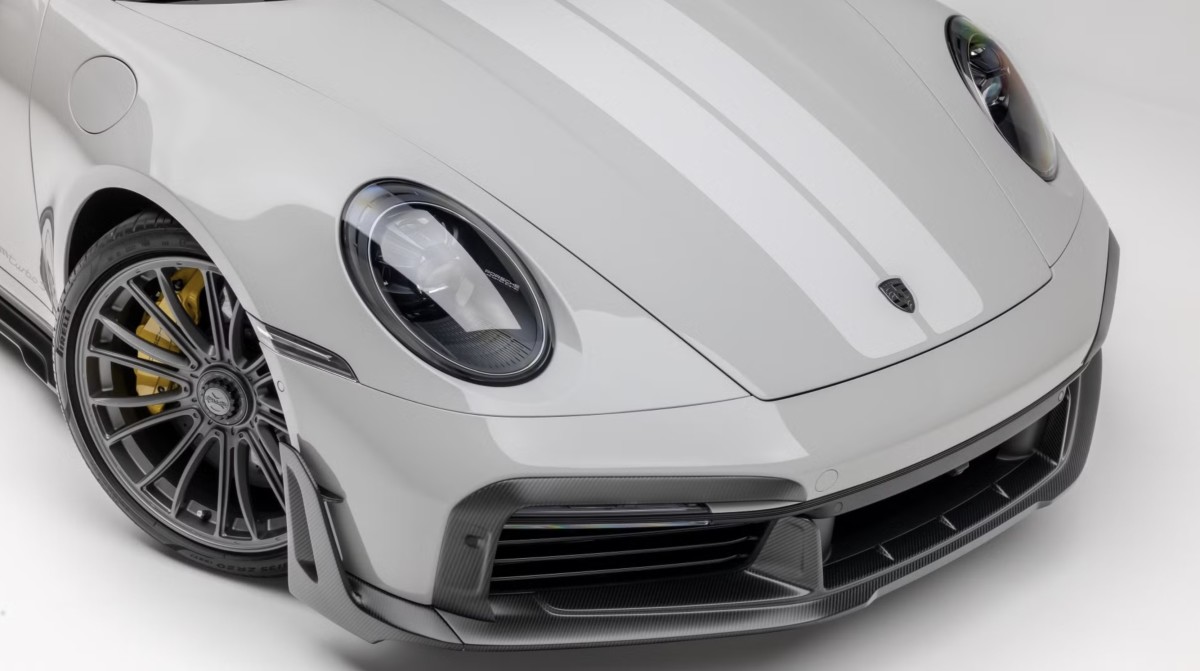
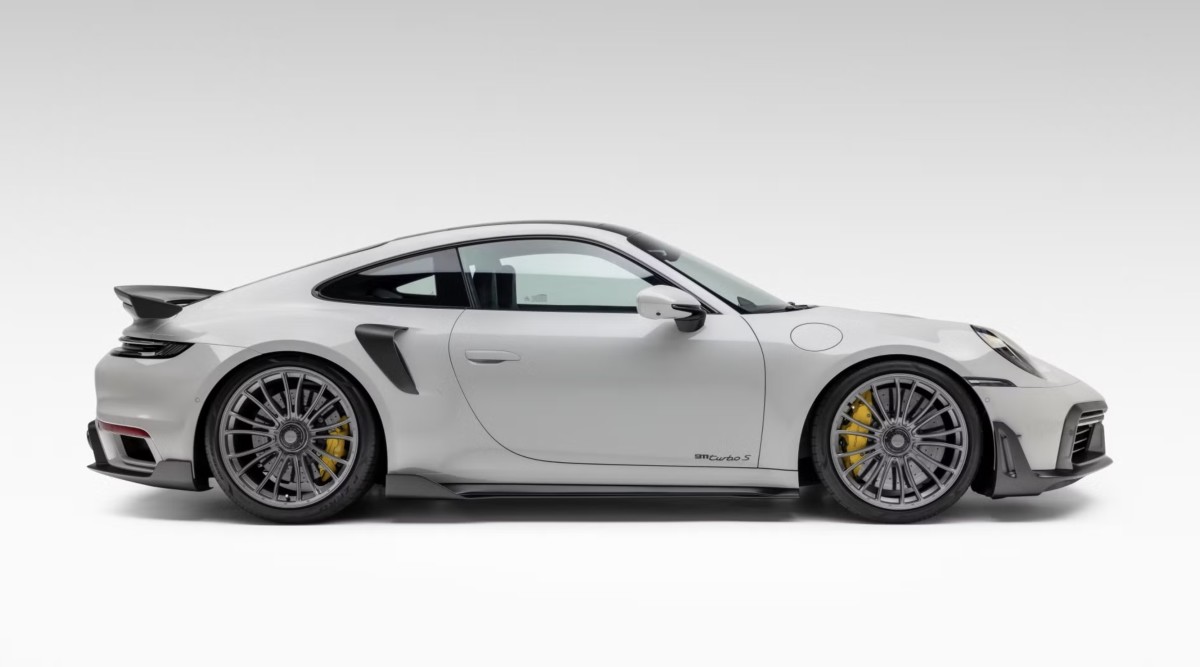
Attempting to improve on this extreme 911 takes considerable expertise, but Gunther Werks - a renowned Porsche builder - has shown it can be done with a new 992.1 Turbo S Aero Package. This pack coincides with the launch of the tuner’s new sub-brand, GW9, and takes the 911 Turbo S to new heights - but it also makes the already expensive 911 even less attainable.

Eight-Piece Aero Package Is Both Tasteful And Functional

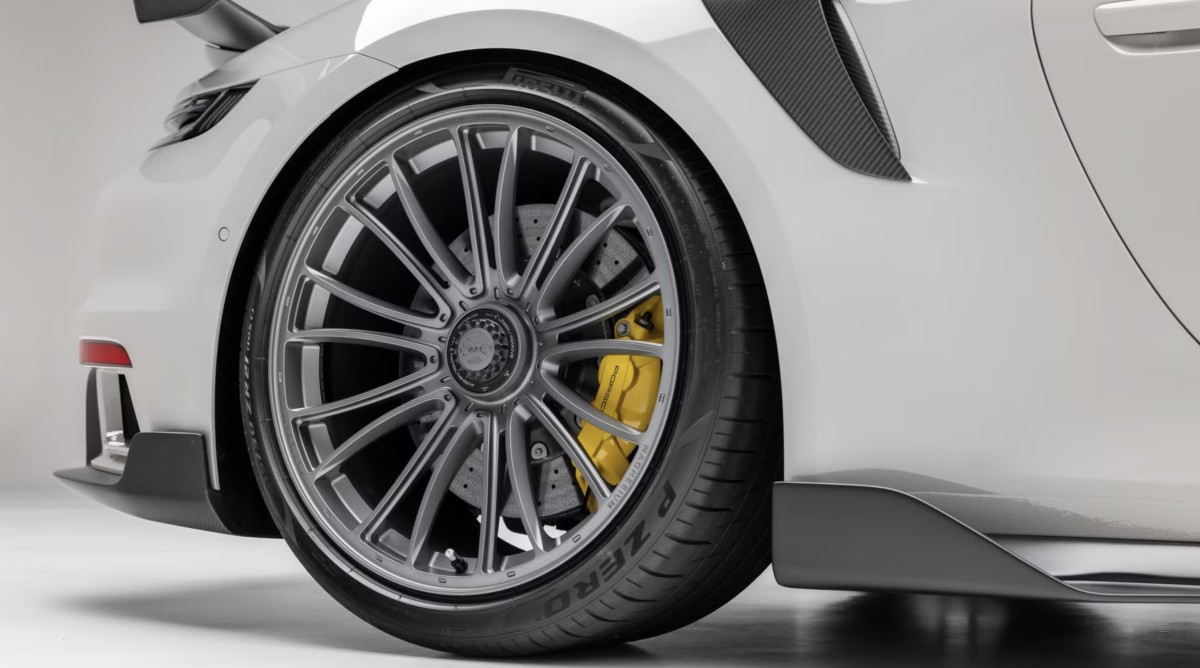
Every component in the pack is crafted from aerospace-grade, pre-impregnanted carbon fiber that has been made using autoclave technology. This process increases stiffness by up to 30% when compared to conventional carbon fiber; either way, let's appreciate the properties of carbon fiber while we still can.

The eight components available are:

  • Rear wing
  • Rear diffuser
  • Side skirts
  • Side intake trim
  • Front intake trim
  • Front spoiler with winglets
  • Front spoiler winglets
  • Front spoiler with side fins

This is not some mad Mansory mission where visual impact trumps aerodynamics. Rather, GW9 has ensured that every part builds upon the 911 Turbo S’ existing attributes. For instance, the rear wing optimizes stability at high speeds, while the rear diffuser reduces rear-end lift. The front spoiler with winglets was designed to boost front-end downforce, helping to keep the Turbo S glued to the asphalt. The side fins also contribute to stability at high speeds.

“GW9 by Gunther Werks components are made specifically for modern Porsche fitments and our goal is to enhance the already great design, while giving our customers a unique package that stands out,” said Peter Nam, CEO and founder of Vorsteiner and Gunther Werks. “GW9 exemplifies our innovation and craftsmanship and it offers a way for the Porsche community to access the Gunther Werks brand.”

Gunther Werks

View the 3 images of this gallery on the original article

Components Can Be Purchased Individually, But They’re Not Cheap

The GW9 brand’s site indicates pricing for each of the aero pack’s components, and they range from $3,995 for the aero front spoiler winglets all the way to $13,195 for the rear wing. The combined price of all components (with the most expensive finishes) is just over $68,000. Add a set of four GW9 magnesium monoblock wheels, and the total swells to an eye-watering $84,740. That could buy you a brand-new Porsche 718 Cayman S.

Then again, the base price of a new 911 Turbo S is already $230,400, so anyone who can afford that will likely also be able to afford a high-end carbon fiber aero package.

As a subsidiary of Gunther Werks, which operates out of California, the GW9 brand is expected to expand in the months ahead. Currently, it also has aero packs for the 991.1 GT2 RS, 991.1 GT3 RS, and Taycan. 

911 Turbo S Is A Scary Performer

In case you needed reminding, the Porsche 911 Turbo S is a spectacular sports car. Its 3.7-liter turbocharged six-cylinder engine produces 640 horsepower and 590 lb-ft of torque. While some 911s are rear-wheel drive, such as the GT3 and GT3 RS, the Turbo S gets all-wheel-drive traction. This, plus the lightning-fast shifts of the eight-speed dual-clutch automatic, allows the Turbo S to streak from 0-60 mph in just 2.6 seconds. Keep your right foot planted, and you'll eventually hit a top speed of 205 mph.

GW9 hasn't specified if its aero package improves on these figures in any way, but there's no doubt that any Turbo S is one of the quickest gas-powered cars in the world.

Gunther Werks

  • Digg
  • Del.icio.us
  • StumbleUpon
  • Reddit
  • RSS
Post Icon

Faraday Makes Its Boldest Promises Yet, Including Beating Toyota


via Faraday Makes Its Boldest Promises Yet, Including Beating Toyota

Going After The Biggest Players In The Game

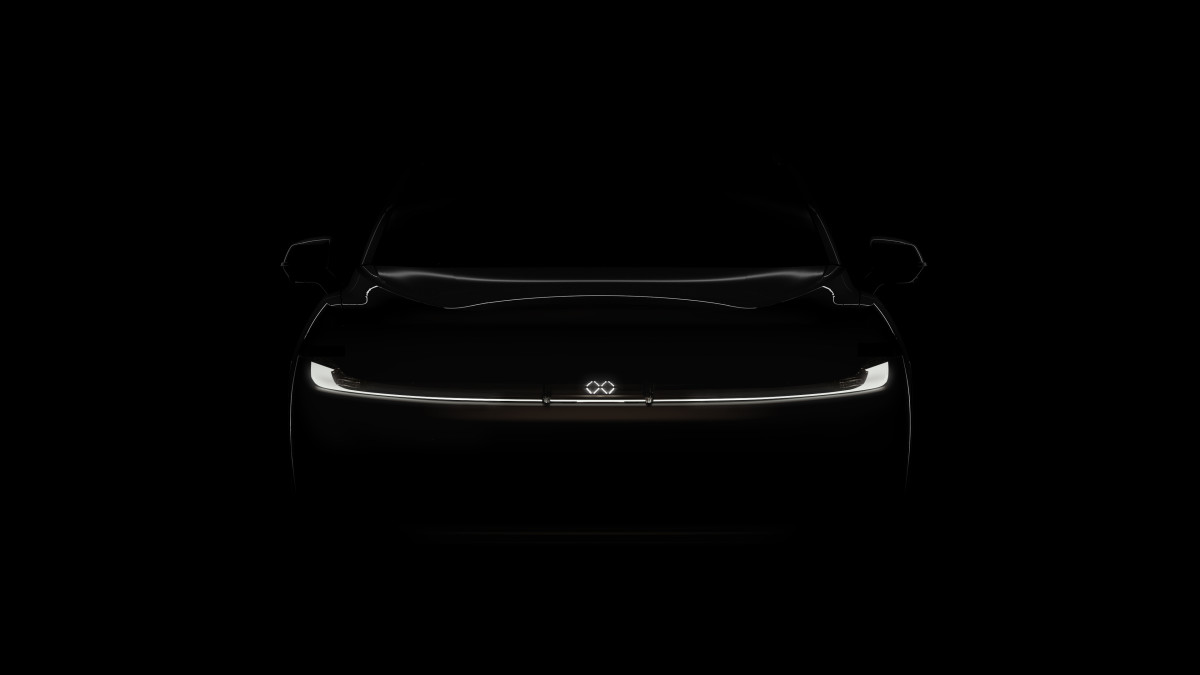
It's not that long ago that it seemed a new EV startup was popping up every week. Few of them survived, and fewer still seem to have any prospects of doing so much longer, but one that is hanging on is Faraday Future, and it's finally announcing (and teasing) new cars for us to speculate about. Right at the start, we should warn you that very little concrete information has been provided, but the few bits of the company's announcement that are specific are telling. The name of the new car is the FX 4 (part of the Faraday X sub-brand), and the company claims that it will be "the disruptor of RAV4 in the AIEV era." Going after Tesla and Toyota with one car? That's going to bring some challenges, but Faraday has others in the works for other uses, too.

What We Can Expect From The FX 4

Only one teaser image of the FX 4 was shared on the company's website, and nothing is yet being shown on its social media channels, but that won't remain the case for long. The company intends to unveil the new model's product plan in Q3 2025, with plans to start accepting pre-orders before the year is out. The company believes the FX 4 is the model "with the greatest potential to become a true blockbuster and unlock the mainstream market within FX's current lineup." That, in itself, is an admission that things haven't gone well with other products, an acknowledgement that for EVs to find success, they have to - at least for now - become much cheaper than something like the FF91, which can carry a base MSRP on the dark side of $300,000. A 2025 Toyota RAV4 costs a tenth of that in base spec ($29,250, excluding destination), and a 2025 Model Y starts less than 20 grand higher in its most expensive form. Faraday's current base offering, the FX 5, is already targeting a price between $20,000 and $30,000, so the FX 4 - expected to be smaller than the Model Y - could rival the cheapest cars in America if all promises are kept.

Faraday Future

View the 2 images of this gallery on the original article

But Wait, There's A Minivan Coming Too

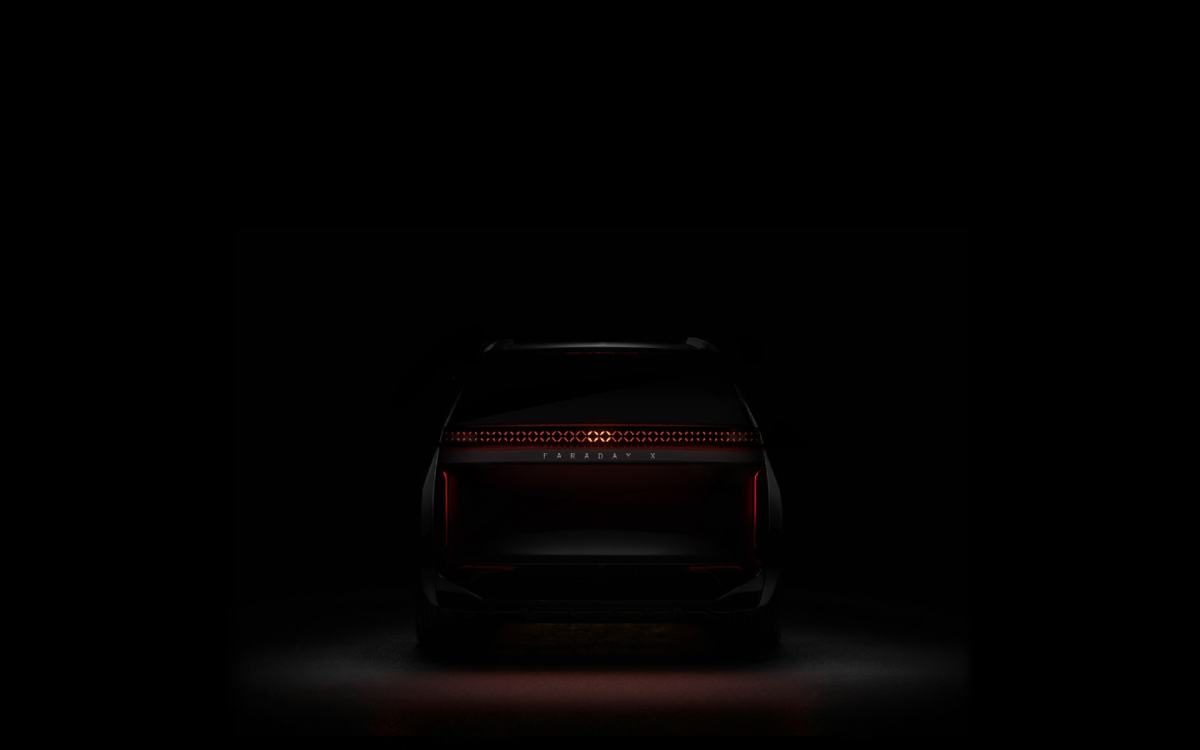
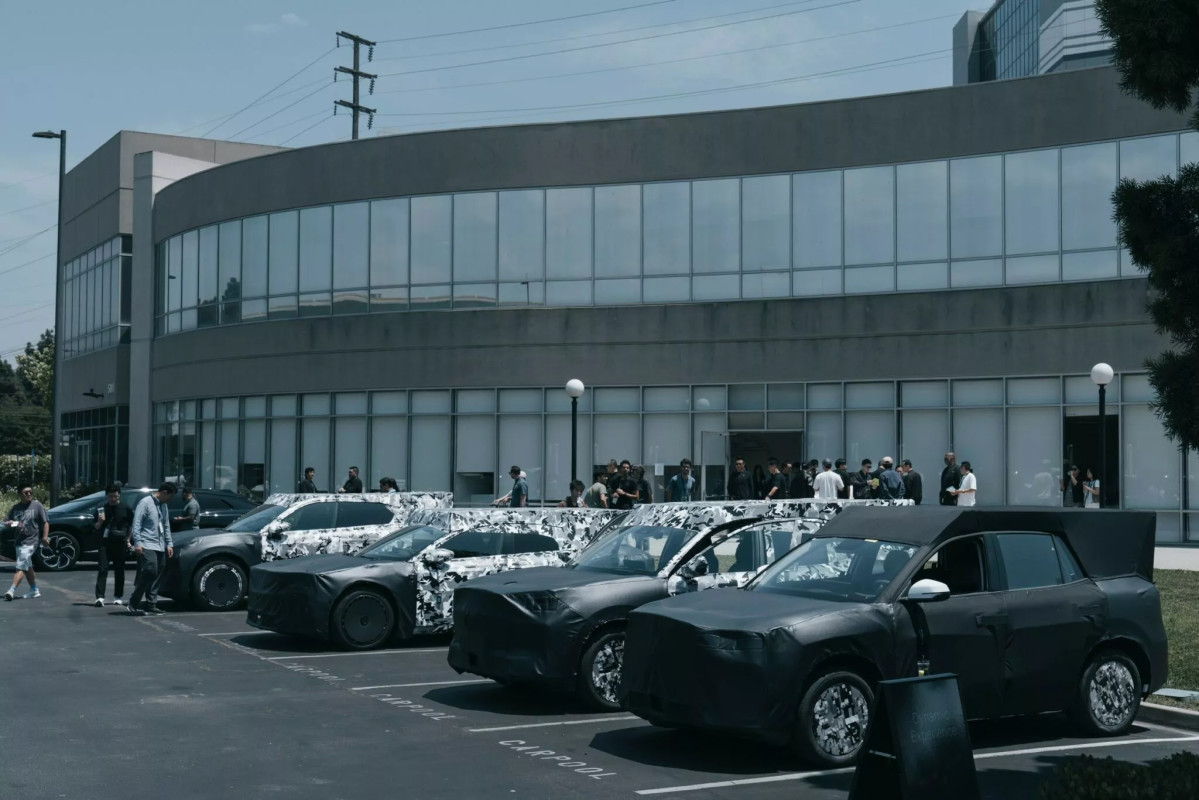
You might not have noticed it yet, but minivans are cool again. We're not the only ones saying it either; Road and Track recently spoke to Edmunds and found that, not only are the options improving, but more people are buying those options. Faraday, always with an eye on the future (ha), seems to have realized this some time ago, as it's also planning to bring the FX Super One minivan to market, teased above. That's one of the prototypes seen below. Another is the aforementioned FX 4, and a third is the FX 6, which is supposed to reach the market with a price tag between $30,000 and $50,000. The label on Faraday's site only specifically notes those three, and none of the cars in the image below reveal all their features, so we can't be sure of the last prototype. The fact that four vehicles have been displayed should indicate that significant progress on all of Faraday's projects is being made. We'll see what transpires with the FX 4 by the end of September and go from there, but the Tesla Model Y has consistently been a global best-seller, and Toyota's excellent RAV4 even outsold the beloved Ford F-150 last year, so it's as tall an order as they get. In addition, Toyota has new EVs of its own on the way. May the best automaker win.

  • Digg
  • Del.icio.us
  • StumbleUpon
  • Reddit
  • RSS
Post Icon

German Automakers Discussing U.S. Tariff Deal, What You Need to Know


via German Automakers Discussing U.S. Tariff Deal, What You Need to Know

Germany’s automakers could reach a tariff deal by early June

Volkswagen, Mercedes-Benz, and BMW are leading talks with Washington over a tariff deal involving German automakers receiving credits for vehicles they export from America to other countries, which would lower or offset the tariffs on cars they import into the U.S. from Germany. America is the European Union’s (EU) fifth-largest vehicle export destination after China, Japan, Britain, and Turkey, according to Reuters, but the U.S. is the largest export destination for German cars. Mercedes-Benz is expanding its U.S. production by manufacturing its GLC SUV at its Alabama plant starting in 2027, BMW is considering adding shifts at its Spartanburg plant in South Carolina, and Volkswagen’s Audi mulls over producing some vehicles in the U.S.—a plan predating the Trump administration. Germany’s leading automakers are aiming for talks with the U.S. Department of Commerce to result in a tariff deal in June.

Mercedes-AMG GT 63 4MATIC+

Mercedes-AMG

Germany already has a relatively sizable U.S. auto production presence

The potential new and current investments that the Commerce Department is reviewing from German automakers are worth billions of dollars. BMW CEO Oliver Zipse said that the manufacturer’s Spartanburg plant supports 43,000 jobs and contributes over $26 billion yearly. While many European automakers withdrew their 2025 financial forecasts, BMW is backing its March projections alongside Ferrari, which also stood by its 2025 earnings forecast. However, BMW’s decision to stick with its 2025 guidance is partially based on the idea that some tariffs will go into reverse from July at the latest. BMW finance chief Walter Mertl said: “We are noticing that things are moving, developing, and being negotiated everywhere. Accordingly, our reading, based on all the networks that we have at our disposal, is that we assume that something will change in July,” Just Auto reports. The German automaker’s 2025 outlook includes earnings on par with 2024 and an operating margin in the car segment of 5-7%, according to Reuters.

The head of Germany’s auto lobby, Hildegard Müller, highlighted in an interview with Politico that Germany produces about 840,000 vehicles annually within the U.S. for both the American market and exports, with 140,000 total employees. In addition to BMW’s Spartanburg plant, Mercedes-Benz’s Tuscaloosa, Alabama factory has been operating since 1997, resulting in approximately four million vehicles produced. Volkswagen’s Chattanooga plant, which opened in 2011, built 175,000 cars in 2023. Müller also pointed out that building a U.S. automotive plant, even if you’re quick, takes one or two years, and companies are losing money fast. U.S. tariffs are causing manufacturers like BMW to lose $11.3 million daily and impacting about €67 billion ($76 billion) of EU automotive exports, Euronews reports.

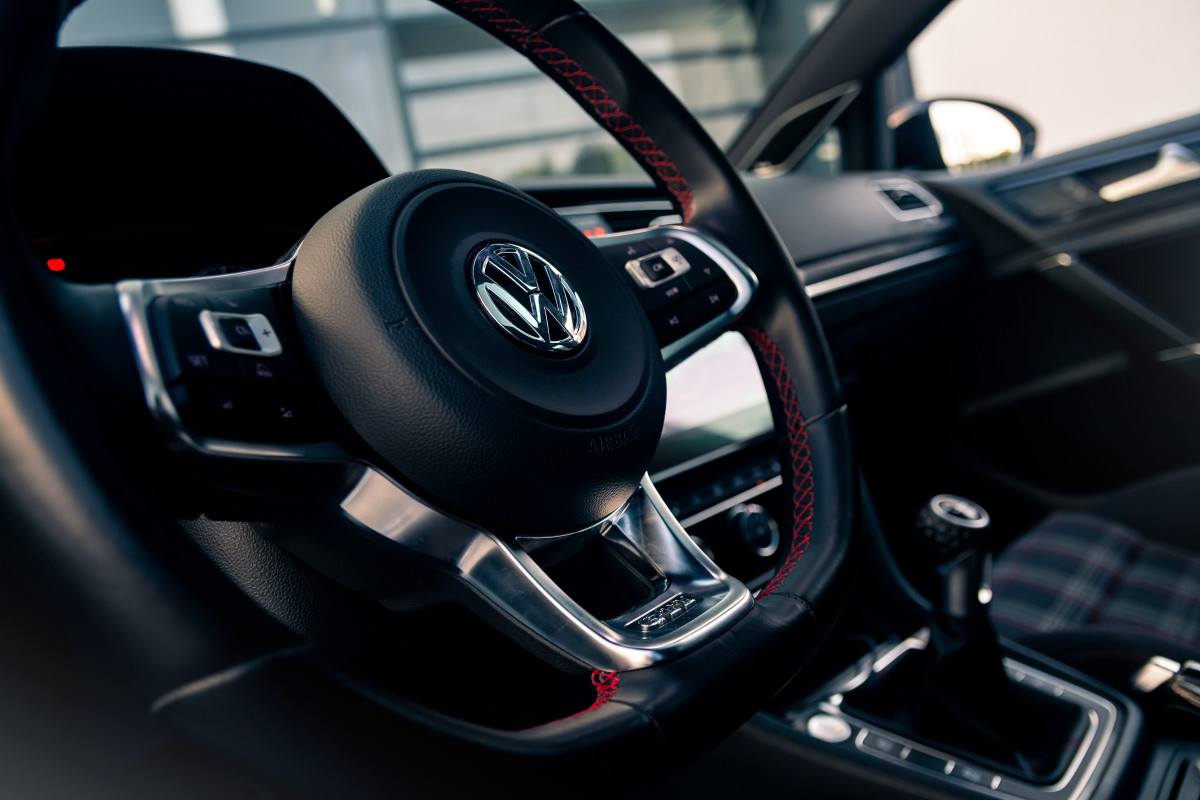
Volkswagen Golf GTI Mk7

Volkswagen

Final thoughts 

Automakers like Volkswagen, BMW, and Mercedes-Benz are pushing for a U.S. tariff deal with the selling point that German automakers receive credits based on the number of vehicles Germany produces in America to reduce the two countries’ car market trade deficit. However, if the tariffs stay in place, powerful voices in the automotive industry, like Hildegard Müller, noted that these policies can lower the pressure that U.S. car manufacturers face to be innovative, weakening their international competitiveness in the medium term.

  • Digg
  • Del.icio.us
  • StumbleUpon
  • Reddit
  • RSS