Post Icon

The US Needs More EV Chargers - One Company Is Presenting a Cost-Effective Solution


via The US Needs More EV Chargers - One Company Is Presenting a Cost-Effective Solution

Tritium is addressing a lingering question in the EV world

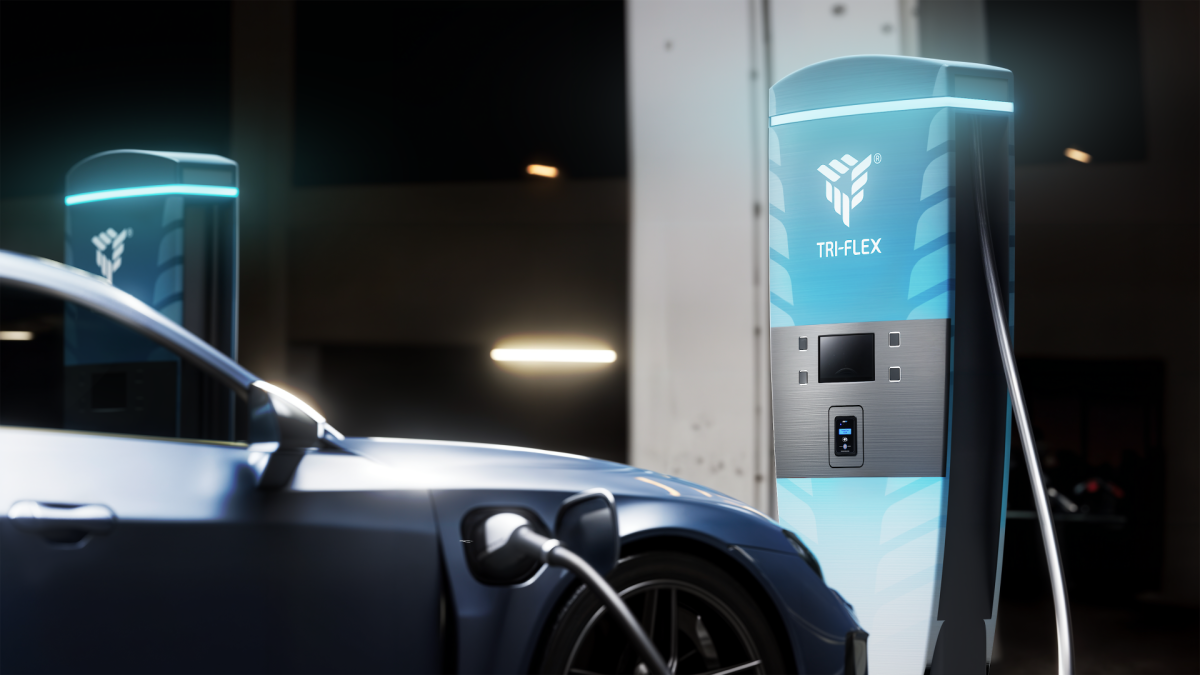
Tritium—a leading producer of DC fast chargers for electric vehicles (EVs), has unveiled a new system that facilitates growth for public charging sites and fleet operators without traditionally significant infrastructure expansion costs. The charging platform, TRI-FLEX, allows operators to easily scale from four up to 64 charge points without replacing their initial investment. TRI-FLEX includes a power conversion system offering from 400kW to 1.6MW of AC power and up to 3.2MW of DC power. One hub can power two to 32 TRI-FLEX dispensers or up to 64 charge points—eight times the amount of conventional systems. 
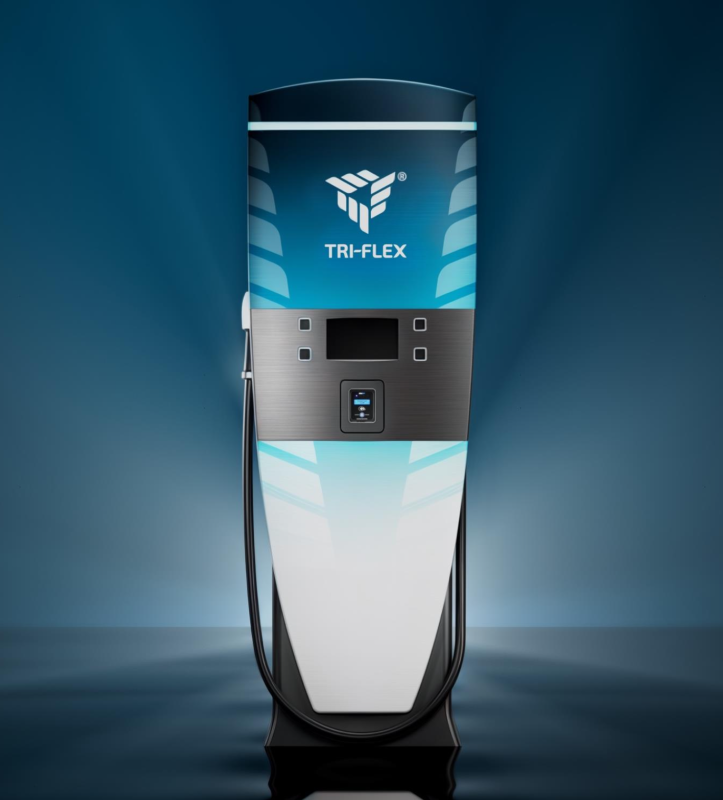
Tritium TRI-FLEX

Tritium

The platform’s design flexibility helps site owners blend 100kW, 200kW, and 400kW dispensers in a single system to match passenger cars and commercial vehicles, and it’s designed to be reliable in extreme climates that have traditionally posed challenges for EV charging. TRI-FLEX also contains a 25kW power resolution with real-time load balancing for optimal efficiency and throughput. The CEO of Tritium, Arcady Sosinov, told Autoblog in more detail how TRI-FLEX achieves these goals, the system’s unique market position, and how customers sustain the platform amid EV expansion.

How TRI-FLEX beats extreme heat or cold 

When asked what measures Tritium has taken to remain reliable in harsh environmental conditions like extremely hot or cold weather, Sosinov said: “Environmental conditions are one of the biggest causes of reliability issues in charging infrastructure, and what this company pioneered in the earliest days, and is continuing today, is a fully-sealed technology. It’s called the IP65 ceiling. It’s a military-grade level ceiling of the unit, so no contaminants, no water, and no dust ingress of any sort can come into the unit. We can do that because we fully liquid-cooled all of our technology.” Sosinov compared this process to using liquid cooling for processors when building computers instead of air cooling for more efficiency. He added that TRI-FLEX can operate in temperatures from arctic cold to desert heat.
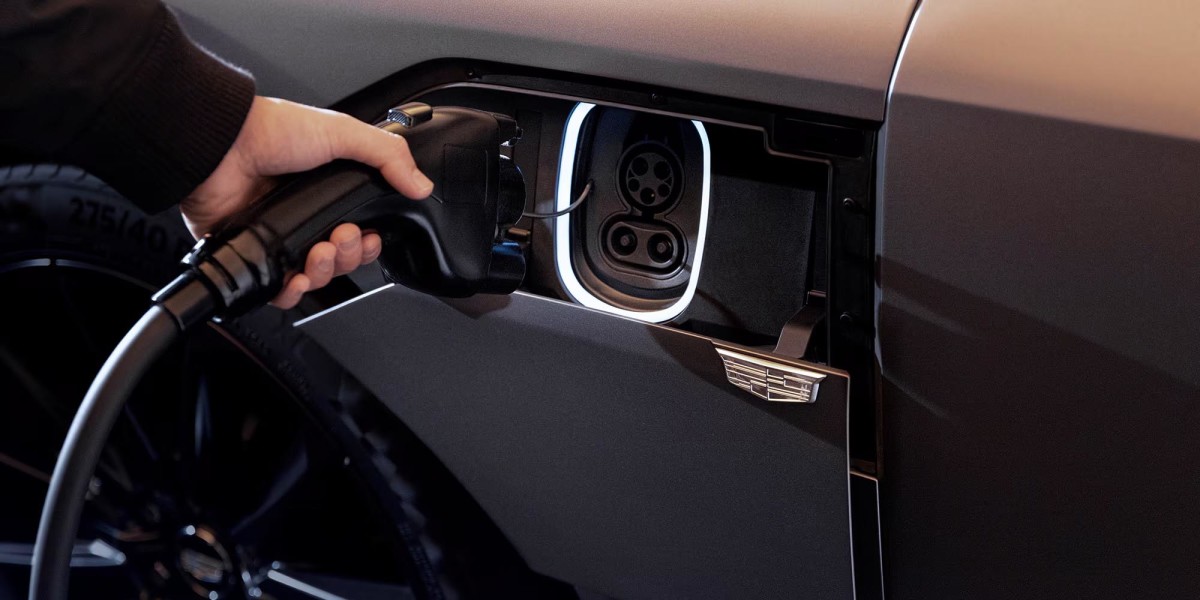
Cadillac Lyriq-V Charging

Cadillac

TRI-FLEX adopts a unique approach to integrate diverse energy sources

During the interview, Sosinov highlighted TRI-FLEX’s ability to integrate with diverse energy sources, which he considers “the coolest part” of the platform. Sosinov noted that TRI-FLEX splits up AC and DC conversion into two separate modules in the power modules, whereas most companies would typically integrate them into one power module.

He added: “That design choice allows us to effectively create a DC microgrid.” With this DC microgrid, charge operators can: “Integrate any DC source or use in the system. Battery storage, solar, I’ve actually seen natural gas generators in some cases, fully integrated on the DC side of things, which means that those DC technologies don’t hit the grid. The biggest problem with integrating these renewable technologies is that you have to get them permitted to hit the grid, like solar in your house, for example, but if you can keep them all in a microgrid, not impacting the utility side of things, you can integrate anything you want.”

Tritium’s CEO talks cybersecurity measures

Given the increasing connectivity of EV chargers, I asked Sosinov what steps Tritium is taking to protect against cybersecurity threats and ensure user data remains private. The CEO explained: “We actually have a cybersecurity engineer whose sole job is to manage cybersecurity on the charging infrastructure.” Sosinov noted that Tritium uses a cybersecurity framework called ISO 27001, which is the high-level framework that most companies in information security use to lock down their systems. He also highlighted that in addition to the general cybersecurity framework, the company can also work toward meeting more specific security requirements for its customers. Tritium’s work with essentially all of the largest global charge point operators, including BP and IONITY, on top of its general framework compliance that requires continual adaptation, ultimately makes Sosinov comfortable with managing cybersecurity risks.
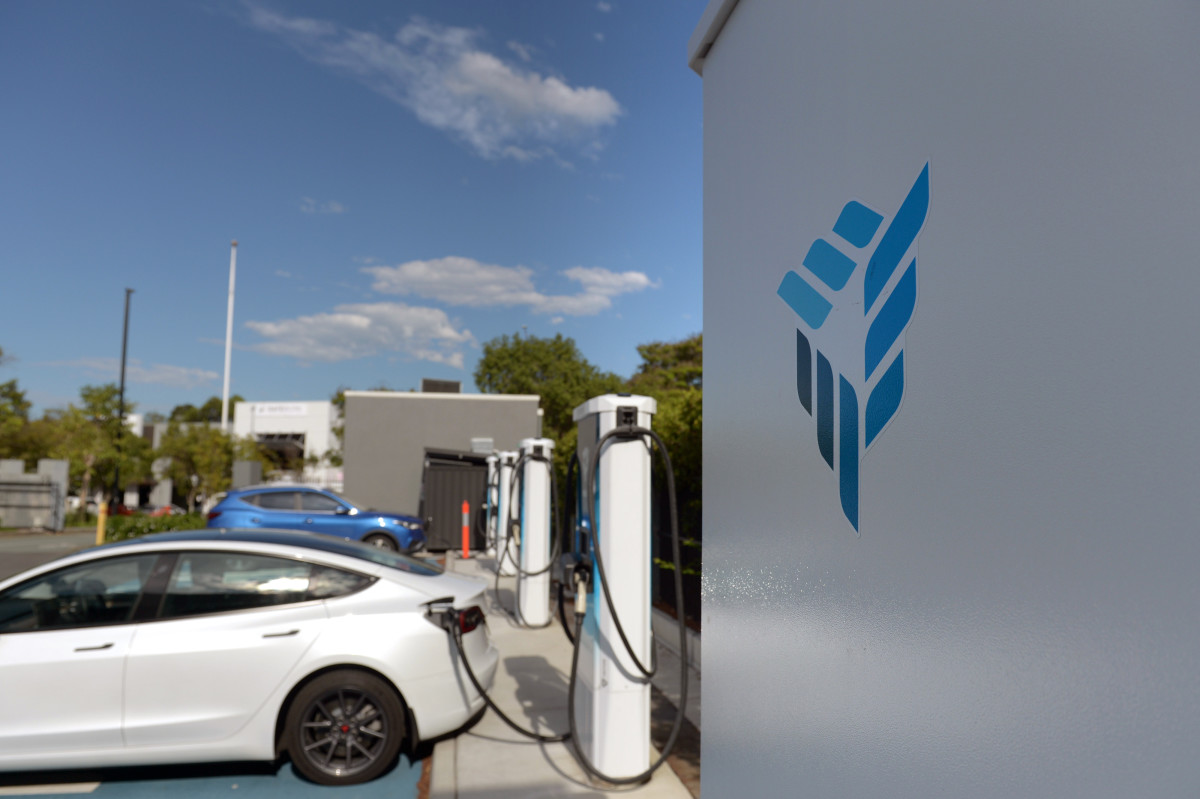
Tritium chargers

Getty

How TRI-FLEX customers sustain the system 

When asked how Tritium is investing in workforce development and training to have enough technicians to install, maintain, and service TRI-FLEX systems as adoption scales, Sosinov said: “In almost every case, it’s the customer’s responsibility for dispatching people to [the] site. So it’s their service providers now. Why is it not our service providers? For large operators like BP and Shell, they’re used to having their own technicians. For fuel pumps, for HVAC in the store, [or] for whatever else that happens on their sites, they’re used to having their own dedicated technicians who’ve gone through their own safety trainings, and they prefer to continue using that. So they don’t want every single time to have to qualify a new technician from Tritium, or from anybody else. So, we work within that construct. What we are responsible for is providing them training and documentation.” Sosinov added that Tritium is also responsible for resolving customer tickets, which is a remote solution, and the company can dispatch spare parts to customers if needed.
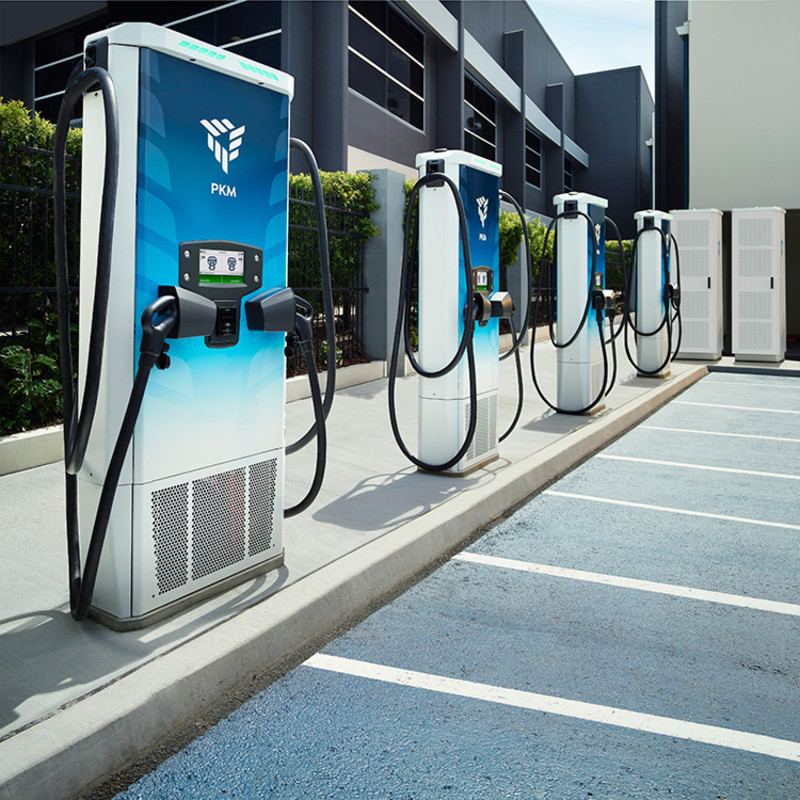
Tritium chargers

Tritium

Final thoughts

Tritium’s approach with its new TRI-FLEX system is significant since it can scale one hub up to 64 charge points in a cost-efficient manner. Most systems today cap at eight charging points per power cabinet, and when site owners want to expand, they face steep costs, which are compounded by the need to serve different vehicle types, from passenger cars to commercial trucks. While at a slightly slower pace than previous years, EV adoption is increasing within the United States, and government mandates promoting electric driving underscore the call for adaptable and sustainable charging solutions—a requirement that TRI-FLEX is designed to fill. Tritium’s solution appears especially valuable with its ability to help charging operators scale as demand increases without replacing their initial investment.

  • Digg
  • Del.icio.us
  • StumbleUpon
  • Reddit
  • RSS
Post Icon

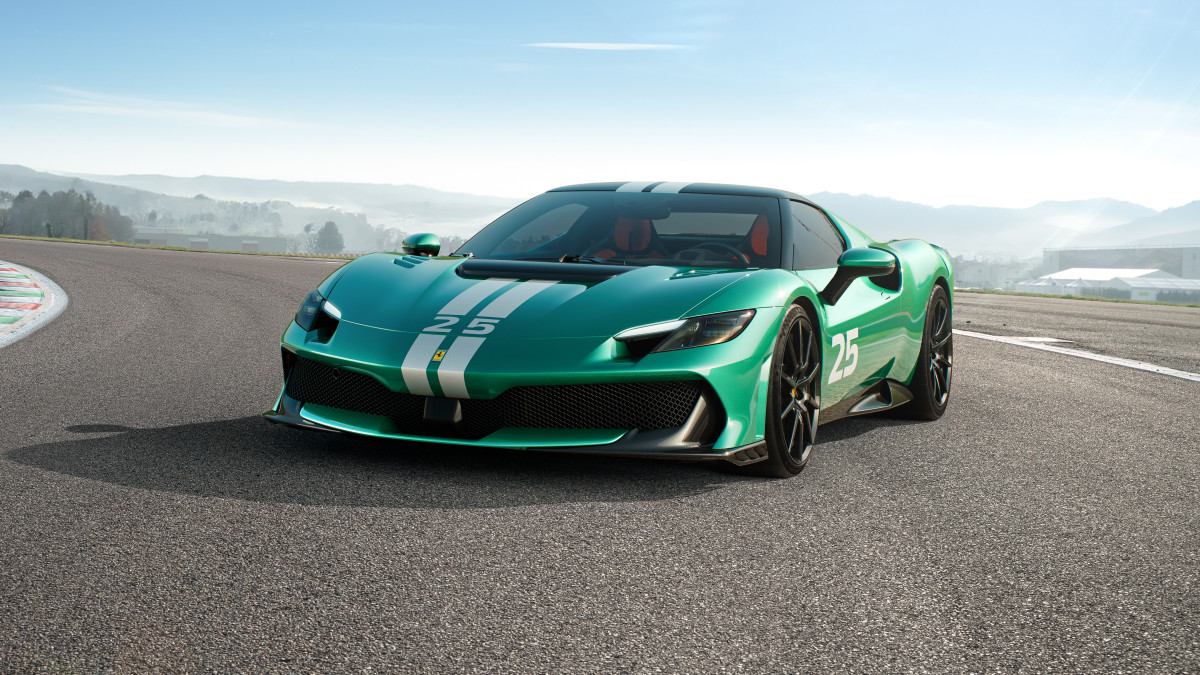
Ferrari reveals hot, new 868-horsepower 296 Stradale


via Ferrari reveals hot, new 868-horsepower 296 Stradale

The Prancing Horse cooked up one "Speciale" GTB for thrill-seekers

When it comes to words used to describe the stylish, 830 horsepower Ferrari 296 GTB plug-in hybrid sports car, one of those words is not the word 'slow.' However, for the overachieving engineers at Ferrari's Maranello factory and development center, there is always a higher accolade to reach and another benchmark to break.

This process is best shown with the progression of each Ferrari model. Since Ferrari introduced the 360 Challenge Stradale, customers and fans were treated to a special "hot" version of their mid-engined sports cars a few years after their introduction — an additional nod by Ferrari engineers to the Prancing Horse's dedication to making the best driver's cars.

Ferrari

View the 3 images of this gallery on the original article

The 296 Speciale is one special Prancing Horse

As part of a bloodline that includes the 488 Pista, the 458 Speciale, the 430 Scuderia, and the 360 Challenge Stradale, the 296 Speciale is the newest child born into a family of world-class performers. Compared to the standard 296 GTB, the Speciale partly lives up to its name due to its newly added features; it's lighter, more powerful, and contains aerodynamic alterations that make a difference on the racetrack.

Under the hood, the turbocharged V6 hybrid receives a few modifications to extract more power. The turbochargers receive a different boost mapping setup, more akin to the one used in the 296 Challenge race car. Meanwhile, the engine is upgraded with forged pistons and a titanium crankshaft from the F80 hypercar, resulting in an additional 37 horsepower. In addition, the electric motor between the 3-liter V6 and the eight-speed sequential gearbox receives a slight power boost, increasing from 165 horsepower to 178 horsepower.

Ferrari

View the 2 images of this gallery on the original article

Overall, it makes for a powertrain that delivers 868 horsepower, about 50 more than what customers get in the 'regular' GTB. Zero to sixty miles per hour is achieved in a blistering 2.8 seconds, while top speed is pegged at 205 miles per hour.

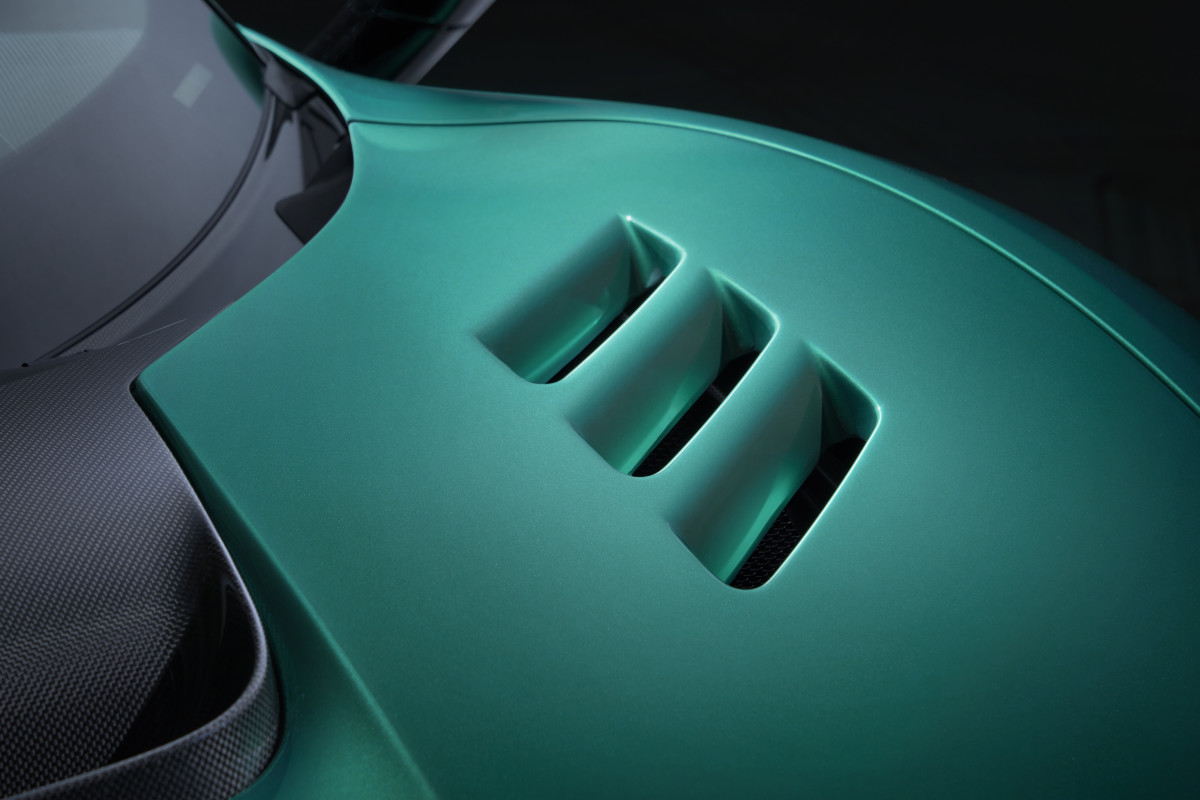
To keep all that power on the ground, the 296 Speciale gets some aerodynamic enhancements designed to eek out every last ounce of downforce possible. From the front to the back are new bits designed to channel air where needed. Up front is a new 'aero damper,' another 296 Challenge feature that brings air from under the front end of the 296 Speciale, to over the hood and windshield for extra front-end stability.

Over in the back are two, short, little side-mounted wings that Ferrari calls the "Gamma" wings, which are designed to increase the car's rear downforce, reduce drag and improve the flow of air going to the inverter and the oil cooler. These little wings work in conjunction with the car's active rear spoiler, which can rise to its maximum height of 2.75 inches in a half-second and rise to a sort of "halfway mode when full downforce isn't needed.

Ferrari

View the 5 images of this gallery on the original article

In addition to the retuned aero, the 296 Speciale gets a new suspension setup to keep the car closer to earth. The springs on the Speciale are stiffer than the GTB and GTS models and are made of lighter titanium. They ride on Multimatic shocks from the 296 GT3 car, which helps it sit slightly lower than the standard model. The new wheels are fitted with special Michelin Pilot Sport Cup 2s, designed explicitly for the Speciale.

Ferrari engineers also put the 296 on a crash diet specifically programmed for the Speciale, which removed 60 kilograms (about 132 pounds) from the car. The turbochargers are lighter units, while the engine itself gets lighter titanium parts, including its head studs, fasteners, and exhaust system. If that wasn't thorough enough, Ferrari's engineers removed any unnecessary excess metal from the engine block and crankcase to chase away those extra pounds.

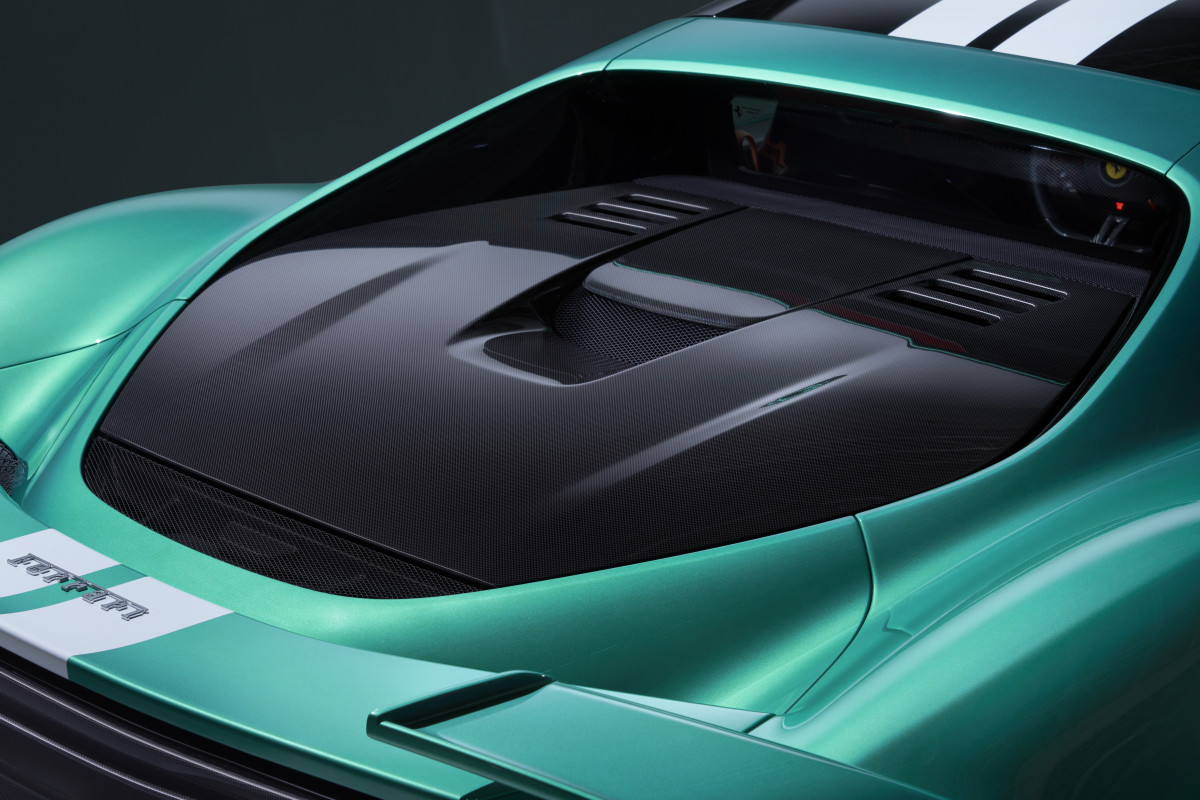
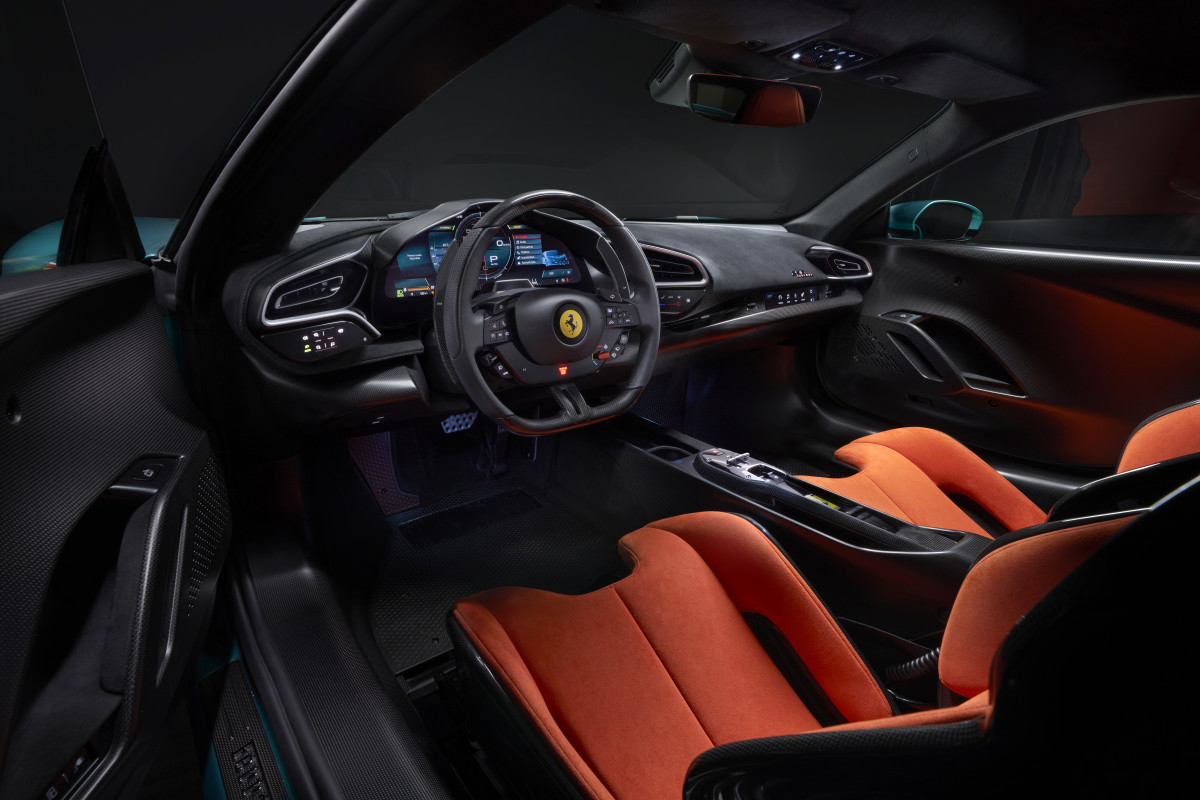
Additionally, carbon fiber is used throughout the car, even in unexpected places. For instance, Ferrari says that the door cards in the 296 Speciale are made from a single, shaped sheet of carbon fiber. This sheet contains speakers but no grille, so customers will have to hear their tunes through holes drilled into the carbon itself. For an extra cost option, you can have the bumpers, engine cover and wheels in carbon fiber.

Ferrari

View the 3 images of this gallery on the original article

Ferrari says that the hardtop coupe Speciale will arrive in the U.S. during the first quarter of 2026, with the spider to follow later in the year. However, curious customers would be out of luck, as all the cars have been sold out before their introduction.

Final Thoughts

It's admirable that Ferrari engineers can create a piece of art like the Speciale when tasked with making one of their creations even more "hardcore" than it already is. My favorite detail, personally, is the little winglets on the rear quarter panels; they make the car look more like a spaceship than anything else. I would spec mine as a convertible (the Speciale A) in the new Verde Nürburgring color or in red, as in the pictures.

  • Digg
  • Del.icio.us
  • StumbleUpon
  • Reddit
  • RSS
Post Icon

Nissan Braces for Record Loss Amid Leadership Transition and Turnaround


via Nissan Braces for Record Loss Amid Leadership Transition and Turnaround

No small losses

In an announcement on April 24, Japanese automaker Nissan said it was anticipating record net losses as it recovers from significant hurdles that have affected its fortunes over the past year. Unlike most publicly traded automakers, Nissan does not follow a traditional earnings calendar; however, it said it will post losses amounting to 700 to 750 million Japanese Yen, or about $4.9 to $5.3 billion.

In its statement, Nissan blamed losses on costs related to “its ongoing turnaround plan and other factors," emphasizing that "impairments exceeding 500 billion yen (about $3.47 billion)" came from its North America, Latin America, Europe, and Japanese manufacturing operations and that an additional loss of 60 billion Yen ($420 million) came from further restructuring costs.

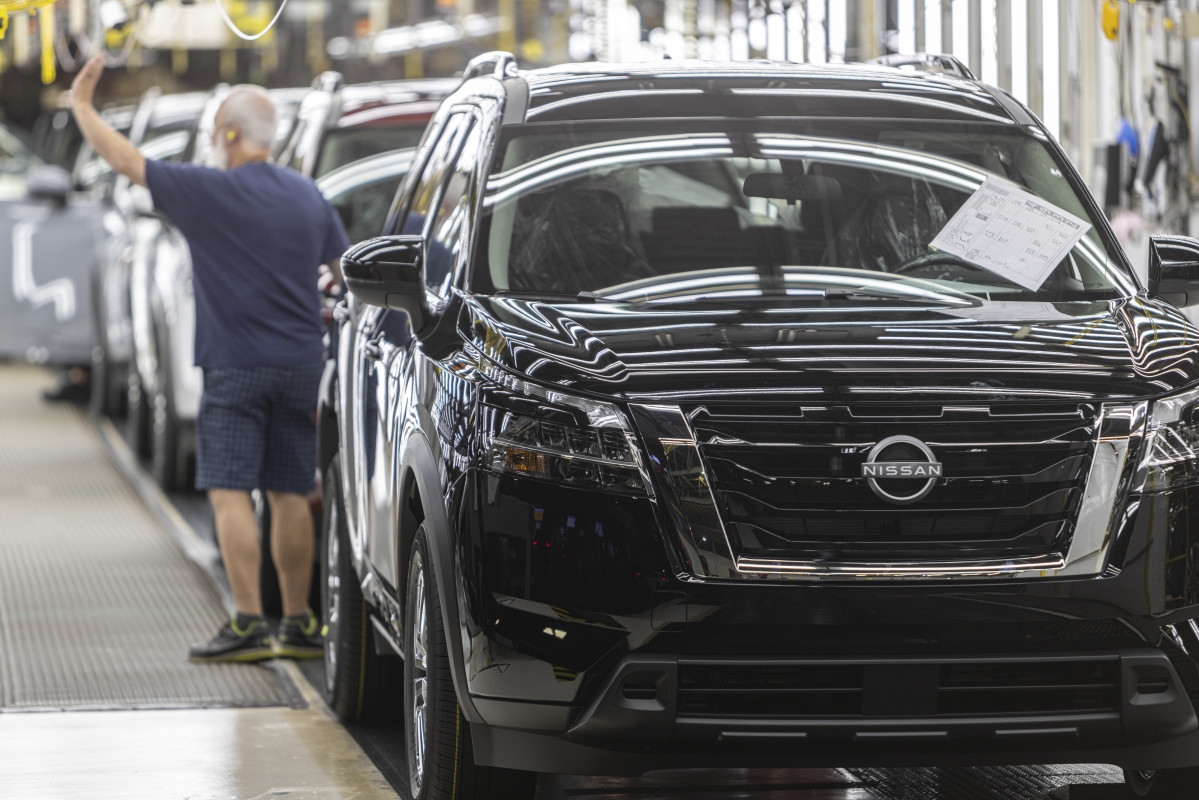
Nissan Smyrna Vehicle Assembly Plant

Nissan

“We are taking the prudent step to revise our full-year outlook, reflecting a thorough review of our performance and the carrying value of production assets. We now anticipate a significant net loss for the year, due primarily to a major asset impairment and restructuring costs as we continue to stabilize the company," Nissan CEO Ivan Espinosa said in a statement. "Despite these challenges, we have significant financial resources, a strong product pipeline, and the determination to turn around Nissan in the coming period.”

The massive, multi-billion-dollar loss is Nissan's biggest in its history. Previously, it predicted losing 80 billion Yen ($560 million); however, its massive restructuring included significant moves, including layoffs and a reduction in its production capacity. Additionally, its failed merger with Honda in February resulted in the company replacing its CEO, Makoto Uchida, with Ivan Espinosa.

Espinosa is in charge of leading Nissan's future plans. Dubbed as "full of energy" and "a real car guy" by outgoing CEO Makoto Uchida, Nissan's new CEO is seen as a breath of fresh air for enthusiasts. In a 2024 interview with Top Gear Magazine during his previous tenure as vice president of global product strategy, he noted that a future iteration of the Silvia was his "dream" project.

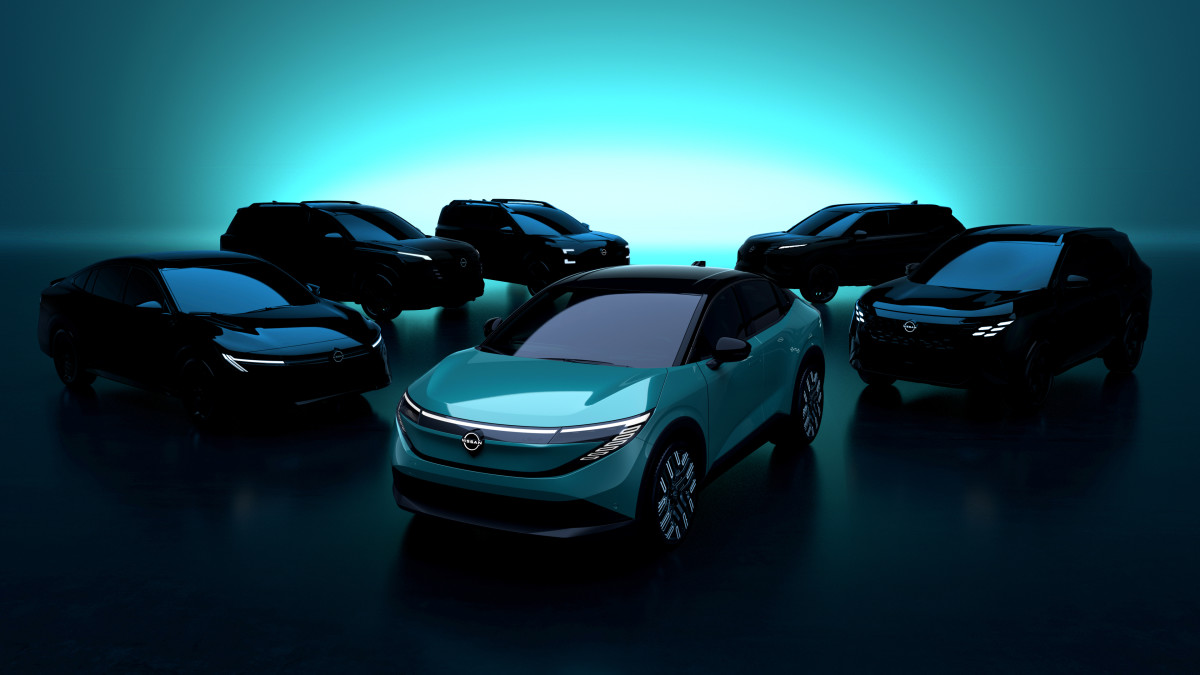
US Nissan range teaser

Nissan

Nissan needs to work on its lineup

However, before they get there, Nissan will have to manage a refreshed lineup with various powertrain choices, including full-on gas-powered vehicles, hybrids, plug-in hybrids, and EVs. On March 26, Espinosa and Nissan said that an all-new iteration of the Nissan LEAF will be the first of 10 new and refreshed models that will be introduced by 2027.

Last year, Nissan sold 924,008 cars across its Nissan and Infiniti brands in the United States and 103,092 cars in Canada, reflecting a growth of 2.8% in the States and 12.82% in the Great White North. Nissan Americas chairman Christian Meunier said during the previous announcement that North America is one of its key markets, noting that these actions are key to "get us back to growth and set the stage for the exciting products to come." 

President Trump’s 25% tariff on all foreign autos and imported auto parts looms over concerned buyers, dealers, and even companies like Nissan. The tariff, which President Donald Trump slapped on imported vehicles starting on April 3, remains in place even after Trump paused most of the additional “reciprocal” duties he had imposed on nearly every U.S. trading partner.

In an April 15 announcement to dealers, Nissan said it won't increase the price of its imported vehicles until at least June 2. Nissan U.S. sales head Vinay Shahani said that the automaker has nearly a three-month supply of tariff-free vehicles and is “war-gaming” for the eventual situation when said three-month supply gets depleted.

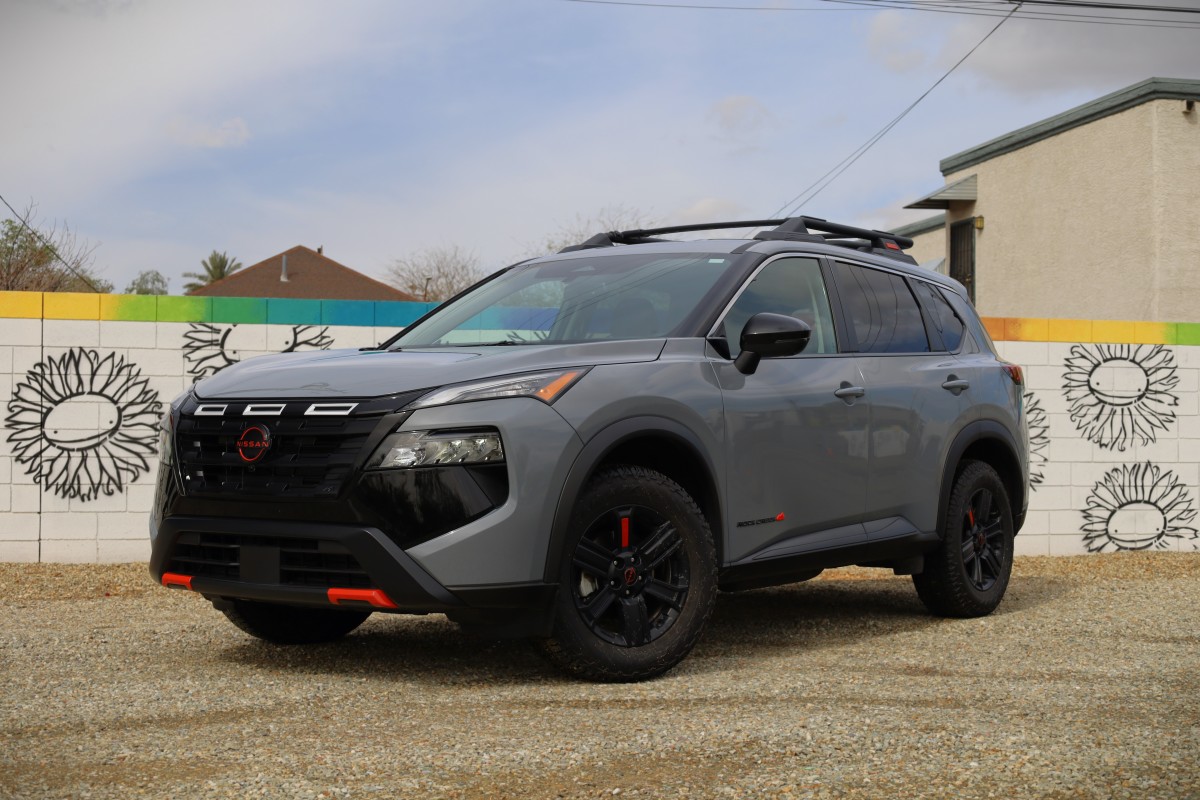
2025 Rogue Rock Creek

Steven Paul

Nissan is currently exposed to cross-border tariff risks that are present in the Trump Administration, as it makes the U.S.-bound Sentra, Versa, and Kicks models at its plant in Aguascalientes, Mexico. However, Nissan does make some vehicles at facilities in the United States. The Altima, Titan, Frontier, and Frontier XD are built in Canton, Mississippi, while the Murano, Pathfinder, Rogue, and the Infiniti QX60 come from Nissan's facility in Smyrna, Tennessee. 

Final thoughts

Nissan currently faces a litany of issues, and it will take some time to see if Espinosa's leadership truly makes a difference in handling the increasingly difficult puzzle ahead of him. On one end of the spectrum of problems is an aging lineup of cars, and on the other is the current tariff situation that could continue if negotiations with Japan's trade ministers go south.

Knowing that this massive loss is Espinosa's new jumping off point, it is as prudent as ever for Nissan to pull off the launch of the new and refreshed line of models they have set up over the next few years. As much as I would like a new GTR or Silvia, 240SX or [insert discontinued Nissan JDM enthusiast car that triggers full body nostalgia reactions], the company's health truly relies on the customer who buys Rogues, Altimas, and Sentras.

  • Digg
  • Del.icio.us
  • StumbleUpon
  • Reddit
  • RSS
Post Icon

Kia Reveals 2026 K4 Hatchback, Your Crossover Alternative


via Kia Reveals 2026 K4 Hatchback, Your Crossover Alternative

Kia's latest hatchback is a sleek, stylish breath of fresh air in a world of crossover SUVs.


During the 2024 New York International Auto Show, Kia unveiled the K4, a sleek, edgy compact sedan meant to compete with similarly sized and priced rivals like the Toyota Corolla and Honda Civic. While the K4 sedan garnered attention for its sleek and futuristic design, curious compact car buyers were left waiting until this year’s New York International Auto Show, as Kia kept fans hungry with mere pictures of a K4 hatchback at the end of their presentation last year.

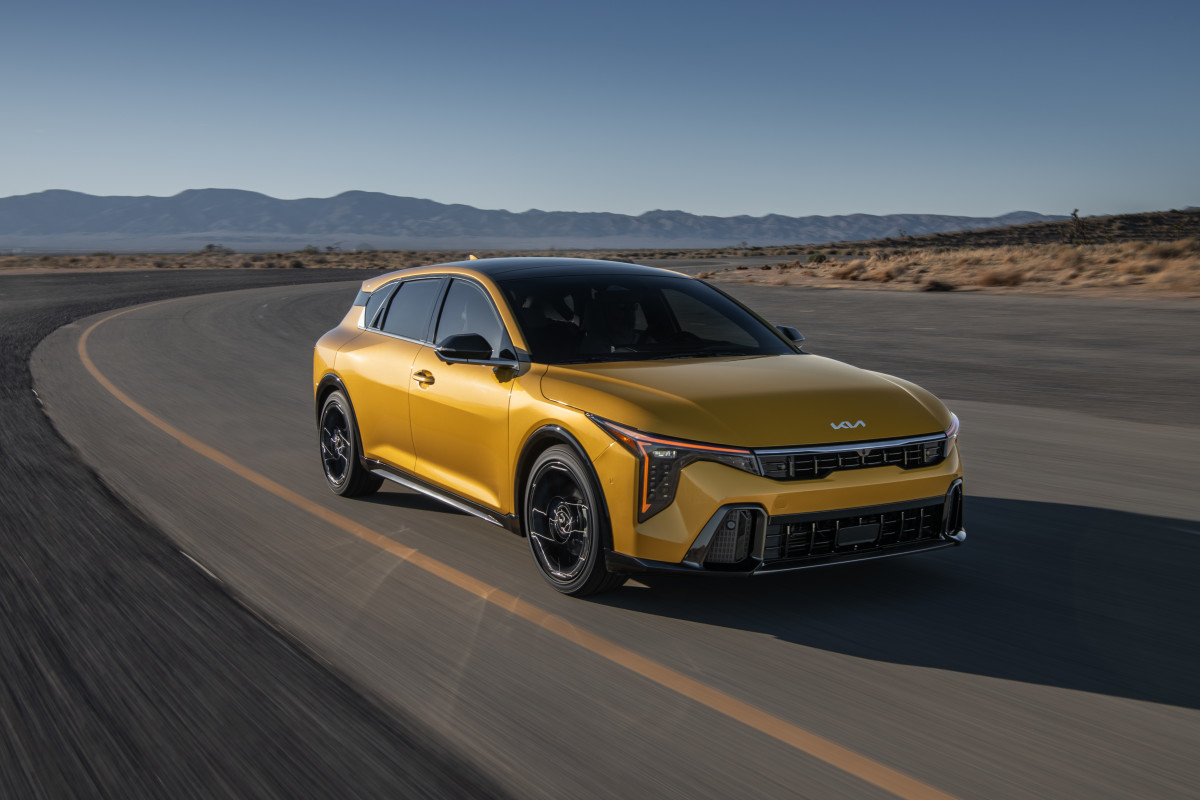
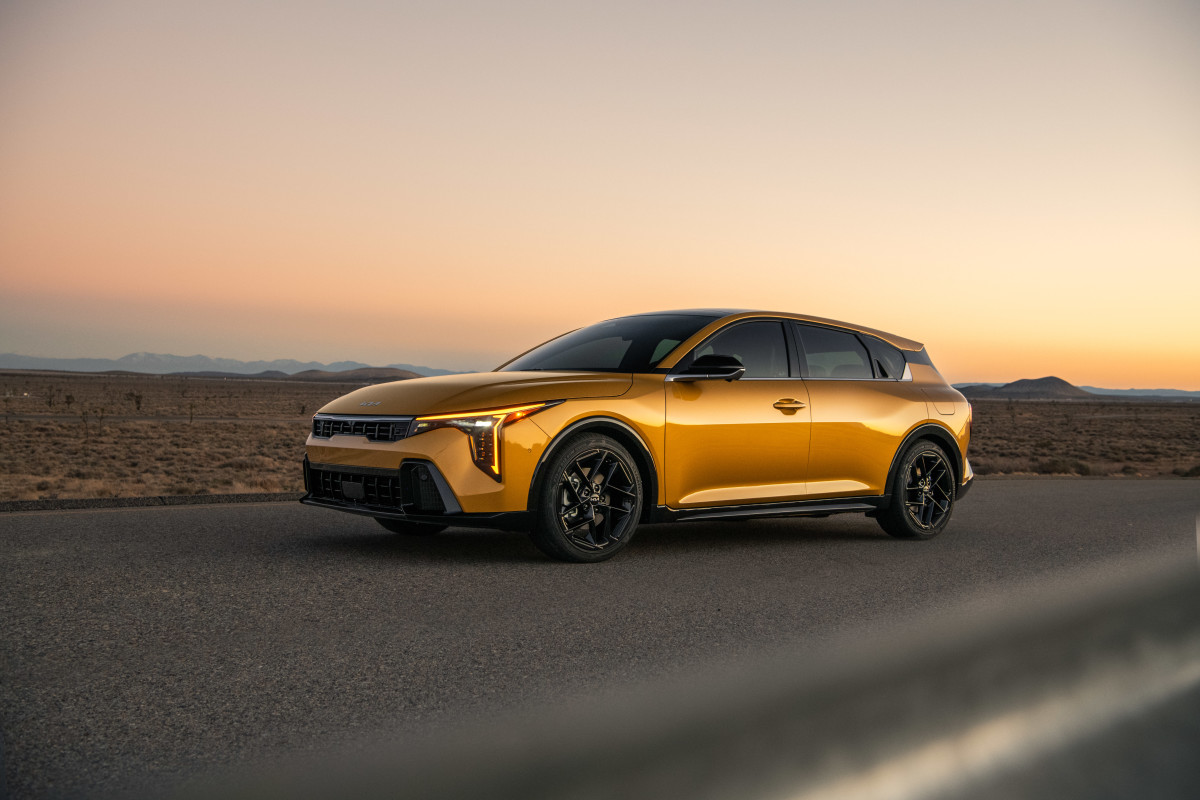
However, the wait is finally over. During its presentation at the 2025 New York International Auto Show last week, Kia lifted the wraps off the real-life version of the K4 hatchback: a formidable hatchback contender that not only shares a lot with its sedan counterpart, but adds utility and versatility that will have some buyers reconsider their small crossover purchases.

Kia

View the 6 images of this gallery on the original article

The K4 hatch is a little shorter than the sedan, but it packs more room for passengers and cargo

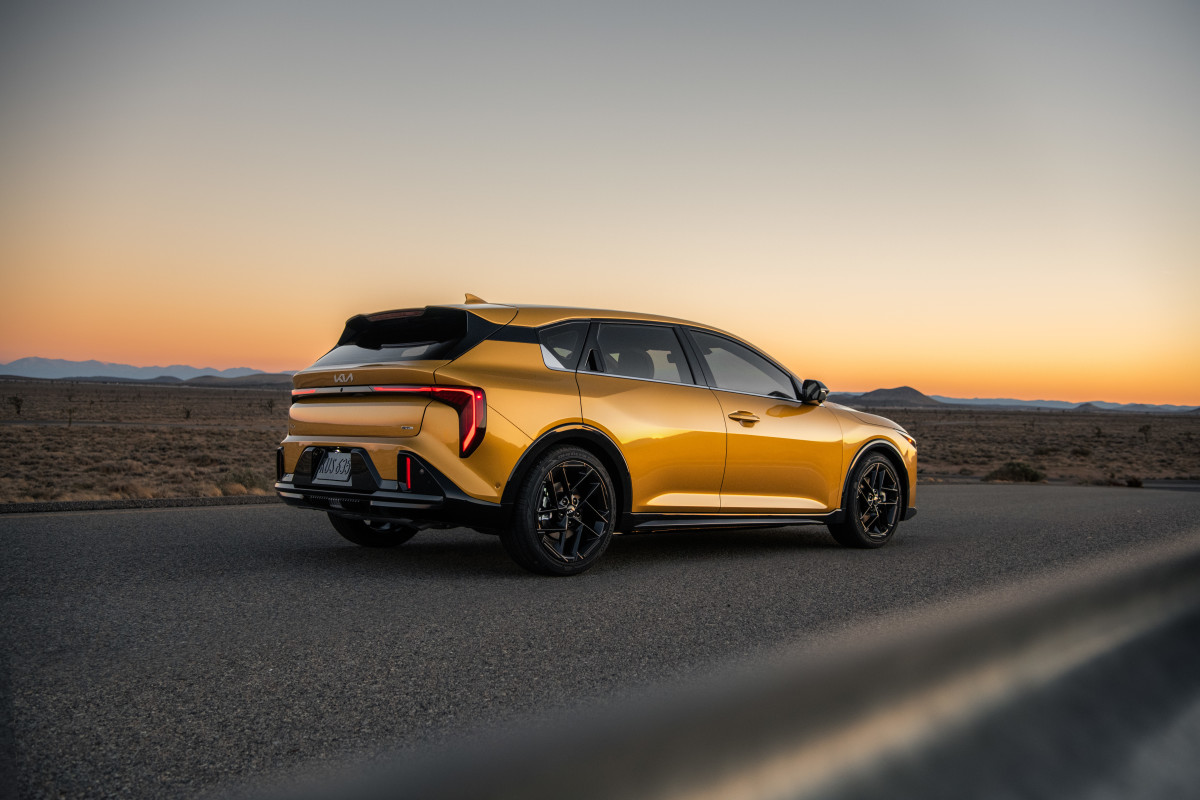
Although they look similar in size from the manufacturer's pictures, the real numbers show that the five-door Kia K4 hatchback is actually 11 whole inches shorter than its four-door sedan sibling. The best way to describe the K4's styling cues is that it's all business in the front, while the real party is in the back, as the sedan and hatch look virtually similar until halfway around their respective B-pillars. Kia describes the unique rear space as a "floating roof design," but some car design contemporaries would describe it as resembling a shooting brake or a wagon design.

Despite the slightly "shrunken" proportions, Kia says that the K4 hatchback has the same amount of rear legroom as its sedan counterpart. At the same time, Kia notes that eliminating the 4-door's sloping roof design gains an extra inch of headroom for backseat passengers. As for cargo, the hatch opens up to 22 cubic feet with passengers in the backseat and 59 cubic feet with the seats folded. Although those numbers fall short of the 24.8 cubic feet of the Honda Civic hatchback, it's a vast improvement on the K4 sedan's 15 cubic feet of trunk space.

Kia

View the 6 images of this gallery on the original article

The K4 hatchback also gets the same engines as the sedan. It comes standard with a 147-horsepower 2-liter inline four-cylinder engine mated to a continuously variable automatic transmission (CVT), while the top-of-the-line GT-Line Turbo gets a 190-horsepower turbo 1.6-liter inline four connected to an eight-speed automatic. The mid-level GT-Line trim adds sportier suspension and some additional design touches to the K4 hatch, including 18-inch wheels, black trim, and a steering wheel with paddle shifters. However, upgrading to the Turbo model adds a sunroof, LED headlights, and bigger front brakes.

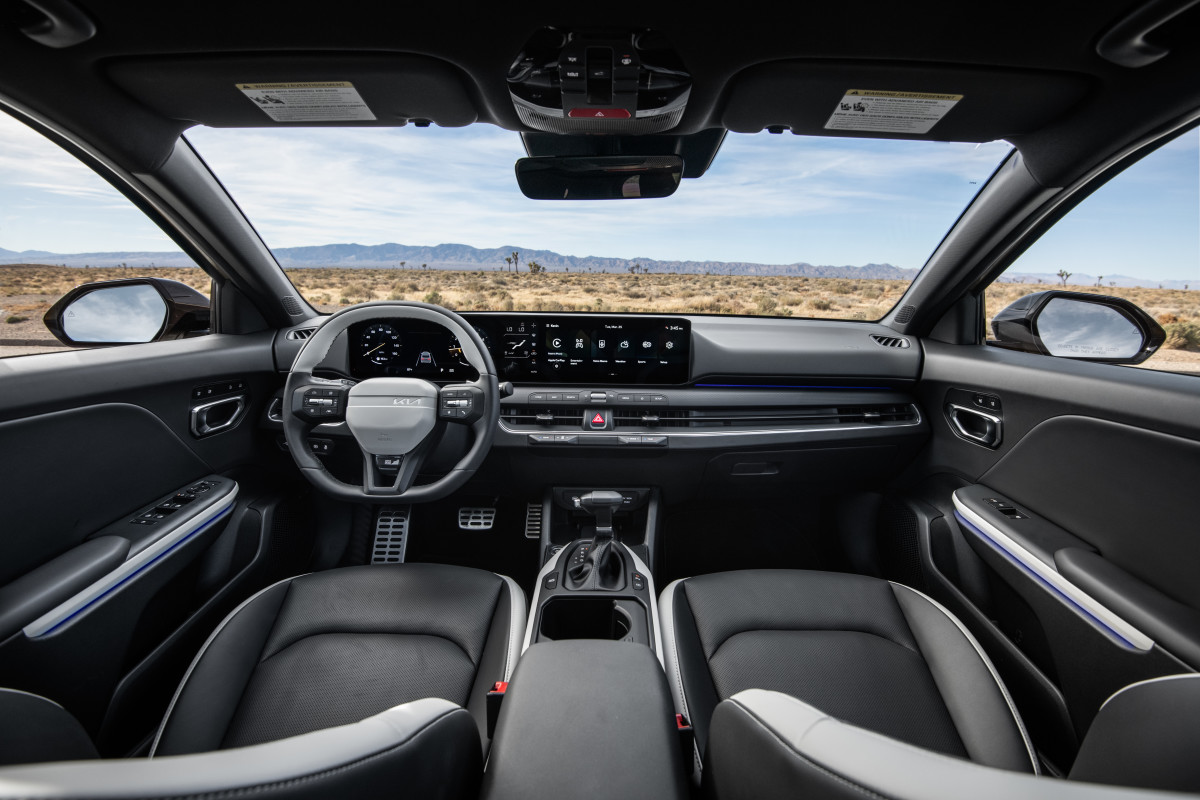
However, apart from the added backseat and cargo space, the K4's hatchback interior has no notable changes from the sedan version. The dashboard of the hatchback version is a virtual mirror image of the sedan's, as it comes with the same gauge cluster and central infotainment screen that is displayed on a 30-inch combined digital display. Wireless Apple CarPlay, Android Auto, and a wireless phone charger come standard across all Hatchback trims, as well as a suite of driver-assist features including adaptive cruise control and lane-keeping assist. Higher trims have available features including SynTex heated and cooled front seats, a Harman Kardon premium audio system, and an ultra-wide glass sunroof.

Kia has not announced pricing for the K4 hatchback; however, it says it will go on sale at U.S. dealers in late 2025.

Kia

View the 3 images of this gallery on the original article

Final Thoughts

I can see the Kia K4 Hatchback becoming a strong competitor to Japanese rivals like the Honda Civic Hatchback and Toyota Corolla Hatchback based on its design cues alone. Though the K4 hatch isn't officially labeled a station wagon, its styling hits those notes and offers a fresh interpretation of a design that's still somewhat niche in the American market.

Related: Stunning E53 AMG Hybrid Wagon Debut: Mercedes Revamps a Grand Tradition

In a world where mundane crossovers like the Honda CR-V, Tesla Model Y, and countless other [insert name]-Cross vehicles are replacing midsize and compact sedans to dominate the new car landscape, wagons are a formidable alternative to the SUV parade that is taking place.

Wagons these days are either five-door speed demons (Audi RS6 Avant, BMW M5 Touring, Mercedes-Benz E53 AMG Hybrid Wagon), or gorpcore-styled "SUV alternatives" like the Subaru Outback or the Allroads, Cross Country's and All-Terrains from luxury automakers. I feel that the K4 Hatch fills that compact, normally-priced wagon-sized hole in some buyers' hearts, despite Kia not formally calling it one.

If the price is right, I'd have a black, blue, or a silver one lowered on some Borbets.

  • Digg
  • Del.icio.us
  • StumbleUpon
  • Reddit
  • RSS
Post Icon

Used Car Sales, Prices on the Rise Amid Tariff Concerns


via Used Car Sales, Prices on the Rise Amid Tariff Concerns

Tariffs spark rush toward used cars

The announcement of sweeping new tariffs on imported vehicles and parts has sent ripple effects through the used car market. While new car buyers scramble to beat expected price hikes, many others — especially those on a budget — are turning to used cars as a more affordable alternative. That growing demand is now pushing used prices higher and stretching already tight inventories.

According to data from Cox Automotive, used vehicle sales surged 9% in March compared to February and were up 12% from a year earlier. That marked the strongest March for retail used car sales since 2021, driven by a mix of tariff anxiety and the seasonal boost from tax refunds. The average refund this year hit $3,170, giving many buyers just enough financial breathing room to finally make a purchase.

Inventory shrinks, especially for budget models

At the start of April, used vehicle inventory across U.S. dealerships stood at 2.14 million units, down slightly from March and down 1% year over year. More telling is how fast that inventory is moving: Days’ supply, a key metric for dealer stock, dropped to 39 days, the tightest it’s been for this time of year since 2021.

Vehicles are displayed in a used car lot on February 15, 2023 in Glendale, California.

Mario Tama/Getty Images

Buyers looking for lower-priced used vehicles are facing the steepest challenge. Cars listed under $15,000 now have just 28 days’ supply, well below the overall average. That means fewer choices, higher mileage, and tougher compromises for cost-conscious shoppers.

Prices begin to climb again

After holding steady for much of the year, used car prices began rising again in March. The average listing price ticked up to $25,180, still slightly below year-ago levels but potentially the start of a new upward trend. Analysts warn that if tariffs persist or expand to parts, repair costs will also rise, which could make used vehicles even more expensive to maintain and more valuable on the market.

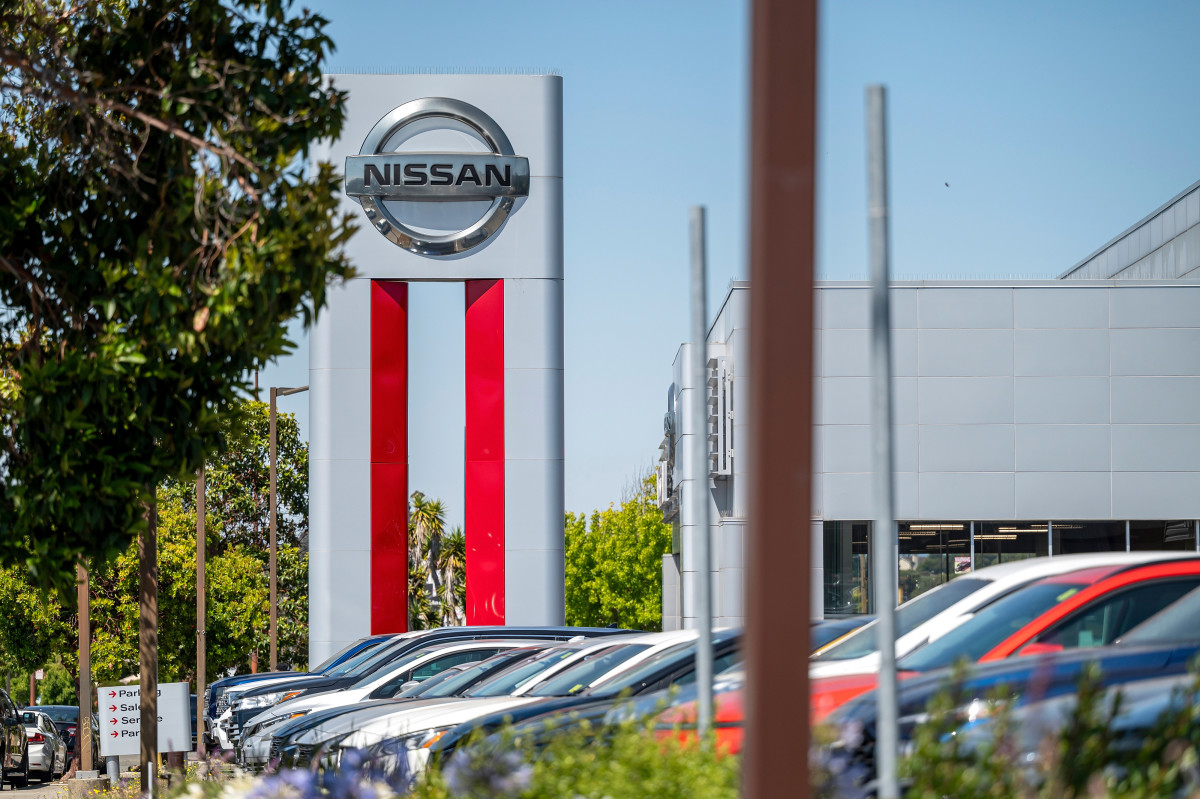
Nissan vehicles and signage at a dealership in Richmond, California, US, on Friday, June 21, 2024.

David Paul Morris/Bloomberg via Getty Images

That trend is already playing out on dealer lots, where brands like Ford, Chevrolet, Toyota, Honda, and Nissan dominate the fastest-selling used inventory, collectively making up 51% of all used vehicles sold. On average, used vehicles from these leading brands were listed at an average price of just under $24,000, about 6% below the average.

Final thoughts

Used cars on an auto dealer lot in Lake Alfred, Florida on October 19, 2021.

For many buyers, the pressure is mounting. In Connecticut, Angelica DeLeon has spent two years saving for a car after losing hers during the pandemic. Now, with a full-time job and about $10,000 to spend, she’s finding options thin and unreliable, many with over 130,000 miles.

“What are you supposed to do when you're making the minimum and you do need a car?” she said to NPR. It’s a question more Americans may be asking soon. As tariffs rattle the new car market, the used market — long a refuge for budget-conscious drivers — is becoming harder to access. And the longer the tariff uncertainty drags on, the more strained the used car supply is likely to become.

  • Digg
  • Del.icio.us
  • StumbleUpon
  • Reddit
  • RSS
Post Icon

The EU Wants To Ban This Material From Your Sports Cars


via The EU Wants To Ban This Material From Your Sports Cars

This cool material keeps race cars and supercars as light as a feather.

If there is any material that is like gold for elite sports car manufacturers, including Ferrari, Lamborghini, and Porsche, it wouldn't be steel. Despite being durable and very strong in other applications like building construction, steel is very heavy compared to other metals like aluminum, which could diminish any real performance benefits on the road and on the racetrack.

For decades, some of the world's elite race cars and premium sports cars have used an even lighter material than aluminium: carbon fiber. In 1981, McLaren driver John Watson demonstrated its effective use when he crashed his car during the Italian Grand Prix at Monza and managed to walk away since the fire failed to destroy his car's carbon fiber-constructed monocoque.

Ever since, sports car makers and even today's electric vehicle manufacturers have incorporated the lightweight material for its durability and weight savings. 65% of the Lexus LFA supercar is made out of the stuff, most notably in its carbon fiber monocoque, which holds the structure around its cabin. However, new regulations proposed by the European Union may diminish the future viability of this material, as government watchdogs in this key carmaking region could ban its use.

EU claims carbon fiber is a hazardous material

According to a new amendment drafted by the European Parliament, the legislative body responsible for EU regulations, legislators seek to add carbon fiber to the EU's list of hazardous materials. The list also includes other hazardous materials that are used in automotive and aircraft manufacturing, including hexavalent chromium, cadmium, mercury, and lead.

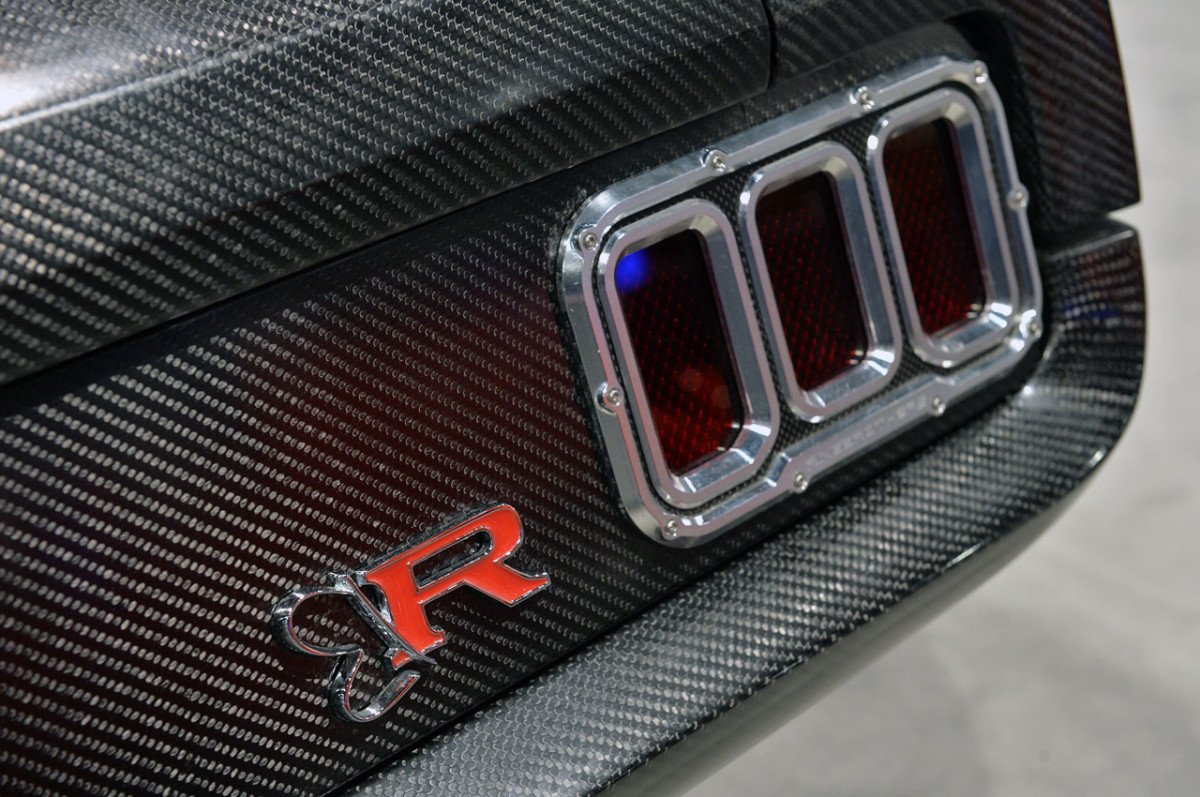
Ring Brothers Carbon Fiber Mustang

Drew Phillips

The proposed amendment was added to a recent draft revision of the End of Life Vehicles (ELV) Directive, which regulates how cars and trucks are dismantled and recycled in an effort to make the relatively dirty process much more environmentally friendly. According to the EU Parlimentary lawmakers, parts made out of carbon fiber could be harmful to humans once they are discarded.

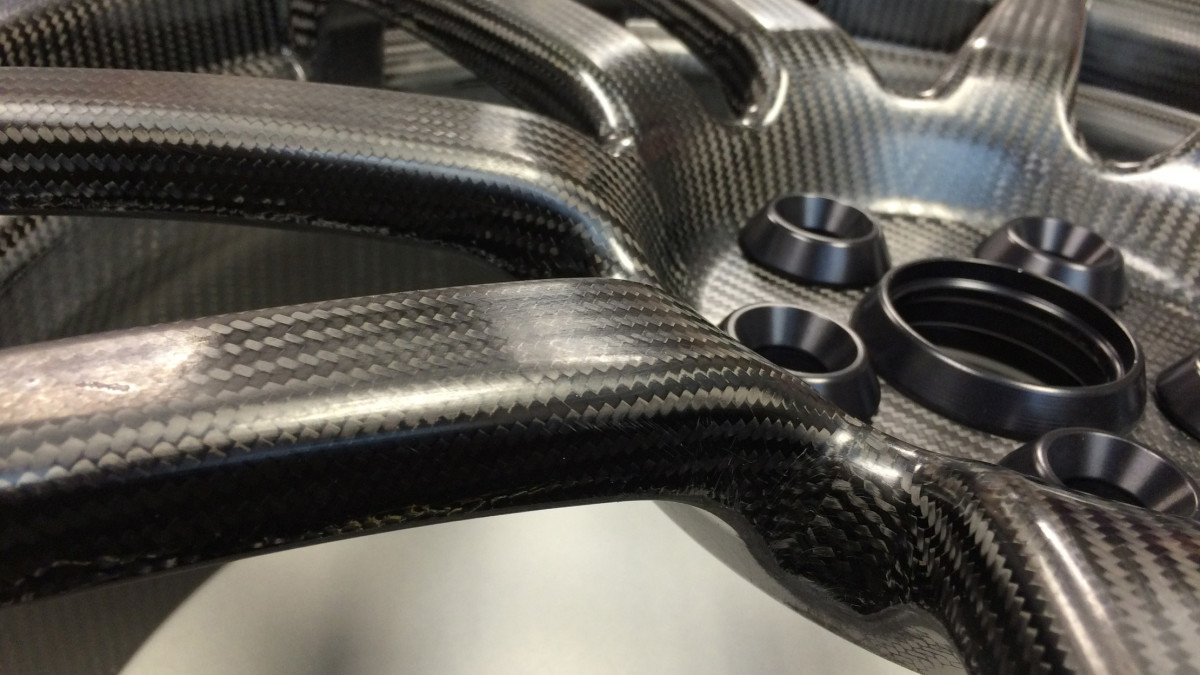
Typically, carbon fiber parts are made by weaving raw carbon fibers into a sheet, which is then vacuum-molded into the desired shape and laid with a resin or other hardening material. Lawmakers warn that as carbon fiber material gets broken apart, it can create tiny airborne particles that can short-circuit machinery and harm humans if they make contact with the skin and mucosal membranes, such as those within the openings of the eyes, nose, and mouth.

If the European Parliament officially adopts the amendment, it will take effect in the EU territories beginning in 2029. Germany and Italy, the respective homes of Porsche, Ferrari, and Lamborghini, are EU member states, which means that they will have no choice but to adapt to the change if it is adopted. 20% of all carbon fiber used worldwide is used in the automotive industry.

According to a report by Nikkei Asia, three Japanese companies stand to lose the most if this carbon fiber ban comes into effect. Stocks of Teijin, Toray Industries, and Mitsubishi Chemical fell sharply after the EU Parliament's announcement, as they account for 54% of the world's carbon fiber manufacturing market. Carbon fiber is an industry worth $5.5 billion in 2024, and Roots Analysis says it is expected to grow to $17.08 billion by 2035, with demand from the aerospace and EV industry being the biggest drivers.

https://youtube.com/shorts/Igh0tNE_s74?feature=shared

Final thoughts

If the EU Parliament actually follows through on its ban on carbon fiber, it would be a devastating step back in innovation. However, I expect this legislation to be met with heavy resistance, not just from the auto industry but also from the aerospace industry, as Boeing and Airbus use carbon fiber to help create lighter passenger airliners. We'll have to wait and see if the amendment moves past its proposal stage or if the power of the companies involved can stop it in its tracks.

  • Digg
  • Del.icio.us
  • StumbleUpon
  • Reddit
  • RSS
Post Icon

McLaren Is Making a Grand Return to This Prestigious Race


via McLaren Is Making a Grand Return to This Prestigious Race

The British automaker is just one of three makes to win this race on its first try

British manufacturer McLaren has been on a hot streak at the racetrack. In 2024, Papaya's Formula 1 outfit won its first Constructor's title since 1998. As of the time of writing, McLaren and its lead driver, Lando Norris, are leading the Constructors' and Drivers' Championships, respectively. However, outside Formula 1, McLaren CEO Zak Brown has been hinting at a return to another prestigious and gritty motorsports event that would catapult the company to motorsports glory.

In a short, brief, but very sweet press release issued on April 10, McLaren announced that it will enter the Hypercar class of the FIA World Endurance Championship (WEC) and its premier, flagship event: the 24 Hours of Le Mans, in 2027. Echoing Michael Jordan and the conclusion of his first retirement from the NBA nearly 30 years ago in 1995, CEO Zak Brown gave just two words in a statement displayed on its website: "We're back."

Previously, Brown hinted about the company’s return to endurance racing for quite a while. In mid-2024, he said that a potential hypercar project was a case of "more when than if." These small breadcrumbs turned into loaves of bread at the opening race of the WEC in Qatar, as he hinted at "some exciting stuff to talk about" at the 30th-anniversary celebration of its Le Mans win during the race this June. 

Though McLaren is more well-known as a top-flight Formula 1 team, its association with the 24-hour race spans 30 years. Although McLaren did not win the Driver's or Contructor's Formula 1 World Championship in 1995, it was the year that McLaren won an overall victory during its debut outing at the 24 Hours of Le Mans.

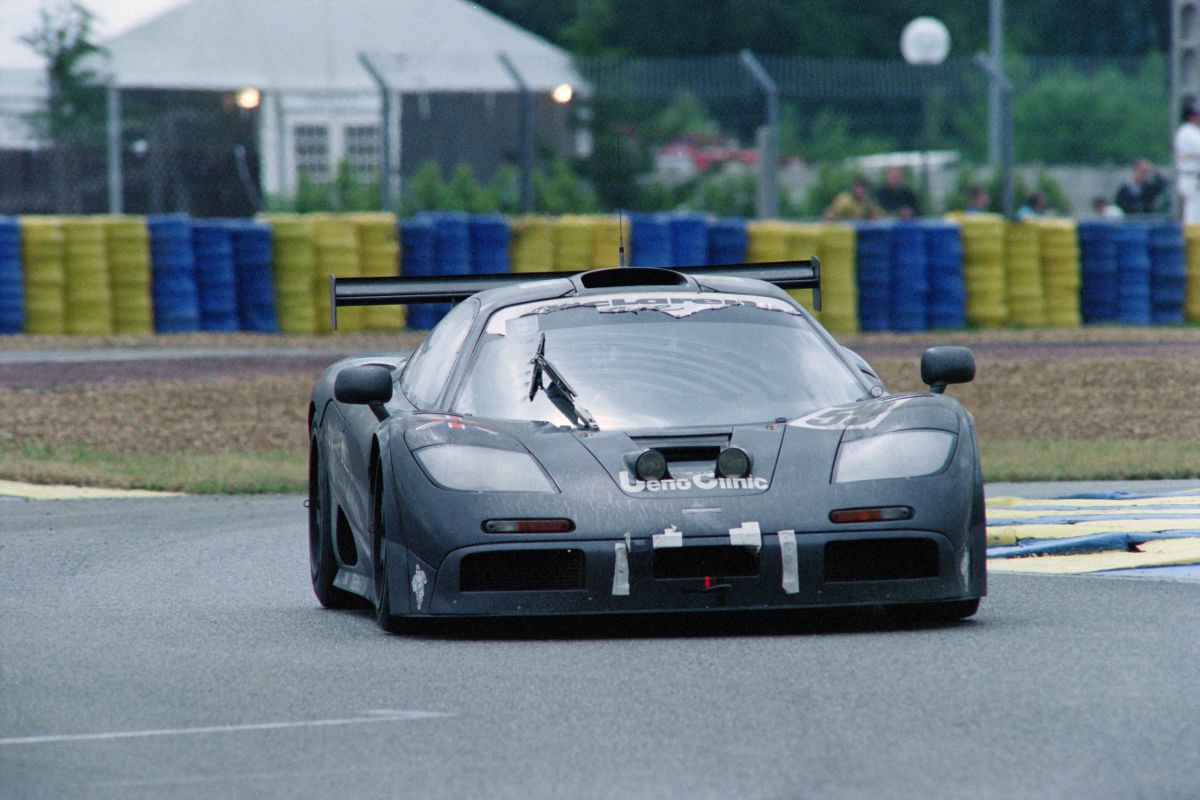
Kokusai Kaihatsu UK Racing team McLaren-BMW F1 GTR N°59, driven by French drivers Yannick Dalmas, Japanese Masanori Sekiya, and Finnish JJ Lehto, takes a bend on June 18, 1995, on the circuit of Le Mans.

Getty Images

A follow-up to a historic victory

A last-minute entry from the factory-backed team won against competitors in much more powerful prototype cars. The famous Ueno Clinic number 59 car that ran in the race was originally a McLaren-owned development chassis named 01R entered at the last minute on behalf of the Kokusai Kaihatsu Racing team. The trio of drivers behind the wheel, Yannick Dalmas, Masanori Sekiya, and JJ Lehto, managed to finish a whole lap ahead of the second-place car, a Courage C34 prototype piloted by F1 and Indy 500 champion Mario Andretti.

Though its 2027 entry may not see the likes of Andretti on the grid at Le Mans, McLaren is up against some stiff and very determined competition when it plans its epic comeback. In the Le Mans Hypercar (LMH) category alone, it is up against Toyota Gazoo Racing, Glickenhaus, Peugeot, Vanwall, Isotta Fraschini, Aston Martin, and Ferrari, who took its second consecutive win at last year's Le Mans.

Oscar Piastri, McLaren MCL38, Nico Hulkenberg, Haas VF-24, Lewis Hamilton, Mercedes F1 W15

Sam Bloxham / Motorsport Images

The Papaya team will also face some powerful teams in the LMDh class — which competes in the same class at Le Mans and other WEC races. These include Porsche, Acura, BMW, Cadillac, Alpine, and Lamborghini. McLaren's planned WEC debut comes a year after Hyundai's luxury brand Genesis plans to race in the LMDh class under its Genesis Magma outfit. Additionally, Ford plans to make an epic comeback in 2027, where it seeks an overall 24 Hours of Le Mans victory, a feat it last won in 1969.

The World Endurance Championship is not the only non-F1 motorsports effort in which McLaren is seeking dominance. McLaren F1 reserve driver and Arrow McLaren driver Pato O'Ward is currently second in the IndyCar standings this season, with his teammate Christian Lundgaard not far behind in fourth. Last year, O'Ward had three wins in IndyCar and a second-place finish in the Indianapolis 500.

Final thoughts

Modern racing is hot in the world of sports, and the return of a legendary marque like McLaren to the FIA World Endurance Championship and the 24 Hours of Le Mans is undoubtedly welcome news to fans. We'll have to wait and see whether the automaker can replicate the victories of its past and make history once again.

  • Digg
  • Del.icio.us
  • StumbleUpon
  • Reddit
  • RSS
Post Icon

Toyota Ramps up EV Strategy With Reported Plans to Release 10 New Models by 2027


via Toyota Ramps up EV Strategy With Reported Plans to Release 10 New Models by 2027

Toyota’s EV expansion plans will span five countries

Nikki Asia recently leaked a report detailing Toyota’s plans to expand its electric vehicle (EV) output from its current five models, including vehicles under the Lexus brand, to 15 by 2027. The reputable source states that this expansion strategy will include production in Japan, China, the US, Argentina, and Thailand. Toyota has declined to comment on its reported plans since the information hasn’t yet been officially released by the automaker, according to Reuters.

President Trump’s newly imposed 25% additional tariff on auto imports has influenced Toyota’s decision to vary production locations. The automaker is also facing pressure from other governments like Thailand, which wants EVs to represent 30% of its domestic auto output by 2030. Production of Toyota’s electric Hilux starts in October, and the automaker plans to expand the manufacturing of the model to Argentina. In the US, Toyota is scheduling three-row electric SUV production at its Kentucky and Indiana plants starting in 2026, with batteries coming from a new North Carolina facility. 

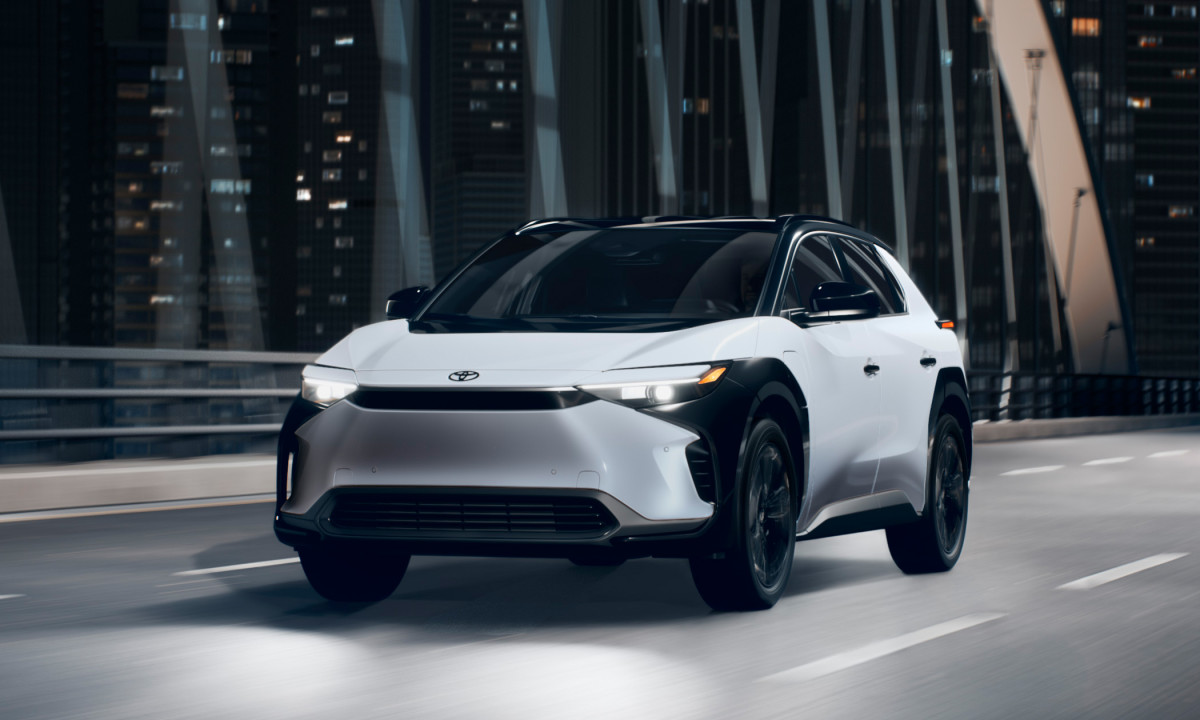
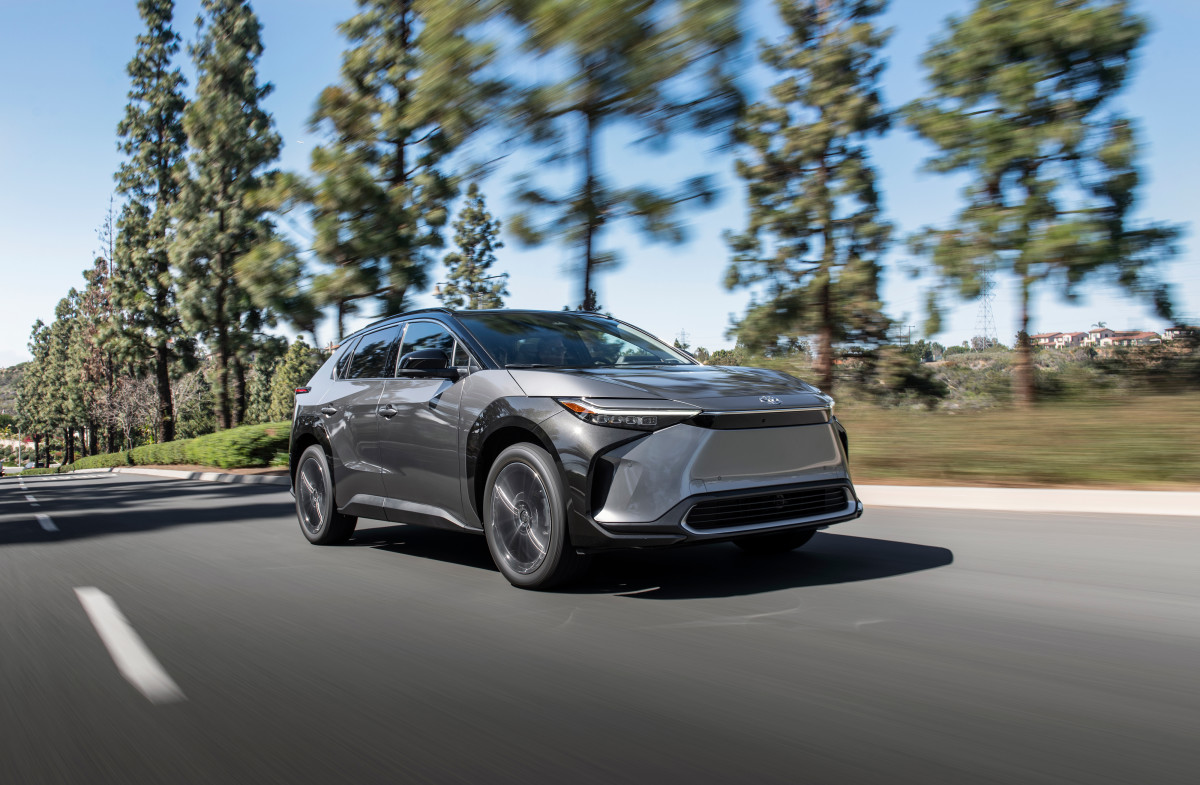
2025 Toyota bZ4X Limited AWD

Toyota

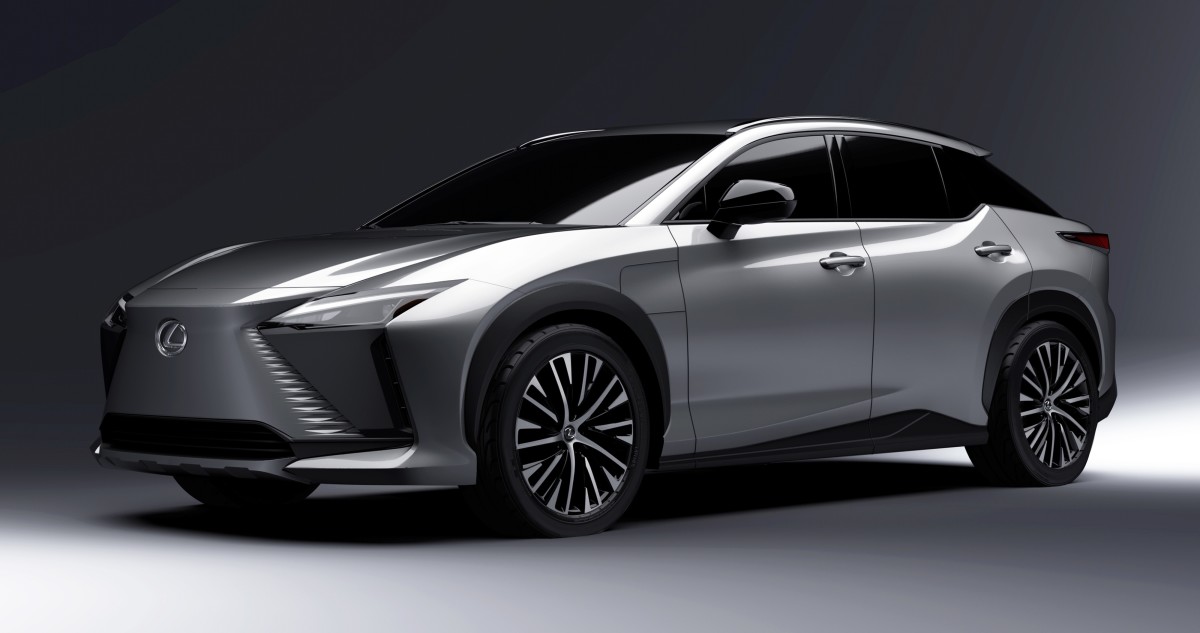
In Japan, Toyota will start manufacturing its C-HR+ SUV at its Takaoka plant in September, with the company’s Tahara factory slated to initiate production of a next-generation Lexus EV around August 2027. As of now, Toyota’s five EV models marketed worldwide include the Toyota bZ4X, C-HR+, Urban Cruiser, Hilux EV, and the Lexus RZ—but only the bZ4X and RZ are available in the US. Toyota expects to multiply its EV production seven-fold by 2027, equivalent to around one million units. Operations for Toyota in China will prioritize manufacturing the company’s least expensive EV, the bZ3X SUV, which is priced at about 110,000 yuan ($14,965.88).

Toyota's numbers will only be going up

Toyota’s estimate of manufacturing 800,000 EVs in 2026 is down almost 50% from its original goal. This initial plan included Toyota selling 1.5 million EVs per year by 2026 and 3.5 million by 2030. However, the automaker has labeled its original goals as investor benchmarks rather than targets. Toyota sold nearly 140,000 EVs globally in 2024, an increase of about a third from last year and representing less than 2% of the manufacturer’s 10 million total sales. Last year, Tesla sold 1.79 EVS compared to BYD’s 1.76 million deliveries.

Still, Toyota isn’t the only brand with bold EV expansion plans. Kia revealed its EV4 and Concept EV2 in late February at the 2025 Kia EV Day in Tarragona, Spain. Honda is also set to launch production at its new Ohio EV plant, which broke ground in 2023, later this year. This Ohio facility will focus on the all-new Acura RSX EV and Honda EV models based on the Honda 0 SUV and Honda 0 Saloon prototypes, according to Car Dealership Guy.

2025 Lexus RZ

Lexus

Final thoughts

Toyota’s significant EV expansion plans indicate the automaker’s awareness that with BYD and Tesla dominating the segment, slipping farther behind only increases difficulties associated with establishing a competitive market share. Additionally, Tesla’s struggles this year, which include the company experiencing its worst Q1 since 2022, set the stage for Toyota to gain some new EV fans in the coming years as Tesla rebuilds its image and reputation among drivers. We’ll keep our eyes out for newly announced Toyota EV models, the nature of which will help forecast the automaker’s ability to establish a healthy market share of this segment.

  • Digg
  • Del.icio.us
  • StumbleUpon
  • Reddit
  • RSS
Post Icon

Hyundais Receiving a Tesla-Esque Next-Gen Infotainment System Despite Consumer Feedback


via Hyundais Receiving a Tesla-Esque Next-Gen Infotainment System Despite Consumer Feedback

Hyundai shows off next-generation technology in Korea 

Hyundai has introduced its software brand, Pleos, which is scheduled to launch a next-generation in-vehicle infotainment system dubbed Pleos Connect in the second quarter of 2026. The automaker estimates that Pleos Connect will be present in over 20 million of its cars by 2030. The system is based on the Android Automotive OS (Operating System) and features a smartphone-like user interface with split-view, multi-window functions, ‘Gleo AI’ voice recognition-based agentic AI for intelligent vehicle control, and a single connected user profile accessible in any compatible car.

Hyundai states that Pleos Connect will emphasize user-friendly features, but the technology may not be as accessible as the automaker hopes with its heavy reliance on touch-activated controls, like Tesla’s infotainment system.

Hyundai Pleos Connect

Hyundai

Touchscreens are not a fan favorite

Many drivers have complained about the excess of touch controls in newer cars, describing physical controls as offering a more intuitive feel. Swedish auto publication Vi Bilägare conducted a study in 2022 that found touchscreens perform worse than physical buttons in vehicles. The study gathered 11 modern cars from different automakers and one 2005 Volvo V70 to measure the time it took drivers to complete routine tasks like changing the interior’s temperature while driving at 68 mph. Before the evaluation started, subjects had time to learn the vehicles’ infotainment systems, making sure everyone was on a level playing field. The study found that the easiest car to understand and operate was the 2005 Volvo V70 by a long shot, whereas drivers in the worst-performing vehicle, MG’s Marvel R, took more than four times the Volvo’s distance to complete tasks. 

However, despite its upcoming Pleos Connect infotainment system primarily relying on touch inputs, Hyundai said in November that it made a mistake investing too heavily in the technology. “As we were adding integrated [infotainment] screens in our vehicles, we also tried out putting touchscreen-based controls, and people didn’t prefer that,” said HDNA (Hyundai Development and Manufacturing of North America) Vice President Ha Hak-soo told Korea JoonAng Daily. “When we tested with our focus group, we realized that people get stressed, annoyed, and steamed when they want to control something in a pinch but are unable to do so.”

Still, HDNA told JoonAng Daily that this generally negative attitude toward touch controls might shift among consumers as driver-assistance and self-driving technology develops. Having a car drive for you naturally removes much of the pressure and frustration associated with taking your eyes off the road to mess with unfamiliar touchscreens. Hyundai introduced Pleos Connect during Friday’s Pleos 25 developer conference in Seoul, South Korea. During the conference, 26 partners displayed in-car apps and services based on Pleos Connect while exchanging feedback and inspecting app ecosystem expansion potential.

Chang Song, President and Head of Hyundai Motor and Kia’s Advanced Vehicle Platform (AVP) Division

Hyundai

Final thoughts 

While Hyundai noted that drivers’ attitudes toward touch-activated controls may change, the automaker’s decision to go all-in on releasing its new Pleos Connect infotainment system during the second quarter of 2026 highlights its big bet that driver perceptions will shift sooner rather than later. The dealbreaker will likely be whether Pleos Connect technology wows consumers enough to move them away from the higher degrees of tactile feedback that physical buttons have and continue to provide.

  • Digg
  • Del.icio.us
  • StumbleUpon
  • Reddit
  • RSS