Post Icon

Have you ever wanted a twin-engine Honda CRX?


via Have you ever wanted a twin-engine Honda CRX?

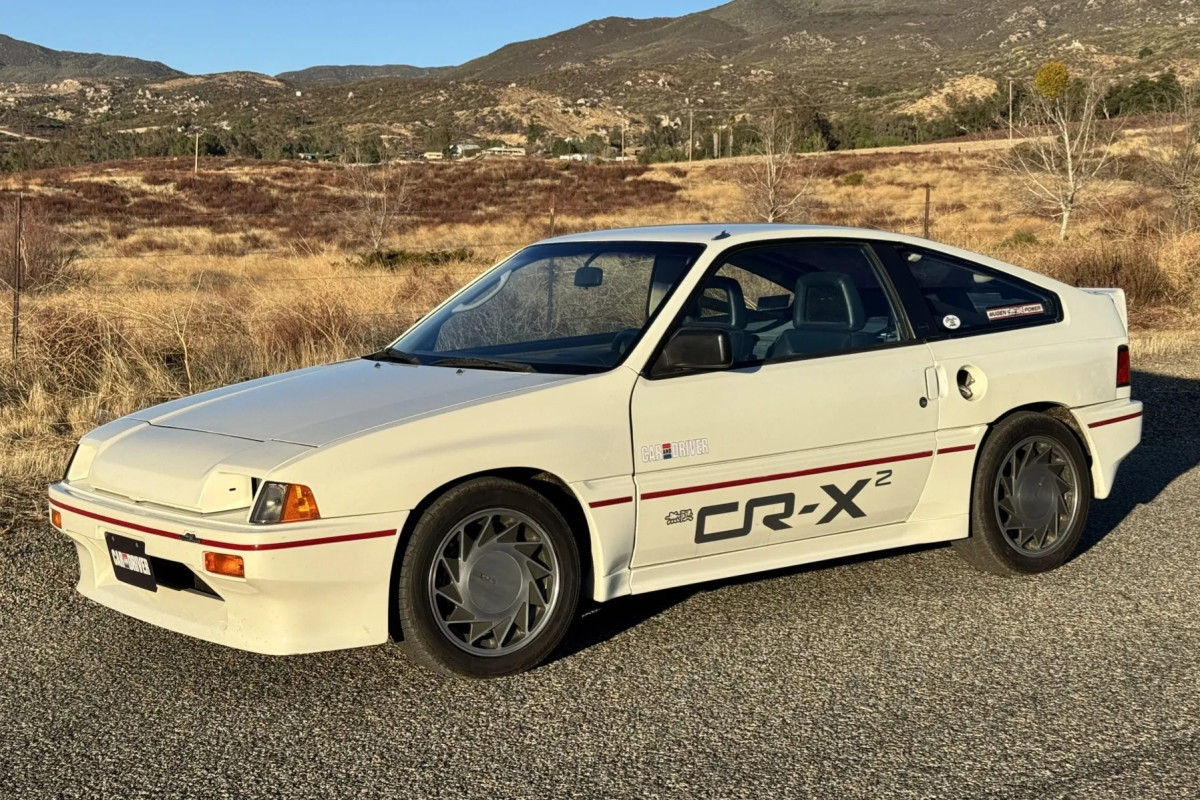
It's hard to think of a good reason to only have one engine in your car if having two is a possibility. At least that was the thought process of Car and Driver when they created the CR-X² in the 1980s that is now for sale on Bring a Trailer. This one's a fun tale, so sit down and grab some popcorn.

This car began innocently enough as a run-of-the-mill 1984 Honda CR-X finished in Greek White with a 1.5L inline four-cylinder engine mounted up front. It didn't take long before Car and Driver editor Don Sherman had the wacky idea of turning the bog-standard CR-X into a CR-X with twice the engine, twice the power, and twice the fun.

"I saw how tidy the driveline was in the CR-X. And the thought occurred to me, why not two of them?" Sherman said.

Related: Joe Rogan’s new Tesla Model S Plaid pushes customization to the extreme
Honda CR-X²

bugnbox/Bring a Trailer

The project begins with official blessings from Honda

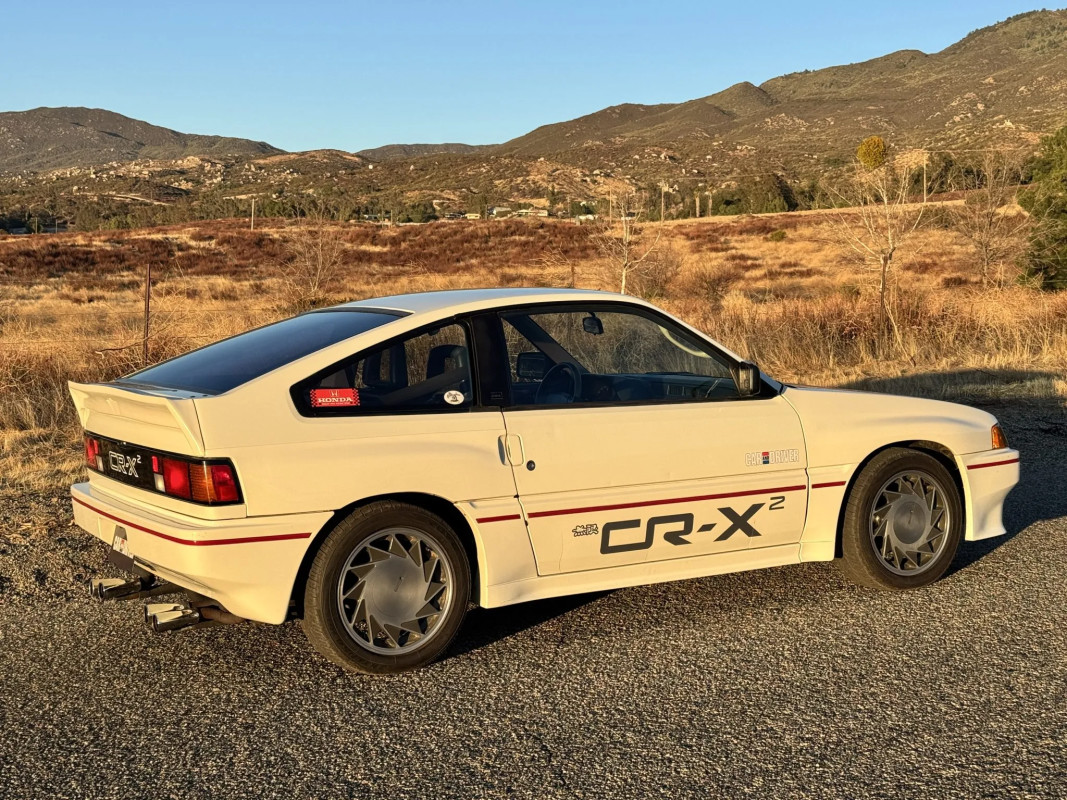
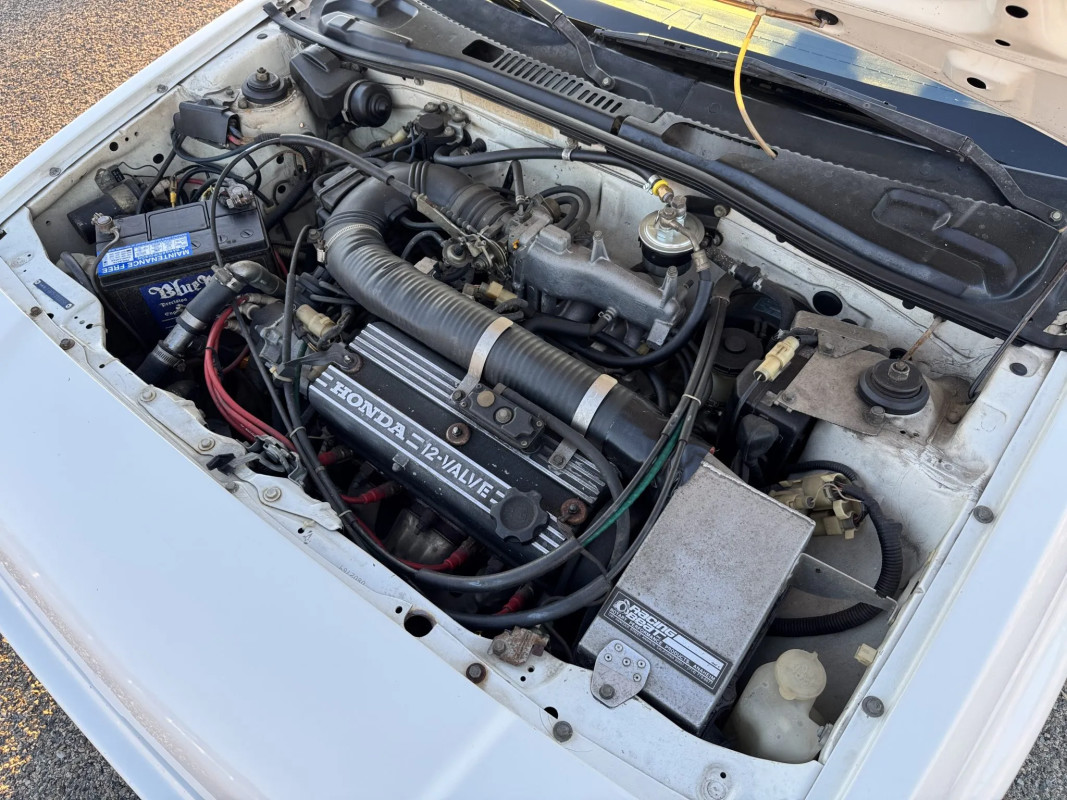
Car and Driver partnered with Honda themselves to get a second 1.5L inline four-cylinder engine, a three-speed automatic transaxle, as well as all of the wiring and mechanicals needed for a dual powertrain car. The magazine staffers employed the expertise of the Los Angeles-based shop Racing Beat to actually put everything together before the car appeared in a May 1985 article dubbed "Synchronicity."

CR-X² proved to be as reliable as a Honda of that era was expected to be, with track testing resulting in a 0-60 time of 8 seconds and a quarter-mile time of 16 seconds at 85 mph.
Honda CR-X²

bugnbox/Bring a Trailer

Related: It turns out that Akio Toyoda was right

CR-X² gets upgraded

In October 1985, a follow-up article dubbed "Super Synchronicity" hit the newsstands, detailing the evolution of CR-X². Rather than the stock 1.5L inline four-cylinder mills, the car was fitted with a Mugen body kit and twin 1.8L inline-fours paired with four-speed automatic transaxles from a Honda Accord. New tests yielded a 6.2-second 0-to-60 run and a quarter-mile time of 14.5 seconds at 95 mph.

Following its Car and Driver ownership, CR-X² changed hands a few times between the late 1980s and early 1990s before being acquired by the seller in 2022. He began a cosmetic refurbishment process that was documented on their Carchaeology YouTube. The work performed included custom CR-X² graphics, repainting the exterior trim black, and paint touch-ups at the rear to correct damage from shipping.

Car and Driver and even Jay Leno took the car for a drive in December 2024.
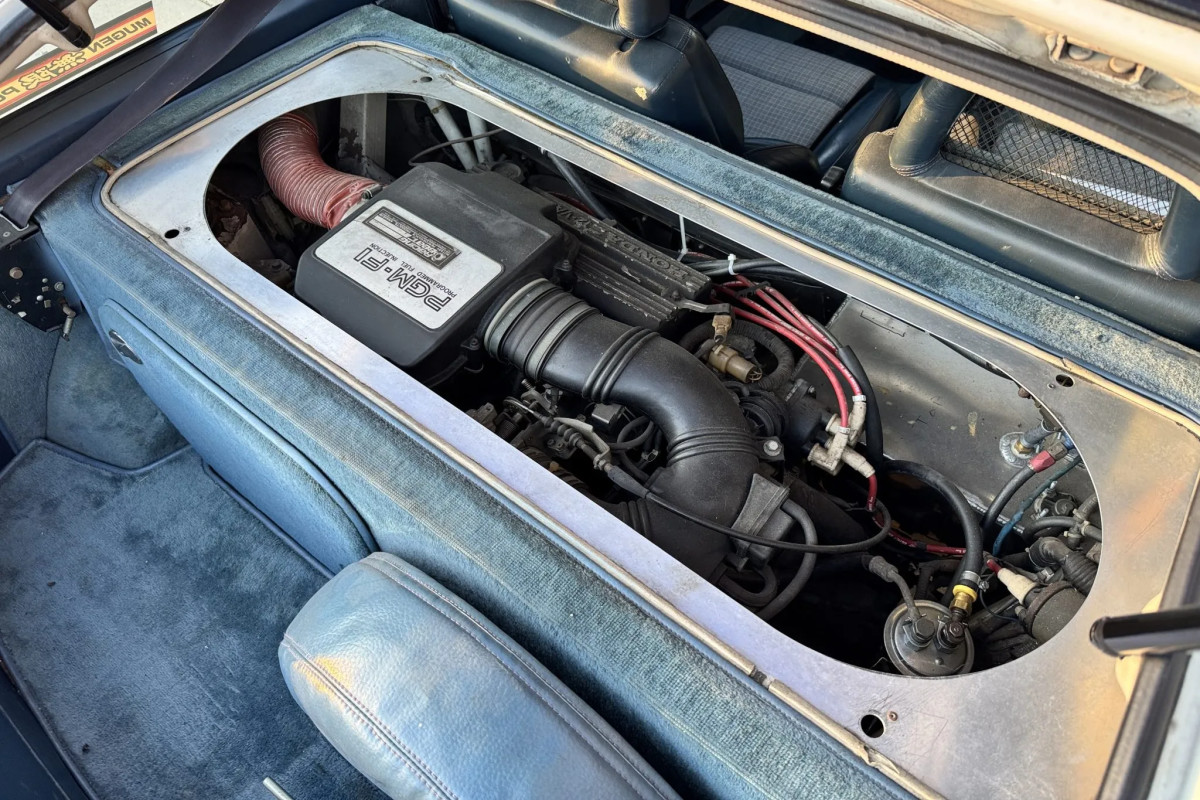
Honda CR-X²

bugnbox/Bring a Trailer

Related: Genesis GV80 Desert Edition: Is this luxury SUV ready for Dakar?

Final thoughts

There are no words short of "cool" and "astonishing" to describe CR-X². A CR-X on its own is a fantastic throwback to 80s Hondas, but one with a Mugen kit and twin 1.8L inline-four cylinder engines is in another universe. We can't even begin to guess how one would put a price on such a project, but it's likely one of those things where it's worth as much as what someone is willing to pay for it.

The Bring a Trailer auction ends in four days, with the bid currently at $22,500. Much like other auctions we've written about before, we have but one request to the future owner: can we drive it?

Related: Toyota’s $10B Woven City: From sci-fi dream to reality

  • Digg
  • Del.icio.us
  • StumbleUpon
  • Reddit
  • RSS
Post Icon

What's New for 2025: Volvo


What's New for 2025: Volvo 2025 Volvo EX30 With the launch of three EVs in two years, Volvo still hastens the electric vehicle future It may not be fully electric by 2030 as once planned, but most new Volvos will have a plug Expect the EX60 counterpart to the XC60 to arrive in 2026 Volvo may not be full throttle on its plans to transition to a fully electric automaker by 2030, but the...

  • Digg
  • Del.icio.us
  • StumbleUpon
  • Reddit
  • RSS
Post Icon

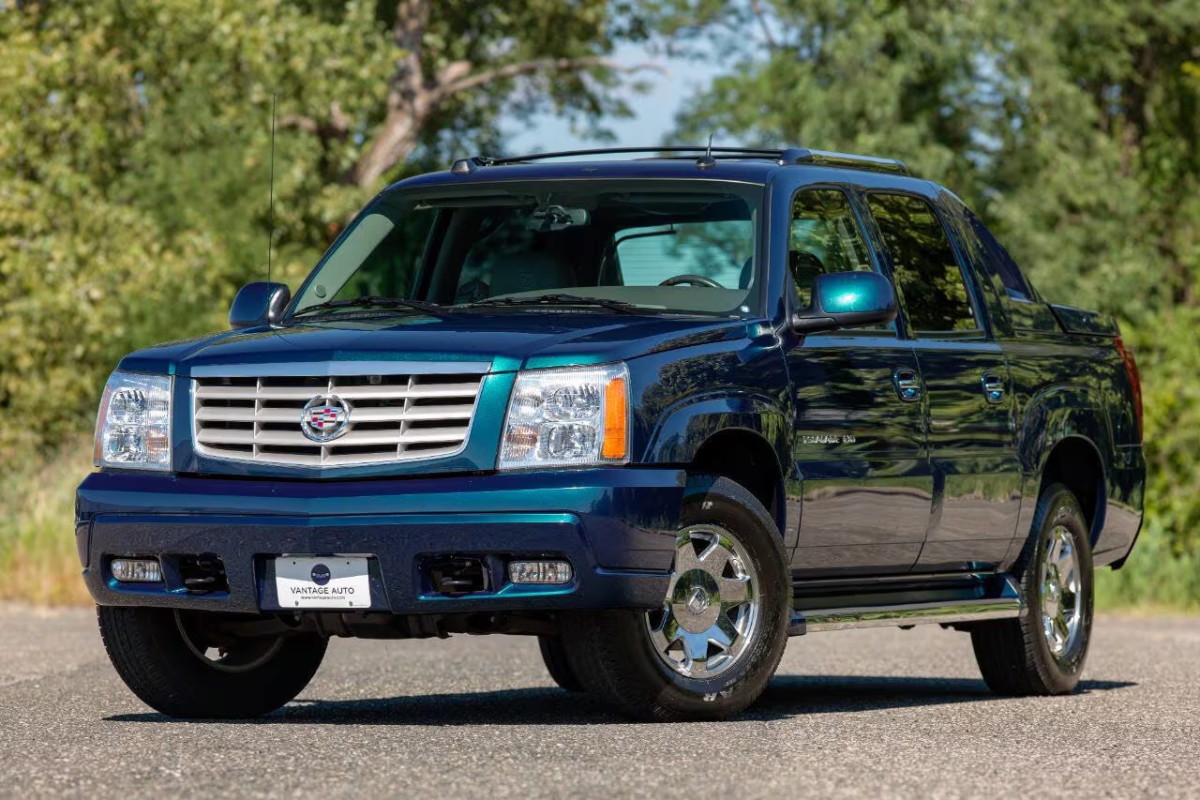
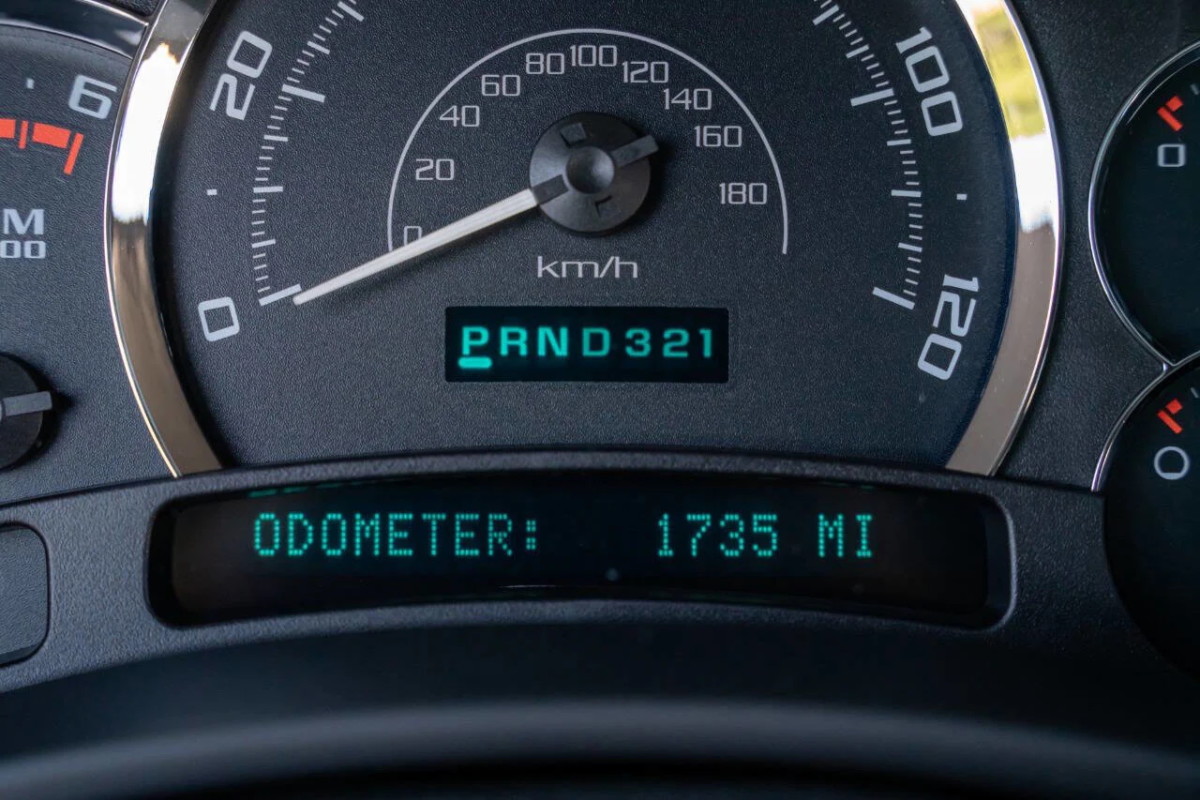
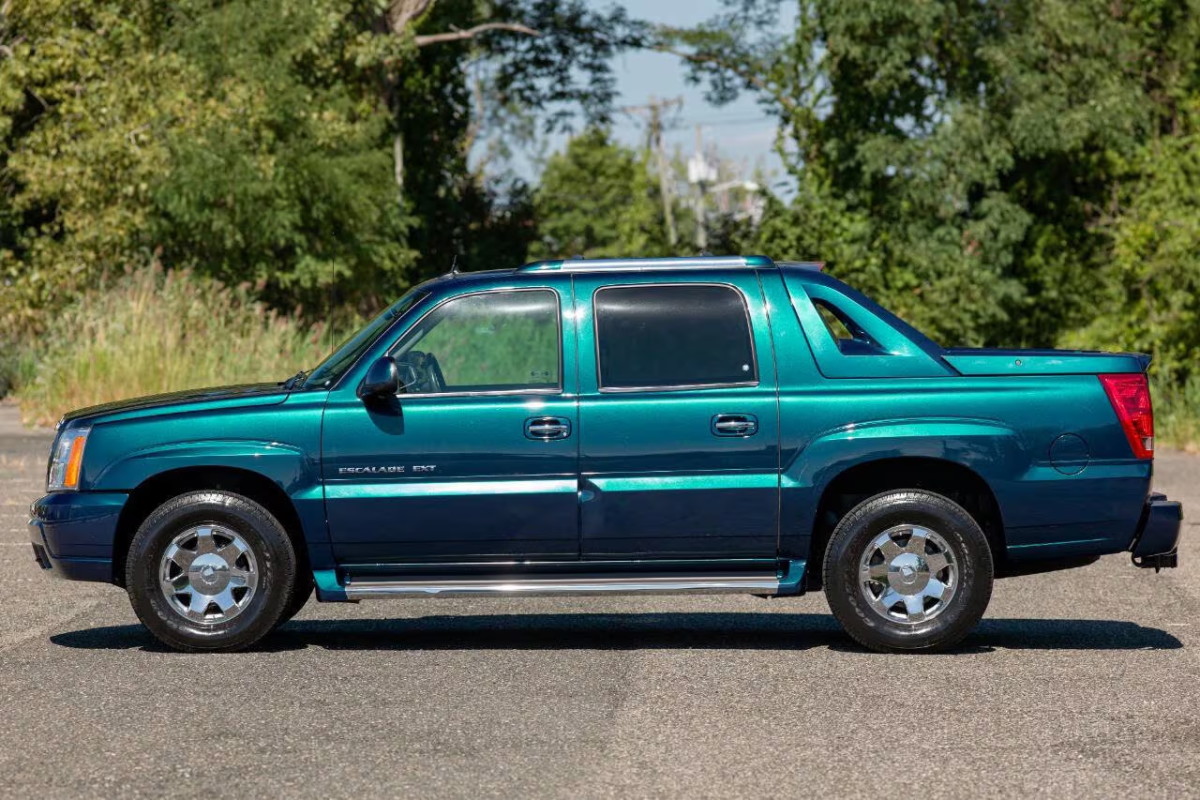
A 2005 Cadillac Escalade EXT with just 1,735 miles is up for sale


via A 2005 Cadillac Escalade EXT with just 1,735 miles is up for sale

The Cadillac Escalade EXT has been dead for some time, killed off after the 2013 model year. That means it’s been two whole generations since we’ve seen such a luxury pickup. General Motors let the trademark expire in 2023, so it’s likely we won’t see a new one anytime soon.

Given their age, it’s tough to find an EXT with a lot of life left. Somehow, though, a garage queen has popped up for sale with ridiculously low miles and an equally as attractive color that isn't a shade of gray.

Related: The top 6 driver's cars for $25,000 in 2025

This Escalade EXT is a chromed bling time capsule

2005 Cadillac Escalade EXT

Vantage Auto

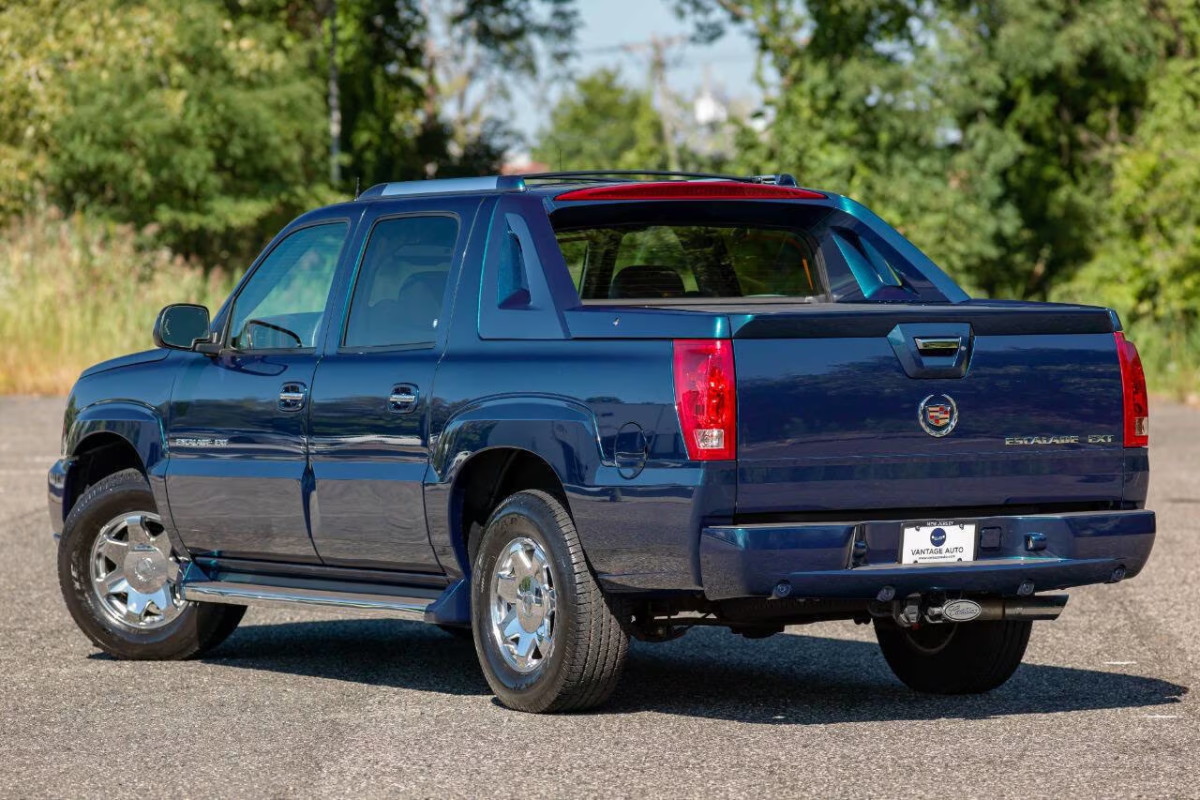
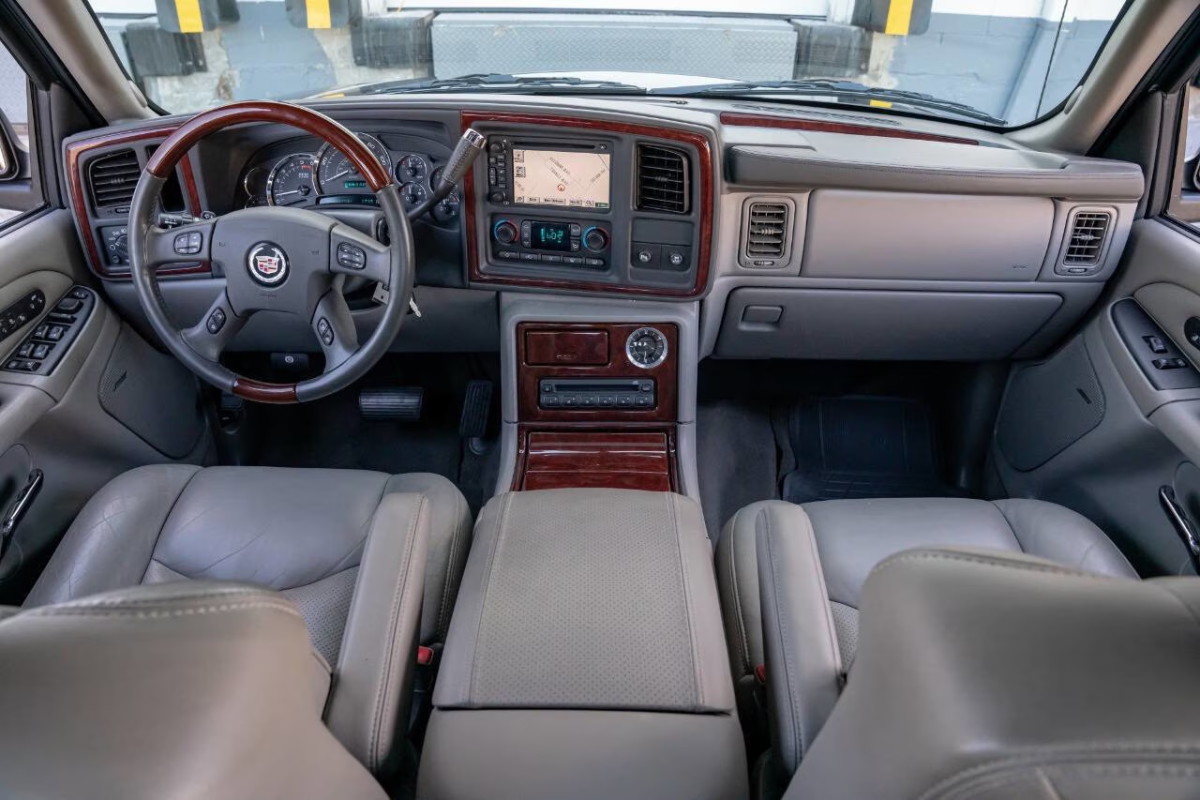
In Moonachie, New Jersey sits a 2005 Cadillac Escalade EXT wearing Riptide Blue Metallic paint and a gray leather interior that looks like it has never been sat in. Considering that the odometer shows just 1,735 miles, that condition is not at all surprising.

For some people, 1,735 miles amounts to a regular weekly commute. It's even rarer to see such miles in an Escalade from the northeast, with the description claiming it’s the “lowest mileage 2005 Cadillac Escalade EXT AWD you will find anywhere!” The dealer claims it’s loaded with every option imaginable, while the CarFax report reveals just one owner.

In 2005, these Escalades had standard all-wheel drive (AWD) and the 6.0-liter LQ9 V-8, which was an optional engine in Chevrolet and GMC trucks. The Escalade's V-8 produced 345 horsepower and 380 pound-feet of torque mated to a four-speed automatic. If properly equipped, it can tow up to 7,300 pounds.

Related: Vehicle prices approach all-time high—Here is what’s driving the trend

It somehow didn't sell on Bring a Trailer

2005 Cadillac Escalade EXT

Vantage Auto

Vantage Auto, the company selling the car, tends to list cars for sale on Bring A Trailer. The 2005 Escalade EXT is no exception. It went live in October 2024 but failed to meet the reserve with a final bid of $34,000.

As of this writing, the dealer is asking $53,500 to take home what may serve well as a collectible, or a new daily to the right buyer. One could argue that’s a steal since the base MSRP in 2005 was $53,335, meaning this example essentially beats inflation.

Collectible pickup meets legendary reputation

2005 Cadillac Escalade EXT

Vantage Auto

The 6.0-liter available in this era of Escalades in 2005 was a bigger version of the Vortec V-8 engines that sat under the hood of every truck and SUV on the GMT800 platform. These gained a reputation for being essentially bulletproof engines that could rack up a ton of miles with little issues.

Vantage Auto

Vantage Auto

View the 16 images of this gallery on the original article

Scour the classifieds for any Escalade, Tahoe, Suburban, or Yukon from the 2000s, and you’ll see examples listed with upwards of 200,000 or even 300,000 miles on the clock, making this EXT a unicorn. The only downside, as with any V-8, is fuel economy, as these achieved a rating of 12 mpg city / 16 mpg highway back then. The cost savings of buying this over a new Escalade can quickly go toward the gas bills.

Related: Leaked letter reveals Jaguar designers' doubts about controversial rebranding

Final thoughts

2005 Cadillac Escalade EXT

Vantage Auto

Although $53,500 is quite a chunk of change for this Escalade EXT, it's a vehicle with a lot to offer in terms of capability and reliability. The low mileage means whoever buys this will give it a second lease on life. You don’t even have to go to New Jersey to pick it up, as the dealer will ship it nationwide. 

So, to whoever fronts the cash, we ask only that you drive it—drive it a lot.

Related: 2024 Bentley Continental GT Azure review—luxury and power in perfect harmony

  • Digg
  • Del.icio.us
  • StumbleUpon
  • Reddit
  • RSS
Post Icon

Vehicle prices approach all-time high—Here is what’s driving the trend


via Vehicle prices approach all-time high—Here is what’s driving the trend

Car prices just keep rising. According to new data from Kelley Blue Book, the average transaction price (ATP) of new vehicles climbed to $49,740 in December, a 1.5% increase from November and a 1.3% rise compared to the same time period in 2023. The rising average brings prices close to the all-time high of $49,958 set just two years ago.

Several factors contributed to the increase, including a holiday-driven spike in luxury vehicle demand and elevated incentives. Erin Keating, an executive analyst at Cox Automotive, said that consumer optimism and a brief dip in interest rates late in 2024 spurred vehicle purchases. "Vehicles, especially luxury models, are emotional purchases. When optimism rises, so do sales," she noted.

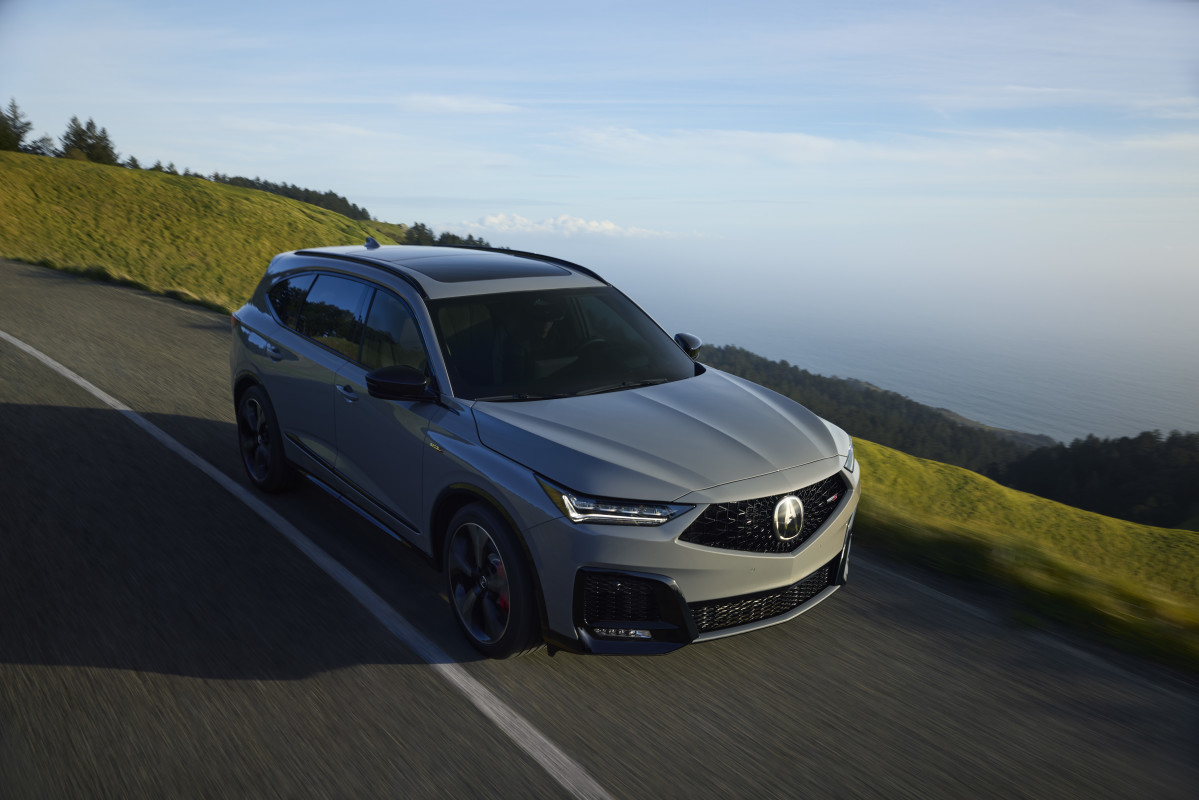
2025 Acura MDX Type S

Acura

Despite a growing affordability crisis in the automotive market, there doesn’t appear to be any relief on the horizon. We crunched the numbers to see exactly what areas of the market are driving prices higher.

Related: The top 6 driver's cars for $25,000 in 2025

Luxury vehicles dominate December sales

December has traditionally been a strong month for luxury sales, and 2024 continued that trend. On average, vehicles priced above $80,000 account for roughly 4.4% of total vehicle sales in a given month, but last month saw that figure rise to 5.6%, representing an all-time high for the segment. Models including the Land Rover Range Rover, Cadillac Escalade, and BMW X7 led the charge, reflecting a growing appetite for high-end vehicles.

View the original article to see embedded media.

Luxury cars saw the biggest year-over-year price increase, up nearly 10% to an average price of $58,931 in December. Full-size Luxury SUVs, a particularly popular category, weren’t far behind, marking an 8.2% increase in price year-over-year with an average price of $107,854.

So-called entry-level luxury cars also experienced notable demand, bolstered by incentives that averaged 10% of their ATP, making them an attractive option for buyers looking to enter the luxury market.

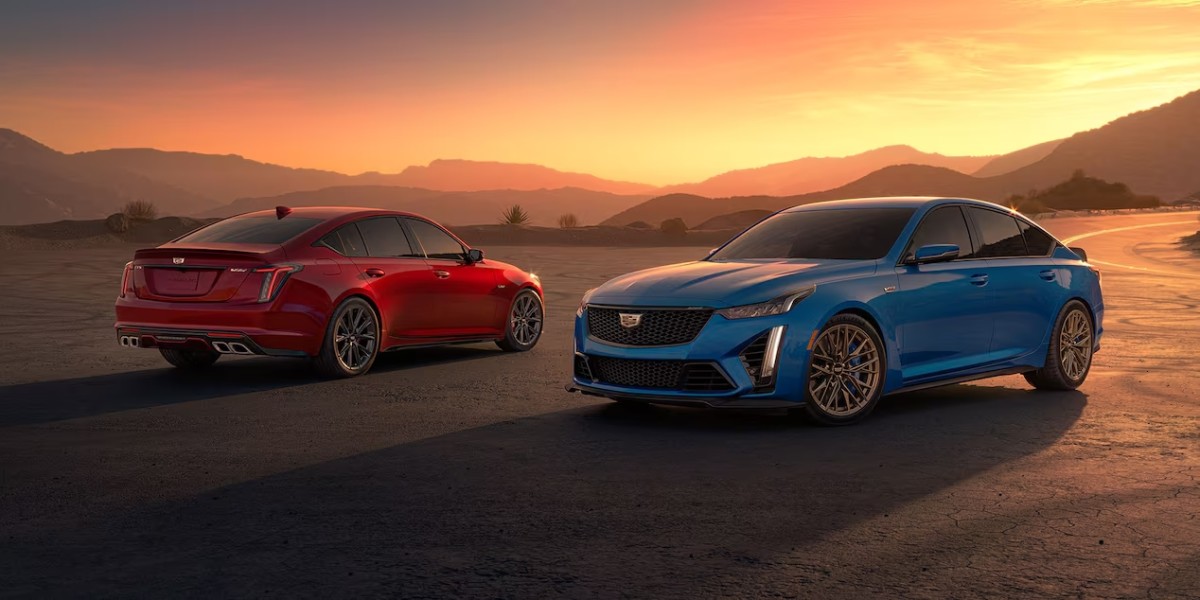
Certain brands saw significant growth in transaction prices. Cadillac reported a 12.8% year-over-year increase in average prices, while Tesla prices rose 10.5%. These gains reflect a shift in consumer preferences toward higher-end models and advanced technology features.

Related: EV sales soar to record heights in 2024: What’s behind the gains?

Incentives are on the rise

Incentive spending reached 8% of the industry average transaction price in December, amounting to nearly $4,000 per vehicle. December marked the fifth consecutive month of increased incentives, a trend driven by automakers looking to boost sales amid growing inventories.

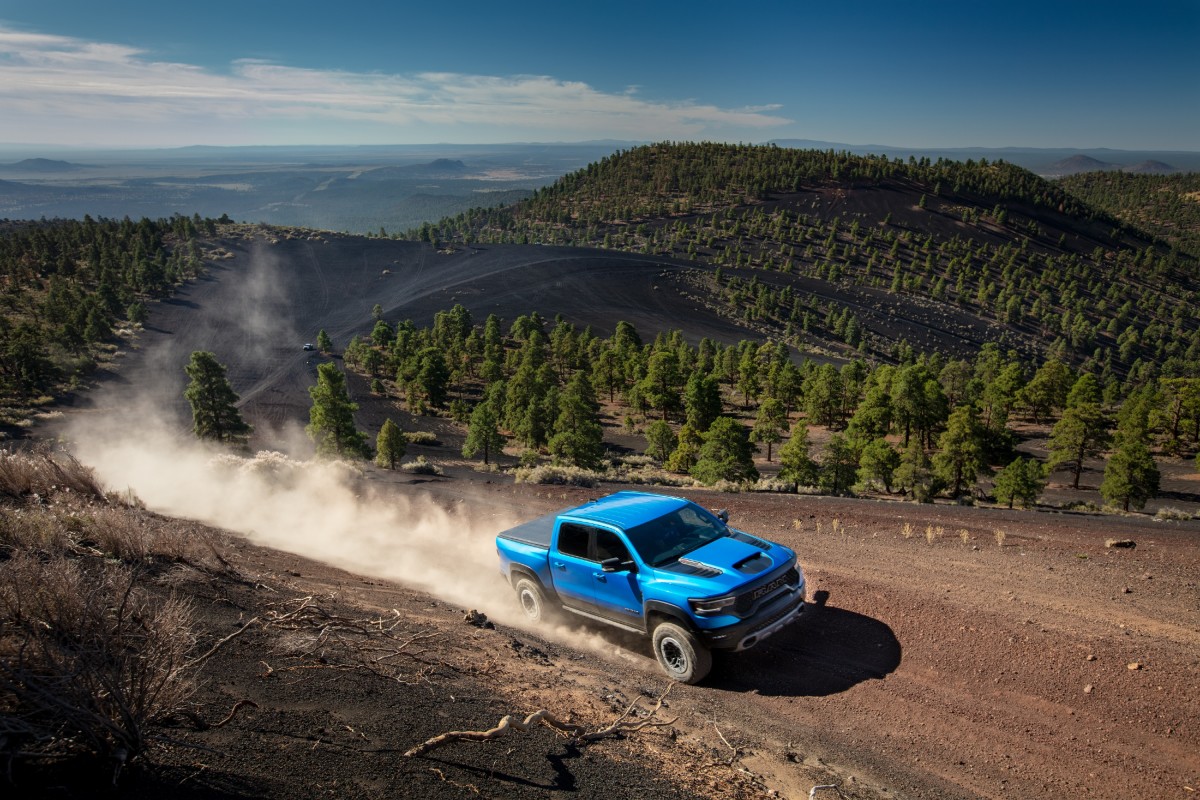
2024 Ram 1500 TRX

Stellantis

Volkswagen, Ram, and Nissan offered some of the most generous discounts, with incentives exceeding 13% of ATP. Meanwhile, Toyota, Land Rover, and Porsche maintained some of the lowest incentives in the industry.

Electric vehicles (EVs) also benefited from substantial discounts. Incentives for EVs averaged 14.3% of ATP in December, a slight decrease from November but still significantly higher than a year ago. This helped propel EV sales to over 1.3 million units in 2024, setting new records for both volume and market share.

Related: Nearly half of young Americans don't want to own a car

Deals in all the wrong places

Despite costs rising across much of the market, segments like subcompact cars offer great deals for the cost-conscious buyer. Average prices for subcompacts were down 17% year-over-year in December to a budget-friendly $21,893. Still, issues remain. Most notably that almost no one wants a subcompact car.

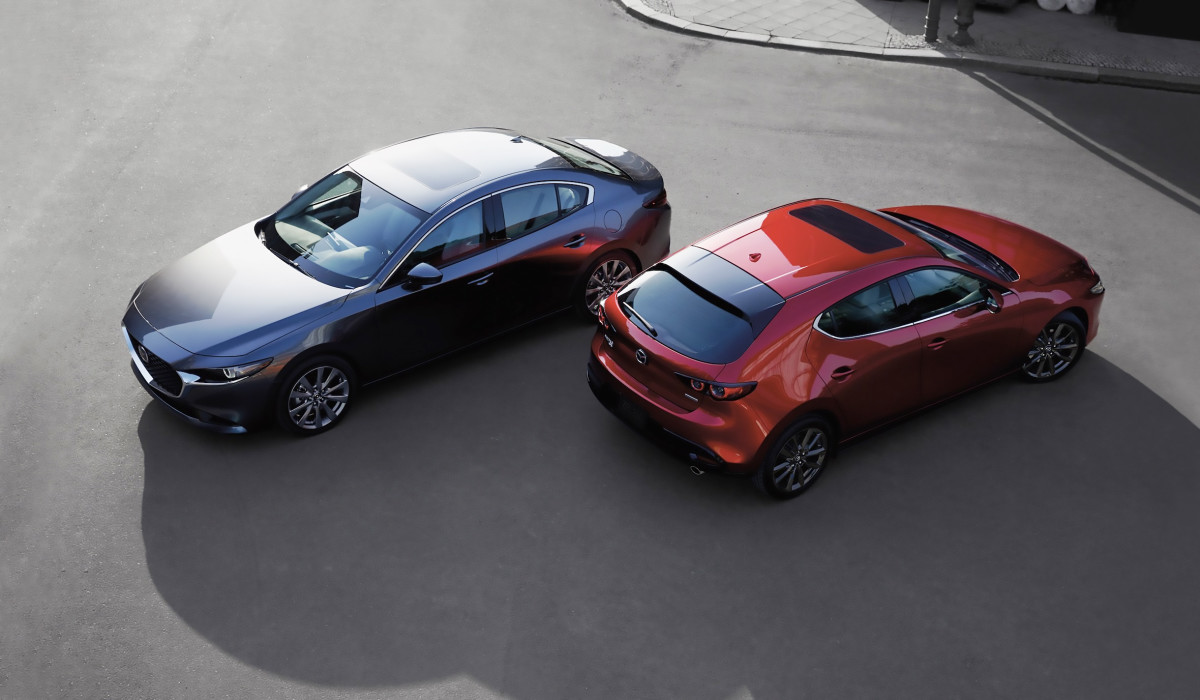
Mazda3 Sedan and Hatchback

Mazda

Affordability concerns drove consumers to smaller vehicles last year, according to data from Edmunds, but smaller is a relative term. While consumers flocked to compact trucks and subcompact SUVs, many were still unwilling to make the leap all the way down to a subcompact car. 

Consumers and automakers still managed to align on some key categories. Subcompact SUVs, a favorite of new car buyers in 2024, saw prices decline 2.5% year-over-year in December. Granted, that only amounts to an average savings of about $650 on a nearly $30,000 price tag.

Higher interest rates and extended loan terms are exacerbating affordability challenges. Even with rising incentives, many consumers are finding it increasingly difficult to justify or manage the cost of a new vehicle.

Related: How electric cars are falling behind the pack

A bougie bunch of brands

A few automakers defied the industry trend, with brands like Mitsubishi and Buick reporting significant year-over-year price declines. Meanwhile, luxury-oriented brands like Cadillac, Acura, and Infiniti saw their average transaction prices rise well above the market’s modest 1.3% average.

View the original article to see embedded media.

Cadillacs sold in December cost about $9,000 more on average than they did just a year before, with an ATP of nearly $80,000. Despite Infiniti reporting a 10% decline in sales last year, transaction prices continued to rise—up about $5,000 year-over-year to an average price of $65,667 in December.

Even relatively affordable brands like Kia, Honda, and Toyota saw their prices increase far above the industry norm. In December, an average Toyota cost nearly $42,000, up 3.5% from 2023. Kia and Honda saw even bigger price spikes, with year-over-year prices up 4.8% and 3.8%, respectively.

Related: Biden admin rejects Tesla’s $100 million request for big-rig charging plan

Final thoughts

As the automotive industry enters 2025, elevated prices are likely to persist, driven by strong luxury sales and the growing popularity of electric vehicles. However, the question of affordability looms large. Rising interest rates and economic pressures could temper demand, particularly among middle-income buyers.

For now, consumers navigating the new car market must contend with high prices, limited incentives on popular models, and, potentially, a smaller vehicle than they want. While automakers celebrate record-breaking sales and transaction prices, the sustainability of these trends is far from certain. How long can the market thrive before the affordability crisis takes center stage?

Related: These British classics have a secret: The surprising truth beneath the badge

  • Digg
  • Del.icio.us
  • StumbleUpon
  • Reddit
  • RSS
Post Icon

Burning Teslas in LA add toxic barriers to wildfire cleanup


via Burning Teslas in LA add toxic barriers to wildfire cleanup

The devastating wildfires that swept through Los Angeles beginning Jan. 7 have left a trail of destruction, with at least 27 lives lost and thousands of homes destroyed. While the immediate threat of flames has begun to die down, the aftermath presents a new set of challenges. Among the most pressing are the toxic remnants left behind by burned electric vehicles (EVs) and home-battery storage systems, Bloomberg reported.

“A lot of the cars in the evacuation area were lithium batteries,” said Jacqui Irwin, a California state assembly member. Pacific Palisades, the neighborhood that Irwin represents, was hit especially hard by the fires. Firefighters have expressed concerns about the prolonged and intense fires caused by these batteries, particularly near homes equipped with systems like Tesla Powerwalls.

These challenges are delaying the safe return of residents to affected areas. Toxic debris must be carefully identified, removed, and managed before cleanup crews can address more conventional hazards, such as damaged utilities and structural instability.

Related: Leaked letter reveals Jaguar designers' doubts about controversial rebranding

Lithium batteries: A growing hazard

Los Angeles has embraced electric vehicles more enthusiastically than most parts of the United States. As of October 2024, the region was home to over 431,000 Teslas, a market share triple that of the national average, according to data from S&P Global Mobility. The Tesla Model Y, in particular, has dominated the state’s vehicle sales, cementing California’s position as a leader in EV adoption.

A Tesla showroom and service center on Friday, Sept. 4, 2020 in Burbank, CA.

Kent Nishimura/Getty Images

But with this leadership comes unique risks. Fires in lithium-ion batteries are notoriously difficult to extinguish. Unlike conventional car fires, which can often be suppressed quickly, EV battery fires may reignite repeatedly and require immense amounts of water to fully extinguish. First responders are now equipped with guides from automakers on handling such incidents, but the scale of the problem during an urban wildfire presents a challenge of unprecedented magnitude.

Lessons from Maui fires

San Diego firefighter Robert Rezende, an expert in lithium-battery hazards, is among those assisting in the cleanup effort. “The state has seen other fires, but nothing this urban, with so many neighborhoods and structures where you’d expect to see more electric vehicles and other energy storage systems,” Rezende said. “We’re anticipating a pretty big lift.”

Protocols developed during the 2023 Maui fires, which saw over 30 tons of lithium batteries removed from 1,400 properties for recycling, are being adapted for Los Angeles. However, the scale and density of the affected areas make the effort far more complex.

Related: EV sales soar to record heights in 2024: What’s behind the gains?

Health and environmental risks persist

The danger of lithium battery fires is just one piece of a toxic puzzle. Wildfires in urban areas create a cascade of environmental and health hazards. Burned homes and businesses release a mix of hazardous substances, including asbestos from insulation, lead and mercury from electronics, and harmful chemicals from paint, cleaning products, and compressed gas cylinders.

Search and rescue team members search the ruins of one of the thousands of homes that were destroyed by the Eaton Fire on January 11, 2025 in Altadena, California.

David McNew/Getty Images

The Los Angeles County Department of Public Health has issued strict guidelines for handling fire debris, warning that improper removal could have dire consequences for human health and the environment. Residents are prohibited from attempting cleanup without inspections and oversight by agencies like the Environmental Protection Agency (EPA) and California’s Department of Toxic Substances Control.

The complicated path to recovery

The Palisades fire wreaked significant havoc on the nearby city of Malibu. In an interview, Mayor Doug Stewart said that the state has taken charge of debris removal efforts, praising its effective management of the cleanup after the 2018 Woolsey fire, but the process of building back is a long one.

An interior view of burnt Tesla car after Palisade Fire has caused destruction in Pacific Palisades, Los Angeles, California, United States on January 15, 2025.

Anadolu/Getty Images

Six years after the Woolsey fire, just half of the 363 single-family homes approved for rebuilding have been completed. That earlier disaster destroyed 1,600 structures, but the Palisades fire has caused more than double the destruction, leaving the community facing an even more daunting recovery. According to Malibu’s official website, building inspectors have completed about 35% of rapid visual assessments on damaged properties.

Looking across Los Angeles, insurance loss estimates from the fires have surged to as much as $40 billion. BlackRock Inc. CEO Larry Fink cautioned that it might take a decade to fully rebuild the affected areas. The Federal Emergency Management Agency (FEMA) has committed $100 million toward the cleanup effort, marking the beginning of what will likely be a long and costly recovery process.

Related: Is the Ford Mustang GTD Spirit of America the most extreme Mustang ever?

A balancing act for policymakers

The Los Angeles wildfires highlight a pressing need for policymakers to strike a balance between embracing sustainable technologies and addressing their potential risks. California has led the charge toward zero-emission vehicles, with an executive order mandating that all new vehicles sold in the state be zero-emission by 2035. However, the fire has exposed the vulnerabilities of these technologies during natural disasters.

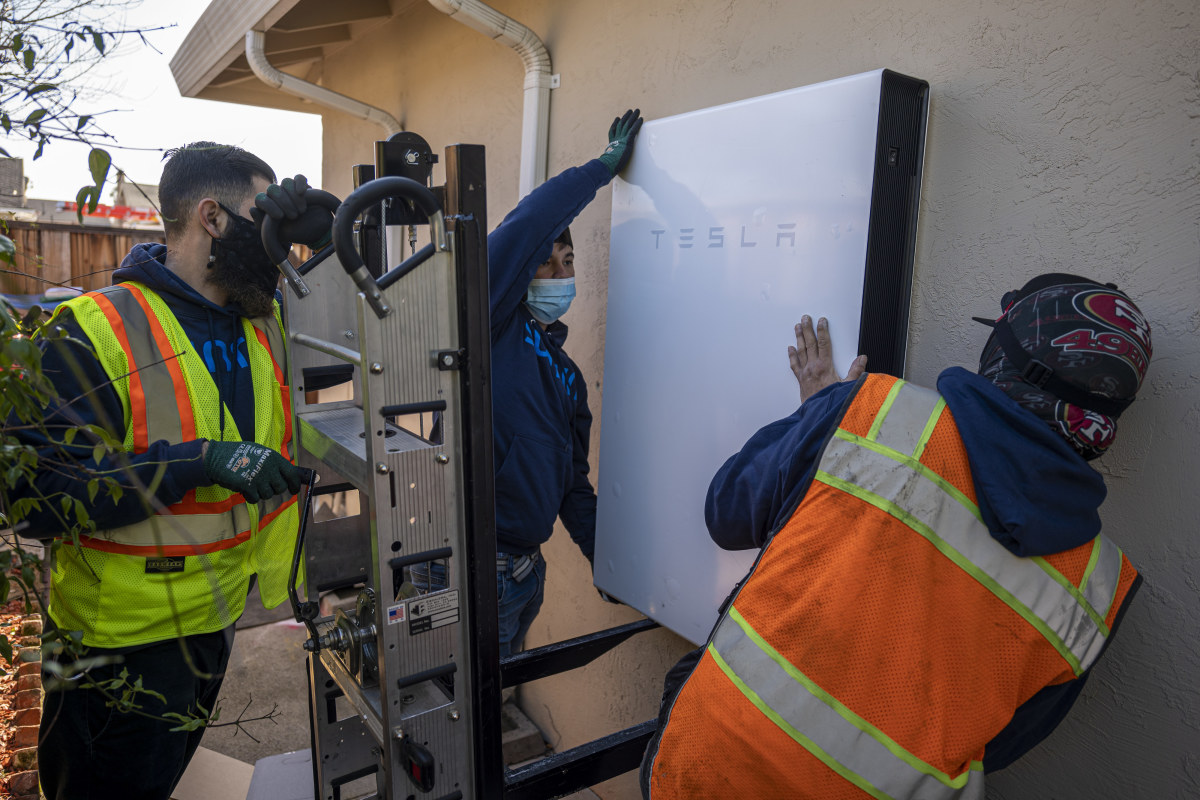
Contractors mount a Tesla Powerwall battery unit at a home in San Jose, California, U.S., on Monday, Feb. 7, 2022.

Bloomberg/Getty Images

Governor Newsom acknowledged these challenges, noting that the state is “still adapting to newer technologies” and the distinct risks they pose. This includes not only lithium-ion batteries but also energy storage systems, which are becoming increasingly common in homes and businesses.

Related: Ford’s 2024 results shine, but is trouble lurking beneath?

Final thoughts

The Los Angeles wildfires serve as a stark reminder of the challenges that come with an increasingly electrified automotive market. While electric vehicles and renewable energy systems are essential for combating climate change, their role in disasters can’t be ignored.

The road to recovery will be long and arduous for fire-stricken communities like Los Angeles and Malibu. Policymakers, first responders, and residents must work together to address the immediate hazards while laying the groundwork for a safer and more sustainable future. As California continues to lead the way in clean energy and emissions reduction, it must also prepare for the unintended consequences of those innovations.

Related: Nearly half of young Americans don't want to own a car

  • Digg
  • Del.icio.us
  • StumbleUpon
  • Reddit
  • RSS
Post Icon

Electric pickup trucks: A complete guide


Electric pickup trucks: A complete guide2025 GMC Sierra EV DenaliElectric pickup trucks may not have the massive towing capacity of heavy duty diesel trucks, but for virtually every other purpose they are superior to gas- or diesel-powered trucks: they're cleaner, quieter, quicker, more fun to drive, more tech-forward, and in many cases more capable. On the downside, they're usually more expensive and towing...

  • Digg
  • Del.icio.us
  • StumbleUpon
  • Reddit
  • RSS
Post Icon

Tesla's self-driving components are failing, and owners are mad


via Tesla's self-driving components are failing, and owners are mad

It seems like Tesla's Full Self-Driving capabilities may not currently be as reliable as owners thought they were.

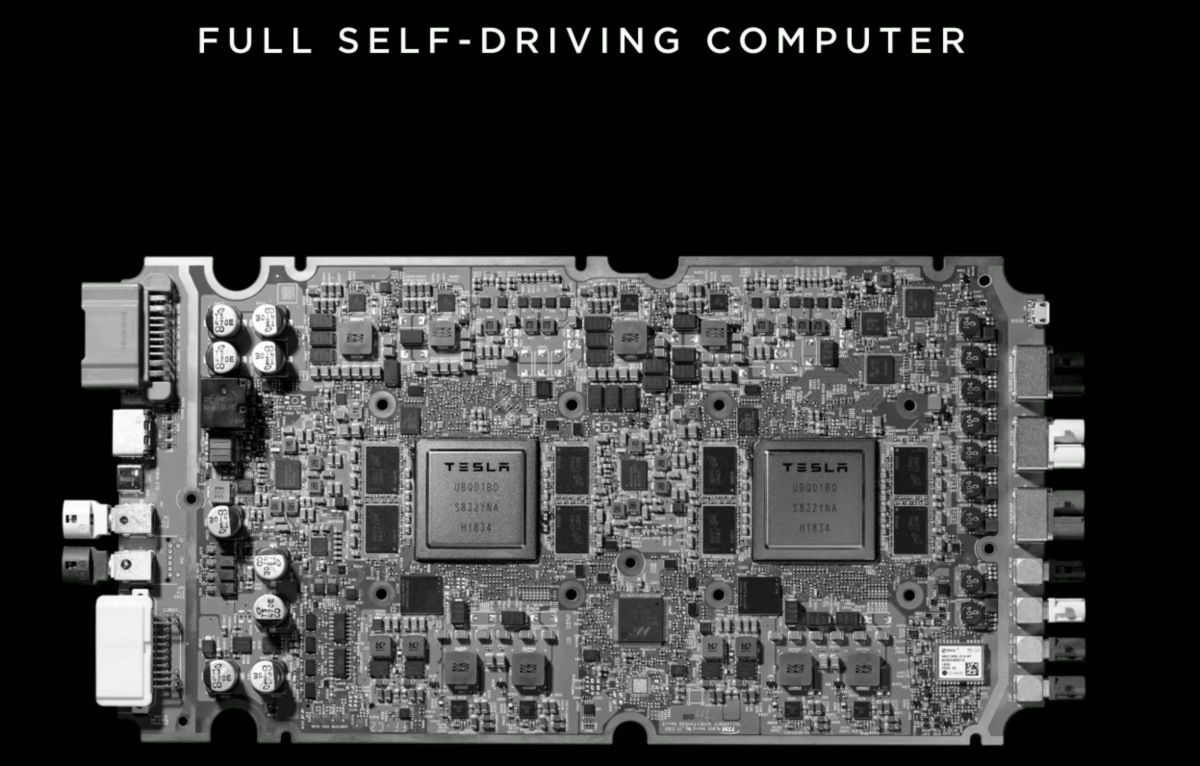
Electrek recently discovered that the automaker is encountering significant problems with its A14.1 onboard computer, which controls the autonomous Full Self-Driving capabilities in Tesla vehicles. Reports indicate that the boards have been short-circuiting since mid-2024, requiring a complete replacement.

Related: Can holograms improve Hyundai's infotainment?

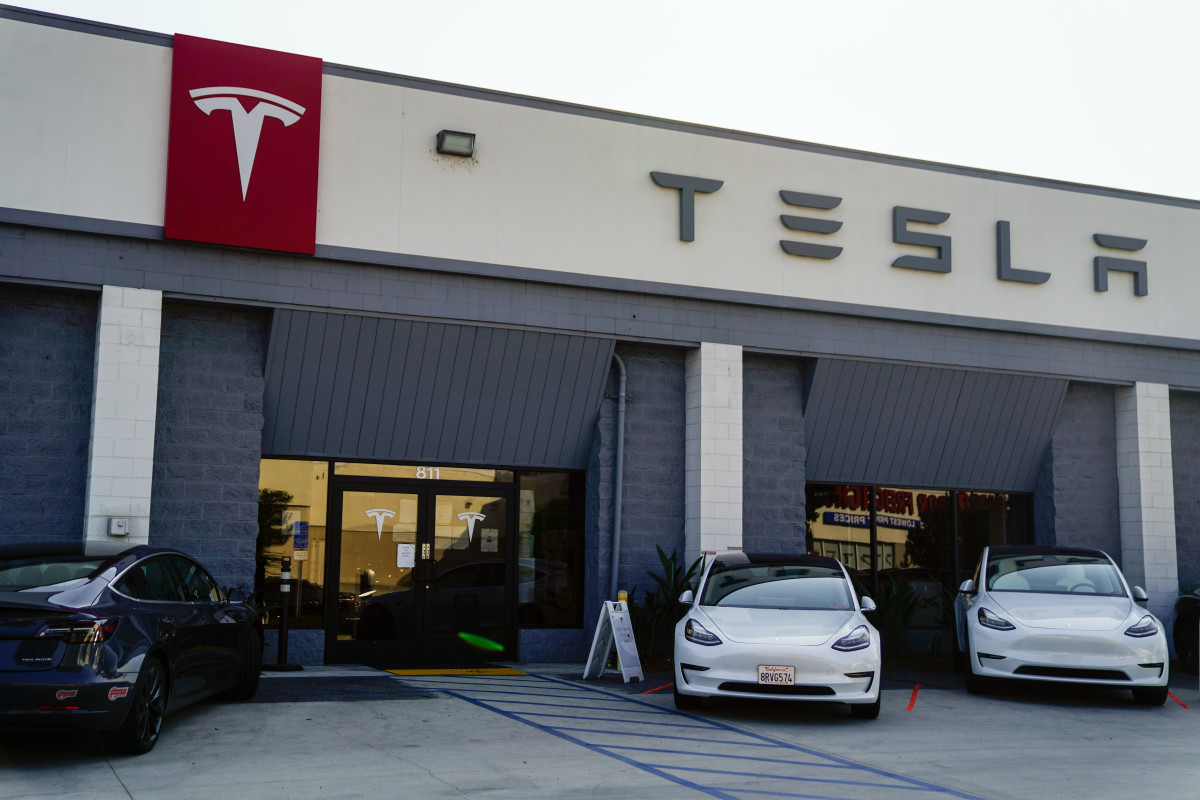
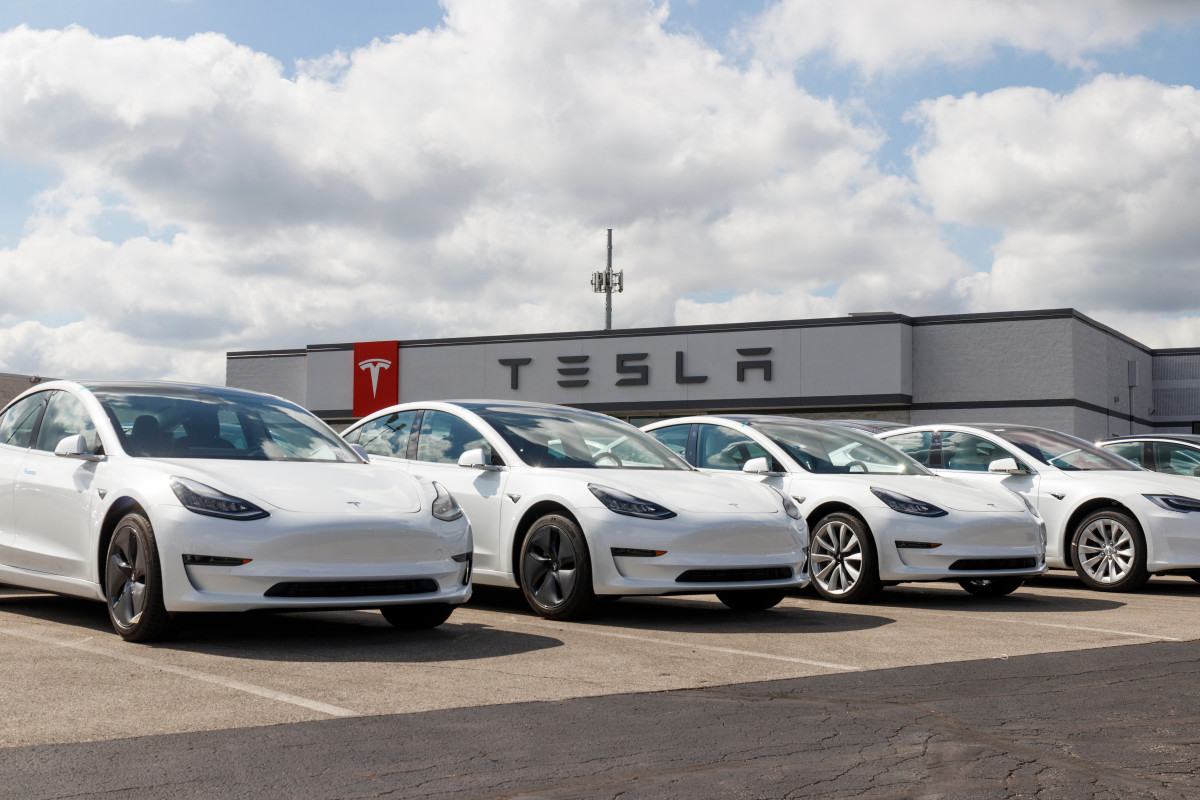
Tesla Model 3 outside dealer

jetcityimage - stock.adobe.com

How serious is the problem for Tesla?

Reports suggest the short circuit could happen at any time. Some owners noticed it after driving their Teslas for a few hundred miles, while others had driven them for thousands of miles before any issues arose. Besides being indiscriminate, the short-circuiting boards can cause vehicles to lose functionality completely.
In addition to losing FSD capabilities, other features, such as active safety, auto wipers, auto high beams, cameras, and even GPS, navigation, and range estimations, could also fail. If left unchecked, the computer would also reportedly accelerate battery pack depletion, potentially causing premature replacement.

It’s hard to determine the true extent of the issue, but reports indicate that “thousands of new Tesla owners” are affected. Electrek also asserts it has reviewed internal documents in which Tesla recognizes an “internal short” in the computers.

Related: Tesla shifts Cybertruck workers amid slowing demand

Tesla's Full Self-Driving Computer

Tesla

Is there a solution from Tesla?

The company is offering to either replace the computer completely or attempt temporary software fixes to address the problem before swapping it.

It’s also worth noting that the NHTSA, which was already investigating Tesla for other issues, has not announced its own investigation into this matter despite several complaints about the malfunctioning computer on the administration's Model Y and Model 3 pages.

How this affects Tesla vehicles

Some owners have been left waiting months for an appointment with Tesla to address the problem, leaving them driving a vehicle without many of the features they’ve paid for or a vehicle that is dangerous to operate.

Others who opted for a software update to resolve the issue report that their Teslas are caught in an update loop where the vehicle never finishes the update. This situation leaves their vehicles consuming power but ultimately unusable.

Related: Tesla's Summon feature in hot water again

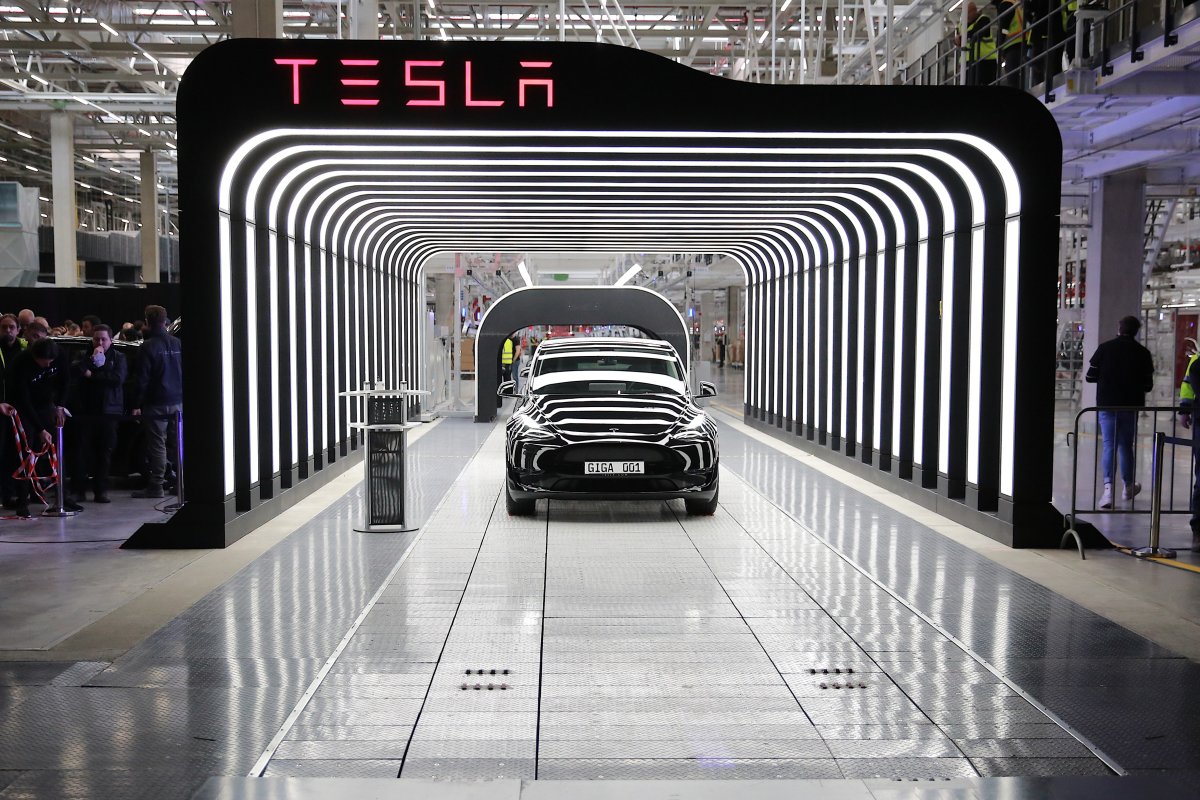
Newly completed Tesla electric cars at the official opening of the new Tesla electric car manufacturing plant on March 22, 2022, near Gruenheide, Germany.

Christian Marquardt/Getty Images

Final thoughts

Tesla has had a mixed record regarding autonomous driving. The NHTSA is investigating its "Summon" feature, and we have yet to see its promise of totally self-driving vehicles come to fruition.

Perhaps its hardware has been the elephant in the room. While a short-circuiting computer is problematic on its own, the number of other components it could take down with it creates a massive issue.

Even more concerning is that the two affected vehicles, the Model Y and Model 3, are the top-selling electric vehicles in the United States, accounting for nearly half of all domestic EV sales. How many Teslas in your neighborhood could be prone to such imminent failures?

Related: Mercedes joins Tesla's Supercharger network

  • Digg
  • Del.icio.us
  • StumbleUpon
  • Reddit
  • RSS
Post Icon

Three British icons, with three German souls


via Three British icons, with three German souls

Three iconic British brands are hiding a secret. Mini, Lotus, and Bentley all have past instances where they've relied on German powertrains for their models. With such non-British forms of motion, some might wonder if they still have the British feel they originally made headlines for all those years ago.

Related: Audi's 2024 sales stumble: The numbers tell a troubling tale

To an Anglophile like me, British design has a certain cache attached to it. For many Americans, British design combines hints of elegance, performance, grace, and that intangible element—character. Simply put, for many, British cars are usually pretty cool. 

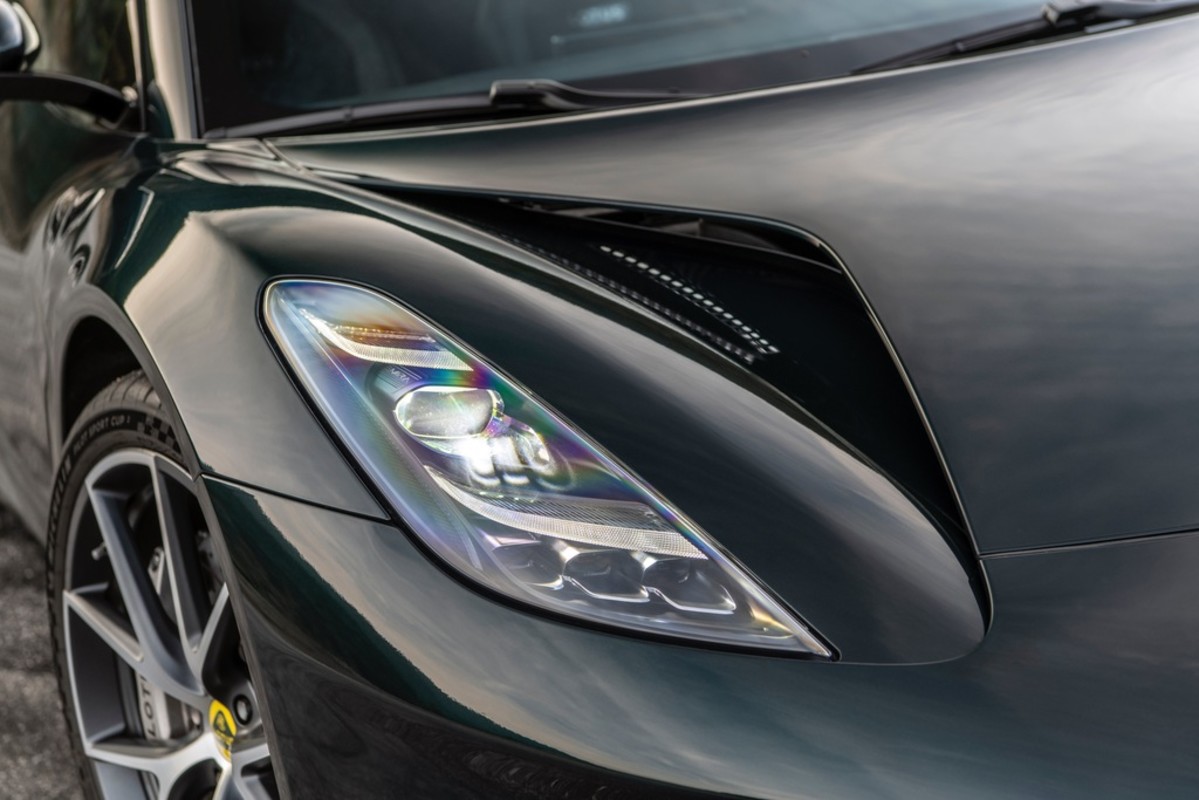
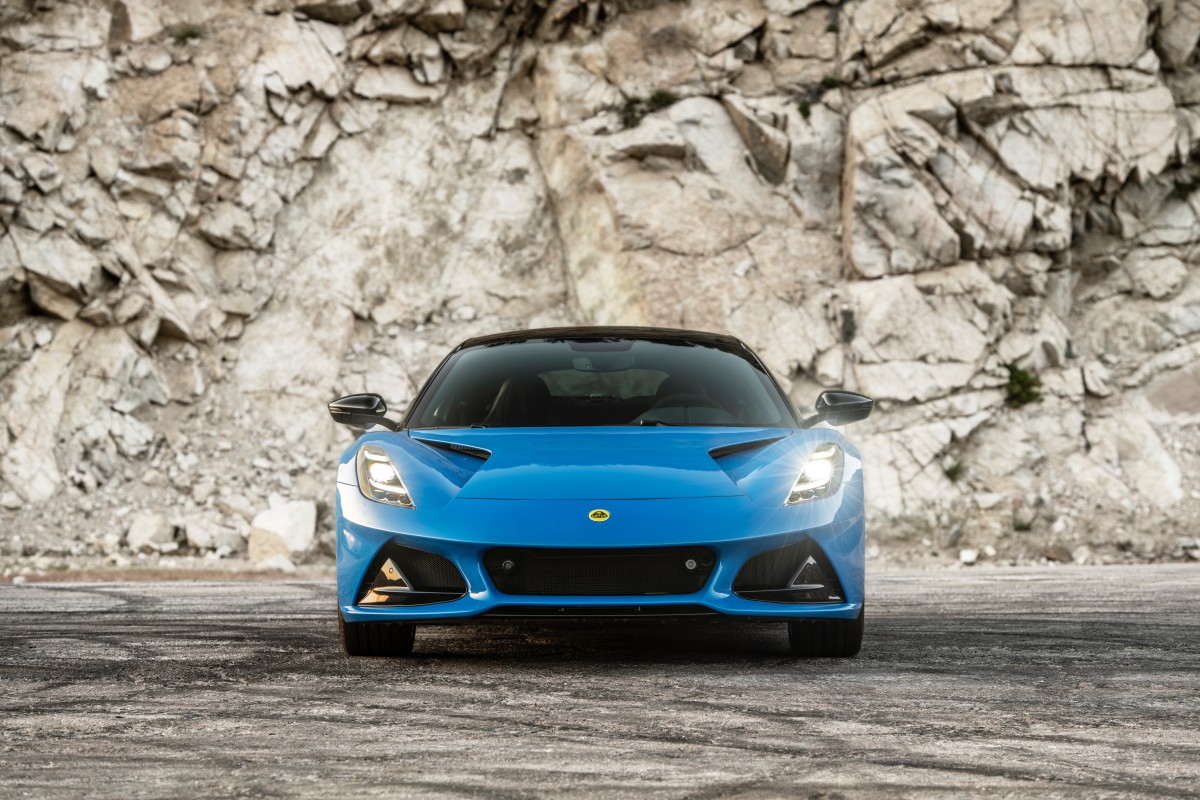
2024 Lotus Emira I4 First Edition

Lotus

What happens when you take those elements and give them a German heart? This isn't a new phenomenon. Not only are foreign powertrains common, but having a German powertrain is usually a bonus. Some might say it changes the character of the vehicle, but is that always true?   

Lotus Emira 2.0 I4 Turbo First Edition

Yes, the Lotus Emira has a Toyota-sourced V6, but there is another engine available as well in the form of a 400-horsepower, turbocharged, AMG-sourced four-cylinder.

For the uninitiated, AMG stands for Aufrecht, Melcher, and Großaspach, the names of the three German engineers who founded the Mercedes-AMG performance division in 1967. AMG was recently fully integrated into the Mercedes-Benz family and will continue to be responsible for high-performance variants and racing powertrains.

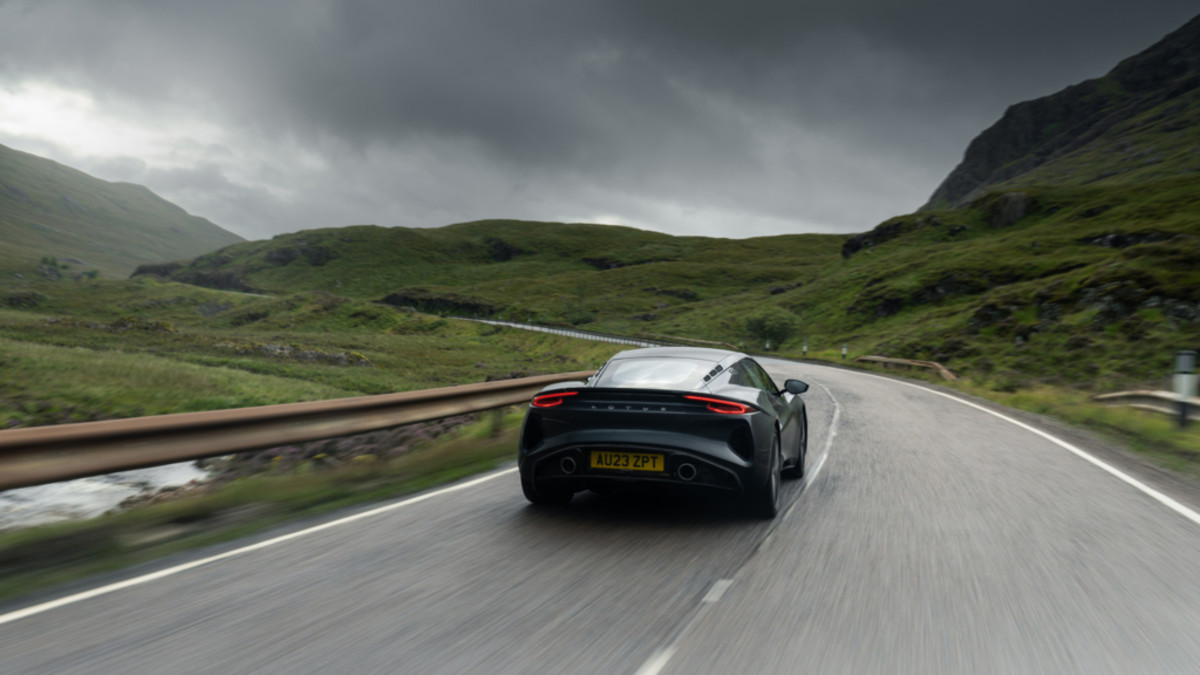
The power is channeled to the rear wheels via an eight-speed dual-clutch automatic with no manual transmission option. Fortunately, with this angry turbo, which is one of the most powerful 2.0-liter engines in its class, the little Lotus absolutely flies.

Related: American and Asian automaker EV sales soar, others struggle

Whether it's equipped with a Toyota-sourced supercharged V6 or an (AMG-sourced) turbocharged I4 - the Emira still enjoys a tasty figgy pudding. 

Lotus

To say this version of the Lotus Emira is one of the best Lotus cars I’ve driven isn’t an exaggeration. Lotus products are usually a little rough around the edges, but this Emira is well-executed, comfortable, and easy to drive. Oh, and it’s wicked fast with that German heart. To say it dances like a ballerina wearing punching gloves isn’t too far off. 

Mash the accelerator down, and you are rewarded with a savage growl mixed with the turbine howl coming from the turbo (which is right next to your ear). The power shoves you into your seat, and gear changes from that eight-speed DCT snap rapidly. The steering feel is nearly telepathic, and much of the driving experience is competitive with the Porsche 718 Cayman. 

2024 Lotus Emira I4 First Edition

Lotus

So, yes, it has a German-screaming heart, but it sure feels unique. Everyone compares its performance with that of the aforementioned Porsche, and for good reason. The Cayman is outstanding in many ways and may be a better buy for many. That said, the Lotus looks amazing and makes you feel special.

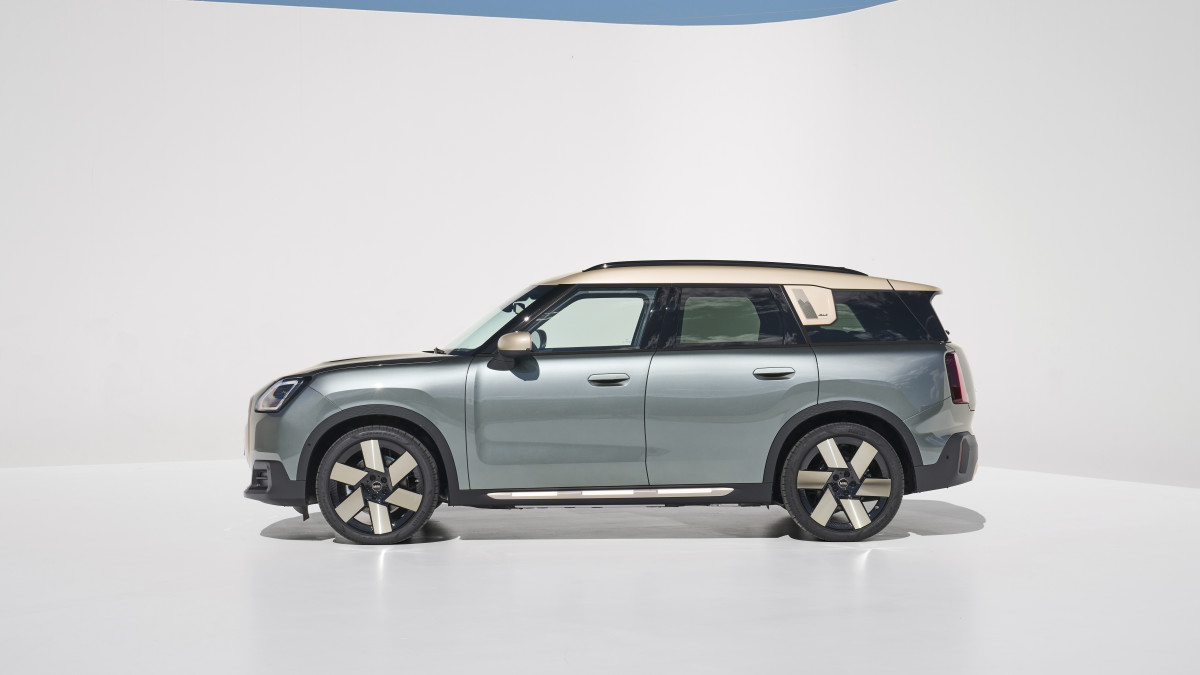
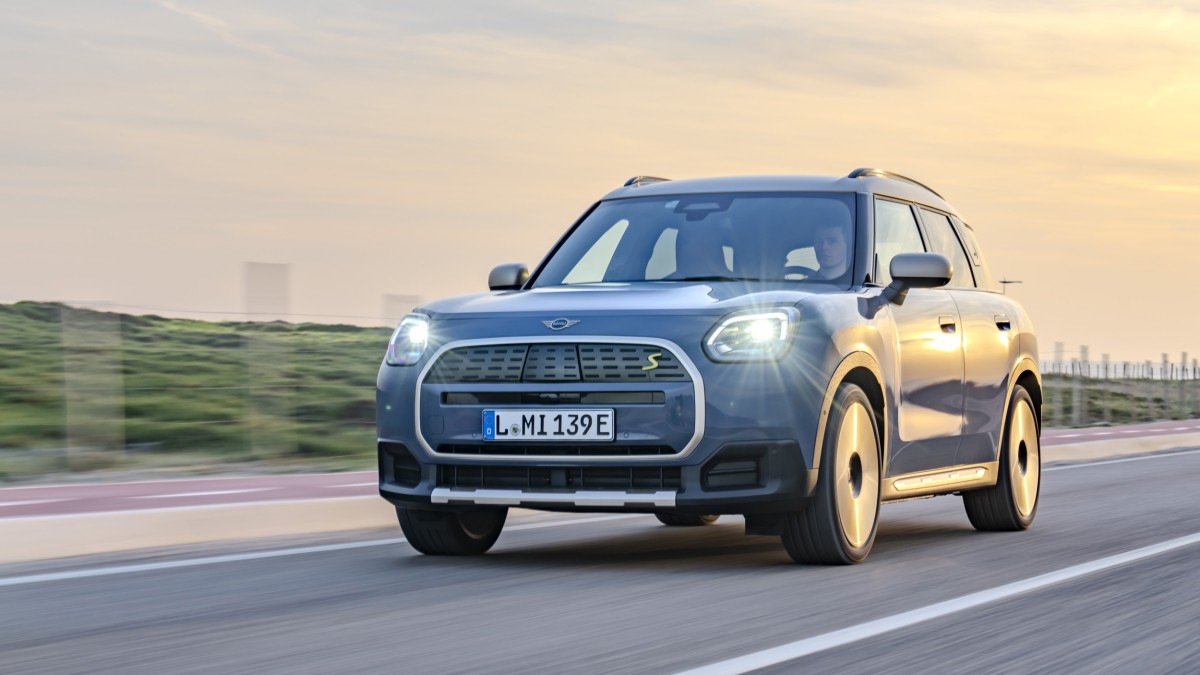
The new Countryman Electric is bigger than the previous Countrymen - but the proportions look similar. 

Mini

Related: BMW finally ditches its most useless feature

2025 MINI Countryman Electric

Before you say that all four-cylinder gasoline Mini Cooper engines are made at the Hams Hall Plant near Birmingham, I am referring to the Mini Countryman's electric powertrain and batteries, which are manufactured in Leipzig, Germany.

If you get the All4 variant of the Countryman, you get dual electric motors paired to a 64.6 kWh battery that put out a combined 308 hp and 364 lb-ft of torque. That much power is good for 0 to 60 mph times in the mid-five-second range. The EPA-estimated range is approximately 212 miles, but if you get the larger wheels, you will lose about 8 miles of range. 

There still is a hint of that British charm that makes even an all-electric MINI compelling.

Mini

With a 130 kW fast charging capability and a relatively low 212-mile range, the Countryman Electric trails some competitors and may not be ideal for longer-distance drives. That being said, I still laud its feel, performance, and the way it keeps the Mini spirit alive. 
Whenever Mini goes through a styling or mechanical change, many question the decision. When the 2025 Mini Countryman Electric hit the market, some wondered if it lost its soul but as a former Countryman owner, I can say that despite its larger size, it still has the soul of a Mini. 

Related: 2025 Jeep Wrangler Willys ‘41 4XE: Why this hybrid 4x4 is the most unique Wrangler yet

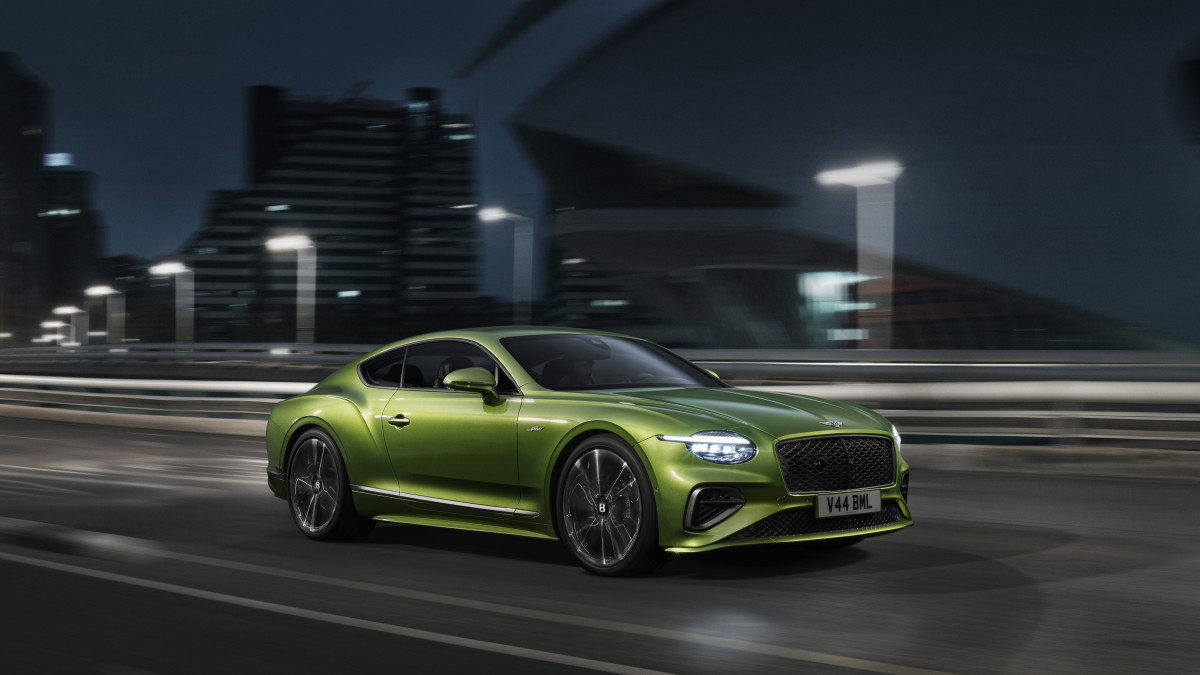
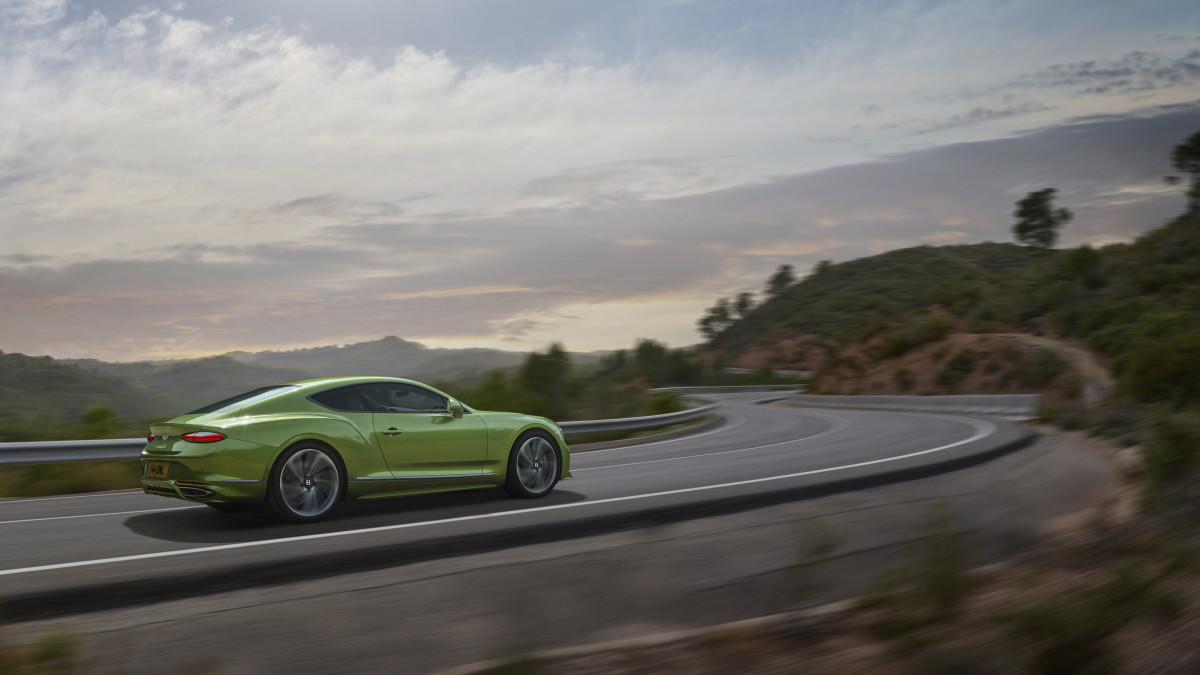
2025 Bentley Continental GT Speed

Bentley

2025 Bentley Continental GT Speed

Some sneer and say Bentleys are Volkswagens, which is somewhat true, but that's not a bad thing. The Continental GT V8 has a twin-turbo 4-liter V8 engine developed jointly with Audi, and its most recent plug-in hybrid powertrain is shared with other Volkswagen Group vehicles, including the Porsche Panamera Turbo E-Hybrid. 

The 2025 Bentley Continental GT Speed is a beast of a plug-in hybrid electric vehicle (PHEV). Its 25.9 kWh lithium-ion battery powers an electric motor that connects to the engine and sends 771 hp and 738 lb-ft of torque to all four wheels via an 8-speed dual clutch. This allows for a range of roughly 50 miles on electric power alone, or it can operate alongside its 4.0-liter twin-turbo V8 engine. 

2025 Bentley Continental GT Speed

Bentley

Some testers have seen a 0 to 60 mph time at or under 3 seconds, an impressive feat for a car that weighs just under 5,500 lbs. The GT Speed also has four-wheel steering and active suspension that all work together to give you an EV, a super sports car, or a luxury GT cruiser - all at the touch of a button. 

Related: Tesla’s $1 billion payday: How rivals’ EV struggles are a boon for Musk

Driving the 2025 Bentley Continental GT Speed is like nothing I've ever experienced with over two decades of automotive journalism under my belt. I struggle to classify the thing, as it has hints of its British lineage, but it feels more like a German car than I expected. Fortunately, it looks beautiful and brutish, with a ton of curb appeal. Its character isn't very British to me, but it sure is an amazing car altogether. 

Yes, I envy the British for their music, old culture - and their cars. 

Getty

Final thoughts 

This is the opposite of character assassination, as these vehicles are mostly better for their German hearts. On this side of the pond, many won't care where the power comes from as long as it impresses, and these vehicles do. Plenty of other vehicles sport powertrains from other automakers, and it's usually for a good reason. 

In some ways, they may lose some of their British character. Perhaps some of them have a new character that isn't British or German. It's hard to say for sure. I will say this, though: each one of these cars is extraordinary in its own right. Be it design, performance, or character, they all make a good case for getting that mixed combo of fish n' chips with a smattering of bratwurst. 

Related: 2025 Toyota GR Corolla: 6 reasons to love it, 3 reasons to think twice

  • Digg
  • Del.icio.us
  • StumbleUpon
  • Reddit
  • RSS
Post Icon

Hertz hosting a sale on special Shelby Mustang Mach-Es


via Hertz hosting a sale on special Shelby Mustang Mach-Es

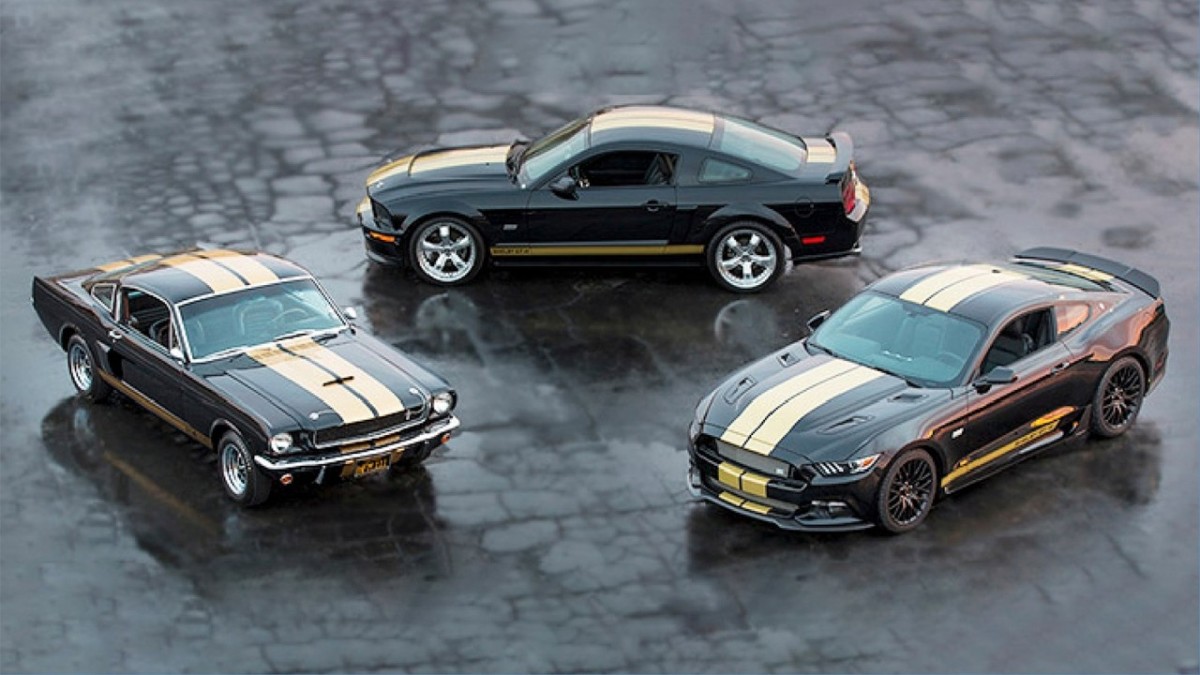
Remember the Hertz "Rent-a-Racer" Shelby Mustangs of the '60s? The ones with a reputation for having customers take out their engines and return them to Hertz with a six-cylinder instead?

Well, that tradition between Ford, Shelby, and Hertz continues with the Mustang Mach-E, for better or for worse. Much like Hertz's recent fire sales on some of the other EVs in their fleet, the Mustang Mach-E Rent-a-Racer is now seeing similar deals, although the bargain factor doesn't hit as hard.

Related: Volkswagen ends manual GTI and Golf R despite sales surge

Hertz & Shelby Mustangs

Hertz

Hertz is serving up relatively good deals for this limited-edition Mach-E

At the time of writing, there appear to be 66 examples for sale through Hertz's website, with all but nine costing exactly $60,000 and odometer readings anywhere from 15,153 on the high end to 3,048 on the low end. 

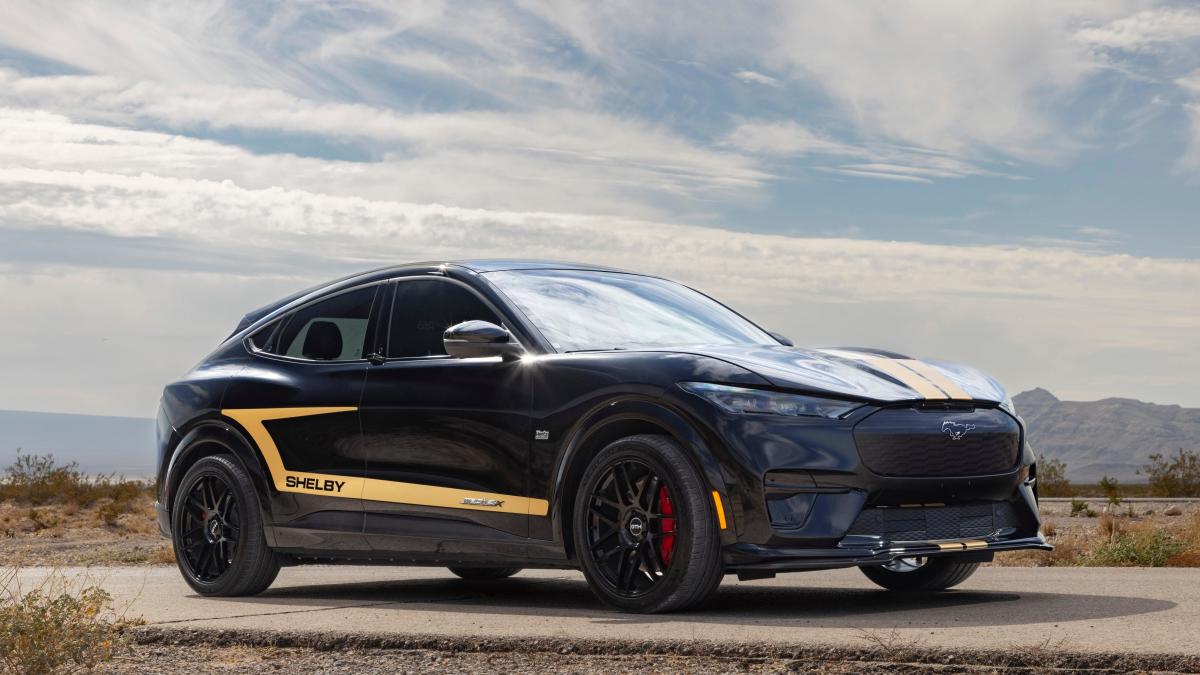
The Ford Shelby Mustang Mach-E GT-H adds a few goodies to make it stand out from its other electric brethren. Visually, there are the obvious matte gold stripes with contrasting black "Shelby" and "Mach E4x" badges, a vented hood, carbon fiber rocker panels, and special black wheels. Unfortunately, the performance upgrades don't extend past a Borla Active Performance Exhaust Sound System that mimics the rumble of a V8.

Considering that only 100 of these were produced should make the deal a little sweeter if you're into that exclusivity factor. 
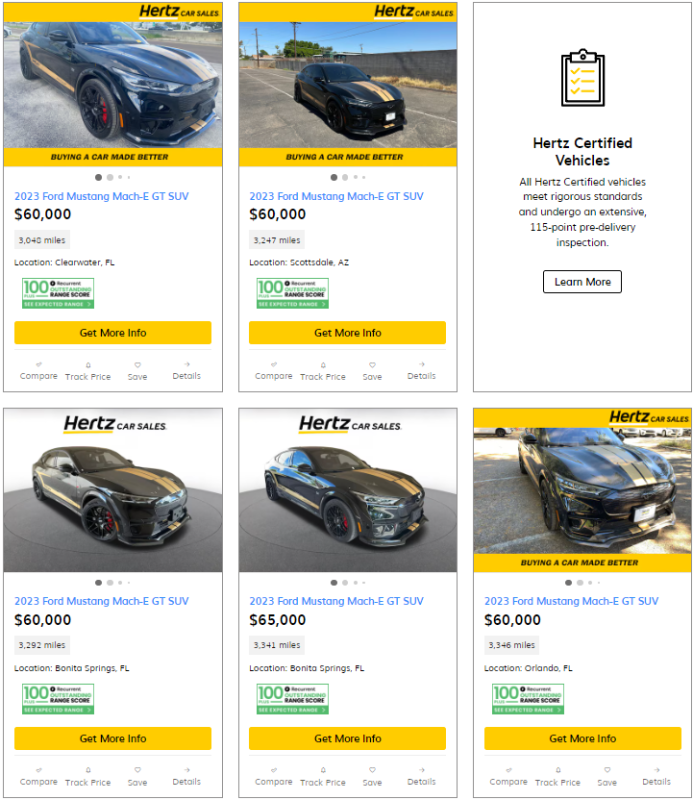
Ford Shelby Mustang Mach-E GT-H for sale

Hertz

Related: Ford's OG Mustang falls behind its Mach-E descendent

Can the Hertz Shelby Mach-E become desirable?

Whether this electric version of the famed "Rent-a-Racer" will inherit the same value and collectibility as its ancestors remains to be seen. The Mach-E itself has been moving units, even surpassing the ICE-powered Mustang this month, so the demand is there. Perhaps that same audience will feel the allure of this exclusive version as well.
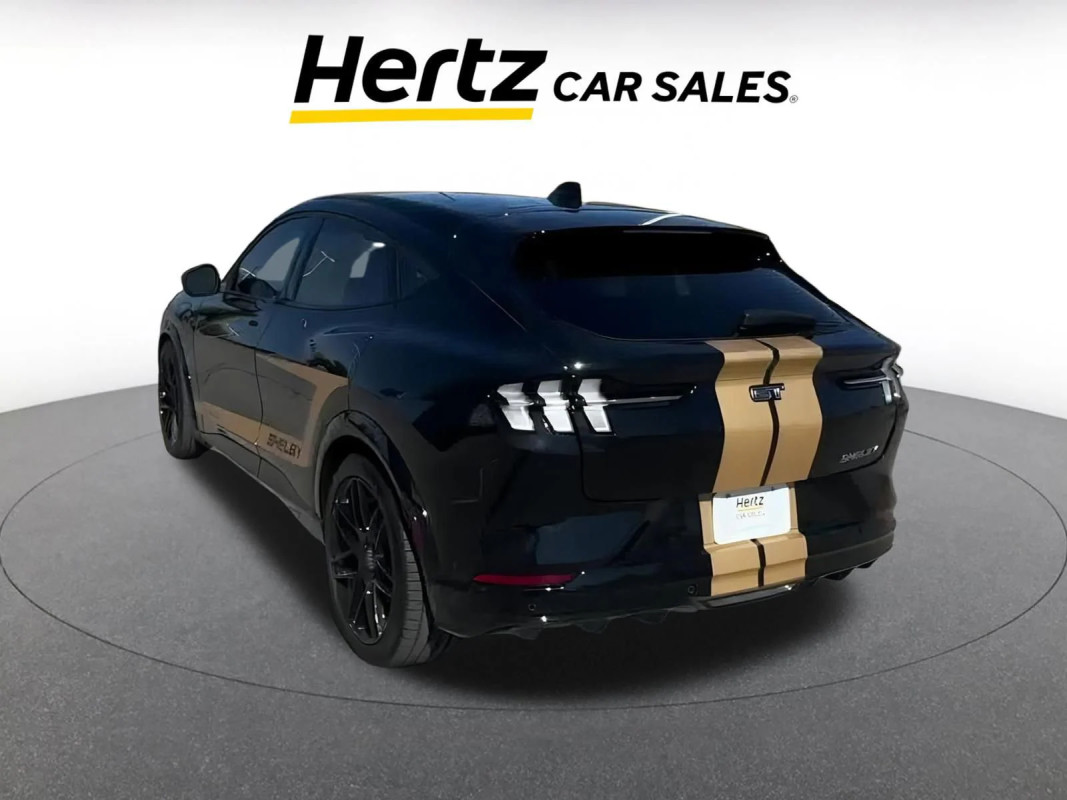
It will also undoubtedly be a nostalgia hit for some to see the gold stripes along with the Shelby badge on a Hertz car again. Not being able to swipe the engine out of these might be a turn-off for some, though.
Hertz

Final thoughts

Considering that a brand-new Mustang Mach-E GT starts at $54,490, this deal quickly turns sour if the badge appeal isn't your thing. Really, this version of the Mach-E is a collector's item, something that you can tout at the nearest car show, knowing that there are only 99 other ones in existence.

That said, not everyone is sweet on EVs just yet, so bragging rights might not be as strong as those of a combustion-powered limited edition car. Keep that in mind before you write the check.

Related: Subaru's new WRX STI is a paradox, and here's why

  • Digg
  • Del.icio.us
  • StumbleUpon
  • Reddit
  • RSS
Post Icon

Honda's new hybrid engines merge efficiency with performance


via Honda's new hybrid engines merge efficiency with performance

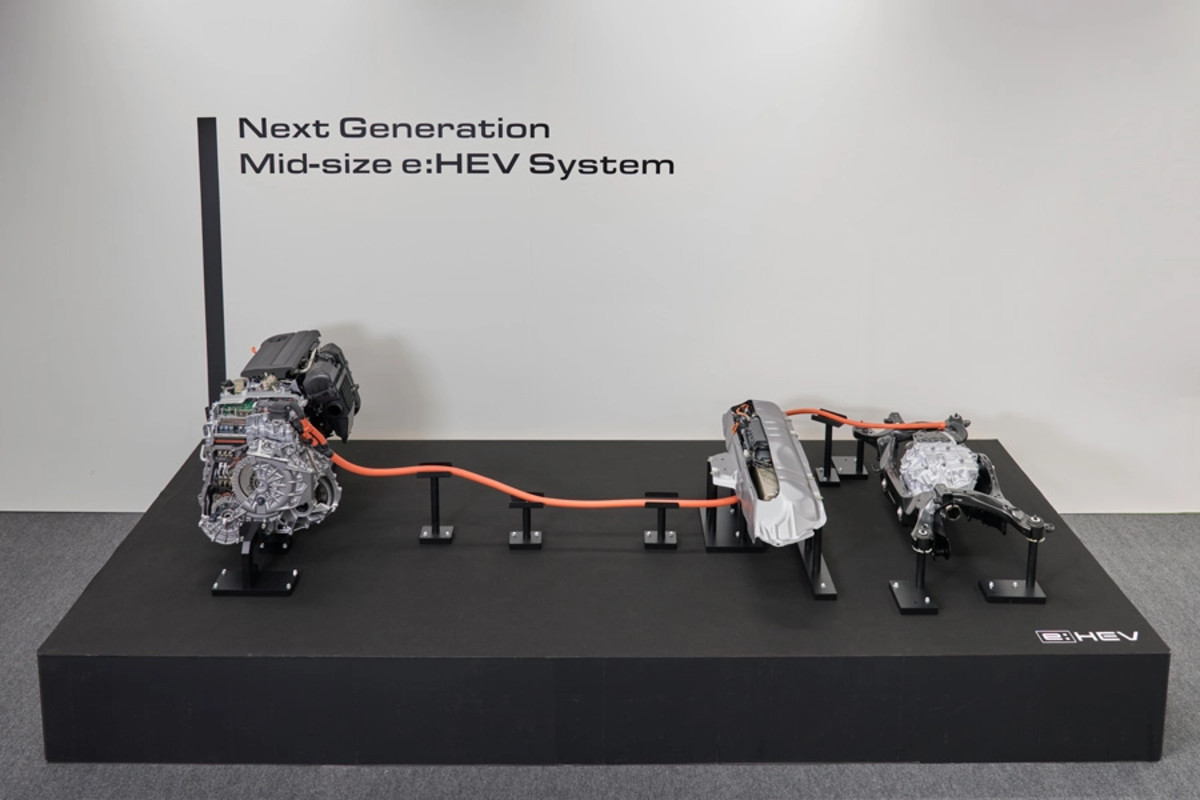
Honda has announced it is developing two new four-cylinder hybrid engines operating on the Atkinson cycle. These engines will have a new front-drive unit and an integrated cooling system.

The automaker intends to incorporate these new hybrid engines into its next-generation midsize platform, which the company says will improve overall fuel efficiency by 10 percent.

Related: UK's absurd £15,000 fine per car EV policy hurts automakers and buyers

Small displacements but big improvements

The new engines come in 1.5- and 2.0-liter variants, with the 1.5-liter version offering “significant improvement in fuel economy by expanding the range where engine RPM becomes highly efficient in balance with engine torque, by more than 40% compared to the current 1.5-liter engine for the e:HEV system.” 

Honda's next-generation e:HEV Powertrain

Honda

Like any good hybrid system, Honda’s focus is on maximizing fuel consumption by leveraging torque whenever possible and using battery assist at cruising speeds. It is also improving its EV Drive Mode and Hybrid Drive Mode to maximize combustion efficiency, power conversion, and engine efficiency.

The new engines are reportedly designed to achieve an air-fuel ratio that maintains the same power output in all driving situations. In other words, no matter what driving conditions you’re in, the direct injection system will maximize the air-fuel mixture, so you’re burning just enough gas to power the vehicle.

Related: More beeping incoming: NHTSA cracks down on rear seatbelt safety with mandate

Honda's upcoming platform will also be lighter and cheaper to make

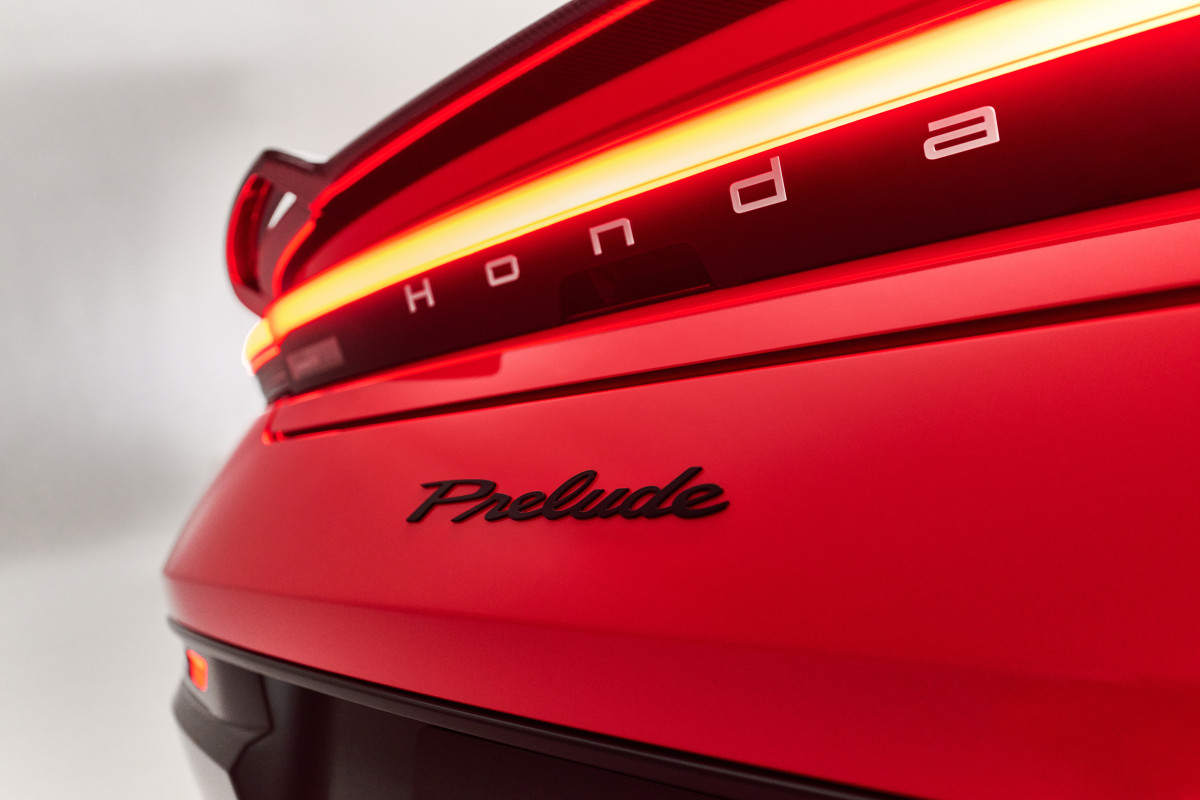
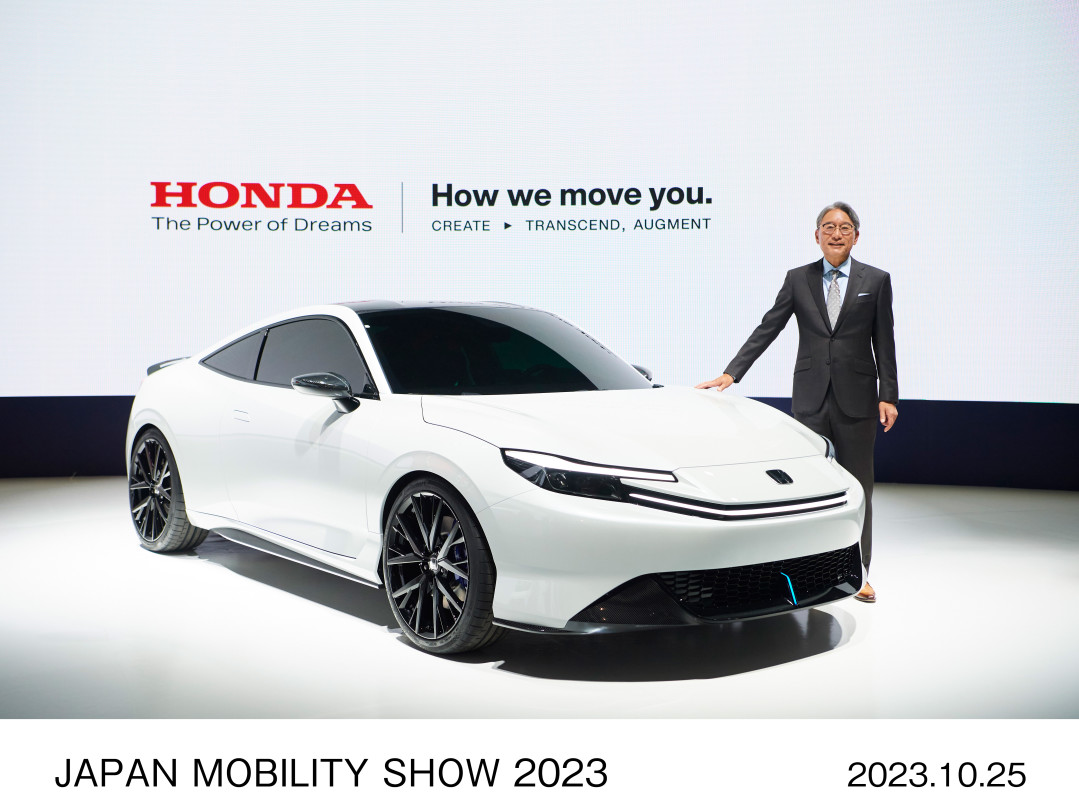
Honda Prelude Concept

Honda

This mid-size platform also offers “new body rigidity management,” which should help reduce each vehicle's overall curb weight by up to 200 pounds, further reducing fuel consumption.

Honda also says its new platform will reduce manufacturing costs “significantly” as it shares components across small and midsize vehicles, with a “commonality ratio of more than 60% among all models”. By 2027, Honda wants to reduce the cost per vehicle by 50 percent compared to similar vehicles released in 2018.

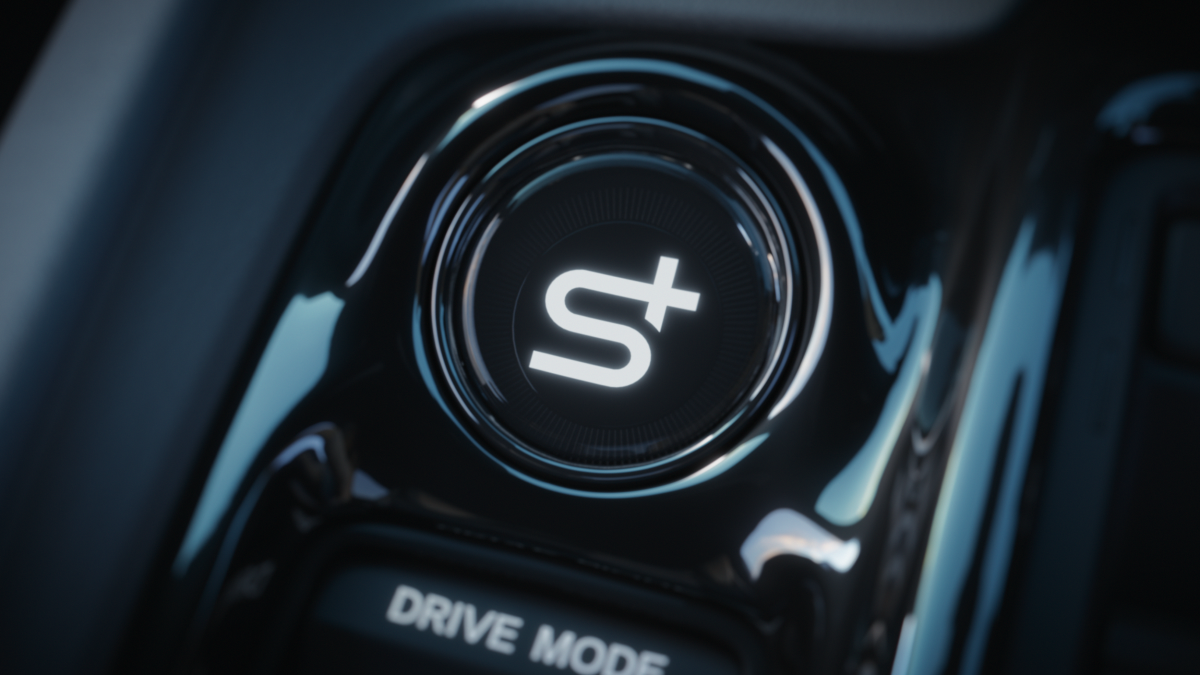
The new S+ Shift system will handle the gearbox on your behalf

The automaker will also introduce a new S+ Shift system that handles engine RPM during acceleration and deceleration for better gear shifts while “enhancing engine sound quality” through the sound system. This system is similar to artificial EV sounds, except it supposedly adds better sounds to the four-cylinder engine. Honda plans to include the new S+ Shift platform on all new hybrids, starting with the 2025 Prelude.

Related: 2025 Toyota 4Runner fuel economy manages to be better—and also worse

Honda Prelude Concept S+ Shift

Honda

Final thoughts

Honda’s new engines are more like iterative improvements on existing tech, but that's not a bad thing. Their offerings are just fine for a hybrid powertrain. What we’re most excited about is their eventual transition to E-AWD for all e:HEV vehicles made on this new platform.

E-AWD will be shared between hybrids and EVs in Honda’s lineup. They claim that will increase maximum driving force and lead to better acceleration off the line. The E-AWD system optimizes front-to-rear driving force by monitoring tire contact load, which Honda promises will deliver a great driving experience in all conditions.

Maybe the move to electrification won't make cars boring after all. Here's to hoping that's the case.

Related: Lexus' most expensive SUV yet: The 2025 LX 700h hybrid arrives

  • Digg
  • Del.icio.us
  • StumbleUpon
  • Reddit
  • RSS
Post Icon

Chinese automakers build their way around tariffs


via Chinese automakers build their way around tariffs

A wave of new tariffs from the European Union aims to slow the sale of Chinese vehicles, but new factories from some of China’s biggest manufacturers might help them break in.

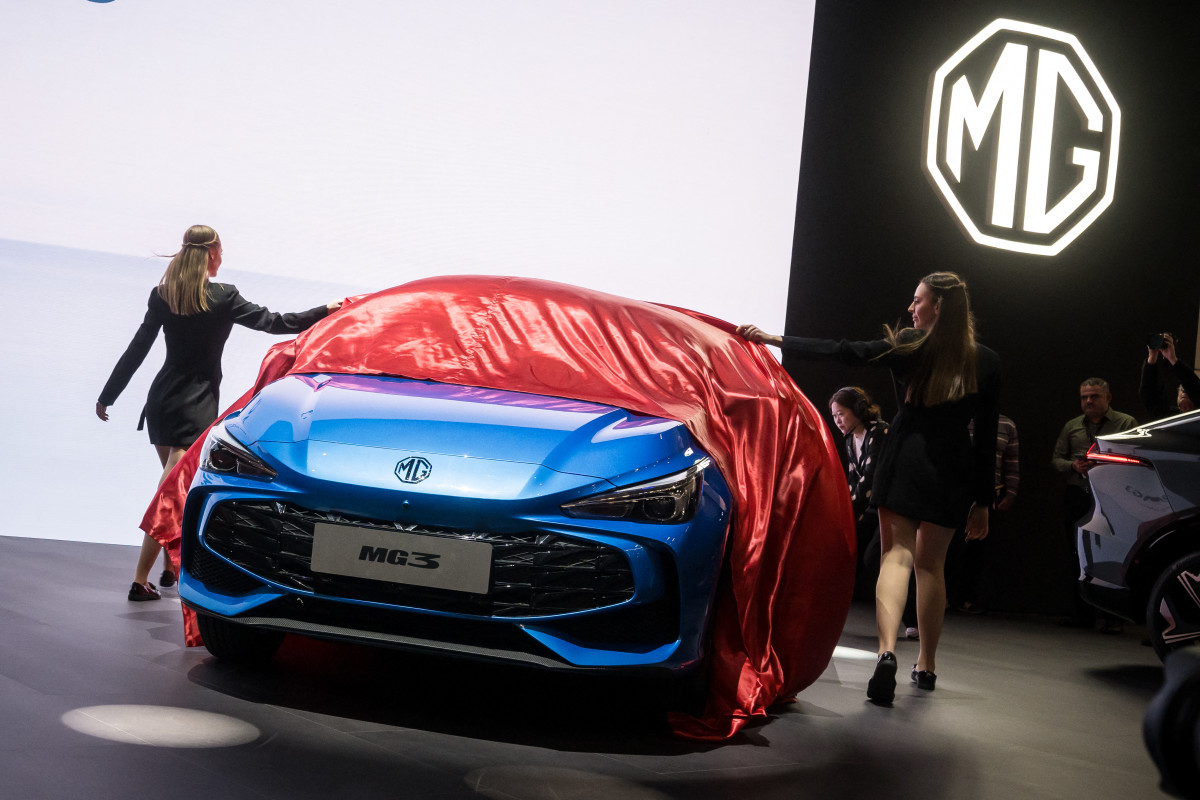
Tariffs totaling up to 35% on imported electric vehicles (EVs) from China have posed a significant challenge for Chinese automakers in the EU. Designed to counteract state subsidies that give these manufacturers a competitive edge, the tariffs have already impacted market dynamics. Chinese brands like SAIC-owned MG have seen their European market share drop, with MG experiencing a steep 58% year-over-year decline in registrations this past November.

While the EU’s actions aim to level the playing field for local automakers, Chinese car manufacturers are expanding their global manufacturing footprint in a bid to circumvent the trade barriers.

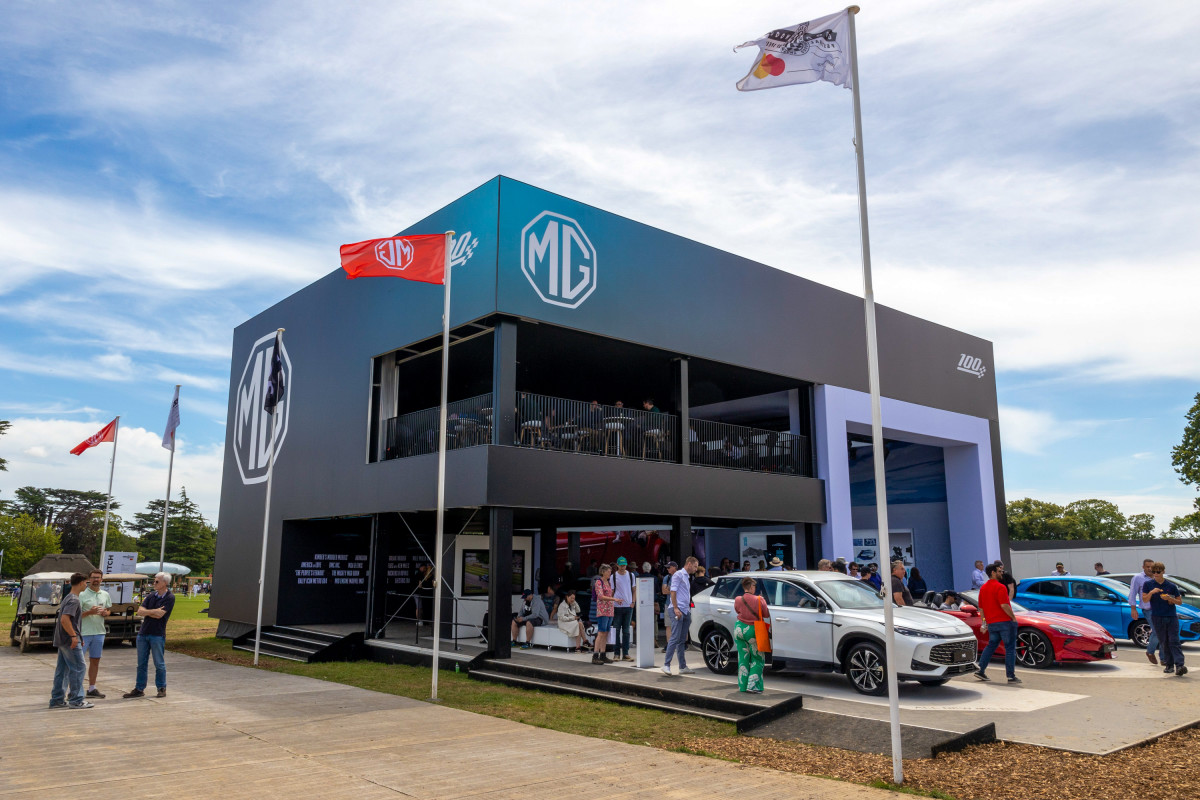
Visitors at SAIC Motor Corp.'s MG stand at the Goodwood Festival of Speed in Goodwood, UK, on Thursday, July 11, 2024.

Bloomberg/Getty Images

Related: Think Jaguar's new design is radical? You might have forgotten their past

MG’s Egyptian expansion

SAIC Motor, the Chinese owner of the MG brand, recently announced a $135 million investment in a new manufacturing facility in Egypt. Scheduled to begin production in 2026, the plant will initially produce 50,000 vehicles annually, with plans to scale up to 100,000 units. Located in Egypt’s New October City, this facility will not only serve local and regional markets but also position MG strategically close to Europe.

The factory’s first product will be the facelifted MG5, with plans to produce a range of SUVs and new-energy vehicles over time. By establishing a manufacturing base outside China, MG can potentially avoid the steep EU tariffs on Chinese-made vehicles, making its models more competitively priced for European consumers.

Related: Top 6 cars with a manual for under $35,000

European manufacturing on the horizon

In addition to its Egyptian plant, MG is actively exploring the construction of an EV-focused manufacturing facility within Europe, CarScoops reported. Potential sites in Spain, Hungary, and the Czech Republic are under consideration, with Spain reportedly being the frontrunner. A European factory could mitigate tariff-related challenges and solidify MG’s presence in the EV market.

View the original article to see embedded media.

Other Chinese automakers are also pursuing similar localization strategies. China's BYD is taking bold steps to establish a stronger presence in Europe, aligning with the broader manufacturing strategy employed by Chinese automakers. BYD will consider building a second assembly plant in Europe in 2025, according to its European managing director, Michael Shu.

This expansion builds on BYD's earlier announcement of its first European EV manufacturing facility in Hungary, marking a significant milestone for Chinese automakers seeking to localize production within the region.

Related: Tiny cars, big trend, why Americans are downsizing at record rates

A mixed bag for Chinese brands

Even as new tariffs take effect, not all Chinese automakers are feeling the pinch equally. BYD, for example, managed to weather the storm in the first full month since the EU’s new tariffs took effect. In November 2024, the company recorded 4,796 vehicle registrations in Europe—a 127% increase from the same period last year. Unlike MG, BYD’s tariff exposure is reportedly lower, and its models continue to appeal to both private buyers and fleet operators.

View the original article to see embedded media.

In contrast, MG’s European presence has dropped sharply since new tariffs took effect. In November, the automaker reported a 58% decline in European registrations compared to the previous year, selling just 3,762 vehicles. The brand’s struggles underscore the importance of diversifying production and supply chains to remain competitive in the global EV market.

Related: Mazda is selling more cars than ever—all without an EV in sight

The broader impact of EU tariffs

The EU’s new measures reflect a growing trend of protectionism as countries seek to safeguard local industries. Europe’s automotive sector, which employs hundreds of thousands of workers, is grappling with the costly transition from combustion engines to electric drivetrains. By imposing higher tariffs on Chinese imports, the EU aims to give domestic automakers breathing room to adapt.

The tariffs, however, have created uneven effects across Europe. While Chinese EV registrations have halved in key markets like Germany and France, the UK—no longer part of the EU—has seen a 17% increase in Chinese vehicle sales over the past year.

Related: Honda CEO's surprising confession about Nissan merger

Preparing for a contentious future

The stakes are high for Chinese automakers. The European market remains a critical battleground for the future of EVs, and overcoming tariff barriers will require significant investment and innovation. Establishing local manufacturing hubs, exploring partnerships, and developing tariff-friendly supply chains are essential strategies for staying competitive.

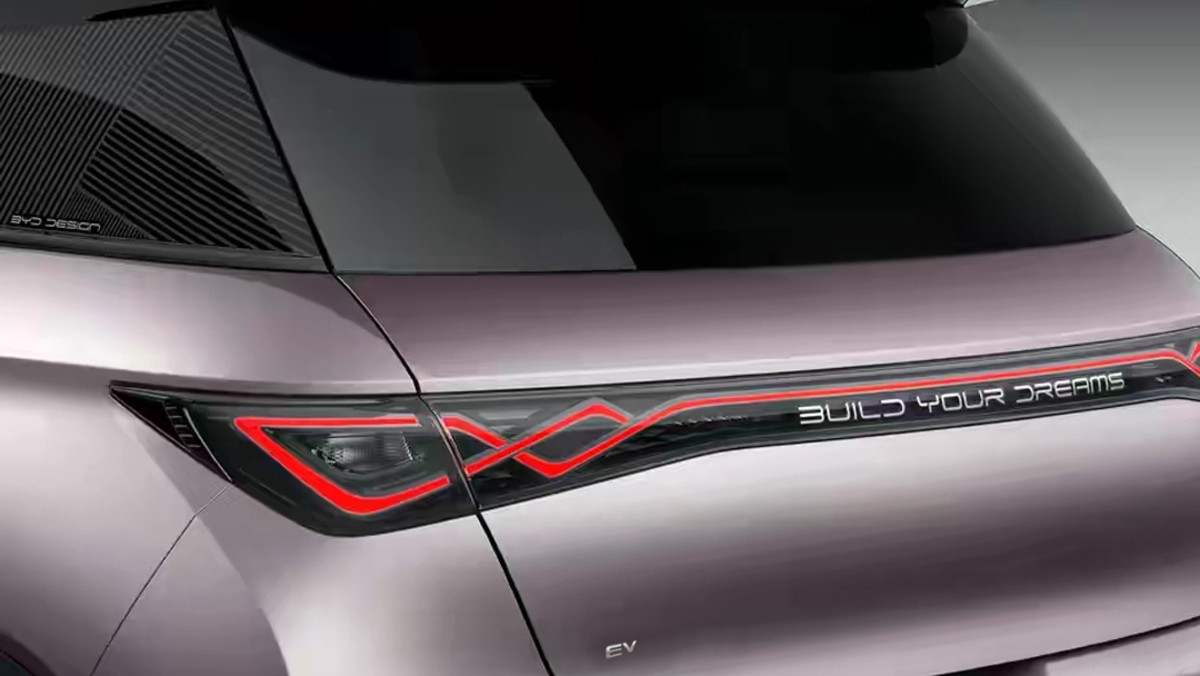
BYD Dolphin rear end detail

BYD

The broader EV market is also becoming less predictable. Slowing adoption rates, fluctuating consumer demand, and political pressures are forcing automakers worldwide to rethink their strategies. For Chinese brands, this means navigating protectionist policies and contending with inconsistent market demands.

Final thoughts

The EU’s tariffs have undoubtedly created hurdles for Chinese automakers, but they have also spurred a wave of strategic adaptation. Investments in facilities like MG’s Egyptian plant and BYD’s Hungary factory signal a determined effort to maintain a presence in lucrative markets.

As competition in the EV space intensifies, the ability of Chinese automakers to expand their manufacturing footprint will determine whether they can overcome these obstacles or retreat from their ambitious global expansion plans. The next few years will be critical in shaping which continents lead—and which ones take a backseat— in the automotive market.

Related: Steal a Tesla: Hertz selling Model 3s for under $20,000

  • Digg
  • Del.icio.us
  • StumbleUpon
  • Reddit
  • RSS