Post Icon

Chinese EV makers hit hard by EU tariffs


via Chinese EV makers hit hard by EU tariffs

Chinese automakers have hit a significant roadblock in Europe. The European Union’s new tariffs, which add up to 35% to the cost of importing electric vehicles (EVs), have dented Chinese brands' market share.

The new tariffs are the latest move in a growing push to limit Chinese-made electric vehicles in the EU. European automakers have struggled to compete with hyper-affordable Chinese vehicles in their home country, where they’re able to undercut foreign automakers thanks to state-backed funding. But, as new tariffs erase that discount for European consumers, Chinese automakers are working to maintain their grip across the continent.

Related: Toyota's big win: $4.5M to revolutionize EV battery production

A sharp reversal in the trend

The latest figures reveal the impact of the EU’s tariffs on Chinese EV manufacturers. In November, Chinese automakers captured just 7.4% of Europe’s EV market, a noticeable drop from 8.2% in October and their lowest share since March, according to automotive researcher Dataforce.

View the original article to see embedded media.

The tariffs, implemented at the end of October, were introduced following an EU investigation that concluded state subsidies had given China’s EV industry an unfair edge. These new tariffs come on top of an existing 10% import tax, with the overall tariff rates varying depending on the automaker’s cooperation with the investigation and the level of state support received.

Brands like BYD and SAIC’s MG brand have felt the sting of these changes. MG, the British sports car company turned SAIC subsidiary, has long been a leader among Chinese automakers in Europe, but saw a staggering 58% drop in registrations compared to the same period last year, according to research firm Jato Dynamics.

Related: What Honda’s next electric SUV might look like?

Where MG falters, BYD Gains

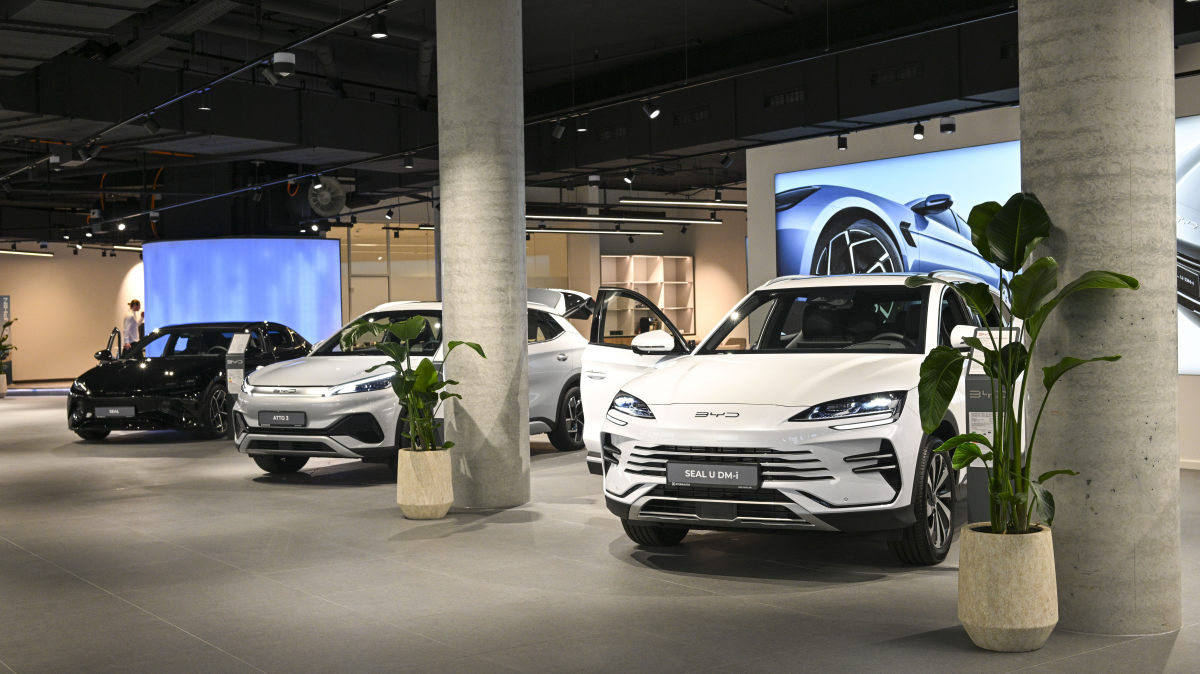
While MG struggles, BYD is finding ways to weather the storm. The company recorded 4,796 vehicle registrations in Europe in November—more than double its numbers from a year earlier. Unlike MG, which has been hit with tariffs totaling 45%, BYD appears to be better positioned to adapt to the shifting landscape.

View the original article to see embedded media.

“BYD is taking over the market while MG is taking major setbacks,” said Julian Litzinger, an analyst with Dataforce. Notably, nearly 80% of BYD’s registrations were attributed to private and fleet customers, signaling robust demand despite higher costs.

Chinese automakers in familiar territory

The EU’s tariffs highlight growing protectionism aimed at shielding local automakers from international competition. Europe’s automotive sector employs hundreds of thousands of workers and is grappling with the transition from combustion engines to electric drivetrains. Lower battery costs have historically given Chinese automakers a pricing advantage, but the EU’s actions aim to level the playing field.
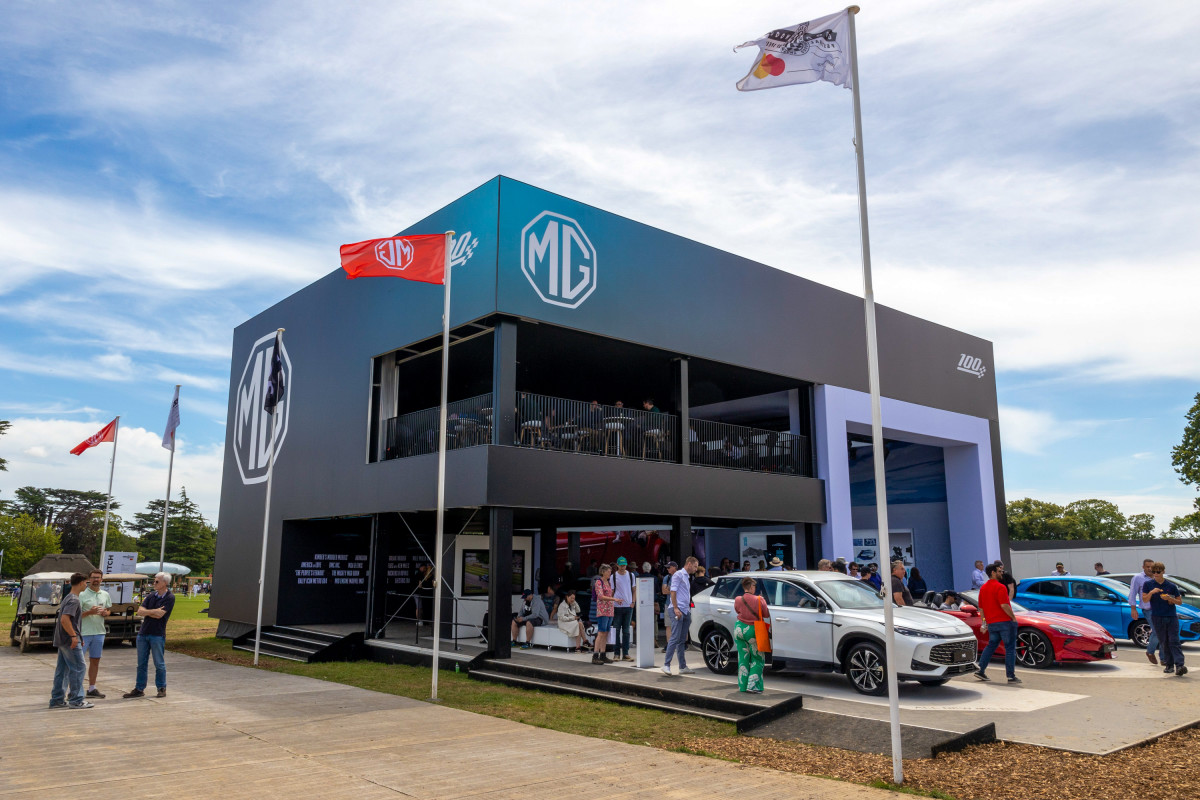
Visitors at SAIC Motor Corp.'s MG stand at the Goodwood Festival of Speed in Goodwood, UK, on Thursday, July 11, 2024.

Bloomberg/Getty Images

This isn’t the first time Chinese automakers have faced resistance abroad. They’ve largely been shut out of the U.S. market, and their global EV exports dropped 19% year-over-year in November, including a 23% decline to the EU, according to Chinese customs data. The shift has forced Chinese manufacturers to reassess their strategies as they navigate these new challenges.

Related: Audi factory scheduled to close, and these models are going with it

Registrations surge in England

The impact of the tariffs has been uneven across Europe. In Germany and France, two of the region’s largest automotive markets, EV registrations from Chinese manufacturers more than halved in November compared to a year earlier. However, the UK, which is no longer part of the EU and hasn’t adopted the new tariffs, saw a 17% year-over-year increase in registrations of Chinese EVs.

A slowing shift toward EVs

The broader EV market has shown signs of slowing down in 2024, with adoption becoming more unpredictable globally. Automakers are rethinking everything from model lineups to plant locations in response to shifting consumer demand and geopolitical pressures. For Chinese automakers, localizing production within Europe is seen as a long-term solution to avoid import tariffs. However, establishing manufacturing facilities in the region is a time-intensive process that won’t yield immediate results.

Related: Toyota GR Corolla TC races into the 2025 TC America Series

The next steps for automakers

The challenges faced by Chinese EV makers in Europe are emblematic of the broader difficulties facing the global auto industry. Protectionist measures, evolving consumer preferences, and the high cost of EV development have created an uncertain situation that makes doing business from one country to the next difficult.
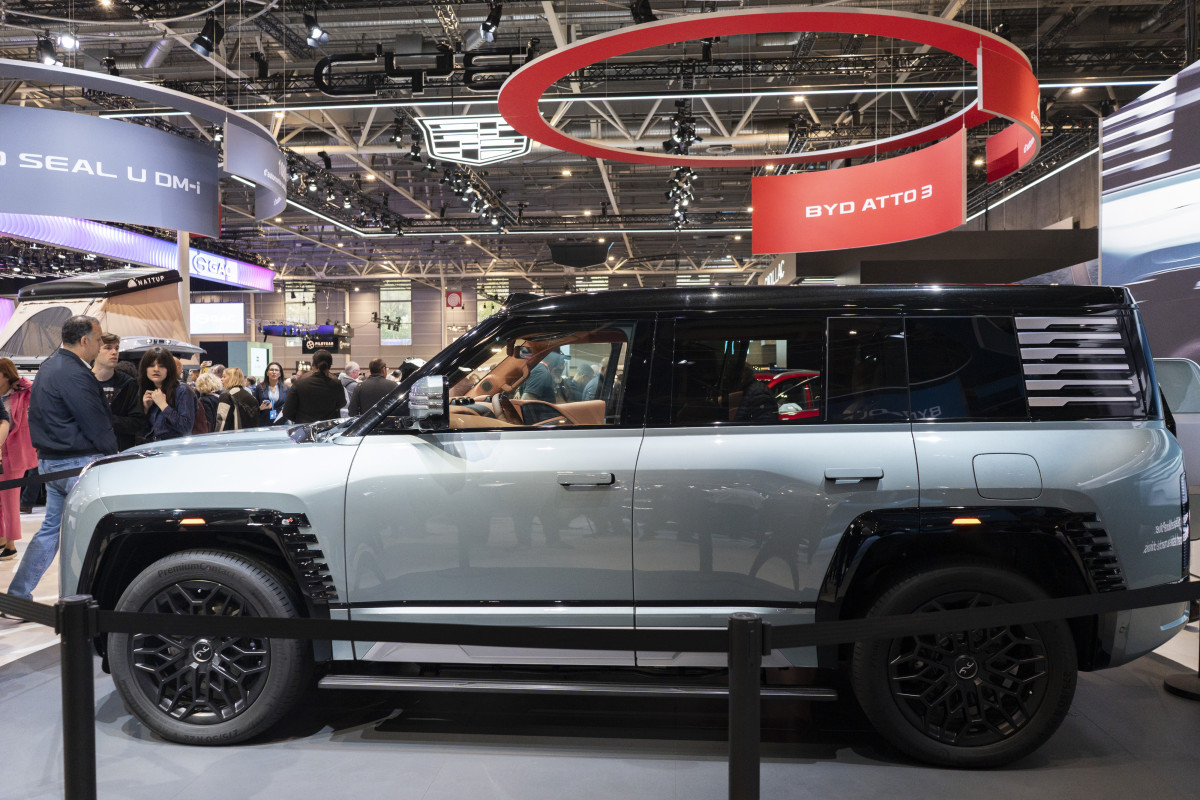
An XPeng Inc. U8 electric SUV at the Paris Motor Show in Paris, France, on Tuesday, Oct. 15, 2024.

Bloomberg/Getty Images

Some companies are exploring partnerships to share costs and strengthen their competitive positions. For example, Nissan and Honda are officially considering a merger to bolster their EV capabilities. Similar collaborations could be a path forward for other automakers navigating difficult economic regions.

Final thoughts

The EU’s tariffs may have blunted China’s push into Europe, but they haven’t completely derailed it. As automakers adjust their strategies, the competition for the future of EVs in Europe remains fierce. The coming months will reveal whether Chinese brands can overcome these obstacles or if they’ll be forced to scale back their ambitions in one of the world’s most critical EV markets.

Related: 2025 Ford Ranger: 4 reasons to love it, 2 reasons to think twice

  • Digg
  • Del.icio.us
  • StumbleUpon
  • Reddit
  • RSS
Post Icon

Stellantis’s STLA frame platform could be the future of trucks


via Stellantis’s STLA frame platform could be the future of trucks

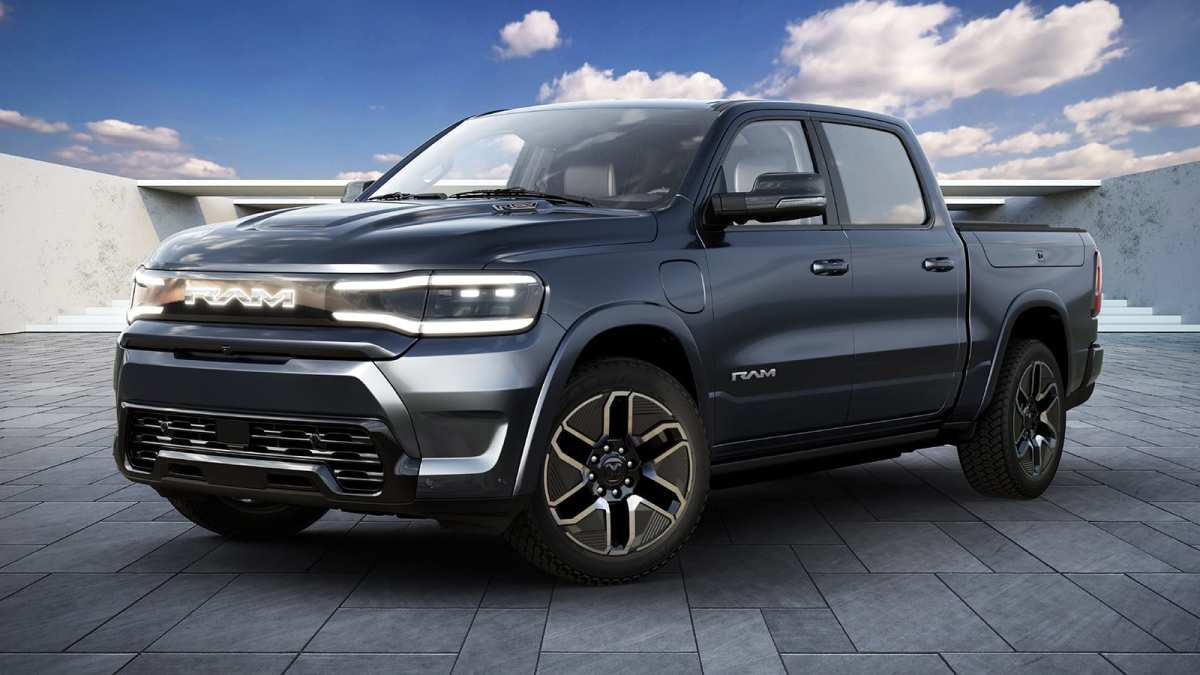
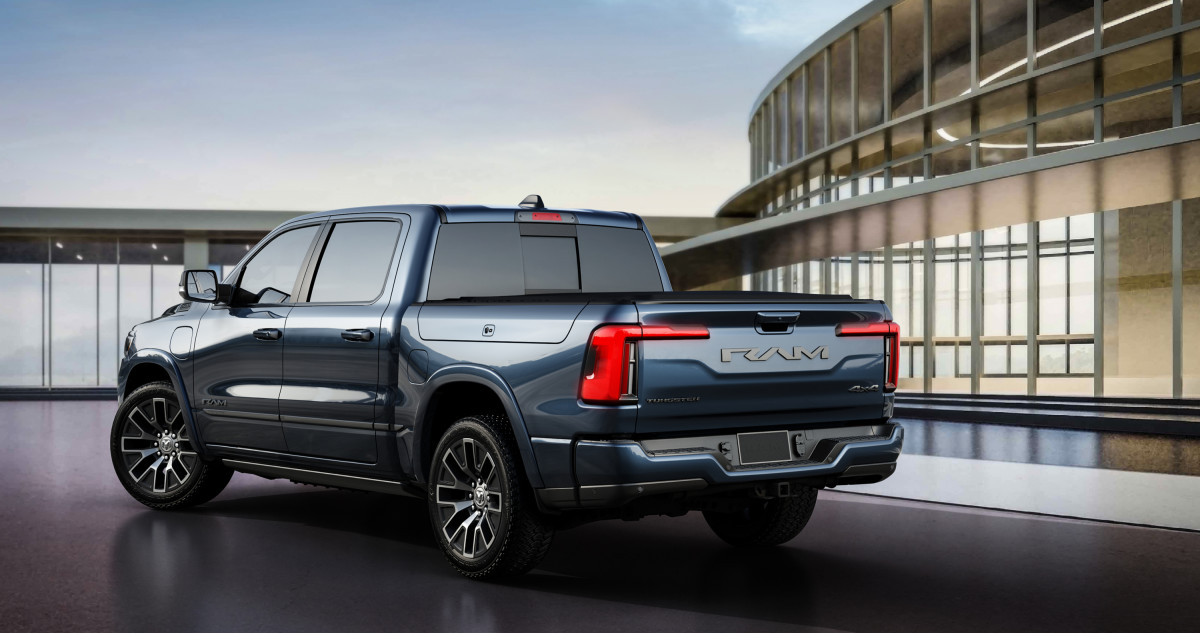
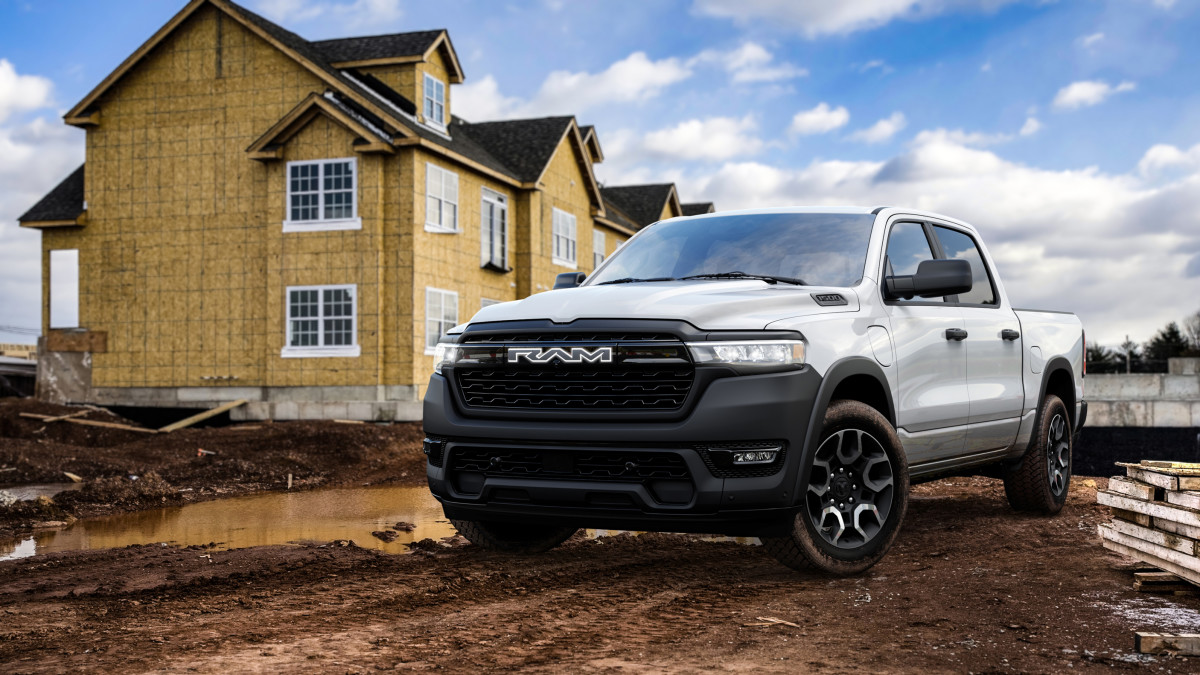
Ram introduced its all-electric 1500 REV and Ramcharger Hybrid trucks back in 2023, initially sharing few details. Since then, a Ram executive has highlighted their potential in terms of battery performance, and the automaker announced that the fully electric Ram 1500 REV will be delayed in favor of the range-extended Ramcharger.

Regardless of which model launches first, the details of the groundbreaking platform set to support these trucks and other full-size vehicles showcase a bright future for the next generation of American EVs.

Related: Ram EV delayed: Ramcharger jumps ahead

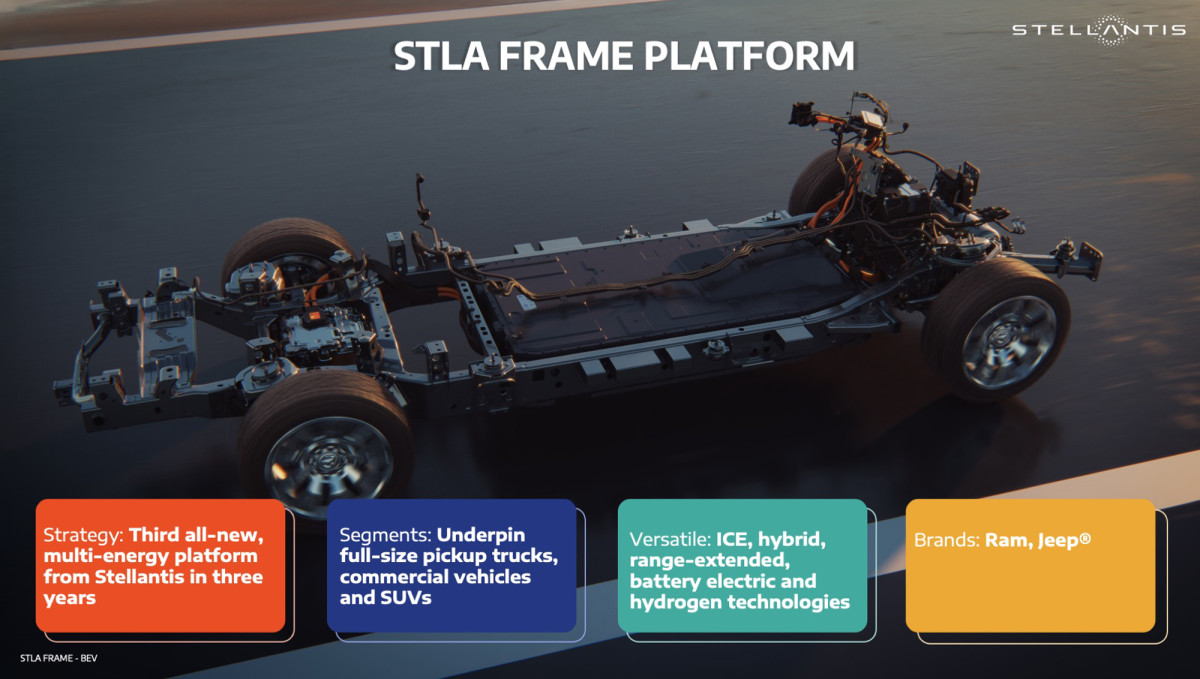
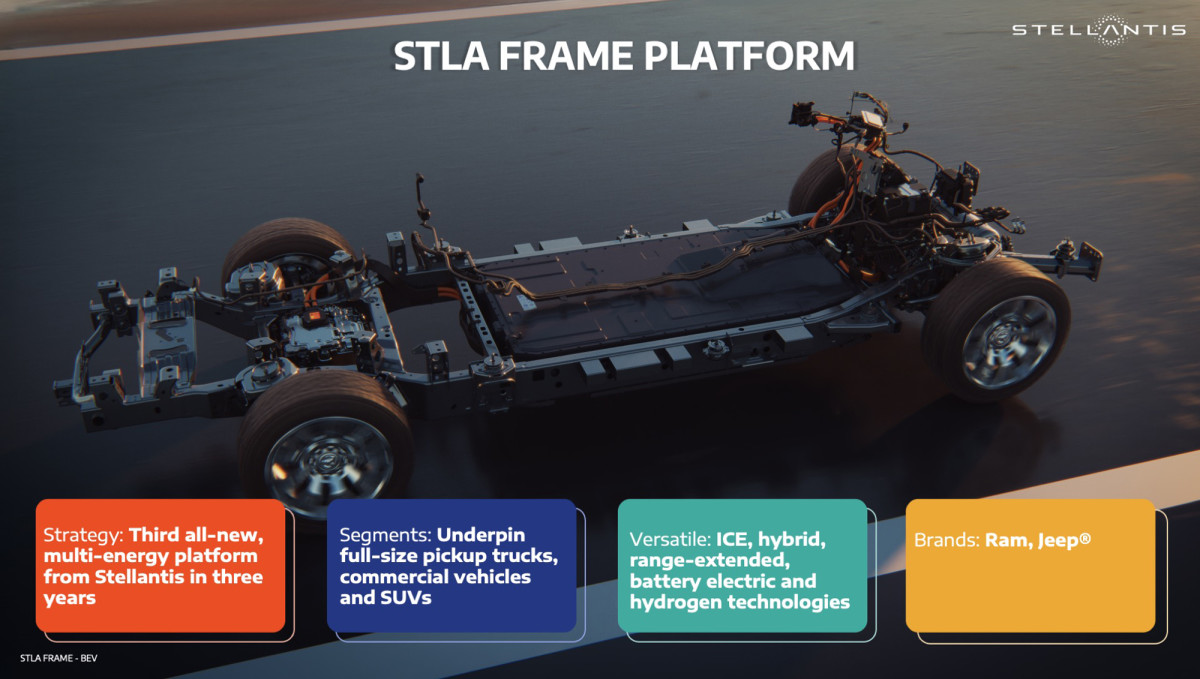
The STLA Frame Platform will be a versatile solution for Stellantis

STLA Frame Platform Strategy

Stellantis

The STLA Frame is designed to accommodate full-size, body-on-frame trucks and SUVs. It will support various propulsion paths: hybrid, electric-only, range extenders, hydrogen power, and internal combustion engine extenders. This scalable chassis will eventually appear in global markets but will first be used in Ram and Jeep models.

Stellantis is aiming high in terms of electric performance. The STLA Frame platform targets 500 miles of range for battery-only EVs (BEVs) and up to 690 miles for range extender (REEV) systems.

This, along with a 14,000-pound towing capacity and 2,700-pound payload rating, sets the bar for what it looks to achieve. As a bonus, Stellantis says this platform can wade up to 24 inches of water, hinting at its capabilities off the beaten path.

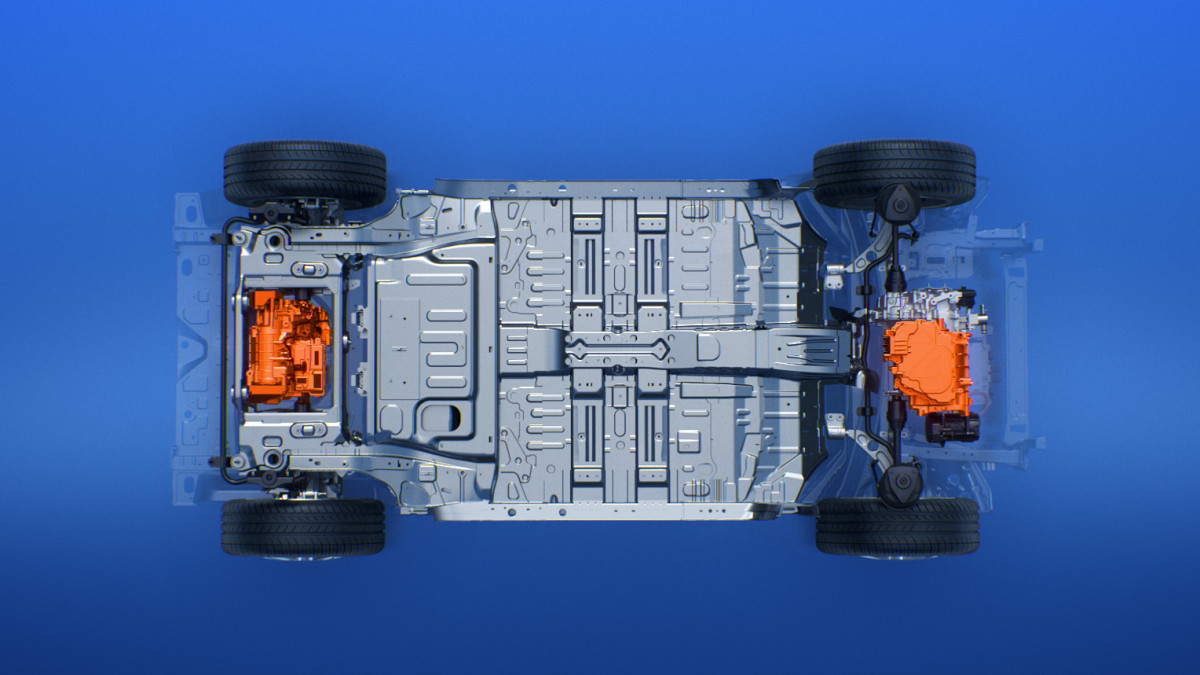
STLA Medium Platform

Stellantis

In fact, the auto conglomerate is so confident of the STLA Frame that vehicles riding on this platform will first launch in all-electric and range-extending configurations before expanding into internal combustion and hybrid variants.

“With full EV and extended-range EV tech coming soon, we’re bringing ‘no compromise’ solutions to buyers who may be hesitant on trying their first electric vehicle," now ex-Stellantis CEO Carlos Tavares said about the platform. "We’re proud of this engineering marvel and look forward to seeing it come to life in our upcoming product blitz on Jeep and Ram.”

Related: Meet the man who sold Kendrick Lamar his Buick GNX

Breaking down the tech

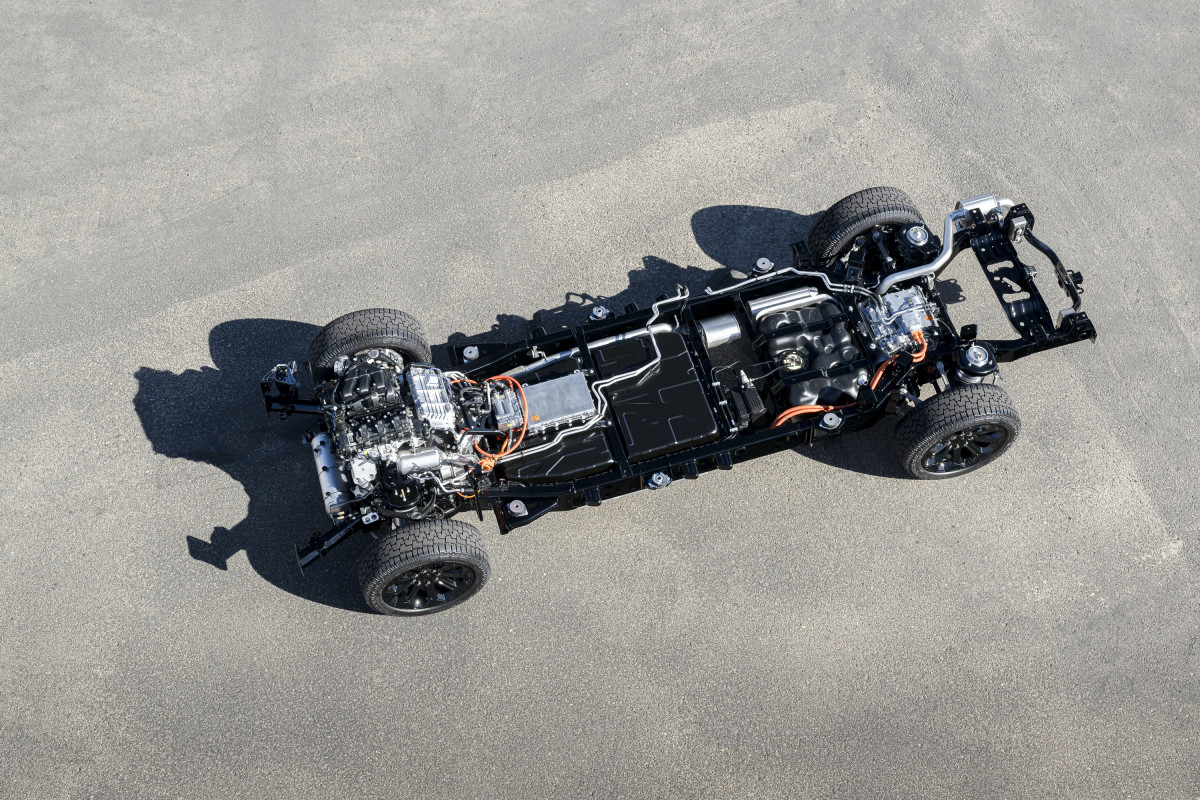
2025 Ram 1500 Ramcharger Frame

Stellantis

BEVs will use liquid-cooled battery packs in different sizes, with an initial capacity of 159 kilowatt-hours that could grow to more than 200 kWh. Relying on an 800-volt architecture opens the door for DC fast charging at a rate of up to 350 kW, enabling STLA-backed vehicles to add 100 miles of range in a claimed 10 minutes.

Meanwhile, REEVs will use a battery with front and rear electric motors, an on-board generator, and a gasoline engine. The generator will power the electric motors and recharge the battery to provide that extended range, even under circumstances of heavier loads. It’s the backwards way of how hybrids work where only the engine supports the battery rather than the battery supports the engine.

Ram 1500 Ramcharger

RAM

With this technology, REEVs will be able to regenerate 50 miles from a mere 10-minute charge thanks to the 400-volt architecture, which can produce up to 175 kW. The STLA Frame Pplatform will also incorporate bidirectional charging, meaning it could power a fellow EV or a house during a blackout.

The electric motors are rated at 250kW, powerful enough to deliver all-wheel-drive capabilities, which Stellantis says could propel certain models to 60 mph in as little as 4.4 seconds, although it didn’t specify which.

Related: Trump's team to scrap NHTSA's autonomous car crash requirement

The STLA Frame could be an industry changer

The STLA Frame chassis is designed for full-size utility vehicles, so it’s no coincidence that the design of the Ramcharger mimics the 2025 Ram 1500, as does the brand’s first EV. In terms of appearance, the REV isn’t as radical as a Tesla Cybertruck, staying within the traditional realm of a pickup truck.

2025 Ram 1500 Ramcharger Tradesman

RAM

At the same time, it could be game-changing for the industry as Stellantis believes this same platform is future-proofed. It can accept new energy storage technologies without compromising engineering integrity and will use advanced high-strength steel construction for greater durability and rigidity. Reinforced frame rails will work in tandem with this steel construction to protect the battery mounted beneath the floor.

It also considers the prospect of multiple vehicles rather than a dedicated platform that underpins only one kind of vehicle. With internal combustion still very much in demand, designing the chassis to accommodate EVs without excluding gasoline is the ideal move. A one-size-fits-all approach like the STLA Frame could usher in mass electrification more gracefully without infrastructure hurdles.

Stellantis

View the 4 images of this gallery on the original article

Final thoughts

As a major truck manufacturer, Ram has the potential to turn this new platform into a commercial success, possibly helping drive the industry toward widespread electrification.

Stellantis has set bold goals for its STLA Frame platform, aiming not just to succeed but to compel competitors to follow its lead. While Ram has yet to reveal the MSRP for the REV or Ramcharger, an accessible price point could make both the vehicles and the company’s larger ambitions attainable.
Related: Ex-Stellantis CEO wanted Hemi V8 dead

  • Digg
  • Del.icio.us
  • StumbleUpon
  • Reddit
  • RSS
Post Icon

EV sales in Europe are growing—with one big Tesla-sized exception


via EV sales in Europe are growing—with one big Tesla-sized exception

2024 has been a rough year for electric vehicle (EV) sales. Consumer interest in all-electric vehicles has waned in the United States and Europe, while a wave of EV interest among Chinese consumers has been almost wholly captured by domestic manufacturers. That’s the story we’ve seen so far, anyway.

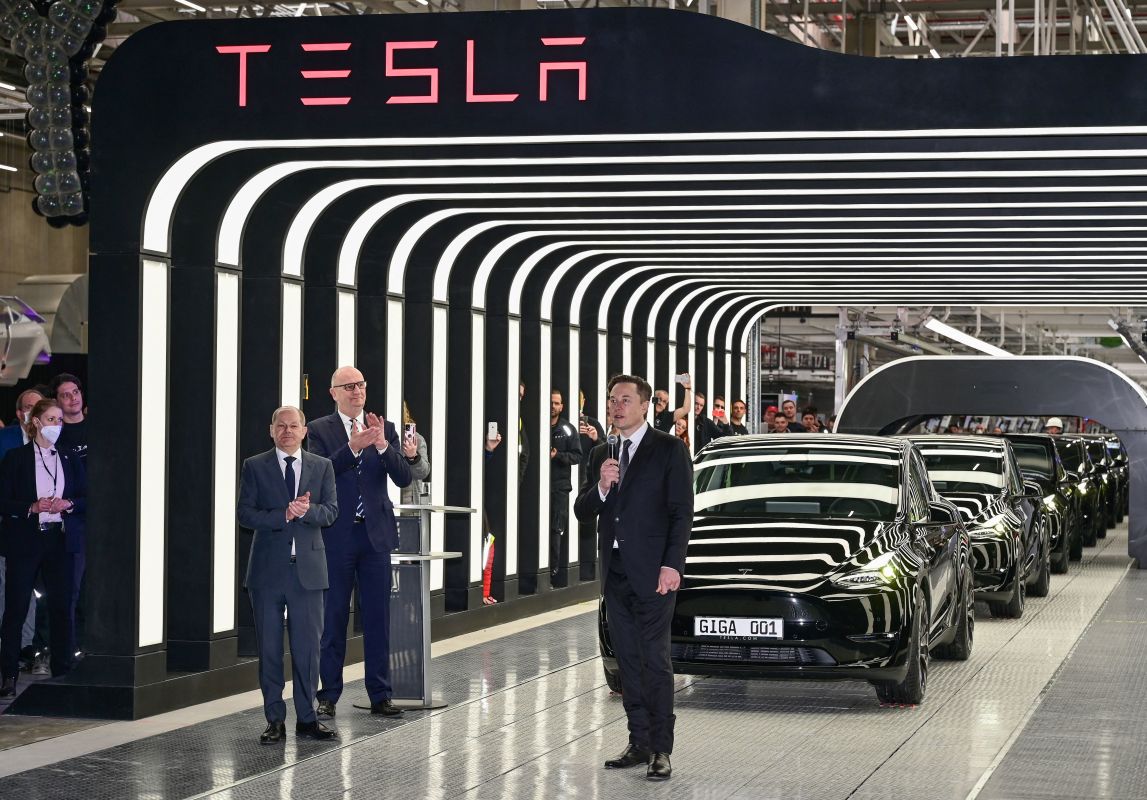
Tesla CEO Elon Musk (R), German Chancellor Olaf Scholz (L) and Brandenburg State Premier Dietmar Woidke applaud as they attend the start of the production at Tesla's "Gigafactory" on March 22, 2022 in Gruenheide, southeast of Berlin. -  (Photo by Patrick Pleul / POOL / AFP) (Photo by PATRICK PLEUL/POOL/AFP via Getty Images)

PATRICK PLEUL/Getty Images

Now, new data from the European Automobile Manufacturers’ Association (ACEA) suggests that the picture of EV demand in Europe might not be so bleak after all. Across Europe, the number of new EVs registered so far in 2024 has declined by about 1.4% compared to the same time last year. But, Autoblog analysis shows that the apparent decline is not as widespread as previously thought.

Related: Hyundai is pouring money into struggling China business

A Tesla-sized outlier in Europe's sales figures

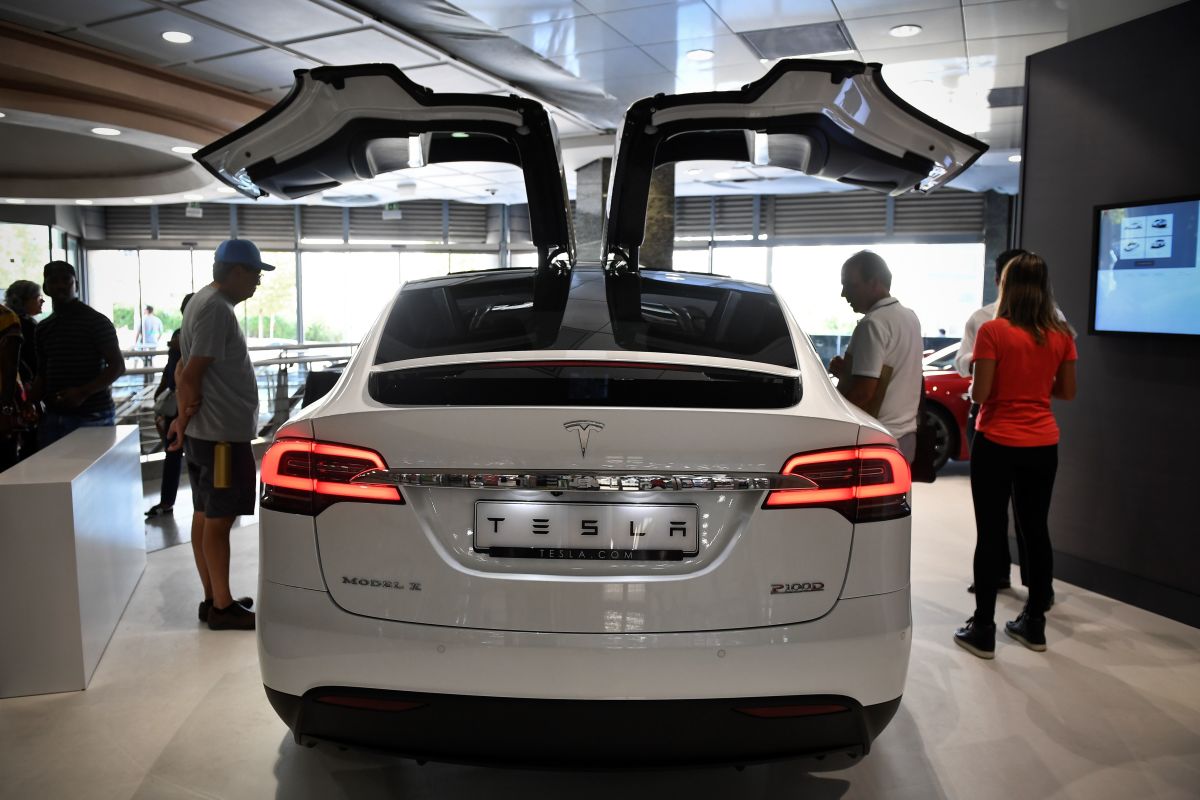
Poor sales of Tesla vehicles across Europe have single-handedly driven overall EV growth into negative territory this year. Through November, the automaker has sold 283,000 vehicles in Europe, a sharp 13.7% decline from the same time last year.

View the original article to see embedded media.

Excluding Tesla from overall EV sales in Europe, ACEA data shows that electric vehicle registrations have actually grown 1.3% this year, more than double the overall market average of 0.6%. That’s a promising sign for most automakers—and a concerning one for Tesla.

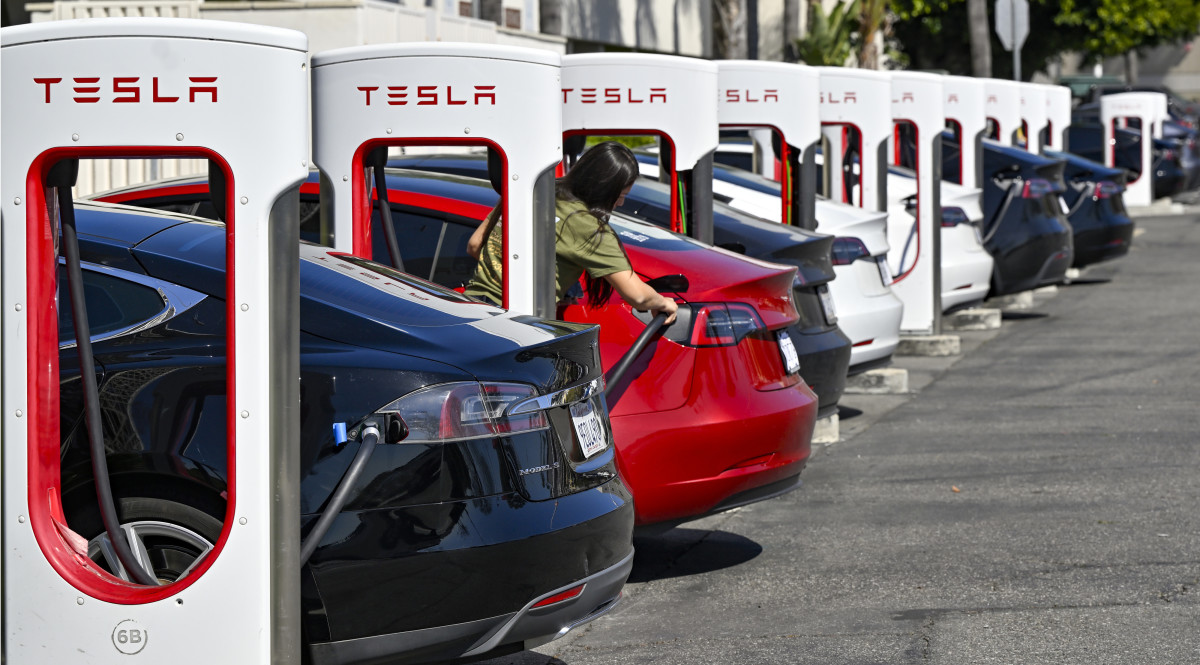
To try and reverse the trend, Tesla has begun offering more direct discounts to customers across Europe, including a year of free Supercharging to anyone in Europe who purchases a Tesla before the end of the quarter. In Germany, where EV sales have been hit particularly hard, the automaker is offering €6,000 ($6,234) discounts on new Model Y vehicles.

Related: Meet the man who sold Kendrick Lamar his Buick GNX

Where EVs win and lose across Europe

Although EV sales are performing relatively well across Europe this year, the picture isn’t so simple from one country to another.

View the original article to see embedded media.

Among nations where EV sales have grown this year, the United Kingdom and Denmark account for over half of the nearly 150,000 additional EVs registered in 2024. Yet, even in these leading countries, Tesla struggled to drive sales, reporting a 14% decline this year, according to data from EU-EVs.

The picture is far worse in Germany. EV sales in Europe’s largest economy have nose-dived by over a quarter this year. Tesla’s poor performance in Germany—reporting a 47% drop in sales—certainly hasn’t helped that figure, but declining demand has affected other automakers as well. Even Volkswagen, Germany’s largest employer, has seen EV sales drop over 20% in its home country this year.
Related: Ford secures $9.63 billion federal loan for U.S. battery plants

A bad problem made worse

Tesla’s problems don’t appear to be getting much better either. Last month, the automaker reported a 28% drop in sales across Europe compared to last November, suggesting that the company’s sales gap from 2023 is getting worse, not better.

View the original article to see embedded media.

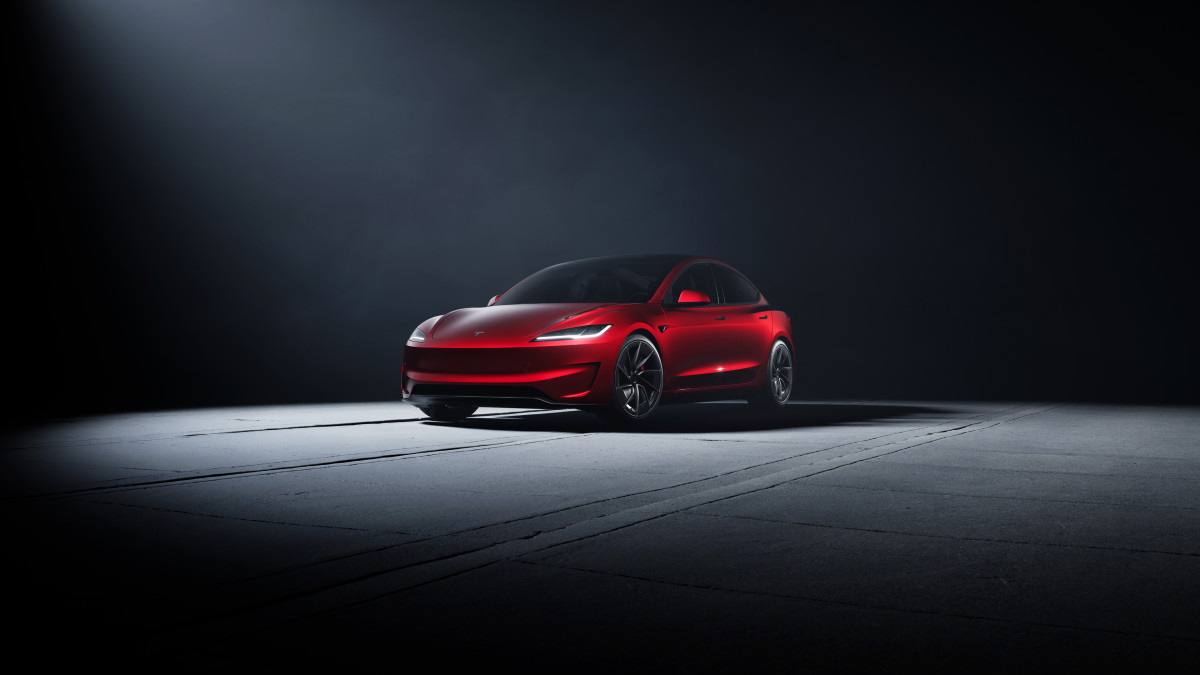
Aging models like the Model 3 and Model Y are struggling to compete with newer, more advanced rivals. Even the Model 3’s 2023 refresh can’t hide the fact that its design dates back to 2017.

2024 Tesla Model 3 Performance 

Tesla

Competition is also heating up, with German luxury brands and Chinese automakers making serious inroads in Europe. Meanwhile, Tesla’s price cuts, once a key sales driver, are losing their effectiveness as more EV options flood the market. Without fresher models, Tesla risks losing ground in a rapidly evolving industry.

Related: Why Honda is Going ALL IN on Fuel Cell Tech

Final thoughts

Tesla’s decline in Europe serves as a reminder that market dominance is never guaranteed, especially in a sector as volatile as EVs. While overall EV sales in Europe show signs of resilience, Tesla’s struggles make it clear that once cutting-edge tech can quickly become commonplace in the market. Aging models and fierce competition from both established brands and newer entrants are eroding its once-commanding position.

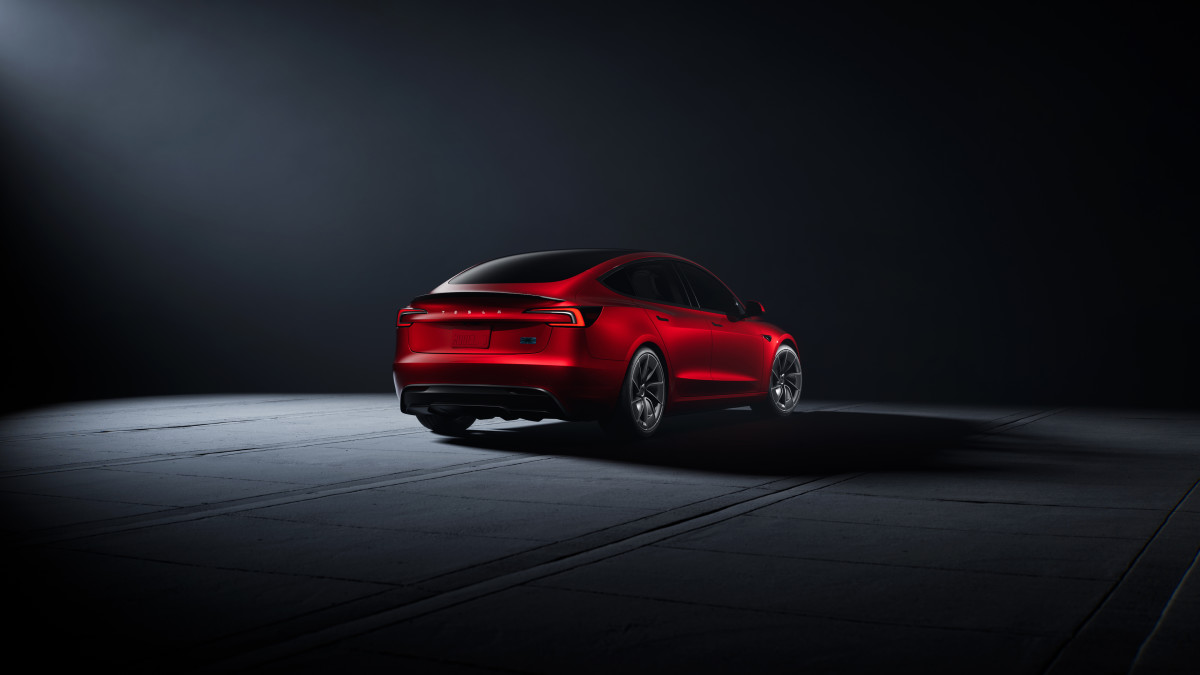
2024 Tesla Model 3 Performance

Tesla

Still, the broader growth in EV sales—excluding Tesla—offers a glimpse of the sector’s potential. Automakers investing in diverse lineups and competitive pricing appear to be capturing the interest of European consumers, even in a challenging economic climate.

For Tesla, the road ahead will require more than discounts and refreshed designs. It will need bold new strategies and products to remain a leader in a market that it once ruled.

  • Digg
  • Del.icio.us
  • StumbleUpon
  • Reddit
  • RSS
Post Icon

Meet the man who sold Kendrick Lamar his Buick GNX


via Meet the man who sold Kendrick Lamar his Buick GNX

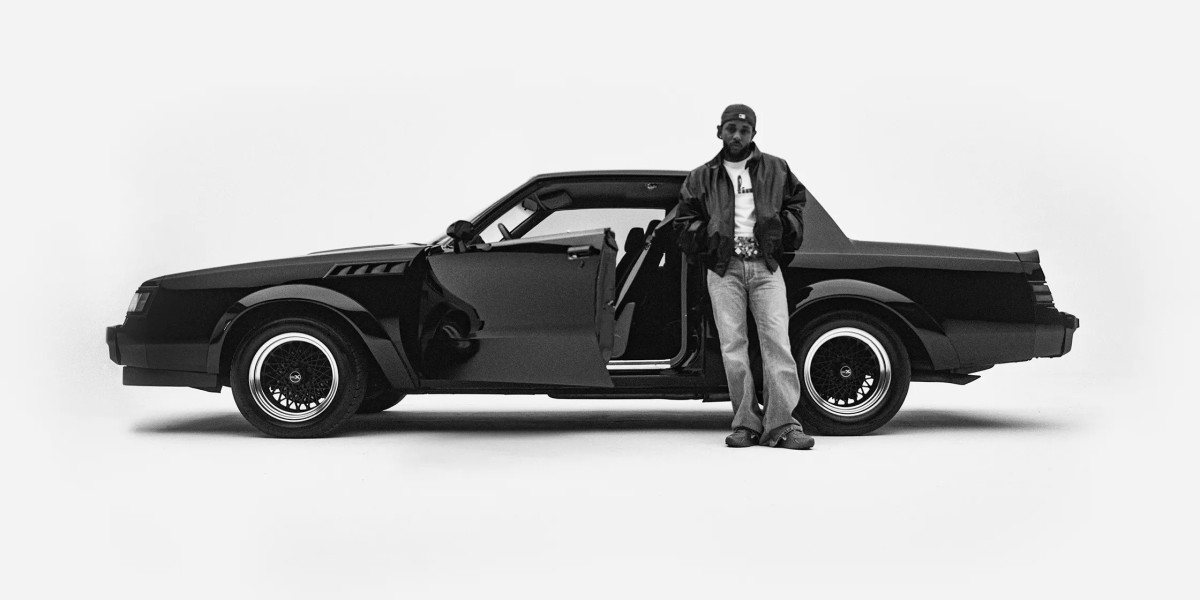
Since Kendrick Lamar dropped his newest album last month, fans have eagerly dived into analyzing the California rapper’s newest body of work. But little information has surfaced about the now-famous Buick GNX that adorns the cover art. 

With just 547 ever built, the GNX stands as one the rarest, coolest muscle cars to emerge from the 1980s — a status firmly reinforced by Lamar’s embrace of the car across cover art, music videos and lyrics in his newest album.

Lamar purchased his GNX sometime back in March of this year, but the car was never posted for sale online, making its history difficult to pin down. Despite the mystery, we managed to track down the man who sold Kendrick Lamar what has quickly become the most popular Buick GNX on the planet.

Related: Will the next-gen 2025 Dodge Charger EV be a hit or miss?

Kendrick Lamar and the GNX go way back

In a 2012 interview with Complex, Lamar shared that his father drove him home from the hospital in a Buick Regal, a cheaper, pedestrian-spec version of the GNX. The connection runs deeper: Lamar was born in 1987, the same year Buick unveiled the GNX variant of its Regal.

“When I was born, I came home from the hospital in an '87 Buick Regal while my pops was bumping Big Daddy Kane,” Lamar said.

Related: EV battery prices are plunging

The GNX is all about authenticity

Earlier this year, Lamar shared a post on Instagram showcasing his newly acquired GNX—likely the same one we would later see in album artwork and music videos. The rare post from Lamar came just days before the release of the song “Like That,” which sparked a fiery beef between Lamar and Canadian rapper, Drake.

View the original article to see embedded media.

Across the five diss tracks that Lamar released, he repeatedly criticized Drake as being an inauthentic part of hip-hop culture. This idea of authenticity was a focus for Lamar in his post talking about the GNX, in which he wrote “But in the moment of confusion, the best thing you can do is find a GNX. Make you realize the only thing that matters in life is that original paper work. That TL2 code. 1 of 547.”

The TL2 code that Lamar references is the in-house code that General Motors used to designate Grand Nationals on the assembly line that were destined to receive GNX-spec modifications. In other words, it’s proof that the car is an authentic GNX from the factory.

Related: Hyundai IONIQ 9 offers sci-fi vibes and 385 miles of range

The man who sold Kendrick Lamar his GNX

Although Kendrick Lamar’s GNX was never posted on an auction site, it showed up in a few inconspicuous Instagram posts in mid-2023 listing it for sale.

View the original article to see embedded media.

The man behind the posts was a little-known user on Instagram — and possibly the biggest Buick Grand National seller in the country. Known online as “jerryworldwidegns,” Gerardo Chora has made a name for himself online as an ultra-niche car salesman, tracking down, buying, and reselling Buick Grand Nationals and GNXs.

Related: Ford solved one of BlueCruise's biggest problems

What we know about Kendrick Lamar’s GNX

In a post from last July, Chora walks around the GNX that would eventually be bought by Kendrick Lamar going over the car’s condition and history. We confirmed this is the car bought by Lamar based on the matching production number on the dashboard: 191.

View the original article to see embedded media.

The #191 GNX had just 9,351 miles at the time it was posted for sale, still sitting on the original Gatorback tires from 1987. Before it made the trip to California, the car was registered in Magoffin County, Kentucky with the vanity plate “GNX.” The bluegrass state is notable in the world of Buick enthusiasts for the Buick GS Nationals, an annual event held in Bowling Green, Kentucky that brings out classic Buick muscle cars for drag racing and auto shows.

An official sale price for the car was never disclosed, but Chora advertised it for $189,000. Over the last five years, GNXs have sold for an average of $177,205, according to data compiled by Classic.com.

View the original article to see embedded media.

According to Chora’s post, the #191 GNX was being listed for sale for the first time since it was originally bought in 1987—a rare opportunity to own not only a low-production, low-mileage GNX but a single-owner one at that.

Final thoughts

A lot can be said about the significance of Kendrick Lamar’s GNX. The GNX, a car that represents the pinnacle of Buick’s muscle car legacy, has now become a symbol of authenticity and nostalgia through Lamar’s music and personal journey. From its roots in the 1980s to its current place in hip-hop lore, the GNX continues to captivate enthusiasts and casual fans alike.

As for Gerardo Chora, his knack for uncovering treasures like the GNX proves that even in niche corners of the automotive world, there’s room for big stories. Whether you’re a fan of Lamar, the GNX, or both, this unique intersection of music and automotive history serves as a powerful reminder that a car can embody so much more than the parts that make it up.

Related: The 6 best driver’s cars you can buy for $40,000 to $50,000

  • Digg
  • Del.icio.us
  • StumbleUpon
  • Reddit
  • RSS
Post Icon

EV buyers say emissions aren't their top concern


via EV buyers say emissions aren't their top concern

Governments have long pushed for adopting electric vehicles (EVs) to curb greenhouse gas emissions, but a new survey of EV owners found that emissions are not the driving factor behind their purchase.

EV buyers are primarily motivated by lower operating costs rather than environmental benefits, according to a global survey conducted by the Global EV Drivers Alliance (GEVA). The survey, which gathered responses from over 23,000 EV drivers across 18 countries, found that affordability is the leading reason people choose EVs. While reducing emissions is important to many buyers, it ranked as the second most common motivator.

Related: EV battery prices are plunging

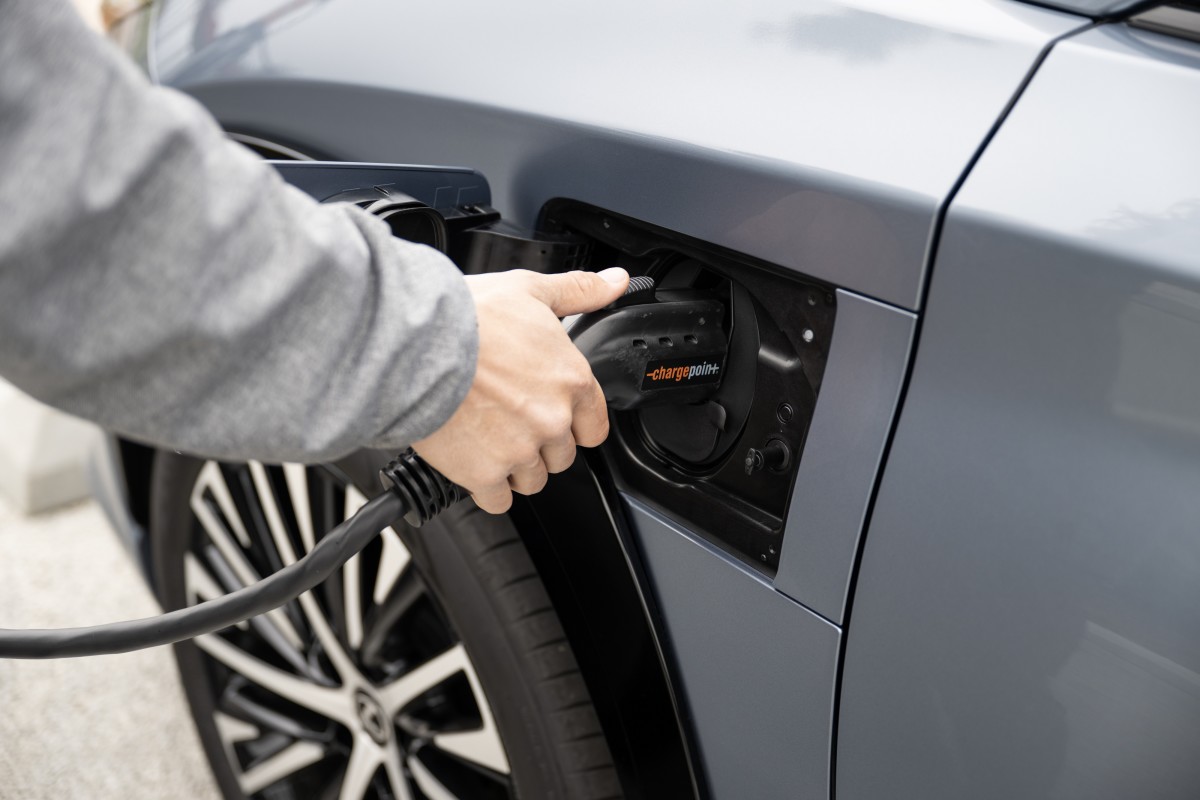
2025 Lexus RZ 450e Premium charging

Lexus

Most EV drivers wouldn’t switch back

The survey’s results also highlight strong satisfaction among EV owners. An overwhelming 92% of respondents said they plan to stick with zero-emission EVs for their next purchase, while only 1% indicated they’d return to gas-powered cars. 4% would consider a plug-in hybrid (PHEV).

“This is a remarkably high number and the results confirm that drivers love the EV experience and EVs are here to stay,” said Joel Levin, chair of GEVA and director of Plug In America.

Related: Can Tesla’s NACS chargers save Volvo’s stalled EV sales?

Charging challenges due to lacking infrastructure

Despite their enthusiasm, EV drivers still report challenges with charging infrastructure. The survey identified the availability of fast chargers, the time it takes to charge, and downtime at charging stations as the top frustrations.

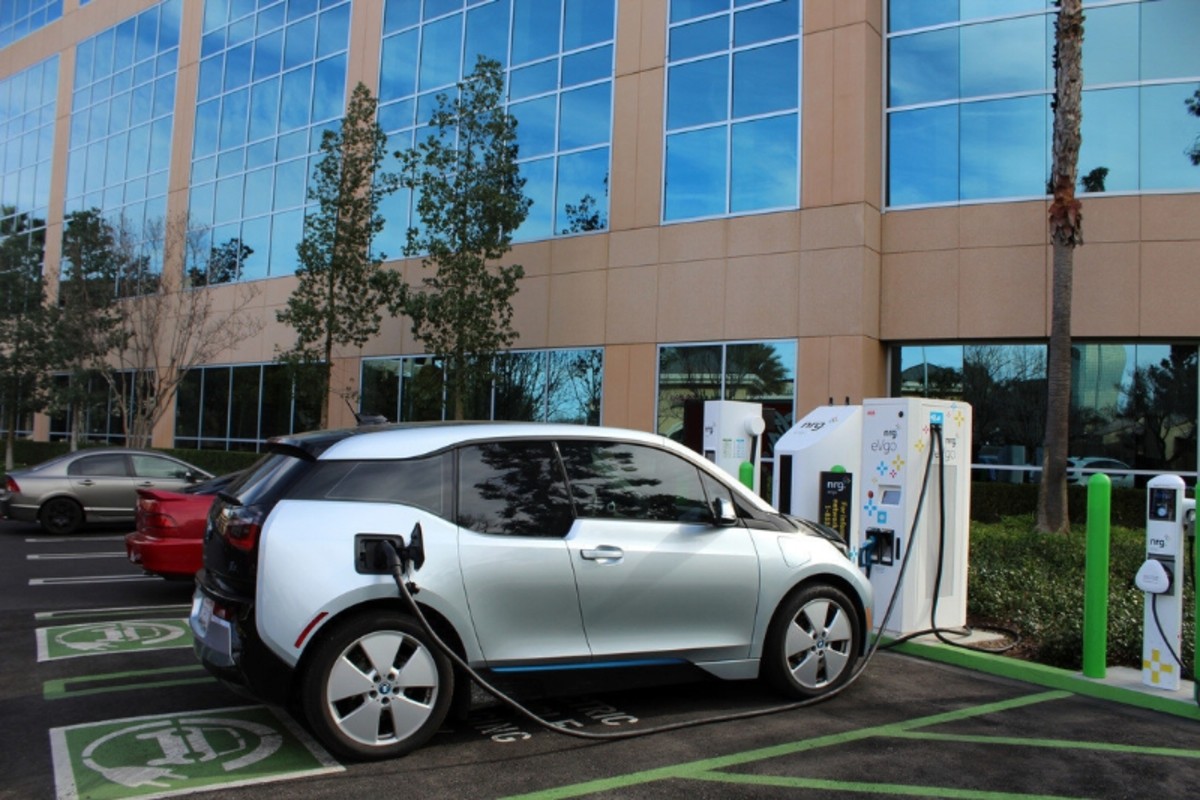
EVgo Network charging station

“This demonstrates that EV drivers are similar to consumers in general – they desire convenience and a hassle-free experience,” said Christian Peter, director of EMC ElektroMobilitätsClub of Austria. “Even though the majority of EV drivers charge at home most of the time, developing consumer-friendly charging solutions is crucial for the growth of the EV mass market.”

While the survey noted that charging networks are steadily expanding, gaps remain in ensuring a seamless experience.

Related: Lucid Air Sapphire is so fast it might just hurt a little

A global snapshot of EV drivers

The survey, conducted between August and November 2024, is the first of its kind to analyze EV driver experiences on a global scale. GEVA, a grassroots network of 64 national EV driver associations representing over 336,000 EV owners, used weighted results to reflect the varying EV adoption rates across countries.

Across the thousands of EV owners surveyed, the fact that cost arose as the number one driver behind their purchase should be an “eye-opener for policymakers worldwide,” said Ellen Hiep, board member of the Dutch Electric Vehicle Drivers Association. “While a vibrant electric vehicle market is crucial for reducing climate emissions from road transport, achieving this goal hinges on making EVs an even more affordable option for all.”

Related: Lamborghini delays their Lanzador EV by a full year

2025 Chevrolet Equinox Charging

Chevrolet

Final thoughts

As consumer interest in EVs stagnates across much of North America and Europe, it’s crucial for companies and policymakers to understand the chief concerns of prospective buyers, namely cost and convenience.

While many EV owners surveyed said that reducing emissions is a priority for them, having affordable EV models to choose from and a robust charging network are necessities. Appealing to consumer concerns about emissions simply isn’t enough to drive EV adoption into the future.

  • Digg
  • Del.icio.us
  • StumbleUpon
  • Reddit
  • RSS
Post Icon

Ford secures $9.63 billion federal loan for U.S. battery plants


via Ford secures $9.63 billion federal loan for U.S. battery plants

In a landmark move, the U.S. Department of Energy (DOE) finalized a $9.63 billion loan to BlueOval SK, a joint venture between Ford Motor Company and South Korean battery maker SK On. The loan, announced on Monday, will fund the construction of three massive EV battery plants in Kentucky and Tennessee, bolstering domestic electric vehicle (EV) production as the industry accelerates its transition away from fossil fuels.

This federal loan is the largest ever granted through the Advanced Technology Vehicles Manufacturing (ATVM) program and represents a critical step in the Biden administration's efforts to cement the U.S. as a leader in EV technology and production before the incoming Trump administration takes the helm.

Related: Honda Prelude is back after 24 years, but there’s a catch

Building a domestic EV ecosystem is not a cheap affair

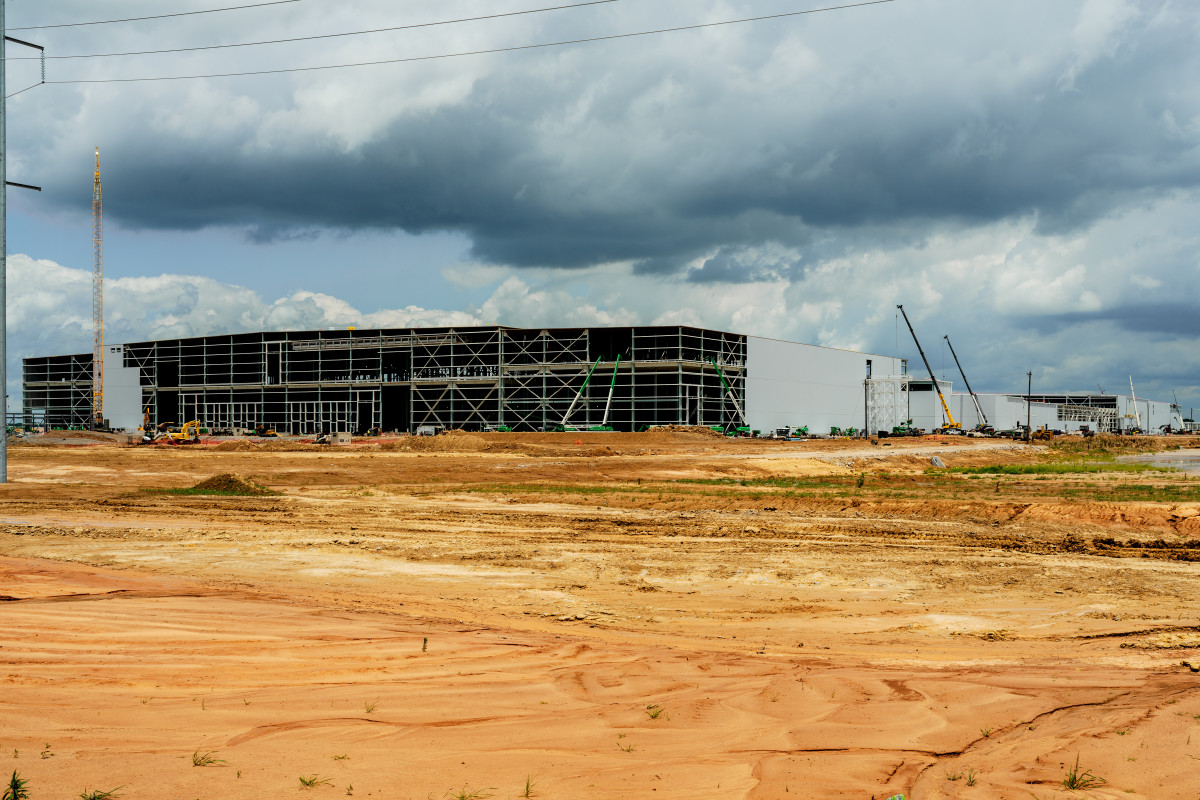
The BlueOval SK project aims to deliver more than 120-gigawatt hours of annual battery production capacity across its three planned facilities, each of which spans four million square feet.

The Ford Motor Co. and SK Innovation Co. electric vehicle and battery manufacturing complex under construction near Stanton, Tennessee, US, on Tuesday, Sept. 20, 2022.

Bloomberg/Getty Images

Ford and SK On have already invested over $11 billion in the project, with production at the first plant in Kentucky slated to begin in 2025. The Tennessee facility is expected to come online later that year.

"This program is essential to getting people to choose the United States of America," said Jigar Shah, head of the DOE Loan Programs office, in an interview with Reuters. "When you look at the competition that we have from China, it is very clear to me that they have used low-cost debt for a very long time to promote a lot of manufacturing capacity that has hollowed out many communities in Kentucky, Tennessee, and other states around the country."

Related: I drove an EV for the first time

The effort to rapidly expand federal support for EVs

The Biden administration has doubled down on efforts to fund domestic EV initiatives ahead of President-elect Donald Trump’s transition into office next month. Trump's campaign has been critical of federal incentives for EV production, heightening the urgency for projects like BlueOval SK to secure financing before potential policy changes.

This historic loan follows other significant federal investments in the EV sector. Earlier this month, the DOE announced a $7.54 billion conditional loan for a Stellantis and Samsung SDI battery venture in Indiana. Additionally, Rivian recently secured a $6.6 billion loan to reignite plans for a delayed manufacturing facility in Georgia.

Related: The most—and least—reliable car brands on the road today

Ford's role in leading the charge

For Ford, the BlueOval SK partnership is key to maintaining its leadership position in the rapidly growing EV market. The automaker has seen strong demand for its electric lineup, particularly its Mustang Mach-E. By securing a reliable domestic battery supply chain, Ford aims to scale production while reducing reliance on foreign-made components.

Expanded domestic production for EV components will hopefully help to reduce the cost of electric vehicles, which currently cost significantly more than their gas-powered counterparts.

Related: Is a bespoke, classic Land Rover 110 worth $265,000?

Rivian and the broader EV Push

BlueOval SK’s milestone comes as other EV manufacturers secure federal backing for their ambitious projects. Rivian, a California-based startup, is using its $6.6 billion DOE loan to restart a previously stalled EV manufacturing facility in Georgia.

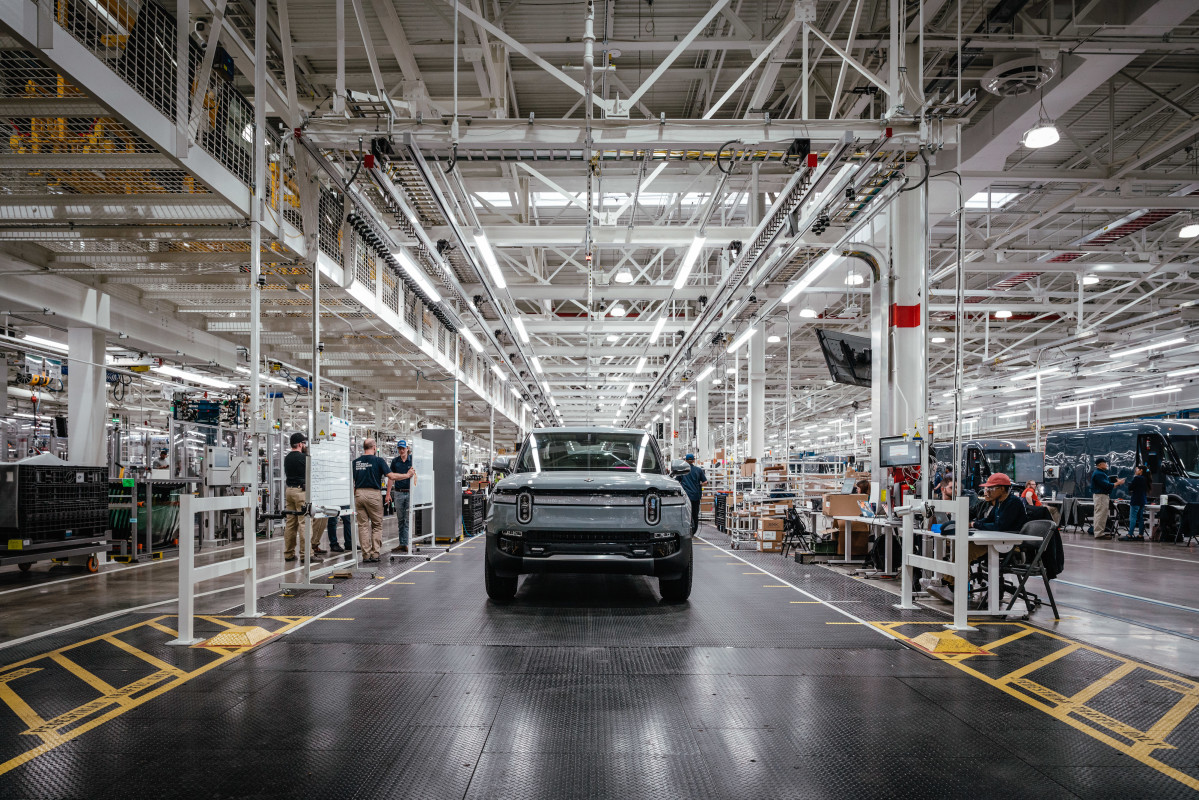
A Rivian R1T electric vehicle (EV) pickup truck at the company's manufacturing facility in Normal, Illinois, US., on Monday, April 11, 2022.

Bloomberg/Getty Images

The Rivian plant, located near Social Circle, Georgia, is expected to begin production in 2028 and will focus on the company’s upcoming R2 and R3 models. Designed to appeal to mass-market consumers, these midsize SUVs aim to offer more affordable pricing than the models currently available from Rivian.

“This loan will help create thousands of new American jobs and further strengthen U.S. leadership in EV manufacturing and technology,” said Rivian CEO RJ Scaringe. “A robust ecosystem of U.S. companies developing and manufacturing EVs is critical for the U.S. to maintain its long-term leadership in transportation.”

Related: Porsche’s Chinese market struggles deepen

Challenges ahead include growing competition and political pressure

While federal loans are boosting U.S. EV manufacturing, the industry still faces significant hurdles. Competition is intensifying as legacy automakers ramp up their own production efforts, and new entrants flood the market with innovative offerings. Hyundai, for instance, has committed $7.6 billion to an EV and battery facility near Savannah, Georgia, further solidifying the state’s growing role in the EV landscape.

Political uncertainty also looms large. With the Biden administration's tenure ending, the future of federal EV incentives is unclear. Trump has criticized government support for the EV sector and his transition team has made clear its intent to end the $7,500 federal EV rebate, which could weaken demand for EVs.

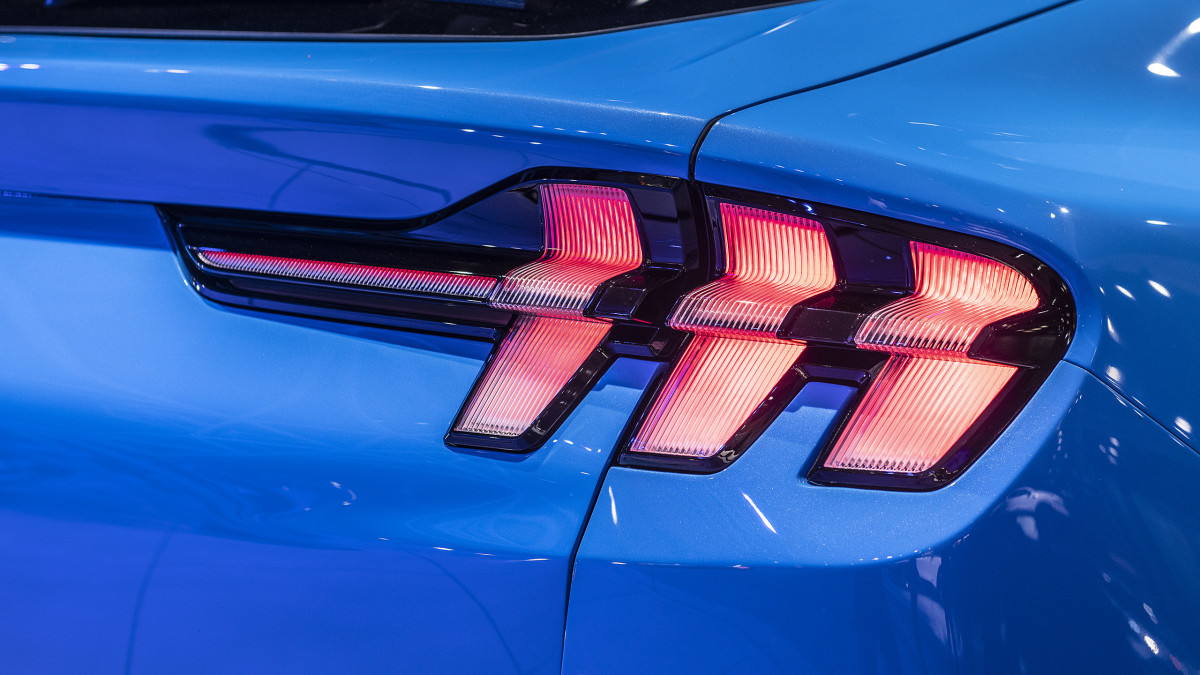
2021 Ford Mustang Mach-E Taillight

Ford

Projects like Ford's have major economic impacts on key states

The BlueOval SK project is poised to have a transformative economic impact on Kentucky and Tennessee. The facilities are expected to create thousands of high-paying jobs and stimulate local economies. State governments have also offered significant incentives to attract these investments, recognizing the long-term benefits of becoming EV production hubs.

Final thoughts

The $9.63 billion loan to BlueOval SK and the broader wave of federal investments highlight the U.S. government’s commitment to building a robust EV ecosystem. By funding projects that support domestic battery production, the DOE aims to reduce reliance on imports, enhance energy security, and position the U.S. as a global leader in clean energy technology.

However, as the EV industry evolves, automakers like Ford, Rivian, and others must navigate a complex landscape of rising competition, shifting consumer preferences, and potential political headwinds. The success, or failure, of these federally backed projects could shape the future of the United States as a serious competitor in global EV production and innovation.

Related: Rivian's AI voice assistant coming in 2025

  • Digg
  • Del.icio.us
  • StumbleUpon
  • Reddit
  • RSS
Post Icon

Honda Prelude is back after 24 years, but there’s a catch


via Honda Prelude is back after 24 years, but there’s a catch

Honda is bringing back the Prelude, a nameplate that hasn’t graced showrooms since 2001. Expected to arrive in the U.S. in late 2025, the two-door coupe will feature a hybrid powertrain and a sporty design that pays homage to its predecessors. Honda previewed the new Prelude with a sleek concept car in 2023, which turned heads with its clean lines and aggressive stance.

The production Prelude is likely to retain much of the concept’s aesthetic appeal but appears to lack some of the mechanical details enthusiasts were hoping for—namely, a manual transmission.

Related: EV battery prices are plunging

No manual gearbox, but simulated shifts

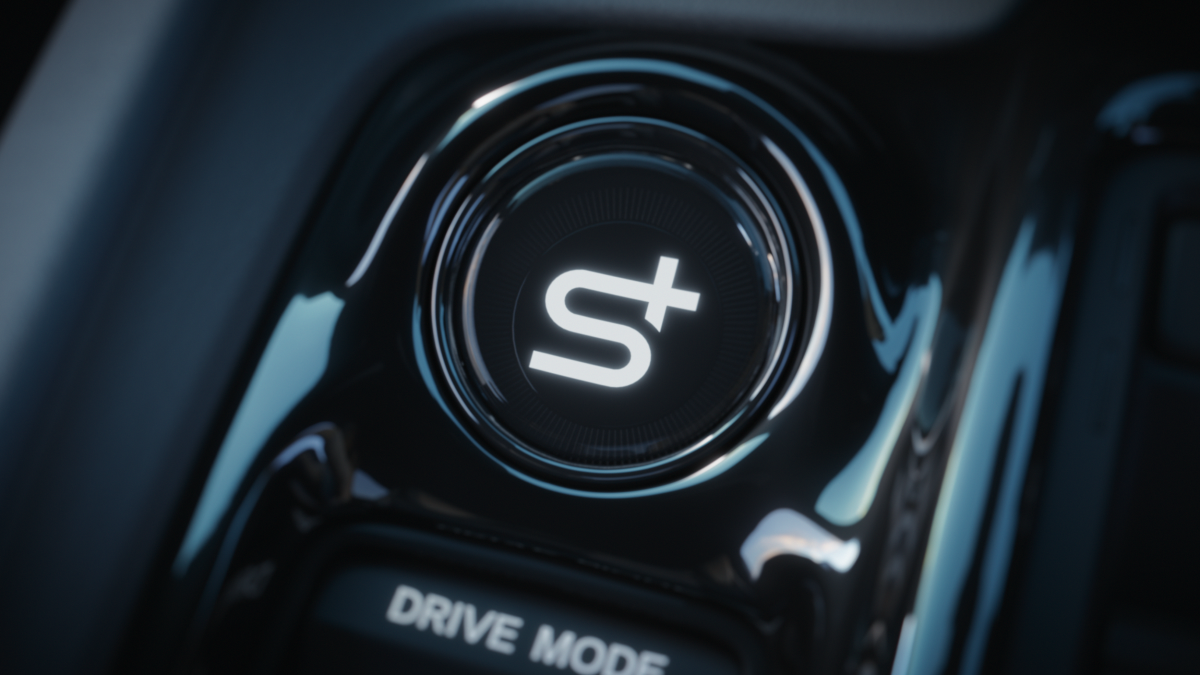
For driving purists, it appears the Prelude will not offer a manual gearbox, a choice that may disappoint fans of Honda’s storied history with stick shifts. Instead, the coupe will utilize Honda’s new "S+ Shift" technology, which promises to “deliver maximum levels of driver engagement” through advances in “Linear Shift Control.”

Honda Prelude Concept S+ Shift

Honda

That’s a lot of jargon, but it sounds to us like some form of simulated gear changes in a continuously variable transmission (CVT). The S+ Shift mode will coordinate shifts with active sound control to produce realistic shift sounds. While this isn’t a manual, it aims to inject some excitement into the driving experience.

Honda has deployed similar technologies in its current hybrid lineup, including the Accord and CR-V. However, the Prelude’s S+ Shift feature is expected to deliver sharper simulated shifts, making the system feel sportier and more responsive.

Related: Ford CEO says new mid-size electric pickup will match the cost of Chinese EVs

Hybrid powertrain with familiar roots

The new Prelude will feature a hybrid powertrain likely based on the system found in the Civic Hybrid. This setup pairs a 2.0-liter naturally aspirated four-cylinder engine with two electric motors, producing a combined output of around 200 horsepower in U.S. models.

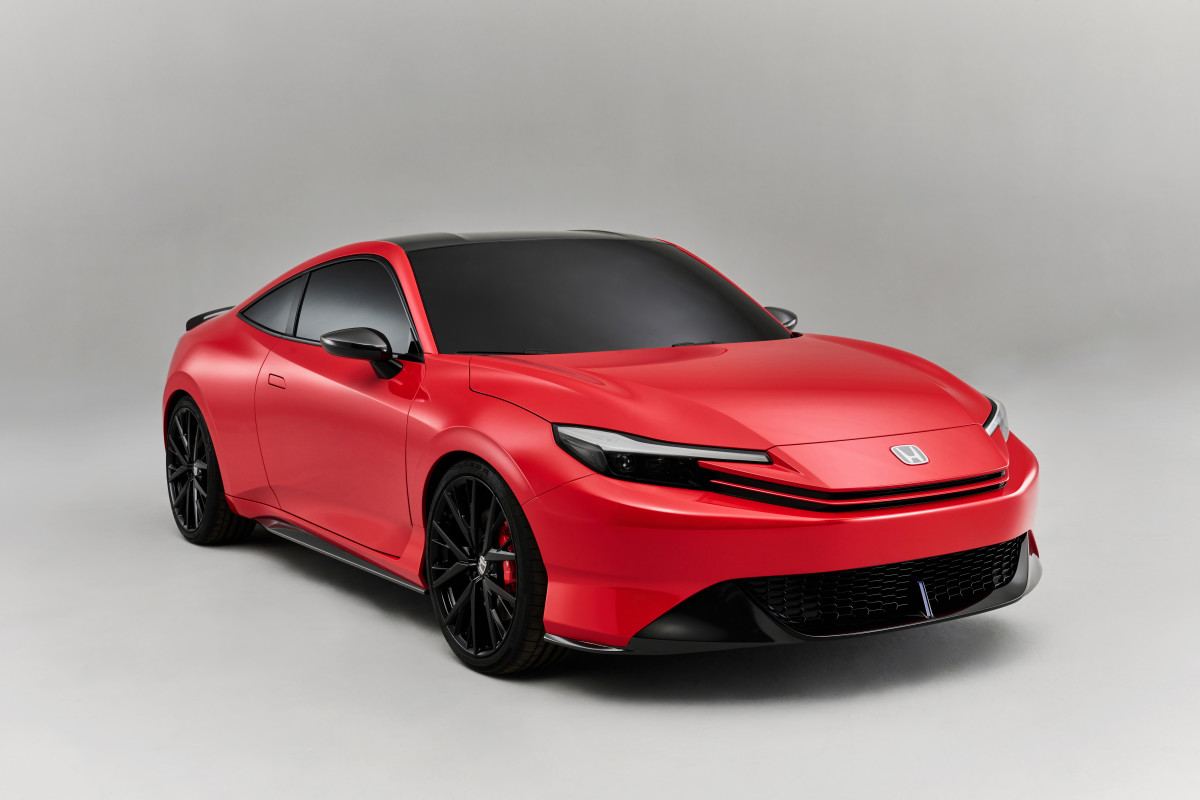
Honda Prelude Concept

Honda

While it’s not a high-performance sports car on paper, the Prelude’s hybrid system should deliver smooth acceleration and strong efficiency. Enthusiasts might hope for a power boost to better match the coupe’s sporty aspirations, but Honda has yet to confirm specifics.

Final thoughts

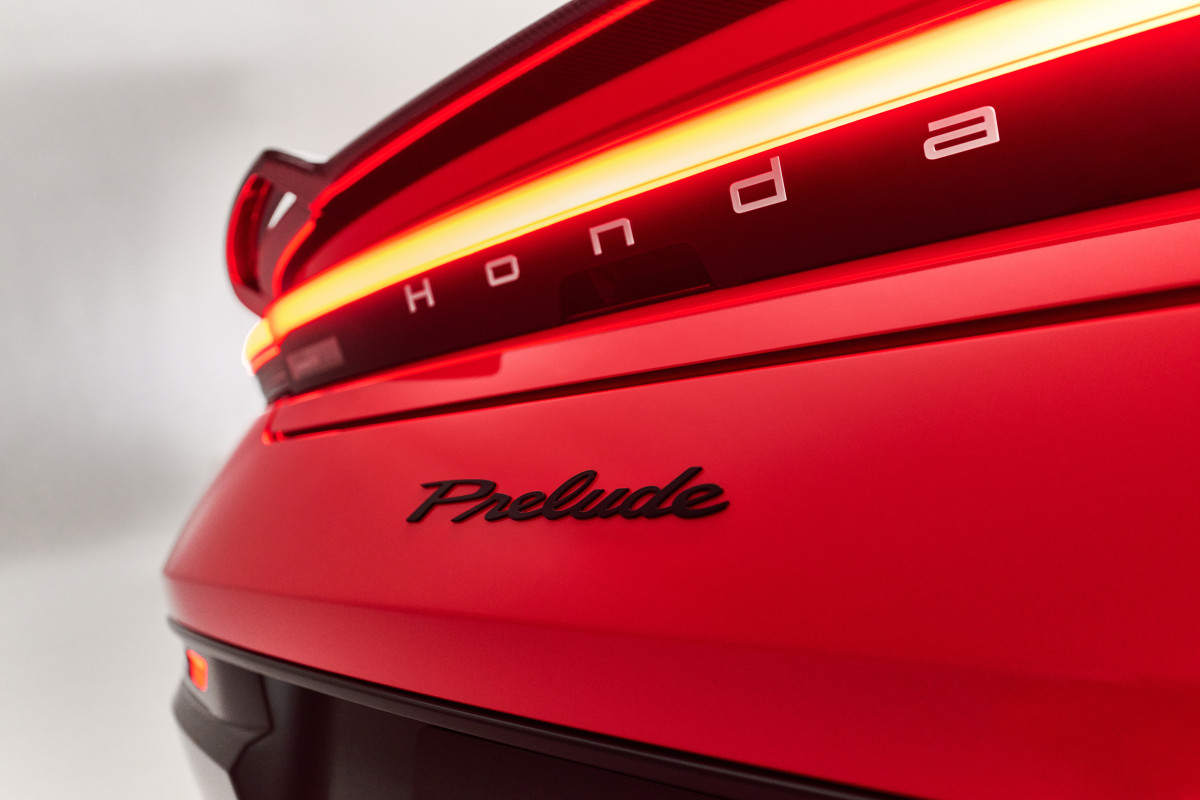
Even without a manual gearbox, the Prelude’s return as a two-door hybrid coupe is a significant moment for enthusiasts. Affordable coupes have become increasingly rare, and the Prelude offers a slice of nostalgia with modern technology. We’re fans of the styling too, even if the rear end looked like a Porsche Taycan at first glance.

Set to hit U.S. dealerships in late 2025 and Europe in early 2026, the Prelude’s production model will be closely watched. With its hybrid powertrain, simulated shifts, and striking design, the new Prelude aims to capture the spirit of its predecessors while appealing to today’s market. Honda purists might wish for a Civic Type R drivetrain, but for now, the Prelude’s revival is a reason to celebrate.

Related: Will the next-gen 2025 Dodge Charger EV be a hit or miss?

  • Digg
  • Del.icio.us
  • StumbleUpon
  • Reddit
  • RSS
Post Icon

Will the next-gen 2025 Dodge Charger EV be a hit or miss?


via Will the next-gen 2025 Dodge Charger EV be a hit or miss?

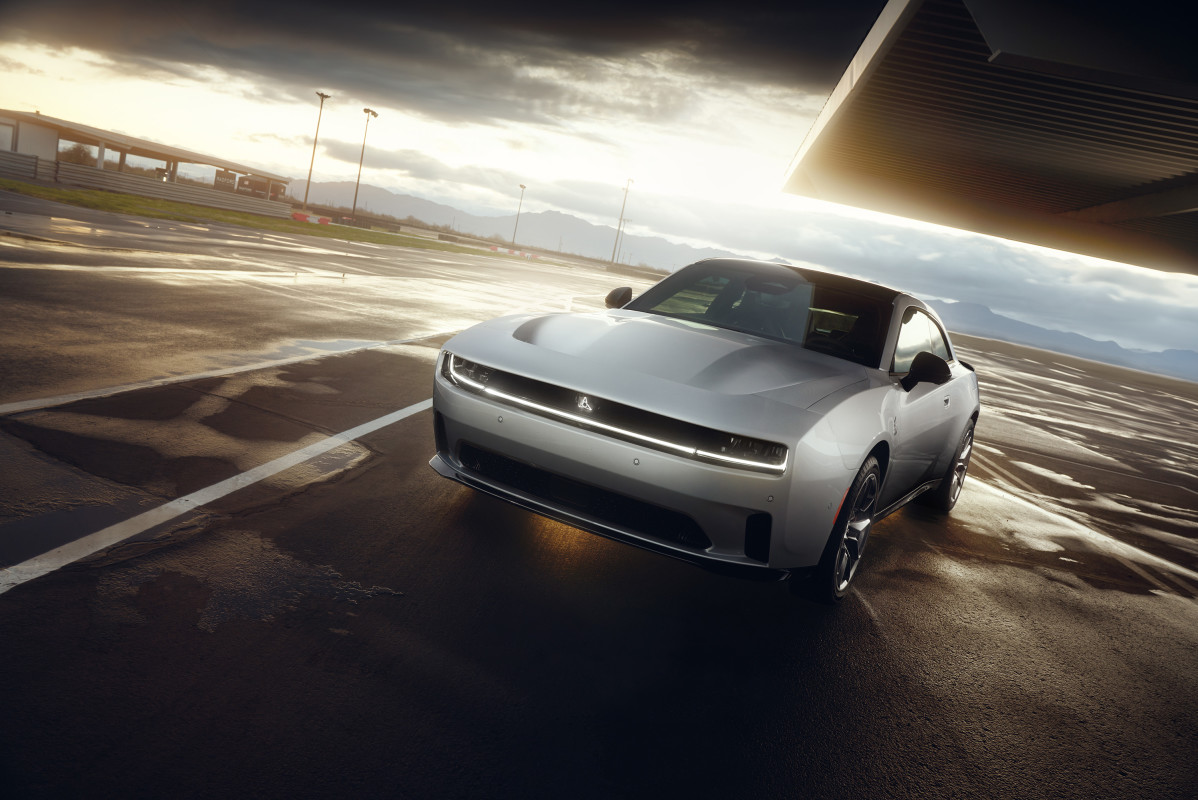
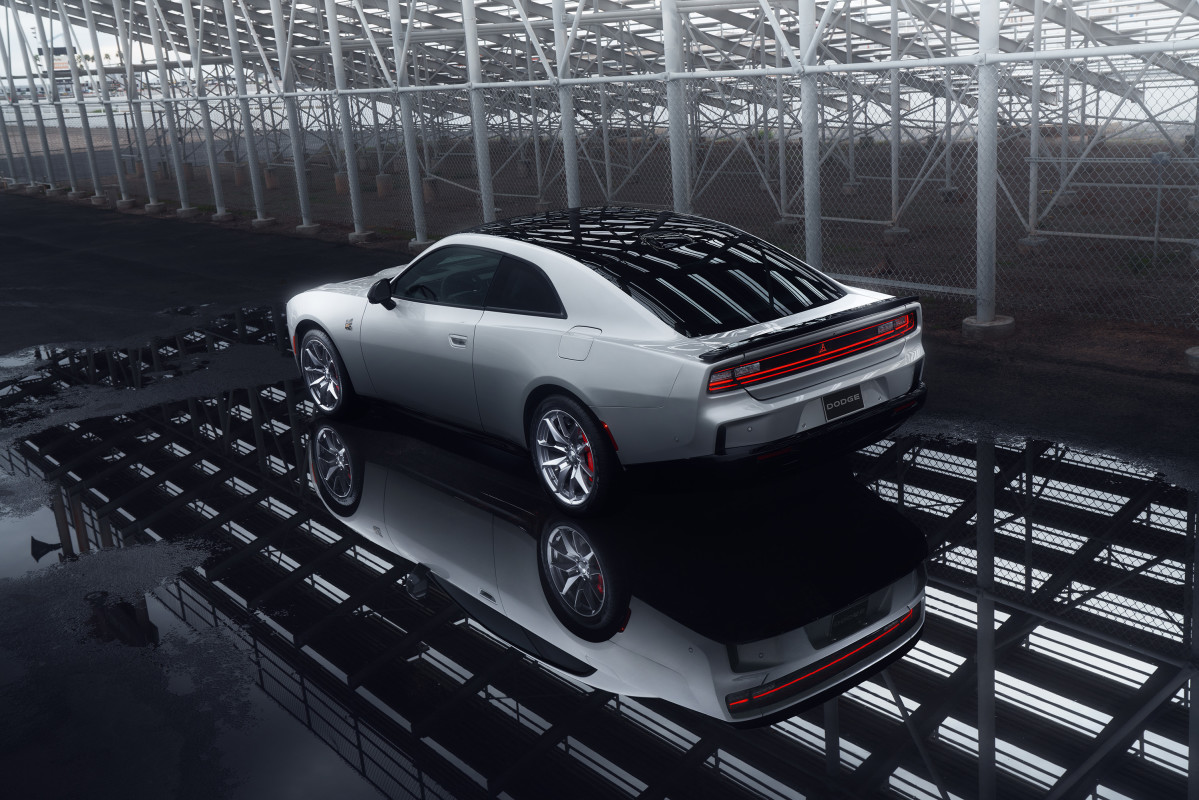
Dodge’s decision to dump the Charger and Challenger models from its lineup is one of the more controversial automotive moves of recent years. Adding charge, rather than fuel, to the fire is its replacement: the Challenger Daytona EV. So given all of the controversy surrounding its unveiling, can the electric Charger ever be a success?

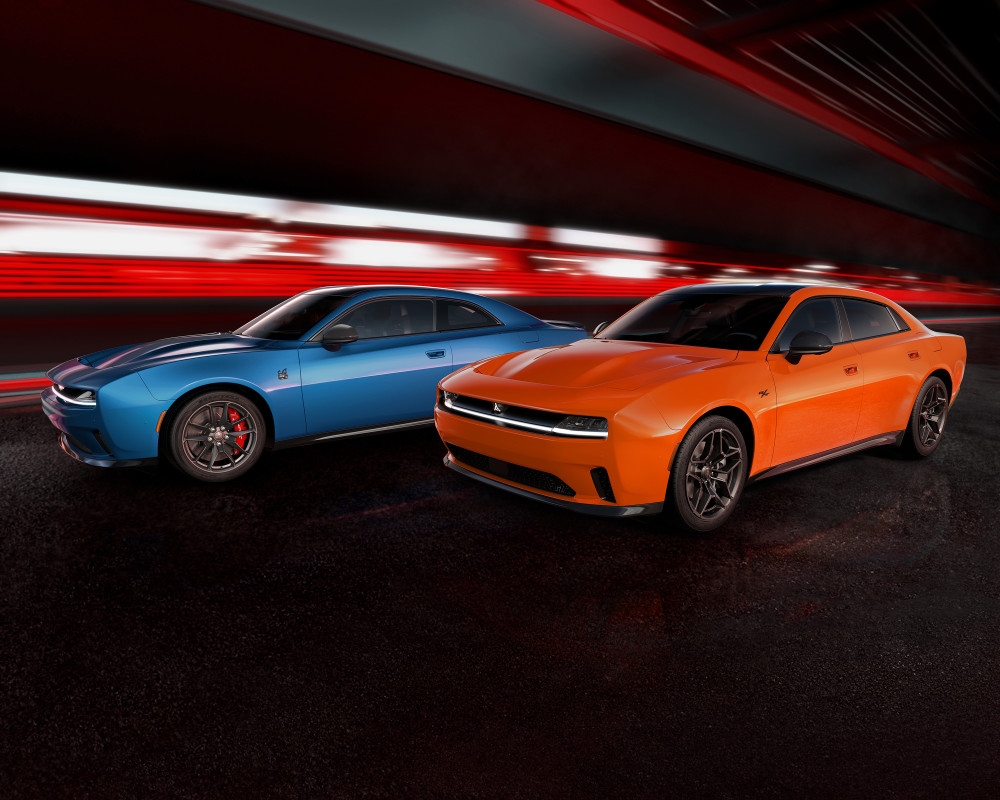
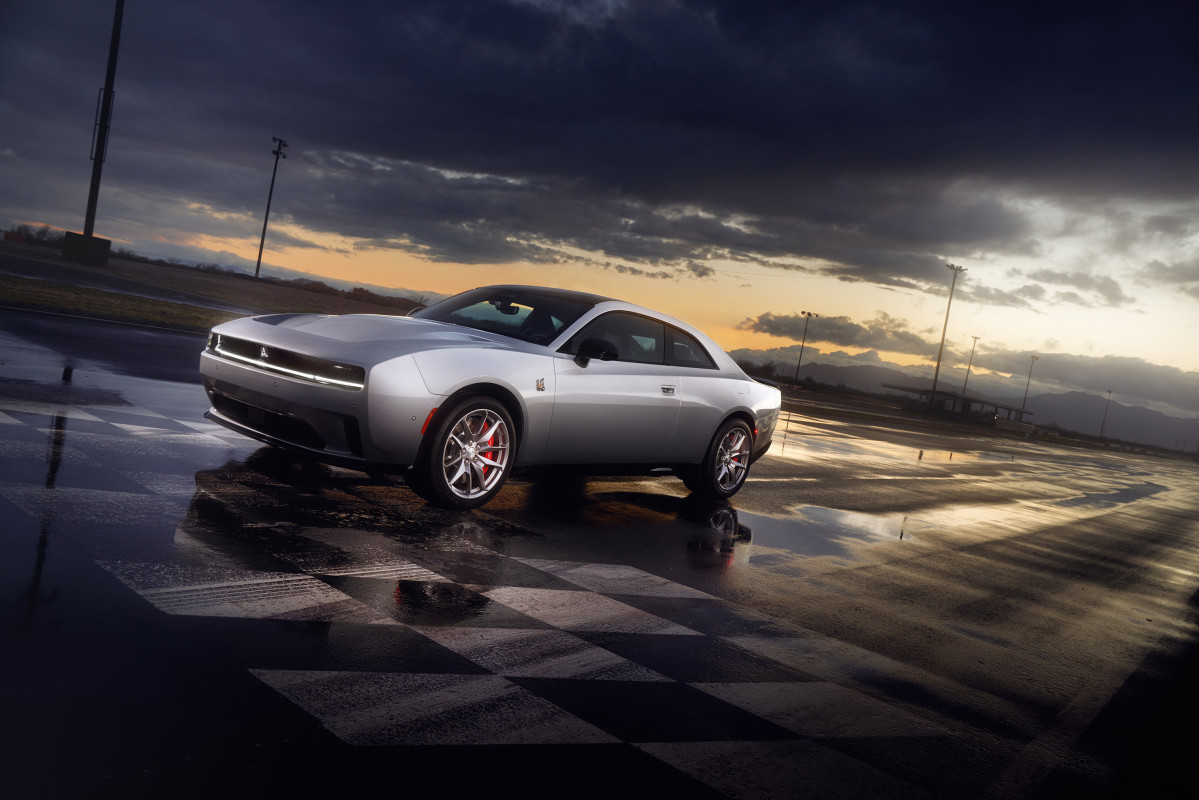
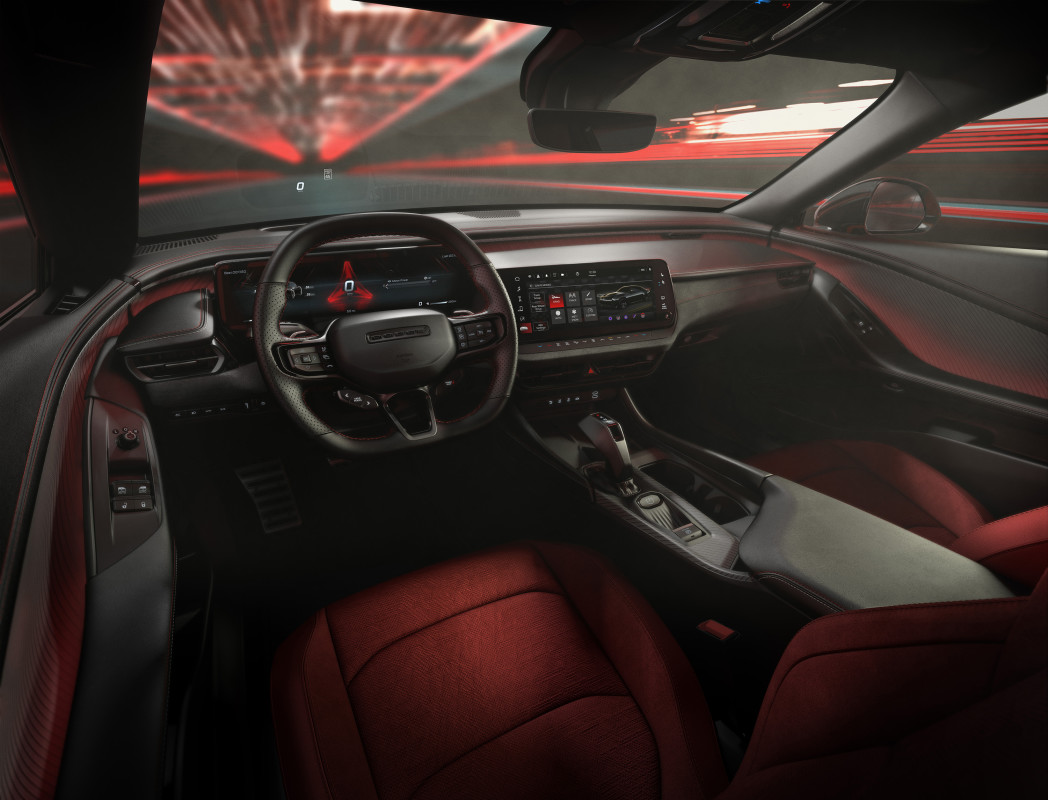
The Charger Daytona EV is initially set to come in two flavors, a standard R/T model and a more powerful “Scat Pack” variant. In terms of looks, it’s pretty great on the inside and out. The outside looks like someone crossed the Charger with the Challenger and then updated it. The interior has an aggressive modern vibe to it too. Think “Knight Rider” meets “Blade Runner” meets “Vanishing Point.”

Related: EV battery prices are plunging

But looks aren’t everything. Based on what we know about the Charger EV so far, the state of the EV market, and how similar moves have gone down, can we already call the Charger EV a success? Or is it doomed from the start?

Dodge

View the 11 images of this gallery on the original article

One standout feature of the Daytona concept wasn’t too well received

When the Daytona concept made its debut back in 2022, there was a fair bit of controversy surrounding the vehicle, with the “Fratzonic” exhaust proving to be one of the more controversial aspects. The Fratzonic is an electronic system designed to replicate the exhaust sound of an ICE Charger.

Since the initial unveiling, the Fratzonic system has had a lot of tuning and sounds a lot closer to the real thing. However, its artificiality may still put people off. The concept isn’t unique to Dodge as several companies have tried replicating engine sounds and feelings in their electric models. This includes Maserati, which strategically placed speakers around some models to replicate engine and exhaust sounds naturally, and Hyundai which replicates gear shifting on some of its EV models.

Related: Can Tesla’s NACS chargers save Volvo’s stalled EV sales?

Similar electrification attempts have failed, while others seem to work

Muscle car fans are, for the most part, very particular people. They like tinkering, they like getting oil on their overalls, they like the smell of gas, and they like the sound of an actual V8. These hypothetical muscle car fans have this in common with Harley Davidson enthusiasts and pickup truck owners.

Harley’s attempt at an electric bike, dubbed “Livewire,” is a bit of a flop. It failed badly enough to be spun off into its own company in an attempt to put some distance between electric two-wheelers and traditional hogs.

2024 Dodge Charger Daytona EV Interior

Dodge

Electric pickups, on the other hand, seem to be doing okay. The Ford F-150 Lightning launched to so much hype and acclaim that customers struggled to get their hands on one for well over a year post-launch.

Although it accounts for a fraction of Ford’s pickup sales and customers prefer gas, the F-150 Lightning’s numbers still look good. The Silverado EV also seems to be doing well, Dodge’s own effort is on the way, and the Tesla Cybertruck exists in its own dimension. So time will tell if the electric muscle car is received in the same manner.

The Charger EV should have one big advantage

When it comes to performance, EVs have a bit of an advantage over many vehicles. The instantly available torque makes acceleration lightning quick. This may not be the case with the Charger EV though, at least initially.

The standard Daytona R/T EV will go from 0-60 in 4.7 seconds and post a 1/4 mile time of 13.1 seconds while the Daytona EV Scat Pack edition can push from 0-60 mph in 3.3 seconds and cover a 1/4 mile in 11.5 seconds.

2025 Dodge Charger EV

Dodge

Despite using a combustion engine, the 2023 Dodge Challenger SRT Demon 170 would absolutely maul the Challenger EV on a drag strip, but that’s an extreme, rare, and expensive example.

If you want something more realistic, look at the Hyundai Ioniq 5 N, which will have the Charger Daytona R/T and Scat Pack on toast. Even the Kia EV6 GT will beat both models to 60 mph. That’s not looking at the likes of Tesla and Lucid either, which are so far ahead in performance terms that they should be in a different category.

It’s only fair to mention that Dodge almost certainly has more variants in the pipeline, and we will see a more powerful Charger EV soon after the initial two. First impressions are everything though, and the damage may be done by then.

Related: Reviving these three models might save Nissan from bankruptcy

The electric Dodge Charger may not please EV fans either

In an attempt to appeal to current muscle car aficionados, Dodge has decided to go for performance rather than efficiency with the Charger EV. This essentially means that the quick acceleration and respectable top speed come at the expense of things like range.

This may turn EV fans off somewhat. Often people switch to electric cars because of environmental reasons, so getting the most per KW/h of charge definitely concerns them. Range anxiety is also a very real thing, and while a range of 317 miles on the standard Charger R/T, and 260 on the more powerful “Scat Pack” model is fairly average, some people may be annoyed that a potential hundred miles or more of practical travel distance was sacrificed for a quarter-mile time they’re never going to test out.

Related: The 6 best driver’s cars you can buy for $40,000 to $50,000

2025 Dodge Charger EV

Dodge

There’s going to be another ICE Charger anyway

Despite Dodge famously discontinuing both the ICE Charger and the ICE Challenger, we haven’t seen the last of the gasoline-powered muscle cars. A Charger with a combustion engine will be released shortly after the Charger EV makes its debut. But it won’t have the kind of engine many enthusiasts are used to.

Instead of the traditional V8, new ICE Chargers will be fitted with an inline-six engine. While a modern inline-six can produce enough horsepower to make things feel right, and the other engine sensations are still there, the lack of a V8 might rub some traditionalists the wrong way. It will work to some extent, something that the number of four-cylinder Mustangs sold is a testament to, but the new options are unlikely to please everyone.

Final thoughts

I’ve often argued that manufacturers should stop seeing EVs as a straight swap for ICE vehicles and start seeing them as their own thing entirely. Yes, the performance is there, but it’s very different from the feeling you get from an old-school combustion-powered car. You’re also trying to sell the still-fledgling vehicle style to a demographic that may be set in its way.

2025 Dodge Charger EV

Dodge

The “Charger” has the most EV-ready name of any muscle car, but with electric hype dwindling, EV sales leveling out, a saturated market, companies making u-turns on electrification commitments, and a core audience that really just wants a throaty V8 under the hood - you have to have some doubts about the Dodge Charger EV’s chances of success. Mediocre performance adds another nail into the coffin and the fact it may also be offering the worst of both worlds to EV aficionados adds to the doubts.

I’ve been wrong before, and I’m prepared to be wrong again, but with the Charger Daytona EV’s launch getting closer things aren’t looking good at all.

Related: Lamborghini goes ice-drifting | Esperienza Neve conquers Mongolia’s frozen lakes

  • Digg
  • Del.icio.us
  • StumbleUpon
  • Reddit
  • RSS
Post Icon

Five new features in the 2025 Subaru WRX tS


via Five new features in the 2025 Subaru WRX tS

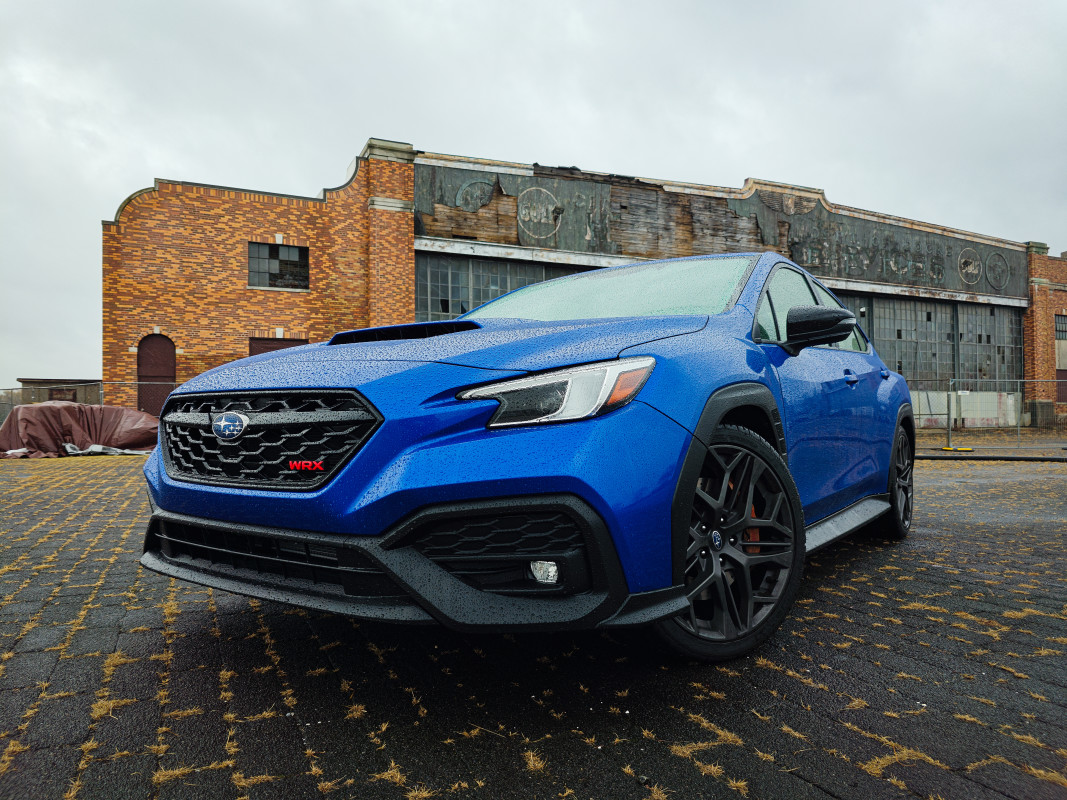
No, it’s not an STI, but it is the next best thing. Subaru’s newest top-tier WRX—the tS (which stands for tuned by STI)—brings some welcome additions to the WRX lineup for 2025.

This newest trim level of the WRX is part of a revised lineup that saw the base model WRX get nixed. Subaru has said that only a small percentage of WRX buyers opted for the base model, with most drivers happy to splurge on the higher spec options.

That’s a promising fact for the tS, which comes in as one of the model’s most expensive trims at $45,705—about $10,000 more than the (now entry-level) WRX Premium. That said, what do you get for the extra money?

Related: The 5 best driver’s cars you can buy for $30,000 to $40,000

STI-tuned suspension

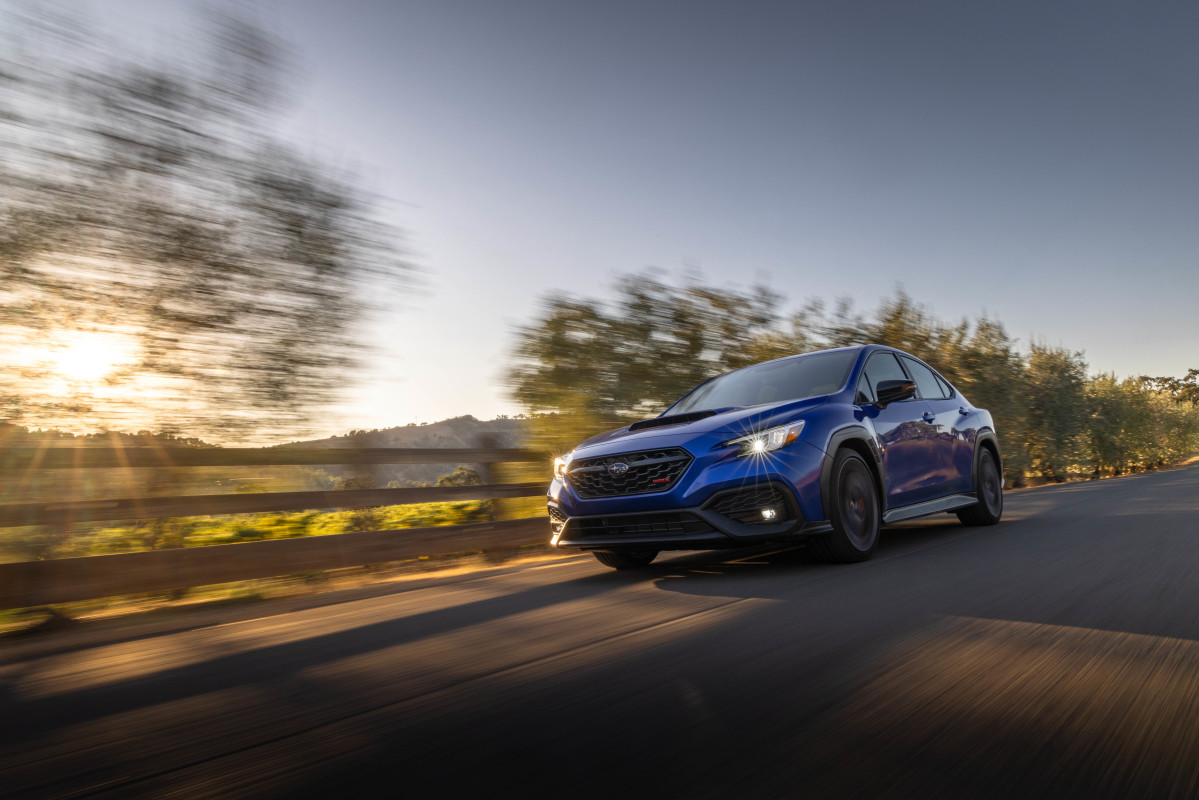
2025 Subaru WRX tS

Elijah Nicholson-Messmer

A standout feature is the STI-tuned adaptive dampers, specifically calibrated for U.S. roads, providing Comfort, Normal, and Sport settings. These dampers are tuned to be slightly stiffer than those found in the GT trim, delivering a claimed 30% reduction in body roll and a 55% decrease in pitch compared to the TR's passive dampers.

Customized driving modes

The WRX tS inherits the GT trim's Drive Mode Select system, offering five distinct profiles: Comfort, Normal, Sport, Sport+, and Individual. Drivers can further personalize their experience with three steering settings—Comfort, Normal, and Sport—and adjust the powertrain between Normal and Sport modes, with the latter enhancing throttle responsiveness.

Related: Should Miatas be converted to electric power?

A shiny new brake kit from Brembo

2025 Subaru WRX tS

Elijah Nicholson-Messmer

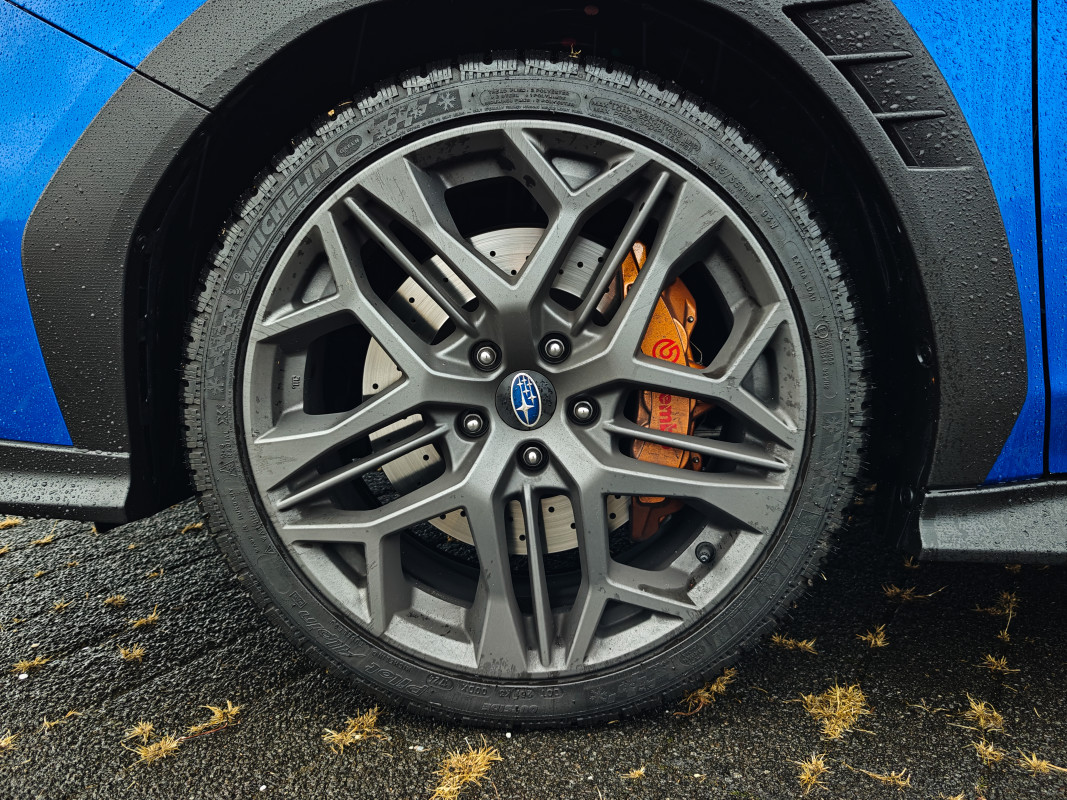
It’s safe to assume the target customer for the tS is someone who wants to go fast. But going fast also requires being able to stop fast. It makes sense then that one of the big upgrades offered with the tS is a beefier, high-performance Brembo braking system. The system includes six-piston front and two-piston rear calipers, larger pads and rotors, and, perhaps most importantly, Subaru’s signature gold paint color.

The gauge cluster has gone digital

2025 Subaru WRX tS

Elijah Nicholson-Messmer

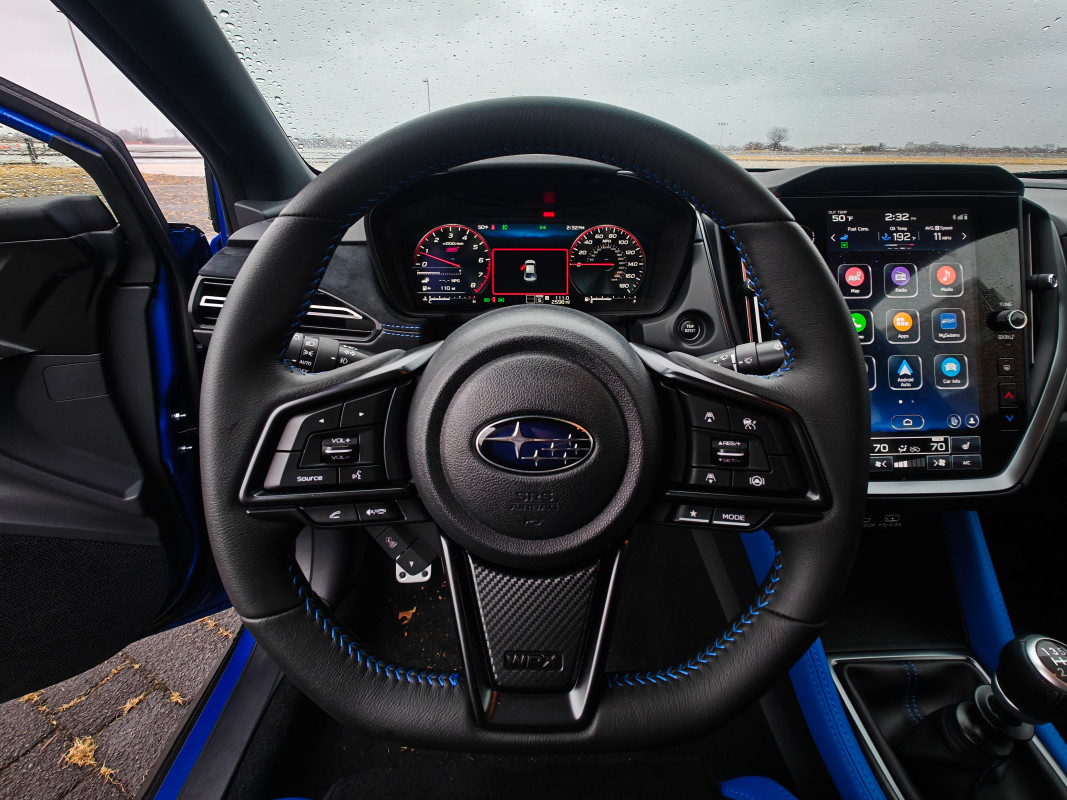
One of the first new interior additions you’re likely to notice in the new tS trim is its 12.3-inch digital gauge cluster. Along with displaying the standard tachometer and speedometer, the new digital cluster can be customized to show a slew of different information, including a boost gauge, active fuel economy, or navigation mapping.

Boy-racer Recaro bucket seats

2025 Subaru WRX tS

Elijah Nicholson-Messmer

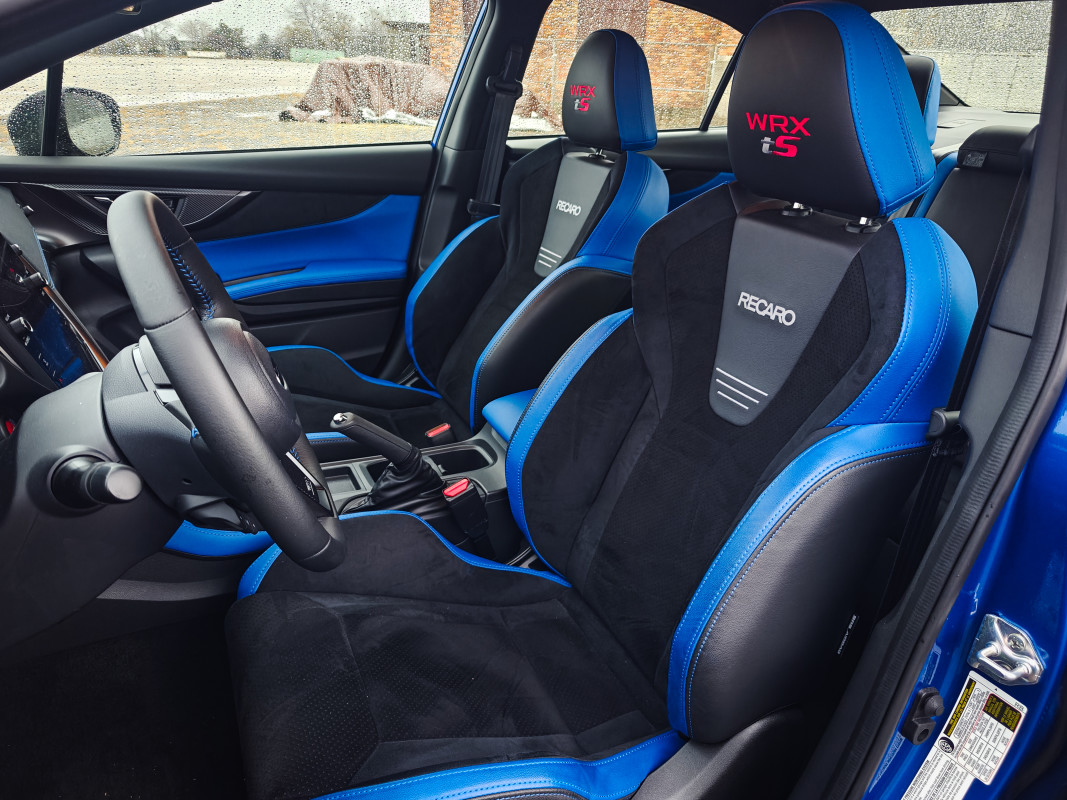
An essential part of any performance car is its seats and the WRX tS is no different. Inside the tS you get Recaro front bucket seats wrapped in black suede and completed with contrasting blue, leather accents and “WRX tS” embossed on the front headrests.

The blue leather accents are edging on an embarrassingly boy-racer-like aesthetic, but in a car that can often feel somewhat vanilla, we’re happy to have a slightly silly set of seats.

Related: The most—and least—reliable car brands on the road today

Final thoughts

While driving the WRX tS, it’s hard not to think about how much you wish it was an STI. But, while the new tS trim may fall short of delivering STI-level performance, it nevertheless offers a thoughtful collection of new features that help elevate the driving experience from the entry-level WRX. Whether or not you think the tS offers $10,000 worth of elevation to the WRX experience is up to you.

  • Digg
  • Del.icio.us
  • StumbleUpon
  • Reddit
  • RSS
Post Icon

Want a Hyundai? Amazon Autos can help!


via Want a Hyundai? Amazon Autos can help!

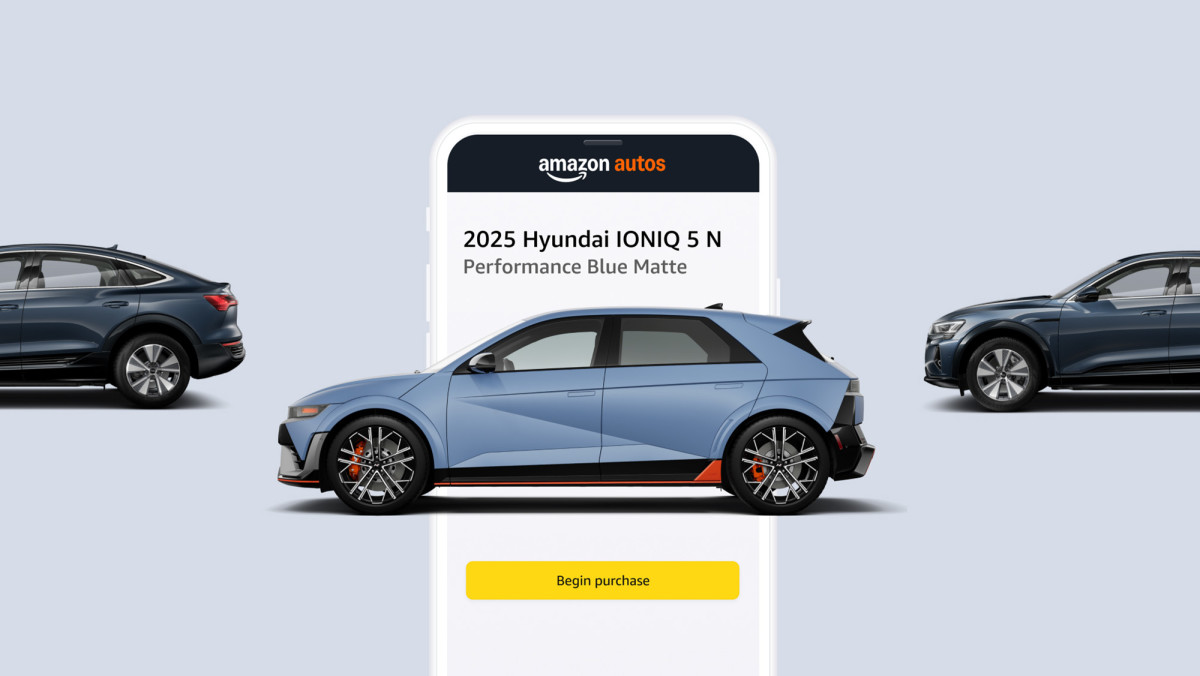
I guess it was only a matter of time. After Amazon Health and Amazon Pharmacy, Amazon is now dabbling in automotive sales with Amazon Autos.

There are two downsides to this new venture. For one, it's only available in 48 cities (scroll down for the full list) and only Hyundais are currently available. So if you live in San Francisco, want a Hyundai Elantra, and the thought of talking to anyone at a dealership fills you with dread, you're in luck!

Related: Aston Martin drops a supercar for the rest of us - kind of

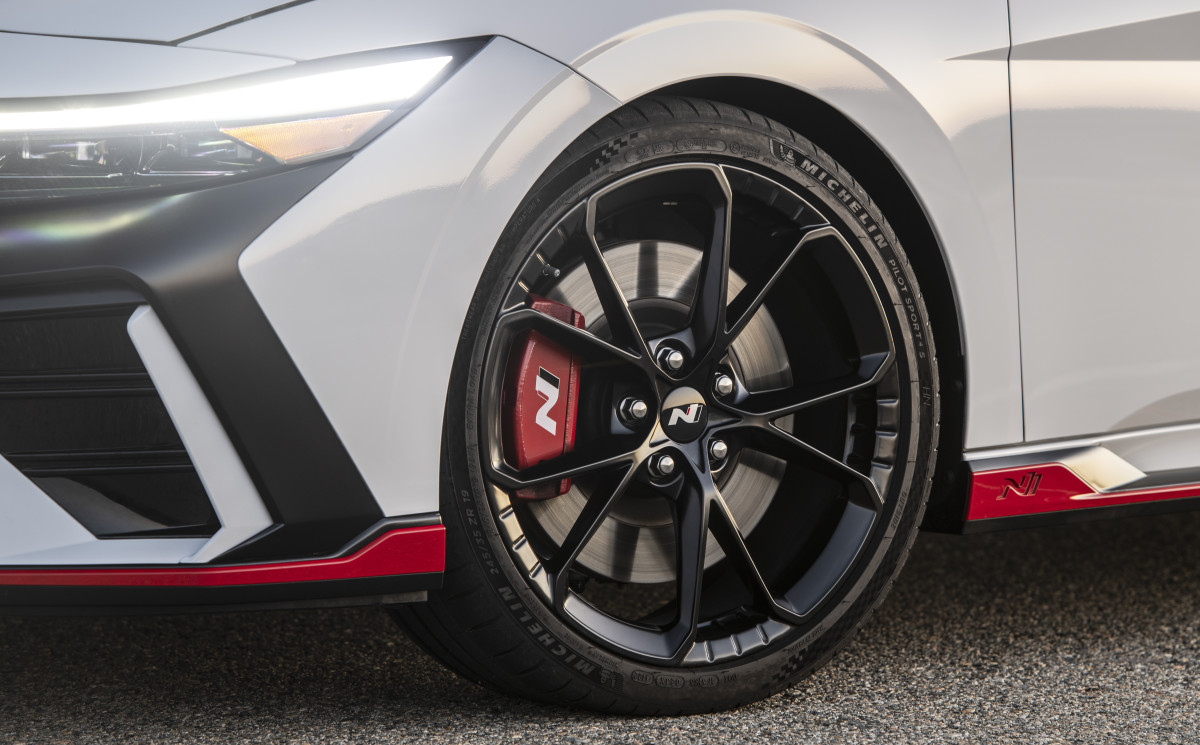
Hyundai Elantra N

Hyundai

The Amazon Autos process 

The way it works is pretty straightforward. You find a car you like at a local dealership through Amazon Autos and you press "Begin Purchase." From there you can choose between financing or paying in full, whether or not you have a trade-in vehicle, any rebates you're available for, and any extra warranties or service contracts you want.

Amazon Autos will then ask you for relevant ownership information and documents, you schedule a pickup at your local dealership, and three hours later you'll receive some contracts to sign before you head out to pick up your new car.

Amazon Autos Promo

Amazon

Amazon wants to add more manufacturers as they expand

The program is still in beta and Amazon seems to have every intention to make this a staple feature and expand into different brands.

"We're excited to have Hyundai as our exclusive launch partner and look forward to welcoming more brands and expanding our selection to customers as the program grows," said Fan Jin, global head of Amazon Autos. "It’s still early for us and we welcome customer and dealer feedback as we continue to add new functionality, expand to additional brands, and iterate on the customer experience."

While there is the benefit of not having to be upsold on warranties and options you don't need, there is also the downside of not being able to negotiate so you're stuck with the price the dealership sets.

Related: The most—and least—reliable car brands on the road today

Amazon Auto Sales Promo

Amazon

Final thoughts

Apart from the dystopian idea that Amazon will slowly have a foothold in every consumer industry, I think Amazon Autos is a great idea. I despise the idea of negotiating with dealership salespeople and having to sit through upsell presentations just say "no thank you," and be judged for not wanting an extra warranty.

Not only that but with Tesla and Rivian promoting a digital-first sales experience too, I feel like more young people like me who grew up with the internet will be more attracted to that avenue of purchasing a new car. 

I still think some kind of showroom should still exist to provide test drives and in-person viewing experiences of the cars but in terms of ordering, we're headed in the right direction.

Related: 2026 Cadillac Vistiq | Specs and price

  • Digg
  • Del.icio.us
  • StumbleUpon
  • Reddit
  • RSS
Post Icon

The most—and least—reliable car brands on the road today


via The most—and least—reliable car brands on the road today

If you're in the market for a new car, reliability matters. With the average new-car price topping $48,000, the last thing you want is a vehicle that spends more time in the shop than on the road.

Picking a brand with a strong track record is a good starting point, but even within high-ranking automakers, reliability can vary widely by model. Thankfully, Consumer Reports’s annual reliability survey provides data to show how reliable brands are in the real world. See which brands gained, and lost, ranking on this year’s list.

Related: Tesla’s NACS to become official US EV charging standard

Subaru takes the lead for reliability

Subaru has climbed to the top of Consumer Reports’s annual reliability rankings, unseating longtime leaders Lexus and Toyota. Seven Subaru models were included in this year’s survey, with the Forester and Impreza earning the highest marks for reliability. The Crosstrek, Legacy, Outback, and Ascent also scored above average.

2025 Subaru WRX tS

Subaru

Subaru's consistency stems from a shared platform and components across its lineup. According to Steven Elek, a data analyst at Consumer Reports, “This commonality means that when Subaru redesigns a vehicle, it can make fewer incremental changes by carrying over dependable systems. This reduces the risk of new problems.” However, not every Subaru hits the mark as its Solterra EV, co-developed with Toyota, scored below average, mirroring Toyota's bZ4X EV.

View the original article to see embedded media.

Despite slipping from the top spot, Lexus and Toyota remain formidable in the rankings. Lexus placed second, with four of its models earning above-average ratings. Toyota followed in third place, with 16 models in the survey, four of which ranked well above average.

Honda, Acura, and other contenders lagged behind

Honda and its luxury arm Acura round out the top five, showcasing the continued dominance of Asian automakers in reliability rankings. Honda’s CR-V and Accord stood out for their reliability, while Acura’s two surveyed models delivered solid performances.

Further down the rankings, Mazda, Audi, and BMW performed well enough to make the top 10, but brands like GMC, Cadillac, and Rivian languish at the bottom. For Rivian, the electric vehicle startup, reliability issues with its R1T truck and R1S SUV have plagued its reputation.

Related: Americans are keeping their cars longer—and repairing them less

How Consumer Report scores their reliability rankings

Consumer Reports bases its rankings on survey data from over 300,000 vehicles, spanning model years 2000 to 2024. The survey evaluates 20 potential trouble areas, from minor annoyances like squeaky brakes to major issues like transmission or EV battery failures. Each vehicle receives a predicted reliability score on a 1-100 scale, which is then averaged across a brand’s lineup to determine its overall ranking.

Electrified vehicles—hybrids, plug-in hybrids (PHEVs), and electric vehicles (EVs)—are increasingly represented in the survey. While hybrids have proven to be as reliable as traditional internal combustion engine (ICE) vehicles, PHEVs and EVs tend to have higher problem rates.

Related: Infiniti merging dealerships with Nissan as sales plummet

Hybrids outperform other electrified models

Hybrid vehicles continue to excel in reliability, bolstered by years of refinement and fewer moving parts than PHEVs. Models like the Toyota Corolla Hybrid, Lexus NX Hybrid, and Hyundai Elantra Hybrid led their respective categories. Even among three-row SUVs, the Kia Sorento Hybrid emerged as a standout performer.

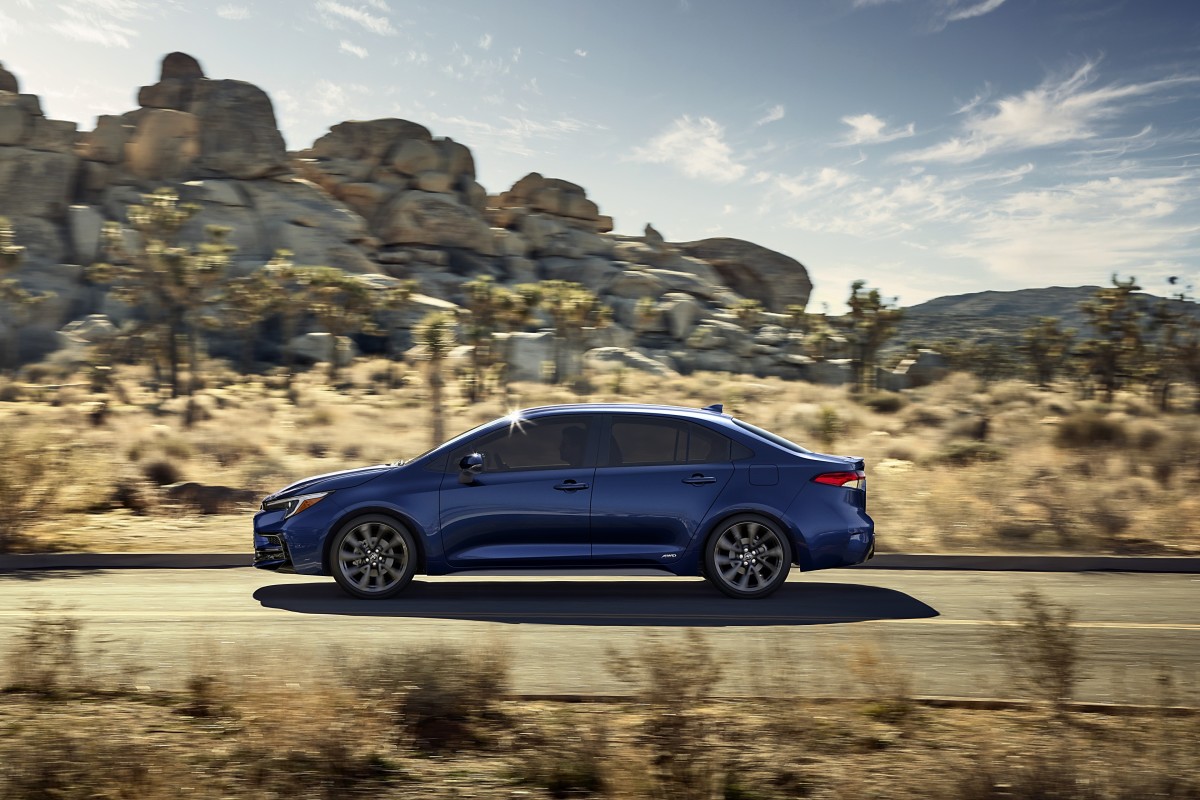
2025 Toyota Corolla Hybrid

Toyota

PHEVs, on the other hand, are more prone to reliability issues due to their dual powertrains. The Mazda CX-90 PHEV, for instance, scored poorly compared to its gas-only counterpart.

EVs have improved but still lag behind traditional vehicles in reliability. Models like the Ford F-150 Lightning and Rivian R1T continue to grapple with issues ranging from charging systems to in-car electronics. These challenges underline the risks of being an early adopter of new technology.

Related: Is the second-generation Tesla Roadster overoptimistic?

American brands struggle to keep up

Asian brands dominate the top of the rankings, with eight of the 10 most reliable brands hailing from Japan or South Korea. European brands follow, led by Audi and BMW, while U.S. automakers trail behind. Among domestic brands, Buick ranks highest at 11th place, but GMC and Cadillac drag the group down.

Reliability also varies by vehicle type. Cars, including sedans, hatchbacks, and wagons, remain the most reliable category, with an average score of 60 out of 100. Minivans follow closely, while SUVs and trucks lag behind.

Related: Ford Puma Gen-E arrives in Europe

Final thoughts

Choosing a reliable car brand is a smart first step in your car-buying journey, but it's crucial to research individual models as well. Even top brands have occasional misses, and newer technologies like EVs and PHEVs often come with growing pains.

For buyers looking to minimize headaches, hybrids remain a safe bet, offering reliability on par with traditional gas-powered vehicles without losing out on the gas savings of mixed-drivetrain vehicles. If you're drawn to the allure of an all-new model, consider waiting a year or two for automakers to iron out early production issues.

Ultimately, the key to long-term satisfaction is finding a vehicle that balances reliability, features, and performance. It’s also worth noting that Consumer Reports uses an index of reliability, which can include some more minor issues that you may not care much about. For that reason, it’s always worth not only researching how reliable a car you’re considering is but going the step further to learn exactly what common issues it has.

Related: Gas prices are plummeting: See how your state compares

  • Digg
  • Del.icio.us
  • StumbleUpon
  • Reddit
  • RSS
Post Icon

What's up with Alfa Romeo?


via What's up with Alfa Romeo?

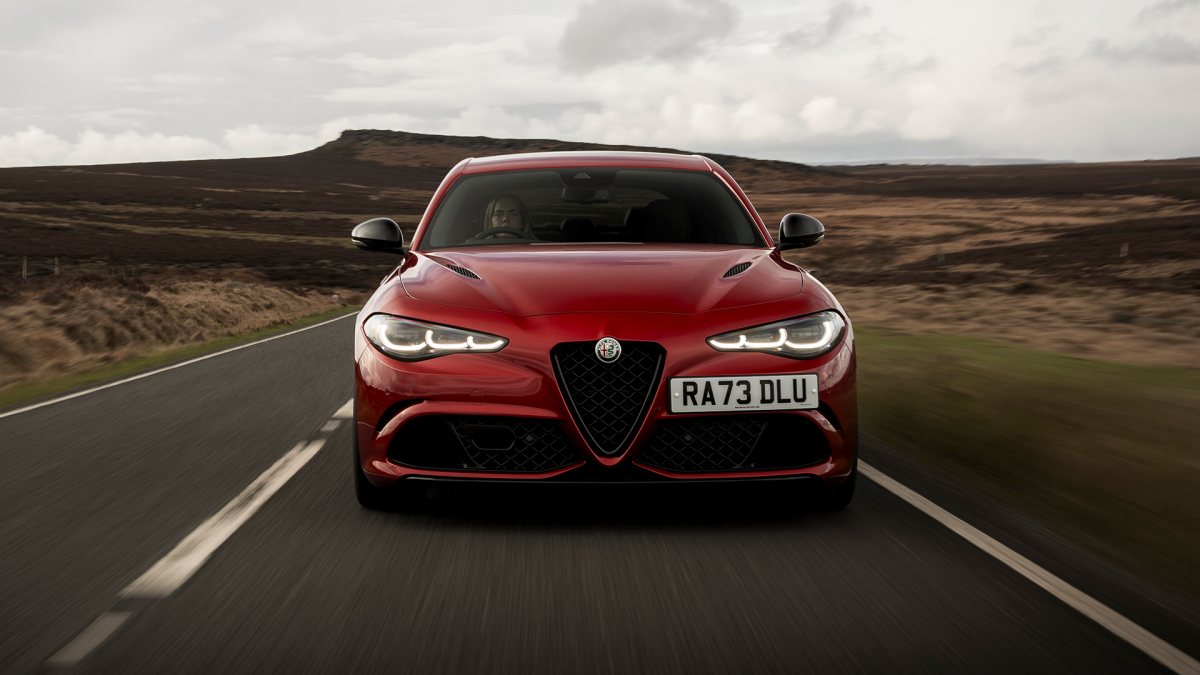
When you think Stellantis, odds are Chrysler, Dodge, Jeep, and Ram are the immediate automotive brands that come to mind, but they aren’t the only ones under the umbrella. Fiat and Alfa Romeo also fall under the Stellantis umbrella, but we haven’t heard much on the latter for a while. As it turns out, there’s a reason for that: Alfa Romeo isn’t doing so hot.

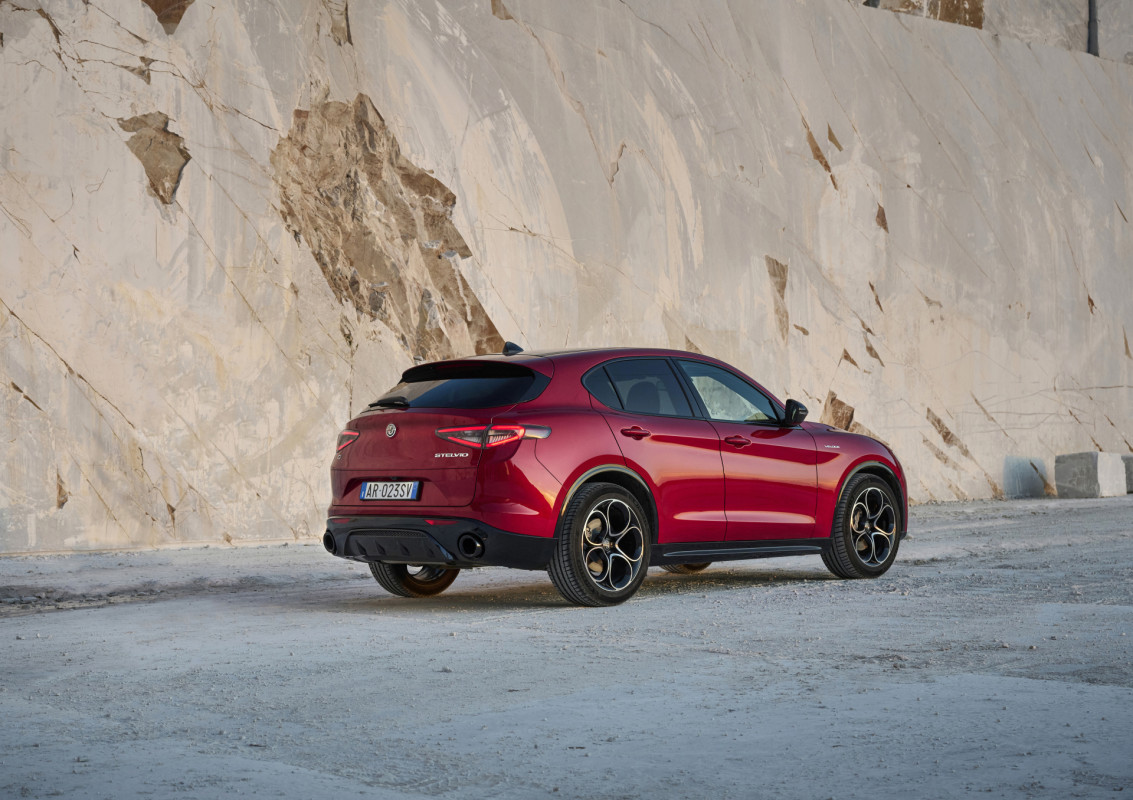
Alfa Romeo Stelvio

Alfa Romeo

Alfa Romeo sales are dwindling

As of 2022, Alfa Romeo had 135 dealerships throughout the United States, and while that isn’t a bad number by any means, their sales numbers tell a different story. As of July, Alfa Romeo sold 4,777 vehicles in the United States. That comes out to an average of around five to six Alfa Romeo vehicles per month for each dealership. Those numbers aren’t improving as the year goes on, either. Adding Q3 2024 into the mix brings Alfa Romeo’s total United States sales to 6,818 vehicles.

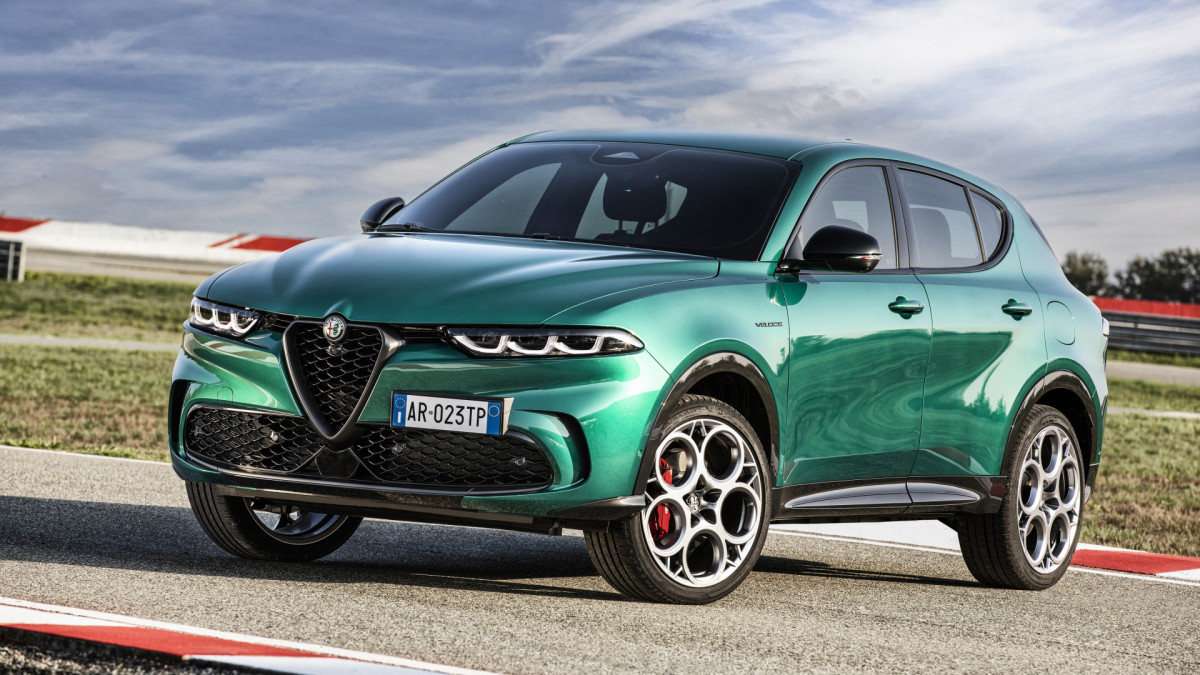
2024 Alfa Romeo Tonale on the track

Alfa Romeo

Originally, Alfa Romeo was targeting global sales figures in the 80,000 range for 2024. Unless that trend sees a dramatic reversal in the final few months of the year, the Italian brand will be lucky to hit 45,000 vehicles sold. Globally, Alfa Romeo sales amounted to 38,975 vehicles in the first three quarters of the year.

Related: Stellantis CEO Carlos Tavares resigns

Simplified ordering follows falling sales figures

Simplified ordering is never a good sign for any vehicle as it’s usually the step that comes before axing models from the lineup completely. Unfortunately, that’s exactly what’s happening over at Alfa Romeo. For 2025, the Tonale, Stelvio, and Giulia will come in just one unnamed trim level.

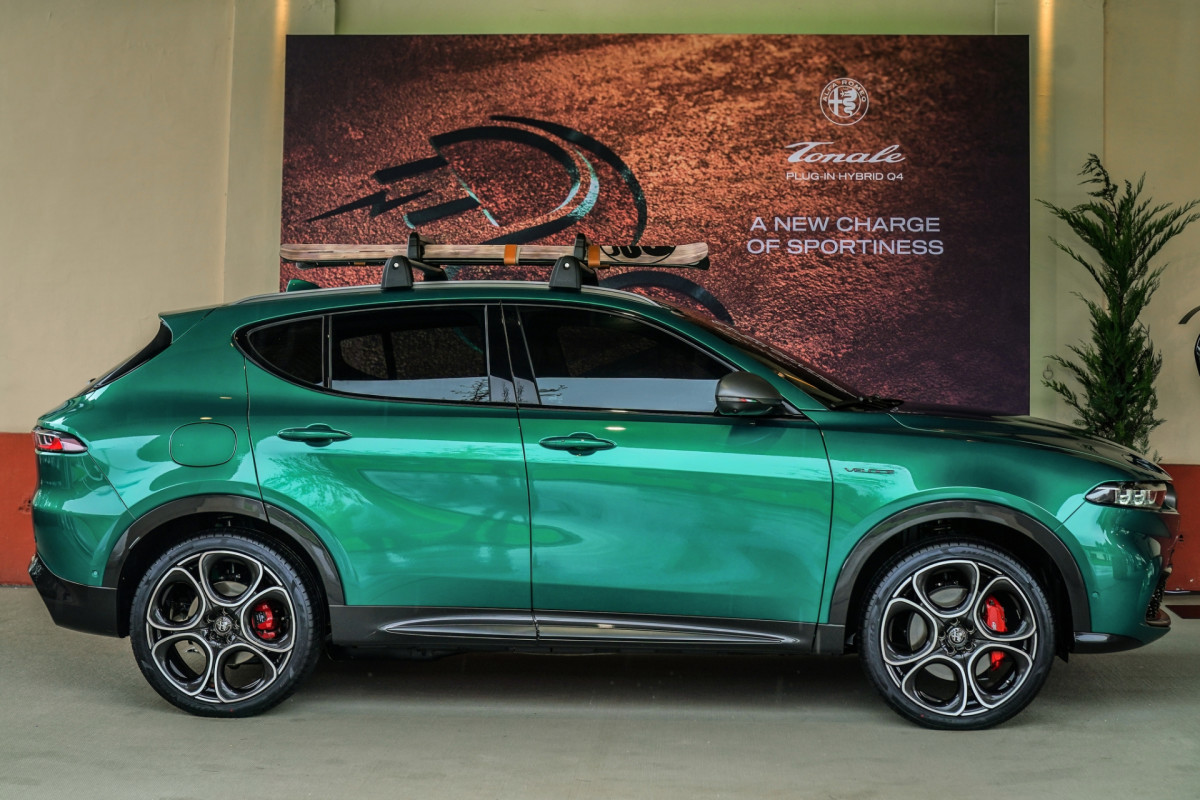
Alfa Romeo Tonale PHEV

Alfa Romeo

While you can still opt for a handful of packages, formerly standard features are now available at extra cost. For example, some tech features have been added to an available Assist package. Per a press release for each model, Stellantis claims the simplification is made to the benefit of buyers as the updated single-trim models offer more standard features than the outgoing base trims.

Stellantis has already said they don’t plan on cutting any brands just yet, but Alfa Romeo's future isn’t looking good. With an incoming new CEO and a rising need to cut costs, we may have to say goodbye to the Italian brand within the next few years.

Alfa Romeo plans to go all-in on EVs by 2027

Much like the other brands under its umbrella, Stellantis is planning to electrify the Alfa Romeo lineup. According to Reuters, Alfa Romeo confirmed it plans to have an EV range of cars available by the 2027 model year. Whether that’s the right play in the United States is up for debate.

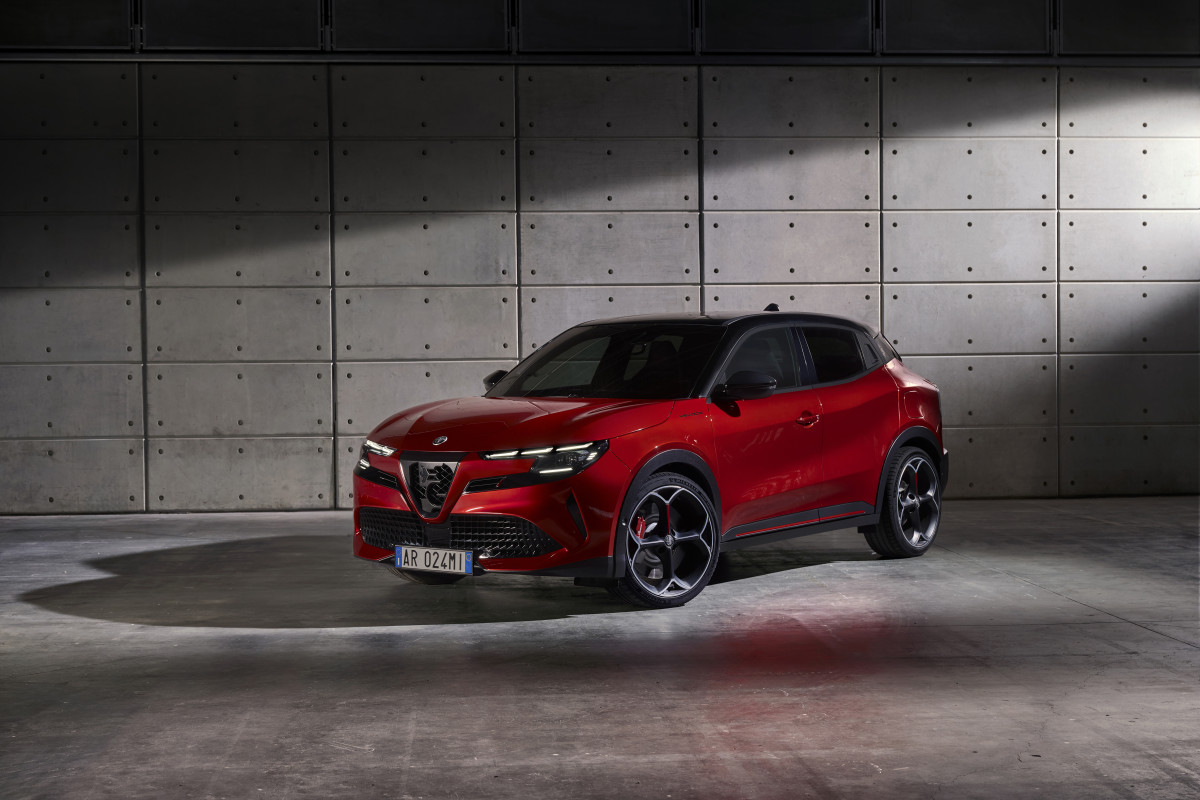
Alfa Romeo launched its first EV in Europe, originally dubbed the Milano, earlier this year. Due to political pressure, however, the name was changed to Junior. The Alfa Romeo Junior subcompact crossover is available in the European market with all-electric and hybrid powertrains. Unfortunately, it doesn’t look like we’ll be seeing the Junior hit American shores anytime soon.

Related: Alfa Romeo's 33 Stradale is the brand's heart stopping bespoke supercar

Alfa Romeo Junior

Alfa Romeo

In 2023, Alfa Romeo launched the Tonale PHEV crossover. According to the timeline Stellantis provided, an updated Stelvio should launch in the second half of 2025. The Giulia will follow sometime in 2026.

In Europe, EV sales are still on the rise, so there may be some appeal there despite Alfa Romeo’s falling sales in their home country of Italy. On the bright side, Alfa Romeo has a pretty small lineup and if their EVs ride on the STLA platform, it could be a cost-effective, potentially last-ditch effort for the Italian automaker.

Final thoughts

Alfa Romeo hasn’t seen much success since the Italian brand reentered the United States back in 2017. With sales falling dramatically over the past year, the brand’s future has to be in doubt, even if Stellantis won’t admit it.

While revered marques like Jeep and Ram are safe thanks to their more popular range of vehicles, Alfa Romeo doesn’t carry that kind of weight. While the brand could continue to exist in Europe despite falling sales there as well, we may see it leave the United States again in the near future.

Related: Alfa Romeo's future in the U.S. hangs by a thread

  • Digg
  • Del.icio.us
  • StumbleUpon
  • Reddit
  • RSS
Post Icon

Is the 2025 Chevy Traverse the best family SUV for under $45K?

via Is the 2025 Chevy Traverse the best family SUV for under $45K?

With a starting price of $40,600, the 2025 Chevy Traverse is a family-ready SUV with three-row seating and enough space for eight passengers. While Chevrolet may have nixed third-party smartphone connectivity software in its EVs, the Chevy Traverse keeps the good times rolling with a tech-friendly infotainment system.

That, along with plenty of interior space for the whole family, may make the 2025 Chevy Traverse the best family SUV for under $45,000.

2025 Chevrolet Traverse

Chevrolet

Chevy changes trim levels and price figures for the 2025 model

The 2025 Chevy Traverse comes with a handful of major changes over the previous model, and it’s a pretty mixed bag overall. For starters, last year’s base LS trim is gone, making the LT the new entry model, resulting in a $2,900 increase from the 2024 model. On the bright side, the High Country trim returns, and brings with it a handful of packages.

While the Trailering package comes standard on the LT trim, the LT and Z71 trims say sayonara to the Driver Confidence package. On top of that, Chevrolet has nixed the free three-year OnStar Remote Access perk.

Related: 2025 Mazda CX-70 review: it's what's inside that counts

The 2025 Chevrolet Traverse offers best-in-class cargo volume

While the 2025 Chevrolet Traverse has a fairly standard exterior design for a three-row family SUV, the interior is where it truly shines. Practicality is the name of the game with standard seating for up to seven passengers, including second-row captain’s chairs and a roomy third-row bench.

For those in need of more space, switching out the captain’s chairs for a second-row bench is available at no extra cost, bringing total seating to eight. Folding down both the second and third-row seats opens up a vast 98 cu ft. of cargo space, more than 10 cu ft. more than in the Ford Explorer and Kia Telluride.

2025 Chevrolet Traverse Interior

Chevrolet

Convenience-focused technology is standard on the Traverse

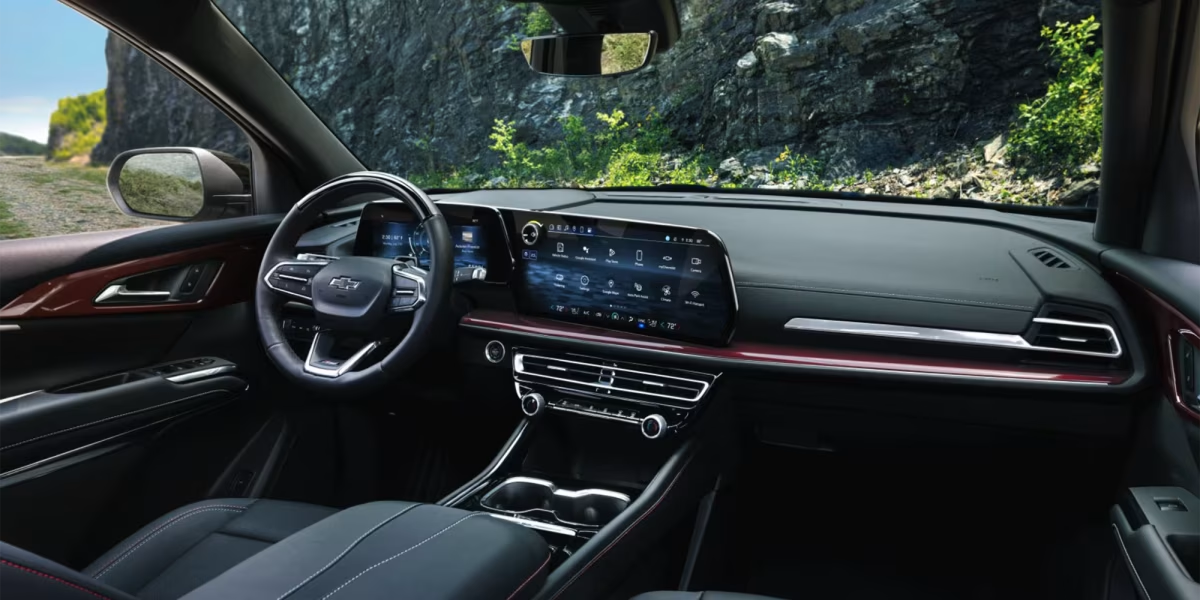
A 17.7-inch touchscreen display comes standard across the Traverse’s trim line, topping the Ford Explorer’s 13.2-inch and Jeep Grand Cherokee’s 8.4-inch displays. Falling in line with the rest of its segment, wireless Apple CarPlay, Android Auto, and wireless charging are included as well. 

While a hands-free power liftgate is available at an extra cost in most competitors, it comes standard in the 2025 Chevrolet Traverse. Most notably, the Ford Explorer lacks a comparable option altogether. Thanks to the now-standard Trailering package, the new Traverse also includes a hitch view on the camera system and can tow up to 5,000 lbs.

The new Chevy Traverse comes with over 300 horsepower from its four-cylinder

Much like its closest competitors, the 2025 Chevy Traverse comes powered by a turbocharged four-cylinder engine as the need for automakers to meet efficiency standards rises. Front-wheel drive comes standard on all trim levels except for the Z71, which includes standard all-wheel drive. Opting for AWD on any other Traverse trim will cost you an extra $2,000.

2025 Chevrolet Traverse Towing

Chevrolet

The Traverse’s 2.5-liter turbocharged four-cylinder engine is paired to an eight-speed automatic transmission and puts out328 horsepower and 326 lb-ft of torque. That output tops the 2025 Ford Explorer’s 300 horsepower and Toyota Highlander’s 265 horsepower with relative ease.

When it comes to efficiency, the family-sized Traverse’s turbo four and standard automatic stop/start tech mean improved efficiency over the outgoing 2024 model. When equipped with FWD, the 2025 Traverse is rated for an EPA-estimated 20 city and 27 highway mpg. With AWD, it sees efficiency drop to 19 city and 24 highway mpg.

Related: 2025 Toyota Land Cruiser 1958 buyer's guide: price, features, and off-road capabilities

The 2025 Chevy Traverse comes loaded with safety features

When you’re talking about family, safety as a topic is almost always a given. The 2025 Chevy Traverse has the right idea in both intention and execution, with plenty of modern safety systems listed as standard on the spec sheet. Some of the Chevy Traverse’s standard safety systems include forward collision alert, rear cross-traffic braking, rear park assist, reverse automatic braking, and lane keep assist with lane departure warning

2025 Chevrolet Traverse side blind zone alert warns drivers of cyclists

Chevrolet

As you move up trim levels though, the Chevrolet Traverse quickly surpasses our $45,000 budget. The Z71 offers the same safety systems as the base model with new safety features added only in the High Country trim, which comes in at just shy of $53,600. The top-spec Traverse RS trim, starting at $55,400, offers an identical suite of safety systems as the High Country.

If you really want hands-free driving, you can get GM’s Super Cruise for an additional $3,935 on the LT and Z71 trims. It comes standard on the High Country and RS models. Note that you will still need to pay close attention to the road while Super Cruise is active, and it may not work on all roadways.

Final thoughts

The 2025 Chevy Traverse offers quite a few useful features for its sub-$45,000 price tag. While the three-row family SUV might have some cheap plastic, it’s still a solid choice for families on a budget. Thankfully, Chevrolet hasn’t chosen to cut third-party smartphone connectivity software, like Apple CarPlay, from the 2025 Traverse. Hopefully, they stay the course in that respect.

2025 Chevrolet Traverse 

Chevrolet

The hands-free power liftgate, dubbed AutoSense Power Liftgate by Chevy, is one standard feature in particular that stands out to me as a parent. Toyota’s lack of a standard hands-free liftgate has always irked me, especially since ordering through a dealer is a hassle. While I personally don’t need seating for seven (unless we’re counting dogs), if I did, the 2025 Chevrolet Traverse would definitely be on my drive-before-I-buy list.

Related: The first Lamborghini Countach was made 50 years ago

  • Digg
  • Del.icio.us
  • StumbleUpon
  • Reddit
  • RSS