Search This Blog

Powered by Blogger.

This Tiny Mitsubishi Van Has More Adventure Spirit Than Most SUVs

via This Tiny Mitsubishi Van Has More Adventure Spirit Than Most SUVs A Tiny Van With Big Presence Kei cars aren't making headlines in...

RSS
Post Icon

This Tiny Mitsubishi Van Has More Adventure Spirit Than Most SUVs


via This Tiny Mitsubishi Van Has More Adventure Spirit Than Most SUVs

A Tiny Van With Big Presence

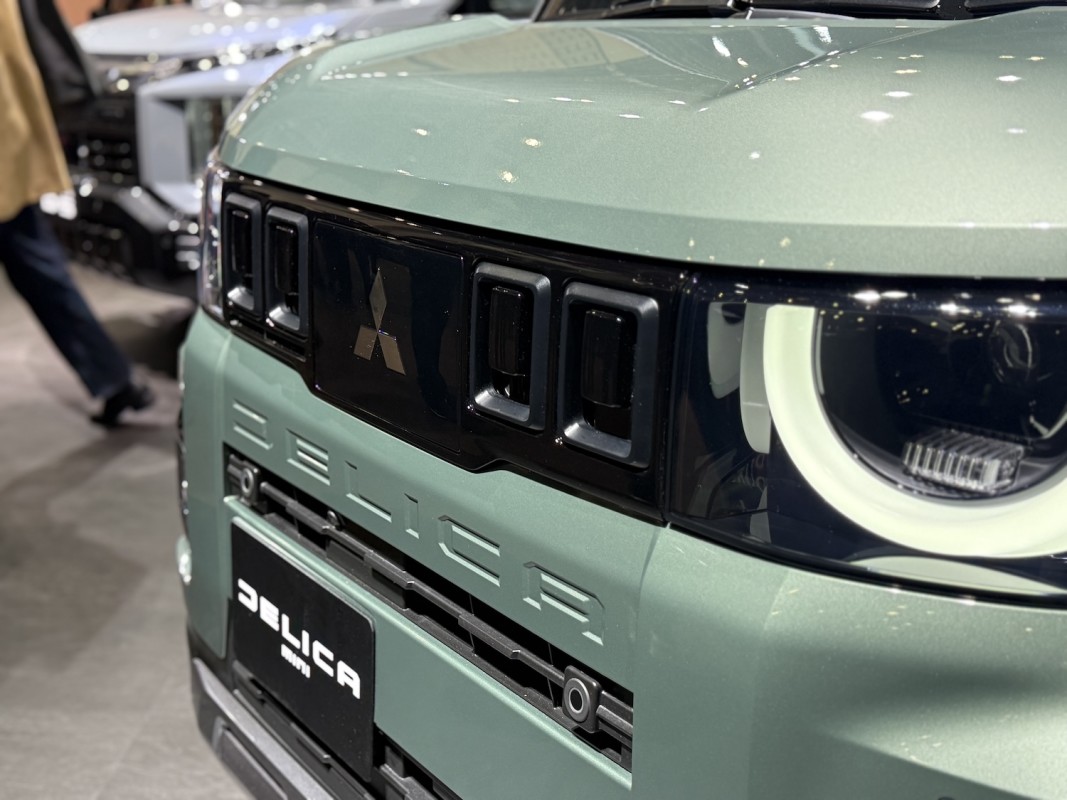
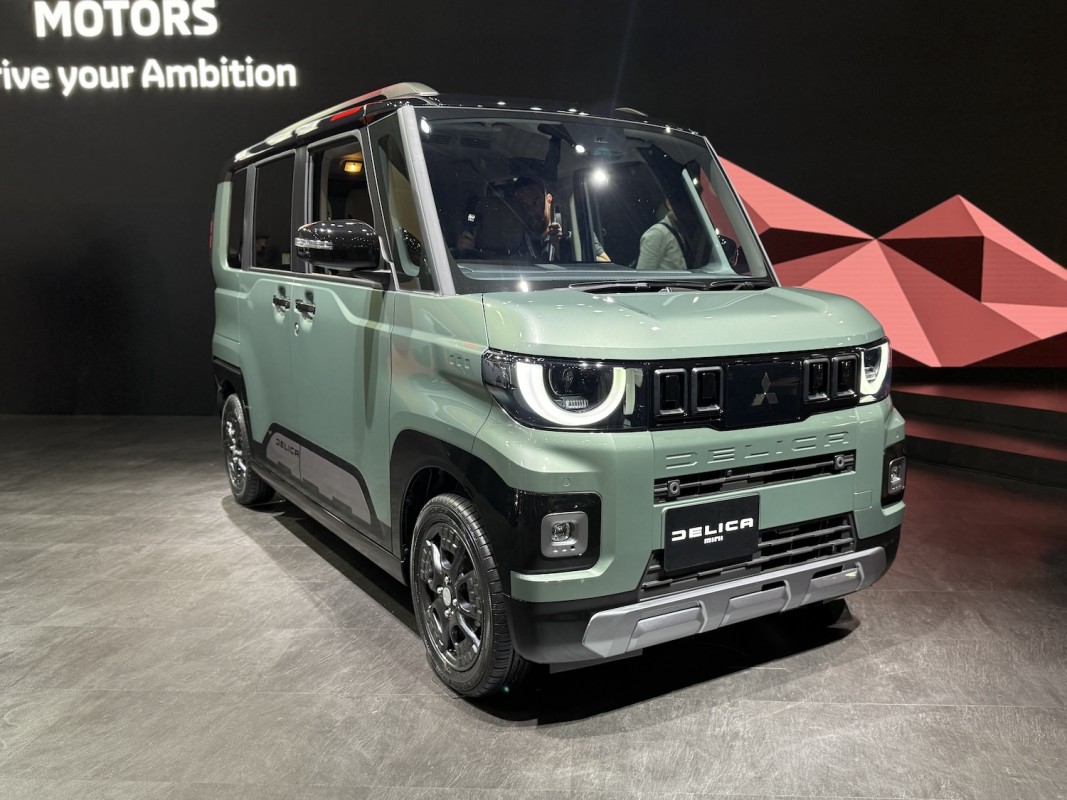
Kei cars aren't making headlines in the US, and there's a good reason for that: they're not legal on the road in most states. But if the world flipped over and suddenly we found ourselves eligible to buy or at least import one stateside, I'd choose this – the Mitsubishi Delica Mini. Its award-winning restyled version made its debut at the 2025 Japan Mobility Show alongside the Elavance Concept, and it's one of those little vans that feels much larger than its size suggests.

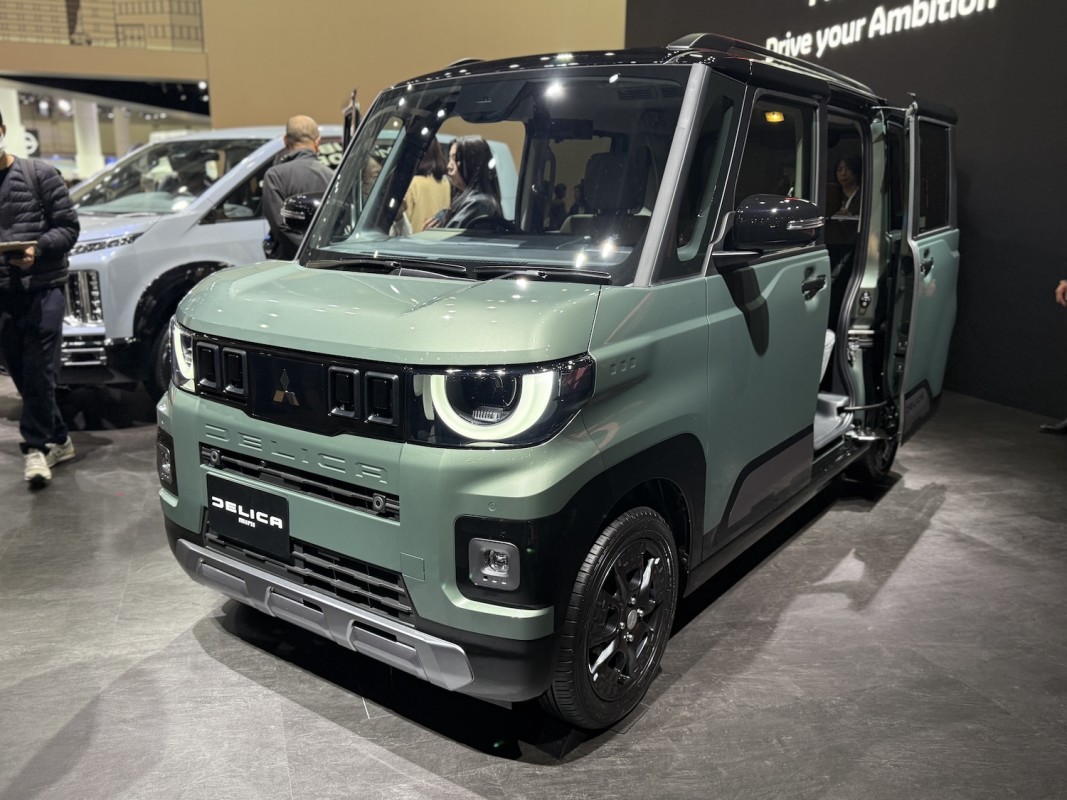
At a glance, it looks like a miniaturized adventure van – squat, square, and proud of it. It's the kind of design that doesn't try too hard to be cute, yet somehow ends up being endearing. The chunky bumpers, upright stance, and color combinations give it a playful, outdoorsy character that sets it apart from the urban Kei crowd.

Mitsubishi calls the Delica Mini an "active and reliable partner," and it lives up to that promise by feeling more like a lifestyle tool than just another compact city car.
Jacob Oliva/Autoblog

Small Package, Big Personality

The new Delica Mini is part of Mitsubishi's full model change for its super-height kei wagons, launched alongside the eK Space. But while the latter leans toward comfort and practicality, the Delica Mini taps into the brand's off-road DNA. It borrows the adventurous spirit of its bigger sibling, the Delica D:5 – the go-anywhere minivan that's practically an icon in Japan. That kinship gives the Mini a tougher image than most kei cars, and it's more than looks.

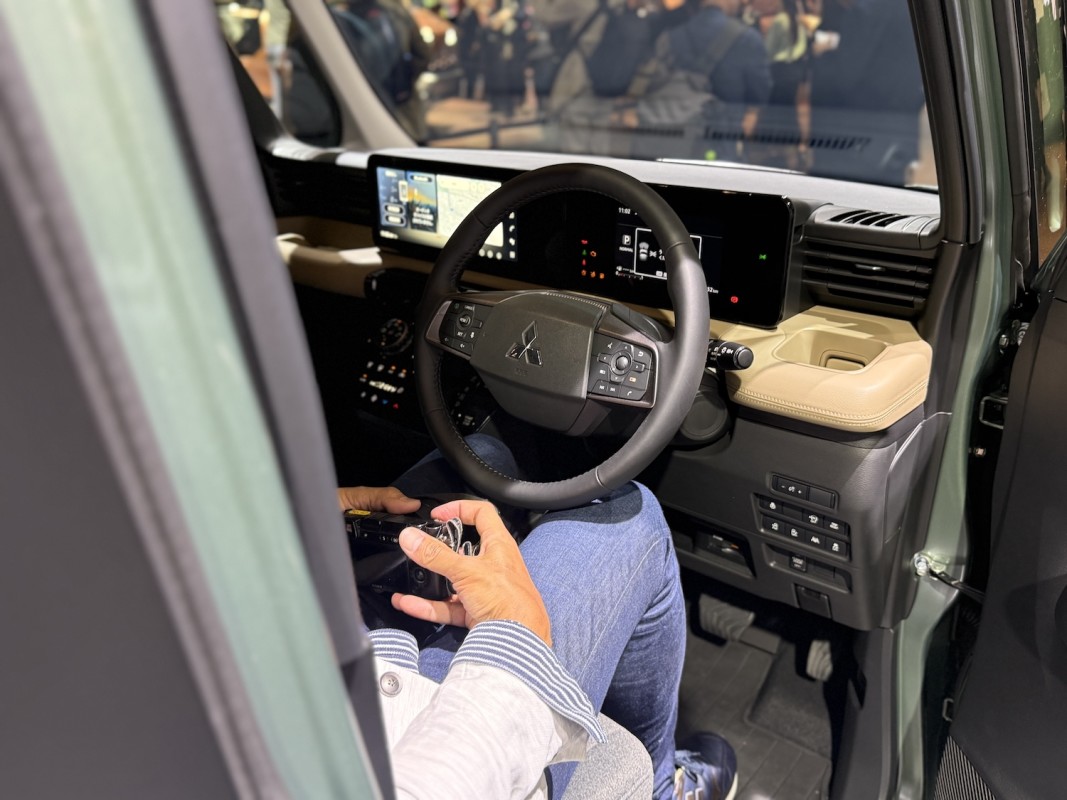
Buyers seem to agree. Even before its official launch on October 29, the Delica Mini had collected over 10,000 preorders, more than double Mitsubishi's monthly target. Over half of those are 4WD models, which says a lot about who's buying them – people who plan to use them beyond the city. The most popular trim, the feature-rich Delimaru Package, accounts for nearly 70 percent of orders. And with its high-quality interior, Google-integrated infotainment, and raised stance, it's easy to see why.
Jacob Oliva/Autoblog

View the 3 images of this gallery on the original article

Beyond Pavement, Beyond Expectations

The Delica Mini isn't just pretending to be tough. It's already proven itself as a support vehicle at the Asia Cross Country Rally (AXCR), showing it can handle more than mall parking lots. That's an unusual flex for a Kei car, but it fits Mitsubishi's pitch of building "an evolved, active, and dependable companion."

Add in its Good Design Award Best 100 recognition, and the Delica Mini isn't just a cute novelty – it's a genuine product of thoughtful design and purpose. If Kei cars ever made their way stateside, this little van would be among the first to win people over. It's small, but it's got presence — the kind that makes you smile every time you see it.
Jacob Oliva/Autoblog

View the 4 images of this gallery on the original article

  • Digg
  • Del.icio.us
  • StumbleUpon
  • Reddit
  • RSS
Post Icon

GM Super Cruise to Allow Eyes-Off Driving by 2028


via GM Super Cruise to Allow Eyes-Off Driving by 2028

Betting on an eyes-off future

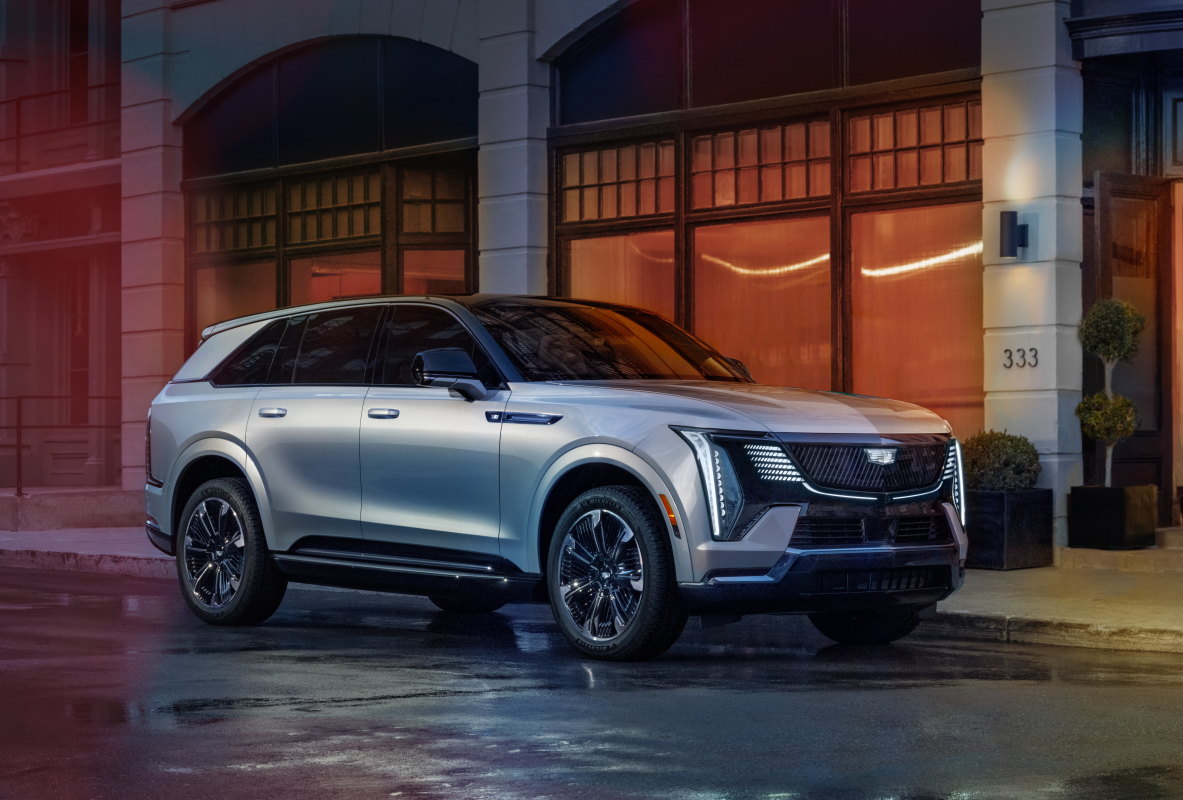
General Motors is betting that by 2028, you won’t need to look at the road. At its recent GM Forward event in New York, the automaker laid out an ambitious roadmap for the next few years — one that includes a fully “hands-off, eyes-off” driving system, conversational AI, and even vehicle-to-grid energy sharing. The first model to showcase this futuristic tech? The all-electric Cadillac Escalade IQ.

From hands-free to eyes-free

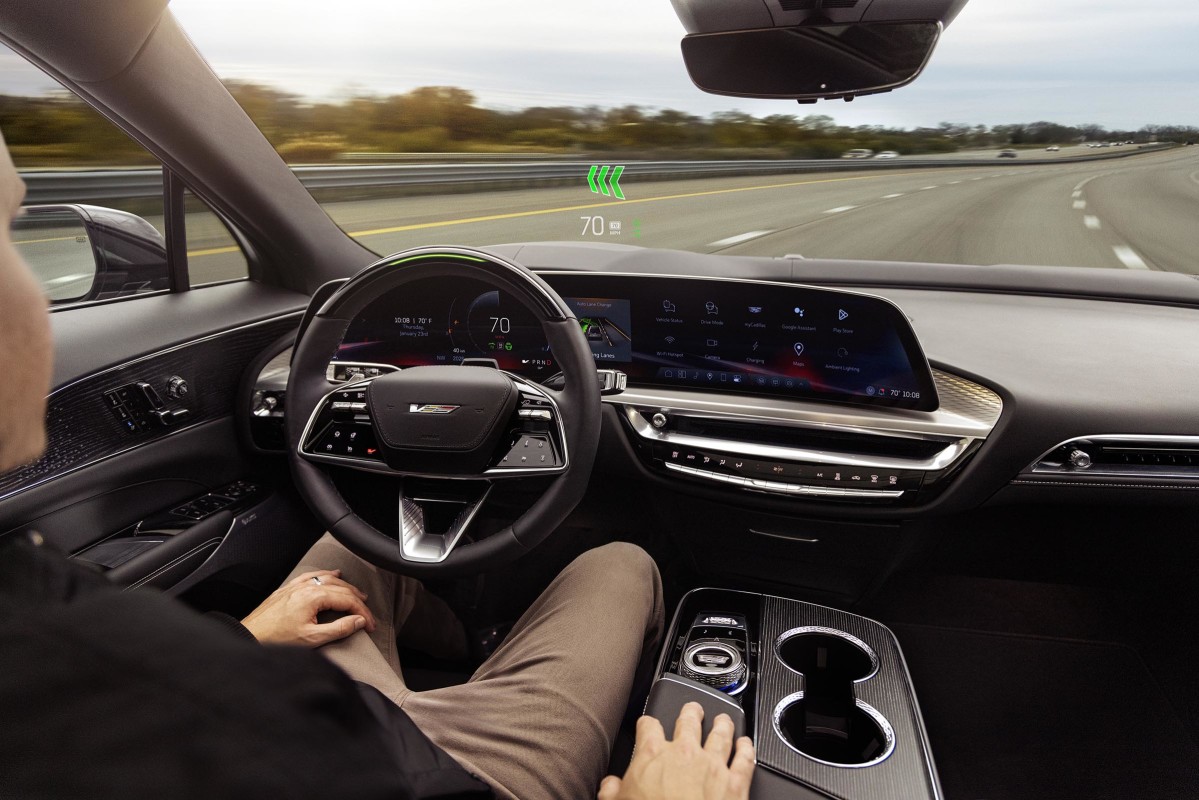
GM’s Super Cruise system already allows drivers to take their hands off the wheel on more than 600,000 miles of mapped highways in North America, and the company says it has logged over 700 million hands-free miles without a single crash attributed to the technology. However, by 2028, GM aims to take things further, enabling drivers to glance away from the road while the car handles everything.

2025 Cadillac ESCALADE IQ Sport

Cadillac

The upgraded system will use LiDAR, radar, and cameras built directly into the Escalade IQ’s design. When active, turquoise lighting will illuminate across the dashboard and mirrors, signaling that the vehicle is in control.

That would move GM’s tech from Level 2 to Level 3 automation — meaning the car, not the driver, is responsible for safety in certain conditions. Currently, only Mercedes-Benz offers a similar Level 3 system in the U.S., and it’s approved for use in just two states.

Cars that talk back

Autonomy isn’t the only leap GM is promising. Starting next year, its cars will feature conversational AI powered by Google Gemini. Drivers will be able to ask natural questions — like how one-pedal driving works or where to find the nearest coffee shop — and get relevant, contextual responses.

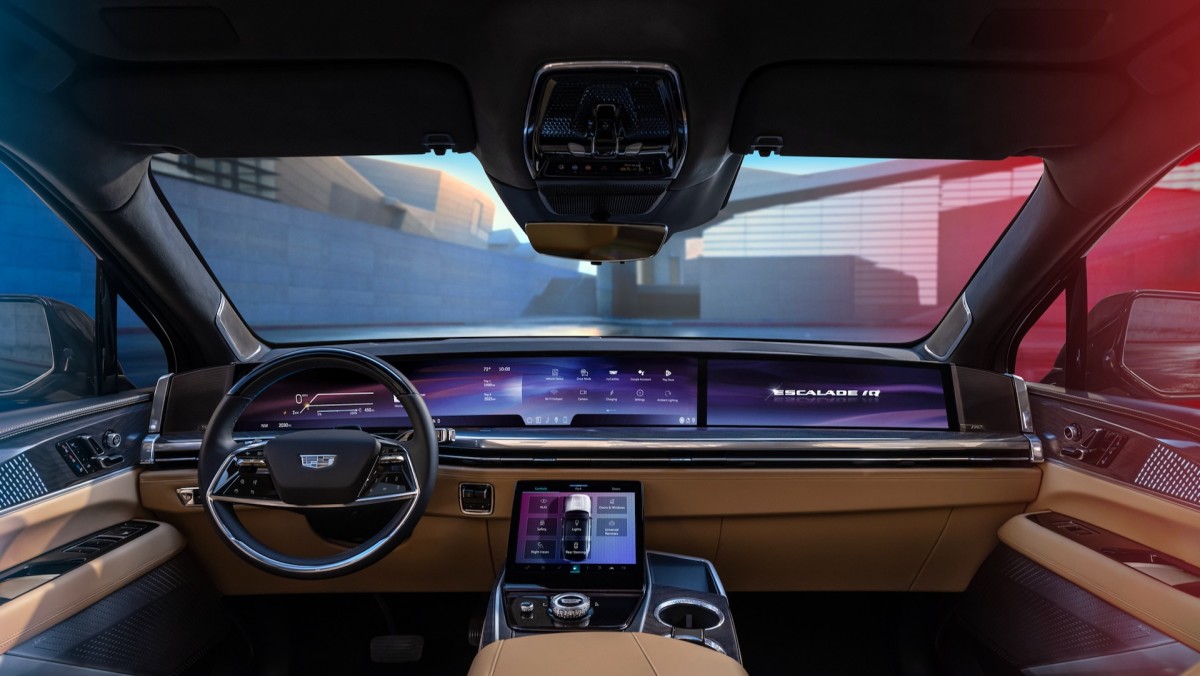
2025 Cadillac Escalade IQ

GM

Eventually, GM plans to replace Google’s system with its own in-house AI assistant. This version will learn from the driver’s habits and the car’s data, fine-tuning itself over time. Honda previewed similar ideas earlier this year at CES, showing off “AI personalities” in its upcoming EV lineup. However, GM’s approach leans more toward utility — a virtual co-pilot that helps manage the car, rather than an artificial friend.

A brain for the car

Behind all this software is a major hardware overhaul. GM is developing a new centralized computing platform that will debut on the Escalade IQ in 2028. Today’s cars rely on hundreds of small microchips, each handling a specific function like climate control or window operation. The new setup consolidates everything — propulsion, steering, safety, and infotainment — into one high-speed computing core.

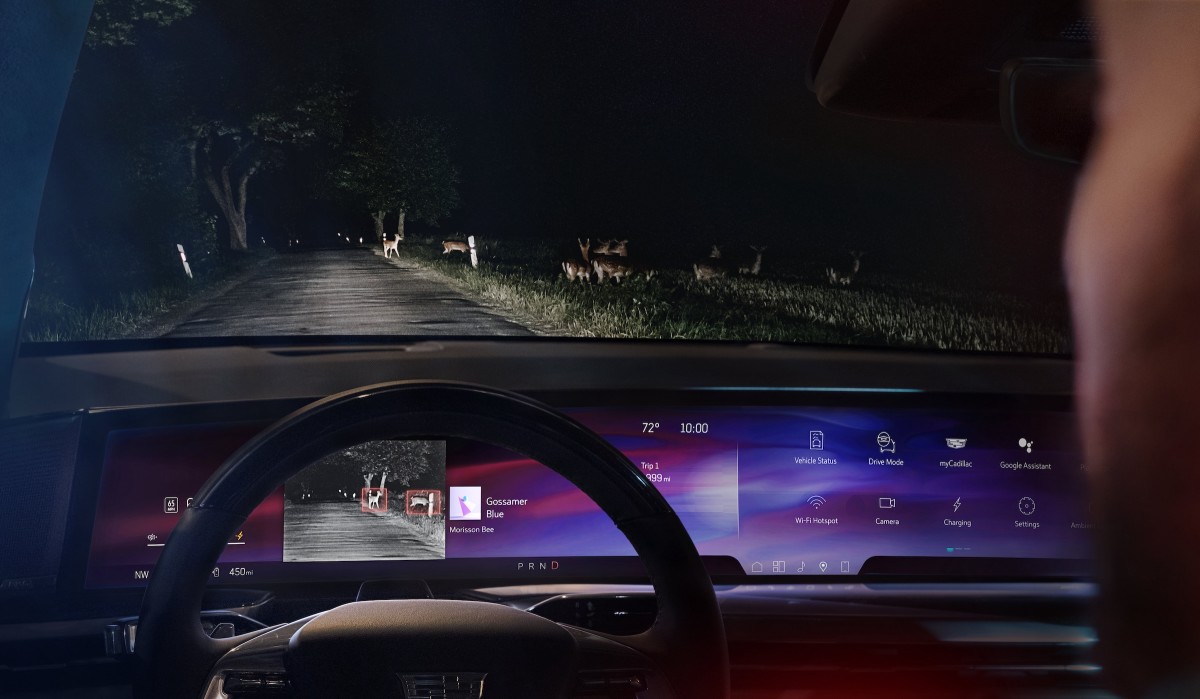
The 2025 Cadillac Escalade IQ has a number of driver safety assistance systems.

Cadillac

According to GM, the platform will deliver up to 35 times more AI performance, a thousand times more bandwidth, and ten times the over-the-air update capacity compared to current systems. It’s a move similar to what Rivian pioneered, and what Volkswagen bought into when it invested $5 billion in the EV startup earlier this year.

Final thoughts

Taken together, these technologies mark a shift in GM’s identity. The company known for V8 engines and chrome is repositioning itself around intelligence — cars that can think, communicate, and even power your house.

It’s a bold vision that hinges on public trust in automation and AI, both of which remain controversial. But if GM’s timeline holds, the next Cadillac Escalade might not just drive you somewhere — it might do so while you catch up on email.

  • Digg
  • Del.icio.us
  • StumbleUpon
  • Reddit
  • RSS
Post Icon

Even Sam Altman Can't Get Tesla to Deliver His Roadster Or Refund His Money


via Even Sam Altman Can't Get Tesla to Deliver His Roadster Or Refund His Money

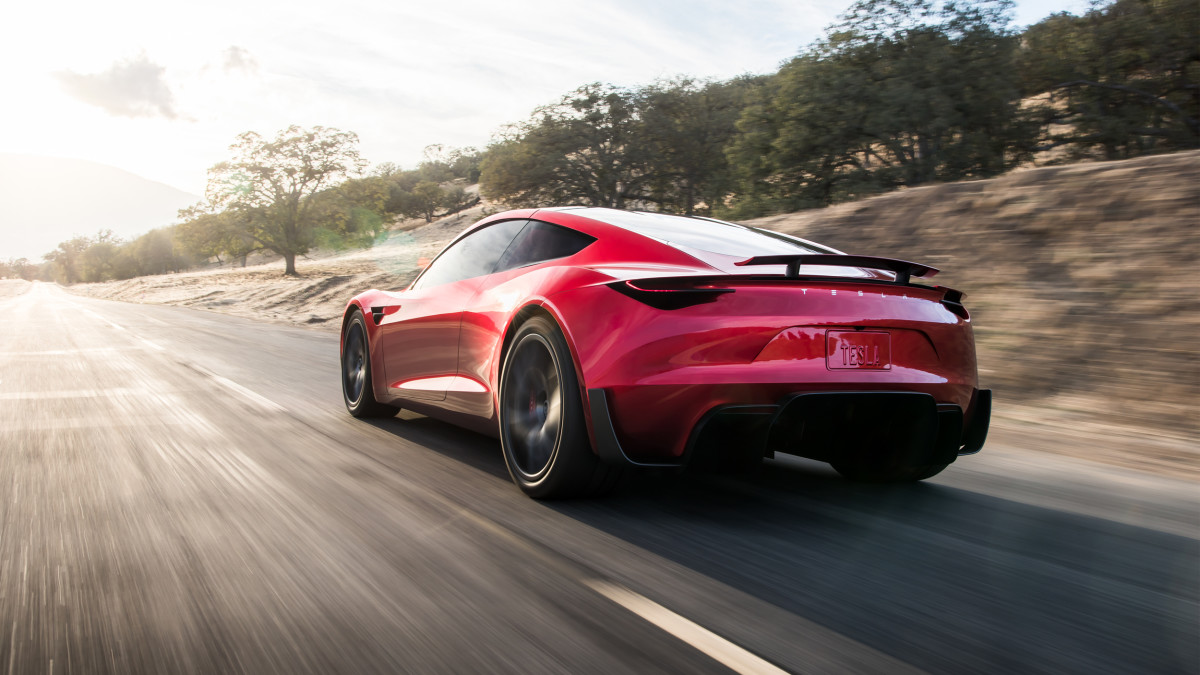
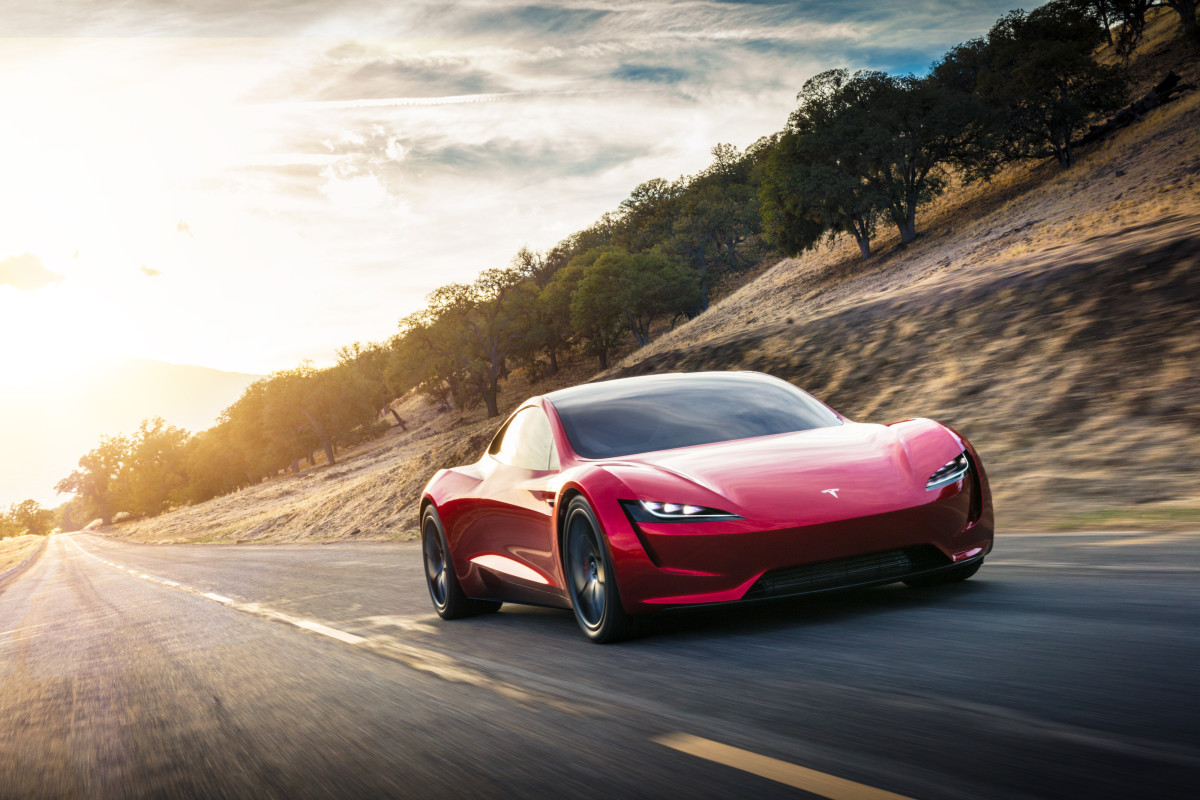
The year was 2017, and Elon Musk had just taken the wraps off the second-generation Tesla Roadster. The Roadster’s specifications were stunning: 0-60 mph in under two seconds and 620 miles of range on a single charge. The best part? It was promised to hit the road by 2020. Thousands of buyers put down deposits ranging from $5,000 to $50,000 and began the hopeful wait. Seven and a half years later, the Roadster hasn’t even entered production yet, and most people aren’t able to get refunds.

OpenAI CEO Sam Altman recently posted on how he tried cancelling his reservation in order to request a refund, but he wasn’t able to. The tech billionaire and former close friend of Elon Musk, who helped set up OpenAI, stated that even though he was really excited about the Roadster, seven and half years is a really long wait. Altman’s post going viral might’ve prompted Musk to drop hints on The Joe Rogan podcast that Tesla is working on a new version of the Roadster, which will be ready for the world to see before the end of the year. This sounds like something we’ve heard before though…

The Roadster Refund Process is a Nightmare

Ever since first missing the 2020 deadline for Roadster deliveries, Musk has been promising that Roadster production would start in the coming year. At this point, it’s a bit of a running joke in some circles. Understandably, people want out. While Tesla’s website promised fully refundable deposits, many customers report that the reservation page has no cancellation option. Further, the email address and phone number don’t yield a response.

Tech YouTuber Marques Brownlee previously documented his painful refund process, which was ultimately successful. So, though the road to Tesla Roadster refunds is difficult, it did seem like people were getting their money back. Sam Altman’s troubles with requesting a refund just seem to be a part of the process. 

Second-generation Tesla Roadster

Tesla

New Roadster in Development for 2025 Unveiling?

While Musk saying a new version of the Roadster is being developed for an unveiling in 2025 may sound like a mere response to Altman’s post on social media, there may actually be some basis for it this time. Tesla recently posted its first job listing specifically for Roadster production, seeking a Manufacturing Engineer for battery manufacturing equipment, with the description noting the Roadster is still in its early development stages.

It’s been nearly a full decade since the original unveiling of the Roadster. While Tesla may play loose with deadlines, it looks like this time around, it may actually be true. If that’s the case, hopefully the people who’ve waited all these years for their Roadster will finally get the vindication they deserve.

  • Digg
  • Del.icio.us
  • StumbleUpon
  • Reddit
  • RSS
Post Icon

The BMW M-Powered Range Rover Sport SV Is About To Copy Porsche


via The BMW M-Powered Range Rover Sport SV Is About To Copy Porsche

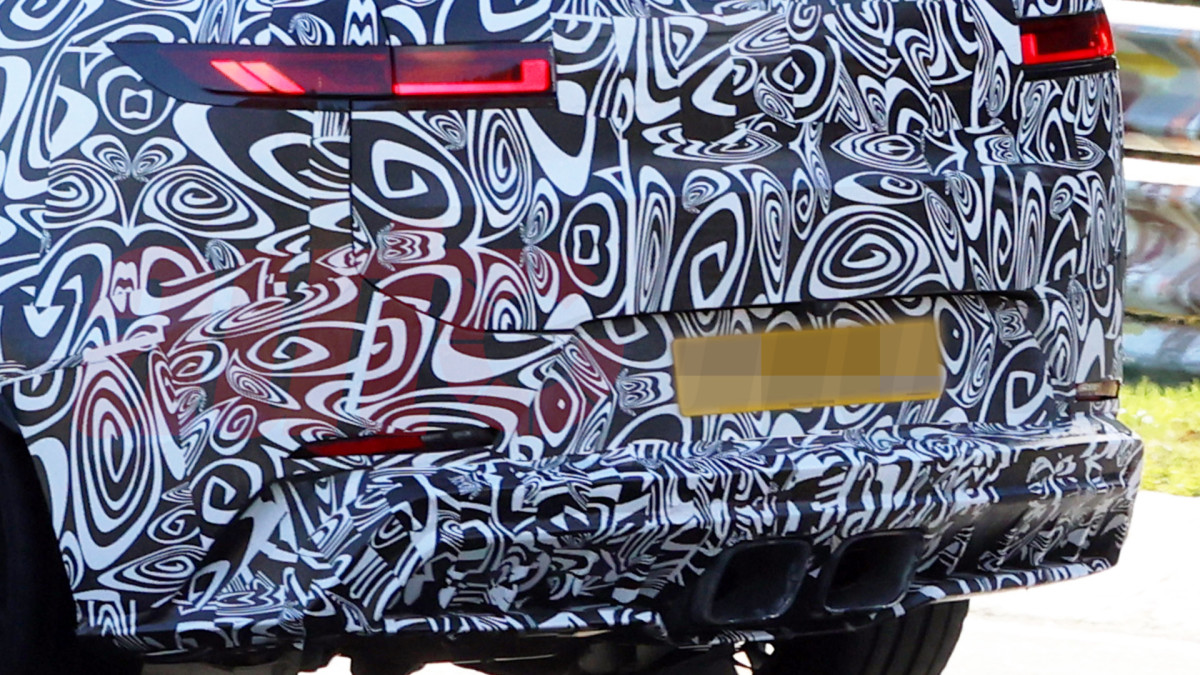
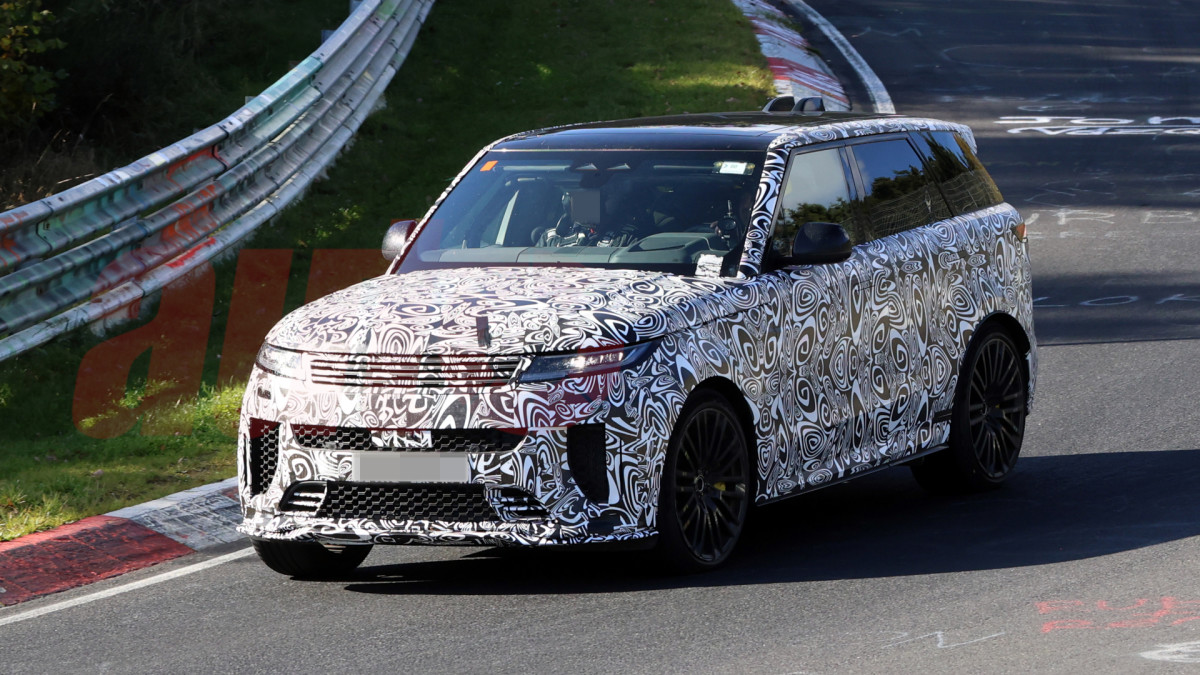
In 2026, JLR is expected to launch the Range Rover Electric, but a far more exciting SUV is also coming: the facelifted Range Rover Sport SV. Over the course of this year, we've seen special editions based on the SV - the Range Rover Sport SV Celestial, the Range Rover Sport SV Carbon Edition, and the Range Rover Sport SV Black - and these have essentially foreshadowed the end of the current model, and now the new one is on the Nürburgring, and thanks to one small detail, it makes all those special editions look relatively subtle. While the current model has a quad-exit exhaust (two on either side of the diffuser), this new one will feature two centrally-mounted exhaust tips, and they are huge. The Porsche Cayenne Turbo GT uses a similar strategy to assert itself as the top dog in its range, and it's very effective.

Other Styling Changes For The 2027 Are Subtle

SH Proshots/Autoblog

View the 4 images of this gallery on the original article

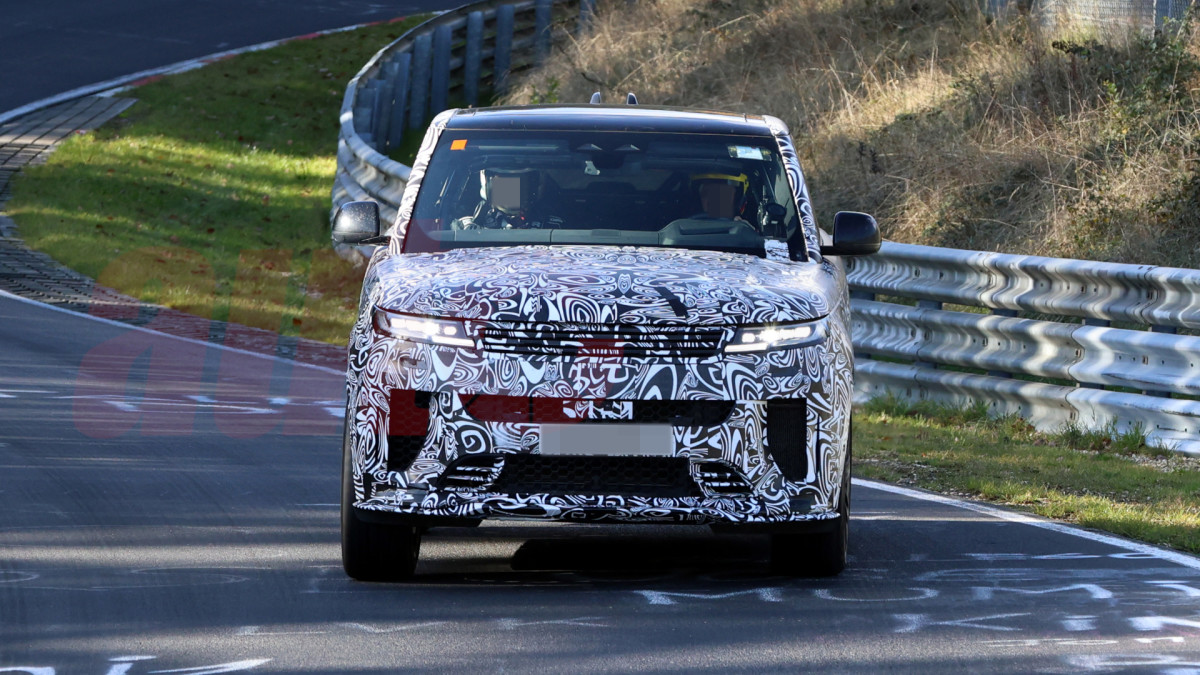
This prototype seems to be the finished product, with only the camouflage to be removed, and at the front, the new Range Rover Sport SV will feature straight, uninterrupted vanes between the two headlights (though JLR may change this to match the current model). Lower down, the grilles and intakes look very similar to those of the current model, but the mesh is slightly different and more prominent. In addition, the lower central grille now has more vanes for the outlying scoops, but the side intakes and the grille in the middle of the fascia are all but unchanged. A chin spoiler also reappears. Moving backward, there are no obvious changes to the profile (the front fender accents that mimic extractor vents will reappear once the camo comes off), and yellow brake calipers make their return. At the rear, the taillights and their graphics don't exhibit any changes, but the roof spoiler now has holes on either side. Further down, the new exhaust setup is housed in a redesigned diffuser panel with four upright accent vanes on either side.

What To Expect Under The Hood

SH Proshots/Autoblog

View the 2 images of this gallery on the original article

As before, the BMW M-sourced S63 4.4-liter twin-turbocharged V8 engine is expected to carry over, as is the eight-speed ZF automatic transmission that feeds all four wheels. The current model makes 626 horsepower and allows the super SUV to get to 60 mph from rest in 3.6 seconds, but it's unclear whether these figures will be improved on. Given the radical new exhaust, we hope they will, but this is still more than any BMW M car makes without hybrid assistance (617 hp, for the record). More information should trickle out of England in the coming months, with a full reveal late in 2026 or early in 2027.

  • Digg
  • Del.icio.us
  • StumbleUpon
  • Reddit
  • RSS
Post Icon

Honda Prelude is Actually Quick—But You Have to Disable a Feature Developed With It


via Honda Prelude is Actually Quick—But You Have to Disable a Feature Developed With It

Prelude’s Slow Start

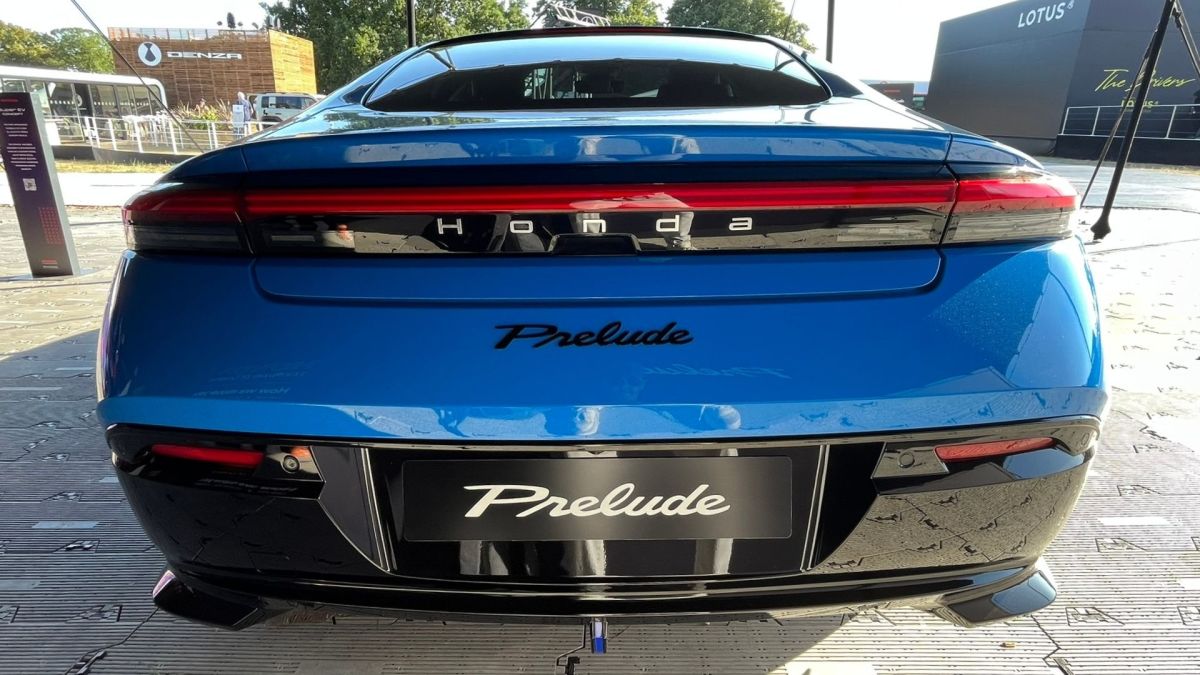
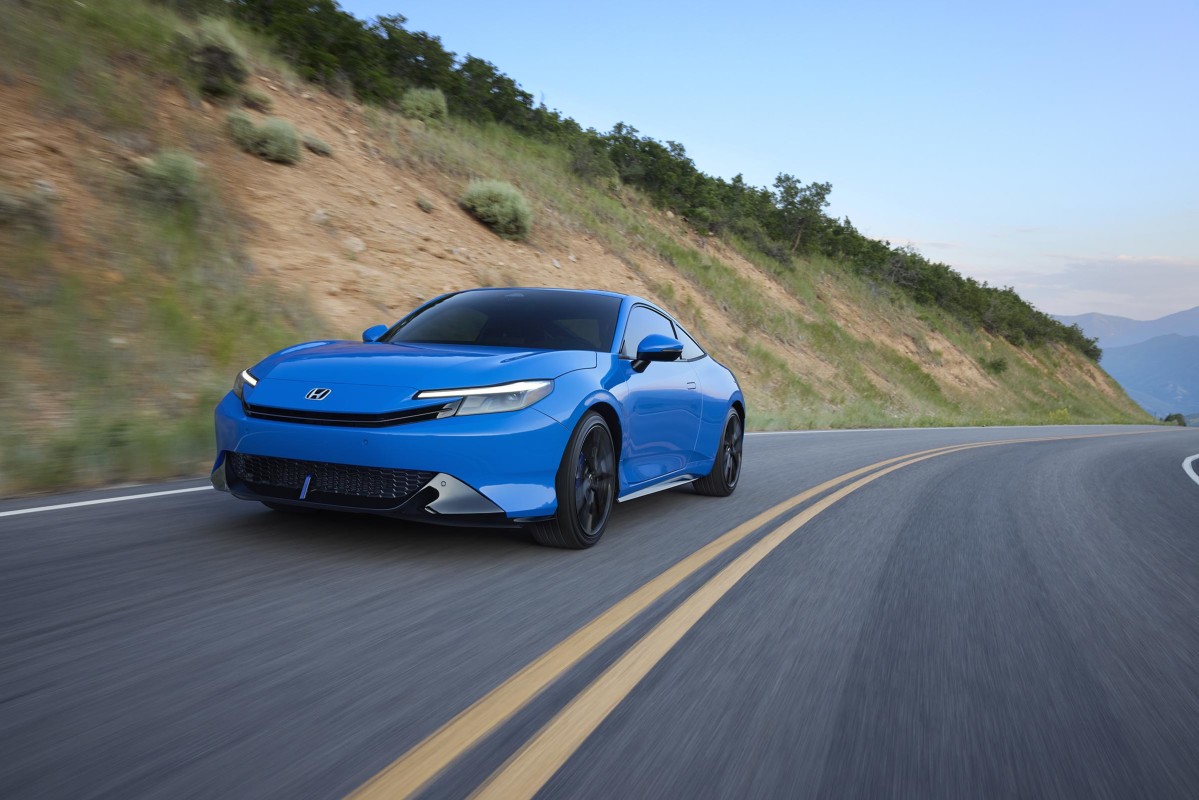
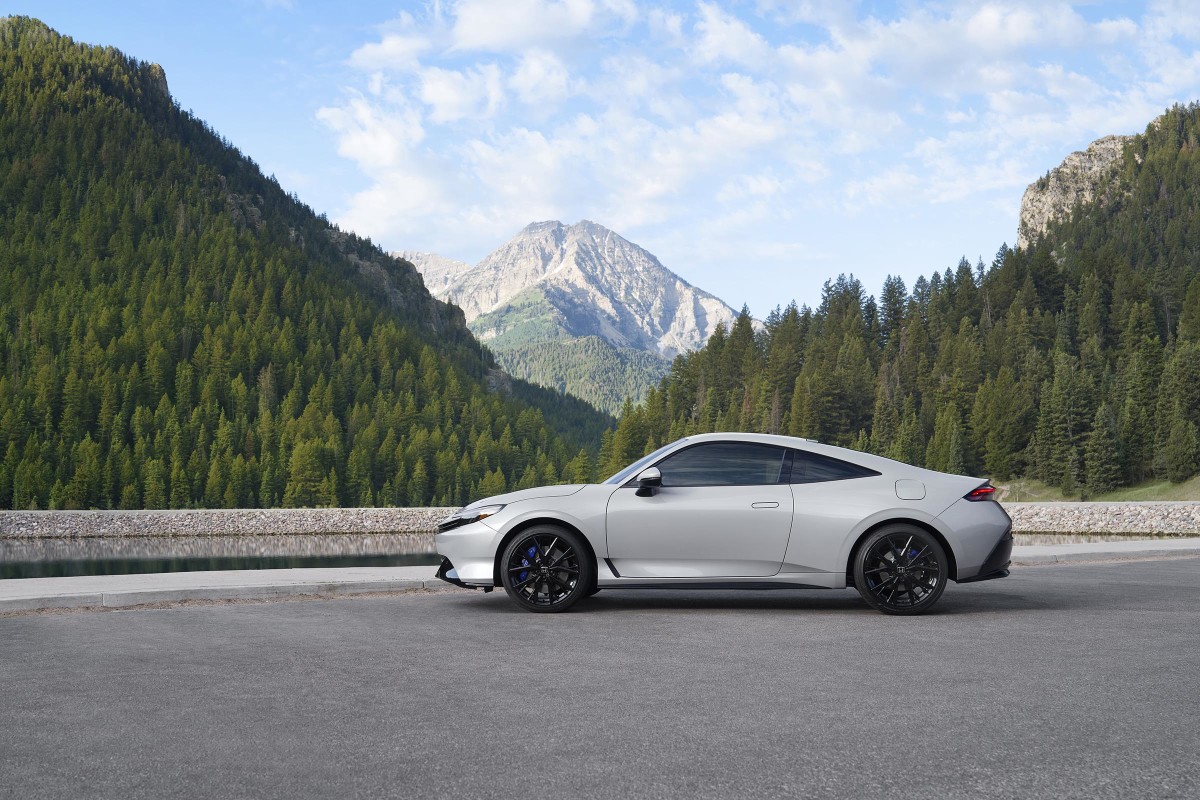
The new Honda Prelude has generated plenty of buzz, yet one of its first real-world outings raised an eyebrow among performance-minded readers. In Japan, an owner ran the car from 0-62 mph in about 9.2 seconds. That’s a lot slower than one might expect from a machine built around a hybrid powertrain similar to the Civic Hybrid.

What makes this more puzzling is the tech behind the setup: a 2.0-litre engine paired with a two-motor hybrid system, producing around 200 hp, driving the front wheels, and weighing roughly 3,200 lbs. Under the skin, there’s also the front suspension borrowed from the Civic Type R. So on paper, the recipe looks better than the nine-second run suggested.

But here’s the kicker: Honda deliberately did not equip the Prelude with a dedicated launch control system. That means owners had to rely on pedal-coordination tricks previously seen in the Civic Hybrids to get off to the best start.

Actually Quicker Without S+ Shift

The story doesn’t end at the slow launch. The same Japanese owner returned with a follow-up test, this time applying the brake-and-throttle technique to mimic launch behaviour and disabling the S+ Shift in Sport mode. The result: a time of 7.2 seconds for a 0-62 mph sprint. The two-second improvement pointed to something deeper than raw power.

It turns out the difference may stem from the car’s new S+ Shift mode. Honda designed this to recreate a performance-driving feel in its hybrid architecture – paddle shifters, rev-matching, “gear” holds, down-shift blips, the lot.

Yet here’s the paradox: the system that’s meant to heighten engagement appears to hamper straight-line performance when left fully active. The owner’s method effectively disabled or sidestepped parts of that system, freeing the car to accelerate more aggressively.

In short, the Prelude can sprint quicker, but only if you override what was meant to enhance the experience.

View the 2 images of this gallery on the original article

Still Behind But Closing In

Even at 7.2 seconds to roughly 0-62 mph, the Prelude doesn’t yet match the sprint figure posted by the 2026 Civic Sport Touring Hybrid – recorded at 6.2 seconds to 60 mph by Car & Driver. Of note, this is owner-test territory, not Honda’s official claim, so there’s room for variability depending on surface, temperature, battery state, and driver skill.

From the perspective of performance purists, yes, the Prelude trails. But from a broader view, this test shows the margin is narrower than it first appeared – provided you know how to drive it.

View the 3 images of this gallery on the original article

  • Digg
  • Del.icio.us
  • StumbleUpon
  • Reddit
  • RSS
Post Icon

The Last Ford F-150 Lightning For Under $50k Is Dead


via The Last Ford F-150 Lightning For Under $50k Is Dead

Ford’s workhorse Lightning Pro is no longer priced like a workhorse

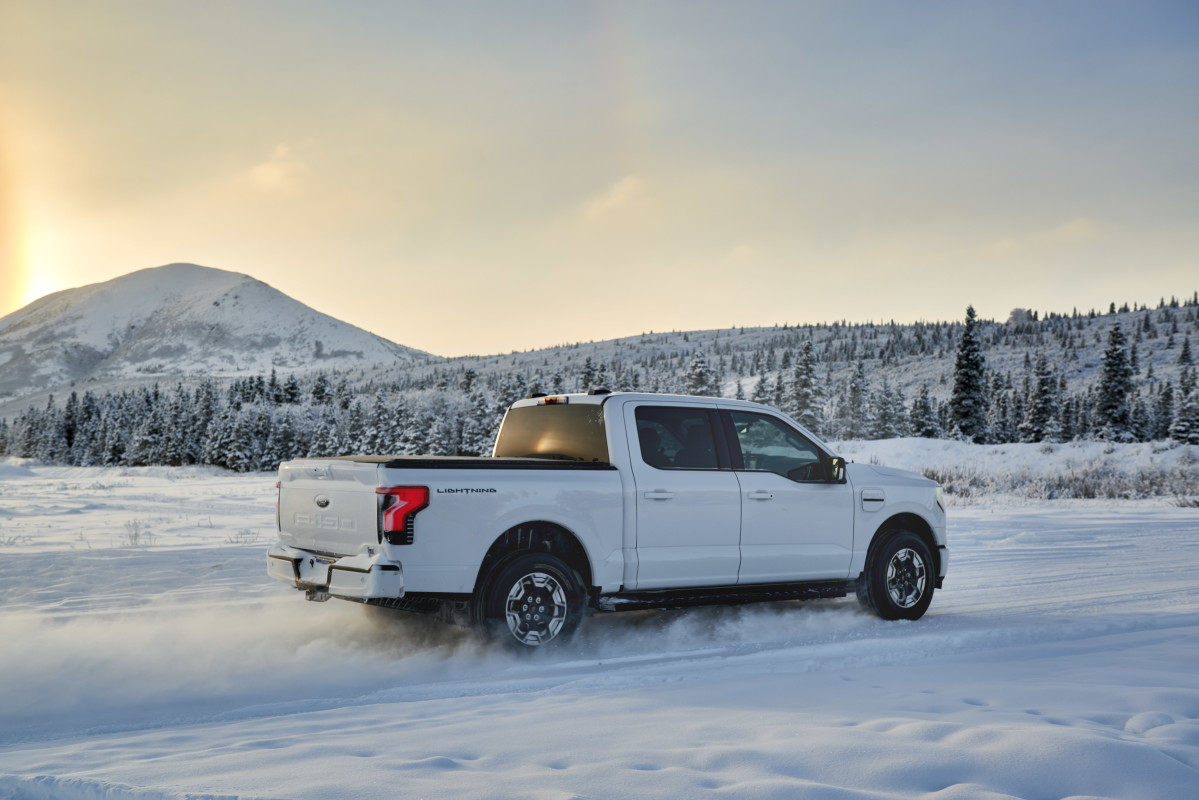
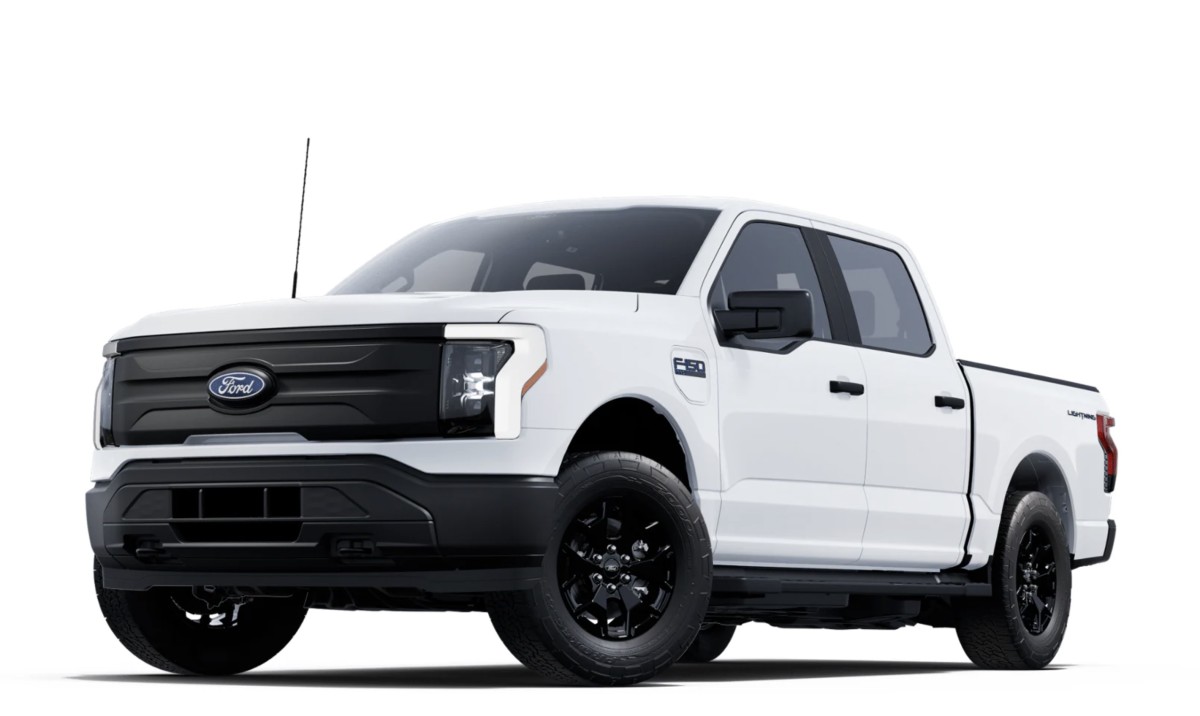
Following the scrapping of the EV tax credit at the end of September, there was some good news for the 2026 Ford F-150 Lightning. Its price will drop by up to $4,000 on certain trims when it becomes available. What was missing from that report was pricing for the Pro, the most affordable trim by far, and the news for this variant is a lot less rosy, as it’s expected to become $5,000 pricier. Cars Direct obtained an order guide for the 2026 F-150 Lightning, confirming the increase, which makes the base model close to 40% more expensive than it was when first launched. Thankfully, there’s a justifiable reason for the price hike for 2026.

Ford Discontinues Lightning's Smaller Battery

2025 Ford F-150 Lightning Pro

View the 3 images of this gallery on the original article

For 2025, the F-150 Lightning Pro comes with a 98-kWh Standard Range battery as standard, which delivers a 240-mile range on a full charge. The larger 123-kWh battery with a 300-mile range is an option, but this is now standard for 2026, which helps explain the price increase of $5,000. The Pro trim will now cost $54,780, which means you’ll no longer be able to get an F-150 Lightning for under $50k. The Standard Range battery has been discontinued across the entire lineup, so all models should be able to manage at least 300 miles on a full charge.

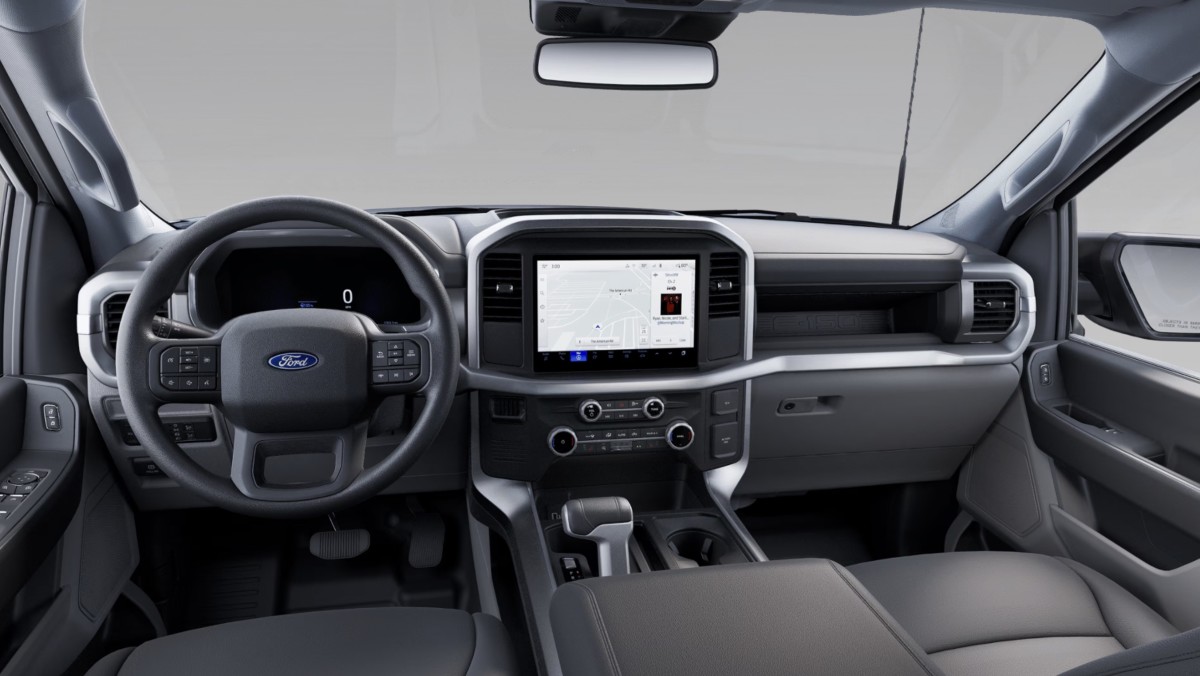
Besides the price bump, there’s some more bad news for the Lightning Pro. According to a Washington-based Ford dealer, this model is not available for retail purchase—only fleet orders will apply. You’ll have to cough up at least $63,345 for the STX, which replaces the XLT. That price excludes a delivery fee of $2,195.

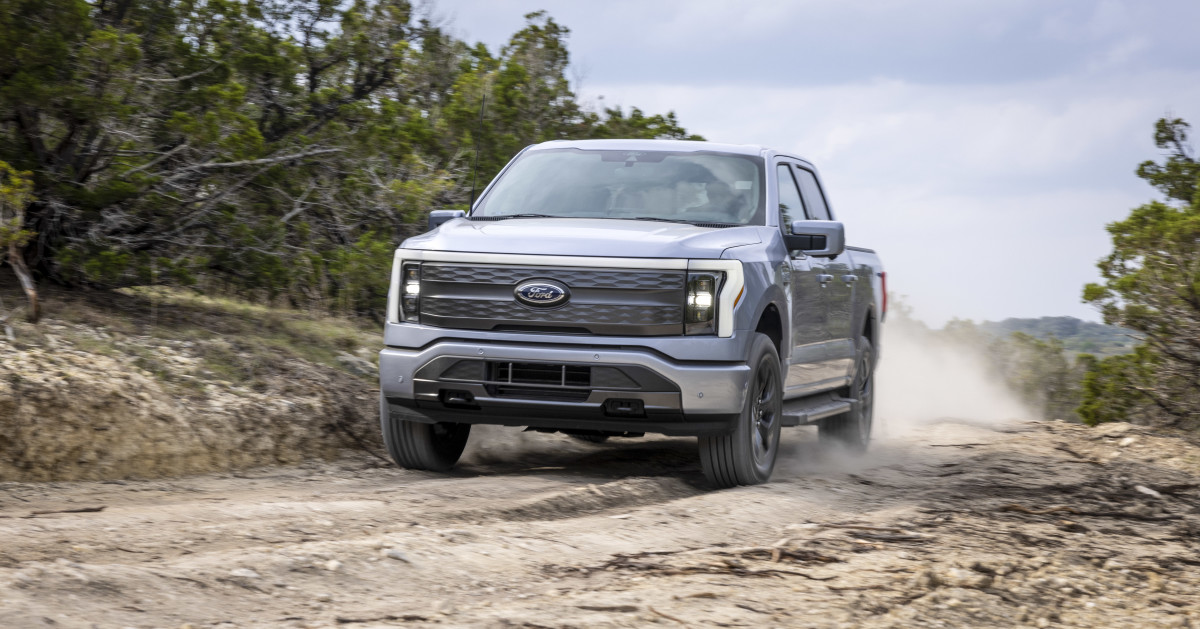
Only the Flash ($65,995) and Lariat ($76,995) receive price cuts for 2026. The top Platinum grade will still cost $84,995.

What Else is New?

2025 Ford F-150 Lightning Pro

The scrapping of the Standard Range battery is the main change for 2026, but Ford will also be introducing three new colors for the F-150 Lightning: Argon Blue Metallic, Marsh Gray, and Ruby Red Metallic Tinted Clearcoat. Colors from 2025 that won’t carry over are Rapid Red, Space White, and Iconic Silver.

The Pro now gets Carbon Black running boards as standard, and there’s a one-year subscription to the Ford Connectivity Package for all trims. The Max Trailer Tow Package that increases the towing capacity from 7,700 lbs to 10,000 lbs is now standard on the Platinum and optional on other trims.

There’s no Such Thing as a Cheap Electric Pickup

2025 Ford F-150 Lightning Lariat

Ford

It seems like ages ago since the cheapest Ford F-150 Lightning cost just under $40k. Tesla once promised that the Cybertruck would arrive with a base price of around that point, but it never happened. The 2026 Chevy Silverado EV and GMC Sierra EV both cost way over $50,000, too. This tracks with the average transaction price for new EVs in September, which increased to a whopping $58,124.

Ford is planning a smaller, cheaper electric pickup, while Slate has even bigger ambitions for a $25k electric pickup with the bare minimum of features. Until these plans come to fruition, electric pickups remain too expensive for a large percentage of American consumers.

Related: Ranked: The 5 Best-Selling EVs Of The Year So Far

  • Digg
  • Del.icio.us
  • StumbleUpon
  • Reddit
  • RSS
Post Icon

Wireless EV Charging Inches Closer as Breakthroughs Emerge


via Wireless EV Charging Inches Closer as Breakthroughs Emerge

EVs Could Soon Juice Up Without Plugging In

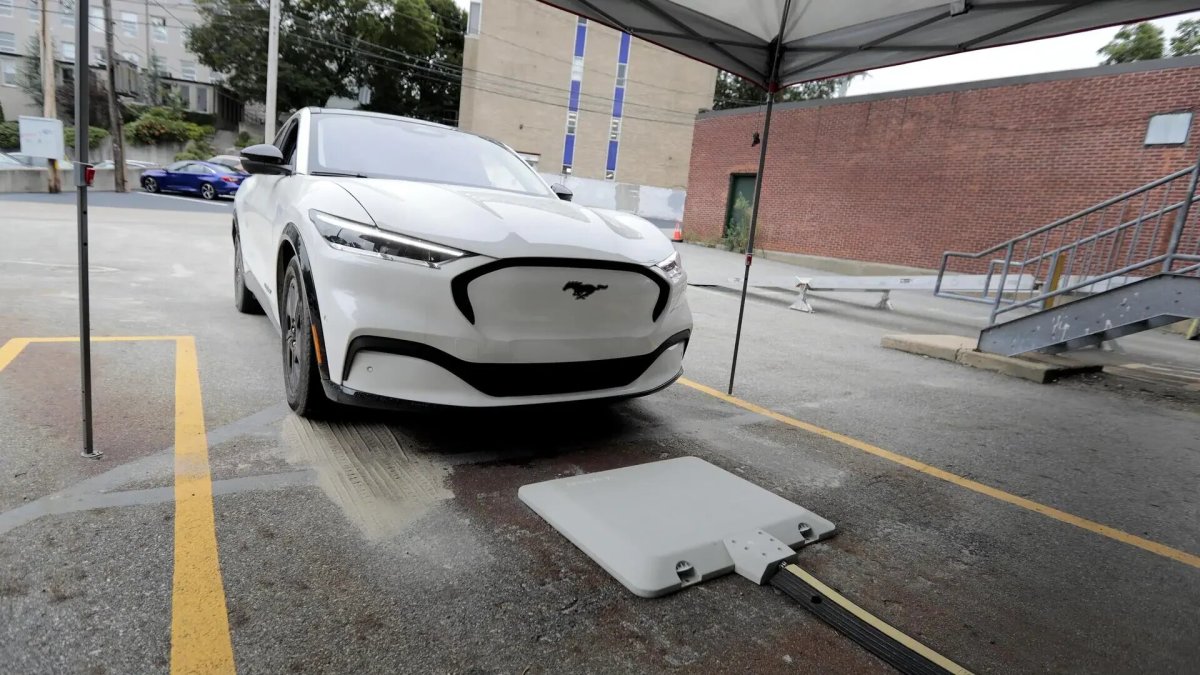
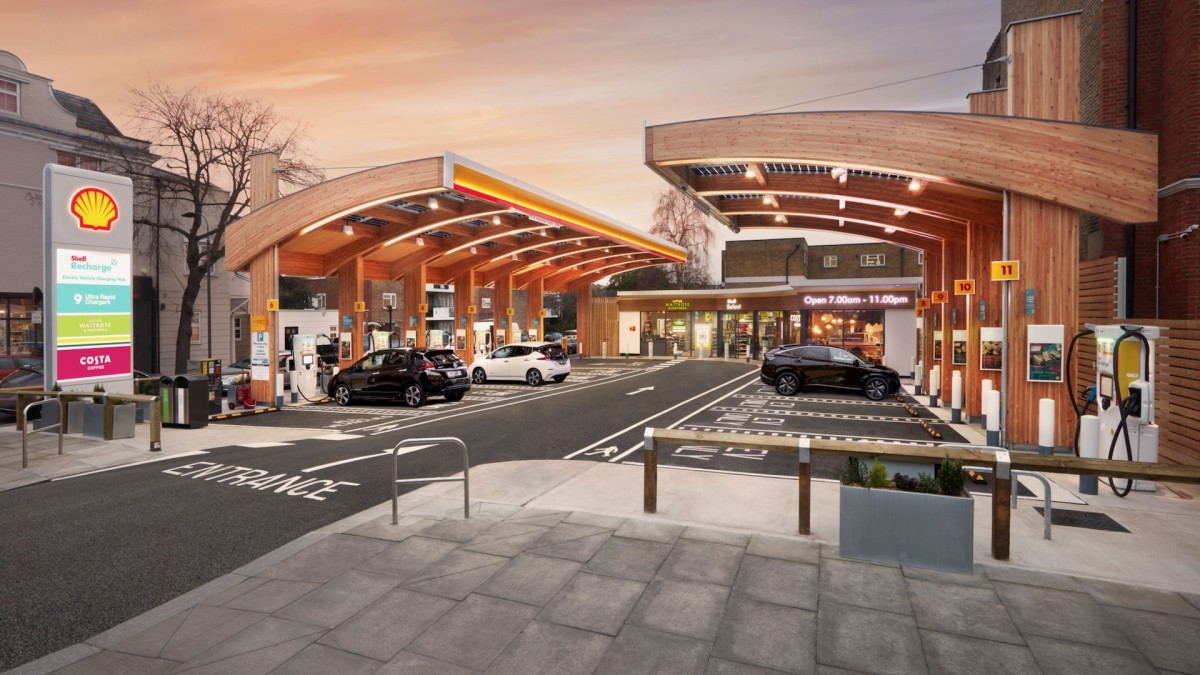
Companies are pouring resources extensively into what is possibly the future of EV charging. Analysts and industry experts are keeping tabs and seem increasingly interested in the progress some of these bright minds have achieved. For example, researchers at Oak Ridge National Laboratory managed to wirelessly charge a Hyundai Kona Electric with 100 kW of power at 96% efficiency. This wireless arrangement added 50% charge in 20 minutes, with a 5-inch clearance between the charging pad and the car.

Shell

But that’s not all, in an earlier test, the team outdid themselves, achieving 97% efficiency while pushing 120 kW of power. Others have pulled off even mightier feats. Companies like WAVE and Momentum Dynamics are in the midst of developing systems with capacities of up to 500 kW for electric trucks and buses.

Interestingly, OEMs like Porsche, Toyota, BYD, and Mercedes are also in the mix. The 2026 Porsche Cayenne EV will be the brand's first all-electric utilitarian to feature an 11 kW wireless charging system. As for Mercedes-Benz, Astute Analytica claims the German marque is busy testing wireless charging on its experimental vehicle, the ELF. Additionally, Mercedes is also in the works to launch its first bi-directional V2G (vehicle-to-grid) charging service across several European markets in 2026.

Wireless EV Charging: Challenges Remain, but the Future Looks Bright

It’s not all smooth sailing, though. Achieving such efficiency figures in a test/research environment is one thing, but to replicate that in the real-world is a different ball game. However, if there’s anyone out there who can get it to work, it’s probably them.

Standardization is another important aspect for wider and faster adoption. SAE International has addressed that with the J2954 standard, ensuring seamless power transfer across different vehicles and chargers. The standard also mentions an alignment tool—DIPS, short for Differential Inductive Positioning System—that helps automatically position EVs over the charging pad for optimal energy transfer.

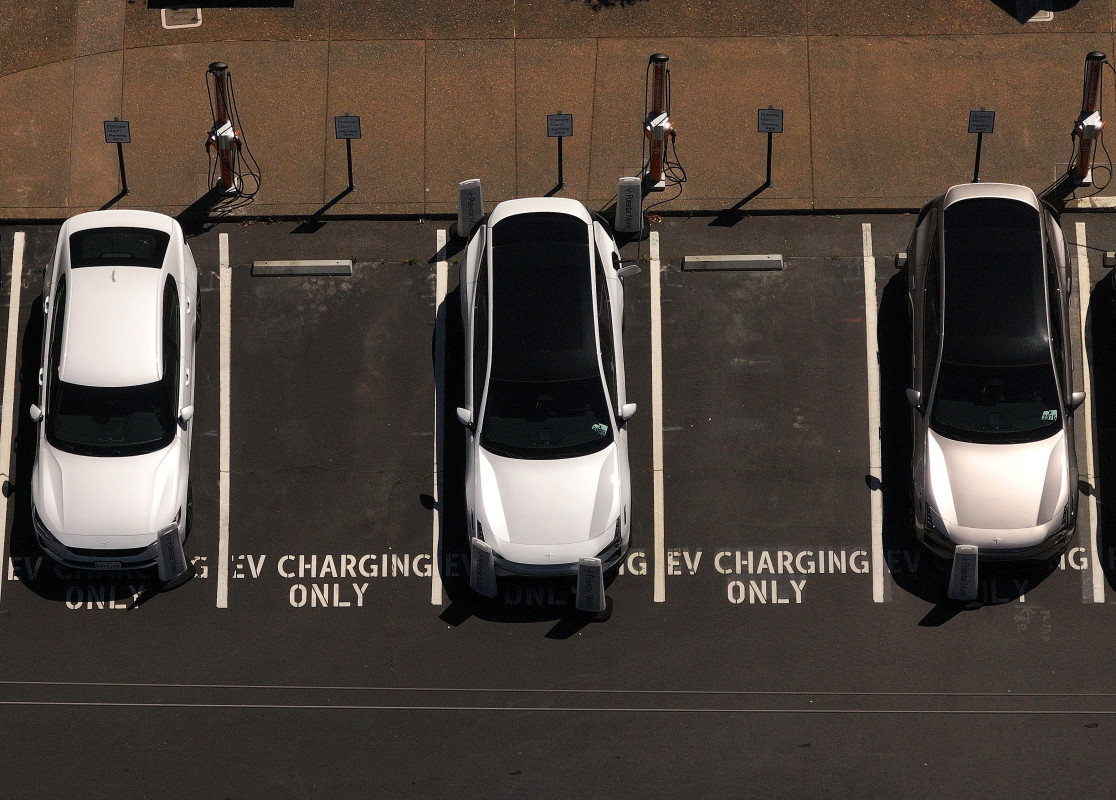
Getty

Government support in the form of incentives, grants, and tax credits help absorb some of the barriers to entry. But perhaps the most important factor is the cost of installation. For instance, setting up a residential Level 2 wireless charger can cost up to $2,500, with hardware costs in the $300 to $1,200 range.

What we discussed so far is static charging. Something more far-fetched or sci-fi-like is dynamic charging, where your EV charges as you drive along the road. The inductive charging bits are embedded into the road itself, eliminating range anxiety for good. Mind you, it’s not just a pipe dream. In late 2023, thanks to the company Electreon, a quarter-mile stretch in Detroit wirelessly charged a Ford E-Transit while driving at 9 mph. We are truly living in an age of wonder.

  • Digg
  • Del.icio.us
  • StumbleUpon
  • Reddit
  • RSS